Studio Ghibli adds new My Neighbour Totoro 2026 Corn Gift to its anime store for Mother’s Day

New release contains exclusive My Neighbour Totoro products that can’t be purchased anywhere else. 

Mother’s Day gift shopping can be a stressful experience when you’re looking to find the perfect present, but for fans of Studio Ghibli it’s an experience that’s both easy and joyful, thanks to the annual release of the My Neighbour Totoro Corn Gift.

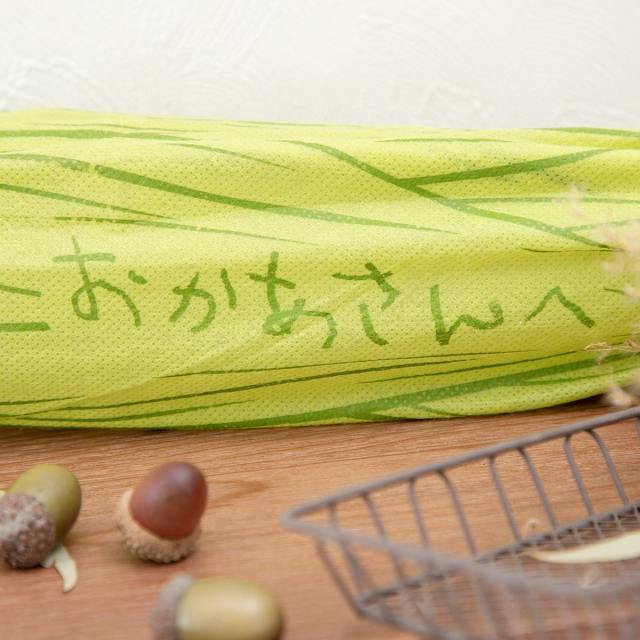
After making its debut over a decade ago at Donguri Kyowakoku, the studio’s specialty retail chain, the Mother’s Day corn gift has evolved to include exclusive new products every year, but one thing has always stayed the same – the sweet corn packaging.

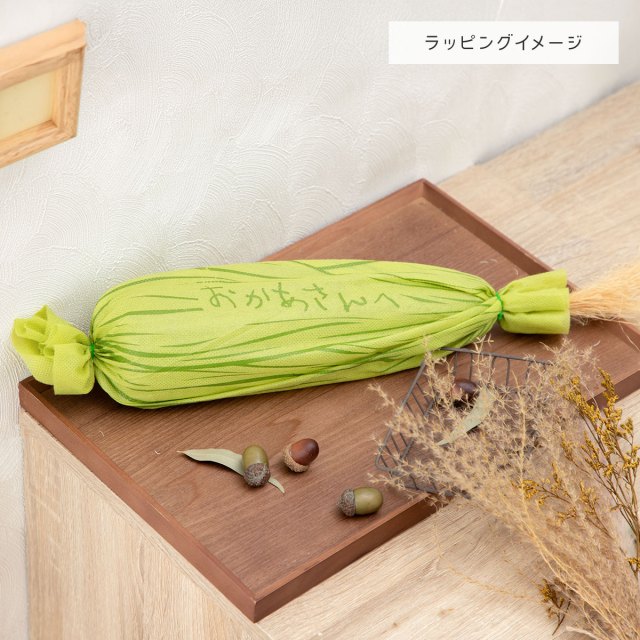
The corn is always printed with the words “おかあさんへ” (“To Mum“), as seen on the corn given by Mei to her mother in the Ghibli movie My Neighbour Totoro.

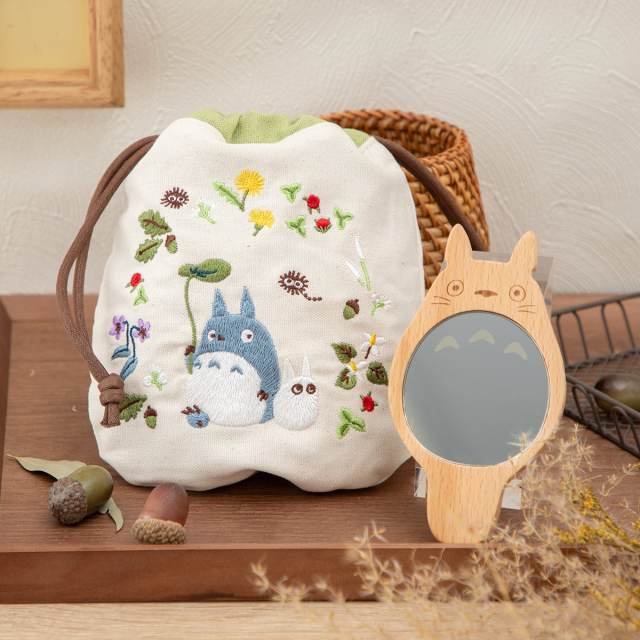
This year, the corn contains an all-new surprise that’s never been seen before and, if we’re going by the fact that the corn gift has contained something new in 2022, 2023, 2024, and 2025, these items are likely never to be repeated.

▼ A Totoro-shaped hand mirror and a drawstring bag embroidered with spring wildflowers.

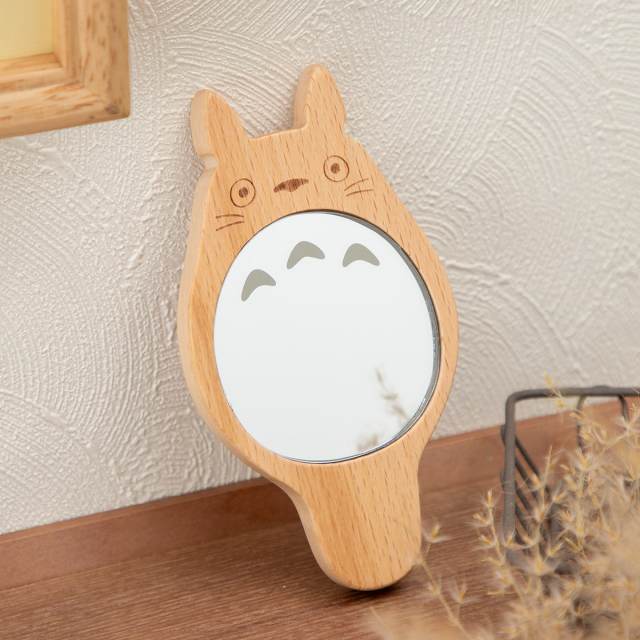
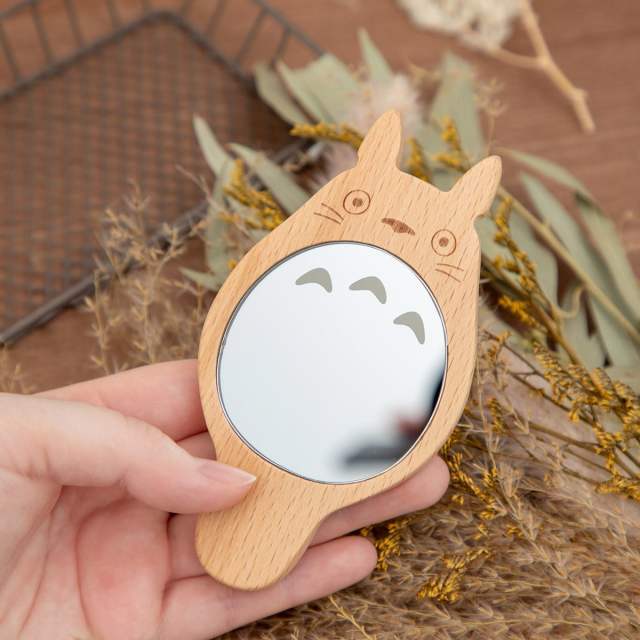
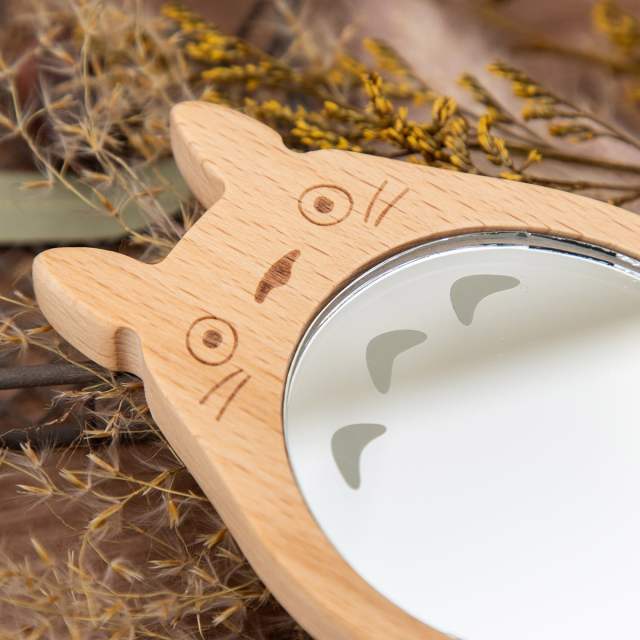
The tiny hand mirror, which fits comfortably in the palm of your hand, is made from real wood for a warm, comforting feel.

The handle is shaped like Totoro’s tail, giving you an instant connection to the character. Plus, every time you look in the mirror, you’ll be making eye contact with Totoro, an act that’s sure to warm your heart.

Being made from natural wood, each hand mirror has a unique grain and pattern, making every Totoro unique.

The mirror fits nicely inside the drawstring bag , which is beautifully embroidered with flowers that bloom from spring to early summer.

The design includes dandelions, wild violets, wild strawberries, houttuynia cordata, dwarf sedge, and baby’s breath.

▼ Baby’s breath symbolises “gratitude”, making this a perfect Mother’s Day gift.

With Soot Sprites and a Small and Medium Totoro completing the design, this bag will bring a smile to the face of anyone who sees it. While the product itself is beautiful, it’s functional too, with its 15.5 x 17 centimetre (6 x 6.7 inch) dimensions giving you plenty of room to use it as a “bag-in-bag”, the name given to a small bag that keeps things neatly organised inside a larger one.

Of course, you don’t have to be a mother to buy the bag, but it is timed to reach mums on Mother’s Day (10 May in Japan), with deliveries planned for 7-10 May. Each corn gift retails for 3,850 yen (US$24.13) and can only be purchased at the online store, through pre-sale reservations, from 12 p.m. on 3 April until 11:59 p.m. on 29 April, and general sales, which allow you to bundle the set with other purchases, from 10 a.m. on 18 April if stocks are available.

Source, images: Donguri Kyowakoku
● Want to hear about SoraNews24’s latest articles as soon as they’re published? Follow us on Facebook and Twitter!


Credit:

0 comments:

Post a Comment

Float all of your troubles away with a boat ride down the Shimanto River in Kochi Prefecture

Escape the urban sprawl by taking a tour on “Japan’s last clear stream” that will leave you clearly in tune with nature.

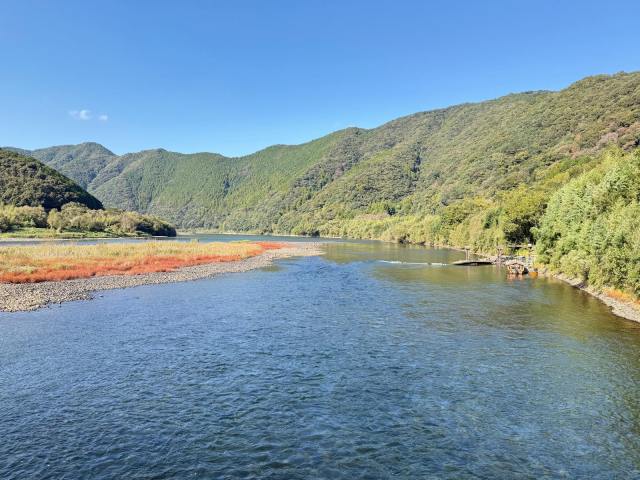
Kochi Prefecture makes up a large chunk of the southwestern part of the island of Shikoku. Full of intriguing highlights such as statues dedicated to local samurai of legend Sakamoto Ryoma or the Kaiyodo Kappa Museum, the largely rural prefecture also has no shortage of unspoiled natural scenery for when you need a rural reset.

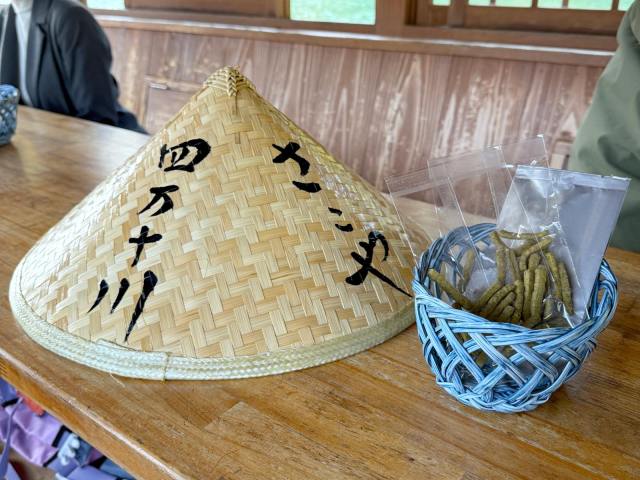
Our Japanese-language reporter Marie Morimoto was in need of such an escape, so she hopped over to Kochi’s Shimanto City. More specifically, she headed to the sprawling Shimanto River, which is known for its numerous chinkabashi “submersible bridges” that become fully submerged during times of flooding. Her plan was to take a sightseeing tour on a yakatabune, a type of roofed “house-style” used for pleasure cruises on rivers and bays in Japan for hundreds of years. The particular provider that she sought out was called Yakatabune Sakoya, which has a boat launch on the east side of the Sada Bridge.

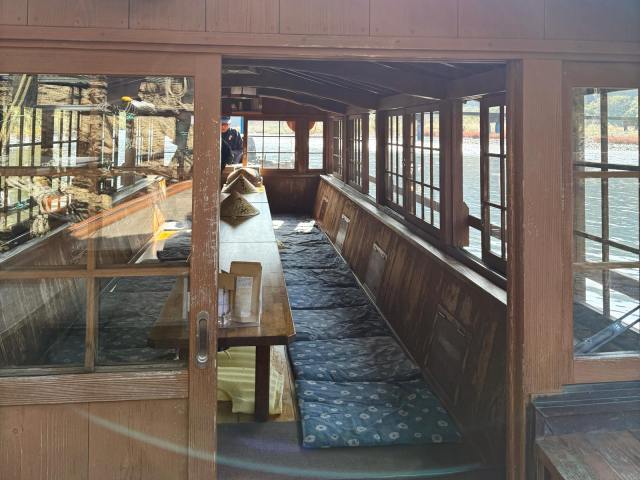
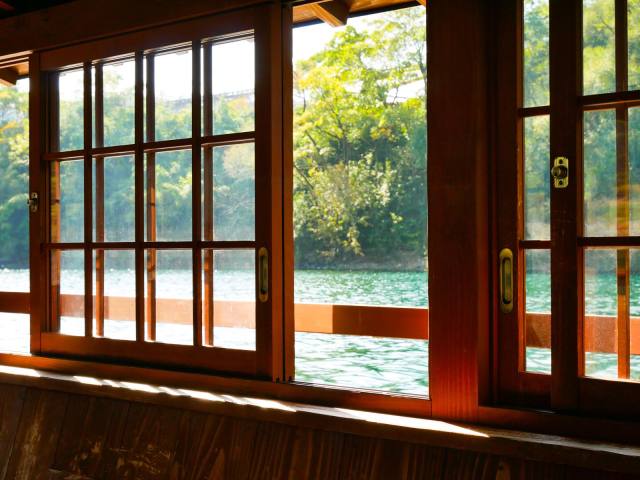
Stepping aboard, Marie saw the main passenger room full of zabuton floor cushions and a long, low table. She picked a spot and sat down.

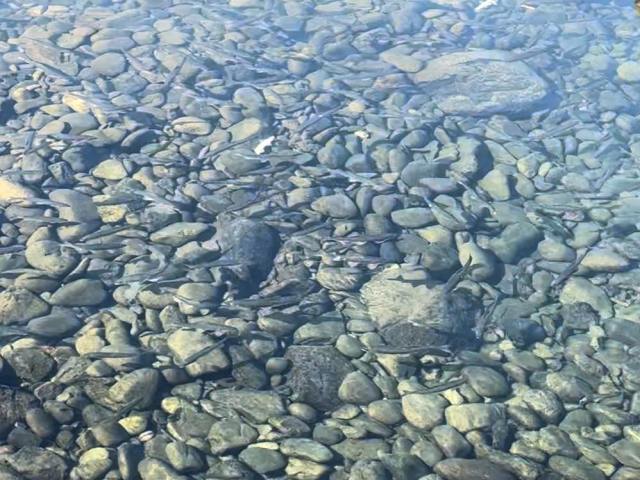
She peeked out a window and spotted dozens of ayu sweetfish darting among the smooth riverbed pebbles. They were easy to spot in the clear, calm water.

Actually, the water’s surface was so close to Marie’s eye level on the boat that it was a bit frightening. She doesn’t often get the chance to visit a large-scale waterway outside of a major metropolitan area, so it reminded her that rivers are true forces of nature in their own right.

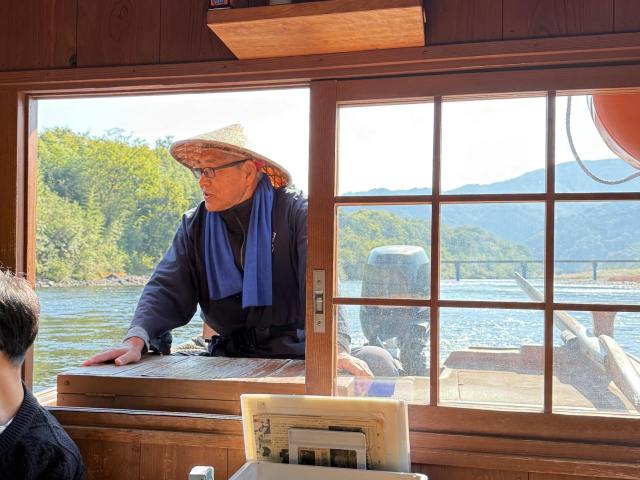
Before long, the boat’s motor turned on and they began chopping through the water. Marie could feel the sheer volume of water from inside the boat as it accelerated. Surprisingly, the boatman announced that the water level was actually relatively low this year. In a typical year, the river’s various submersible bridges might become completely submerged and disappear altogether from view at times. As the boat passed under one such bridge, she found herself shocked at how high the water must rise for the structure to become underwater.

The boatman shared fun stories as they moved along. One piece of trivia that Marie found particularly interesting was that the Shimanto River’s nickname, “Japan’s last clear stream,” is not derived from the fact that its waters are extremely clear. The true reason behind it is that it’s Shikoku’s longest river with no manmade dams to interrupt the water’s natural flow, resulting in unspoiled nature and rich local ecosystems.

He continued to share more about everything from the birds that rest on the river’s sandbars to the lives of local fisherman, as well as how fast cars drive across the bridges and a time when some foreigners wanted to jump off a bridge into the water in the middle of winter. Marie found herself enraptured by the way that he shared the local lore with ease.

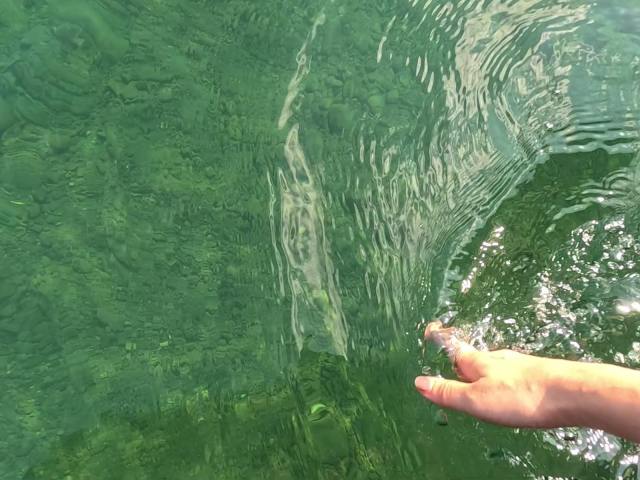
At one point he turned off the motor while they rested in a gentle, pool-like spot and the surroundings reverted back to the sounds of nature. “It’s OK to touch the surface,” he shared, so everyone onboard leaned out of a window to dip their fingers into the water.

The emerald-green water was cold. Marie swayed her hand back and forth to the tune of birdcalls and gazed out at the mountains in the background. She felt somehow frozen in that moment, simply existing within the stillness of nature.

The boat tour eventually concluded after 50 minutes, and the last thing the passengers did was walk onto a submersible bridge to take in some sights. Standing on top of it, Marie again marveled that there are times when this structure is completely underwater. She supposed that the locals who experience this scenery every day must think of it as a very natural thing.

The Yakatabune Sakoya boat sightseeing experience was something that left Marie not so much flooded with adrenaline, but with a calmer, more refreshed feeling. It was as if her time on river had left a big imprint on her very soul. She already knew that she would reminisce about this day fondly in the future. A large part of that sentiment was thanks to the expert boatman who had deftly navigated steering while sharing insights into the river’s scenery and culture.

Reservations for a Yakatabune Sakoya boat tour can be made via phone (+81 090-5147-4023), by an online form, or by email (arechi@leaf.ocn.ne.jp). Fares are a reasonable 2,000 yen (US$13) per adult (junior high school-aged and above) and 1,000 yen per younger child. At least two people must make reservations during a particular timeslot for the boat to run.

For more local sightseeing in Kochi, you may want to book a ride on this luxury sightseeing train after taking Japan’s first full-flat overnight sleeper bus from Tokyo.

Tour information
Yakatabune Sakoya / 屋形舟 さこや
Address: Kochi-ken, Shimanto-shi, Sada 492-1
高知県四万十市佐田 492-1
The boat launch is located on the east side of the submersible Sada Bridge in Shimanto City (about a 15-minute car ride from Nakamura Station).
知県四万十市佐田沈下橋たもと(中村駅より車で15分)
Website

All images © SoraNews24
● Want to hear about SoraNews24’s latest articles as soon as they’re published? Follow us on Facebook and Twitter!


Credit:

0 comments:

Post a Comment

Three ways going to see cherry blossoms alone is better than seeing them with other people

Solo-seen sakura are sometimes the best sakura.

With sakura season in full swing, a lot of Japanese morning news shows are going out to local cherry blossom spots to interview people enjoying the views. For the most part, they’re lighthearted little segments, but one that our Japanese-language reporter Mariko Ohanabatake saw rubbed her the wrong way.

In that segment, the news crew was talking to a man in his 30s who they’d spotted sitting on a bench by himself in the park and sipping a coffee or some other kind of canned soft drink. When they asked if he’d come to do hanami (cherry blossom viewing) by himself, he said he had. The interviewer followed that up by asking if he had a girlfriend, and when he said he didn’t, the interviewer then asked what kind of person he’d like to date, and the segment ended with the news crew saying “Hopefully love will bloom for him like the flowers.”

Now, it’s undeniable that the beauty of the cherry blossoms makes hanami a great date activity, and spending the day looking at the sakura with a group of friends or family is also an awesome way to spend a spring day. But Mariko is firmly of the mind that there’s nothing wrong or weird about solo cherry blossom viewing, and in fact firmly believes that there are ways in which going to see sakura by yourself is actually better than doing so with other people.

How so? Let’s let Mariko count the ways.

1. Less gear and difficulty staking out a spot
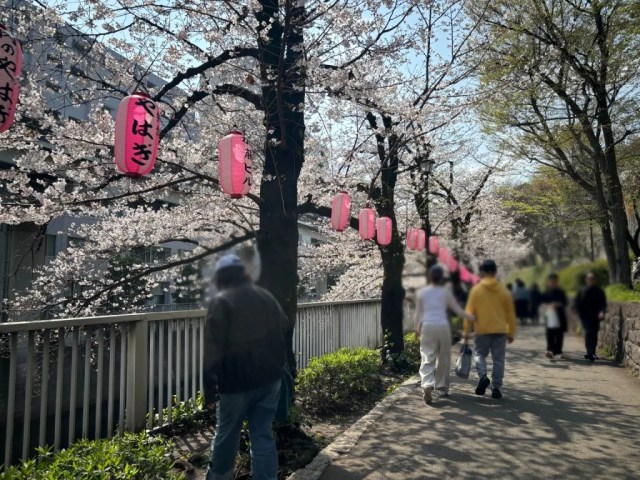
The most beautiful sakura spots tend to also be the most famous and popular, which means they’re also often the most crowded. So if you’re going to a famous hanami venue with other people, someone, i.e. you if you’re the one organizing the get-together, is going to have to show up early and/or fight the crowds in order to stake out a spot for your group. That means you’ll also need to lug the tarp, cooler, and any other necessary gear to accommodate multiple members to the park, and then carry it all back home later.

With solo sakura-viewing, though, you’re free from all that hassle. Even at popular parks, it’s pretty easy to find enough space for a single person to sit down, and you won’t need a tarp, as a basic outdoor cushion will do for a solo session. As an added bonus, if while you’re doing your hanami a loud, rowdy, or otherwise disagreeable group of revelers sets up near you, it’s a lot easier to move to a more pleasant part of the park when you’re by yourself. For that matter, going to see cherry blossoms by yourself means that you don’t even need to find a place to sit if you don’t want to. Going for an extended stroll under the blossom-filled branches is a logistical challenge for a big group, but if you’re on your own, you’ve got the freedom to wander wherever you feel like.

2. No need to coordinate schedules
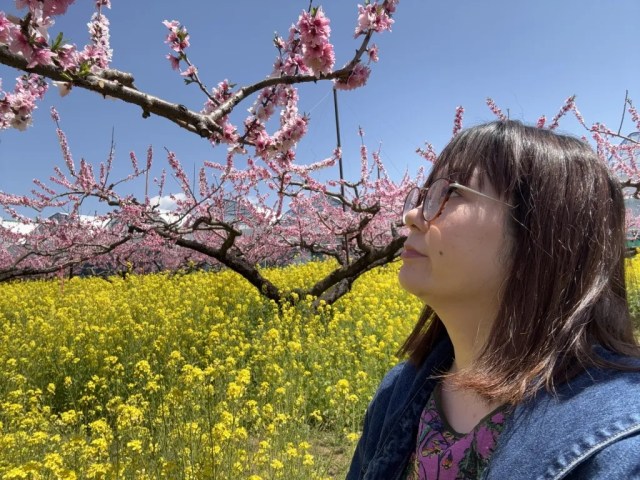
Japan doesn’t exactly have the world’s most evenly distributed work/life balance, and between busy jobs, a reliance on public transportation, and the narrow window of when the sakura are in bloom, trying to coordinate schedules for a cherry blossom party can be a nightmarish exercise in futility. Person A will come if Person B does, but Person B is busy on the weekend. So how about after work on a weekday? Sure, but Person C often has to work overtime, so they’re not sure what time they’ll make it, so don’t wait for them, and Person D has to transfer trains multiple times on their way home from the park, so they really wouldn’t be able to stay very long. Even tourists have to juggle schedules, since different members of the group will have different non-sakura sights they want to see on their trip. Oh, and you’d better hope that weather is going to be good on whatever day you actually can all find a common slice of free time during the week or so when the blossoms look their best.

But once again, all of that becomes a non-issue if you’re going out to see the cherry blossoms by yourself. As long as you’ve got free time, it’s sakura time! Wake up in the morning on your day off, notice it’s nice and sunny, and want to do a full-on out-of-town hanami day trip? Go for it! You’re not on anyone’s schedule but your own.

3. You can make it as much about the flowers, or as little, as you want
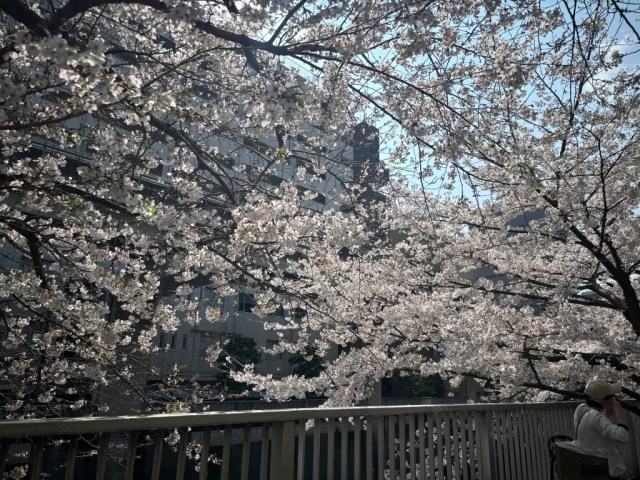
There are two sides to the appeal of hanami. One is, of course, being able to bask in the beauty of the flowers, but there’s also the fun of drinking, snacking, and socializing. If you’re doing your cherry blossom viewing with other people, there’s a need to go along with the overall average of their preferences. Some people might be fine spending just a few minutes looking at the sakura, and then cracking open the beers and drinking enough that their view of the blossoms is blurry for the entire rest of the day. Other may take a busier flower-oriented approach, feeling that any time spent sitting around would be better used to get up and see other parts of the park or tree-lined path.

Solo sakura viewing, though, lets you spend every minute of the outing exactly how you like. If you’ve found a view that’s so captivating that you want to quietly gaze at it and let its majesty sink in, there’s no pressure to socialize or make small talk if you’re on your own. If you’re a bookworm, you can read a book as the falling petals flutter around them, and if you’re a shutterbug you can fiddle with camera settings and lens angles to your heart’s content. On the opposite end of the spectrum, if you’ve had your fill of a view after 15 minutes and are ready to move on to someplace else, you’re not going to be spoiling anyone’s good time by doing so, even if that means you’re done with your hanami for the day.

▼ Some people will feel like they’ve spent enough time here once they’ve snapped a few selfies, while others could spend hours watching how the flowers dance and clouds flow in the wind.
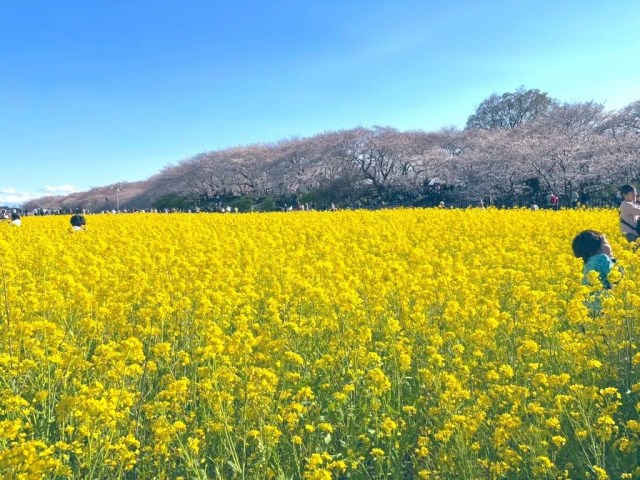
So remember, while there’s a lot of fun to be had from seeing cherry blossoms with other people, the only company you really need for hanami is yourself, and the only wrong way to enjoy sakura season is to deprive yourself of the joy of seeing Japan’s famous flowers.

Photos ©SoraNews24
● Want to hear about SoraNews24’s latest articles as soon as they’re published? Follow us on Facebook and Twitter!


Credit:

0 comments:

Post a Comment

Totoro Fund line of beautiful artwork and apparel lets you help the real-world Totoro Forest

Woodlands that inspired the creation of My Neighbor Totoro sit at the edge of the biggest city in Japan, but this fund helps keep them green.

Though My Neighbor Totoro touches on a lot of Japanese cultural values and traditions regarding the sanctity of nature, Totoro himself is entirely a product of the fertile imagination of director Hayao Miyazaki. But while there are no actual folktales about Totoros inhabiting the forests of Japan, there is a real-world woodland area with a deep connection to the Studio Ghibli character. Sayama Hills, on the border of Tokyo and Saitama Prefecture, served as the inspiration for the setting of the anime film, and Miyazaki’s frequently expressed reverence has earned it the nickname “Totoro Forest.”

With Tokyo being Japan’s largest city, though, and still growing bigger, natural spaces within or along its borders are always going to be candidates for future urban development. So to help keep the Totoro Forest as lush and green as a Ghibli movie background, there’s the Totoro Fund, a trust fund dedicated to environmental conservation in Sayama Hills. Naturally, Ghibli specialty shop Donguri Kyowakoku also wants to help protect the area, and they’re once again offering their line of Totoro Fund merchandise, with a portion of proceeds donated to the fund.

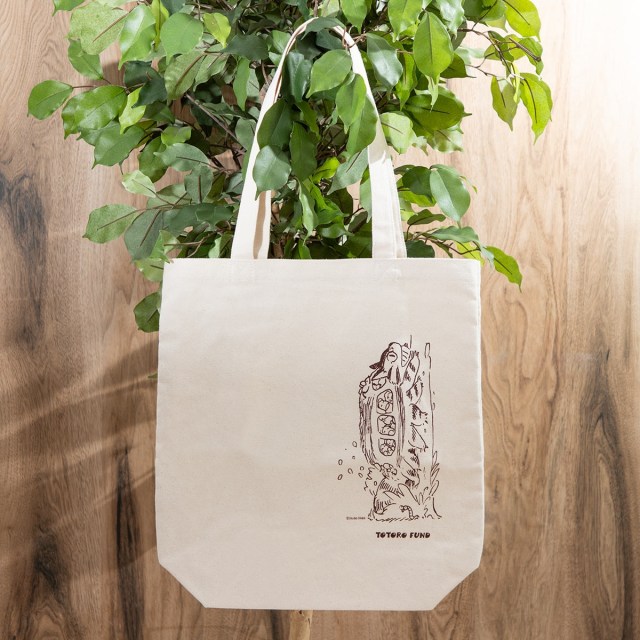
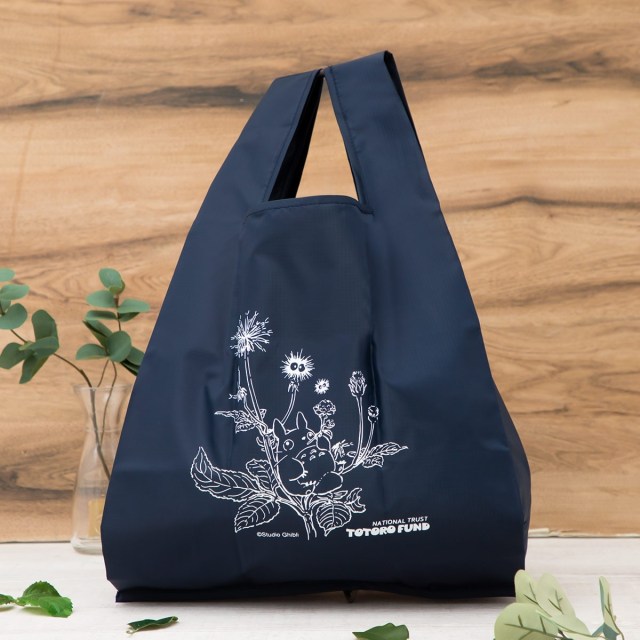
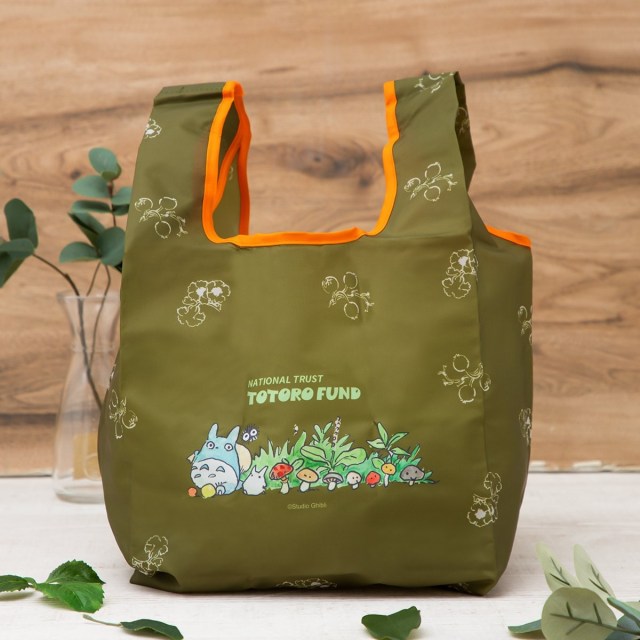
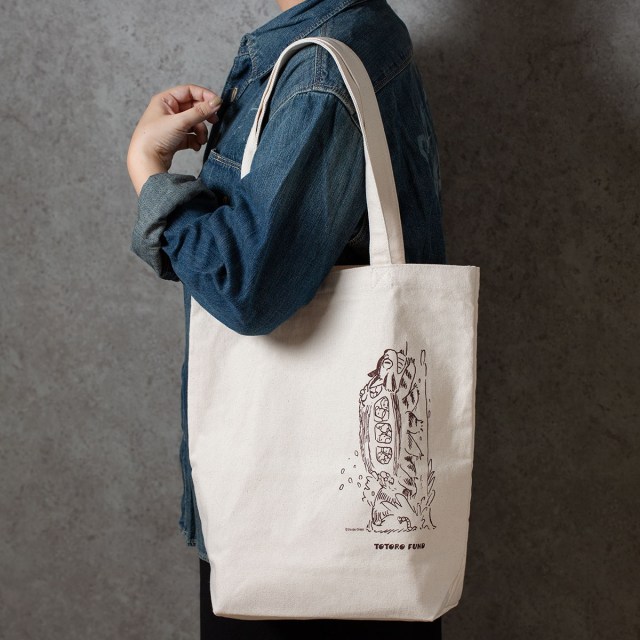
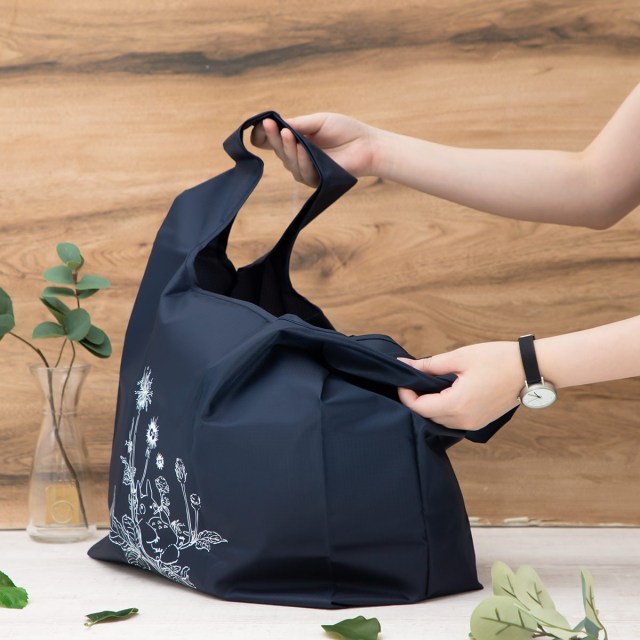
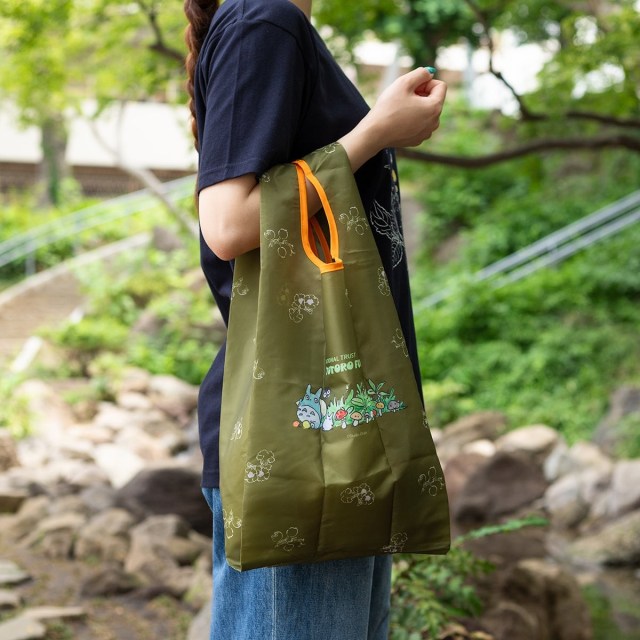
Cloth totes and reusable eco shopping bags featuring Totoro and the Catbus are fun and practical for nature walks and local errand running alike…

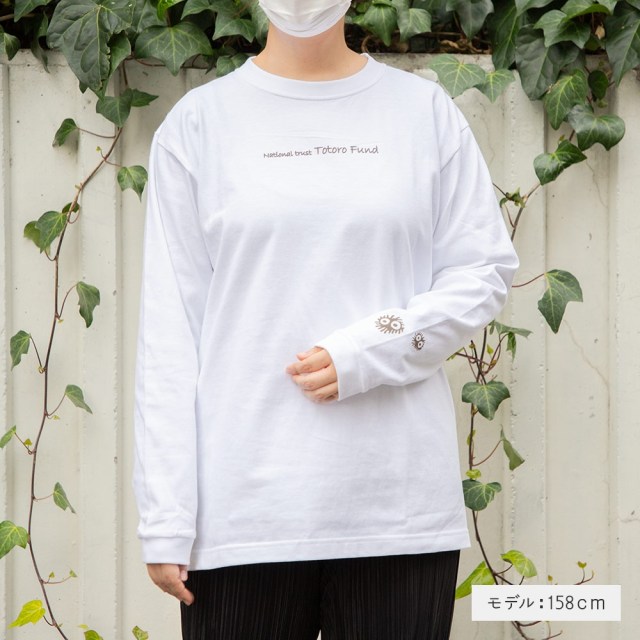
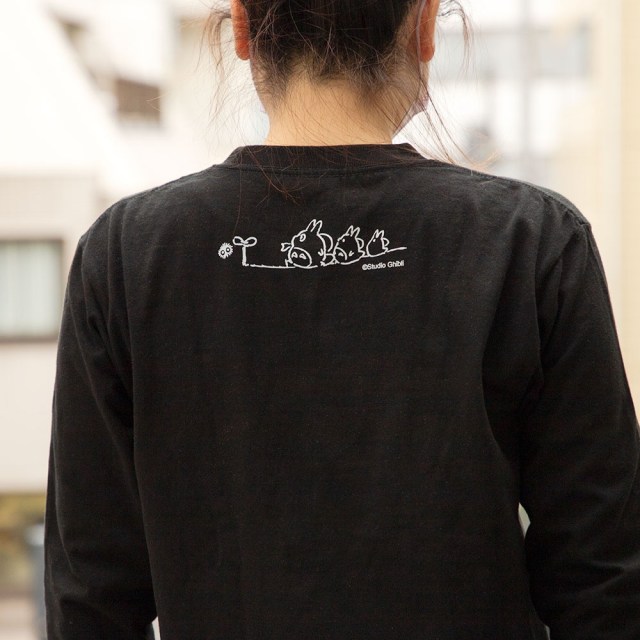
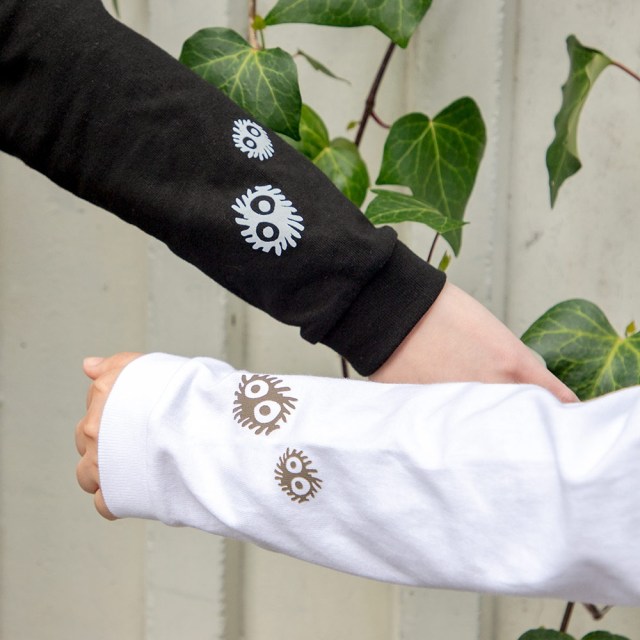
…and if you want to show your care for the Totoro Forest on your literal sleeves, there’s a long-sleeved T-shirt, in black or white, with Totoros, Soot Sprites, and the name of the fund itself across the chest.

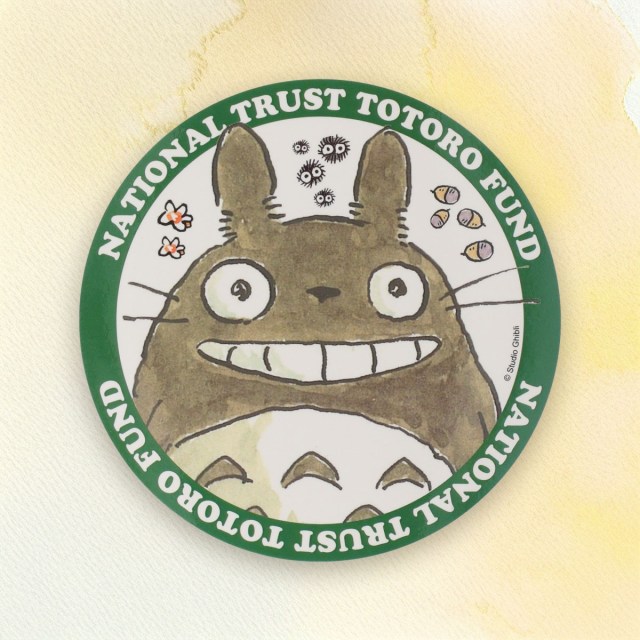
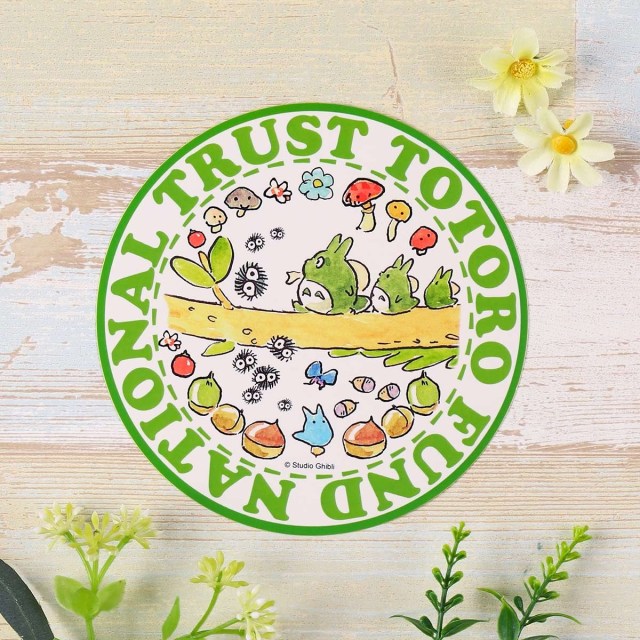
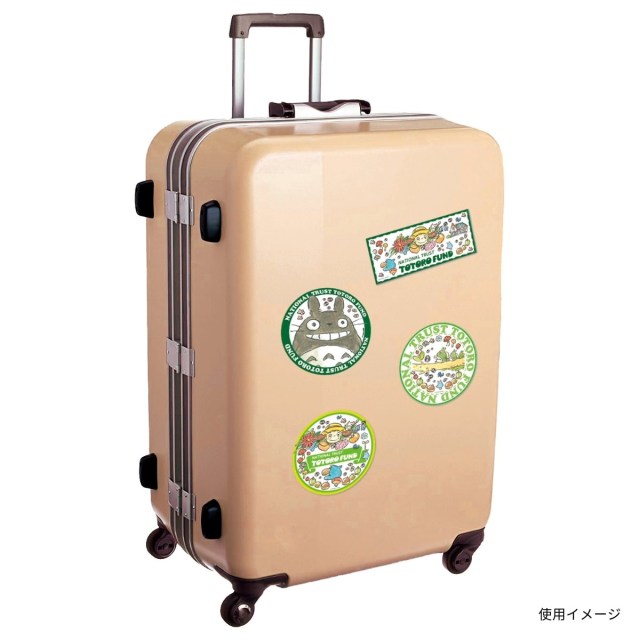
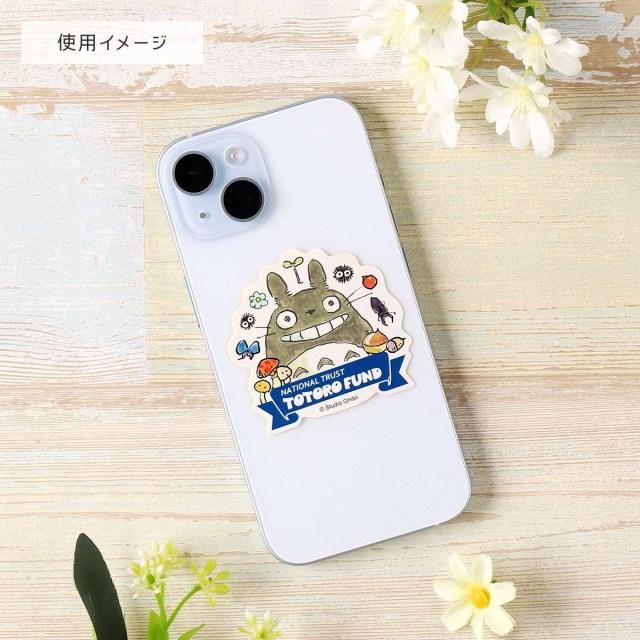
You can actually make any of your possessions into a way to spread the word, since there’s a slew of Totoro Fund stickers.

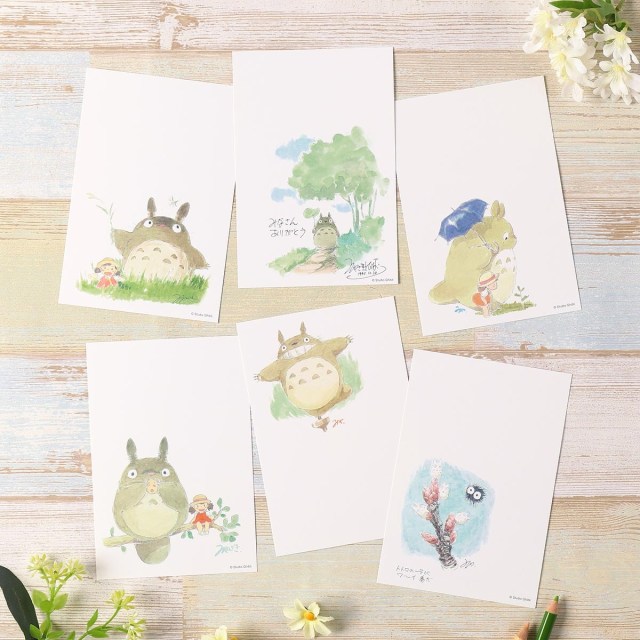
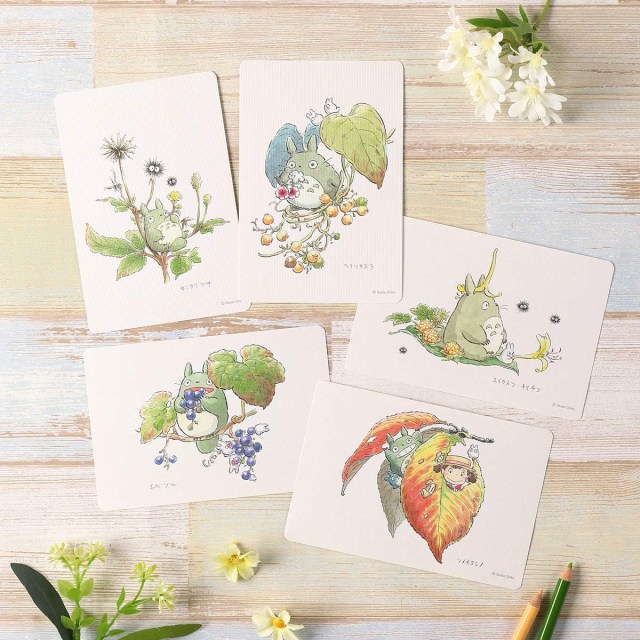
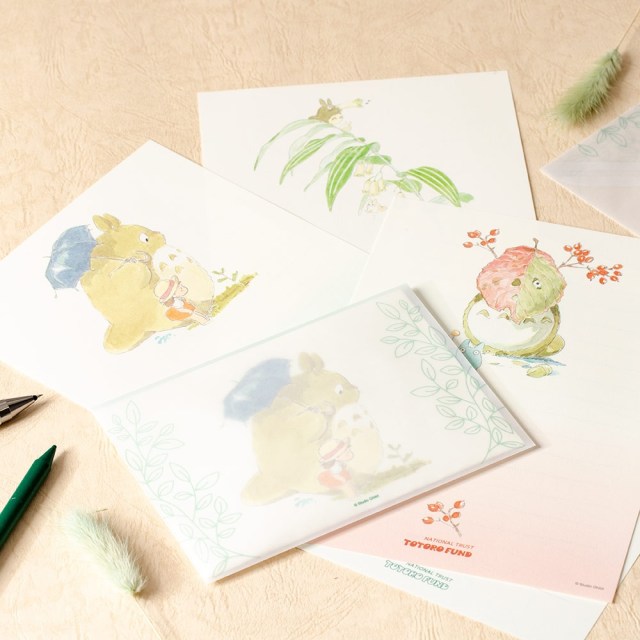
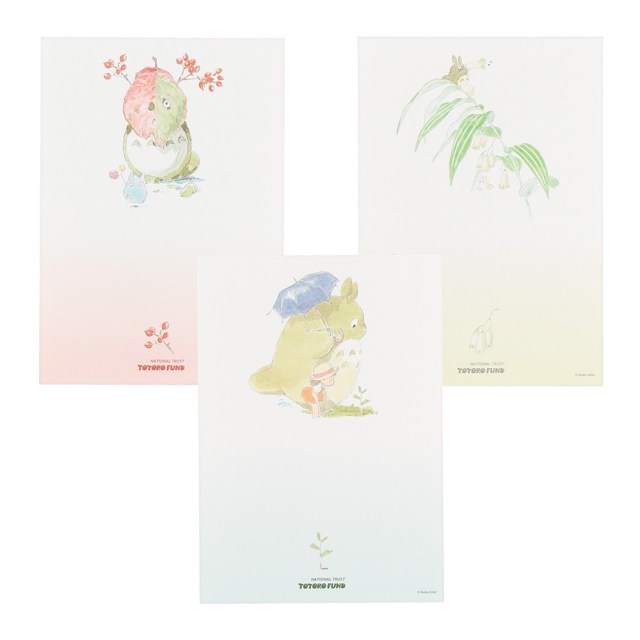
And then there’s the most beautiful part of the Totoro Fund lineup, post cards and letter writing sets with watercolors and illustrations from Hayao Miyazaki himself.

Of course, arguably the only real differences between a post card, letter stationery, and a poster is the size and thickness of the paper stock, so using them for decorative purposes instead of correspondence is an option that’s entirely on the table/walls of your home too.

Prices range from 660 yen (US$4.30) for the stickers and post card sets to 4,510 yen for the shirts, so there’s something for fans of even modest budgets who want to own some cool Ghibli artwork and also help preserve the place that inspired it. The whole lineup is available through the Donguri Kyowakoku online shop here.

Source: Donguri Kyowakoku
Top image: Donguri Kyowakoku
Insert images: Donguri Kyowakoku (1, 2, 3, 4, 5, 6, 7, 8, 9, 10, 11)
● Want to hear about SoraNews24’s latest articles as soon as they’re published? Follow us on Facebook and Twitter!


Credit:

0 comments:

Post a Comment

Pokémon lacquerware series expands for Year of the Horse with new handcrafted design[Video]

Century-old lacquerware company, supplier to the royal family, turns its makie skills to a beloved Fire-type.

As a series with a long history, huge cast of characters, and no aversion to merchandising, you can find all sorts of Pokémon-themed plastic cups and bento boxes. They may not be fancy, but they’re fun all the same, and fans can always find room for one or two in their cupboard.

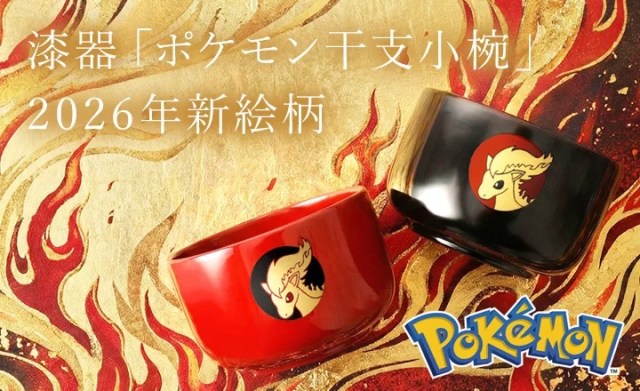
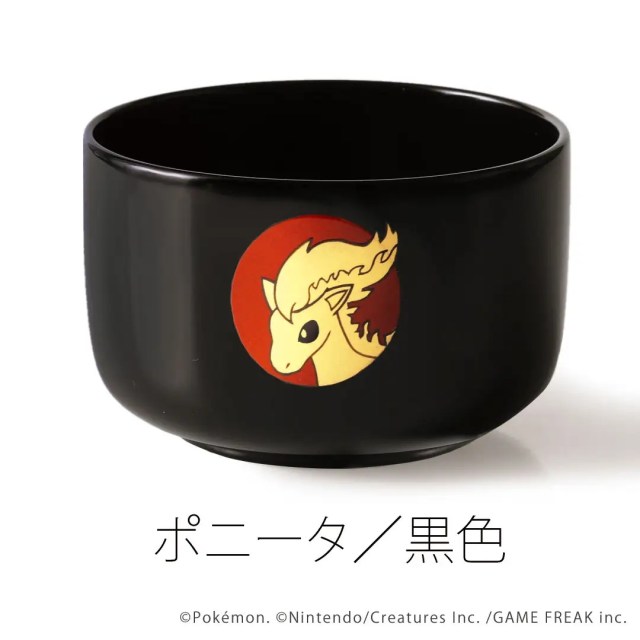
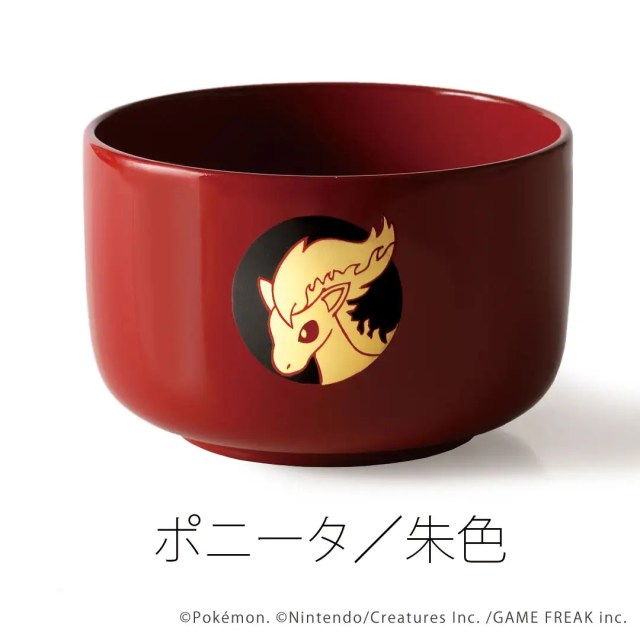
Today, though, we’re looking at some Pokémon tableware that most definitely is fancy, as it’s made by a Japanese lacquerware company that’s been in business since 1919. In the century-plus it’s been in business, Yamada Heiando has counted Japan’s imperial family among its satisfied customers, but Pokémon fans were added to the list last year when the Tokyo-based craftsmen added a series of Pokémon lacquer bowls to their offerings, and now they’re expanding the lineup with an all-new design featuring Ponyta.

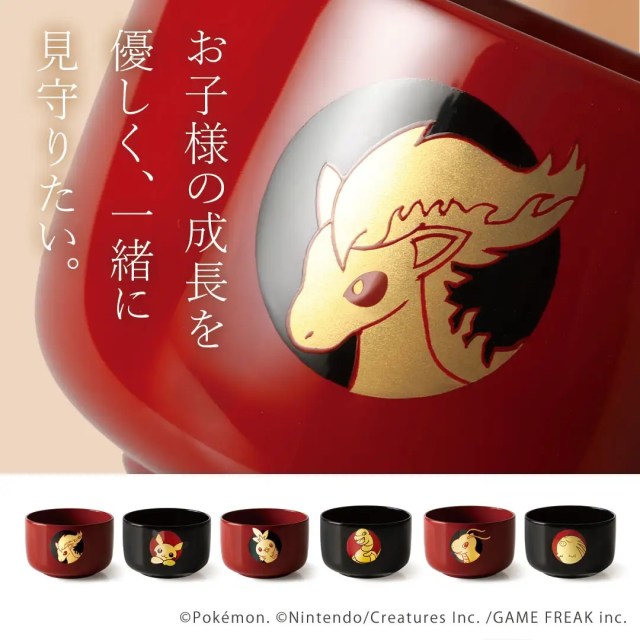
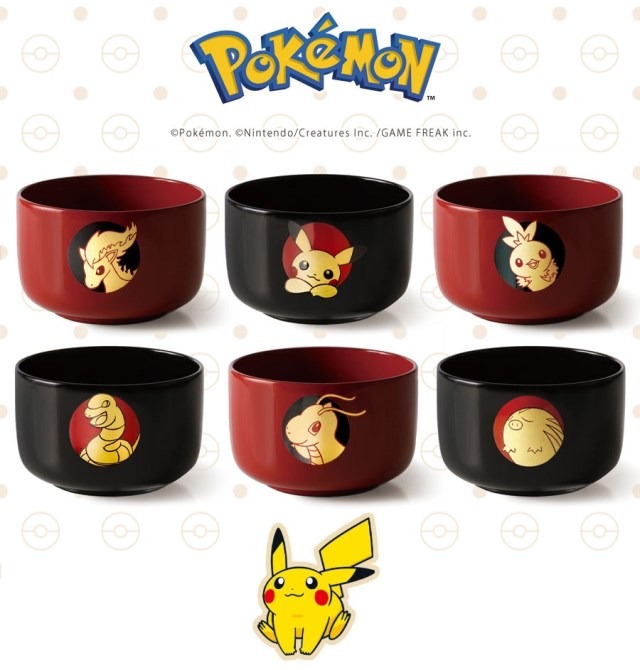
Ponyta’s addition to the stable continues the collaboration’s theme of the eto, as Japan calls the animals of the Chinese zodiac. Previous entries in the Pokémon Eto bowl series featured Torchic, Dragonite, Arbok, and Swinub, representing the Chinese zodiac’s rooster, dragon, snake, and boar, and with 2026 being the Year of the Horse, it’s only fitting for Ponyta to join them.

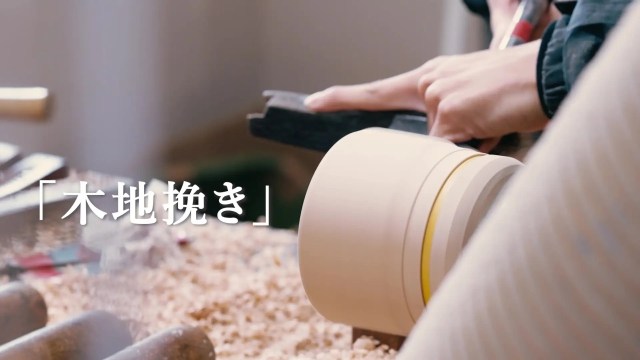
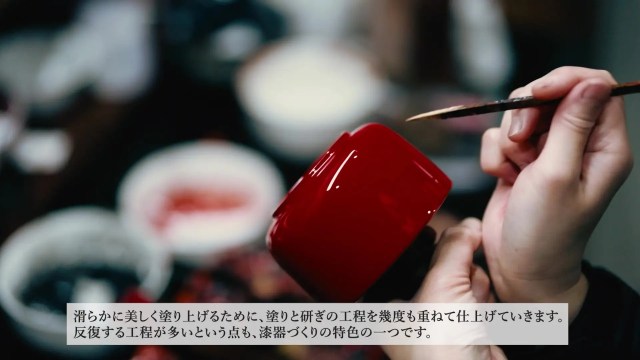
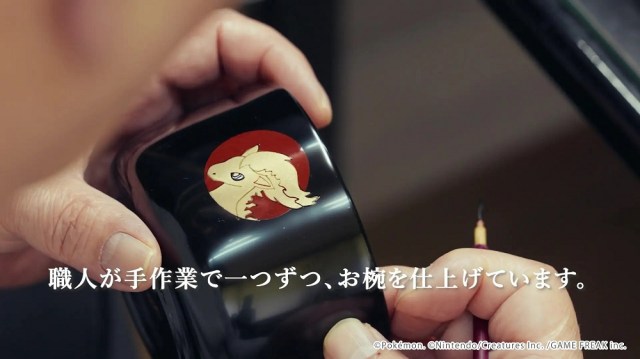
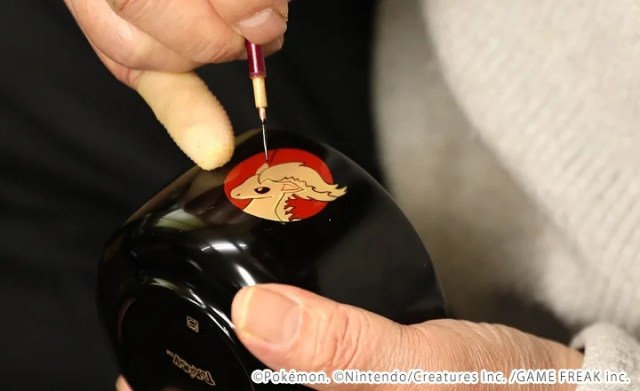
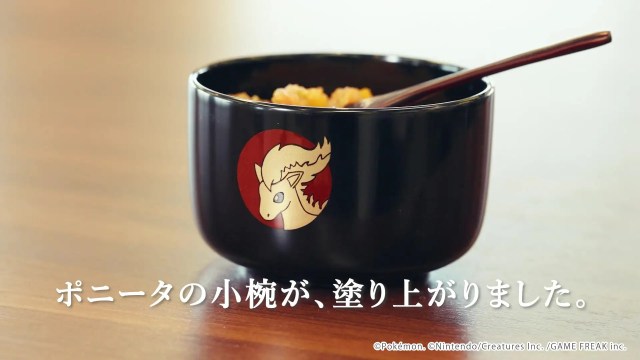
Like how Pokémon can evolve into new forms, Yamada Heiando’s artists start with a piece of wood, which is turned to shape the bowl. The lacquer resin is then carefully applied, under precisely controlled temperature and humidity, and then the Ponyta painted, with the entire process done by hand.

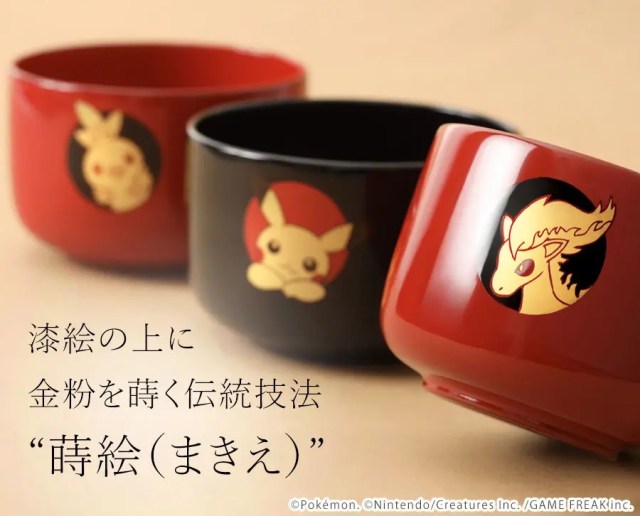
The gold coloring takes on a particularly captivating shine thanks to a technique called makie, in which gold powder is sprinkled onto the painting to create a shimmering effect as it catches the light.

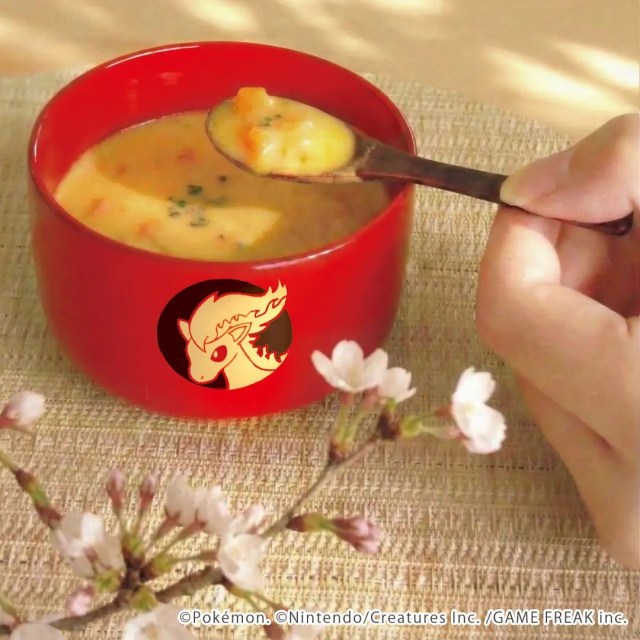
The bowl is offered in the classic Japanese lacquerware colors of black and crimson, with the circular backdrop to the Ponyta painting in the contrasting hue. Though Ponyta is a fire-type, the bowl being made of wood means it has excellent heat insulation properties, so it won’t singe your hands even if it’s filled with piping hot miso soup or corn chowder.

▼ The bowl comes bundled with a lacquerware spoon.

▼ The still growing Pokémon Eto bowl series includes Pikachu, who isn’t customarily counted among the animals of the Chinese zodiac, but is welcome pretty much wherever and whenever he shows up.

As high-quality pieces that, if taken care of, should be usable for decades, the Pokémon Eto bowls are priced at 17,600 yen (US$115). Orders can be placed through the Yamada Heiando online shop here.

Source: PR Times
Top image: PR Times
Insert images: PR Times, Yamada Heiando
● Want to hear about SoraNews24’s latest articles as soon as they’re published? Follow us on Facebook and Twitter!


Credit:
0 comments:
Post a Comment