Exhibit of globally popular ’80s and ’90s Japanese cars comes to Toyota Automobile Museum
23:13 cherishe 0 Comments

Finally, an event for Civic-minded folks.

It’s funny to look back at movies and TV from the ’80s and hear casual comments about how Japan was going to take over the world. It might seem laughable from a modern perspective, but that sentiment was really palpable at the time, and part of the reason was that Japan had, in a remarkably short time, grown to be on par with the US and Europe in automaking by then.

The fuel efficiency of Japanese cars during a time of high oil prices helped them overcome huge trade barriers, and by the late ’80s and throughout the ’90s, the vehicles were also being sought after worldwide for their rapidly improving style, high-performance, and reliability. This all laid the foundation for the JDM scene.

Cars of that era were so big that Mazda could even get away with using IPA symbols in its ɛ̃fini brand.

JDM stands for “Japan domestic market,” but in many cases, the Japanese cars and parts people buy, modify, and show off were always intended for export from the start. Nevertheless, growing up in the ’80s and ’90s probably meant you knew at least one person with a tricked-out Japanese car.

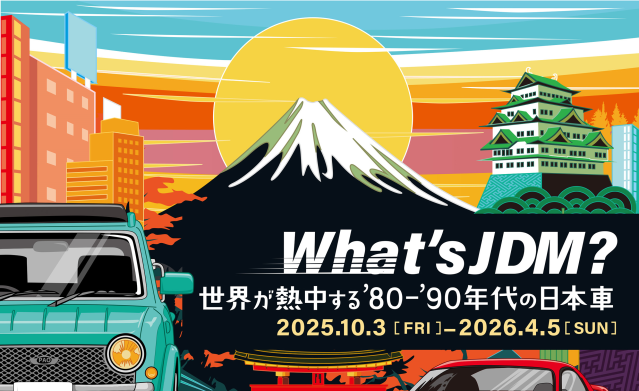
Now, the Toyota Automobile Museum in Nagakute, Aichi Prefecture will be celebrating the JDM scene of the late 20th century with an exhibit titled “What’s JDM? The Global Craze of Japanese Cars in the ’80s and ’90s.” The exhibit will run from 3 October 2025 to 5 April 2026 and will highlight the many stars of the JDM scene during its main growth stage.

Even though this event is being held by Toyota, they’re inviting seven other Japanese automakers to make this a real tribute to Japanese cars of that era. The cars are split into three categories, the first of which is State-of-the-Art Technologies of the Time, showcasing the following groundbreaking cars of their era: the ’89 Daihatsu Charade, ’86 Toyota Sprinter Trueno, ’89 Nissan Skyline GT-R, ’91 ɛ̃fini RX-7, ’94 Subaru Impreza WRX Sti, 2000 Mitsubishi Lancer Evolution VI Tommi Mäkinen Edition, ’98 Honda Integra Type-R, and ’97 Honda Civic Type-R.

The Trueno was certainly a pioneer in JDM, later to become the star of the manga series Initial D.

The next category is Unique Designs and features the quirky ’89 Nissan Pao Canvas Top and ’91 Nissan Figaro, which also looks strangely like it belongs in a cartoon.

It helps to see someone standing beside a Figaro to see just how tiny it is.

The final category is Compact with High Performance and it’s where you’ll find small but surprisingly strong rides, such as the ’87 Daihatsu Mira TR-XX, ’90 Suzuki Cervo Mode, ’91 Honda Beat, ’93 Autozam AZ-1, and ’95 Suzuki Cappuccino.

The event runs for about half a year, but the cars on display will change somewhat with about 10 being showcased at any given time. This means you should check in advance if there’s a particular car you want to see there.

▼  ’89 Skyline GT-R

But even if you miss your dream car, the Toyota Automobile Museum has plenty else to offer. A classic car meet of ’80s and ’90s cars is scheduled for 29 November in the museum’s parking area, and there will also be a car-themed children’s book reading on 26 October.

In other words, any time is a good time to visit the Toyota Automobile Museum, but it’s worth checking out during this exhibit to remember a simpler time before the Fast & Furious crew went to outer space in a rocket car.

Source: Toyota Automobile Museum, @Press
Images: @Press
● Want to hear about SoraNews24’s latest articles as soon as they’re published? Follow us on Facebook and Twitter!


Credit:

0 comments:

Tokyo has Cold Stone vending machine after ice cream chain leaves city, but is it just as good?

20:13 cherishe 0 Comments

The American ice cream chain has closed all of its branches in east Japan, but this Tokyo train station sells its frozen treats from a vending machine.

It was a sad day for ice cream fans when, on April 28, Cold Stone closed its final branch in Tokyo, and things got even sadder when the ice cream chain’s shop in Sano, Tochigi Prefecture, the last one in eastern Japan, shut down roughly one week later. Cold Stone is now down to exactly one remaining location in Japan, at the Mitsui Outlet Park Jazz Dream Nagashima in Mie Prefecture, which is three hours away from Tokyo if you use the Shinkansen for the first part of the journey, and a considerably longer trip if you stick to non-bullet train transportation.

However, there is a way for fans in Tokyo to get their hands on some Cold Stone ice cream with a much shorter train ride. It turns out that there’s a Cold Stone vending machine in Meidaimae Station, just about 10 minutes away from Shibuya, where the Keio and Inokashira Lines intersect.

The Cold Stone machine can be found in a bank of vending machines on the platform of the Inokashira Line that trains headed towards Kichijoji depart from. As it’s inside the ticket gates, it’s possible to hop off the train, get some ice cream, then get back on the next train and continue on towards your destination without buying a separate ticket, even if you don’t have any other business in the Meidaimae neighborhood.

Taking a look at the offerings, we saw that the vending machine sells four flavors: Strawberry Pinky Cake, Warabimochi Wa La Mode, Chocolate Mint Lovers, and Asai Bowl Ice, with the first three all priced at 500 yen (US$3.40) and the Asai Bowl Ice at 600 yen.

Our Japanese-language reporter Ikuna Kamezawa, who’d drawn taste-testing privileges, had her heart set on the Strawberry Pinky Cake, but apparently so had a lot of other people that day, since it was sold out. As a matter of fact, the day’s stocks of Warabimochi Wa La Mode and Chocolate Mint Lovers were all gone too, leaving the Asai Bowl as the only option.

So instead of compromise her ice cream ideals, Ikuna came back again the next day…

…and this time the Strawberry Pinky Cake flavor was still available!

Cold Stone is famous for its large in-store portions (which might not have been the best fit for the Japanese sweets scene), but the vending machine-version is reasonably sized, the sort of portion that an ice cream lover would have no problem getting through in a single snack session. Instead of a waffle cone like the in-store Strawberry Pinky Cake, it comes in a cup, and the cross-section gave Ikuna a sneak-peek at what she’d be taste-testing…after she got home, that is, since the vending machine Cold Stone doesn’t come with a spoon (note to self: ask boss to provide all SoraNews24 reporters with a spoon that they can keep on themselves at all times in case the chance to eat ice cream arises while in the field).

Back home, Ikuna took a closer look at her treat, which has a pretty impressive quantity of frozen strawberry slices on top…

sponge cake at the base…

…and whipped cream and strawberry ice cream in between.

Considering how thoroughly chilled the strawberries were, Ikuna expected the ice cream to be rock-hard, but that wasn’t the case at all. Her spoon slid easily into the cream, and when she tried a bite, it was surprisingly, even startlingly, light and airy. In terms of texture, it felt more like mousse than ice cream to her.

That didn’t mean it tasted bad, though. Flavor-wise, the vending machine Cold Stone dessert was great, sweet but not overpoweringly so, and with an excellent balance between the sensations of the chopped strawberries and whipped cream. If someone were to give this to Ikuna and told her it was strawberry mousse, she’d probably be completely satisfied, but it felt different enough from in-store Cold Stone ice cream that if her cravings get especially intense, she might need to make that trip to Mie after all.

Photos ©SoraNews24
● Want to hear about SoraNews24’s latest articles as soon as they’re published? Follow us on Facebook and Twitter!


Credit:

0 comments:

Studio Ghibli art train to run in Tokyo at anime film’s real-world location

18:13 cherishe 0 Comments

Pom Poko tanuki to once again run around Tama Hills.

Studio Ghibli’s anime film Pom Poko follows a group of tanuki as they use their shape-shifting abilities and other powers to cope with changes and challenges as they come into closer contact with human communities. While the mystical elements of the 1994 theatrical feature are flights of fancy, the setting, Tama Hills, is a real-world place.

Sitting on the border of Tokyo and neighboring Kanagawa Prefecture, Tama Hills is a mix of forested land and residential developments. Starting later this month, visitors to the area will want to keep their eyes peeled when trains go by, because they just might spot some of the Ghibli movie’s characters.

A special Pom Poko train will be running along the Tama Monorail line beginning on October 17. The four-car train will be wrapped in artwork from the film, and will travel along the entire length of the line, between Kamikitadai and Tama Center Stations.

▼ The Tama Monorail (also known as the Tama Toshi Monorail) line

An exact timetable for the Pom Poko train is yet to be announced, but the Tama Monorail operators have said that they’ll be offering a one-day unlimited-rides ticket priced at 890 yen (US$6) for adults or 450 yen for kids featuring illustrations of the anime’s tanuki (regular single-ride tickets can also be purchased as usual at the station).

▼ Adult (left) and kid (right) one-day tickets

A Pom Poko stamp rally will also be held, in which passengers who mark their entry paper with special stamps at Tama center, Tama Dobutsuen, Tachikawa Kita, and Kamikitadai Stations can receive a special image-changing art card that, depending on the angle it’s viewed from, shows either a quintet of tanuki or their in-disguise human forms.

The Pom Poko train, and its stamp rally, are scheduled to run from October 17 to December 21, and during that period pre-production artwork for the anime will also be on display inside Tama Dobutsuen Station. And if you’re looking for something to do in the Tama Hills area after taking the train there, Tama Lake is one of the best bicycling spots in Tokyo.

Source: Tama Monorail
Featured image: Tama Monorail
Top image: Studio Ghibli
Insert images: Tama Monorail
● Want to hear about SoraNews24’s latest articles as soon as they’re published? Follow us on Facebook and Twitter!


Credit:

0 comments:

Tasting–and troubleshooting–the elusive, slushy-like Below Zero version of Mitsuya Cider

10:13 cherishe 0 Comments

We learned some hacks for ensuring the special drink that’s said to partially freeze when you open it does what it’s supposed to do.

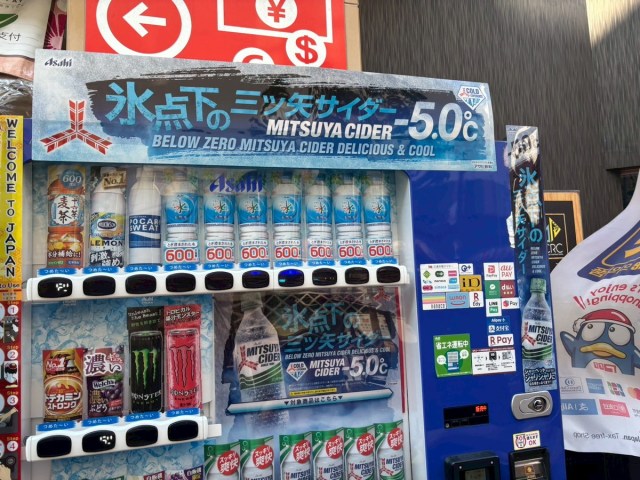
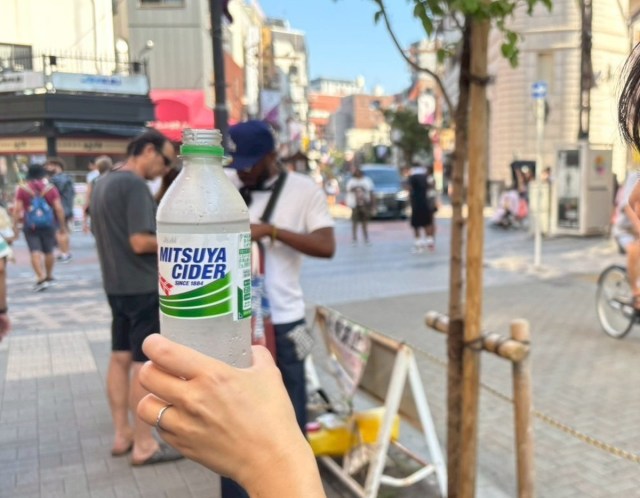
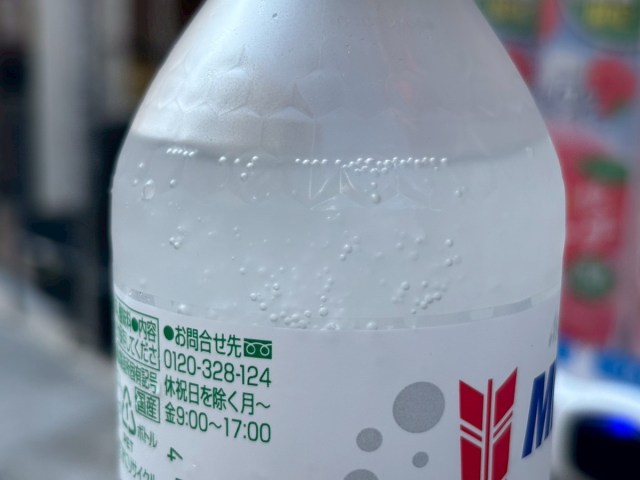
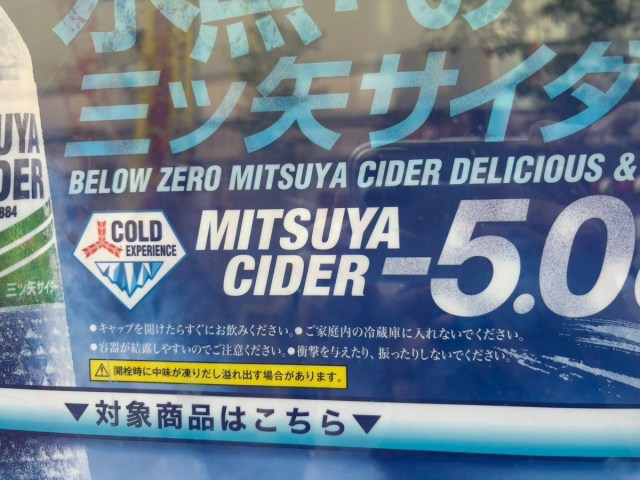
It’s been a minute since vending machines selling sub-zero drinks were introduced in Japan, but the vending machines that they’re sold in are still relatively uncommon. Take Asahi Soft Drinks’ Below Zero Mitsuya Cider, for instance, which is dispensed at -5 degrees Celsius (23 degrees Fahrenheit) for an ultra cooling refreshment. It’s not quite cold enough to turn the drink into a chunk of ice, but part of the promise is that ice crystals will begin to form inside once you open its cap, resulting in a slushy-like, chilled beverage perfect for a hot day (note: “cider” drinks in Japan don’t refer to a fruit/apple drink like in the West, but rather to a particular kind of lemon-lime-like carbonated soft drink.)

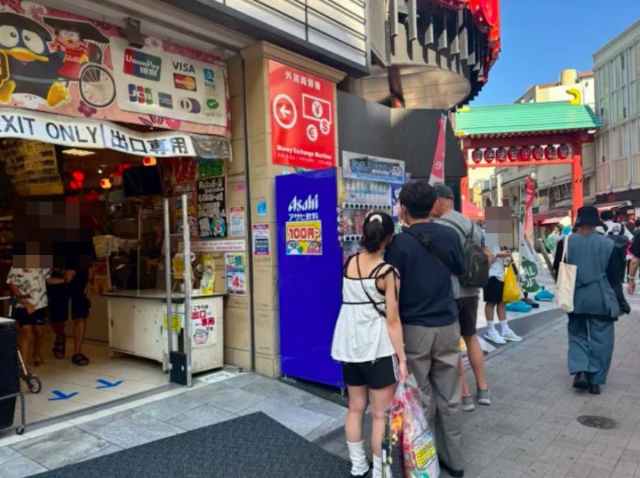
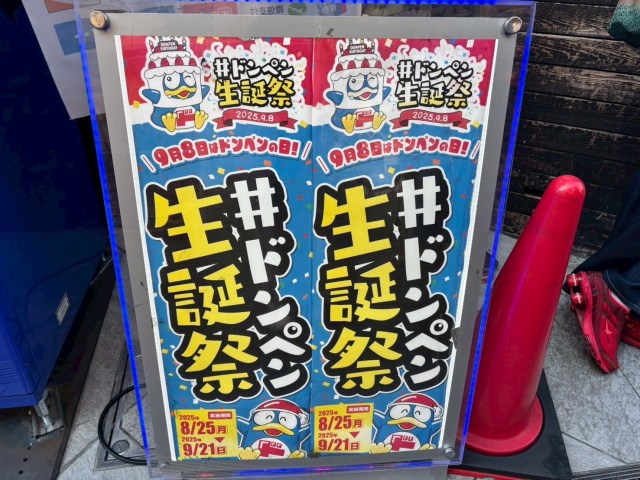
Our Japanese-language writer Natsuno Futon was recently walking around the Asakusa district of Tokyo with her friend. She’s made a habit of inspecting vending machines whenever she’s out and about to see if she can catch any rare finds, and it must have been fated that on this day she spotted something unusual in front of the Asakusa location of the popular Don Quijote discount store chain.

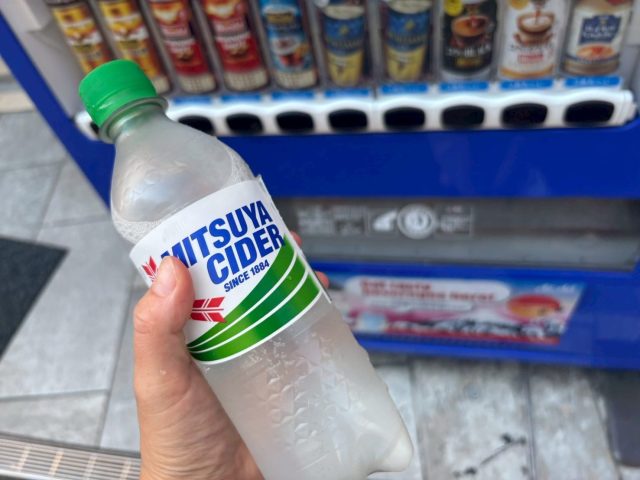
There it was–jackpot! She could barely believe her eyes that she had finally found a machine stocking the Below Zero Mitsuya Cider. This was too good to pass up.

It looked like others had also taken note because there was a small line in front of it.

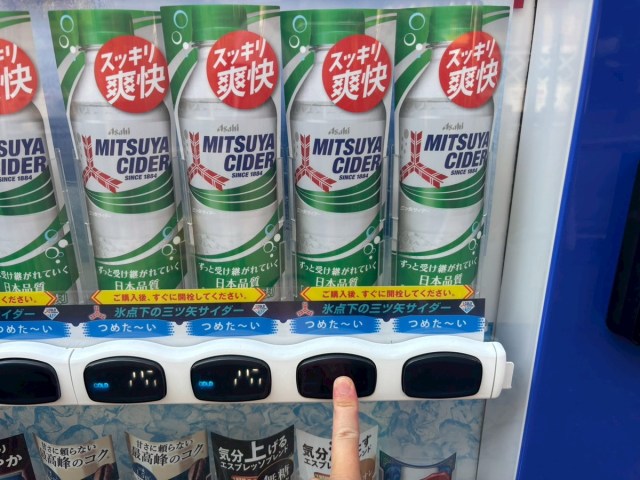
When it was her turn, Natsuno excitedly inserted some coins to buy a bottle for 140 yen (US$0.94).

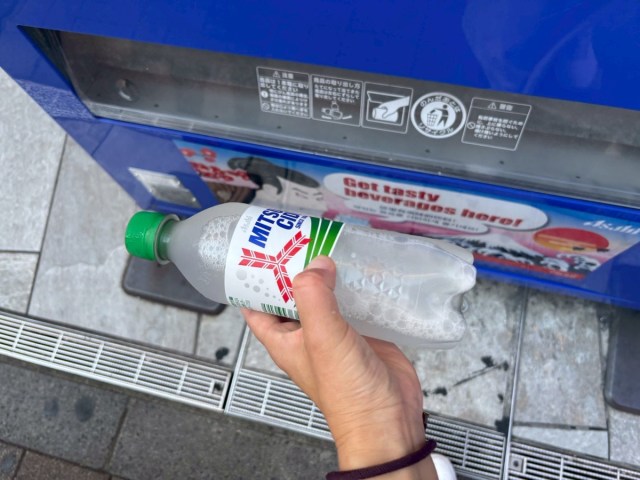
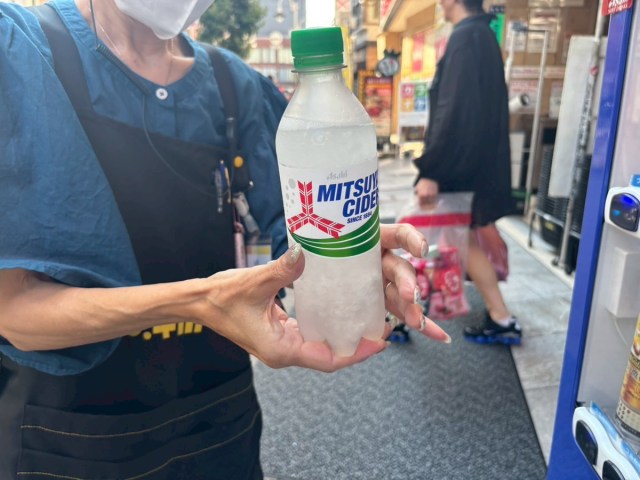
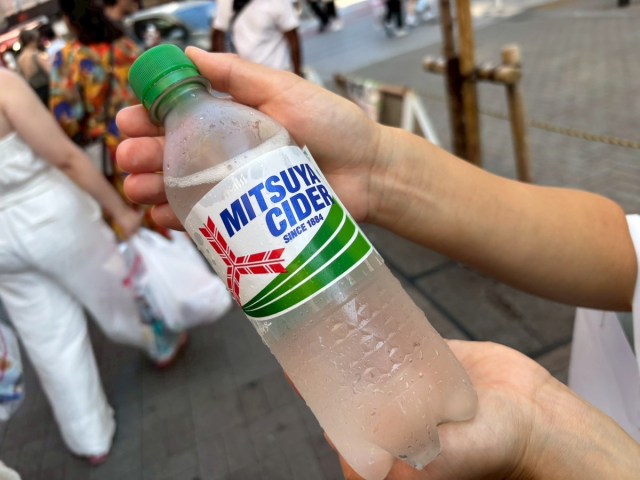
By all accounts it looked like an ordinary bottle of Mitsuya Cider, but Natsuno’s friend told her to look forward to the moment she opened the cap for a change to occur. She took a deep breath and popped open the cap…

…but nothing happened. There was no change.

Her friend said that maybe the bottle needed some kind of shock for the freezing process to kick into gear, so she tried flicking it with her fingers a few times, but to no avail.

Natsuno was super disappointed. She’d heard great things about this drink, but hers just wasn’t cooperating. Right as she was wondering if maybe it was just too hot outside on this particular day, all of a sudden a voice called out to her from behind.

It belonged to a Don Quijote worker stationed by the entrance who explained that she had also been disappointed the first time she bought it, but had picked up some tips through trial and error. Natsuno said that she would buy another bottle if the worker would be willing to show her what to do.

This time, Natsuno watched as the worker opened the cap ever so slightly and then closed it right away.

She also turned the bottle upside down very slowly. Just once is enough.

Finally, she waited for a few seconds while holding it upright in her hand.

Huh? Some kind of change was happening inside.

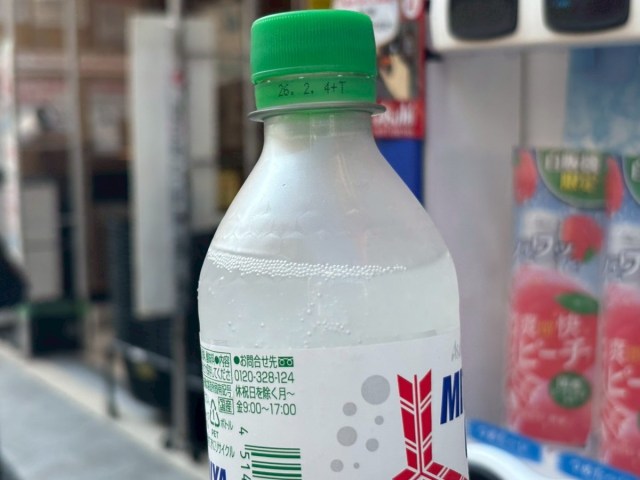
Sure enough, the liquid was starting to partially freeze!

Crystals of sorbet-like ice were forming inside of the drink.

It was kind of ironic that gently moving the bottle seemed to have caused the magic to happen, considering that the vending machine’s instructions clearly stated not to apply force or shake it. Natsuno figures that any kind of extreme impact would likely result in a disaster, though, so she advises people to be very careful when they’re turning the bottle upside down.

As for the taste, it was super refreshing. The carbonation was finer than in a regular bottle of Mitsuya Cider, and the crunchy ice crystals inside added a delightful texture to each gulp she took.

Natsuno’s mouth was cold from the drink but her heart was warm at the unexpected kindness of the worker who ended up saving the day.

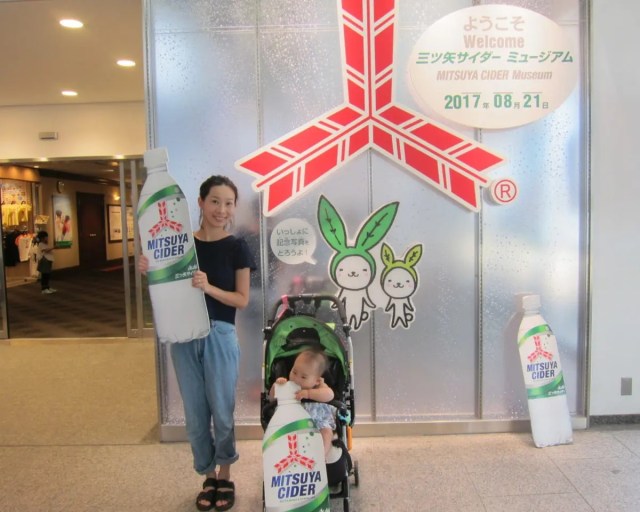
Drinking it also reminded her of the memory of taking part in the Mitsuya Cider factory tour several years ago with her family.

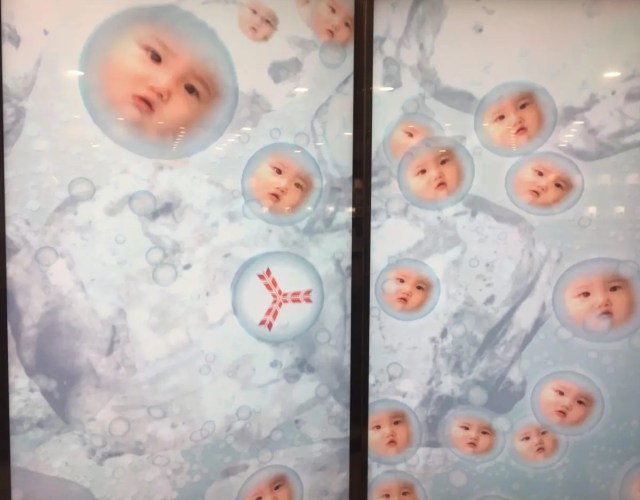
In particular, it had a fun digital screen where your face appears inside a bunch of carbonated bubbles.

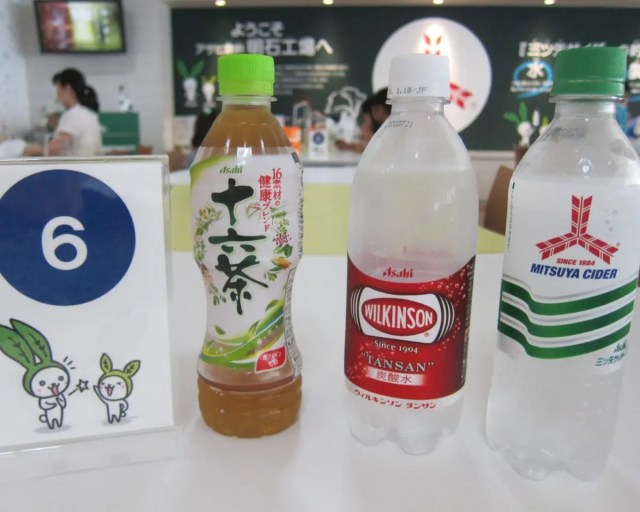
At the end of the tour, she had been able to sample a few of the drinks produced there. It occurred to her that she personally liked the Mitsuya Cider she sampled at the end of the tour more than this Below Zero version. Besides the very cold nature of the drink, it seemed its biggest thrill was A) actually finding a vending machine selling it in the first place, and B) waiting for the moment it starts to freeze inside.

If this special cider has piqued your interest, Japan has plenty of other unusual drinks to go around. Two of our latest favorites include the Starbucks drink crafted from a fruit that nearly went extinct and the bonsai-tree-flavored gin released earlier this month.

All images © SoraNews24
● Want to hear about SoraNews24’s latest articles as soon as they’re published? Follow us on Facebook and Twitter!


Credit:

0 comments:

Starbucks has a Japanese pajama-themed dessert drink, but how does it taste?【Taste test】

23:13 cherishe 0 Comments

Starbucks Japan teams up with Gelato Pique for a very unique collaboration.

Starbucks Japan recently announced a collaboration with Gelato Pique, a lifestyle brand that’s especially loved for its roomwear and pajamas (which are sometimes Pokémon-themed). In addition to drinkware and fashion items combining their styles, though, there’s also a new Gelato Pique-themed dessert drink being served up at Starbucks.

Curious to see how this unusual crossover would turn out, we hurried to our local branch to try the Pique Moco Bouquet & Tea Latte, which was added to the Starbucks Japan menu on Monday.

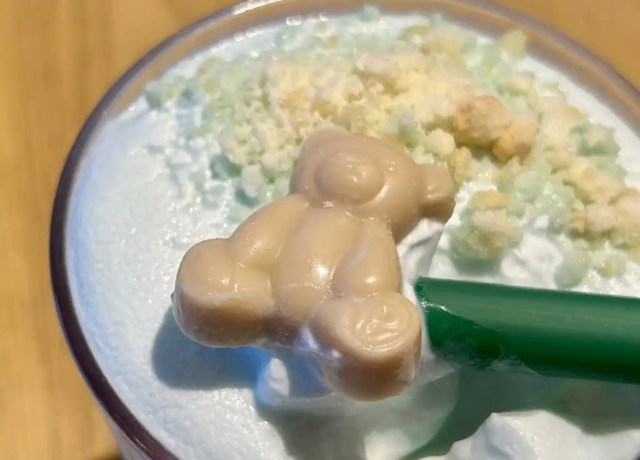
So how do you take the concept of pajamas and interpret that as a drink? By focusing on the eminently fluffy and comforting feel of Gelato Pique’s fabrics. The beverage starts with what Starbucks calls an “Earl grey bouquet tea” base, a blend of powdered Earl Grey tea and milk that results in elegant herbal notes. It’s then topped with whipped cream and Earl Grey-flavored mousse, fluffy like a nice set of PJs, and with the mousse a pastel blue of the sort used in Gelato Pique’s designs. A dusting of sponge cake crumbles helps further connect with Gelato Pique’s soft-knit materials.

And then there’s the most direct connection: the presence of a Pique Bear, Gelato Pique’s mascot character, made out of a mix of milk and white chocolate. Once again, it has a soft, inviting color that wouldn’t be out of place on cozy roomwear, and you can tell that this is a specially created chocolate for the collaboration, as it’s clearly Pique Bear, with a P-marked foot, and not just some generic animal shape.

There are a lot of different ingredients in play here, and things could have gone very badly with numerous combatants fighting for command of your taste buds. But as our taste-testing Japanese-language reporter K, Masami was happy to discover, the individual components are expertly balanced, coming together for a refreshing yet relaxing flavor. She was especially impressed by how well the sweet sponge cake and slightly tart mousse played together.

Honestly, we weren’t sure exactly what to expect from a Gelato Pique-themed Starbucks drink, but as two companies that consistently satisfy their fans, we should have known it’d turn out well. Masami has no complaints, except maybe that the 690-yen (US$4.70) Pique Moco Bouquet & Tea Latte will only be available for a limited time.

Photos ©SoraNews24
● Want to hear about SoraNews24’s latest articles as soon as they’re published? Follow us on Facebook and Twitter!


Credit:

0 comments: