Is Kyoto less crowded with tourists after China’s don’t-go-to-Japan warning?【Photos】

22:13 cherishe 0 Comments

No city in Japan is more symbolic of overtourism these days than Kyoto, so is the travel downturn from China having a noticeable effect?

In mid-November, the Chinese government issued an advisory to its citizens calling on them to refrain from traveling to Japan. The statement came following remarks from Japanese prime minster Sanae Takaichi regarding whether Japan would see a Chinese invasion of Taiwan as a threat to itself as well, and whether Japan would feel justified taking military action in such a scenario.

Chinese tourists make up the largest demographic of inbound visitors to Japan, with many of them cancelling their travel plans, there’s been a lot of talk about how the diplomatic disagreement is going to affect Japan’s major sightseeing destinations. We recently hopped on over to Tokyo’s Asakusa neighborhood to see how it’s been affected, but the biggest question has been what’s going to happen in Kyoto.

In recent years, there’s been a growing perception that Kyoto has become so popular with foreign tourists that it often feels like they outnumber Japanese sightseers at the city’s most famous temples, shrines, and shopping districts, so much so that many domestic travelers are choosing to go elsewhere on their vacations. So with a sudden drop in Chinese tourist numbers, does Kyoto feel like a ghost town? That’s what our Japanese-language reporter Haruka Takagi, who lives in Japan’s central Kansai region but not in Kyoto, wanted to know, so she headed to Kyoto to find out.

Haruka started her spot check at the Gion Shotengai, the shopping street that stretches east from the Gion Shijo train station and leads into the heart of the historical Gion geisha district. The street is lined with souvenir shops and restaurants, and the crowds weren’t small at all when Haruka stopped by, even though it was a weekday. The sidewalks weren’t packed solid, but the pedestrian mass was dense enough that she needed to moderate her walking pace depending on the person in front of her, as there wasn’t enough space to go around them.

She was surprised, though, that about half the people on the street were Japanese, a more even ration than one would expect these days in Kyoto’s tourist spots. Among the non-Japanese travelers, she saw and heard a broad mix of nationalities, with no one region or country seeming to be making up a predominant proportion.

However, the crowds did get suddenly sparse when she arrived at Hanamikoji Street.

This classically styled street runs through a part of the neighborhood that’s been the focus of many overtourism discussions in recent years. A number of geisha houses and private reception venues are located in the area, and crowds of tourists swarming the streets and invasively snapping photos have made it difficult for geisha to go about their business and, many say, tarnished the charm of the district.

While there were still tourists milling about on the day Haruka visited, the crowds weren’t anywhere near what have been shown on TV news reports about the area, and automobile traffic was flowing easily too. Curious as to whether this is a recent change back towards tranquility, Haruka asked a security guard who was out on the street, and he told her:

“Yes, there’s no question that the number of tourists has gone down recently. There are usually a lot of Chinese tourists who come here, but with all the things that have been going on with the Chinese and Japanese government, I think they don’t feel like they should be visiting.”

Turning her steps towards Kiyomizu Temple, one of Kyoto’s most famous landmarks, Haruka walked along the cobblestone Nene no Michi, or Nene’s Street, and also found it comfortably uncrowded, to a surprising extent.

She even began to wonder if these quiet conditions would continue at Kiyomizu Temple itself…only to quickly find out that, no, they would not.

As she drew close to Kiyomizuzaka, the slope that leads up to the temple and has traveler-oriented shops and eating establishments on both sides, the crowds quickly became gigantic. The ratio of domestic Japanese tourists also swiftly dropped, with foreign visitors now making up a much larger percentage. Eyeballing the crowd, Haruka felt like there were maybe slightly more travelers from Asian nations than other regions, but again, she saw travelers from all over the world here.

Taking a peak at Kiyomizu’s parking area for tour buses further showed that the temple and neighborhood aren’t exactly hurting for visitors right now.

Speaking of transportation methods, tourists, and pain, as Haruka was making her way back down into town she saw something that left a bad taste in her mouth. While there are tons of pedestrians that walk along Kiyomizuzaka, the street has car traffic too. Because it’s a narrow street, the cars don’t move that quickly, but many Haruka saw many tourists taking that slow pace as a free pass to cross the street in front of cars whenever they felt like add, creating even more congestion and prompting taxi drivers to blare on their horns when their path was suddenly blocked. It was, in Haruka’s words, “hell.”

Back closer to the city center, Haruka made Nishiki Market her next stop. Nishiki earned the nickname “Kyoto’s kitchen” because of its many stalls selling produce, fish, meat, and other groceries, but it’s also become a popular spot with tourists wanting to get a look at, and taste of, Japanese cuisine.

Even though it was a weekend evening, there were a lot of people here, and almost all of them were international tourists. In addition to the size of the crowds, Haruka was surprised by a change she noticed in what the market’s shops were offering. A decade or so ago, even though Nishiki had already become popular with tourists, there were still a lot of places selling things like fresh vegetables and pre-made staple side dishes that a typical Japanese family might eat in their home. Now, though, there’s been a noticeable shift towards fancier, flashier foods like sushi with high-end types of seafood or wagyu beef skewers with sea urchin or caviar spread across them, Haruka reports. Nowadays, the place feels a lot less like Kyoto’s kitchen than it does a tourist snack spot.

If you keep following Nishiki Market down its south-side end, you’ll end up on the main street of Shijo, which is the most developed part of Kyoto and where you’ll find a lot of its big-name department stores and shopping centers. The sidewalks were packed here too, with forward progress coming at a very slow pace, and Haruka saw open irritation on the faces of some people who were apparently trying to get to somewhere in a more timely fashion.

She also saw that the infamously long lines for Kyoto’s city buses, which both locals and tourists have a high demand for seats on, are still a thing.

All in all, Haruka feels like the tourists crowds are probably a little smaller since the start of the Chinese government’s advisory for citizens to not travel to Japan. On the other hand, Kyoto still remains a very popular destination among the total group of foreign tourists Japan is receiving. Even if it’s less crowded than it was a few weeks or months ago, Kyoto is still much more crowded than it was a few years ago.

Because of that, the downtick in Chinese tourism isn’t going to cripple Kyoto’s tourism economy or resolve its overtourism concerns, meaning that if anyone who is putting the city on their travel itinerary should still be prepared for crowded conditions and stay conscious about being considerate and respectful while seeing the sights.

Photos ©SoraNews24
● Want to hear about SoraNews24’s latest articles as soon as they’re published? Follow us on Facebook and Twitter!


Credit:
0 comments:

Studio Ghibli holiday wreath adds a touch of Kiki cuteness and good fortune to your home【Photos】

20:13 cherishe 0 Comments

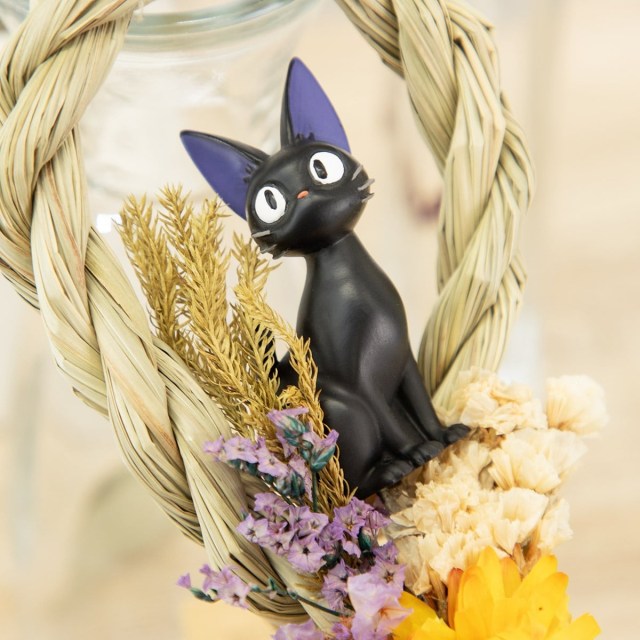
A Ghibli take on a traditional Japanese New Year’s decoration.

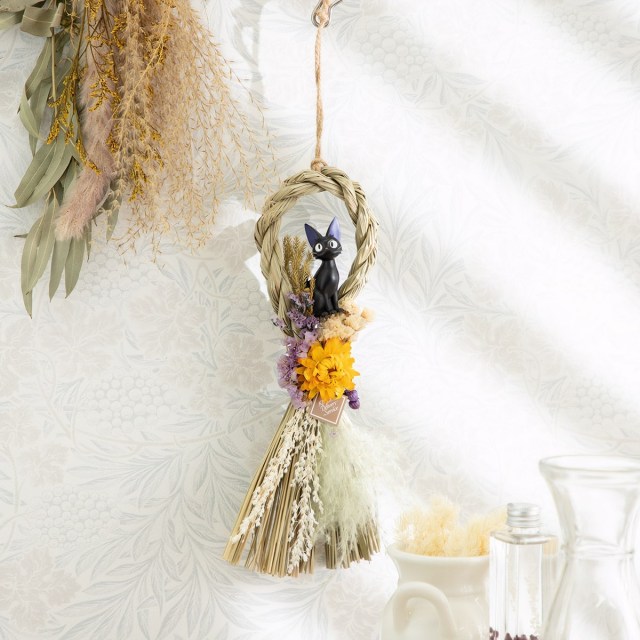
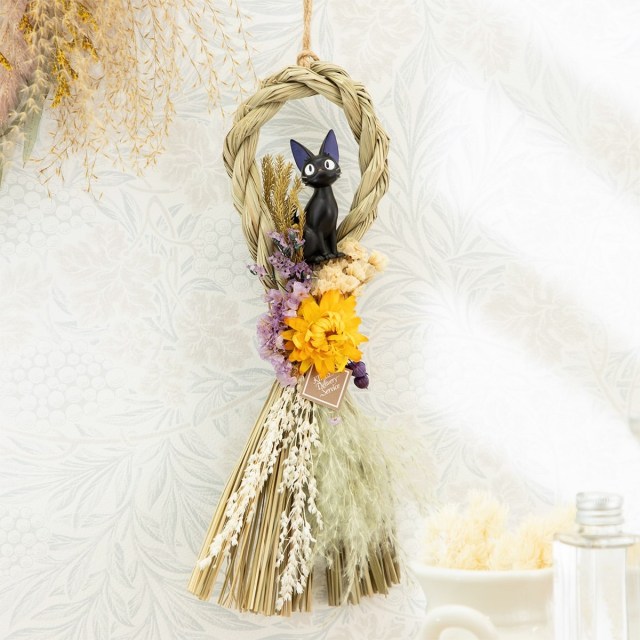
We recently took a moment to ooh and aah over how cute Studio Ghibli specialty shop Donguri Kyowakoku’s Totoro kagami mochi plushie looks, and to learn a little bit about the traditional Japanese New Year’s decoration that inspired it. Stacks of rice cakes aren’t the only symbols of good fortune and prosperity that Japanese homes are adorned with at the end of the year, though, and today we’ve got another one with a twist: a Kiki’s Delivery Service shimekazari wreath.

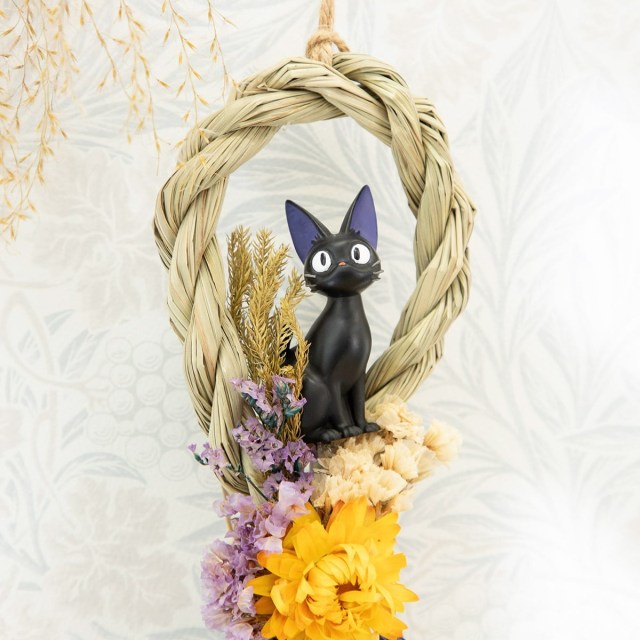
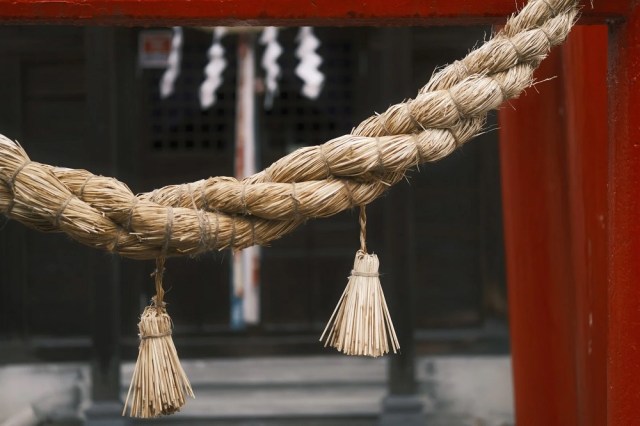
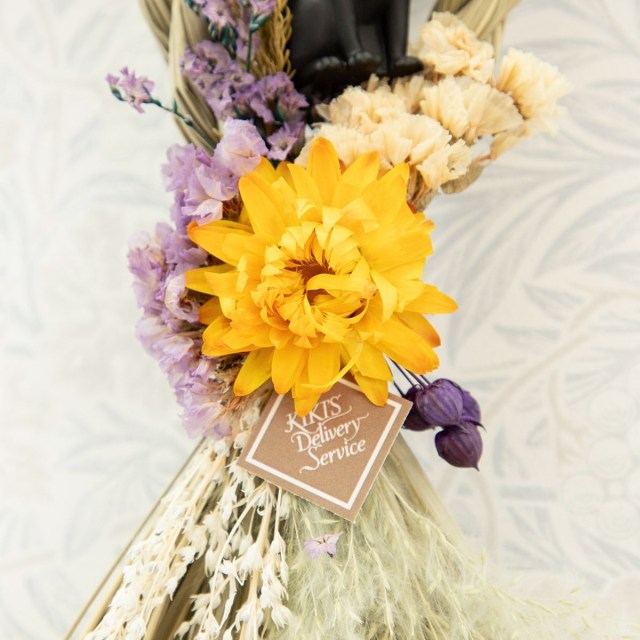
Technically, I suppose we’ve got multiple twists here, since not only is there a touch of anime aesthetics with the presence of Kiki’s black cat Jiji, the wreath itself is a braided coil of straw. Shimekazari literally means “twisted decoration,” and they’re small, home-sized versions of the larger shimenawa ropes you might encounter at Shinto shrines, which serve as a barrier of sorts to ward off evil spirits and general misfortune.

Because of their more compact size, these New Year’s wreaths can be hung above your home’s entrance, on the door, or even inside, either on walls or interior doors. Donguri Kyowakoku officially classifies this as a “western-style decoration,” making it technically a secular ornament that can be used for non-denominational wishes of good fortune and festive cheer during the holiday season.

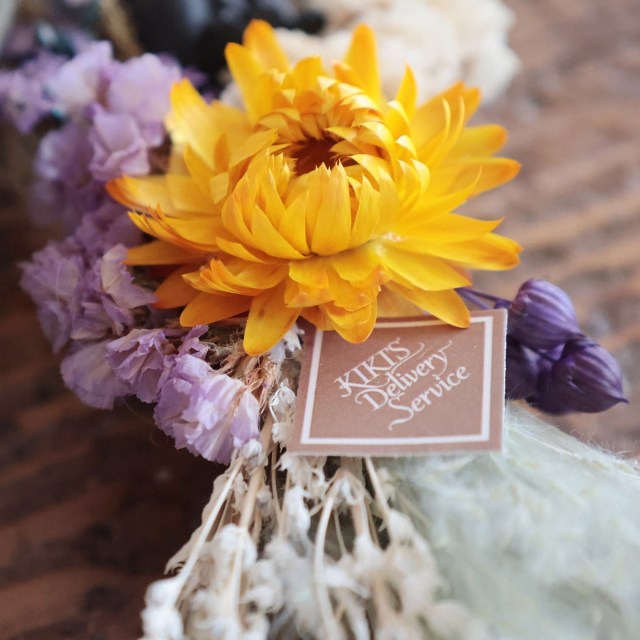
The Jiji figure is made of a mix of metal and resin components, while the wreath uses both artificial and dried flowers, and the straw is natural as well, ensuring that each wreath has its own subtly unique appearance.

The wreath measures 28 centimeters (11 inches) in length, putting it right in that easy-to-decorate-with sweet spot of being large enough to be noticed without being so big as to dominate the room. Priced at 6,050 yen (US$40), the Kiki’s Delivery Service wreath can be ordered through the Donguri Kyowakoku online shop here.

Source: Donguri Kyowakoku
Top image: Donguri Kyowakoku
Insert images: Donguri Kyowakoku, Pakutaso
● Want to hear about SoraNews24’s latest articles as soon as they’re published? Follow us on Facebook and Twitter!


Credit:
0 comments:

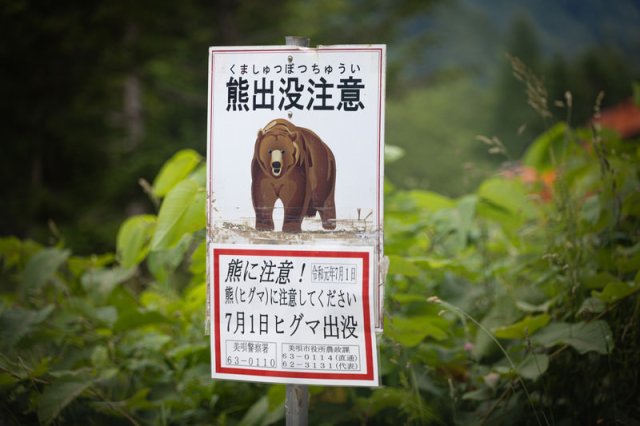
Security guard jumped by bear at public restroom in middle of Numata City

17:13 cherishe 0 Comments

Bears in Japan are steadily getting closer to urban areas.

Not too long ago, conventional thinking was that when journeying through the forests and mountains of Japan, you should be on the lookout for bears. Conversely, when commuting through your city’s central train station, bears shouldn’t be a top priority—wild boars perhaps, but bears tend to have more sense.

The times they are a-changing, however, and it seems that this is the year of the bears in Japan, as they’ve been encroaching on areas inhabited by humans at an alarming rate this year. Even parts of the country where you wouldn’t expect to run into a bear, like the public men’s room of JR Numata Station, aren’t safe.

At about 1:30 a.m. on 28 November, a security guard on patrol outside the station took a moment to use the men’s room. Just as he was leaving, he came face-to-face with a bear at the entrance. Startled, the 69-year-old stepped back and stumbled onto his rear end. The bear moved in to attack, and the guard flailed his arms and legs to resist it.

It appeared to have worked, because the bear left soon after, but not before clawing the man’s right leg and causing minor injuries.

The city of Numata in Gunma Prefecture is by no means a big city, with a population of around 50,000 people. But it’s also a far cry from the kinds of rural areas with only one set of stop lights which bears have been known to wander into in the past. The city itself is also right on the outskirts of the Greater Tokyo Area.

▼ As you can see from the map, Numata Station is in a fairly well-developed part of the city.

A resident of Numata told the media that bear sightings are not uncommon in the mountainous areas surrounding the city, but this is the first time one has been seen this deep inside. The bear had not been found by morning, and police are urging residents to refrain from unnecessary outings.

▼ A news report shows the men’s room where the attack occurred, and police patrolling the station with shields in case it comes back.

Online comments expressed surprise that a bear would come as deep into a city as this one has and sympathized with the guard for what had to have been an incredibly shocking encounter.

“The last thing I expect coming out of a restroom is a bear.”
“He went from feeling as relieved as possible to as terrified as possible.”
“At least the bear waited until he was finished.”
“That’s right in the middle of the city. I can’t imagine a bear being there.”
“I doubt that man can go back to work after this.”

“The bear needed to cross a whole residential area to get to the station.”
“What’s going on out there? Is this an all-out war with the bears?”
“Wasn’t Numata where that bear rampaged through a supermarket? Could it be the same bear?”

On 7 October, a bear did make its way inside a Fressay supermarket in Numata, a few kilometers away from Numata Station, injuring two customers. The supermarket is located right on the edge of the city and mountains, making it a more likely site for a bear encounter. This bear also fled the scene and wasn’t caught, so the possibility that it’s the same bear exists.

On the bright side, we should be entering the season when bears begin to prepare their dens for hibernation, provided the temperatures get low enough. If so, then the number of bear encounters should drop considerably for the rest of the year. But without a concrete solution for the overall trend of bears entering inhabited areas throughout most of Japan, everything will just pick up right where it left off next year.

Source: FNN Prime Online, YouTube/ANNnewsCH
Top image: Pakutaso
● Want to hear about SoraNews24’s latest articles as soon as they’re published? Follow us on Facebook and Twitter!


Credit:
0 comments:

Hey, Japanese taxi driver! Take us to the best Turkish rice restaurant in Nagasaki!

08:13 cherishe 0 Comments

It’s not Turkish, and even the rice plays a minor role, but it’s a meal beloved by locals that always sees a clean plate at the end of the meal.

Nagasaki, being tucked away on the southwestern island of Kyushu, doesn’t quite see the same thoroughfare of international travelers as the more central cities, like Tokyo, Kyoto or even Hiroshima do.  However, from the Dutch-themed amusement park Huis Ten Bosch and the Nagasaki Lantern Festival to the battleship-shaped island of Gunkanjima and the resort island of Iojima, there are countless delightful sights to see, and local treats to snack on.

Our avid Pokémon Go fan and Japanese language reporter P.K. Sanjun recently stopped by Nagasaki for a Pokémon Go event, and thought he would take the opportunity to finally go eat a Nagasaki local specialty he had long admired: Turkish rice.

For anyone familiar with Turkish cuisine, you might assume that it refers to the fluffy and buttery rice and pasta pilaf that is enjoyed by so many Turkish people. However, in Japan, what is known as “Turkish rice” can be seen by someone as being as outrageous as an Italian finding out what the popular chain restaurant Saizeriya calls a “pizza”, and… I’ve seen some very offended Italians.

This is mostly due to the inclusion of a pork cutlet, which is generally not eaten in Turkey due to Islamic influences, and as the origin of the “Turkish rice” name remains unclear, we can’t say for sure how this arguably contradictory dish came to be called that. Along with pilaf, the Japanese version of Turkish rice also tends to include the type of pasta called “Napolitan”  in Japanese, which refers to spaghetti with tomato ketchup.

Using our favorite tried and tested method of calling upon the wisdom of local taxi drivers to point us in the direction of the best restaurant for mouthwatering local delicacies, P.K. found himself standing outside what his taxi driver called “the most delicious Turkish rice restaurant in Nagasaki”: Nicky Arnstein.

There are two branches in Nagasaki, one being in the Yorozuyamachi neighborhood and the other being at JR Nagasaki Station. While both are easily accessible, P.K. happened to be near the station that day, so he called into the JR Nagasaki Station store at around noon on a Saturday.

Being right at the lunch rush, there was naturally a line, and P.K. happened to be tenth in it. After a wait of just over twenty minutes, he was finally seated and ready to explore the charm of Nicky Arnstein.

The most striking thing initially was the size of the menu, as due to the many different combinations of things such as hamburg steak, croquettes, dry curry, and so on, they all change the dish in slightly different ways. The staff informed P.K. that there were in fact “about 200 varieties” of Turkish rice to be enjoyed in the store.

Honestly, with so much choice, P.K. felt pretty overwhelmed, so he decided to put his faith in the menu’s recommendation that its most popular dish is the one it calls “Turkish rice #703” and ordered a plate of it for 1,480 yen (US$9.50).

After a wait of about ten minutes, the dish was brought to P.K.’s table. On his plate were a mixture of rice and pasta, a sauce-slathered pork cutlet, a croquette, a fluffy omelet, and a side salad, with very generously sized portions by Japanese restaurant standards.

It wasn’t exactly clear from the photos, but even without specifically ordering a large size, the Turkish rice at Nicky Arnstein is incredibly generous, leaving P.K. to wonder if he’d even be able to finish it all.

However, in the end, P.K. managed to polish off his plate pretty easily. Even the elderly customer next to him left not a single morsel of food behind. In fact, P.K. didn’t see even a single person leave without eating everything on their plate, which is truly the best compliment a restaurant can have.

Each of the components of the Turkish rice, from the pasta to the croquette, were all pretty considerably heavy foods by themselves, and each one was delicious enough to be the star of the plate.

Of particular note was the croquette, because even though P.K. is not generally a fan of them, this smooth, creamy croquette was insanely good. It was perhaps tasty enough that Nicky Arnstein could just sell a croquette set meal and people would love it just the same.

It just so happens that one of our other reporters, Mariko Ohanabatake, is from Nagasaki and can reaffirm that the taxi driver knows what he was talking about as the food at Nicky Arnstein is delicious, so along with P.K.’s recommendation, that’s three levels of guarantee of having a fantastic meal on your next visit to Nagasaki.

Restaurant information
Nicky Arnstein Nagasaki Ekimae-ten / ニッキー・アースティン 長崎駅前店
Address: Nagasaki-ken, Nagasaki-shi, Onouemachi 1-67 Nagasaki Kaido Kamome Ichiba
長崎県長崎市尾上町1-67 長崎街道かもめ市場
Open 11:00 a.m.–10:00 p.m.

Photos ©SoraNews24
● Want to hear about SoraNews24’s latest articles as soon as they’re published? Follow us on Facebook and Twitter!


Credit:
0 comments:

Godzilla-shaped ice cream on sale in Tokyo near the sight his most adorable rampage

05:13 cherishe 0 Comments

You can eat Shin Godzilla’s Kamata-kun very close to Kamata.

Despite all the destruction he causes, for several decades Godzilla was often depicted as a sort of savior of humanity. Sure, he still regularly flattened large swaths of Tokyo, but he did so while battling other even more dangerous or inherently evil kaiju, with the resulting collateral damage often treated as a preferable outcome compared to what would have happened had the “bad” monster been allowed to run rampant.

2016’s Shin Godzilla, though, did a hard reset of that, with director Hideaki Anno’s goal being to return the character to the terrifying presence he’d been in the franchise’s original film from 1954. So Shin Godzilla’s design became more menacing, with a disturbingly long and alien-looking tail, flesh that looks to be burning or melting, and even a darker color scheme for his atomic breath.

At least, that’s how Shin Godzilla looks in the later stages of his evolution. Earlier in the movie, when he still isn’t fully developed, he looks very different, and his second form, affectionately called “Kamata-kun” by fans, is disarmingly derpy in appearance. Whether it was the designers’ intention or not, he’s a good example of the aesthetic referred to in Japanese as “kimokawaii,” or “creepy cute.” Despite his modest amount of screen time, Shin Godzilla’s second form has proven to be enduringly endearing to fans, so much so that he’s the muse for the ice cream being served at one special place in Tokyo.

It’s unclear exactly how long the Godzilla Second Form Soft Serve Ice Cream has been available for, but a few weeks ago the official Godzilla Twitter account shared the word that it’s waiting to be eaten at the Heiwajima Agari Parking Area of the Shuto Expressway in Tokyo. Each serving of Godzilla ice cream is individually prepared by the snack stand staff from mocha-flavor ice cream, with round Tamago Boro egg biscuits for his eyes and chocolate flakes for the spikey spines along his back. While the Godzilla ice cream doesn’t come with any buildings to smash, you can still indulge your destructive desires by crunching through the cone as your snack session winds down.

So why is this unique kaiju treat being offered at the Heiwajima Agari Parking Area? Because it’s the expressway rest stop closest to Tokyo’s Kamata neighborhood, where Shin Godzilla’s second form appears and rampages in the movie (hence his nickname “Kamata-kun”).

▼ It’s only about a 10-minute drive between the Heiwajima Agari Parking Area and Kamata.

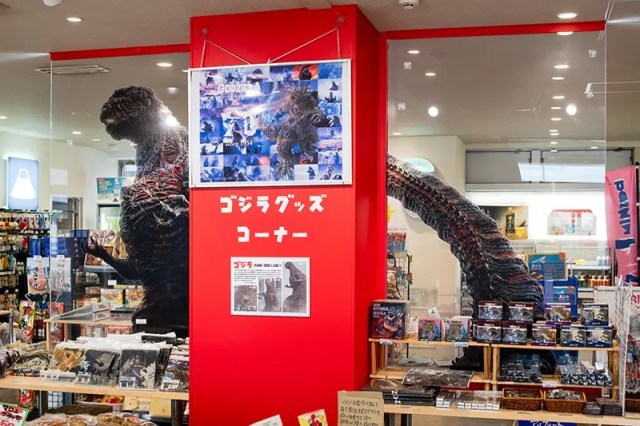
▼ The rest stop even has a Godzilla merchandise corner.

The Godzilla Second Form Soft Serve Ice Cream is priced at 600 yen (US$4). Neither the tweet nor the parking area’s website make any mention of it being a limited-time item with a pre-set end of availability, but really, Godzilla ice cream seems like the sort of thing we should all be making a priority and giving an early slot in our sweets-to-eat schedules, especially considering how cool Japanese expressway rest stops are in general, though it is going to be hard deciding which to eat first, the Godzilla soft serve or Japan’s new One Piece Gum-Gum Fruit ice cream.

Related: Heiwajima Agari Parking Area website
Source, top image: Twitter/@godzilla_jp
Insert image: Metropolitan Expressway Service Company
● Want to hear about SoraNews24’s latest articles as soon as they’re published? Follow us on Facebook and Twitter!


Credit:
0 comments:

Studio Ghibli stamps lift your spirits with motivational phrases from Totoro

22:13 cherishe 0 Comments

Cute anime characters are here to give you all the encouragement you need.

Back before emojis and digital stamps appeared in messaging apps, ink stamps were a popular way to convey messages, and it’s a tradition Studio Ghibli is keen to keep alive, with a new collection of stamps featuring the Totoros from My Neighbour Totoro.

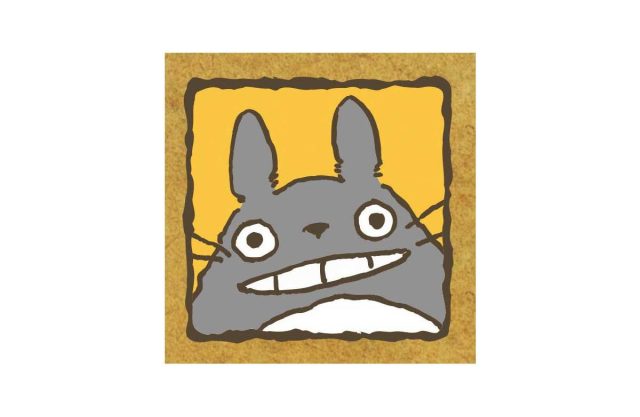
There are 11 designs to collect, starting with six square varieties, priced at 418 yen (US$2.67) each, that convey emotion simply with characters’ facial expressions.

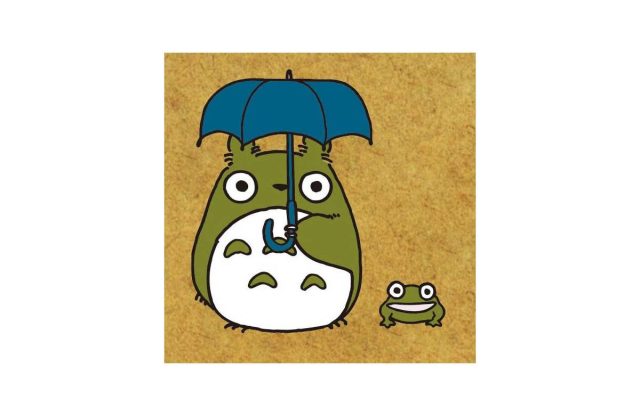
▼ The two “Large Totoro” stamps above are joined by Soot Sprites

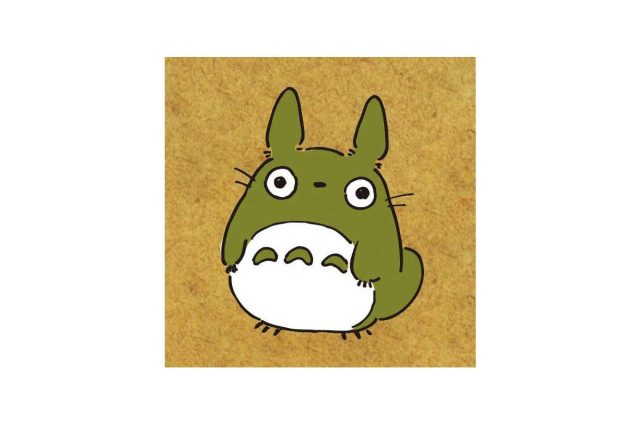
▼ …and the Medium and Small Totoro.

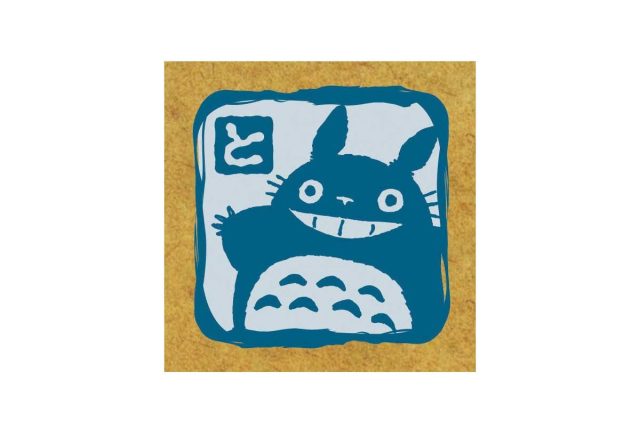
The collection is Large Totoro heavy, though, with the gentle giant appearing on another two stamps, grinning from ear to ear.

This stamp comes with the Japanese hiragana character “” (“to“), as a nod to “Totoro”.

While the stamps above are ideal for decorating letters, notes, diaries and scrapbooks, the remaining stamps help to convey messages and information, with a cute Totoro twist.

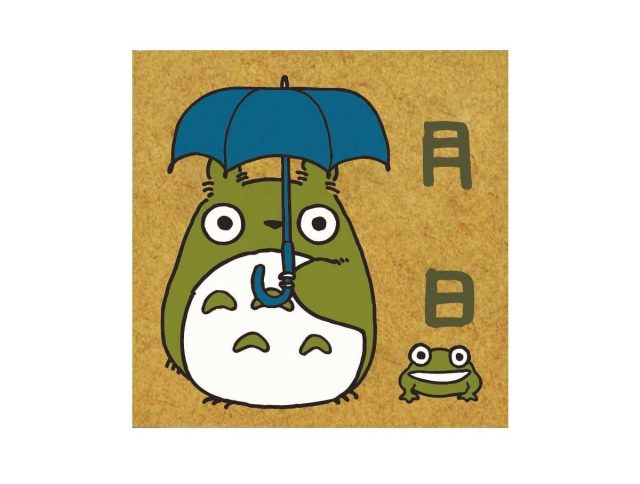
▼ This stamp lets you fill in the date, with the character for “month” (“月”) on top and the character for “day” “(“日”) on the bottom.

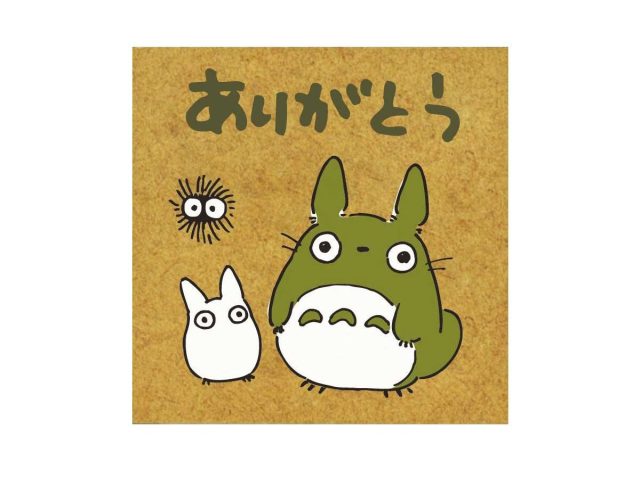
▼ This one, with the word ”ありがとう” (“thank you”) is a sweet way to express gratitude.

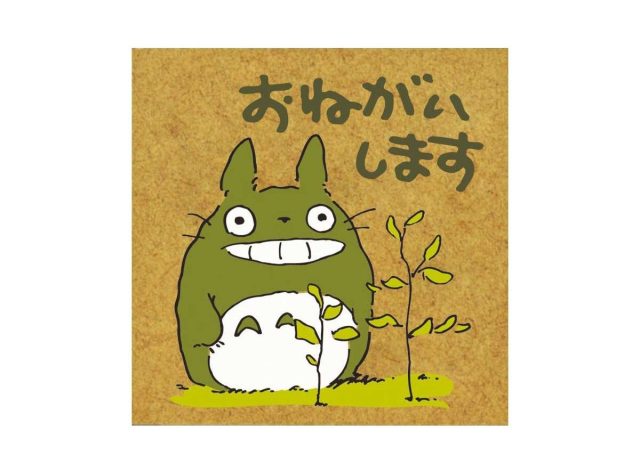
When you want to make a request, this Totoro, its face sprouting with hope like the seedlings before it, helps to convey your earnest wishes, with the expression “おねがいします” (“onegai shimasu” [“please“]).

And for those times when you or someone you know is dealing with a challenge, the word “ふぁいと!” (“Fight!“) will help to boost their spirit, as the expression is commonly used in Japan to encourage someone to keep fighting.

And finally, we have the largest stamp of all, showing the large Totoro looking down at the Small Totoro, with the words “とってもよくできました!” (“Totemo yoku dekimashita!” [“Very well done!“])

▼ The six stamps above retail for 660 yen each, while the one below retails for 770 yen.

These rubber ink stamps can be used time and time again to bring a dash of joy to all sorts of scenarios. Whether you’re sending cards, making notes, or creating your own New Year’s cards, Totoro has a way of making communication simply adorable. Which is quite the feat for a character with so little words!

Source: Donguri Kyowakoku
Top image: Donguri Kyowakoku
Insert images: Donguri Kyowakoku (1, 2, 3, 4, 5, 6, 7, 8, 9, 10, 11)
● Want to hear about SoraNews24’s latest articles as soon as they’re published? Follow us on Facebook and Twitter!


Credit:
0 comments:

Yoshinoya adds first-ever chain-wide ramen with new beef and pork-broth noodle hot pot meals

08:13 cherishe 0 Comments

Japan’s gyudon king now has Gyunikutama Ramen available too for the winter.

Yoshinoya’s big thing is, and always has been, beef bowls, or, as they’re called in Japanese, gyudon. So strong is the connection between Yoshinoya and gyudon that when we were looking at the menu and read “gyu” our brains were almost ready to mentally autofill it to “gyudon.” Thankfully, that didn’t happen, because if it had, we might have missed out on something we don’t expect to find at Yoshinoya: ramen.

▼ You can see 牛, the kanji for gyu, meaning “cow” and in restaurant contexts “beef,” on the screen, and the photo is also a tip-off that this is no mere beef bowl.

New to the Yoshinoya menu as of November 27 is the Gyunikutama Ramen Nabezen, which translates to Beef and Egg Ramen Hot Pot Meal. This is a set of strips of beef and vegetables simmered in a ramen broth that’s a mixture of tonkotsu (pork stock) and soy sauce stock, accompanied by ramen noodles, an egg to crack and cook in the broth, rice, and pickles. There’s also a non-set version of the ramen that skips the rice and pickles and, at 899 yen (US$6), is a little cheaper than the 987-yen set meal.

Up until now, there’s only been one Yoshinoya branch in all of Japan that serves noodles, located in a part of Narita Airport’s Terminal 2 that can only be accessed by outgoing international flyers after they’ve gone through the security check. Yoshinoya’s parent company has also dabbled in the noodle world with Wada, an Osaka-based ramen chain with a small number of branches. This, though, is the first time Yoshinoya has offered ramen of its own at all of its branches, and so we were eager to give it a try.

As you can see, the noodles are served in their own separate bowl. This might have you thinking that Yoshinoya wants you to eat them like the style called tsukemen, where you give dry noodles a quick dip into the broth before eating them. While you can do that, you can also opt to put the noodles into the bubbling hot pot to simmer together with the beef, veggies, and egg, keeping everything nice and warm and letting their flavors thoroughly combine, a style of ramen known as nabeyaki.

That’s what we did first, and the results were very tasty. Despite being a brand-new dish at a chain that, with a single branch as an exception, doesn’t ordinarily do ramen, Yoshinoya’s Gyunikutama Ramen tastes great, rich and flavorful thanks to the mix of beef, pork stock, and egg. It’s thoroughly satisfying, with no discordant quirkiness to throw your taste buds off and spoil a mouthful’s moment. The noodles themselves are also expertly made, with a uniformly smooth texture that lets them easily slide up from your chopsticks as you slurp them.

On the other hand, when we switched gears and tried eating some of our noodles tsukemen-style, we were less impressed. Dedicated tsukemen sauces are usually thicker in consistency and more heavily flavored, since the noodles will only be briefly dunked before they’re eaten. With the Yoshinoya’s broth being closer to that of non-tsukemen ramen in those aspects, though, it’s harder for the noodles to soak up enough liquid and flavor with just a quick dip.

Because of that, eating Yoshinoya’s Gyunikutama Ramen nabeyaki style would be our top recommendation right now, because when the broth is this good, it’d be a shame not to fully enjoy it.

Photos ©SoraNews24
● Want to hear about SoraNews24’s latest articles as soon as they’re published? Follow us on Facebook and Twitter!


Credit:
0 comments: