Are Japan’s room-temperature curry packets the boxed lunch heroes we’ve been looking for? [Taste test]
Packets of curry you can store and eat at room temperature could be the answer to our prayers for portable, smell-safe curry.

Curry and rice is always a winning combination, but the road to victory can be a difficult one when you’re packing a lunch to take with when you’re heading out for the day. Curry rice might seem like it’d work great for a home-made bento boxed lunch, since it’s a dish you can eat out of a single container with just a spoon, but transporting curry comes with the risks of the roux, or its aroma, leaking out inside your bag, car, or elsewhere before you make it to lunchtime.

But it looks like we might have found a solution to this problem thanks to Miyajima Shoyu Co., a Tokyo-based maker of soy sauce and other condiments. Miyajima offers something they call the Hitokuchi Series, and it includes packets of ready-to-eat curry!
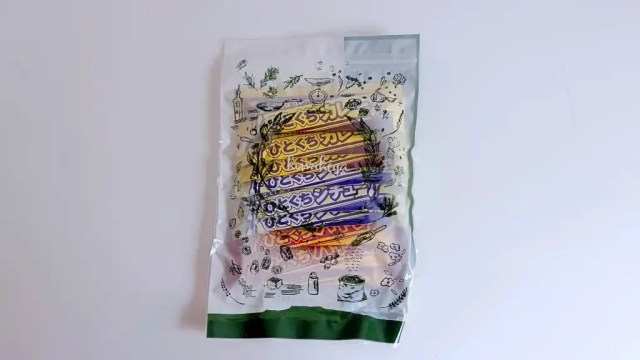
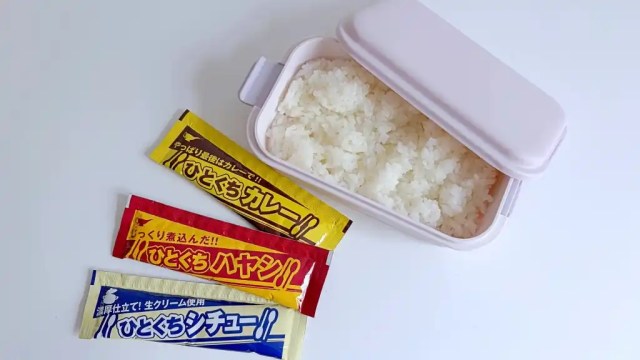
In addition to Hitokuchi Curry, there’s also Hitokuchi Stew and Hitokuchi Hayashi, packets of cream stew and hayashi rice sauce (similar to a tomato-based demi-glace sauce). For our taste test, we opted for a combo bundle with a total of 10 packets so that we could try all three.

▼ Hitokuchi Curry (yellow), Stew (white), and Hayashi (red)
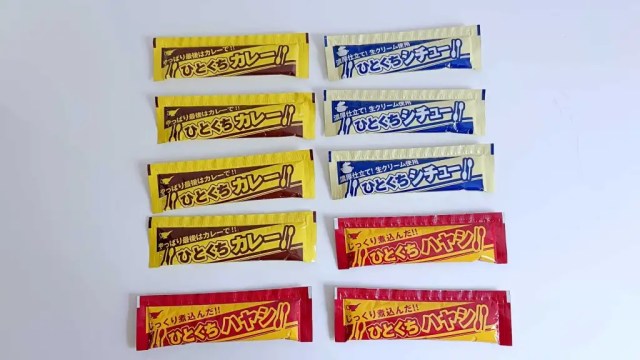
The packets can be stored at room temperature and eaten without reheating, and they have a shelf life of over one year, so keeping a stock in your pantry, or carrying a few with you when travelling or camping, are viable options. The packets are easy to open without getting your hands messy, and the sufficiently thick consistency of the sauces means that they don’t come dribbling out and spilling in places you don’t want them to. That thickness also makes it easy to regulate the speed at which you squeeze them out, so there’s no worry of accidentally overflowing your plate or bento box because you put too much on your rice too quickly.

▼ Left to right: curry, stew, and hayashi
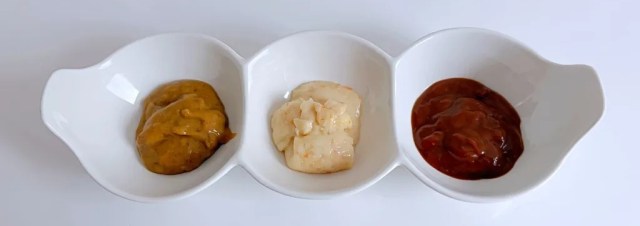
So how do they taste? Very nice, across the board. The curry is on the mild side, but Japanese curry is more about the overall combination of spices than just simple spiciness. Hitokuchi Curry fits with the familiar expectations for Japanese curry, and it’s a flavor that a wide range of people will be able to enjoy, and it was tasty even at room temperature.

The Hitokuchi Hayashi had a surprising amount of tomato tang to its flavor profile, but still balanced with enough sweetness to keep from feeling harsh, though it had the most impactful flavor of the three Hitokuchi siblings. Finally, the Hitokuchi Stew was satisfyingly creamy. We were a little worried about eating cream stew with rice, as it’s not a common combination in Japanese cooking, but it turned out that they can play nicely together, though we do have to admit that it felt a little unusual eating stew at room temperature since it’s usually served piping hot. But yeah, if the question is “Do they taste good?”, the Hitokuchi series goes three for three.
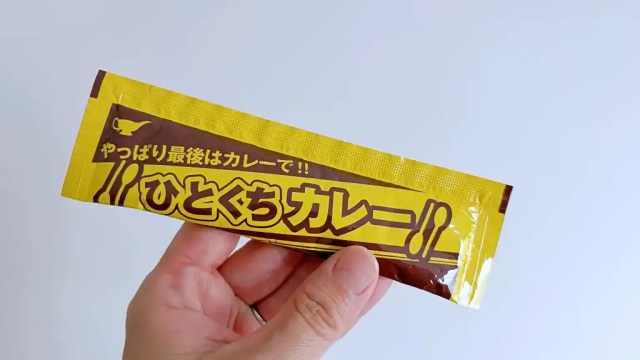
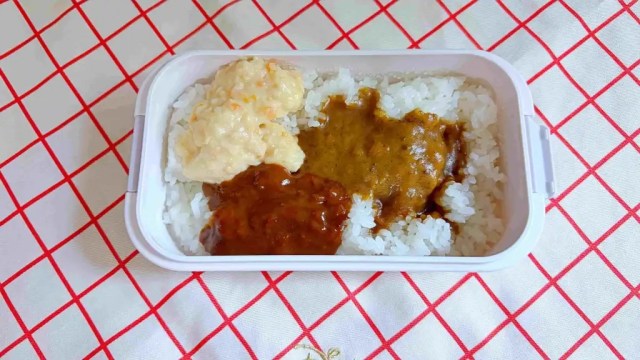
So as long as you’ve got a bento box of rice and a single Hitokuchi Curry packet, are you all set for lunch? Probably not. For one thing, each packet only contains 30 grams (about one ounce). Considering that Hitokuchi literally translates to “a single bite,” that modest quantity doesn’t mean that Hitokuchi Curry is falsely advertised, but it does mean that a single packet probably isn’t going to be enough for the amount of rice one would usually put in their bento. One packet is enough if you’re looking for a changeup in flavor as you finish off the last few mouthfuls of rice, but if you want enough curry to enjoy for the entire meal, you’re probably going to need three packets.

▼ This does, though, open up possibilities like the triple-temptation curry stew hayashi rice we made for ourselves.
On the other hand, one Hitokuchi packet is enough if you’re spreading it on some toast, which we can confirm is a tasty alternative.
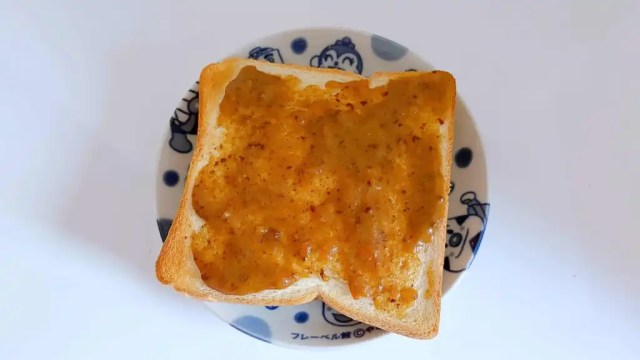
The other thing to be aware of is that unlike some kinds of instant curry that toss in a few slices of vegetables or pieces of meat, the Hitokuchi series is strictly roux/sauce, so if there are any other toppings you want, you’re going to have to provide/procure them separately.

That said, in terms of what it promises to be, a mouthful of curry sauce in a packet, Hitokuchi Curry works very well. We found our curry/stew/hayashi bundle on Amazon Japan here for 1,340 yen, but if you’re all about the curry, a 10-pack of Hitokuchi Curry packets is also available here for 795 yen.

Photos ©SoraNews24
● Want to hear about SoraNews24’s latest articles as soon as they’re published? Follow us on Facebook and Twitter!


Credit:
Studio Ghibli releases new Kiki’s Delivery Service Jiji music box for anime fans

Retro telephone from the Guchokipanya bakery plays one of the film’s most iconic songs.

Studio Ghibli movies are filled with intriguing characters that have the power to completely draw us into their animated worlds, and in Kiki’s Delivery Service, it’s Jiji who often steals the show.

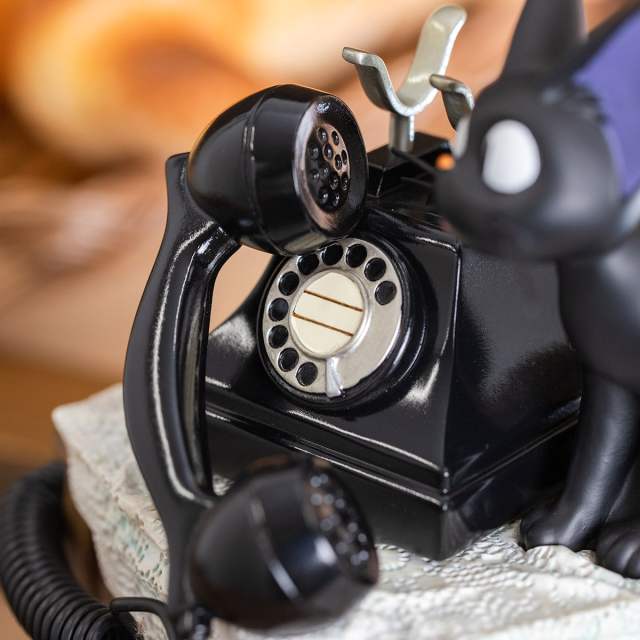
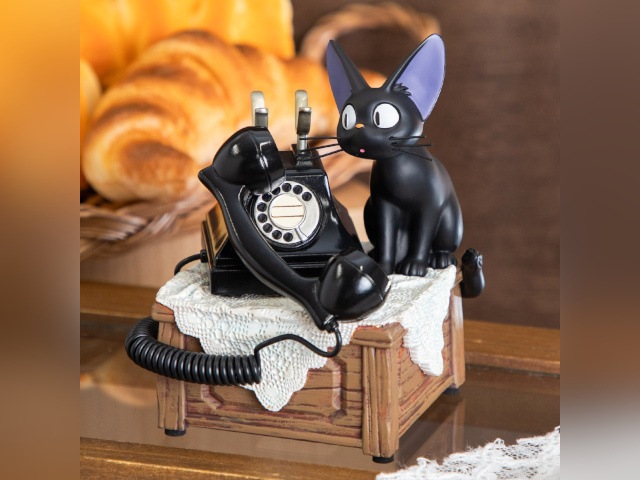
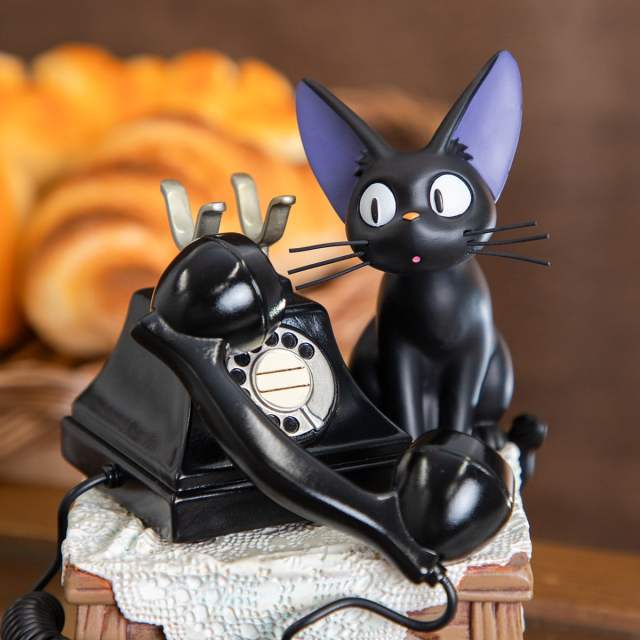
Now, the black cat is back in the spotlight, thanks to a new release from Ghibli specialty retailer Donguri Kyowakoku. Called “Kiki’s Delivery Service Music Box: A Message to Kiki”, this music box is modeled after the black rotary telephone at Guchokipanya, the bakery where Kiki begins her new life.

The product is beautifully designed, with the phone receiver shown off the hook, propped up against the black telephone. With Jiji leaning in, ears perked towards the receiver, as if wondering who might be on the line, it’s almost as if we can hear the faint voice of someone, perhaps a customer, or maybe even Kiki herself, greeting us from a faraway location.

▼ Is that you, Kiki?

The sound that really comes out of the phone, however, is “Rouge no Dengon” (“Message of Rouge“), the iconic opening theme song from Kiki’s Delivery Service.

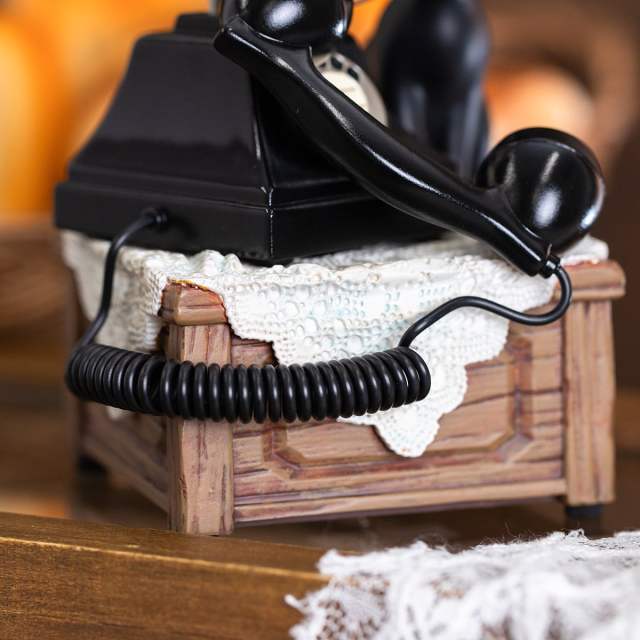
Both the music and the design of the music box itself evoke the warm, nostalgic feel of the bakery, right down to the delicate lace detailing on the wooden-look base.

▼ The phone cord is soft and malleable, just as it would be on a real rotary telephone.

Measuring approximately 10.5 × 13 × 10.5 centimetres (4.1 × 5.1 × 4.1 inches) and weighing around 532 grams (1.17 pounds), the music box looks like it’s jumped straight out of the anime world of Ghibli. Whether you’re enjoying it as a music box or a decorative display piece, this beautiful product is bound to put a smile on your face whenever you lay eyes on it, and it can be purchased at Donguri Kyowakoku stores in Japan and online from 10 a.m. on 8 August.

Source, images: Donguri Kyowakoku
● Want to hear about SoraNews24’s latest articles as soon as they’re published? Follow us on Facebook and Twitter!


Credit:
Tokyo is getting a branch of famous Los Angeles hot dog chain Pink’s with Japan-exclusive items

87-year-old hot dog chain is going to learn some new tricks.

It’s been about a year since Los Angeles’ iconic Randy’s Donuts opened its first branch in Japan, and as much as we love the place, even we have to admit that eating donuts every day for breakfast, lunch, and dinner probably wouldn’t be a very good idea. But for those looking to diversify looking to diversify their diet yet still craving something with ties to the City of Angels, now comes word that Pink’s is on its way to Japan.

Husband and wife Paul and Betty Pink started Pink’s Hot Dogs with a modest push cart on the streets of L.A. all the way back in 1939. Their big break came seven years later when they opened a permanent restaurant in the Fairfax District, close enough to Hollywood that Pink’s became a favorite of movie stars, show biz celebrities, and other people wanting to grab a bite to eat between visits to local nightlife hot spots.

Today, Pink’s has eight locations in southern California and two in the neighboring state of Nevada, and soon they’ll have their very first branch in Japan. Thanks to a partnership with Japanese restaurant management and consulting firm Sunpark, Pink’s plan is to be serving hot dogs in Tokyo by the end of this year.

Though specific menu details for Pink’s Japan have yet to be revealed, the announcement mentions the chain’s extensive variety toppings such as chili, cheese, bacon, jalapenos, and onion rings. In addition to hot dogs, the Japan branch will have hamburgers, desserts, and other side menu items, and it’s also promising Japan-exclusive items that are tailored to local tastes.

The exact location where Pink’s will open in Tokyo is also still under wraps, but the goal is for the chain to have 30 branches in Japan by the end of 2030.

Source, images: PR Times
● Want to hear about SoraNews24’s latest articles as soon as they’re published? Follow us on Facebook and Twitter!


Credit:
Japanese convenience store food gets turned into hyper-realistic stationery you can peel open

The rice ball and hot snack sets let you feel the fun of some of Japan’s best treats anywhere in the world.

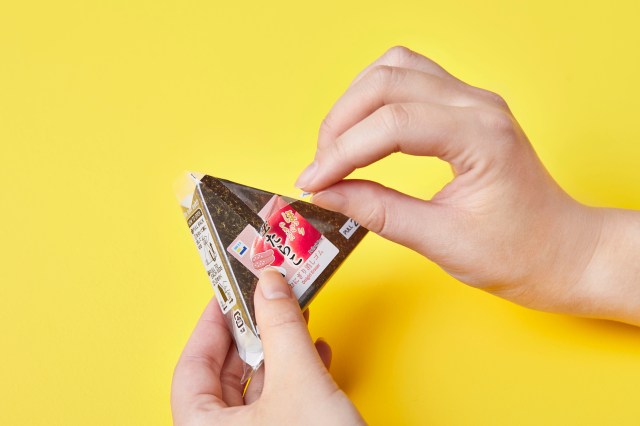
Japan’s convenience stores are filled with wondrous foods to try, with new delights appearing regularly, but there is one staple that any visitor to Japan must try: the humble onigiri. These rice balls may look unassuming, but are the perfect treat to grab if you want a quick meal amid a busy schedule, sating those hungry-stomach rumblings. Releasing on September 18, Japanese stationery maker King Jim has decided to give onigiri a playful makeover in their new Jim Mart lineup, transforming everyday desk supplies into irresistible snacks that bring a spark of joy to your workspace.

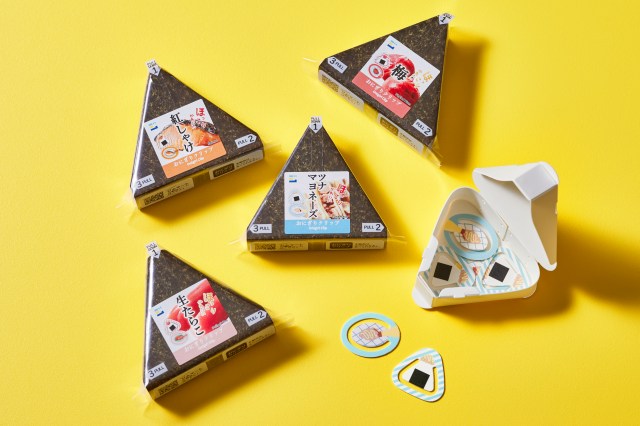
Japanese convenience stores are famous for their quality, variety, and satisfying packaging, all of which is captured by the Jim Mart merchandise, giving you practical functionality and an authentic unboxing experience that includes the peel-and-tear pull tabs found on rice ball packets.

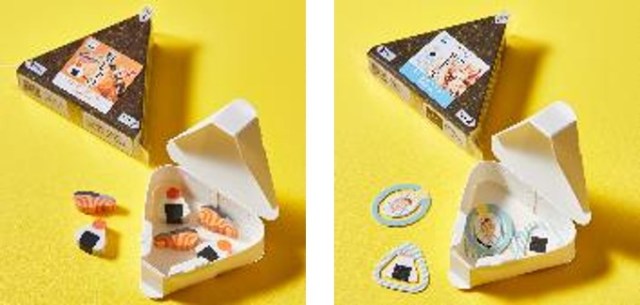
Designed just like the famous triangular rice balls, the Onigiri Erasers and Onigiri Clips come wrapped in realistic pull-strip packaging, which when peeled reveals a reusable rice-ball-shaped case housing your erasers or clips. Fillings include red salmon, plum, tuna and mayonnaise, and raw cod roe, with each pack containing two varieties, three pieces each.

▼ Both erasers and clips cost 650 yen (US$4.10), excluding tax.

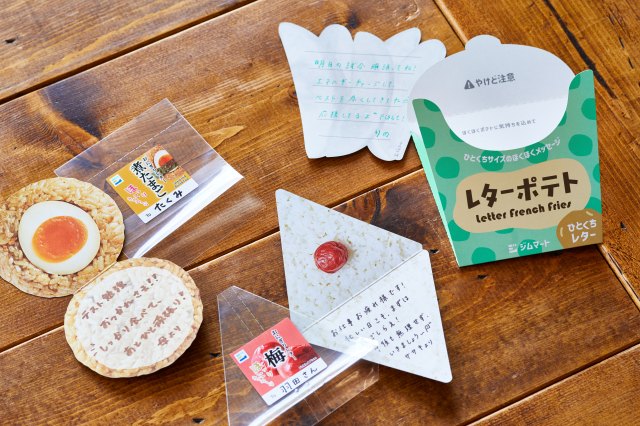
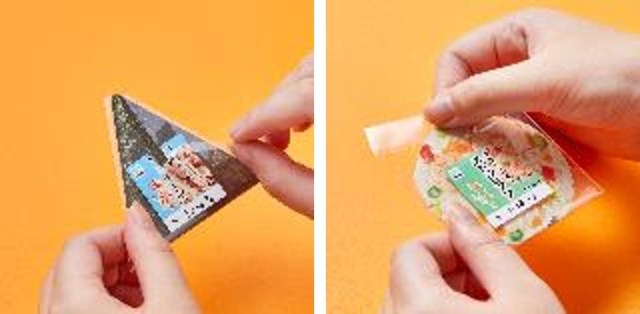
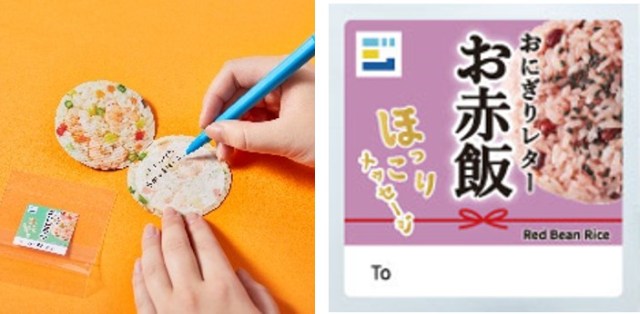
Available in eight total varieties split across triangular and round rice ball shapes, these Onigiri Letters come with clear, perforated outer envelopes, granting the recipient the enjoyment of peeling open a fresh convenience snack to read your message, complete with address stickers styled after authentic package labels. Each set contains two cards, envelopes, and stickers.

▼ All onigiri letter varieties cost 540 yen.

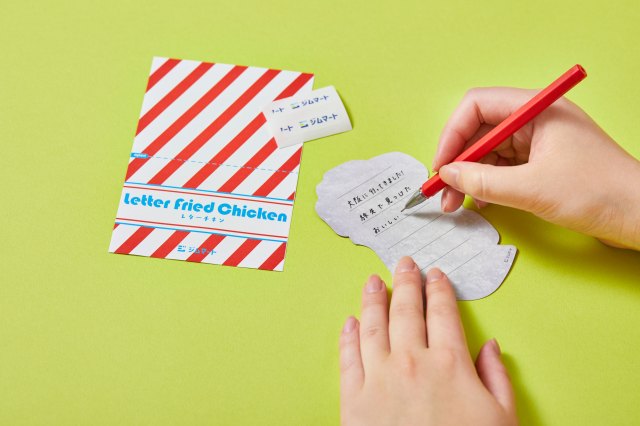
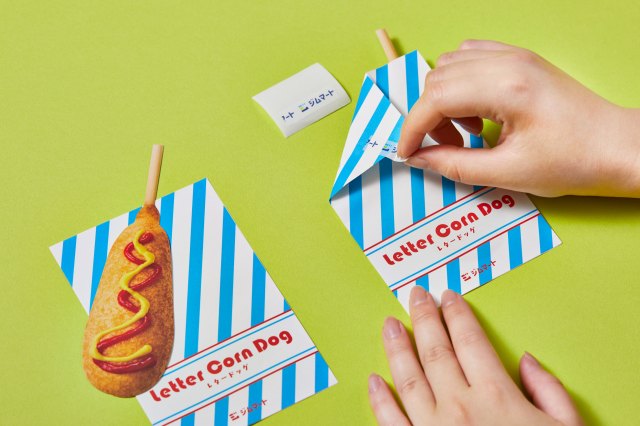
Inspired by the hot treats found right by the register, these Hot Snack Card and Envelope Sets come in four tasty styles: fried chicken, corn dog, karaage (Japanese fried chicken), and French fries. The envelope designs mimic real hot snack bags, complete with tear-away perforations or flap closures, and include store-style sealing stickers.

▼ Hot Snack Sets cost 540 yen, excluding tax.

With Japanese convenience stores having become a must-visit destination for international travelers, and the impracticality of carting home easily perishable items, the Jim Mart collection also doubles as the ultimate gift or souvenir. The whole lineup can be ordered through the King Jim online store here.

Whether you are looking to brighten up your study desk, surprise a stationery-loving friend, or take home a piece of Japanese culture, this deliciously fun series is one to take a look at, but try your best to wrestle down your appetite as you’re writing your friend a message.

Source and images: PR Times via Japaaan Magazine
● Want to hear about SoraNews24’s latest articles as soon as they’re published? Follow us on Facebook and Twitter!


Credit:

Kumamoto earthquake may have created Japan’s newest hot spring inside flooded restaurant [Video]

Kumamoto City izakaya began flooding with hot, sulfur-smelling water immediately after quake.

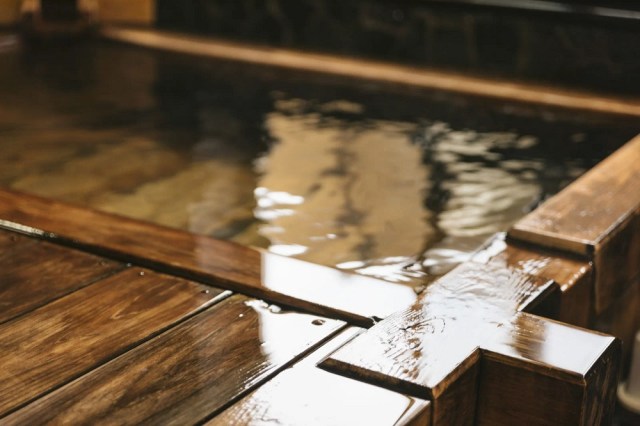
The earthquake that occurred in Kumamoto Prefecture on July 28 caused extensive damage to the region, and among those affected was Mugi Usagi, an restaurant in the Anseimachi neighborhood of Kumamoto City’s Chuo Ward. Mugu Usagi is an izakaya, a kind of Japanese pub specializing in small dishes meant to be paired with beer, sake, or cocktails, but it looks like the location might have one more desirous commodity, as apparently the restaurant’s building sits on top of a previously undiscovered hot spring.

Shortly after the earthquake hit, water began flooding the restaurant’s interior. The source of liquid, though, wasn’t a broken water pipe, as it was instead coming up through the floor of the restaurant’s storeroom.

▼ The flooded Mugi Usagi can be seen at the point queued in the video below.

The water was hot to the touch, so much so that steam began to fill the room. Again, though, the water wasn’t coming from a buster pipe or water heater, and what’s more, it had a distinctly sulfurous aroma, and after repair workers came in to survey the damage, they informed the restaurant’s owner that it was likely hot spring water that was flooding the place.

Even with as much as Japan loves a nice hot bath, there are still hot springs in the country that have remained hidden for many years. Currently, Mugi Usagi’s ownership is focused on repairing the restaurant and getting back to serving diners and drinkers, but with the proven popularity of bathhouses in urban areas, it wouldn’t be a surprise if someone is looking into whether it’d be viable to add one to the building.

Source: KAB Online via Itai News, TV Asahi
Top image: Pakutaso
● Want to hear about SoraNews24’s latest articles as soon as they’re published? Follow us on Facebook and Twitter!


Credit:
This beautiful rural Japan river is a great alternative to touristy summer retreats [Photos]

The Enbaragawa River’s lighting and subsurface flow put it on a different level of natural beauty.

In Japan, the summer heat can be sweltering, intense, or even downright cruel. What it’s not, though, is inescapable. For generations, one way of coping with hot weather has been to head up into the mountains, where temperatures are cooler than in the cities and coastal areas. However, if you head to such famous summer retreats as, say, Karuizawa in Nagano Prefecture, you’re going to be trying to run away from the heat by running right into huge tourist crowds.

So the trick is to find someplace cool and relaxing, but not quite so touristy, and that brings us to the Enbaragawa River in the mountains of Gifu Prefecture.

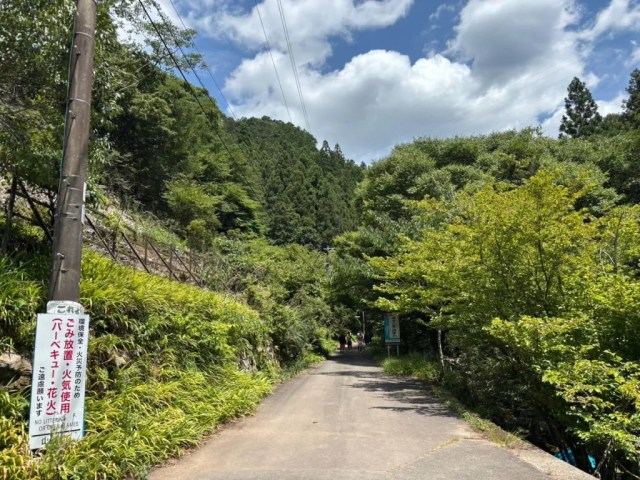
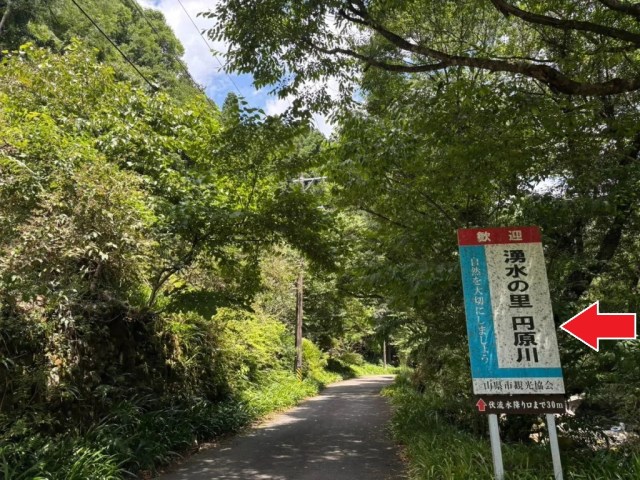
Enbaragawa isn’t exactly a “hidden gem,” as it attracts visitors from outside Gifu too. As the same time, it’s not nearly as congested as Japan’s more prominent beat-the-heat travel destinations. The best section of the river to visit is located in Gifu’s Yamagata City, and it’s far enough off the beaten path that phone service gets kind of spotty, so you’ll want to sort out your driving route while you’re still someplace where you have a signal.

▼ The sport we’ll be heading to in this article

▼ 円原川 = Enbaragawa

▼ There’s a covered free parking area located along the road immediately south of the pin in the map above.

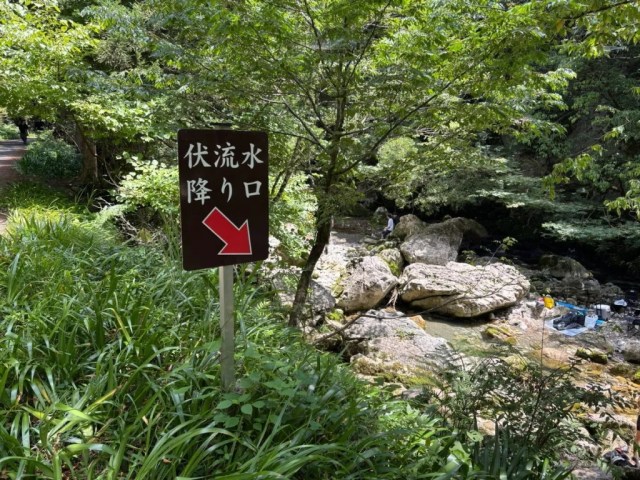
There are signs guiding visitors down to the riverbank…

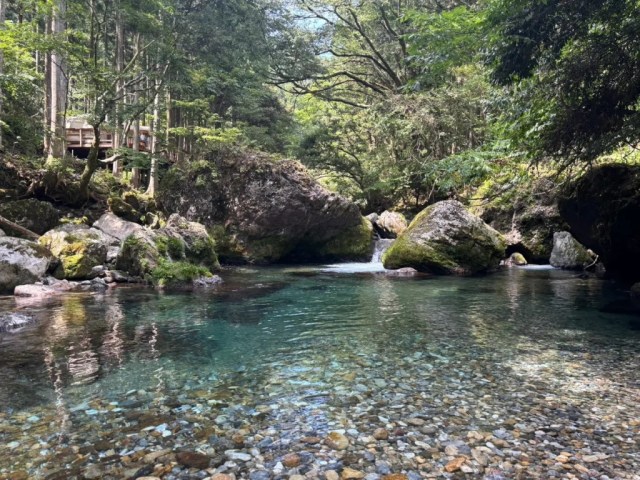
and once you do get down there, the scenery is dazzling, sometimes literally so.

In this section of the river, mist coming off the water regularly mingles with the sunlight filtered through the tree branches overhead, creating radiant photo opportunities. The best times to see/photograph this phenomenon are in July and August between 7:30 and 9 a.m., with peak picturesqueness at about 8 o’clock, but even if you show up a little later in the day, like we did, you can still see some great views.

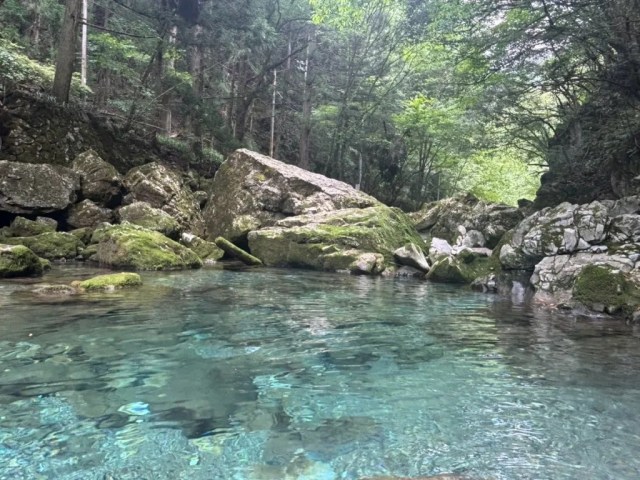
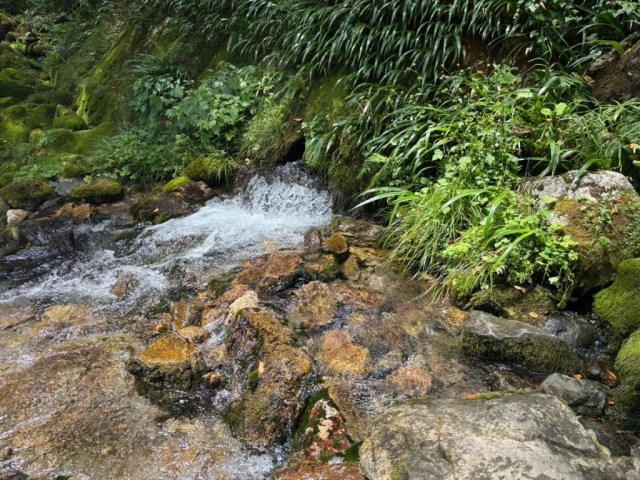
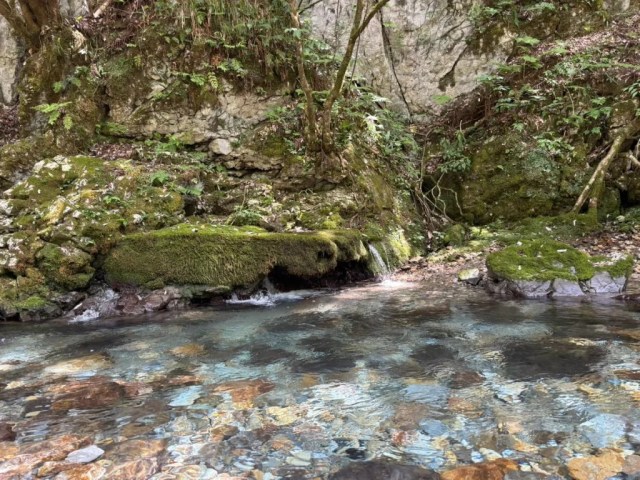
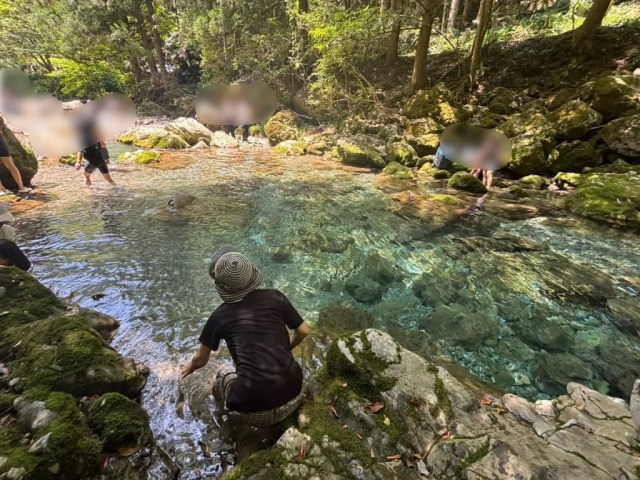
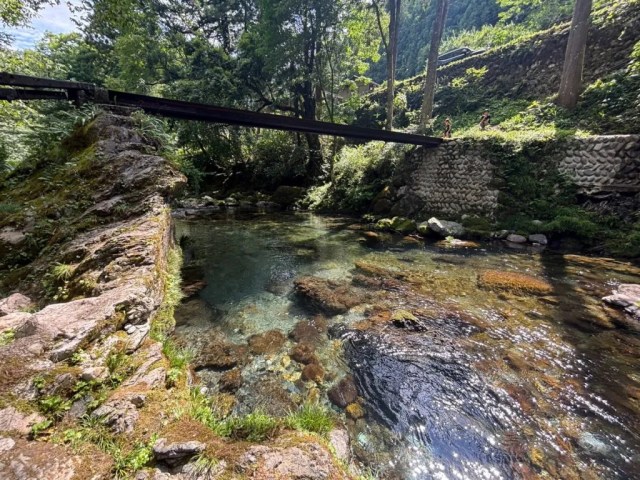
The water itself is also incredibly beautiful. Enbaragawa is a subsurface-flow river, meaning that for a portion of the waterway, the water flows underground. In Enbaragawa’s case, the water flows for about two kilometers (1.2 miles) through a section of limestone bedrock which helps filter out impurities, resulting in amazing clarity.

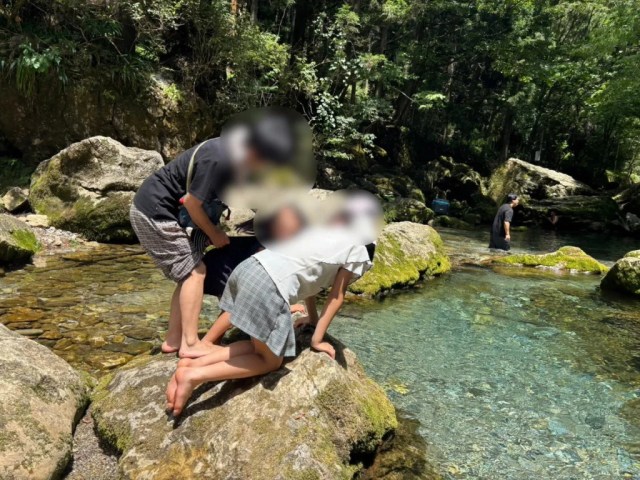
Between the lighting, the clear water, and the moss-covered stones, everywhere we turned our camera looked like a scene from a movie or the cover of a travel guide, and even just sitting by the side of the stream, taking in the sights and sounds, felt luxuriously soothing.

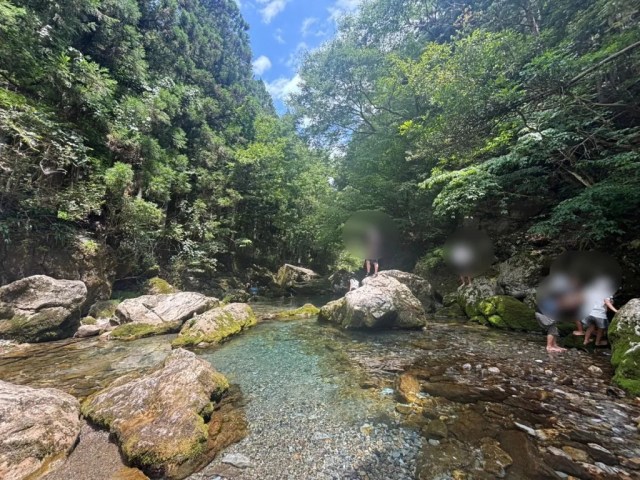
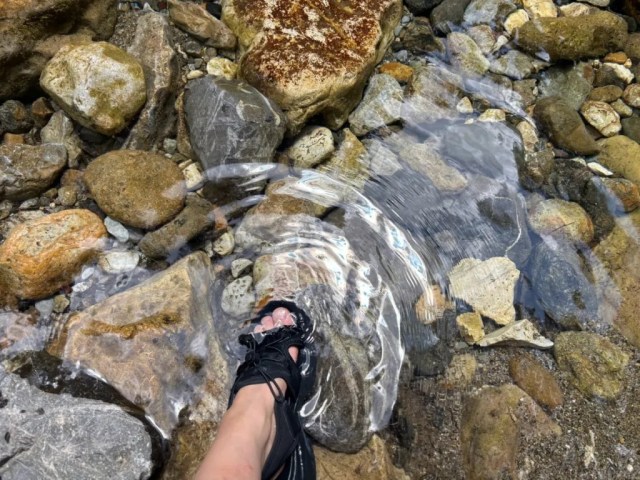
Ah, but we’re here to beat the heat, right? Sitting in the shade at Enbaragawa it was cool enough to make us forget that it was actually a fiercely hot day for so much of the country, but we wanted to feel even cooler, so it was time to dip our toes in the water…

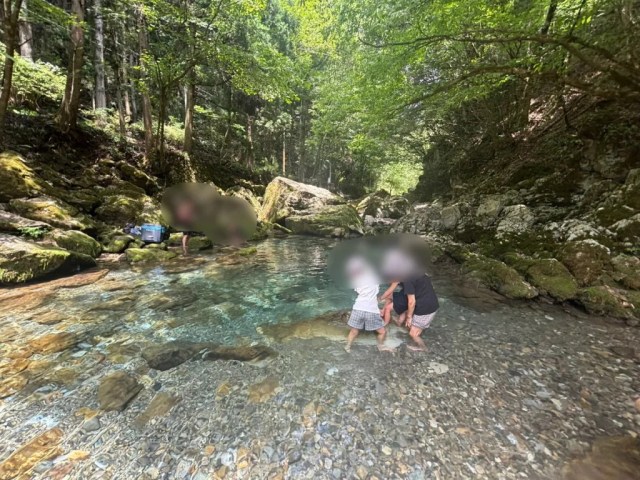
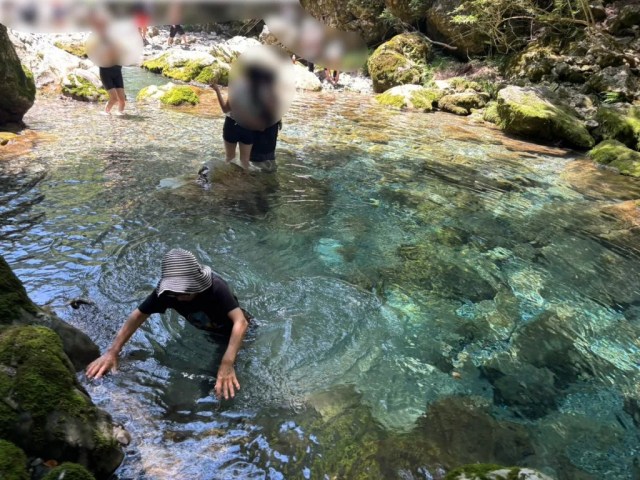
…and once we got used to the invigorating chill, to wade out deeper.

Splashing around and scampering over the rocks is sure to trigger thoughts of nostalgic visits to Grandma and Grandpa’s place in the Japanese countryside during summer vacation (even if that wasn’t actually a part of your childhood).

While the river isn’t really deep enough here for full-on swimming for adults, there is enough depth to get your clothes pretty soaked, so you might want to bring something to change into if you don’t want to wait for your outfit to air-dry.

We spotted a few visitors reading or napping in the shade of the riverside trees, but there’s another activity waiting for when you’re ready to get out of the river. Head south along the road until you get to the point marked here…

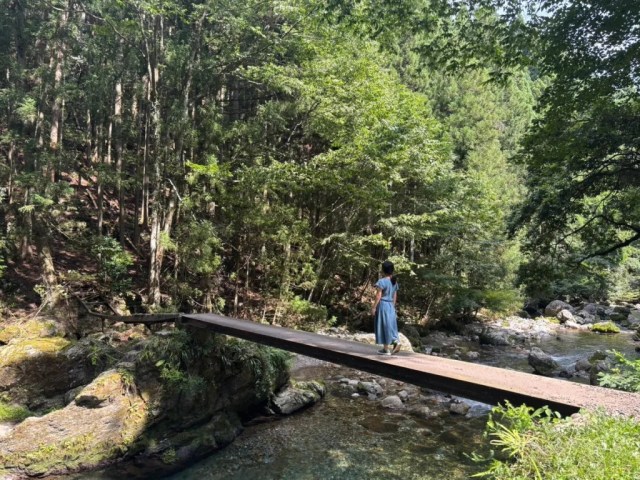
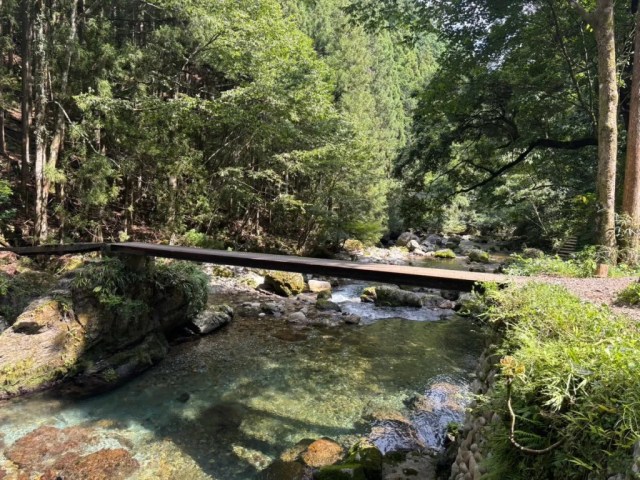
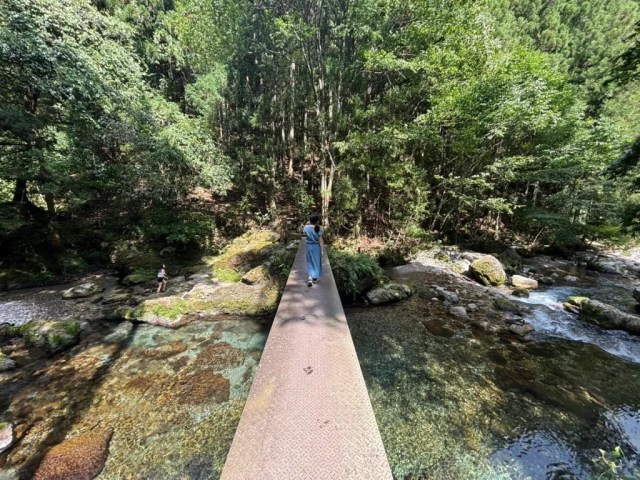
…and you’ll see the Enbara River Steel Bridge.

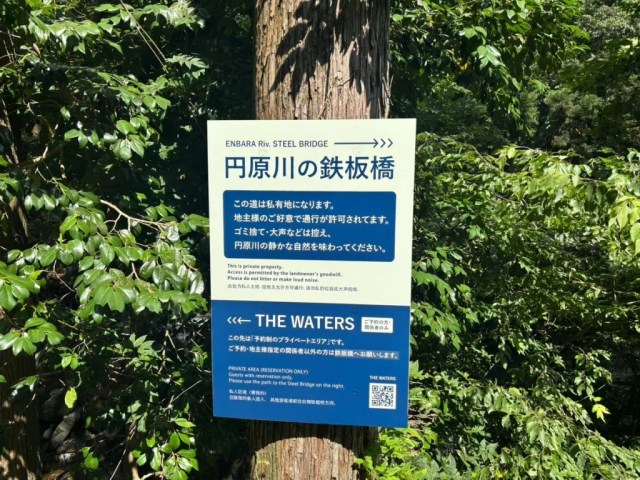
Accessing the bridge actually requires you to walk along a path through a bit of private land, which the owner graciously allows passage through, so please take care not to leave any trash behind or make too much noise.

The bridge isn’t incredibly high, but with no guard rails on either side, it can be a little unnerving to take the first few steps.

It’s worth pushing through the apprehension, though, in order to enjoy the special vantage point.

Standing by the stream, with the gentle burbling of the water the only sound we could hear, may not have been a flashy form of entertainment, but it was deeply relaxing and rewarding, and we’ll have to keep Enbaragawa in mind for the next time we need to get away from the hustle, bustle, and heat of daily life.

Reference: Gifu Travel Guide
Photos ©SoraNews24
● Want to hear about SoraNews24’s latest articles as soon as they’re published? Follow us on Facebook and Twitter!


Credit: