7-Eleven Japan now offering baked-in-store pizza by the slice with two very different topping sets
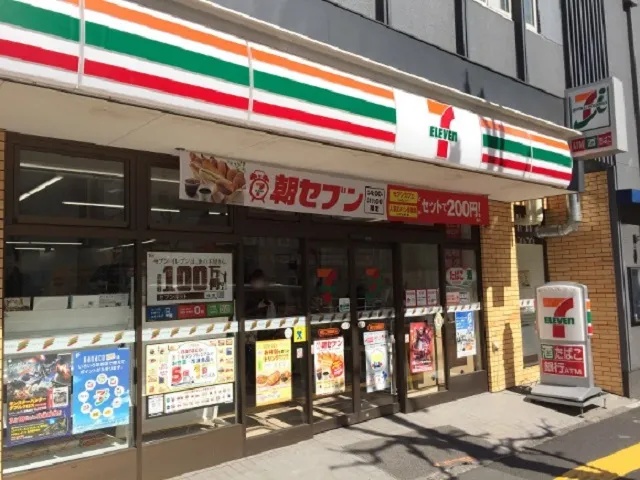
7-Eleven will finally let you buy baked-in-store pizza without making you buy a whole pizza.

When 7-Eleven Japan announced that they were going to start selling cooked-in-store pizza, it felt like both a no-brainer and a head-scratcher. Let’s start with the first half of that. 7-Eleven Japan has a reputation for excellent food quality, and through their Seven Cafe Bakery System, they already offer a variety of items that are baked in the store, such as melon bread, curry bread, croissants, and cookies. So since they’ve already got the equipment necessary for baking, why not bake pizzas too?

Now we come to the head-scratcher part, though, which was that if you wanted some 7-Eleven pizza, they made you buy a whole pizza. Granted, it wasn’t a particularly huge pizza, but still, you had to purchase the entire thing.

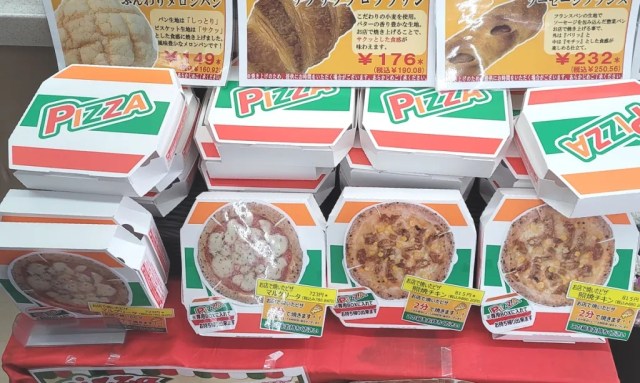
▼ 7-Eleven Japan pizzas, one of which provided us with the materials for a very tasty taste test.
But isn’t one of the major appeals of a convenience store the ability to pop in and pick up a perfectly sized snack for yourself? Pizza cravings don’t always wait until we’re hungry enough to eat a whole pie, and when they do hit, we’re often not strong enough to resist them until we can put together a team to share a whole pizza with either. When your stomach is saying “I want a slice of pizza,” your heart knows that it’s a request that should be granted with all haste, and so we’re happy to report that 7-Eleven Japan is now, finally, selling baked-in-store pizza by the slice.
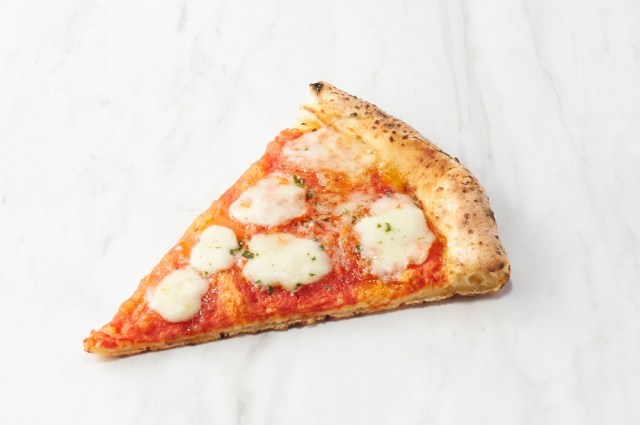
As of July 28, 7-Eleven Japan is offering two different types of pizza by the slice, occupying what you could say are two opposite ends on the spectrum of traditionalism. Pictured above is their Margherita, a classical creating what 7-Eleven calls “an exquisite balance” between the flavors of its mozzarella cheese, tomato, and basil.

On the other hand, those craving a more localized and contemporarily creative combination of toppings can opt for the teriyaki chicken pizza, which in addition to Japan cuisine’s representative sauce also has rich mayo. 7-Eleven’s preview photo also pretty clearly shows kernels of corn, which aren’t mentioned in the company’s official announcement, but this is Japan, after all, where it’s pretty much always a good idea to be prepared for possible corn on your pizza.
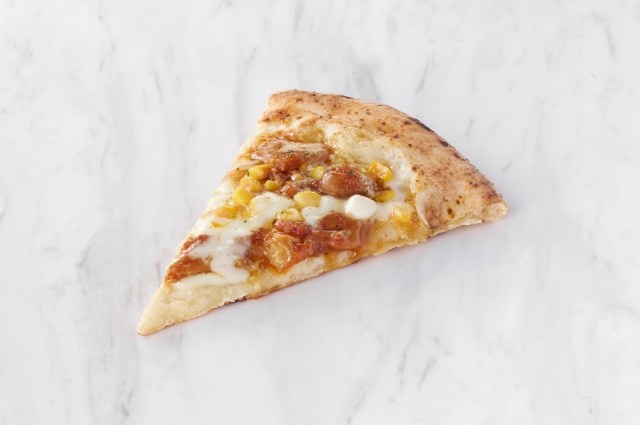
The Margherita is priced at 270 yen (US$1.65) per slice, while the teriyaki chicken is just a touch more, at 290 yen.

Pizza by the slice is being introduced gradually at individual branches, but has begun showing up in 7-Eleven stores in the Kanto, Tohoku, and Hokuriku regions of Japan, along with Hokkaido and Niigata Prefectures, as of July 28. It’ll be coming to the Tokai, Kinki, Chugoku, Shikoku, and Kyushu areas, plus Yamanashi, Nagano, and Okinawa Prefectures, starting August 11.

Source: 7-Eleven Japan via Impress Watch
Top image: SoraNews24
Insert images: SoraNews24, 7-Eleven Japan
● Want to hear about SoraNews24’s latest articles as soon as they’re published? Follow us on Facebook and Twitter!


Credit:
Okayama man arrested for catching butterflies in central Japan

It’s becoming a regular Gotham City out there.

Things just aren’t the way they used to be in Japan. It wasn’t too long ago that it used to be safe for a butterfly to flutter by down the street without worrying about being kidnapped and killed. Now, with all these kids getting corrupted by the likes of National Geographic, Jean-Henri Fabre, and possibly rap music, insects have to constantly live in fear of being skewered and put on display by some insecticidal collector.

Luckily, police are stepping in to protect our six-legged friends, starting with the arrest of a 55-year-old man in Okayama for catching butterflies. These weren’t just any old butterflies, however; they were the rare Kohyomon Modoki (Mellicta ambigua niphona), found in northeast China, South Korea, and in some parts of central Japan.

▼ The best way to capture a Kohyomon Modoki is on video.

Their numbers have been steadily decreasing due to loss of habitat and they were put on the endangered list in 2023. One of the few remaining places to find them is Norikura Kogen, a resort located near the Kita Alps in Nagano Prefecture. It would seem the locals there are very protective of their butterflies because the Ministry of the Environment quickly began receiving reports of someone attempting to capture their Kohyomon Modoki.

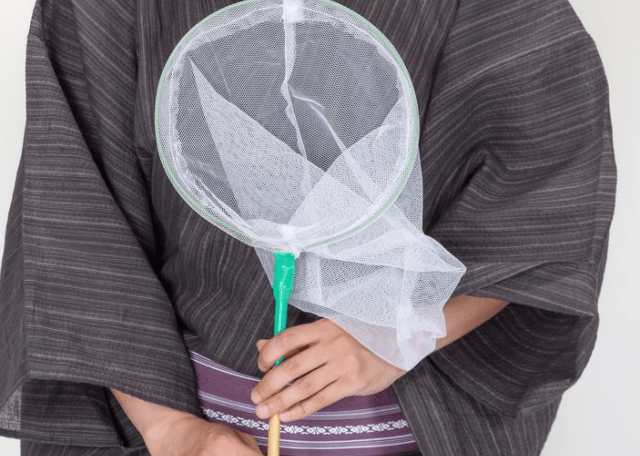
Local police were put on alert and on 21 July spotted a suspicious person carrying an insect net. He was promptly arrested on suspicion of violating the Act on Conservation of Endangered Species of Wild Fauna and Flora. The suspect admitted to the charges, saying: “I knew I wasn’t supposed to catch them, but I wanted to because they’re rare butterflies.”

Online comments felt that the fact he knew about the butterflies’ situation made his crime more serious. On the other hand, others questioned whether people like him are the real threat to wildlife that we should be worried about.

“It’s one thing if a child caught it by accident, but this person knew what he was doing.”
“These creatures spend years underground and beat the odds by avoiding predators, only to get caught by a human before they can reproduce.”
“He was trying to catch and got caught himself.”
“I saw an old guy swinging a net around Mt. Ontake, too.”
“That person clearly knew what they were doing.”
“The decline of this butterfly is due to the environment. The population won’t shrink just because a few people catch them in nets. If we want them to survive, we need to protect their habitat.”
“Funny how catching a single specimen makes the news but the widespread destruction of their environment that made them endangered in the first place doesn’t.”

The suspect in this case faces punishment in the form of up to five years in prison or a maximum fine of five million yen (US$30,000). More severe penalties are likely reserved for those intending to traffic and profit from the capture of endangered species, but given this man’s clear knowledge of the butterfly’s rarity, that’s not out of the question either and is currently pending investigation.

However, some of those comments made an astute point that we often go after and punish those who interfere with endangered species, but rarely do you ever hear of anyone being held accountable for a species becoming endangered in the first place.

Source: TBS News Dig, Yahoo! Japan News
Image: Pakutaso
● Want to hear about SoraNews24’s latest articles as soon as they’re published? Follow us on Facebook and Twitter!


Credit:
Sanrio’s newest item looks like dog butt, exactly like it’s supposed to [Photos]

If you’ve ever wanted to take a nap while burying your face in Pompompurin’s butthole, this is the cushion you’ve been waiting for.

You can make a strong argument that no other company on the planet understands the value of good visual design as well as Sanrio does. Hello Kitty and her friends largely flipped the script on character merchandising, in that instead of starting with extensive narratives in animation, books, or other media, Sanrio characters tend to debut as merchandise and build their initial, fundamental fanbases based on their visual atmosphere, with the characters who prove to be the most popular then going on to have their personalities and storylines fleshed out in Netflix series, crossovers with violent sci-fi war epics, and the like.

So it might be surprising, maybe even disappointing, to learn that the appearance of the latest creation from Sanrio’s designers can be described as “total dog but,” or even “complete canine anus,” if you’re in the mood for alliteration and ass-related assonance. However, this isn’t a swing and a miss by Sanrio’s designers, as all of that is by design, because this isn’t just any dog butt we’re talking about here, but Pompompurin’s butt.

You could make an argument that, following back-to-back wins in the Sanrio Character Ranking election, Pompompurin has become as much the face of Sanrio as Hello Kitty is. You could make an even stronger argument, though, that Pompompurin is the butt of Sanrio, since depictions of the roly-poly golden retriever make consistently sure to include a prominent display of his butthole, or “the mark of his bottom,” as it’s euphemistically described. Many Japanese artists also make a point of depicting the buttholes of shiba inu in illustration, but in Pompompurin’s case it’s considered a critical part of his character design, with fans going so far as to consider it his “charm point,” so it’s got to be there, even sometimes when it means defying physics.

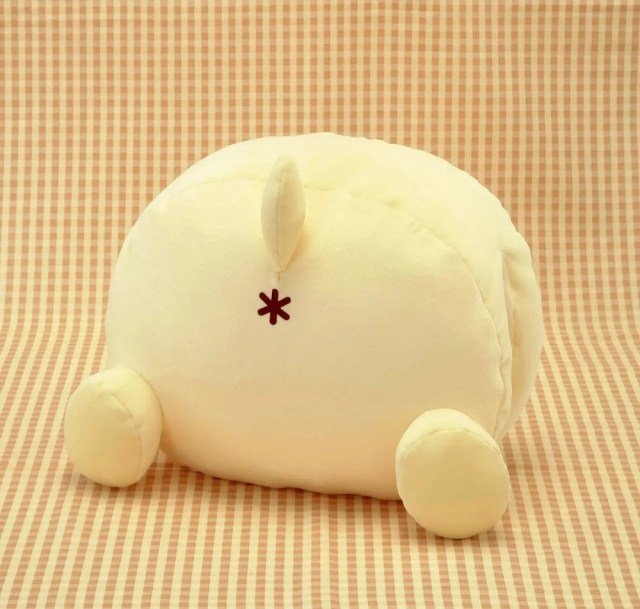
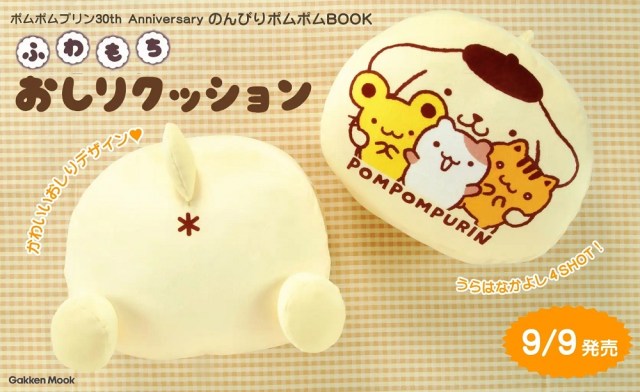
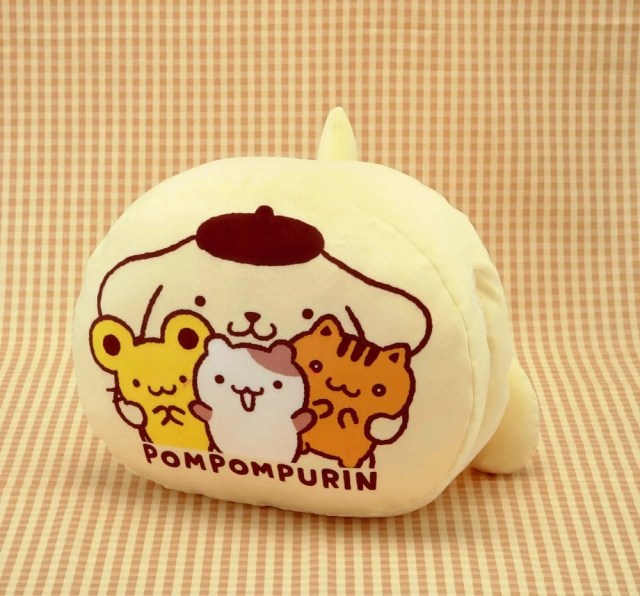
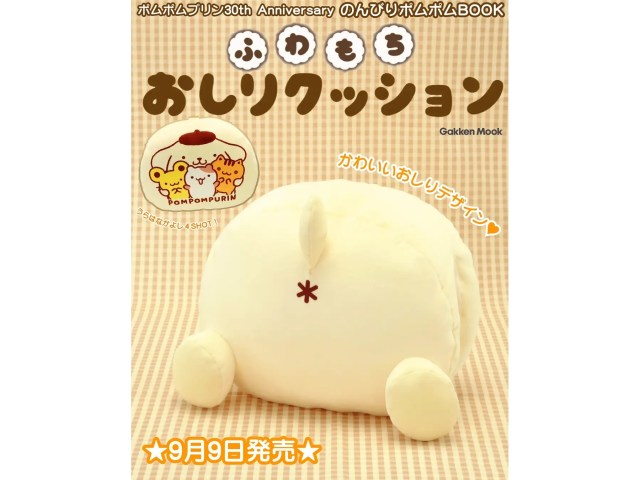
So when the time came to create the plush cushion that’s being included as an extra with the upcoming Pompompurin 30th Anniversary Nonbiri Pompom Book, the designers made the mark of his bottom the top priority. On the contoured side of the cushion, you can see Pompompurin’s hind feet and tail, but most importantly, the asterisk-shaped orifice. Flip the cushion around, and you’ll see Pompompurin with pals Muffin, Scone, and Bagel, but the fact that they’re just flat illustrations drives home how the backside is meant to be considered the primary side of this cushion.

You might have noticed that there are openings on either side of the cushion, and they allow you to pass your arms all the way through. Not only does this let you squeeze the cushion reassuringly tightly, it also means you can set it down on a desk or table and use it as a nap pillow. Yes, this will mean burying your face into Pompompurin’s butt, and the designers are well aware of that, including the invitation “Won’t you rest for a while with this cute butt?”

Further demonstrating the power of Pompompurin’s posterior, pre-orders for the Pompompurin 30th Anniversary Nonbiri Pompom Book with Soft and Squeezy Butt Cushion have already opened despite there being no solid information on what the book itself will contain. Then again, with the entire book being only 16 pages long, it’s not likely to be anything more than a few photo spreads and maybe a special thank-you message or two to fans, so really, this was always all about the butt.

The Pompompurin 30th Anniversary Nonbiri Pompom Book with Soft and Squeezy Butt Cushion is priced at 4,180 yen (US$26) and can be ordered through Amazon Japan here and Rakuten here, with shipping slated for September 9.

Source, images: PR Times
● Want to hear about SoraNews24’s latest articles as soon as they’re published? Follow us on Facebook and Twitter!


Credit:
Starbucks Japan unveils new coffee drinks… for people who don’t drink coffee

Created with Shibuya109 Lab, this new release aims to bridge the gap between traditional coffee and sweet Frappuccinos.

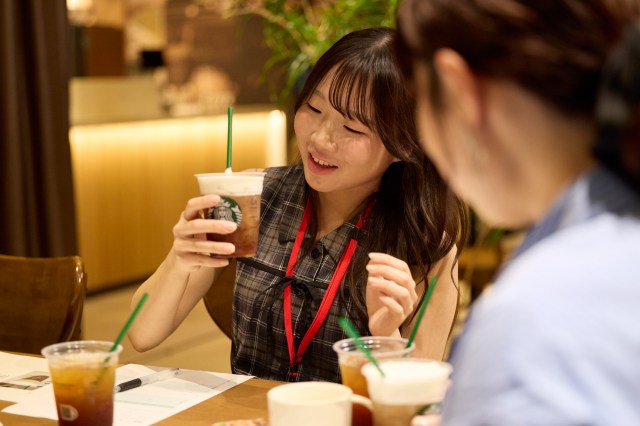
This year marks the 30th anniversary for Starbucks in Japan, and the chain is celebrating the milestone with a number of new and innovative creations. Its latest release is particularly special, as the chain worked with Shibuya109 lab, a youth marketing organisation based in Tokyo’s Shibuya district, to help create it.

The collaboration sought to understand how younger generations view coffee. It found that 46 percent of those surveyed had never tried black coffee, with many saying they thought it seemed bitter, while around 56 percent said they would drink coffee if it was sweet. Starbucks then got to work creating a new range of drinks to cater to those tastes.

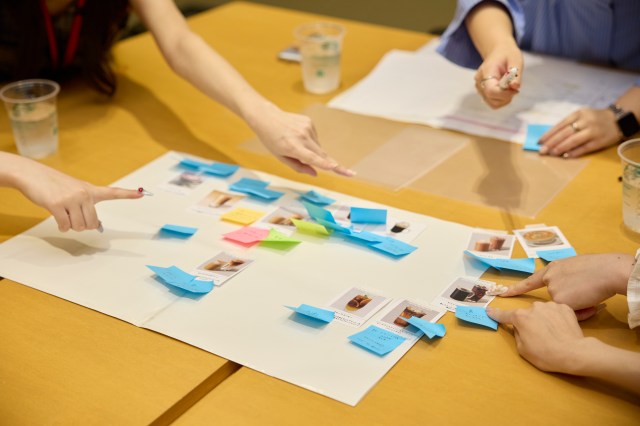
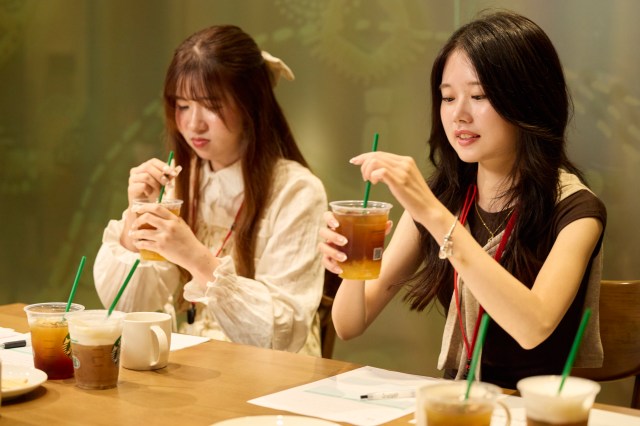
Through workshops and tasting sessions, Starbucks discovered a gap between black coffee and sweet coffee drinks like lattes and Frappuccino beverages on the menu, and so fine-tuned the new beverages to enhance their drinkability and visual appeal.

The result is two new drinks that don’t fit the mold of traditional black coffee but aren’t as sweet as a Starbucks latte or Frappuccino.

Clear Coffee (481 yen [US$3.26] for takeout; 490 yen dine-in) on the right, and Citrus Clear Coffee (579 yen takeout; 590 yen dine-in) on the left

The standard Clear Coffee is said to deliver a “gentle” coffee flavour with reduced bitterness and a subtle sweetness. Despite the lighter flavour profile, the aroma of coffee is still retained, providing a more approachable “first step” into the world of coffee for younger generations.

The Citrus Clear Coffee combines coffee with pieces of citrus fruit, creating a bright, refreshing flavour that helps to make coffee feel more familiar and approachable, especially during the hot summer months. The combination of fruit and coffee may sound unusual, but the company says the layered appearance of the drink, along with the ability to customise it with fruit pieces and syrup, is part of the experience.

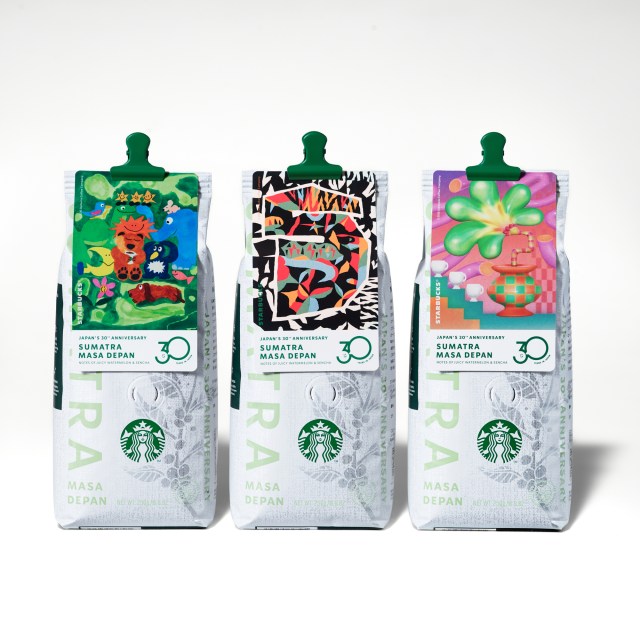
▼ Both drinks use “Sumatra Masa Depan” coffee beans, which were developed to commemorate the 30th anniversary of the chain’s arrival in Japan.

Since opening its first Japanese store in Ginza in 1996, Starbucks has continued to develop new and exciting products for the local market, and these Clear Coffee drinks are a clever way to open the door to a new generation of drinkers. In fact, anyone who prefers a lighter coffee will likely be drawn to these drinks, and you can try them when they’re released on 31 July at Starbucks stores across Japan.

Source, images: Press release
● Want to hear about SoraNews24’s latest articles as soon as they’re published? Follow us on Facebook and Twitter!


Credit:
Official Final Fantasy beers are going on sale in Tokyo this month, giant Aetheryte appearing too

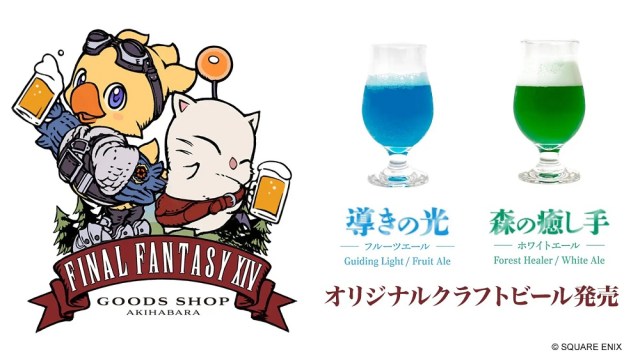
Two brews, inspired by the world of Final Fantasy XIV, are joining the taps at an Akihabara craft beer bar.

Back in the spring, Final Fantasy VII’s Seventh Heaven bar popped up in real-world Tokyo, letting fans stop by Tifa’s tavern for lemony cocktails personally endorsed by Soldier First Class Sephiroth. Sadly, Tokyo’s Seventh Heaven is now closed, but luckily there’s another spot in the city that’s going to be serving up some brand-new Final Fantasy-themed liquid refreshment.

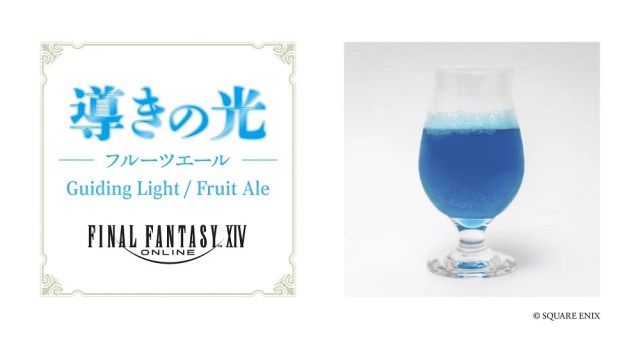
Later this month, Exbar Tokyo Plus Akihabara, a craft beer bar in downtown Tokyo’s Akihabara neighborhood, will be adding two Final Fantasy-themed beers to its taps, both of them nods to the world of Final Fantasy XIV. Inspired by the game’s Mothercrystal, Guiding Light is a fruit ale with a color as strikingly azure as the benevolent matronly mineral.

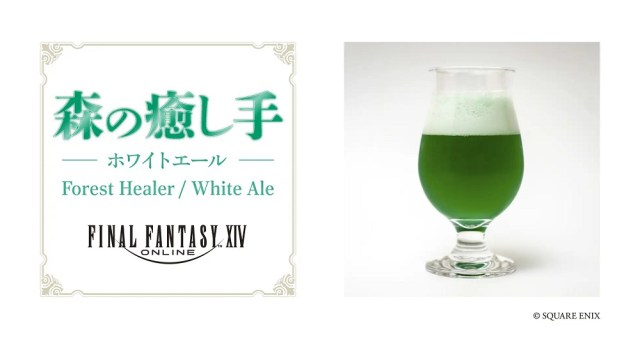
No less eye-catching in color is the brew evocative of Final Fantasy XIV’s vastly verdant city-state of Gridania, the Forest Healer. Exbar Tokyo Plus Akihabara says the Forest Healer is a “white ale,” though in this case they’re using the term in its sense of referring to a top-fermented wheat beer, since visually the Forest Healer is a vibrant green.

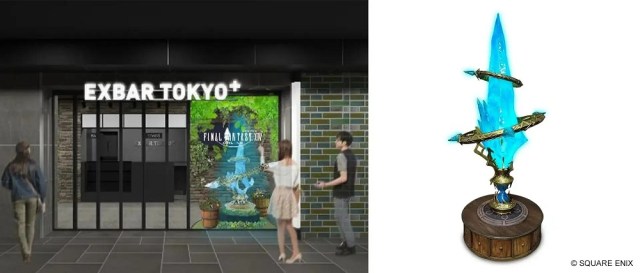
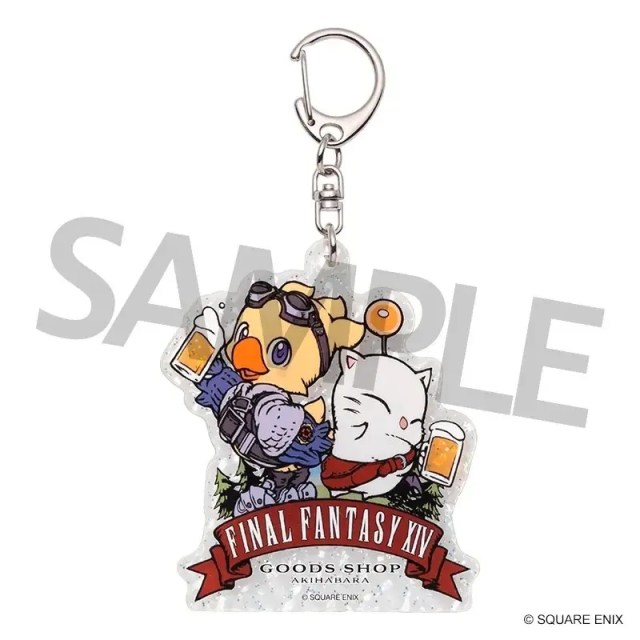
Though not run by Final Fantasy publisher Square Enix, Exbar Tokyo Plus Akihabara actually occupies the spot where the Square Enix Cafe (which is now located across town in the Shinjuku neighborhood) used to be. In addition to food and drinks, Exbar Tokyo Plus Akihabara also has an attached space for game-related merch, with its current tenant being the Final Fantasy XIV Goods Shop Akihabara. Coinciding with the start of the Final Fantasy XIV beers, the shop will be displaying a massive 160-centimeter (63-inch) tall illuminated Aetheryte crystal, and also offering key chains of adventurous Chocobo Alpha enjoying a round of cold ones with a Moogle buddy.

The Final Fantasy XIV beers will be served from July 31, the same day as the start of the Aetheryte display and key holder sales.

Location information
Exbar Tokyo Plus Akihabara / エクスバー トーキョー プラス アキハバラ)
Address: Tokyo-to, Chiyoda-ku, Kanda Sakumacho 1-6-1 (entrance inside Akihabara Tozai Jiyu Tsuro pedestrian walkway)
東京都千代田区神田佐久間町1丁目6番地1 秋葉原東西自由通路
Open 10 a.m.-11 p.m.
Website

Source: Final Fantasy XIV official website
Images: PR Times
● Want to hear about SoraNews24’s latest articles as soon as they’re published? Follow us on Facebook and Twitter!


Credit:
Maximum entry fee for sento public baths in Tokyo increases slightly for adults next month

The rise in the entry fee comes amid an increase in public bathhouse users in Tokyo and a decrease in the total number of sento.

The Tokyo Metropolitan Government has announced that the maximum entry fee that can be charged by sento, Japanese public bathhouses, will increase by 50 yen to reach 600 yen (US$3.66) per adult (ages 12 and up) in Tokyo Prefecture. The fee for children ages 6-11 and those under 6 will remain the same, at 200 yen and 100 yen respectively. The new fee will go into effect on August 1.

Sento have played an important role in Japanese society historically and through the present, serving not only as critical places for residents without their own private baths to clean themselves, but also as communal gathering spots for the neighborhood. Even though most modern Japanese homes now have a private bath attached, many residents may still visit a local sento once or twice per week for the chance to socialize with their neighbors. Also, for those wondering how sento differ from onsen in Japan, the former generally use heated tap water while the latter use naturally heated water from a hot spring.

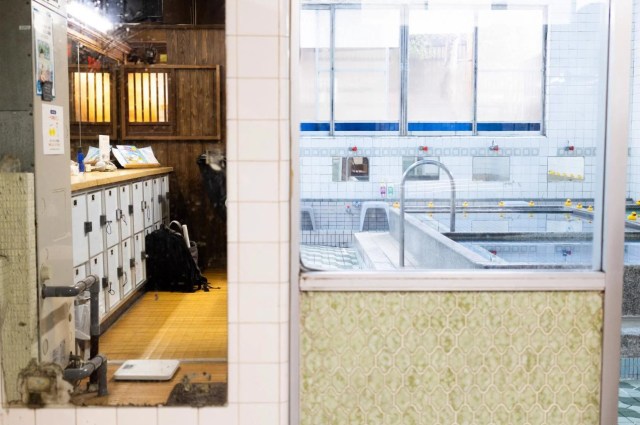
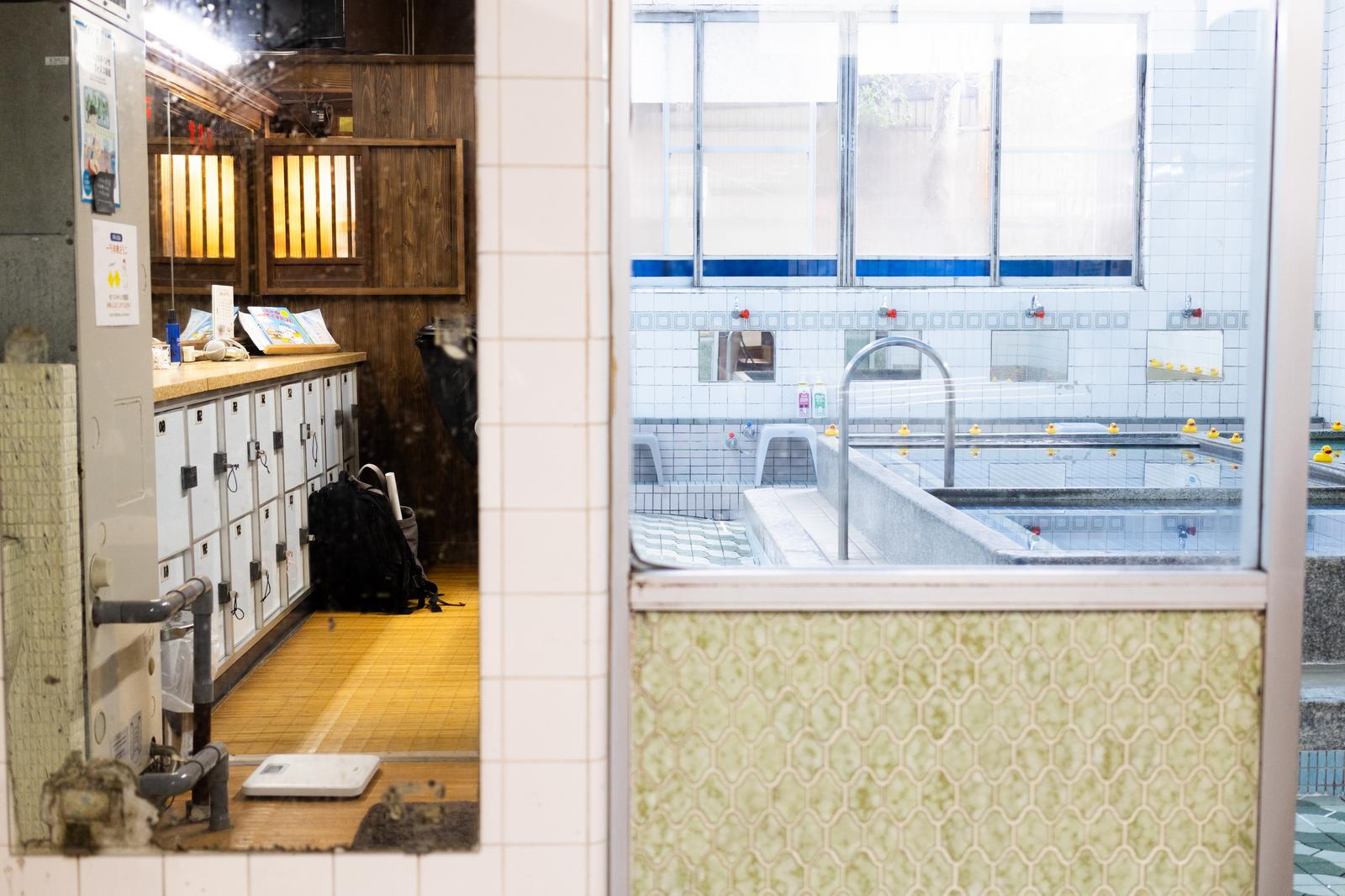
▼ Japanese bathing etiquette dictates that before entering a communal bath, visitors must washes themselves at the low showers lining the wall of the room. The bathwater is for soaking and relaxing, not cleaning, as it may be in many Western cultures.

This change in the maximum chargeable entry fee for sento in Tokyo Prefecture is the first price revision since August 2024, when it went up by 30 yen. There’s a regulated process to change the maximum entry fees for each prefecture, as dictated by Japan’s Prices Control Ordinance which involves a council of sento managers and users who take into account the necessary costs to run a sento and the appropriate business renumerations. Most recently, this council examined the financial records and accounting books of approximately 40 sento from this past year to estimate their income and expenditures. Its research determined that rising costs of labor, electricity, and gas have resulted in a deficit of 1,949,778 yen, including appropriate business renumerations. It then calculated that a 9.51 percent rate increase was necessary, and in order to keep the entry fees the same for children, that meant that the fees for adults needed to be bumped up to 602.86 yen per person.

Interestingly, this increase comes as the number of sento users in Tokyo Prefecture is actually growing, with an increase of 330,000 people compared to last year for a total of 21,185,000 sento users. At the same time, the total number of sento in the prefecture has decreased by 13 for a total of 417. The jump in sento users is possibly the result of a growing number of young people and foreign workers moving to large cities like the capital as well as a dose of nostalgia for old Japan.

Source: Nikkei via My Game News Flash, Impress Watch
Top image: Pakutaso
Insert image: Pakutaso
● Want to hear about SoraNews24’s latest articles as soon as they’re published? Follow us on Facebook and Twitter!


Credit:

JR releases prediction of peak Shinkansen crowdedness for Japan’s Obon travel season

Suspension of unreserved seat tickets on some bullet train classes means planning ahead is especially important.

Japan is a famously hard-working country, but it’s got a major vacation period coming up next month with Obon. Observed in early/mid-August, Obon is traditionally celebrated by going back to your hometown to reconnect with extended family members, but in the modern era it’s also a major leisure travel season. Either way, though, Obon is a rare opportunity to travel for an extended period of time, but that also means it’s one of the most crowded times of year for the Shinkansen.

However, Obon doesn’t have set-in-stone calendar dates, so for those still sorting out their August travel plans, Central Japan Railway Company a.k.a. JR Central (and also a.k.a. JR Tokai), has released its predictions of when the Tokkaido Shinkansen, the bullet train line connecting Tokyo, Kyoto, and Osaka, will be at its most crowded. For Shinkansen trains headed west, away from Tokyo, peak crowds are projected on August 8, and for eastbound trains going toward the capital, August 16 is predicted to be the day with the most passengers. In particular, JR Central is saying that Hikari express and Nozomi super express Shinkansen trains leaving Tokyo on August 8 and arriving at Shin Osaka Station before noon are going to be especially hard to find seats on the closer we get to the start of Obon.

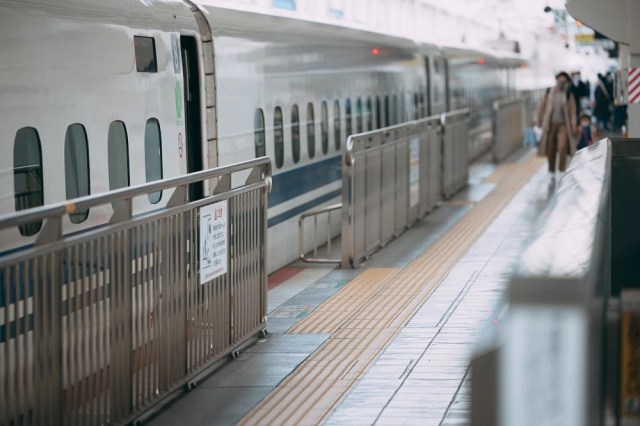
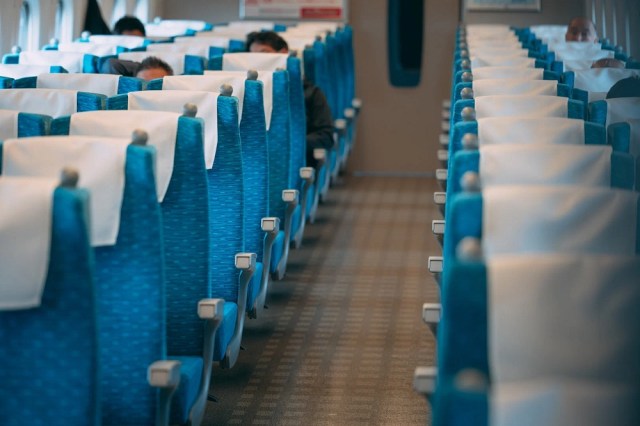
▼ The Shinkansen is not going to look like this on the 8th or 16th.

However, at least in the case of Nozomi trains, peak ridership isn’t necessarily going to mean chaos and congestion onboard. That’s because during the Obon period, JR Central temporarily suspends unassigned seat ticket sales for Tokaido Shinkansen Nozomi trains, and all seats, in all cars, require a reservation. However, while that means no over-capacity passengers standing in the aisles or shoulder-bumping jockeying for position to quickly claim open seats, it does mean that travelers will need to plan ahead. Of the approximately total 4.8 million Shinkansen seats that are reservable during the Obon period, JR central says that roughly a third had already been claimed as of July 23, and the available number is only going to dwindle lower from here on out, and for those travelers who can stagger their travel dates/times to avoid the most crowded ones, JR Central is recommending they do so.

Source: JR Central, TBS News Dig
Top image: Pakutaso
Insert image: Pakutaso

● Want to hear about SoraNews24’s latest articles as soon as they’re published? Follow us on Facebook and Twitter!


Credit: