Tamagotchi evolves into a ring for its 30th anniversary, preorders now open
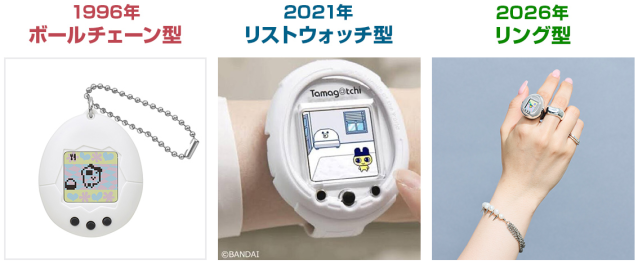
This new model is the smallest one yet in the history of the egg-shaped toy that lets you raise a digital pet.

Bandai’s hit digital pet device among millennial kids, the Tamagotchi, is celebrating its 30th anniversary this year. While the toy has had its ups and downs and has been reinvented many times over the years, it’s currently having a clear resurgence among today’s youth, even scoring its own dedicated shop in Tokyo’s trendy Harajuku neighborhood late last year.

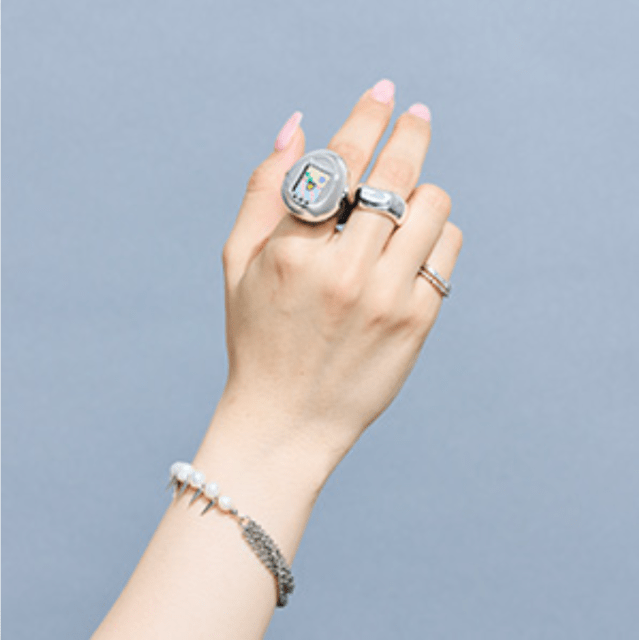
The newest 39th version of the main Tamagotchi series is the Tamagotchi ring. It retains the classic Tamagotchi features–egg-shaped, LCD screen, three buttons–but in its smallest form yet at only 28 millimeters (1.1 inches) long. The band, which comes with an adjustable spacer, fits Japanese ring sizes 10 through 14 comfortably.

▼ Tamagotchi Ring
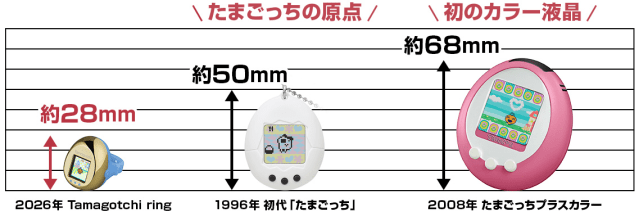
For reference, the unit mounted to the Tamagotchi ring is 56 percent the size of the original Tamagotchi. Its screen is only 14.2 millimeters tall but still has all of the functions and gameplay of a regular-sized model. In addition, it’s made up of the fewest number of component parts of any full-color LCD screen-equipped Tamagotchi since the Tamagotchi + Color model was first introduced in 2008 with only 64 parts (52 electronic and 12 plastic). Even the most recently released Tamagotchi Paradise (2025) has 116 parts.

▼ (Left to right) Tamagotchi Ring (2026), Original Tamagotchi (1996), Tamagotchi + Color (2008)
While the transformation into a ring is the model’s most striking new feature, another new first in Tamagotchi history is that it comes with a dedicated charging base. Finally, in a nod to the brand’s 30th anniversary, you can grow your pet into 30 classic Tamagotchi characters from over the past three decades–including some secret ones–depending on how you raise it. Since your pet will be always be (literally) near your fingertips, that should make caring for it and unlocking all of its forms the easiest it’s ever been.

▼ (Left to right) Ball chain-style keychain (1996), wristwatch-style (2021), ring-style (2026)

The new Tamagotchi Ring comes in three colors–pink & pearl white, light blue & metallic gold, black & metallic silver–costing 7,700 yen (US$48.10) each. Preorders can now be placed on Premium Bandai’s website through October 6 at 11 p.m. JST, with orders slated to ship over two rounds in February and April 2027.

Despite our excitement at the new transformation, we still have one question regarding the naming of the new toy. Since the word “Tamagotchi” is originally a portmanteau of the words for “egg” (tamago) and “watch” (uocchi in Japanese pronunciation), “Tamagotchi ring” should logically mean something like “egg watch ring.” Wouldn’t it make more sense then just to call it the “Tamaringu” based on the Japanese pronunciation for “ring”? It’s possible that the Tamagotchi name carries too much weight at this point, but in any case, we’ll stop overthinking and get back to keeping our own digital pets alive.

Source, images: PR Times
● Want to hear about SoraNews24’s latest articles as soon as they’re published? Follow us on Facebook and Twitter!


Credit:

Japan’s birth rate rose for the first half of the year for the first time in over a decade

More babies follow two consecutive years of more marriages.

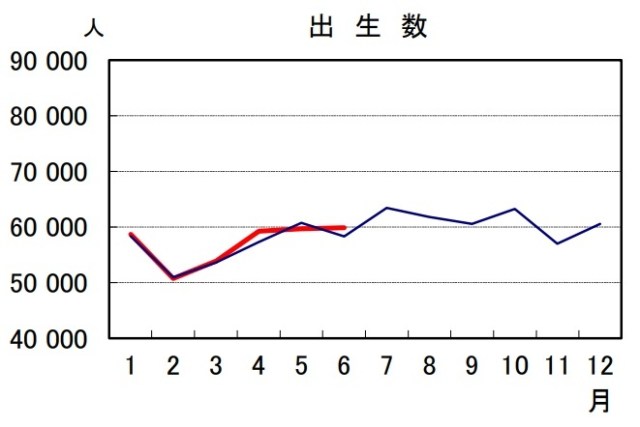
Japan’s population has been shrinking for a long time, as fewer couples have children, and those that do have kids have fewer than generations past. But for the first time in more than a decade, there’s been an increase in the numbers of babies born in Japan within the first six months of the year.

According to statistics released last week by the Japanese government’s Ministry of Health, Labor and Welfare, there were 342,068 babies born between January and June of 2026, with that figure including babies born to foreign nationals in Japan. That’s 2,788 babies more than for the same period in 2025.

While that works out to a modest 0.8 percent increase, it’s still a noteworthy reversal of several consecutive years of declining birth rates. The last time Japan experienced an uptick in babies for this period compared to the previous year was all the way back in 2015. So while it’d be going to far to call 2026’s first-half increase a full-on baby boom, it’s still broken a downward trend that had been going on for 10 consecutive years, and is a pretty sizable reversal from the first half of 2025, when births were down 3.1 percent compared to the period in 2024.

▼ Births per month in 2025 (blue line) and in 2026 so far (red line)

The increase in first-half births comes on the heels of two years of increased marriages, with more couples tying the knot in both 2025 and 2024 than in the previous year. 2026 is currently tracking to make that three years in a row, with its 238,979 marriages so far 0.2 percent ahead of last year’s figure at the half-year mark. With couples choosing to have children out of wedlock still a rare occurrence in Japanese society, more couples getting married is a hopeful sign in terms of potential first-time parents contributing to the birth rate.

This doesn’t mean, though, that Japan’s population has stopped shrinking, as the 339,280 births this year is still fewer than the 778,982 deaths that have occurred. The 0.2-percent increase in births is also a small enough margin that it might not hold through the rest of the year. With any kind of birth rate increase in Japan being a rare occurrence, though, it’s still encouraging to see one finally taking place.

Source: Ministry of Health, Labor and Welfare, Jiji via Yahoo! Japan News, Yomiuri Shimbun
Top image: Pakutaso
Insert images: Ministry of Health, Labor and Welfare
● Want to hear about SoraNews24’s latest articles as soon as they’re published? Follow us on Facebook and Twitter!


Credit:
First Pokémon anime movie since 2020 announced, brings new characters and staff to the series [Video]

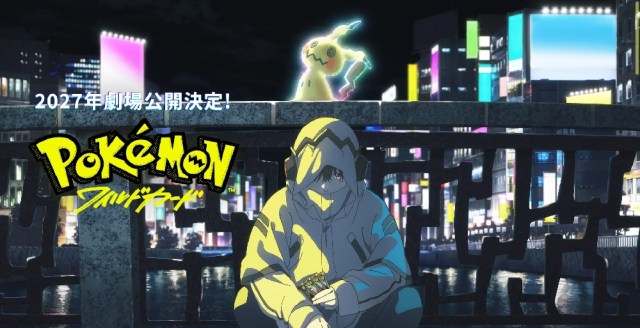
Pokémon: Wildcard previews deals out mysteries for a Mimikyu-centric return to theaters for the first time in over half a decade.

For over two decades, a new Pokémon anime movie in the summer in Japan was as sure a thing as cherry blossoms in the spring. In 1998, the original Pokémon movie, Mewtwo Strikes Back, started a string of 21 annual summertime Pokémon movies that stretched all the way to its remake, Mewtwo Strikes Back: Evolution, in 2019. As further proof of the releases’ consistency, not only did they all premiere in Japanese theaters in July, all of the movies came out within 12 calendar dates of each other, opening between July 7 and 19.

Even in 2020, a new Pokémon anime made its way to theaters, with Pokémon the Movie: Coco, retitled Secrets of the Jungle for its overseas release, sliding into Japanese theaters in December of that year. Then, after getting a Pokémon anime movie every year between 1998 and 2020, the well suddenly dried up, and there hasn’t been one since.

Now, though, comes the happy news that Pokémon is finally coming back to theaters!

Announced to coincide with the closing of this year’s Pokémon World Championships is San Francisco, Pokémon: Wildcard is an all-new Pokémon anime movie, and it looks to be the first one that won’t focus on protagonist Satoshi/Ash. Nor does it appear to star one of the human characters from the Pokémon Journeys arcs of the TV anime which were meant as a direct passing of the torch from Ash to a new aspiring Pokémon Master, nor from the Pokémon Horizons arc which followed with its own cast of characters.

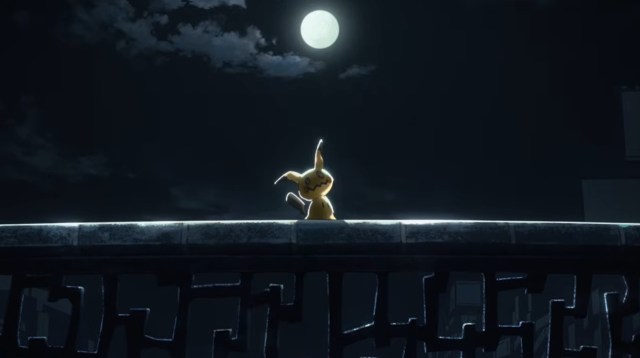
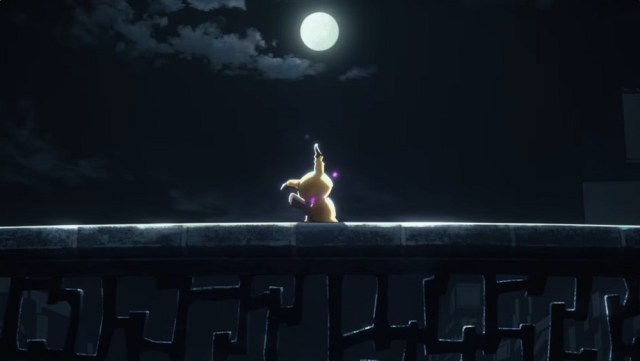
There is one familiar face in the teaser video for Pokémon: Wildcard, though, or at least a familiar face-like covering, as Mimikyu looks to be playing a big role this time around, and a posting by the movie’s official Twitter account includes the phrase “Mimic You.”

Looking for other clues as to theme or tone, though the video features the stirringly heroic sounds of Pokémon main theme music, the color and character designs are dark and brooding.

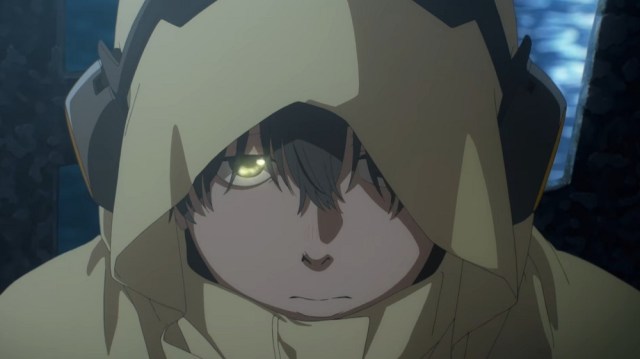
Speaking of the one and only human we see in the video, he’s actually playing with Pokémon cards. The Pokémon trading card game isn’t usually shown as being something that exists within the setting of Pokémon anime, but the presence of Mimikyu also implies that Pokémon: Wildcard isn’t going to be a story where Pokémon only exist within the imaginations of fans of the game, either.

Another mystery to mull over: Pokémon: Wildcard isn’t using the standard Pokémon franchise logo. Ordinarily, both Os in the logo have the same design, but for Wildcard the second O gets a squiggly design reminiscent of Mimikyu’s jagged smile.

In terms of production staff, Wildcard will be bringing several newcomers to the Pokémon franchise. It’ll be the first Pokémon project for director Katsuhiko Kitada, who’s resume consists largely of animation direction credits on series such as Attack on Titan, Guilty Crown, and Wagnaria, plus direction for a few episodes of Flip Flappers and unit direction on The First Slam Dunk. Character designs are by Akemi Hayashi, who also handled that role on Banana Fish and 2001 Fruits Basket anime. Studio CloverWorks, also in its first Pokémon, will handle animation production.

Pokémon: Wildcard’s English-language teaser

With no spoken dialogue, the Japanese and English-language teasers for the movie are largely identical, but in the spot where the Japanese version simply flashes “2027” on screen, the English teaser says “Coming 2027 and beyond.” With the official Japanese Pokémon: Wildcard website promising “Confirmed for theatrical release in 2027,” this seems to indicate that Wildcard will debut in Japanese theaters for sure next year, but might not reach international markets until 2028, but all the same, it’s good to have theatrical Pokémon anime coming back.

Source: Pokémon: Wildcard official website
Top image: Pokémon: Wildcard official website
Insert images: YouTube/ポケモン公式YouTubeチャンネル
● Want to hear about SoraNews24’s latest articles as soon as they’re published? Follow us on Facebook and Twitter!


Credit:
One Piece Day 2026 brings new art, music, and new cast announcements

Two days, One Piece.

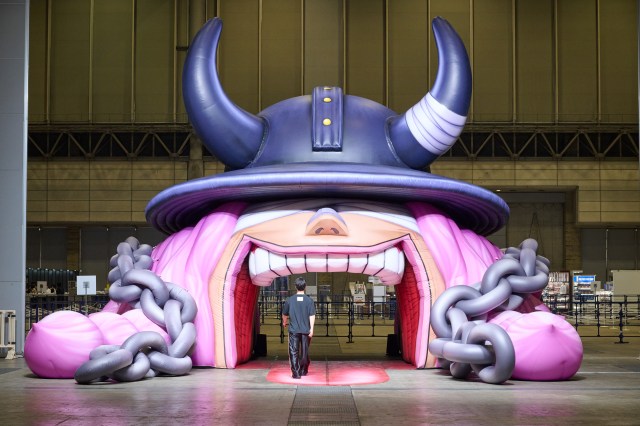
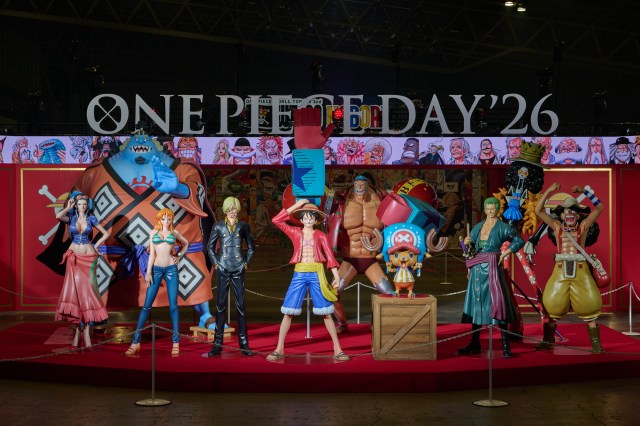
Another One Piece Day has come and finally hoisted anchor to set sail until next year. But this year’s two-day event continued to deliver in bringing entertainment and news to attendees at the Makuhari Messe convention center and everyone around the world via a livestream on YouTube.

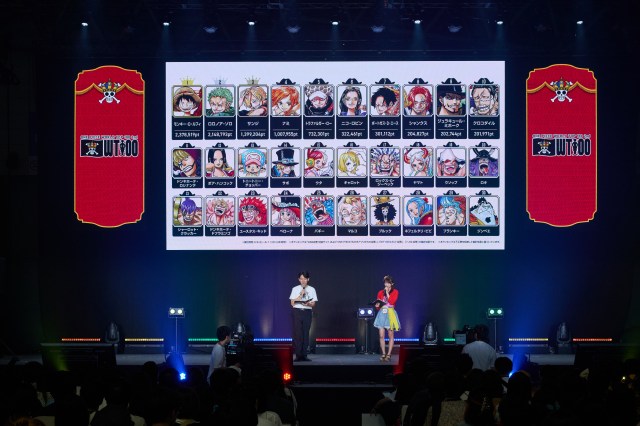
It was an especially festive One Piece Day as the manga celebrated surpassing 600 million copies in circulation worldwide this year. And in honor of that milestone, the second-ever World Top 100 character popularity poll was held. Over 13 million votes were cast around the globe, ranking 1,567 of the epic story’s characters.

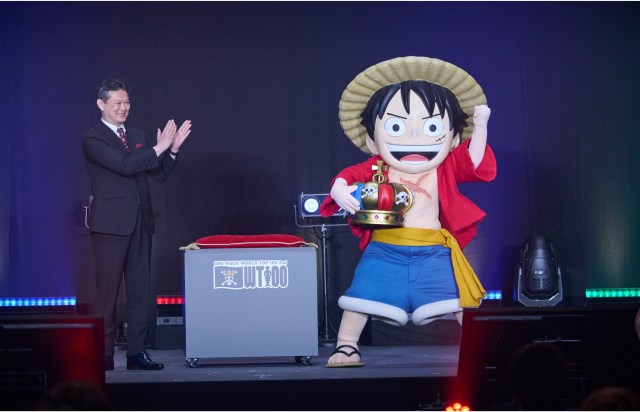
As the results were announced throughout One Piece Day, it probably came as no surprise that top honors went to Monkey D. Luffy for the second time, followed by his right-and-left-hand men Rorona Zoro and Sanji in second and third places respectively.

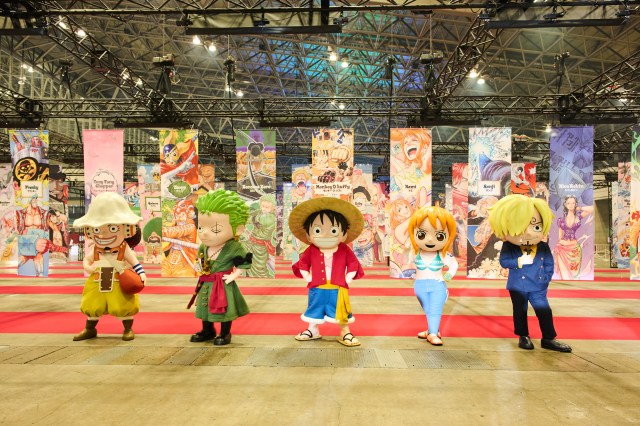
▼ A yuru-kyara mascot Luffy was there to accept the crown.

At the start of the poll, creator Eiichiro Oda announced that he would create new special outfits for each character in the top 30, and during the event, the new Luffy outfit illustration was unveiled for the first time. The other new outfits will make appearances in the anime, trading card game, and on various merchandise.

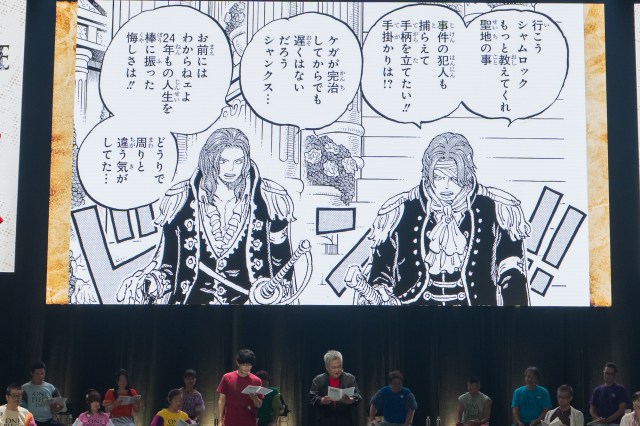
There was also a live reading by 17 of the main voice actors in One Piece’s Elbaph Arc, including Mayumi Tanaka (Luffy) and Kazuya Nakai (Zoro). Afterward, each actor also looked back on some of the other characters they lent their voices to over the series many years.

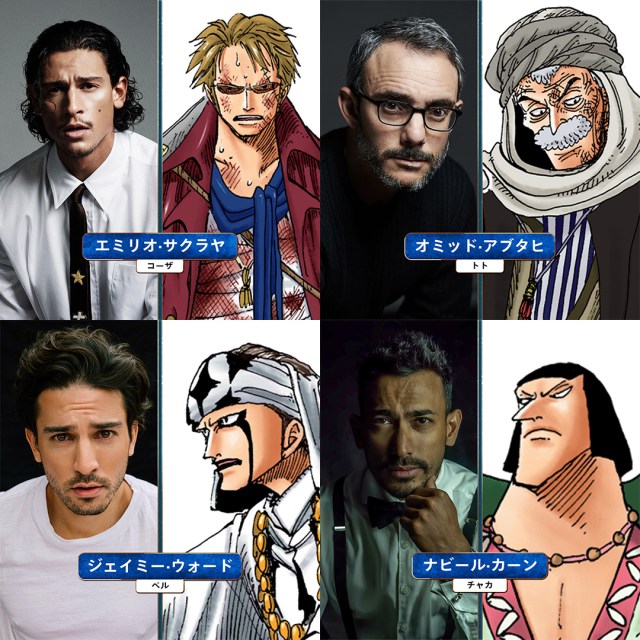
And speaking of cast members, there was also a big announcement regarding the live-action Netflix series. New cast members for season three, The Battle of Alabasta, were revealed to be Emilio Sakraya as Koza, Omid Abtahi as Toto, Jamie Ward as Pell, and Nabeel Kahn as Chaka.

▼ Clockwise from top left: Emilio Sakraya, Omid Abtahi, Nabeel Kahn, and Jamie Ward

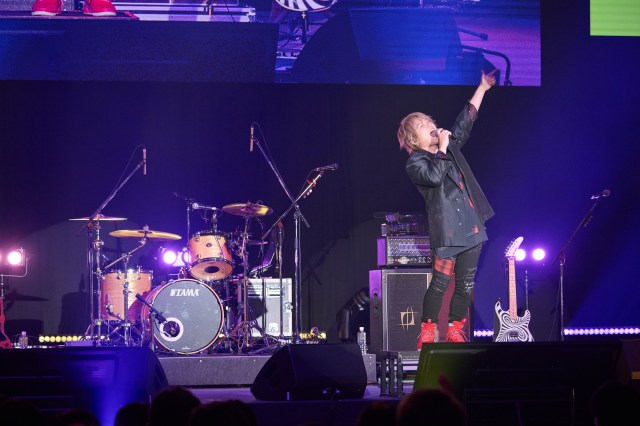
And as always, One Piece Day came to a close with major musical performances. Series mainstays Hiroshi Kitadani and Maki Otsuki once again graced the stage performing their legendary theme songs, as well as some fan favorites used throughout the series, such as Otsuki’s “Never Was Alone in This World,” used when Nico Robin and Saul reunited.

▼ Hiroshi Kitadani

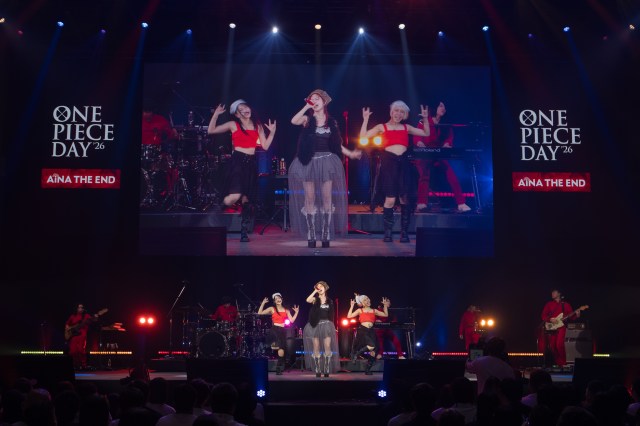
This year’s first guest performer was AiNA THE END, who performed three songs, including the current arc’s theme song, “Luminous,” and “Blue Shining Star,” which is the theme song for One Piece Heroines.

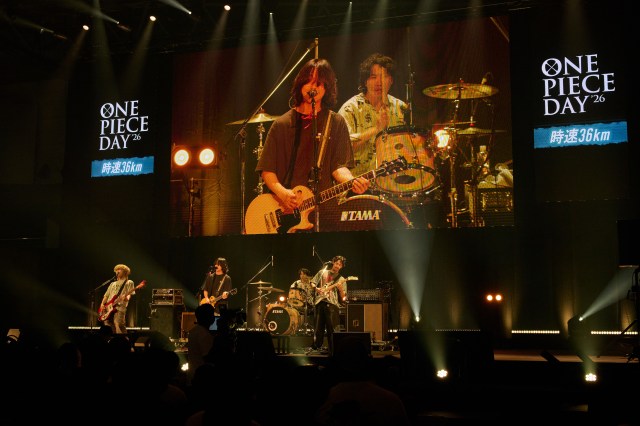
Rounding out the bill was 36km/h, who played this arc’s closing theme, “Future,” as well as “Hello,” which was the ending theme to the voice comic for Eiichiro Oda’s one-shot Monsters.

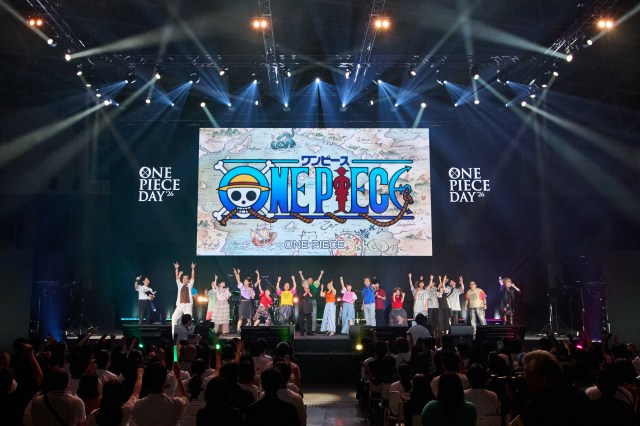
One Piece Day 2026 came to a close with a traditional group singing of “We Are!” bringing this pirate party to a triumphant close.

And after that, came the worst time of year, the longest possible time until the next One Piece Day. For now, we’ll have to make do with all the lesser holidays like Constitution Memorial Day.

Images: ©Eiichiro Oda/Shueisha, Toei Animation
● Want to hear about SoraNews24’s latest articles as soon as they’re published? Follow us on Facebook and Twitter!


Credit:

7-Eleven Japan goes viral for chilled soba that’s “too salty to eat”

We find out if these convenience store noodles really are as bad as they say.

When Japanese convenience store food goes viral online, it’s usually because of how good it is. Now, though, there’s a new find that’s going viral for all the wrong reasons, with people saying it’s too salty to eat.

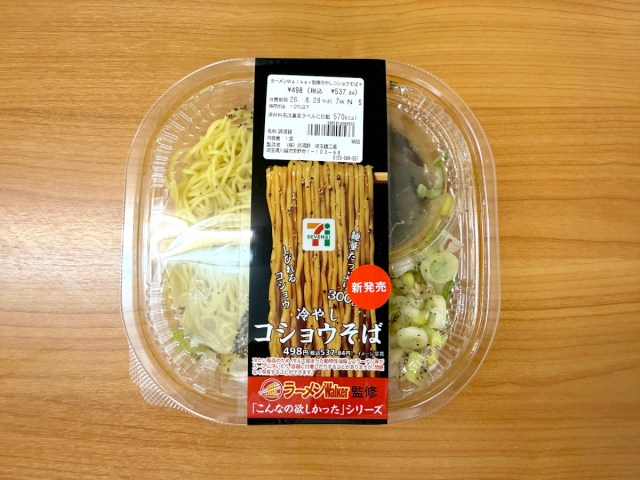
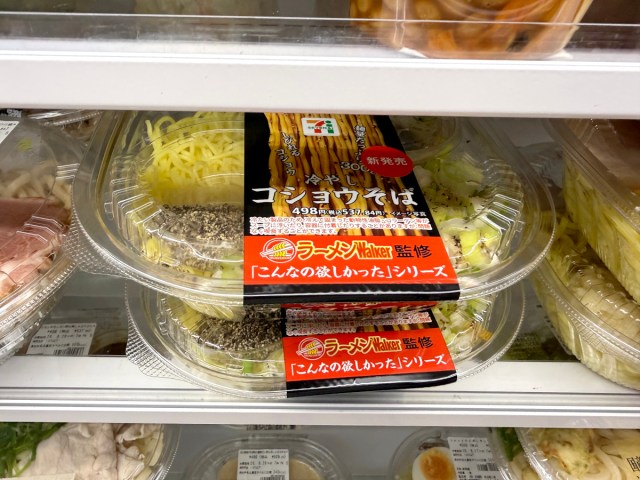
The product at the eye of the storm is the “Ramen Walker-supervised Chilled Pepper Soba,” which went on sale at 7-Eleven stores across Japan on 25 August, priced at 537 yen (US$3.60).


Supervised by Ramen Walker, one of Japan’s largest ramen information media outlets, the new noodles are part of a series described as “This is the Type of Thing We Wanted”. Curiously, though, judging by people’s reactions online, this is not what diners wanted at all, with some people saying they can’t even finish the meal.

▼ 「こんなの欲しかった」シリーズ = “This is the Type of Thing We Wanted” series


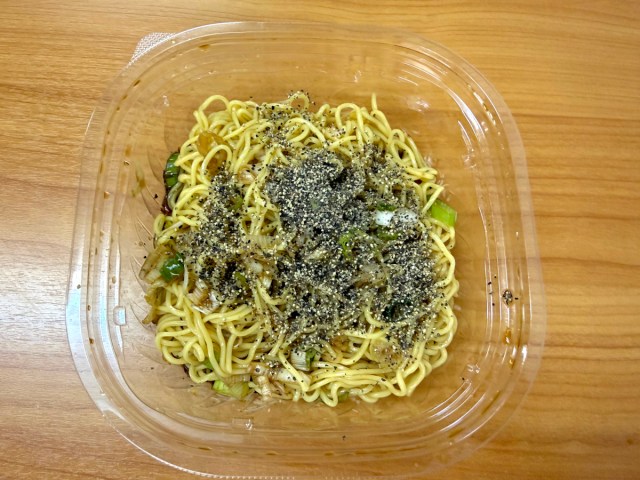
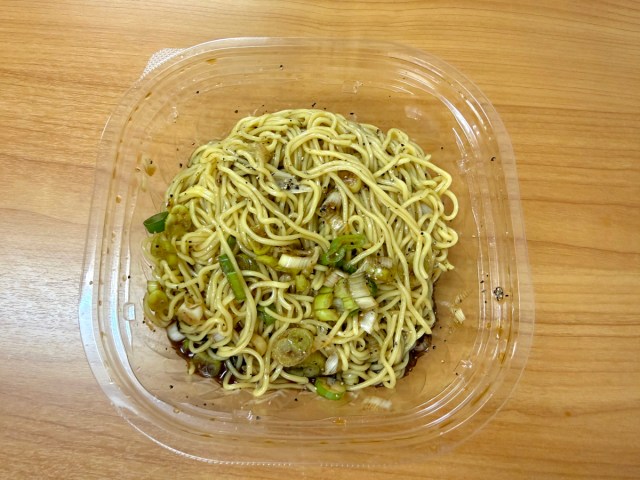
The chilled soba has a simple base of noodles and green onions, but what makes it intense is the astonishingly dark sauce and overzealous peppering, which had us nervous just looking at it.

Having tried intensely salty ramen in Japan before, we weren’t sure how our palates would react to this tub of noodles, so we called upon three of the reporters on our Japanese-language team to give us their verdict.

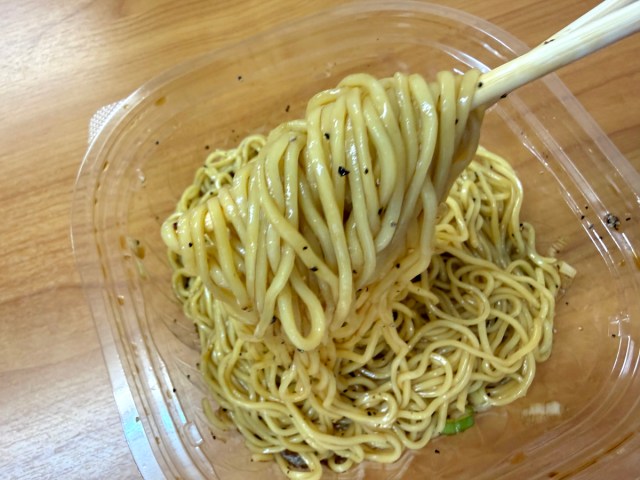
After preparing the noodles as instructed, by mixing the sauce in thoroughly then adding the pepper before mixing it thoroughly again, we lined up our colleagues for the tasting.

▼ The “Ramen Walker-supervised Chilled Pepper Soba”

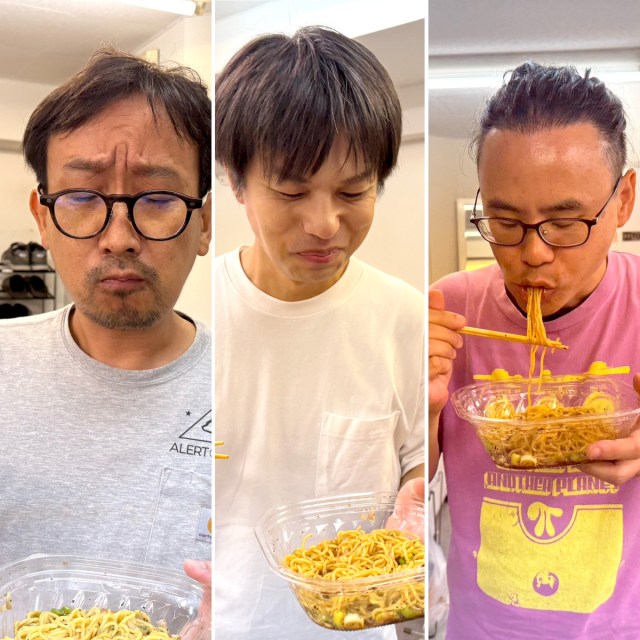
▼ So, how does it taste?

Well, their faces say it all really. At first, it seemed like a fairly rich chilled noodle dish, but within seconds an intense saltiness took over. Though they wouldn’t say it was impossible to eat – these men do have iron stomachs, after all – they did say it was so salty that every bite was a challenge, and they could definitely see why some people might struggle to eat it all.

The level of saltiness was unusual for a convenience store product, so it would easily take customers by surprise, and finishing the entire portion required a certain amount of determination from our trio. At the end of it all, their reactions ran the gamut from  “Argh, it’s salty!” to “It’s strong, but I can eat it” and “It’s strong… and not tasty”, so online reactions calling it “too strongly flavoured to eat” did seem to have some truth to them.

One of the things everyone agreed on was the saltiness, because however strong you think the salt might be, double it and you might be in the ballpark. Still, it hasn’t stopped 7-Eleven from selling the product, and it’s still continuing to attract attention online so if you’re up for the challenge, keep an eye out for it at 7-Eleven, and be sure to try the super hot mince cutlet while you’re there.

Images ©SoraNews24
● Want to hear about SoraNews24’s latest articles as soon as they’re published? Follow us on Facebook and Twitter!


Credit:

Beautiful 785-step Japanese shrine sando stairway walk is one very good reason to visit Kagawa

A sweaty, but unforgettable, visit to Kompirasan.

The streets called sando are a unique part of Japanese cityscapes. Sando are the paths that lead to shrines and temples, and because visitors often have secular needs and desires too, they’re often lined with restaurants, cafes, and souvenir shops.

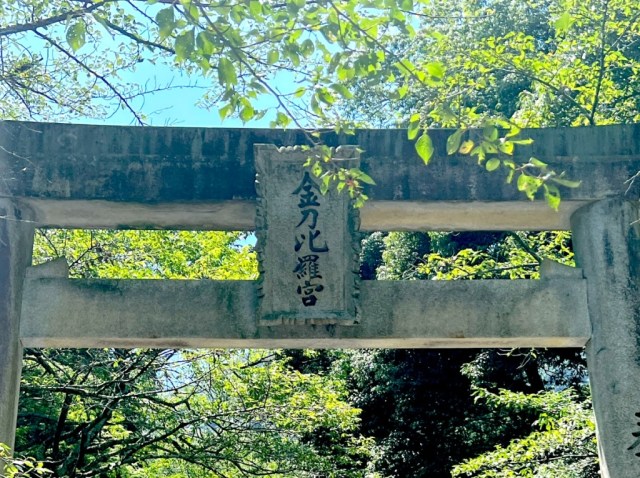
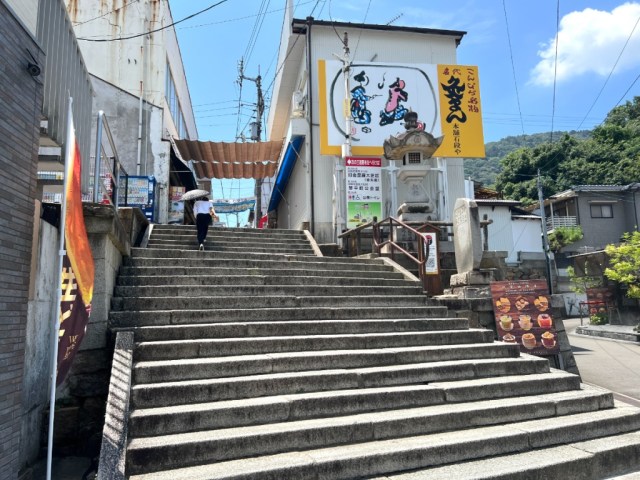
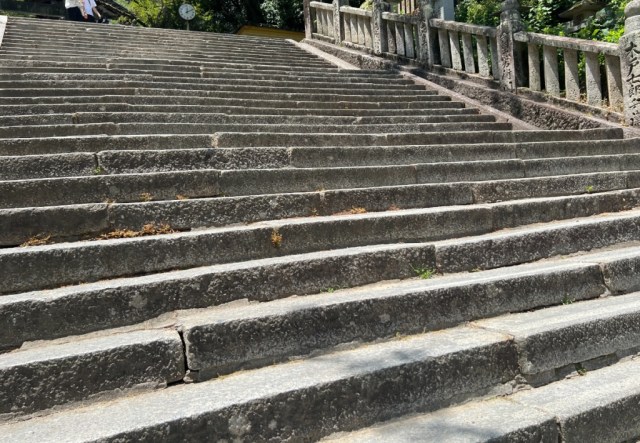
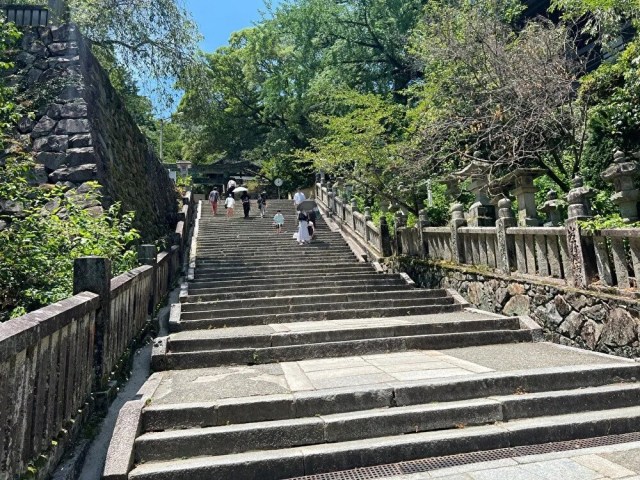
And while you will find those things on the path you walk along the way to the main building of Shinto shrine Kompirasan in Kagawa Prefecture, its approach also has something that many others don’t: 785 stone steps for you to climb to get there.
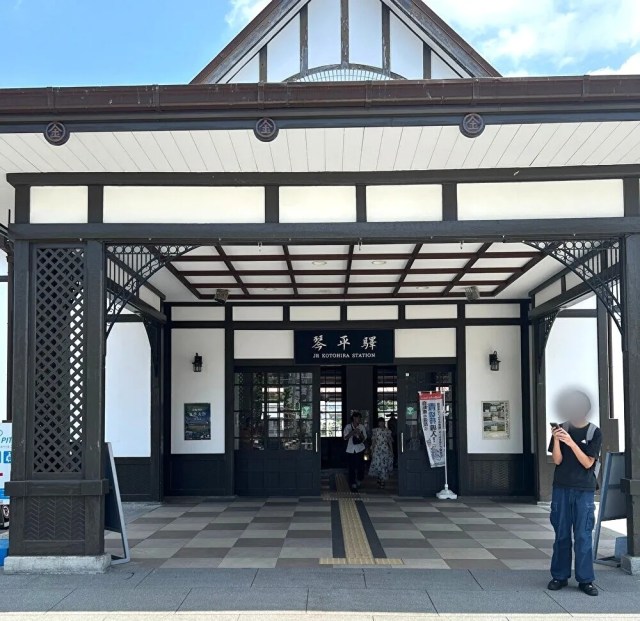
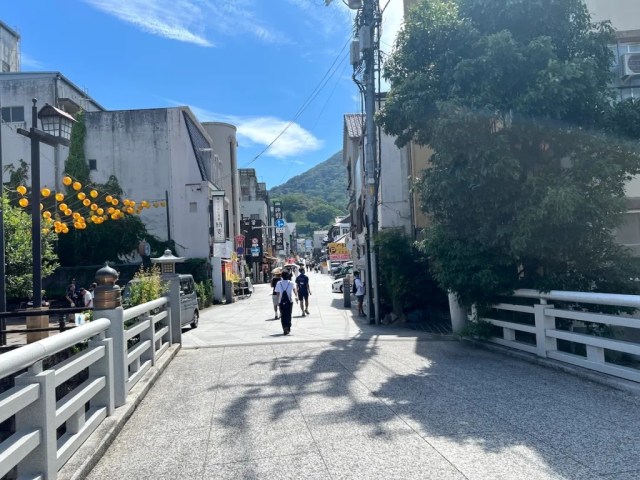
For this vertical-component shrine walk, we’re headed to the town of Kotohira, and in fact Kompirasan’s official, formal name is Kotohiragu. After getting off the train at Kotohira Station (pictured above), it’s about a 10-minute walk to the start of Kompira Omotesando, as this sando is called.

▼ Walking route from Kotohira Station to the start of Kompira Omotesando

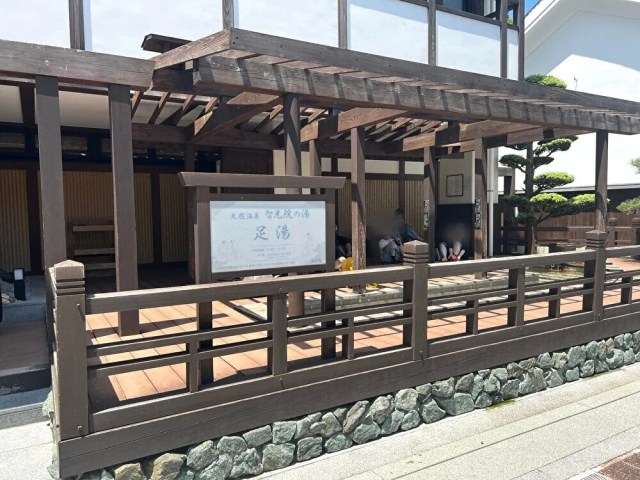
Sure enough, right away we started seeing shops and restaurants with banners inviting us in for locally made manju dumplings filled with sweet bean paste or some of Kagawa Prefecture’s famous Sanuki udon noodles. We also walked by a hot spring bathhouse with a free-to-use outdoor foot bath.

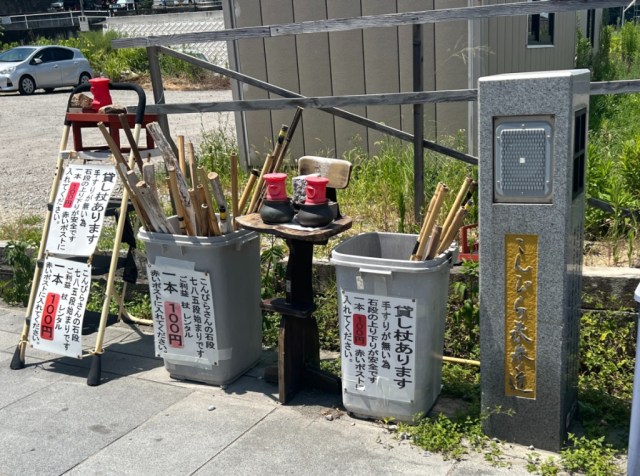
The most unusual thing we spotted, though, were buckets filled with walking sticks, which could be rented for 100 yen (US$0.65), with payment and return performed on the honor system.

▼ For this rental stand, you put your 100-yen coin into one of the red piggy banks.

Of course, saving 100 yen here would mean 100 yen more for us to spend on things like Pokémon merch, so we kept our wallet closed and our feet moving.

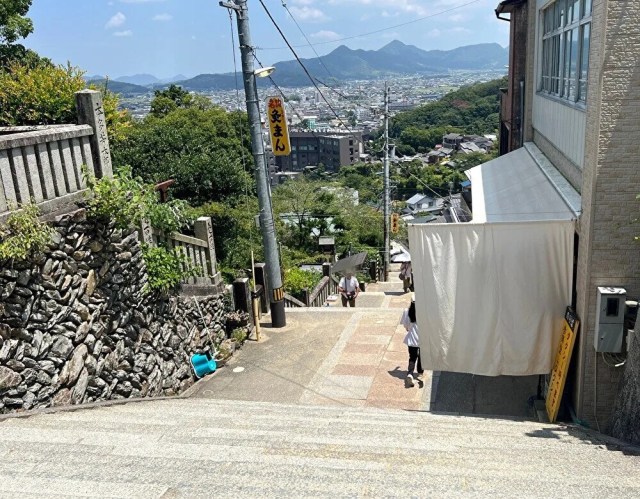
The first 100 steps or so were no sweat…or at least not very much sweat. Early on, the ascent to Kompirasan still feels like a stroll in a charming, laidback countryside-adjacent neighborhood. It wasn’t until we stopped and looked back that we saw how far up into the foothills of Mt. Zozu we’d risen, with a nice view of the city’s downtown area spreading out in the distance.

After this, though, perspiration would become a persistent theme. The temperature on the day we visited was over 35 degrees Celsius (95 degrees Fahrenheit), and in stretches of the path that were devoid of shade, it felt like we were being baked from both above and below as the sun heated up the stone steps.

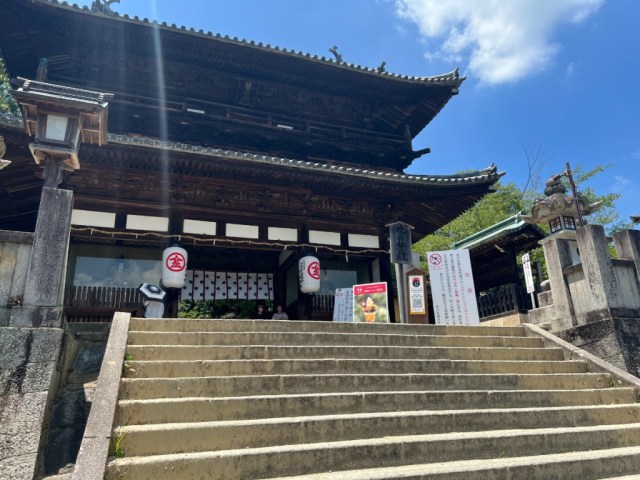
Thankfully, landmarks along the way, like the stately Daimon gate pictured above at Step 365, gave us visually stimulating rewards that helped keep our minds off of things like the steadily increasing dampness of the face towel that we kept wiping ourselves off with.

This isn’t to say that Kompirasan’s approach is a grueling, mountain climb-caliber physical ordeal. It’s definitely a workout, though, and, as you can see in our pictures, we passed by many wise individuals who were sporting parasols to keep the sun off of themselves.

Doing the entire ascent in one continuous spurt in this heat isn’t advisable, so when we did spot patches of shade along the way, we regularly took the opportunity to stop, rest, and rehydrate from the water bottle we’d brought with us.

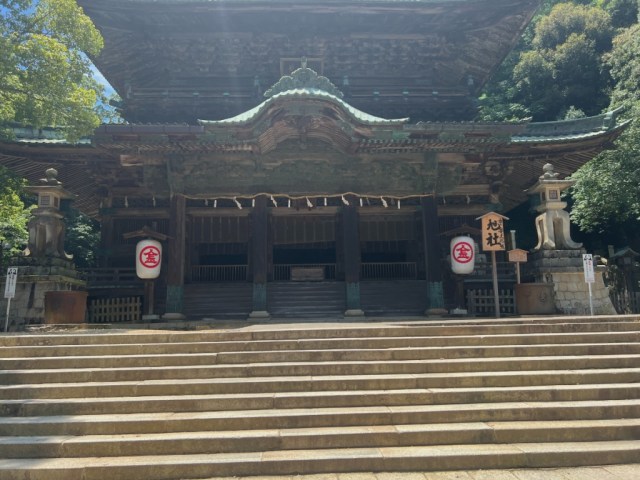
Further up the mountain, we arrived at Asahi Shrine, which has the unusual distinction of having been built as a Buddhist temple, and later converted to a Shinto shrine. The two religions exist as a pretty harmonious tandem in Japan, and both parts of Asahi Shrine’s cultural legacy are recognized and celebrated.

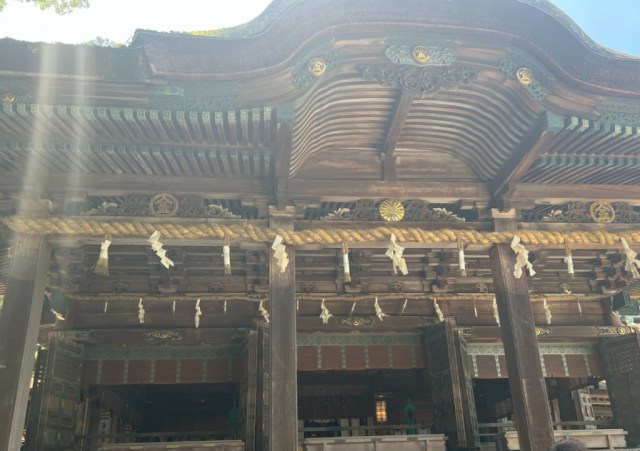
▼ The 25-meter (82-foot) tall Asahi Shrine is one of the largest wooden structures in the region, and the color of its copper-plated roof provides another shade of photogenic green to contrast with the trees around it.

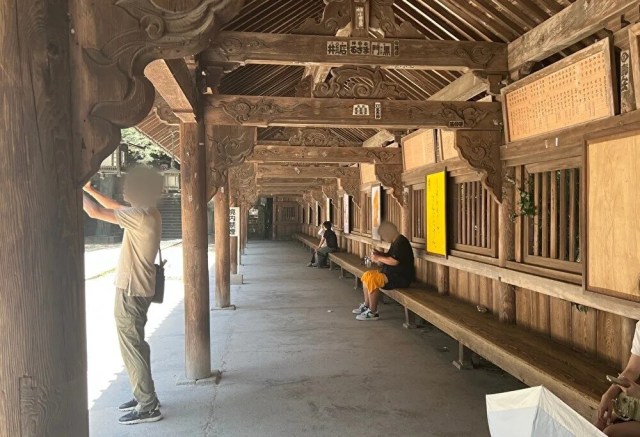
▼ Asahi Shrine’s covered rest area is a good spot to sit and rest your legs for a bit.

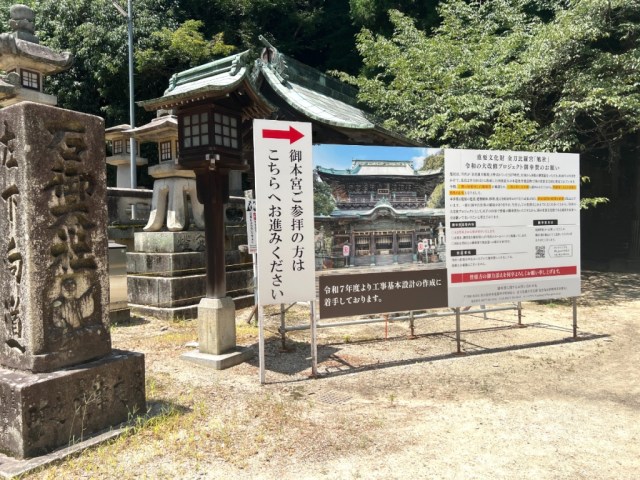
As pretty as Asahi Shrine is, though, we weren’t done walking yet. Following the signs that point on to the Kompirasan main shrine building (御本宮)…

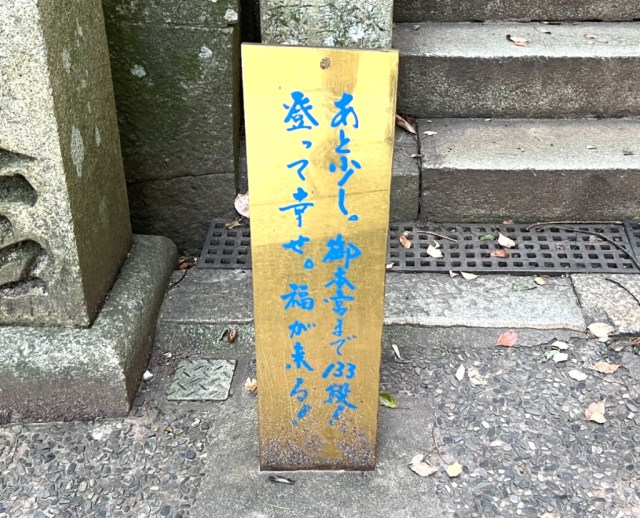
…we once again came to the stone steps, with a sign declaring:
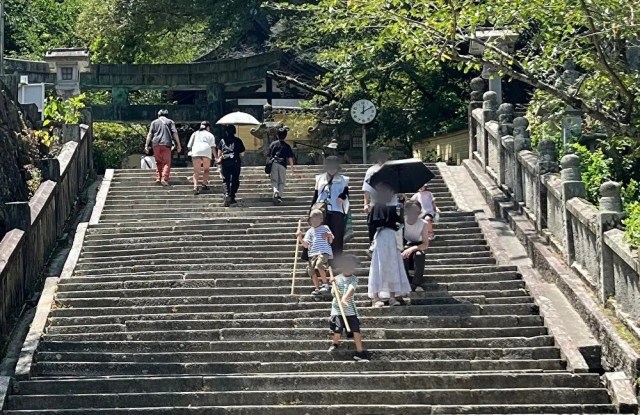
“Just a little more to go! 133 steps left until the main shrine building! Make it to the top, and happiness and blessings will come to you!”

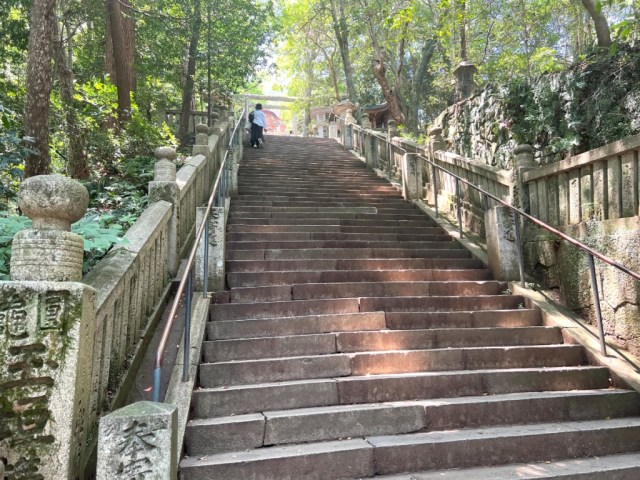
In other words, we’d already made it up 652 steps, so another 133 couldn’t be so ba-

Ah, OK, so when they said 133 steps, they meant 133 very steep steps.

But hey, blessings and happiness sounded pretty nice, so we took a deep breath, took a step, then took 132 more steps, and finally…

…we made it!

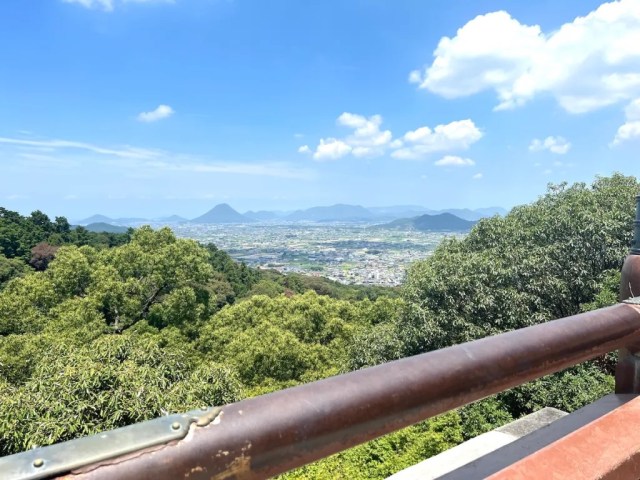
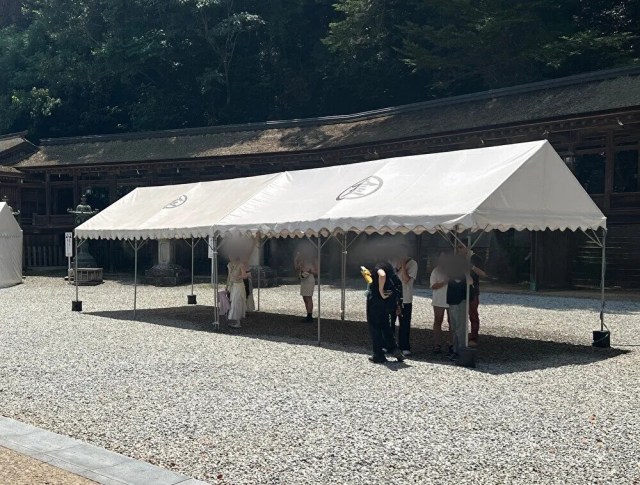
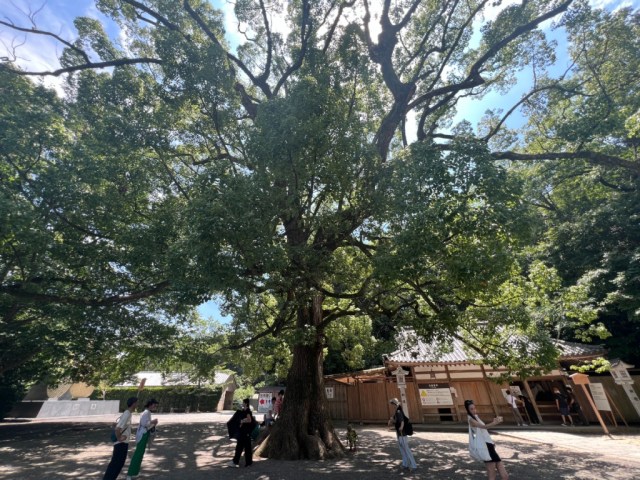
The view from up at the main shrine building is especially beautiful on a sunny day like this, allowing you to take in all the layers of towns, farmland, and mountains between you and the horizon. Also a beautiful sight: the covered tent with mist sprayers that had been set up in the shrine’s courtyard.

Kompirasan’s main hall enshrines Omononushi no Kami, the deified spirit of Emperor Sutoku, who reigned in the 12th century. Omononushi no Kami is a well-rounded spirit, and praying at the shrine is said to impart blessings related to health, seafaring, business, and agriculture.

▼ The main shrine building

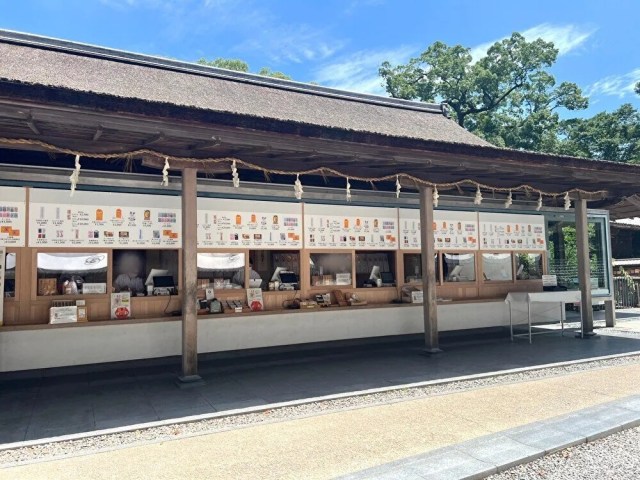
▼ With so many blessings to provide, Kompirasan has an especially wide selection of good luck amulets that visitors can purchase.

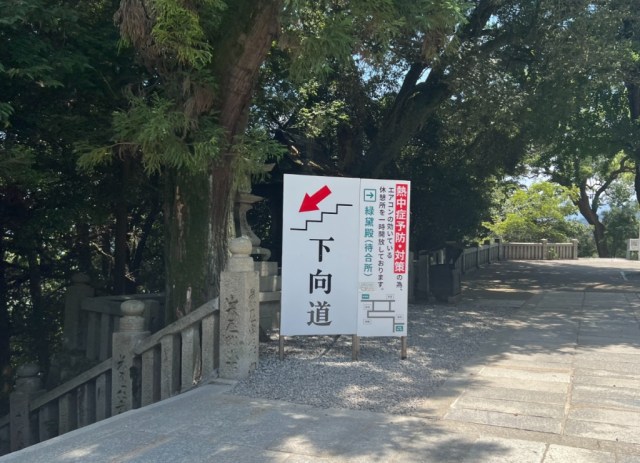
The walk up to the main shrine takes about 45 minutes, not counting any rests or breaks along the way. After admiring the scenery and soaking up the atmosphere, we started our descent back into town, and this was when we started to regret not renting a walking stick at the bottom. There aren’t really any handrails along the steps, and especially on the way down, it can be pretty tiring on your knees and other joints.

▼ It turns out that 100-yen stick rental fee would have been a good investment.

All in all, though, this is definitely a walk worth taking if you’re in Kagawa, and given the easy access by train, it’s very easy to fold into a trip around the island of Shikoku, which Kagawa makes up the northeastern corner of. If you can plan your visit for sometime other than midsummer, though, we’d definitely recommend doing so.

Reference: Kotohiragu and Kotohira official tourism website
Photos ©SoraNews24
● Want to hear about SoraNews24’s latest articles as soon as they’re published? Follow us on Facebook and Twitter!


Credit: