Gigantic gacha machine appears in Tokyo department store for capsule toy celebration

09:13 cherishe 0 Comments

Monster Capsule is a gacha behemoth.

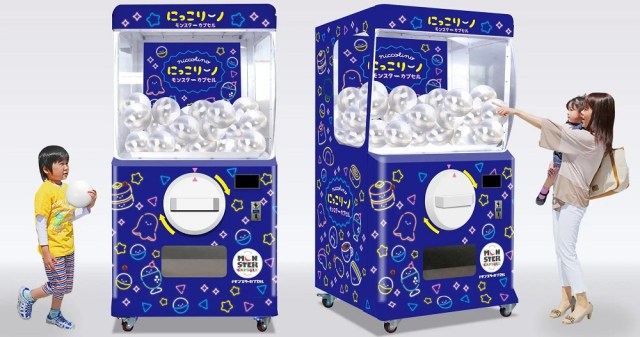
“Monster Capsule” might sound like the name of some cheap Pokémon knockoff, but the capsule being referred to isn’t one meant for carrying creatures around in. No, Monster Capsule is supposed to bring up thoughts of capsule toy/gachapon machines, and the Monster part of the name isn’t because the prizes are beastly in nature, but because the machine itself is gigantic.

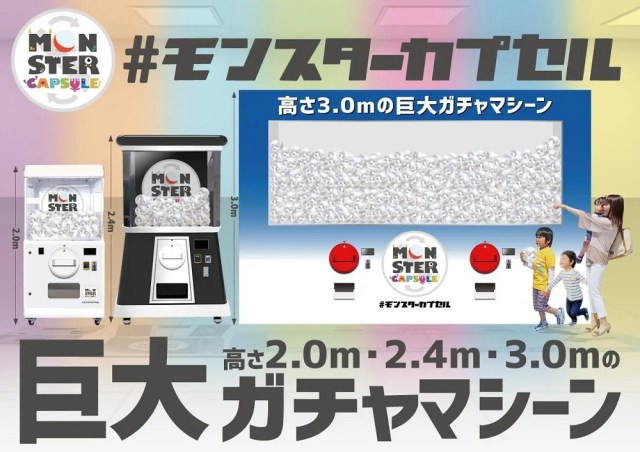
Just how big are Monster Capsule machines? Manufacturer Gleeglobe builds them in three different sizes, with the biggest being 3 meters (9.8 feet) tall, as you can see in the scale image below.

Even the most compact Monster Capsule machine is huge, with a height of 2 meters, making it several times larger than a regular capsule toy machine. Because they’re so big, you won’t see long banks of Monster Capsule machines lined up outside random convenience stores. Instead, they show up at special events, and there’s one going on now in downtown Tokyo at the Parco department store in the Ikebukuro neighborhood.

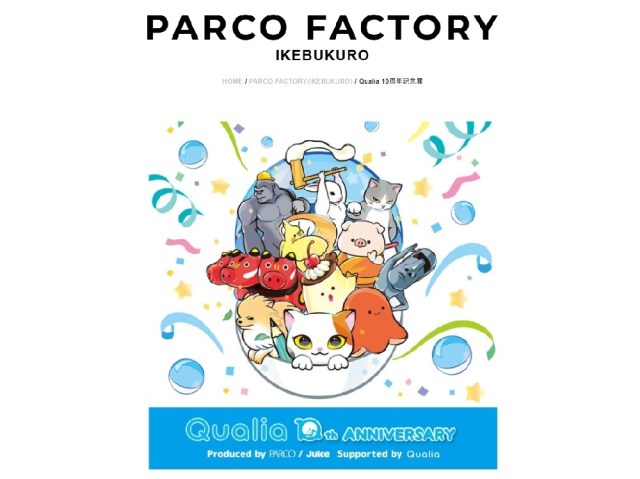
Parco’s Parco Factory event space (on the 7th floor of the Ikebukuro Parco main building) is hosting the 10th anniversary celebration of capsule toy maker Qualia. The event will have merch, photo spots, games, and exclusive capsule toys as the company marks 10 years in the capsule toy world.

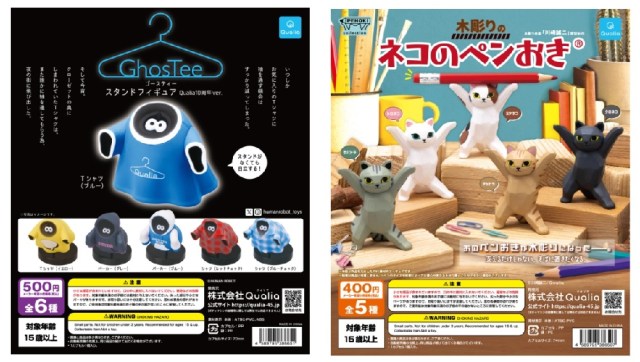
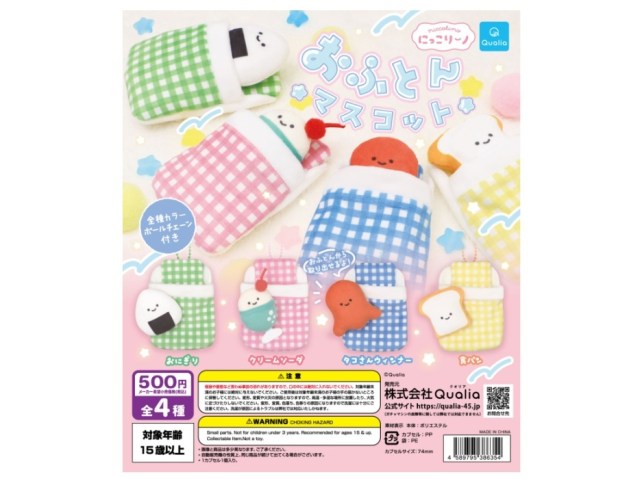
Qualia’s lineup includes capsule toy lines such as GhosTee and Wood-Carved Cat Pen Holders, but their most popular is the Niccolino series, which puts simple but distinctive smiley faces on all sorts of everyday objects.

▼ Niccolino onigiri (rice ball), cream soda, octopus sausage, and bread plushies, with little futons to sleep in.

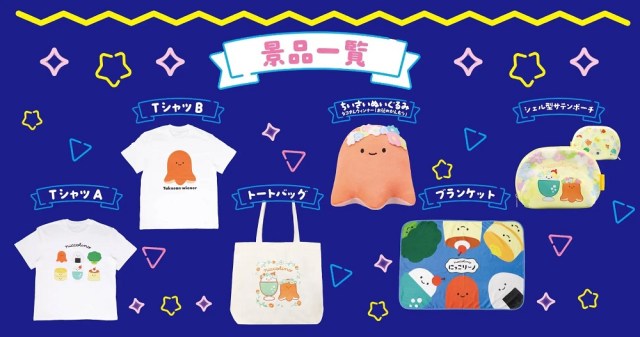
With Niccolino being Qualia’s biggest hit, it’s also going into the big gacha machine, as the Monster Capsule will be stocked with premium Niccolino prizes like T-shirts, tote bags, blankets, pouches, and plushies.

Each play of the Monster Capsule machine is 1,500 yen (US$9.70), and there’s also a 1,000-yen admission fee for the Qualia 10th Anniversary Exhibition itself. The event runs from May 29 to June 22.

Related: Parco Ikebukuro, Qualia 10th Anniversary Exhibition official website
Source: PR Times, Qualia 10th Anniversary Exhibition official website
Top image: PR Times
Insert images: PR Times, Qualia 10th Anniversary Exhibition official website
● Want to hear about SoraNews24’s latest articles as soon as they’re published? Follow us on Facebook and Twitter!


Credit:

0 comments:

Starbucks Japan releases a new limited-edition Frappuccino inspired by espresso affogato

07:13 cherishe 0 Comments

Find out if this exclusive drink has what it takes to combat a Japanese summer.

Some might say the best time to enjoy a Frappuccino is in the heat of summer, especially in Japan when the high humidity drains all your energy and has you searching for a much-needed boost. This summer, the chain is catering to that need with the Banana Affogato Frappuccino, which combines the pick-me-up powers of banana, with its natural sugars and healthy carbs, with the caffeine kick of espresso, for a refreshing hit of energy in one icy beverage.

With the days nearing summertime highs already, now is a great time to test the powers of the Frappuccino, so our reporter K. Masami headed out to try the new beverage when it was released on 27 May. As a fan of the chain’s existing Espresso Affogato Frappuccino, a popular menu staple that’s said to have inspired the banana version, Masami wanted to know what the fruit would bring to the new drink.

After placing her order, and following the barista’s recommendation to switch the regular milk in the drink to almond for an additional 55 yen (US$0.34), it didn’t take long for Masami to get her first look at the Frappuccino, and she immediately found she was unable to peel her eyes away from the base of the beverage.

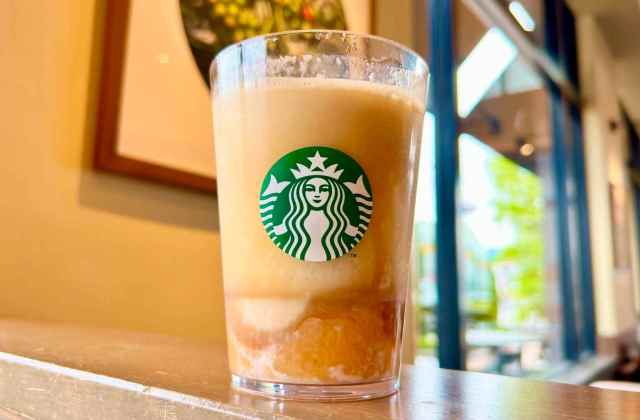
The bottom of the glass was filled with plenty of banana pulp, and not only did it look delicious, it promised to benefit the environment too. That’s because the drink contains bananas that would have otherwise gone to waste, as they were considered substandard for the market due to skin blemishes and size issues. These superficial issues don’t affect the taste of the bananas, so enjoying them in drink form is a clever way to save them from landfill, and every sip will make you feel like you’re doing your bit for the environment.

Sitting atop the banana pulp is a blend of milk and banana powder, with a special espresso sauce made by combining an espresso shot and classic syrup. The syrup works to rein in the bitterness of the espresso, creating a harmonious blend of flavours.

Although Masami had initially been concerned that the espresso might overpower the taste of banana, she needn’t have worried. Upon tasting it, she found that the banana remained the star of the show throughout, largely due to the smooth banana pulp, which was packed with fruit flavour and had a delicious mouthfeel, making every sip a taste sensation.

The almond milk added an earthy note that Masami loved, and although the drink was well balanced, she recommends coffee lovers request an extra espresso shot, as the coffee flavour might seem a little too mild for those who like the bitterness of espresso. In fact, until 21 June, customers who request an espresso shot using the chain’s mobile ordering system will have the usual additional 55-yen fee waived, so it’s a good way to try the customisation.

For 700 yen, the new Banana Affogato Frappuccino gets the thumbs-up from Masami, who felt a jolt of energy coarse through her body after trying the drink. It hit the spot so well that she found herself realising it was exactly what her body had been craving on the hot and muggy day she enjoyed it, so keep an eye out for it when you need to restore your energy levels during the heat of summer.

Images©SoraNews24
● Want to hear about SoraNews24’s latest articles as soon as they’re published? Follow us on Facebook and Twitter!


Credit:

0 comments:

Pikachu cakes and other adorable Pokémon 30th anniversary food coming to Tokyo luxury hotel

21:13 cherishe 0 Comments

Special sweets designed to satisfy your sweet tooth and cool you off in the summer heat.

This year is Pokémon’s 30th anniversary, and the franchise is celebrating in style at the Grand Hyatt Tokyo, with the hotel offering amazing Pokémon-themed rooms including one with 30 Pikachu plushies to keep guests company during their stay. But what if you’ve already got a place to sleep in Tokyo? Does that mean you have to miss out on the collaboration’s fun?

Not at all, because the Grand Hyatt Tokyo’s restaurants are also part of the party, and they’re offering both sweet and savory Pokémon-themed eats all summer long!

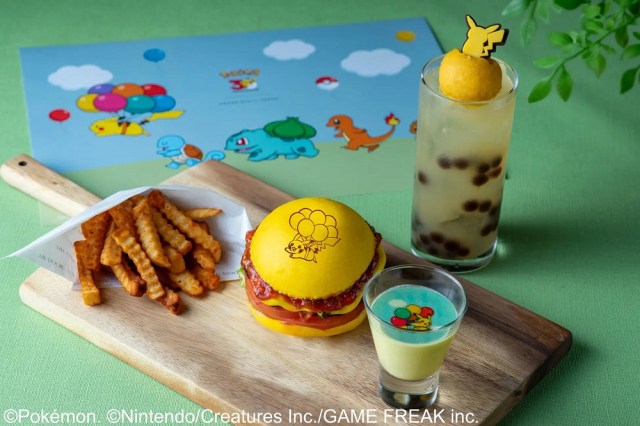
Starting things off is the Sora Tobu Pikachu (“Pikachu in the Sky”) Gourmet Burger Set, with a Pikachu-yellow bun, the Hyatt’s original barbecue sauce, and jalapeno pickles. It’s accompanied by curry powder French fries and chilled corn soup, and to drink you get a “Pikachu soda,” which looks to be an ice cream float with boba-style tapioca balls too.

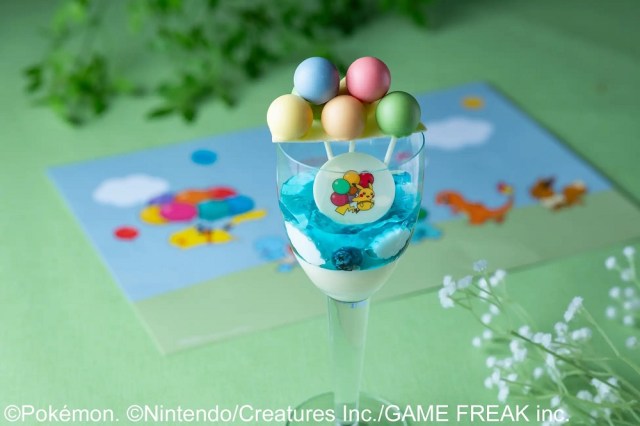
The Pikachu burger is available in the hotel’s Oak Door steakhouse restaurant, but just like wild Pokémon appear in different parts of their regions, there are other Pikachus at the Hyatt’s Fiorentina cafe, which is adding a Sora Tobu Pikachu Summer Parfait to its menu.

Since this is a parfait to be enjoyed during one of Japan’s notoriously hot and humid summers, this dessert bypasses heavy chocolate or caramel sauces. Instead, the key ingredients are mascarpone mousse, peach gelatin infused with butterfly pea, and coconut gelatin, for visuals evocative of a bright blue sky and puffy clouds. The “balloons” that are carrying Pikachu on this flight are actually orbs of frozen mousse in mango, orange, pistachio, blueberry, and raspberry flavors.

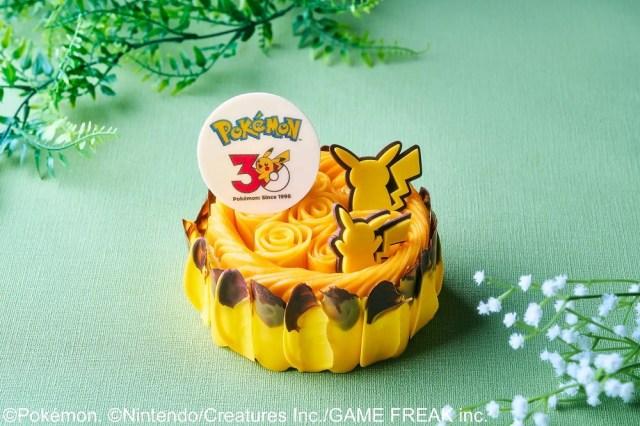
And there’s still one more place to score some Pokémon treats. Head to the Hyatt’s Fiorentina Pastry Boutique and you can pick up a Pokémon 30th Anniversary Mango Cake.

This fancy cake has layers of mango and coconut jelly inside almond sponge cake, topped with mango mouse and a bouquet’s worth of mango slices arranged in the shape of roses. But even with all those floral flourishes, fans’ eyes will be drawn to the pair of Pikachu chocolates.

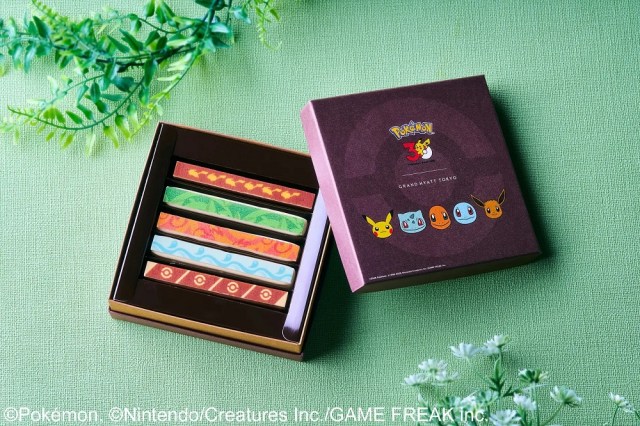
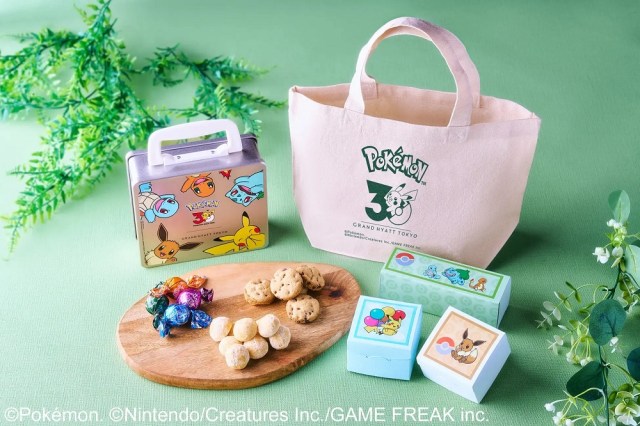
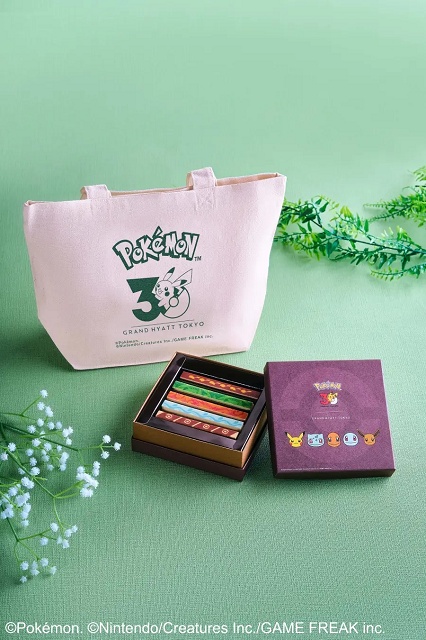
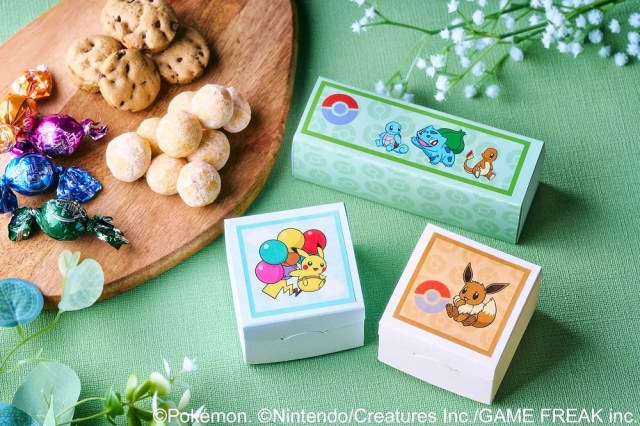
For those looking for permanent reminders of their Pokémon sweets sessions, Fiorentina can also supply Grand Adventure Sweets Trunk Cases, with Pikachu mango cookies, Eevee coffee chocolate cookies, and Gen-1 starter trio chocolates in a bundle with a special tote bag and lunchbox-style case.

…or Grand Adventure Baton Chocolate sets, with an assortment of gourmet chocolates and the tote.

▼ The cookies and starter trio chocolates can also be purchased by themselves, if you’ve already got your carrying equipment needs sorted.

As for pricing, the intricate decadence of the Pokémon 30th Anniversary Mango Cake puts it at 12,600 yen (US$81). The Pikachu burger set, meanwhile, is 6,600 yen, and the parfait 3,520. The Sweets Trunk Case and Baton Chocolate sets are 7,500 and 6,800 yen, respectively. The by-themselves chocolates are 2,200 yen, and Pikachu and Eevee cookie boxes are 1,200 each.

The Pokémon/Grand Hyatt Tokyo collaboration runs from June 20 to August 31, but reservations can already be made for the burger, parfait, and cake through the hotel’s website. Reservations are highly recommended for the burger and parfait, as they’re limited to quantities of 20 each daily, and reservations of at least three days in advance are required to purchase the Pikachu cake.

And if Tokyo doesn’t figure into your Japan travel plans this summer, or if you’ve already got all your meals in the capital planned out, there’s some cool new Pokémon stuff happening in another part of the country too.

Related: Grand Hyatt Tokyo website
Source, images: PR Times

● Want to hear about SoraNews24’s latest articles as soon as they’re published? Follow us on Facebook and Twitter!


Credit:

0 comments:

Japan’s adorable pudding chick becomes a transit card mascot

19:13 cherishe 0 Comments

One of Japan’s most popular dessert mascots is set to go with you as you tap through ticket gates.

Last year, one of Japan’s many railway companies, JR East, announced that they would be retiring their iconic mascot character featured on their rechargeable prepaid transit card, Suica, much to the dismay of many of its fans. Meanwhile, JR Central, another rail company, has decided to celebrate the 15th anniversary of Nagoya’s beloved dessert Piyorin with a special release of its Toica card.

Despite the similar sounding names, the massive JR (Japan Railways) network is split into independent regional companies that operate within their own territories. For example, JR East handles Tokyo and northern Japan, while JR Central manages the lines surrounding Nagoya and the central Tokai region. Unlike several countries where trains are state-run, Japan’s rail networks are entirely privately owned by companies such as these (though the JR network was previously the government-run Japanese National Railways from 1949 until 1987).

As a result of this regional division, each JR company issues its own transit card, commonly referred to as an IC card, for daily travel. Travelers arriving into Tokyo are usually introduced to the Suica (JR East) or Pasmo (Tokyo Metro and many other non-JR lines around Tokyo) cards that let them tap through ticket gates seamlessly. In the Central Japan region around Nagoya, the local equivalents are the Toica (JR Central) and Manaca (Nagoya Subway, Meitetsu, and other non-JR lines around Nagoya) cards.

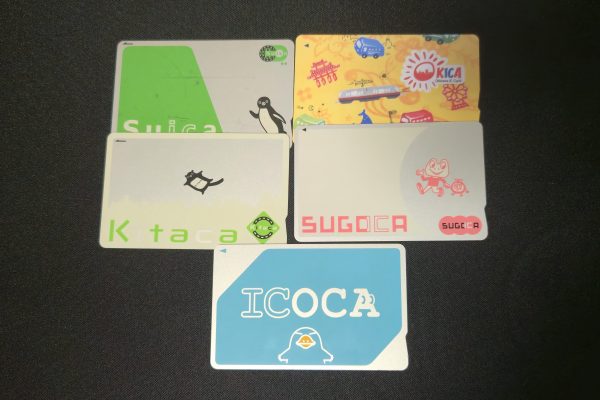
While these cards are issued separately within their own regions and feature different mascots, which can lead some to travel around Japan collecting them, many of the cards are completely interoperable.

▼ I have a long way to go.

A Toica card purchased in Nagoya, for example, can be used on Tokyo subways, Kyoto buses, and at thousands of convenience stores nationwide.

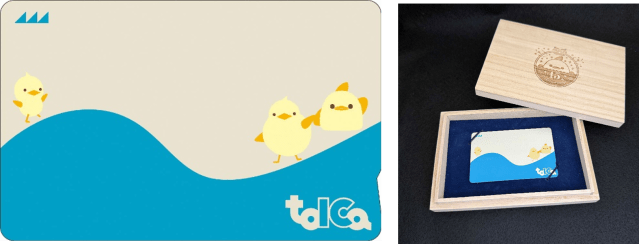
The commemorative Piyorin Toica card has the standard Toica chick mascots alongside Piyorin on the face of the card.

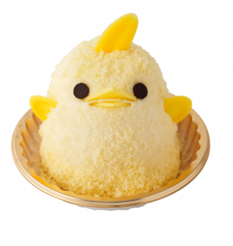
Piyorin itself is a famous Nagoya fresh dessert made from locally sourced eggs, consisting of pudding wrapped in vanilla bavarois and covered in crumbly sponge cake.

People looking to grab the new Piyorin Toica card will need to make their way to the region operated by JR Central (Nagoya and its surroundings) where it will begin being dispensed in late May 2026 from automatic ticket vending machines and customer service windows at major train stations. For those further away, sales will start at JR Tokai ticket windows at major Shinkansen stations along the Tokaido line from September 1, 2026. Smaller stations within the coverage area will also get access to the Piyorin card supply at this time. Each card will cost 2,000 yen (US$13), which includes 1,500 yen as a usable amount and a 500 yen deposit.

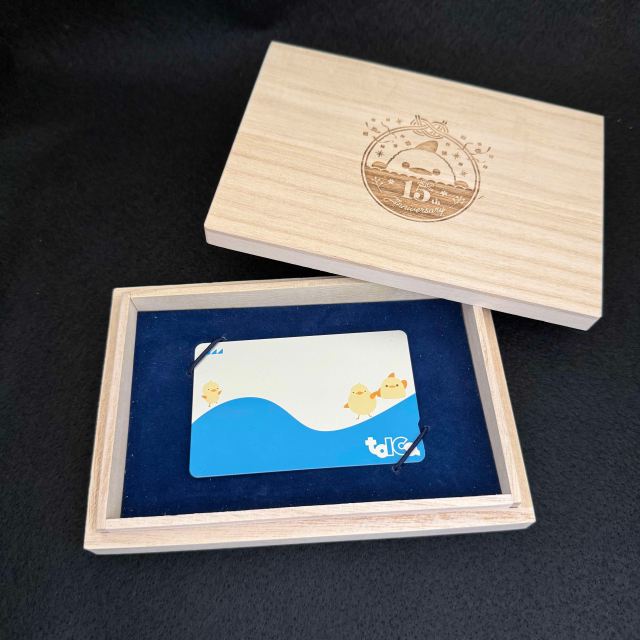
As part of the celebration JR Central released a special online-exclusive Piyorin Toica card in a paulownia wood storage box costing 4,980 yen. However, the 3,000 sets were completely sold out within a couple of days of its launch, attesting to Piyorin’s popularity.

If you’re expecting to go out tomorrow and pick up a Piyorin Toica, you might face some disappointment, as they’ll only start to be dispensed when current Toica card stocks run out, so the start date of the sales will vary depending on the station. Sales of the Piyorin cards will also end when they run out at each station, so there is definitely an element of luck to getting one, if the online sales are anything to go by. That being said, a Piyorin card is a great way to make a souvenir of your travels just a little bit sweeter.

Related: Online-Exclusive Piyorin Toica Card, JR Tokai Ticket Window Locations, Toica Usage Information
Source: PR Times
Top and insert images: PR Times
Insert IC card collection photo ©SoraNews24
● Want to hear about SoraNews24’s latest articles as soon as they’re published? Follow us on Facebook and Twitter!


Credit:

0 comments:

Japanese convenience store Lawson launches new “mini supermarket” chain, L Minimart

09:13 cherishe 0 Comments

Lawson opens its first “mini supermarket” in Tokyo.

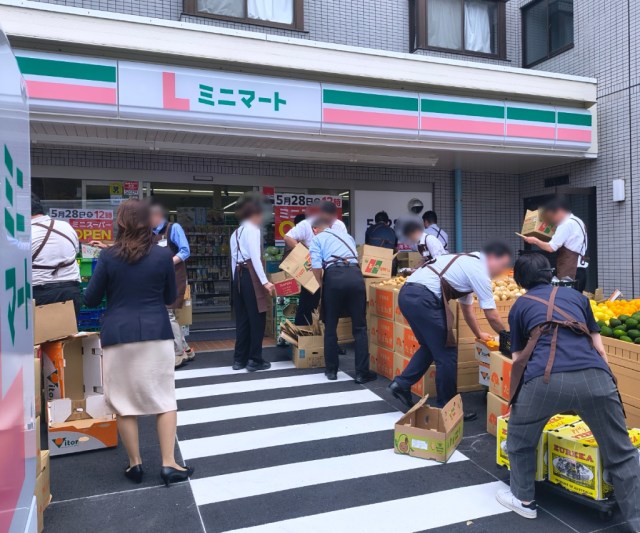
Lawson is one of Japan’s big-three convenience stores (the others being 7-Eleven and Family Mart), but Lawson itself has multiple sub-brands. For example, there’s also the budget-minded Lawson Store 100, with most items priced at 100 yen, and on May 28, the Lawson family expanded once again with the opening of L Minimart in Tokyo’s Kodaira district.

L Minimart says its mission is to be a “mini supermarket,” which sounds like a bit of a contradiction, doesn’t it? But Lawson believes there’s room for a new type of store in between convenience stores and supermarkets, with more fresh produce and ingredients than a standard Lawson would carry, but still offering more convenience and simplicity than a full-scale grocery store.

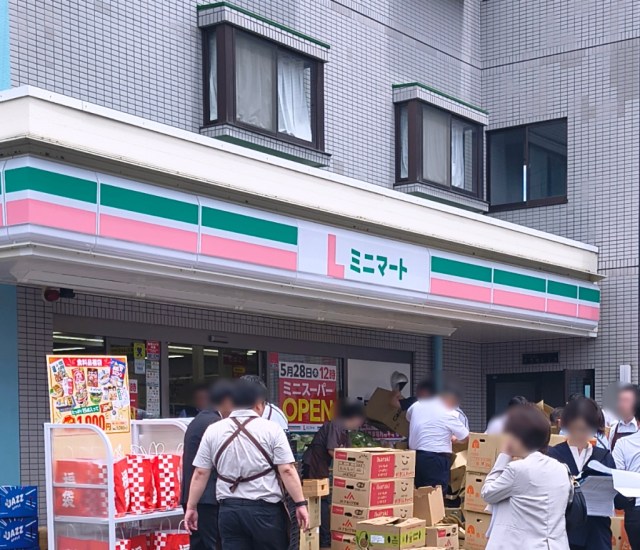
This first branch of the new L Minimart chain is about a 10-minute walk from the South Exit of Kodaira Station, and on opening day was scheduled to start welcoming shopper at noon. We rolled up at 11:15 to take a peek, and saw the staff busily taking care of their final preparations.

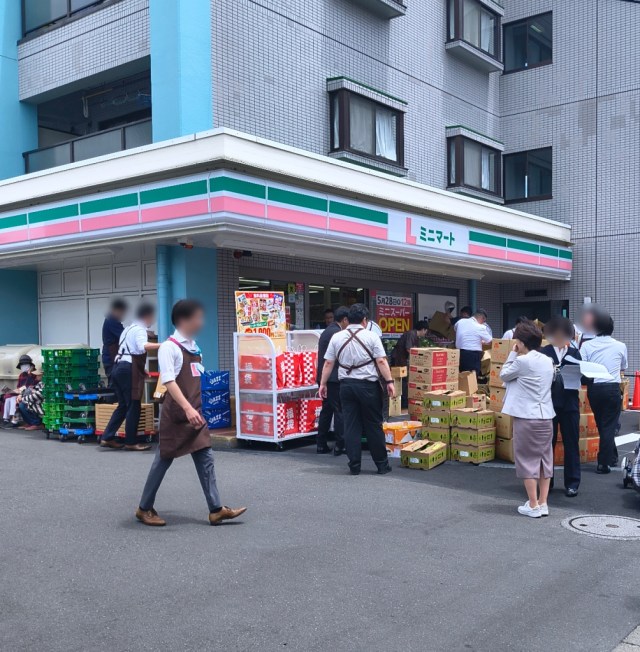
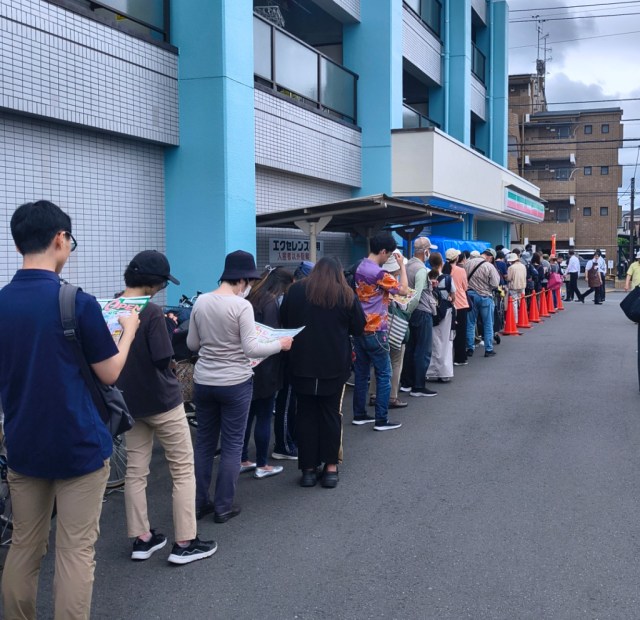
After killing some time wandering around the neighborhood, we came back at around 11:45, and were startled to see that in the 30 minutes we’d been gone, a line of some 70 people had formed!

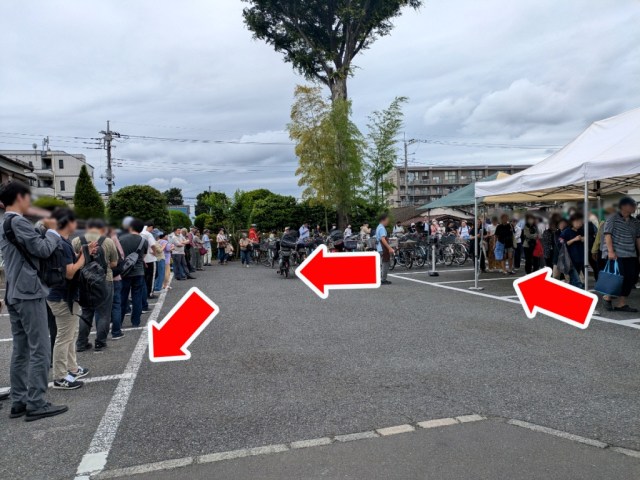
We took a spot at the end, and as the time got closer and closer to noon, more and more people started showing up. By the time the doors opened, we estimate there were about 200 people waiting to get in.

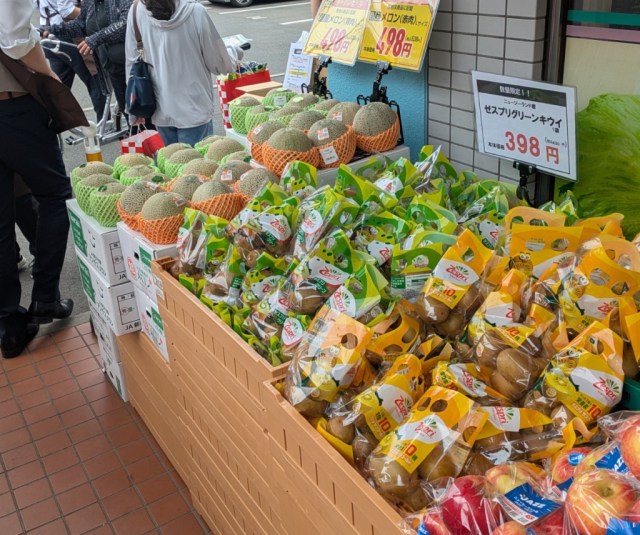
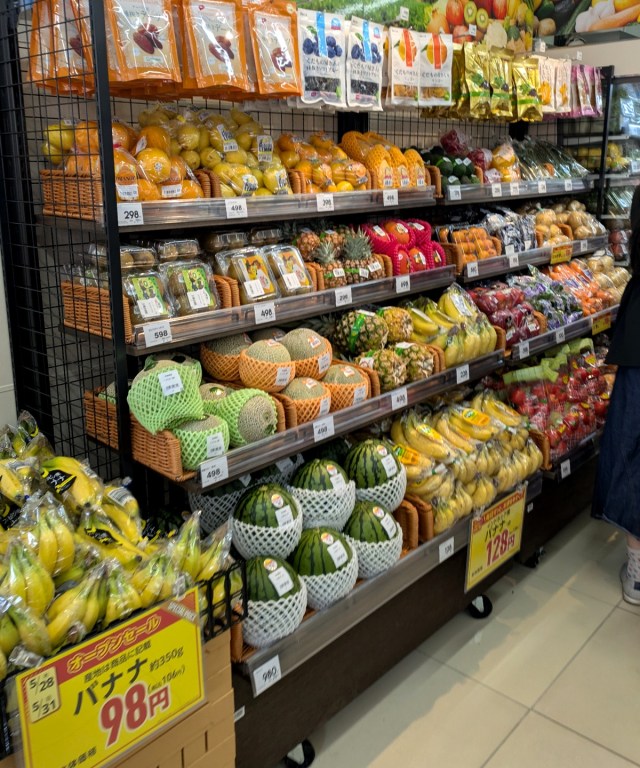
But once they started letting people in, the line moved briskly, and it only took about 10 minutes for us to get to the front of it. Outside of the store were produce stands stocked with melons and kiwis…

…and there were more fruits and vegetables inside.

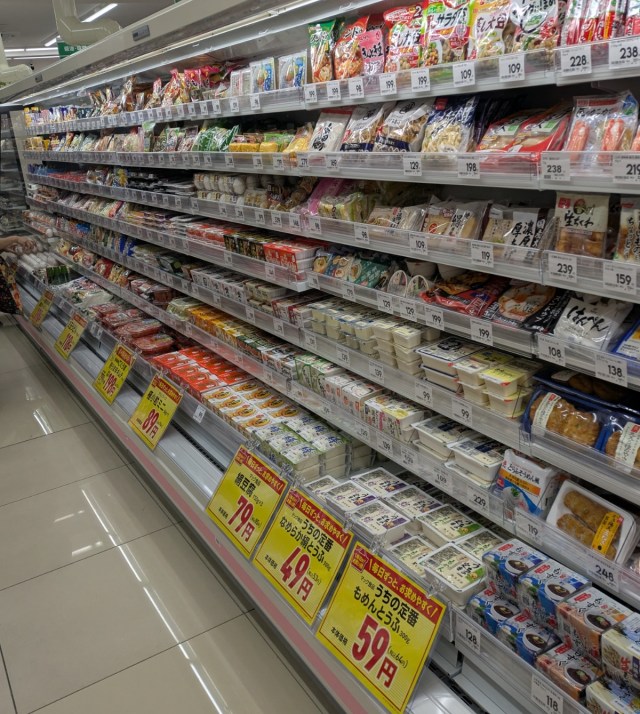
Looking around, we spotted lots of attention-grabbing yellow signs trumpeting especially low-priced items. Some of these were special discounts as part of the store’s opening sale (like 98-yen [US$0.65] bunches of bananas), and others were touted as everyday low prices, like tofu for as little as 49 yen a pack.

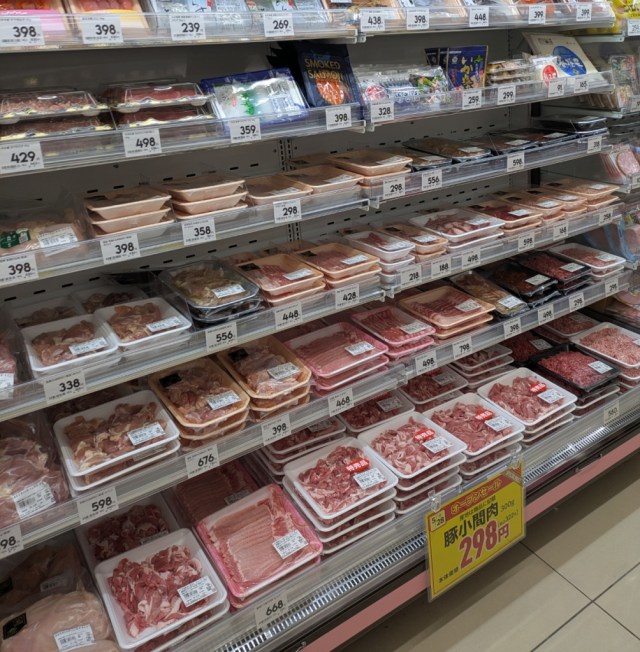
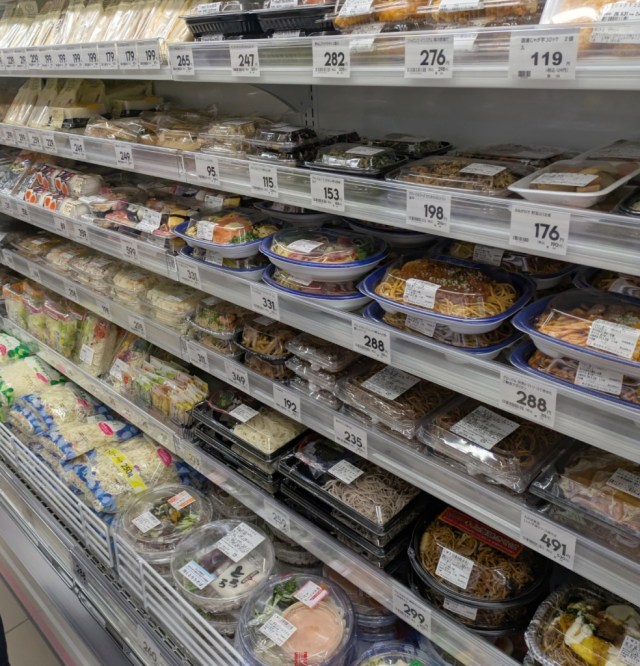
The meat section was far more expansive than anything you’d find at a regular convenience store, but L Minimart hasn’t forgotten its roots, as it has a very large selection of bento boxed lunches, sandwiches, salads, ready-to-eat-noodles, and onigiri (rice balls) as well.

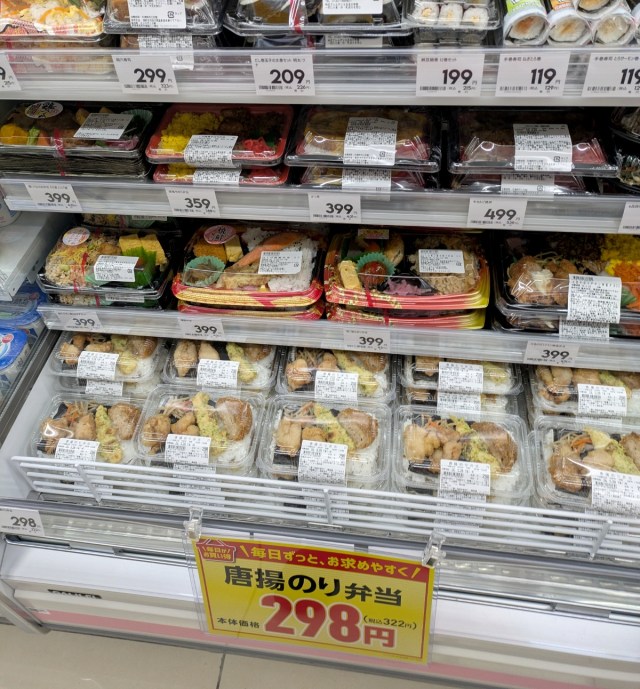
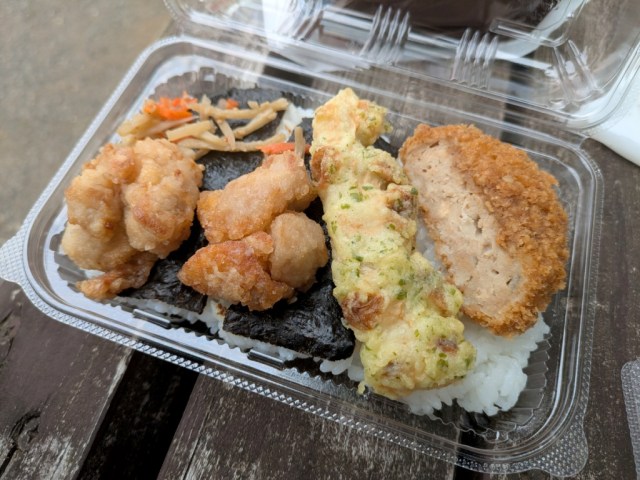
The bento come in two price tiers, 499 or 399 yen, but with one exception. L Minimart has a Karaage Nori Ben (fried chicken and seaweed bento) that costs just 298 yen (US$1.95). At that price, it was too tempting to pass up, so we grabbed one for taste-testing, along with a few other items.

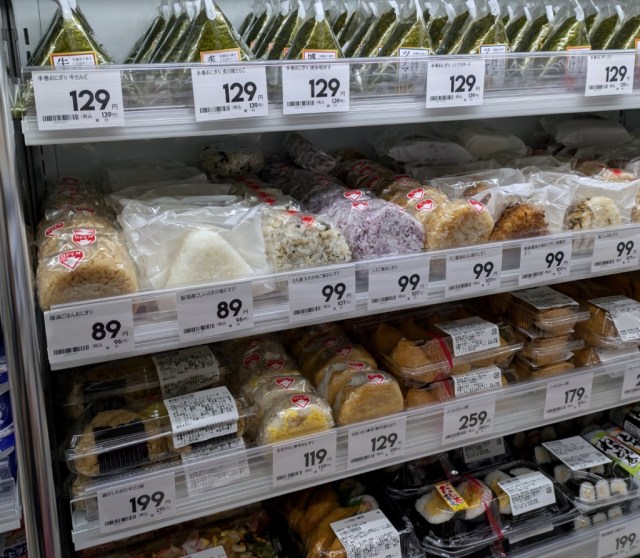
▼ The onigiri are also incredibly affordable, with seaweed-wrapped ones for 129 yen and non-seaweed ones for even less. It’s been years since major convenience store chains had prices this low.

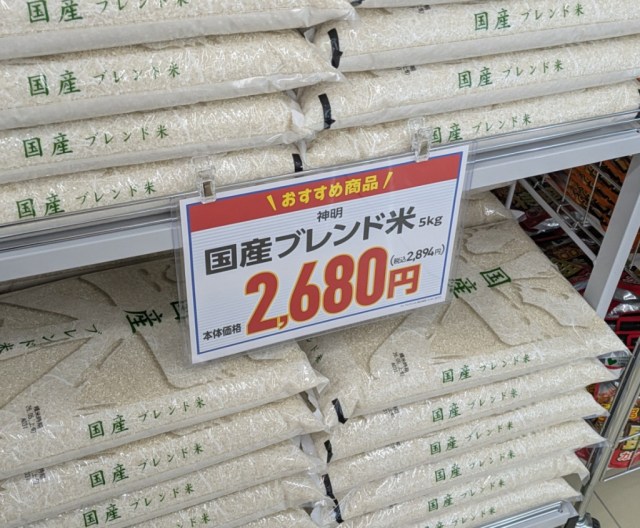
▼ Five-kilogram (11-pound) bags of rice for 2,680 yen is also a glorious throwback to an era of more affordable groceries.

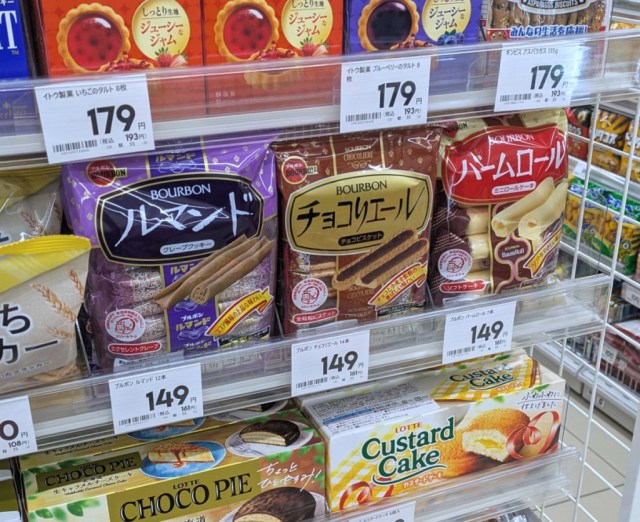
Don’t worry, L Minimart has sweets too. In addition to packaged cookies and cakes…

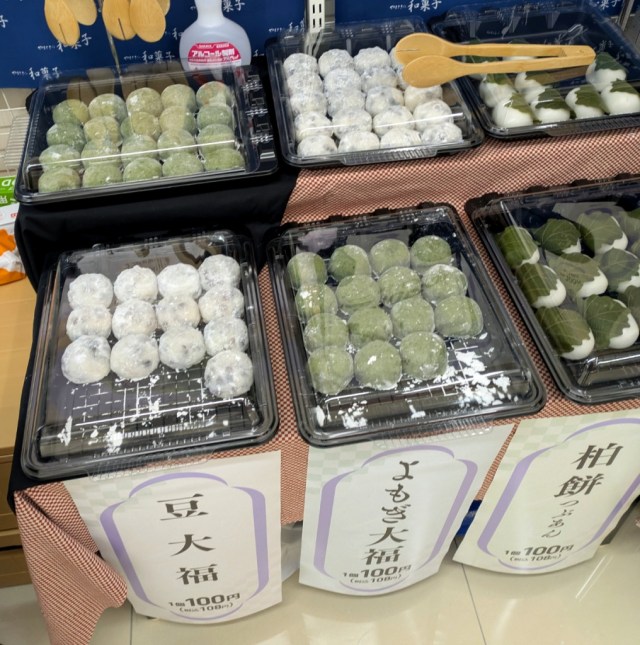
…they’ve also got a self-serve section of traditional Japanese desserts, like daifuku mochi dumplings, for just 100 yen each!

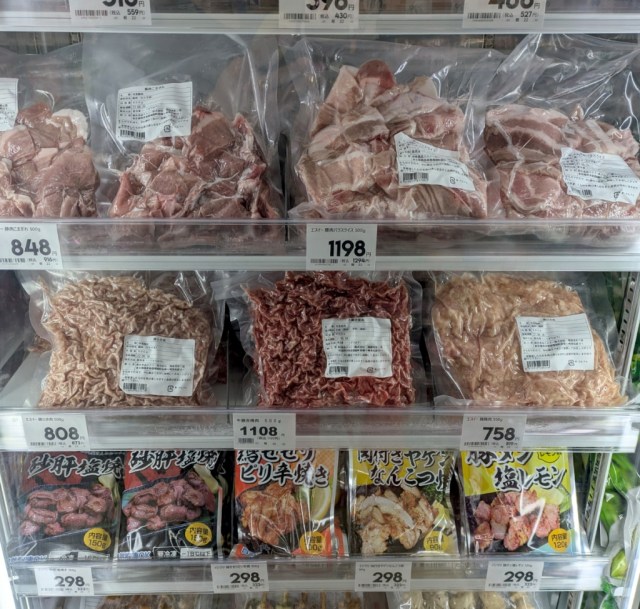
We also noticed that L Minimart sells packs of frozen meat. These aren’t always so easy to find in Japan, even at supermarkets, and look like they’d be very handy to keep on hand for meal prep.

As we mentioned above, we bought one of those ultra-affordable 298-yen karaage nori bento, and it turned out to also include a croquette, isobeage (tempura seaweed), and a bit of kimpira gobo (diced carrot and burdock root).

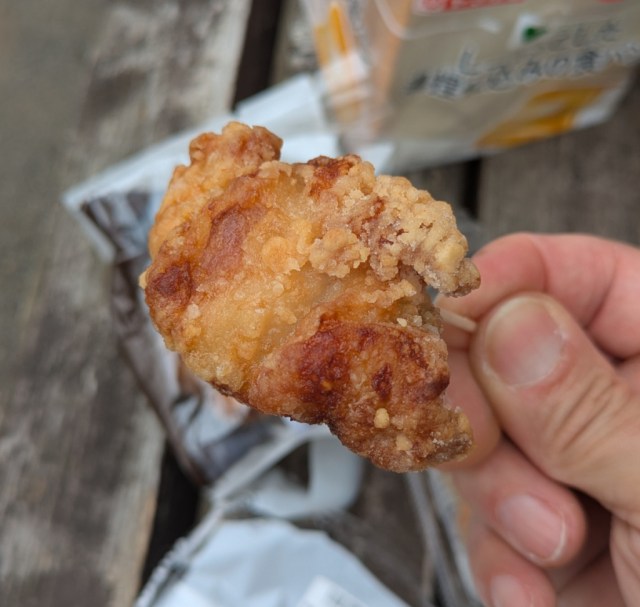
They all tasted good, but we have to admit that the portions were a little small. We didn’t feel ripped off, but in terms of how much food you get, this feels more like a fair price than a full-on bargain.

Of course, with the bento only costing 298 yen, there’s room to add something on the side, like an extra piece of the tasty karaage for 168-yen…

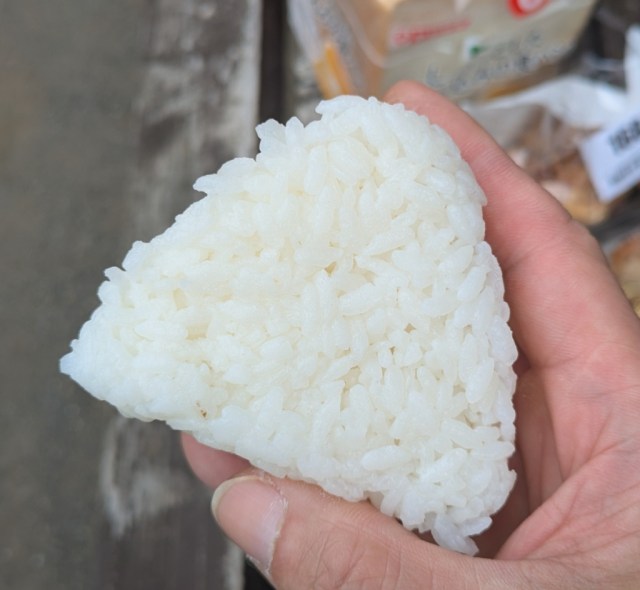
…or a 96-yen shio musubi (salted rice ball), made with delicious Koshiibuku rice from Niigata Prefecture, famed for having some of Japan’s best rice-growing farmland.

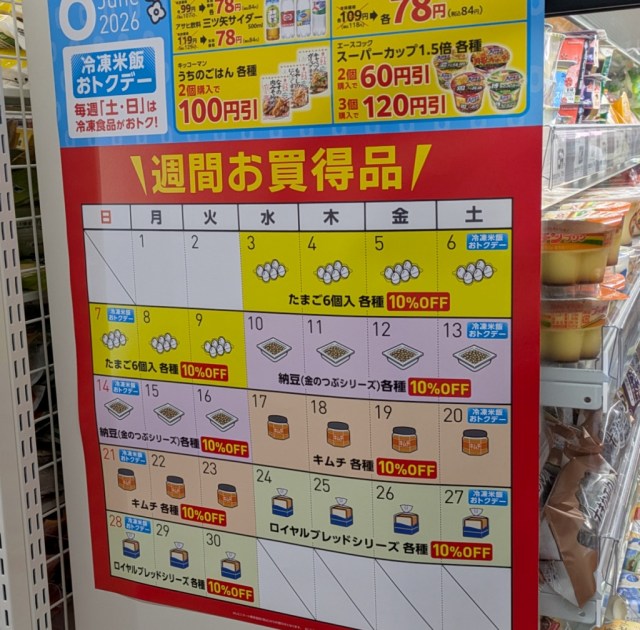
L Minimart takes another page from the supermarket playbook with rotating discounts for certain staples, and a calendar posted in the store showed the upcoming blocks of 10-percent-off days for eggs, natto, kimchi, and sandwich bread.

We came away happy from our shopping experience, and the huge crowd that L Minimart attracted on its first day shows there’s potential for a class of store between convenience stores and supermarkets (even L Minimart’s hours sort of split the difference between the two, as it’s open from 7 a.m. to 11 p.m. The Kodaira neighborhood is out in the suburbs of west Tokyo, but as major Japanese cities grow increasingly densely populated, we just might start seeing more stores like this that don’t need a large physical footprint in order to offer a full range of both groceries and ready-to-eat foods.

Shop information
L Minimart (Kodaira Nakamachi branch) / Lミニマート(小平仲町店)
Address: Tokyo-to, Kodaira-shi, Nakamichi 251 Excellence
東京都小平市仲町251エクセレンス
Open 7 a.m.-11 p.m.

Photos ©SoraNews24
● Want to hear about SoraNews24’s latest articles as soon as they’re published? Follow us on Facebook and Twitter!


Credit:

0 comments:

Another side of Kyoto – The prefecture’s top 10 “road stations” for traveling foodies
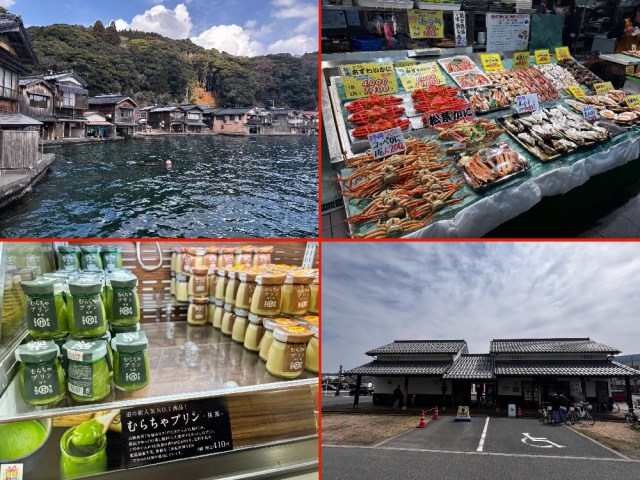
08:13 cherishe 0 Comments

We’re headed to Kyoto today, but not to see the temples or shrines.

Temples and shrines are the first things that come to mind when travelers think of Kyoto, but the prefecture is also a treasure trove of outstanding michi no eki, or “road stations.” These combination roadside shops/rest areas offer a variety of unique local products, from foods and drinks to handicrafts, and with Kyoto Prefecture’s rich culinary legacies, its road stations include ones in famous green tea-growing regions and fishing ports on the coast of the Sea of Japan.

Today we’re asking our Japanese-language correspondent Susan, a native of Chiba Prefecture who’s travelled to 850 michi no eki, including all of the ones in Kyoto, for his list of 10 best Kyoto road stations, presented in no particular order.

1. Ocha no Kyoto Minami Yamashiro-mura (Minami Yamashiro Village)
Website
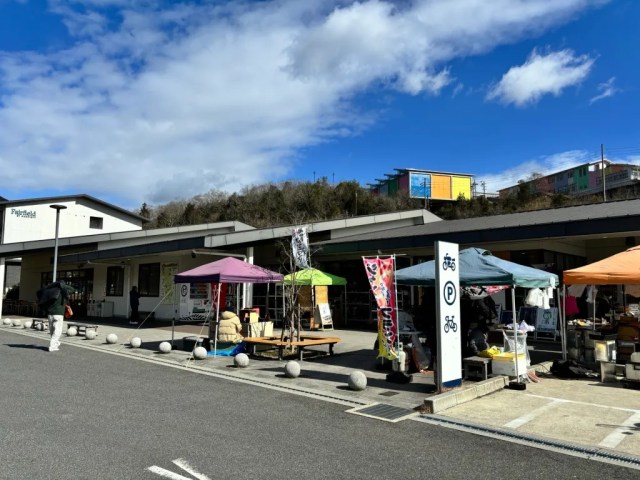
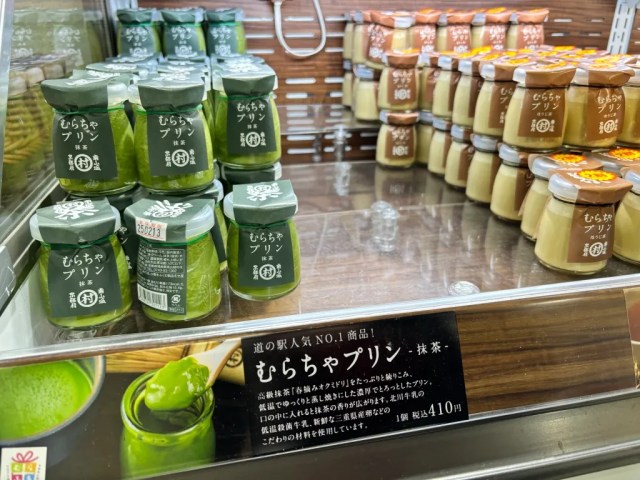
Minami Yamashiro is the only town in Kyoto Prefecture that’s legally classified as a “village” (mura in Japanese), and that alone brings a lot of travelers to this road station. Locally grown tea is the star attraction here, and in the attached restaurant you can dine on soba noodles with green tea mixed into their buckwheat flour. Looking for something sweeter? The Muracha (“Village Tea”) Pudding is not to be missed, with a deep, direct delivery of green tea flavor in every bite.
2. Michi no Eki Miyama Fureai Hiroba (Nantan City)
Website
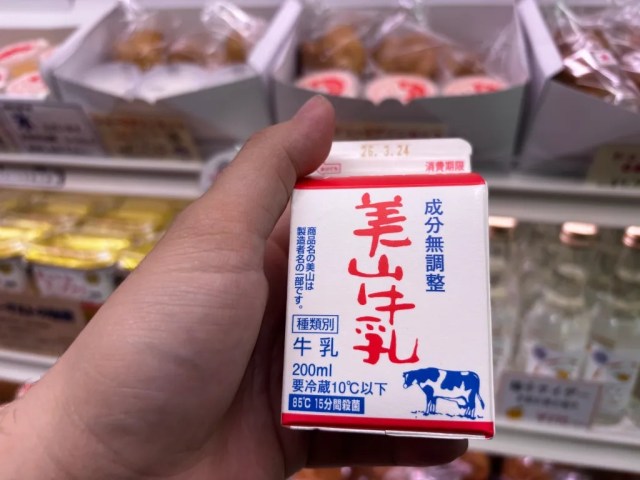
You’ll find this road station on the way to Kayabuki no Sato, a beautifully preserved historic neighborhood with traditional thatched roof Japanese farmhouse architecture. The thing you’ve got to try if you come here is the Miyama Milk from the local dairy, or at least the ice cream, frozen yogurt, or cheese made with it.
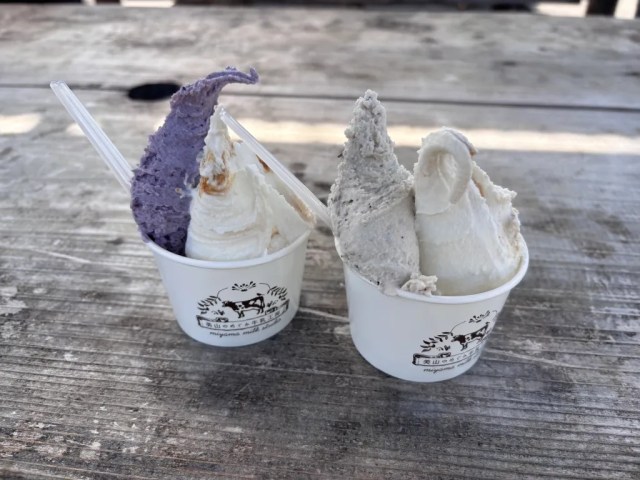
The gelato is Susan’s personal favorite, rich but with a clean finish, and the lines get long for it on the weekends, but it’s worth the wait.

3. Michi no Eki Funaya no Sato Ine (Yosa)
Website
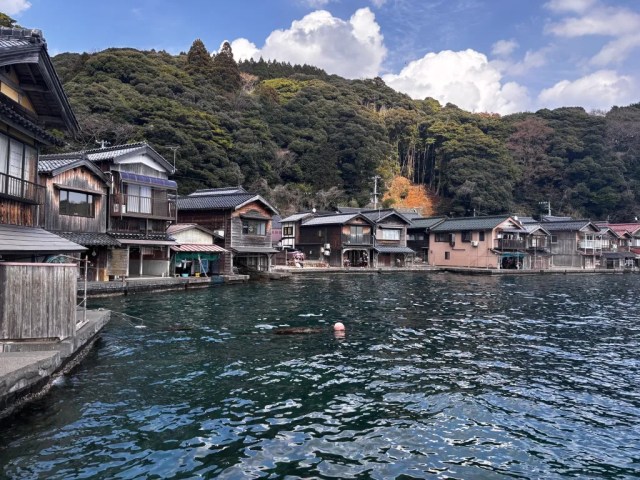
On its north side, Kyoto Prefecture stretches all the way to the coast of the Sea of Japan, and that’s where you’ll find the town of Yosa and Ine, a neighborhood of traditional fishermen boathouse homes built out over the water.
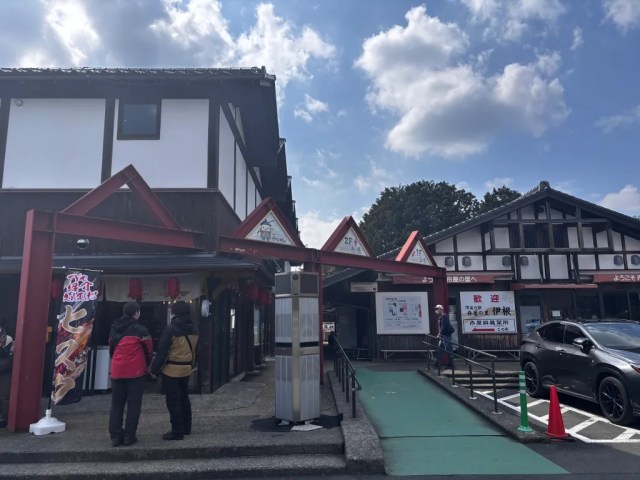
The refreshments on offer here include locally made soba and small-batch sake, but Susan also gives a special mention the hisuku, skewers of dried fish that you can buy from the outdoor Umyado stand to snack on while you admire the scenery.

4. Michi no Eki Nagomi (Funai)
Website
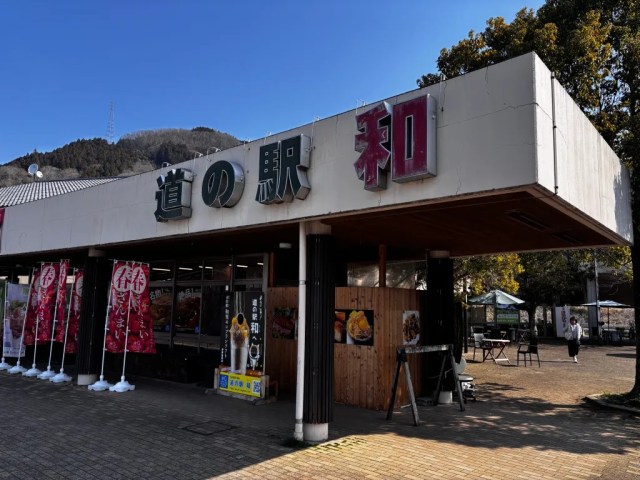
Heading back into the more mountainous inland, we come to this michi no eki in the town of Funai, situated next to the Yuragawa River. This is a tranquil spot befitting its Nagomi name (which means “harmony”), and your heart will feel even more at ease if you’re indulging in a cup of Mont Blanc pudding at the attached Nagomi Cafe.
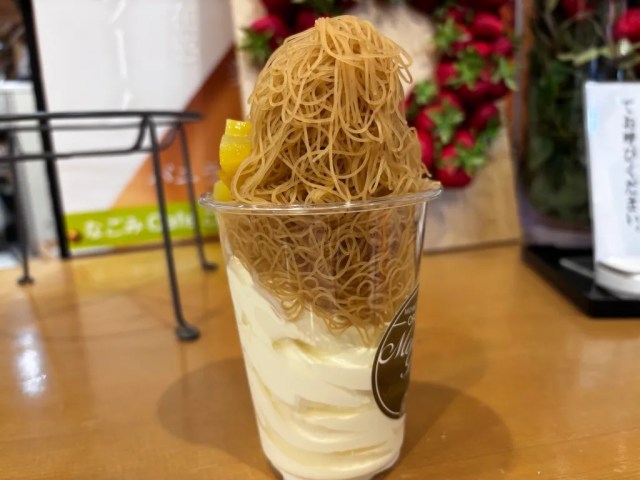
Seasonal highlights include spring strawberries, autumn chestnuts, winter mochi, and in summer, a special “ayu garden” where you can experience catching ayu (a kind of river fish) by hand, then having it grilled up by the staff for you to enjoy at its freshest flavor.

5. Michi no Eki Mizuho no Sato Sarabiki (Funai)
Website
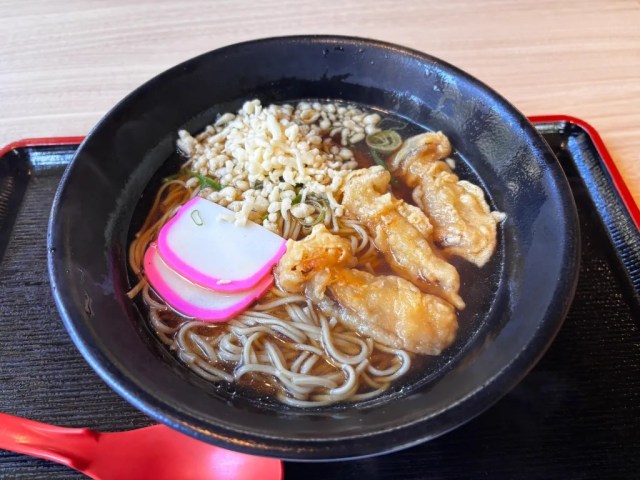
We’re still in Funai for this easy-to-access road station off the the Kyoto Expressway, near where travelers enter the lush countryside of the Tamba Highlands. The Mizuho district is famous for its buckwheat farms, and also for the soba noodles made from the grain, so naturally you can enjoy a bowl of them here, and the hiratake mushrooms, gathered in the local mountains, are delicious too.
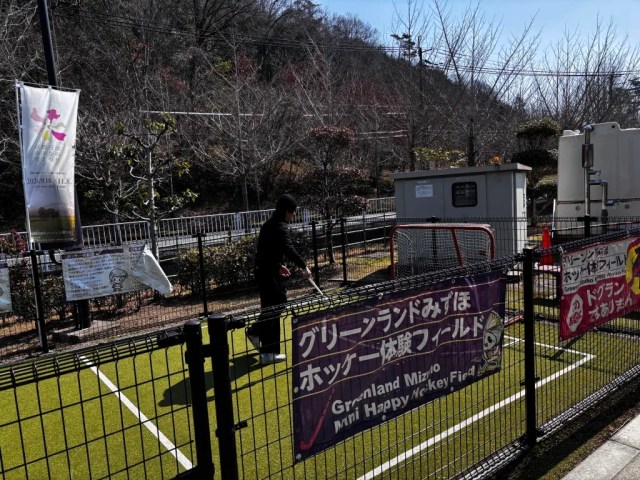
This road station’s most unique feature, though, is its mini field hockey court. The Mizuho district hosted national field hockey championships during a sports event back in 1988, and the game has remained popular in the area ever since.

6. Michi no Eki Umi no Kyoto Miyazu (Miyazu City)
Website
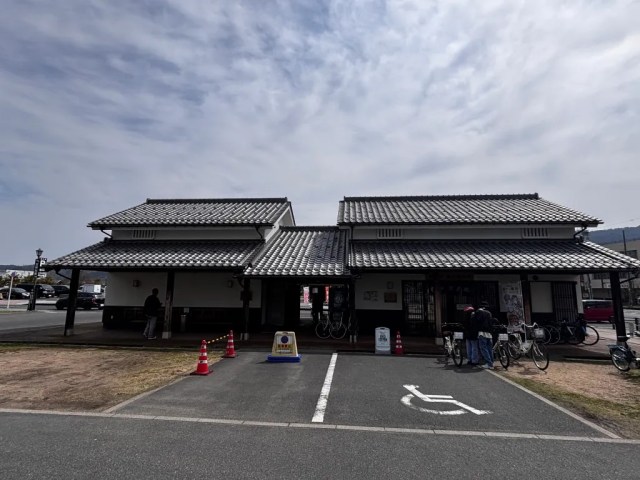
Yes, the building itself looks cool, but this one is primarily on the list because it offers a great vantage point for seeing Amanohashidate. Considered one of the three most beautiful views in Japan, Amanohashidate is pine tree-covered sandbar that stretches across Miyazu Bay and is supposed to look like a bridge climbing into the heavens, especially so if you bend over and view it through your legs so that it’s upside down.

▼ Susan and a friend in front of Amanohashidate
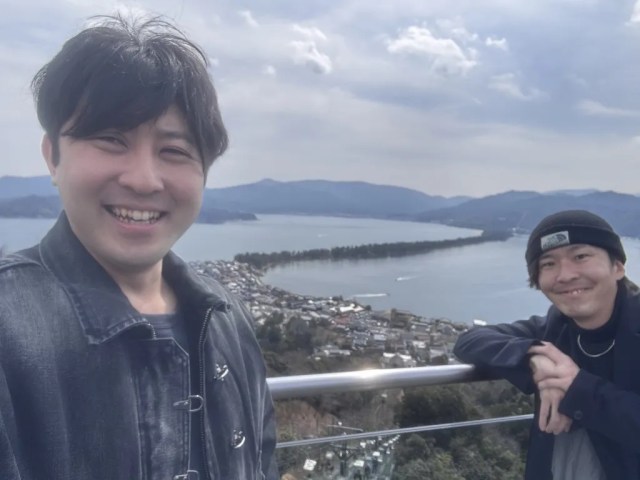
The road station here has an attached shop with local sake and other souvenirs, but the main appeal really is the view, so make this one a daytime visit.

7. Michi no Eki Tango Okoku Shoku no Miyako (Kyotango City)
Website
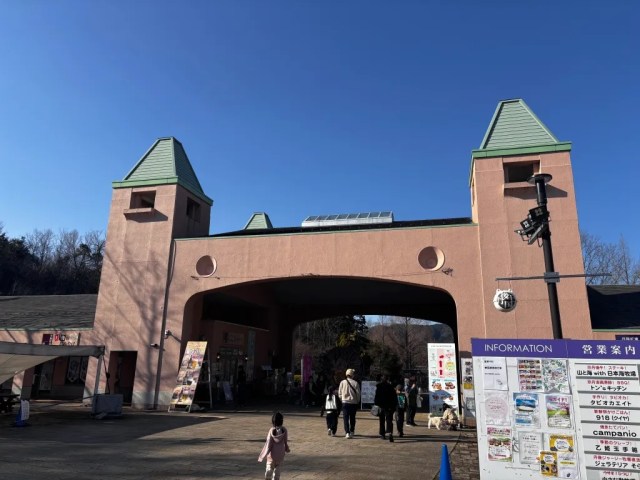
Shoku no Miyako translates to “Capital of Food,” and the scale of this road station certainly warrants that distinction, as its approximately eight times the size of Japan’s famed Koshien baseball stadium. Whether you’re in the mood for Kyoto Tanba Kurowagyu steak or wood-fired pizza, there are restaurants here that are happy to oblige, and big eaters will enjoy the noodle shop with all-you-can-eat udon.
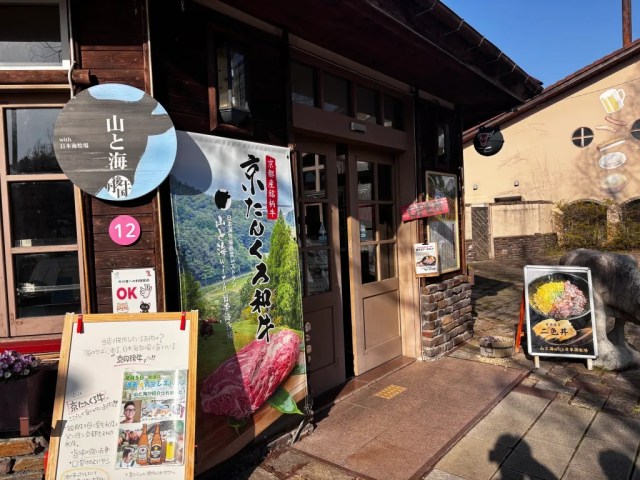
With so much to eat, you might want to have two meals here, and there are go-karts, a petting zoo, and even a hotel if you need something to do or somewhere to relax between chow-down sessions.

8. Michi no Eki Springs Hiyoshi (Nantan City)
Website
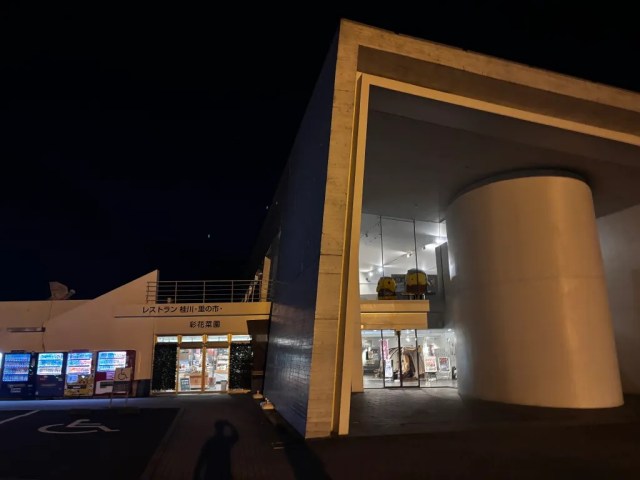
Aside from being valuable parts of public infrastructure, many dams in Japan have become tourist attractions in and of themselves. This road station is situated next to the Hiyoshi Dam, and fatures facilities such as an onsen hot spring bath, heated swimming pool, sauna, and outdoor BBQ spaces.
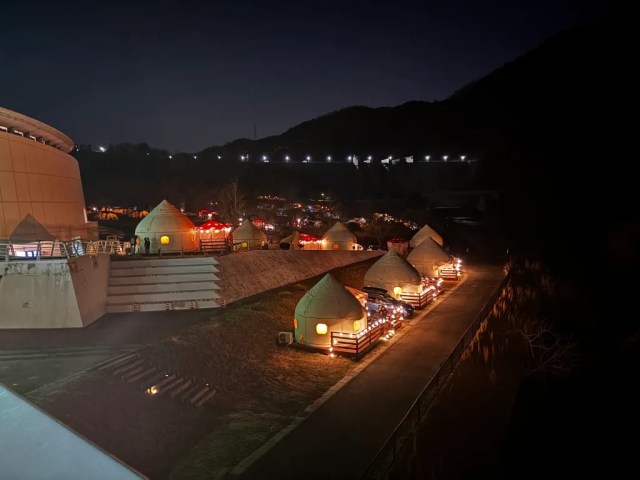
If you need provisions, the souvenir shop sells locally sourced mushrooms and eggs, and there’s even a campground with cottages for overnight guests.

9. Michi no Eki Kyoto Shinkoestumura (Nantan City)
Website
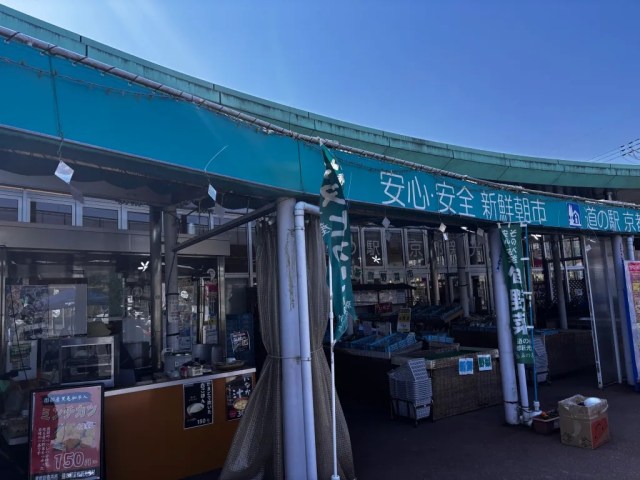
This road station is right off the Kyoto Jukan Expressway’s Sonobe Interchange, making it super-easy to access while driving across or around Kyoto Prefecture. Locally grown Onshin rice is the pride of the place, and aside from sacks of the rice itself you can taste it in the mochi rice cakes and senbei rice crackers sold in the souvenir shop.
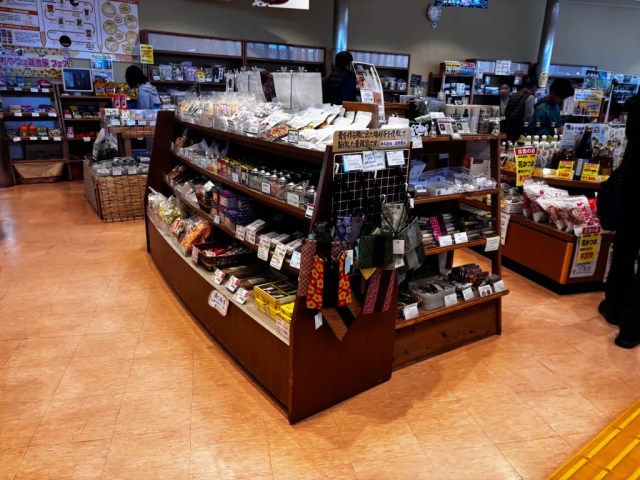
This michi no eki also has a good selection of nama yatsuhashi, Kyoto’s representative sweet treat of a folded triangle of soft mochi with sweet red bean paste inside. Granted, you can find nama yatsuhashi at plenty of other places in Kyoto, but this road station’s easy expressway access makes it a very convenient place to pick up an extra box or two on your way home.

10. Michi no Eki Maizuruko Toretore Center (Maizuru City)
Website
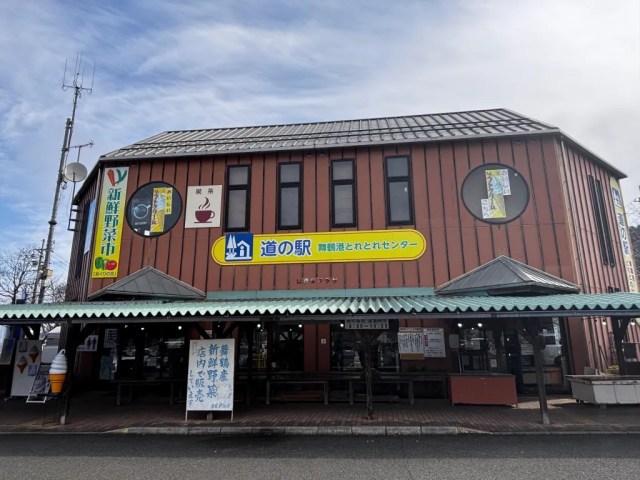
And last, we’re back on the north coast of Kyoto Prefecture to stop at Maizuru Port, one of the largest seafood markets along the Sea of Japan. As soon as you step inside, you’ll be surrounded by the bustling energy of merchants hawking fresh catches of fish, crab, and oysters, among other saltwater delicacies.
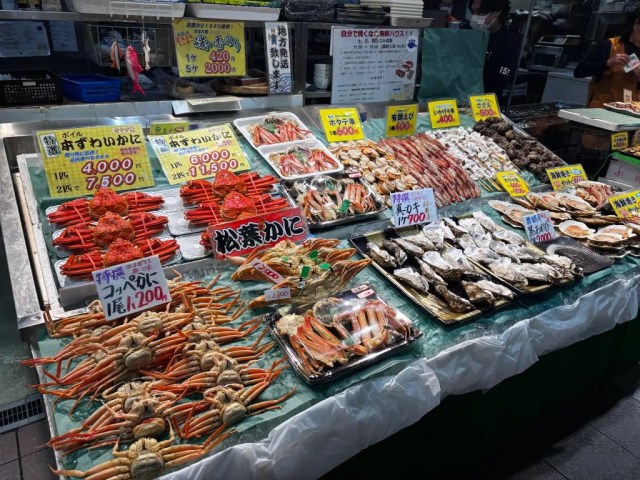
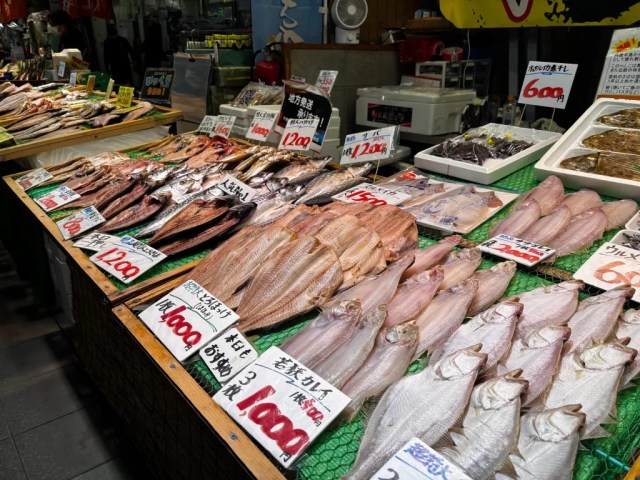
This is basically the Tsukiji of road stations, with delicious snow crab in winter, iwagaki oysters in summer, and buri (yellowtail) in autumn, no matter when you visit, you’ll find something great to eat.

Photos ©SoraNews24
● Want to hear about SoraNews24’s latest articles as soon as they’re published? Follow us on Facebook and Twitter!


Credit:

0 comments: