Japan has been tossing message-bearing coconuts into the ocean since the 1980s
21:13 cherishe 0 Comments

Only a tiny fraction of them ever get found, but that’s just part of the charm.

The southernmost islands of Japan and its mainland are separated by vast stretches of ocean, powerful currents, and clear cultural differences. However for nearly four decades, both Ishigaki in Okinawa and the Atsumi Peninsula in Aichi, two very distant places, have shared an unusual connection: a coconut.
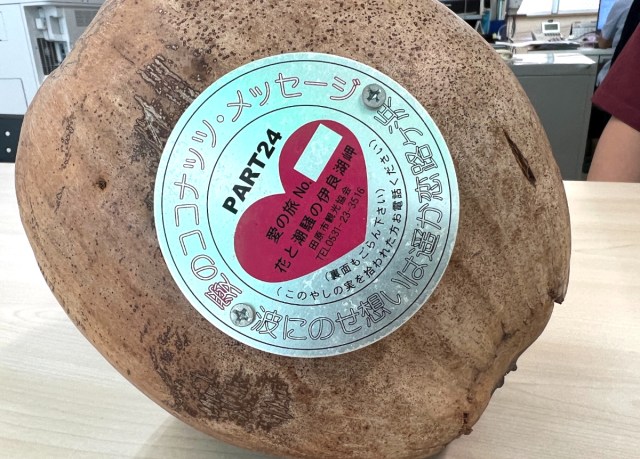
The Love Coconut Message project is an unusual tradition, where each year coconuts are lobbed into the ocean off the coast of Ishigaki and left to drift northward on the Kuroshio Current, a warm ocean current that flows from the tropics along Japan’s Pacific coast. The destination people hope the coconuts reach lies roughly 1,600 kilometers (1,000 miles) away.

The inspiration for the project came from a Japanese song released in 1936 called Yashi no Mi (“Fruit of the Palm Tree”).

▼ The coconut (“kokonattsu” in Japanese) is a type of palm fruit (“yashi no mi”), one of many, but for simplicity’s sake we’ll just use the term “coconut”.
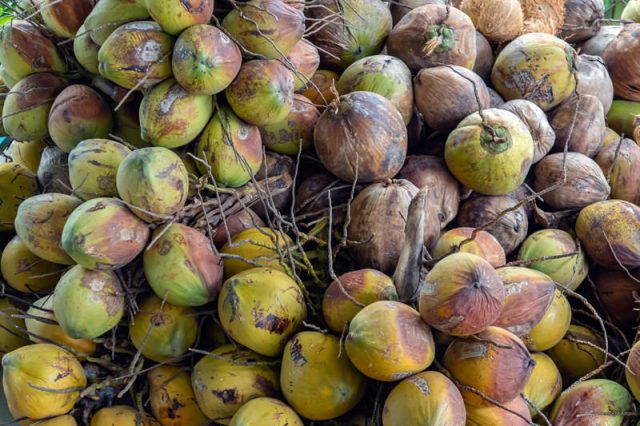
It’s a widely known song in Japan, commonly sung in elementary schools, with lyrics describing a lone coconut drifting ashore from a faraway, unnamed island.

The song itself was inspired by a real event: folklorist Kunio Yanagita found a coconut washed up at Cape Irago, on the western edge of the Atsumi Peninsula, back in 1898.

At that time, coconuts did not grow in mainland Japan, leading Yanagita to speculate that it had traveled north on the Kuroshio Current from the southern seas. He later shared this experience with his friend, a poet named Toson Shimazaki, who later transformed the story into verse, which then became the lyrics for the song.

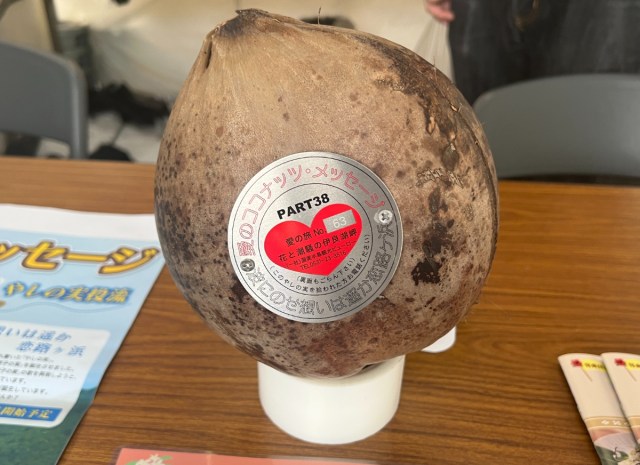
In 1988, the Atsumi Peninsula Tourism Bureau set out to recreate this poetic journey. Every year, coconuts fitted with small metal plates engraved with a short message are released offshore from Ishigaki. Participants, who are known as “coconut members”, purchase a coconut and imbue it with their thoughts of love, remembrance, hope, or curiosity.

Last May, back when we were visiting the Okinawa Fes Milafete in Tokyo, one of the largest Okinawa festivals in Eastern Japan, we stumbled across Ishigaki City Hall’s booth, which had one of these coconuts on display.
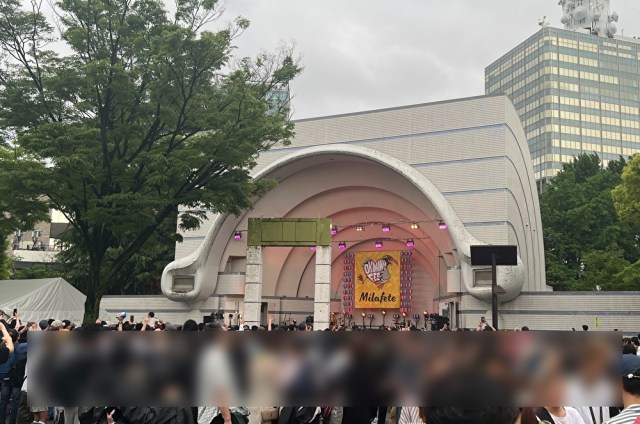
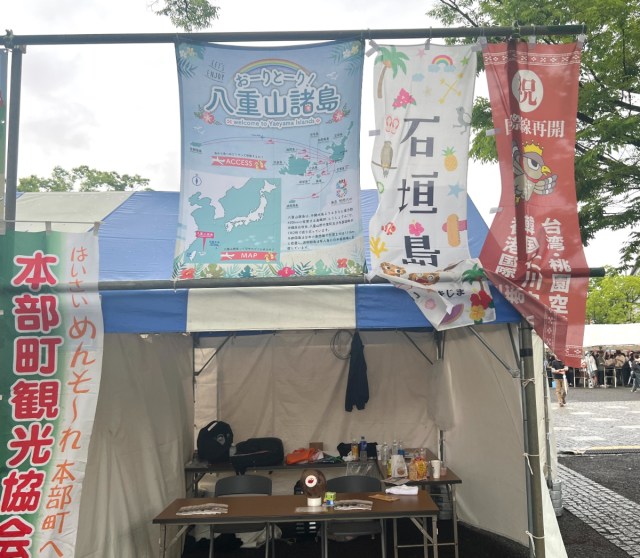
It was there we learned about this intriguing project, as well as the next release being planned for June 19, 2025.

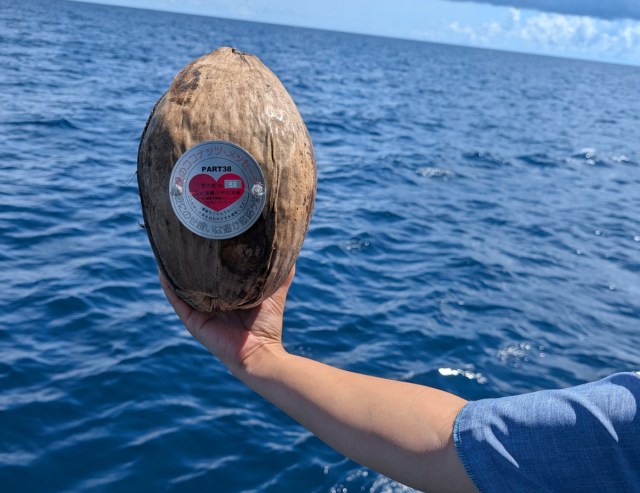
While we were not able to attend in person, the event staff sent us some photos that captured the moment of sending 100 coconuts on their own lengthy, Finding Nemo-esque journey.

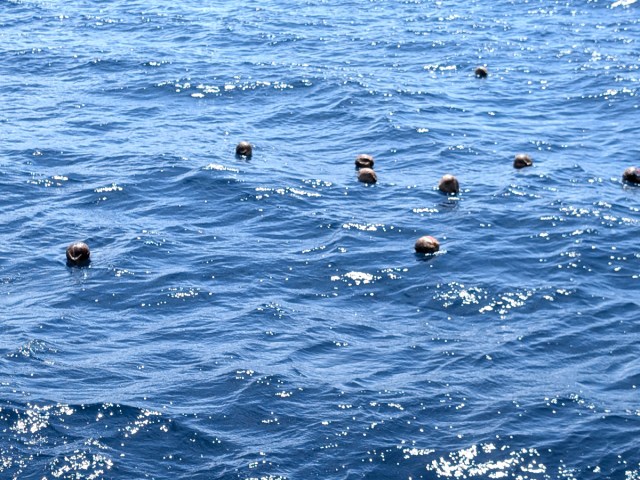
▼ Could these little coconuts really make it to their hoped-for destination?
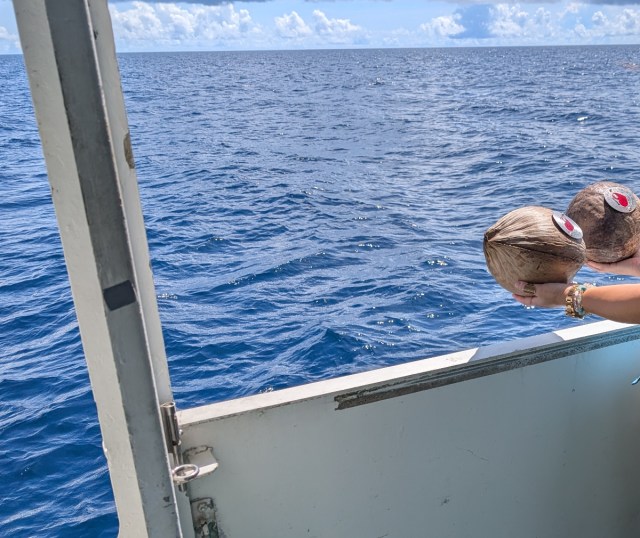
Over the previous 37 years of the event, more than 3,800 coconuts have been released, yet only 156 have ever been found and reported, and just a handful have reached the Atsumi Peninsula itself.

When a coconut is discovered, the finder contacts the tourism bureau, and in rare cases, both the finder and the coconut member that sent it on its journey are invited to meet at Cape Irago, near Koijigahama, the beach associated with the song.

In October 2025, we had a chance to visit Ishigaki and checked in with the person we talked to at the festival to find out the results.

By the end of October, a total of six coconuts had been confirmed as having washed ashore.
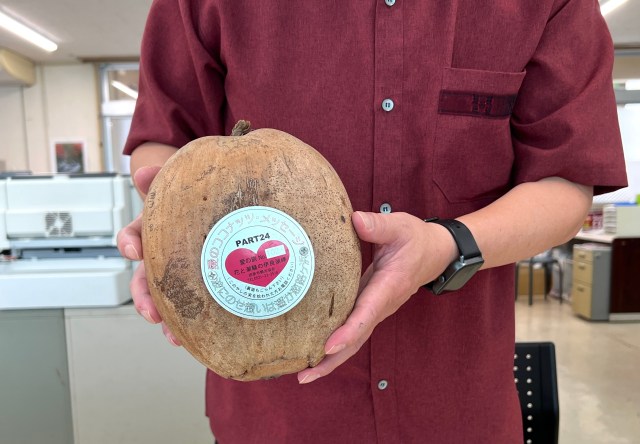
According to a report from the Atsumi Peninsula Tourism Bureau, the locations and dates of discovery were:

No. 45: July 28, Futami Fishing Port, Shimanto, Kochi
No. 38: August 1, Hayami Coast, Hiji, Hayami, Oita
No. 18: August 4, Uchinoura Fishing Port, Kimotsuki, Kagoshima
No. 24: August 5, Odotsu Coast, Nichinan, Miyazaki
No. 21: August 12, Okura Coast, Akashi, Hyogo
No. 20: August 16, Shinjo, Tarumizu, Kagoshima

While it’s a little disappointing that none of them reached the Atsumi Peninsula this time, six out of a hundred is actually quite a miraculous feat given how wide Japan’s Pacific coastline is, and factoring in the odds of someone actually discovering one and reporting the find. Now, the recovered coconuts are on display at the Atsumi Peninsula Tourism Bureau in Tahara, Aichi.
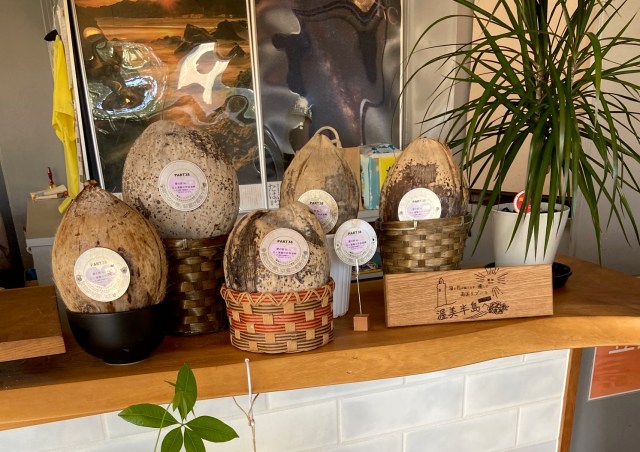
To some, the idea of sending a coconut out to sea might seem absurd, but many of the participants are repeaters who look forward to the day every year. For these people, it’s a romantic project that uses the power of nature to connect distant lands. If it sounds like something you’d want to take part in, you’ll need to contact the Atsumi Peninsula Tourism Bureau when applications open later this year, although the date is yet to be announced. Using last year’s information as a reference, you will need to send an email to them by the deadline and it will cost 3,000 yen (US$19.56) for a coconut. If the coconut is found by the end of October, you will be invited to go to Cape Irago to meet your fated coconut finder.

Even if you don’t want to join in the fun this year by throwing in a coconut of your very own, keep your eyes peeled whenever you walk along the coast, because you just might spot a little love coconut riding the waves.

Related: Ishigaki City Tourism Association, Atsumi Peninsula Tourism Bureau, Okinawa Fes Milafete
Top image: ©SoraNews24
Insert images: Pakutaso
Insert photos: ©SoraNews24

● Want to hear about SoraNews24’s latest articles as soon as they’re published? Follow us on Facebook and Twitter!


Credit:
0 comments:

Why you should visit Shizuoka, the green tea oasis in the middle of Japan’s golden route

17:13 cherishe 0 Comments

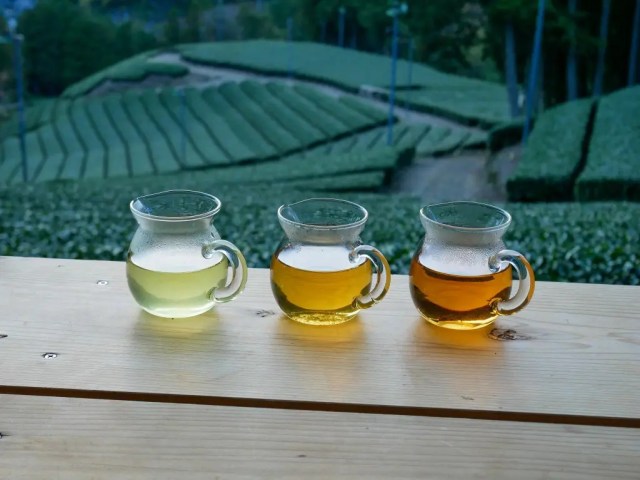
While you’re rushing between Tokyo and Kyoto, don’t forget to take some time to stop and sip the tea.

Located about halfway between Tokyo and Kyoto, Shizuoka Prefecture is a part of Japan that a lot of travelers zip right past on the bullet train. However, while Shizuoka can’t match the glamour and glitz of Japan’s current and former capital cities, it’s still a great place to get off the Shinkansen and get a taste of the charms of Japanese-style slow life with a cup of tea.

We’re not speaking metaphorically about the tea, either. Not only does Shizuoka grow more green tea than any other prefecture in the east half of Japan, its tea is praised for its high quality and delicious flavor too. Shizuoka offers visitors a variety of ways to experience the flavor and cultural significance of green tea, and we recently participated in a press tour that took us to four sites neither we or our taste buds will forget anytime soon.

● Sunpu Castle Park Momijiyama Garden
Website

Around five minutes north of Shizuoka Station by car, or 25 minutes on foot if you’re feeling energetic, is Sunpu Castle Park, which will immediately catch your eye because, well, it has a castle in it, and castles are always awesome.

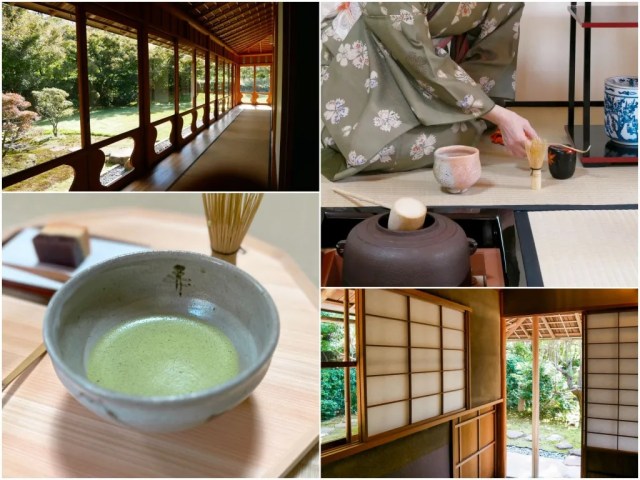
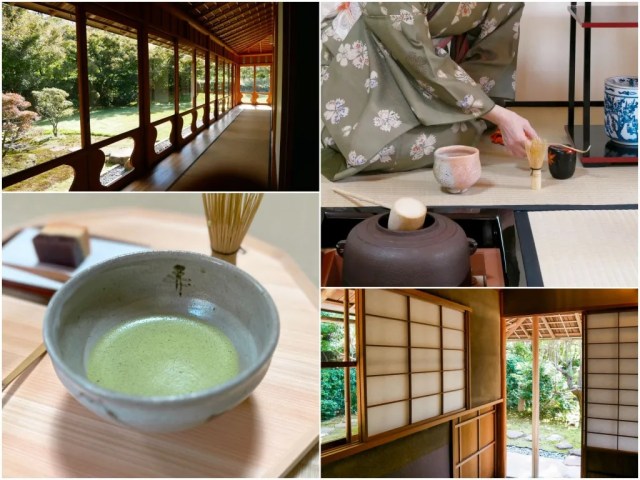
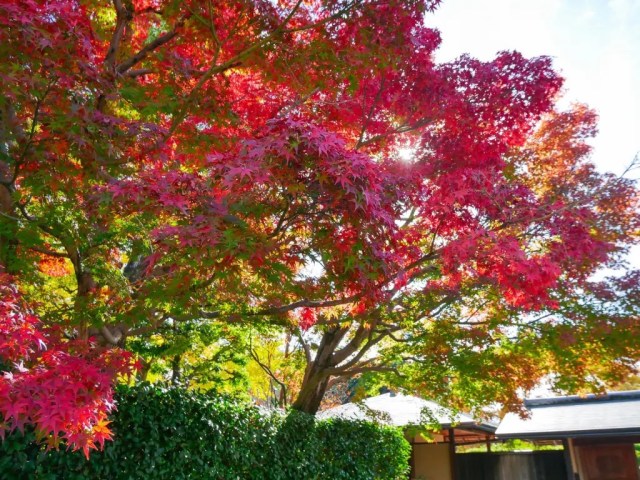
There is, however, another very compelling reason to head here. Located within the park is the Momijiyama Garden, and within that is an absolutely beautiful traditional teahouse, called Momiji-tei, with views looking out at the surrounding greenery (or red-ery, if you visit during the fall when the nearby maple trees are changing colors).

At Momiji-tei, the expert staff will prepare a bowl of matcha for you, and also teach you how to perform the process yourself. During our visit, we were served Abe no Hana, a variety of locally grown matcha so exquisite that it was the official tea supplied to the Tokugawa shogunate that ruled Japan for nearly three centuries. Even if you’re a complete matcha newbie, between the elegant atmosphere, the kind, polished manner of the staff, and, of course, the delicious tea, you’ll feel like an exalted guest while relaxing here.

● Shitajimaen tea farm
Website, Instagram

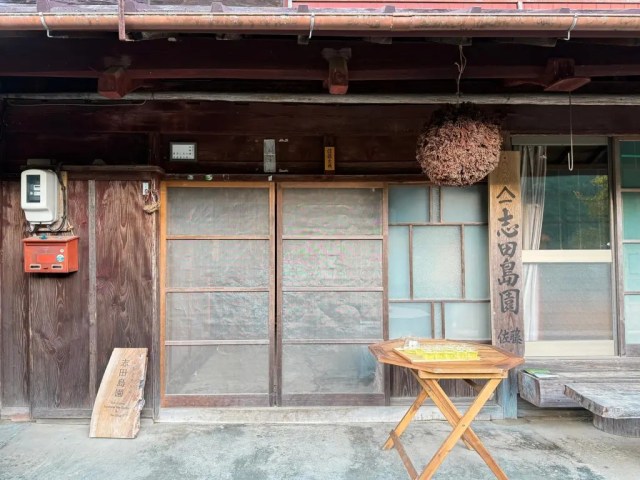
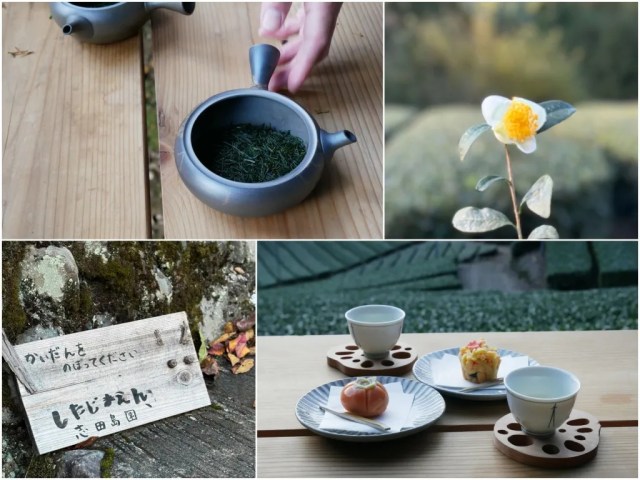
Of course, before we can drink green tea, it has to be grown, and wanting to see that part of the farm-to-cup story brought us to Shitajimaen, a family-run tea farm about 45 minutes north of Shizuoka Station (though just a quick five-minute walk from the Kawajima bus station, making it easily accessible even for travelers without their own car). And when we say it’s a family-run farm, we’re not just talking about someplace that the current managers took over from their parents, as Shitajimaen has been in the family’s hands for 16 generations and counting. The Sato family even still lives on the farm, with their house on a piece of property surrounded by their tea fields.

In addition to growing, harvesting, processing, and directly selling their tea, the Sato family also offers tours of the fields and tea-harvesting experience activities, and you can get a cup of tea and some traditional Japanese sweets to sip and nibble on as you look out on the views of bucolic beauty, like we did as the late afternoon sun started to dip towards the horizon and filled us with cozy vibes.

Bear in mind, though, that the Sato family, who also volunteer at elementary schools in the community to teach kids about tea and tea culture, have a pretty active calendar, so they recommend checking the farm’s Instagram account to see what sort of events are lined up.

● Suruga-noon Tea
Project website, Gashoan website

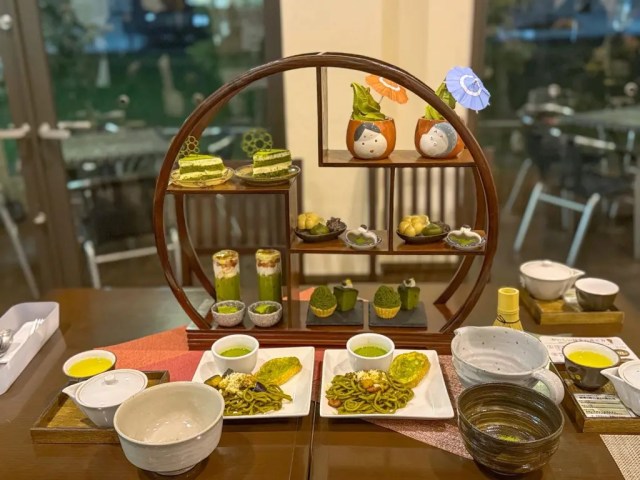
Suruga-noon Tea is not to be confused, but definitely is to be mentally associated, with “afternoon tea.” Suruga is the old name for the Shizuoka region, and Suruga-noon Tea is a collaborative project (going on until the end of February) in which dozens of cafes and restaurants in the prefecture are offering special afternoon tea sets that make use of Shizuoka-grown green tea for sweet and savory light fare to be paired with cups of the tea itself.

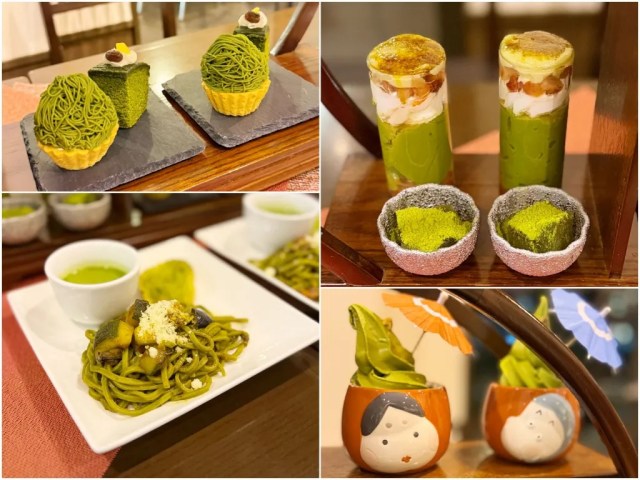
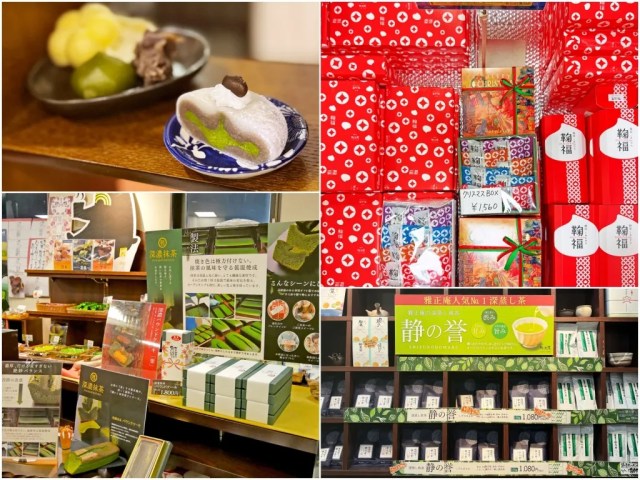
With so many options to mull over, choosing just one is a difficult choice but we were thoroughly satisfied with our Suruga-noon Tea at the Chiyoda branch of the cafe run by confectionary maker Gashoan, where our two-person, 5,000-yen (US$32) set was a variety of very verdant delicacies, including such innovations as a matcha potage soup and welcomingly familiar favorites like rich green tea ice cream. The sweets were so good that, without hesitation, we picked up another box to take home with us from the attached souvenir shop.

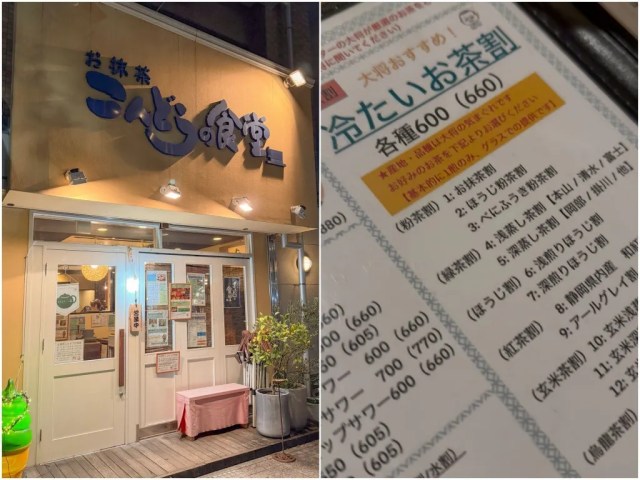
● Omatcha Kondo no Shokudo
Website

With a lot of Shizuoka’s attractions being daylight-hours kinds of places, you might not feel the need to stay overnight. So if you’re feeling hungry as you head back towards the station, and want one last unique matcha experience before you leave town, Omatcha Kondo no Shokudo is waiting.

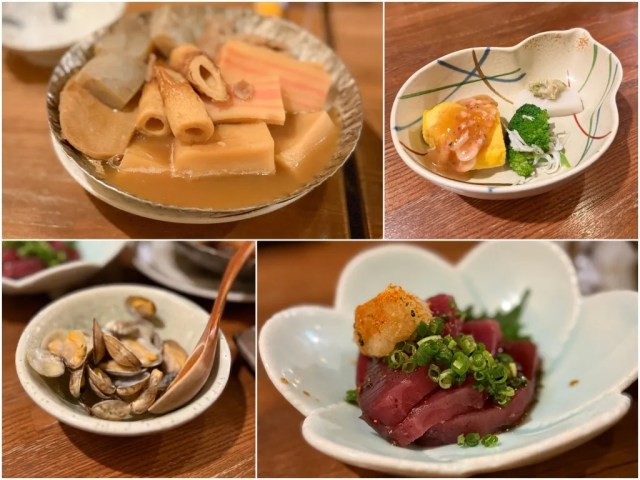
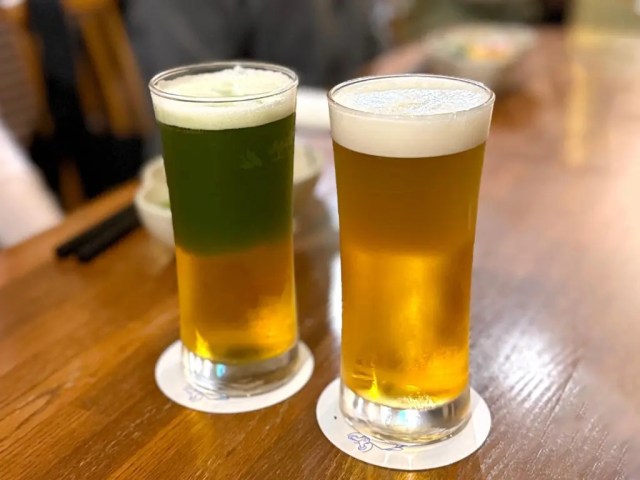
A casual Japanese restaurant located 10 minutes on foot from Shizuoka Station, Omatcha Kondo no Shokudo offers classic Japanese pub side dishes like sashimi and oden, but their licensed green tea instructor bartender can also pour you a matcha shot beer. Hojicha (roasted green tea) shot beers are also on the menu, with the addition of matcha making for a smooth, refreshing flavor profile and the hojicha adding richness that approaches that of a stout.

It’s only 75 minutes from Tokyo to Shizuoka by bullet train, and just a little more, 90 minutes, from Kyoto to Shizuoka, So if you’re traveling along Japan’s golden route, don’t forget about the green tea oasis in the middle of it.

Related: Shizuoka City official tourism website
Photos ©SoraNews24

● Want to hear about SoraNews24’s latest articles as soon as they’re published? Follow us on Facebook and Twitter!


Credit:
0 comments:

Japanese movie theater chain’s popcorn earns highest Grand Prix quality certification

06:13 cherishe 0 Comments

Star-studded popcorn for star-studded movies.

The food offered at movie theaters is often best described as “serviceable” and basically in line with candy and other junk food you can find in most stores. But perhaps when paying such a high price for something as traditionally mediocre as popcorn and soda, we hastily overlook the true effort that goes into making it.

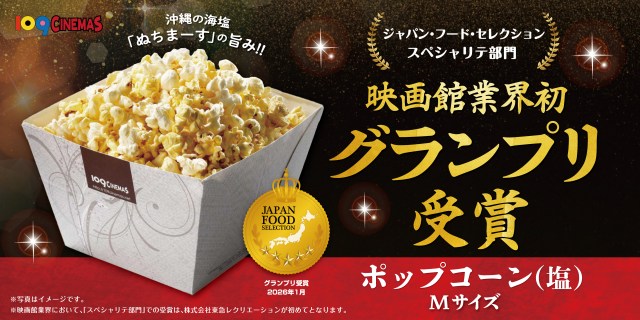
Japanese movie theater chain 109 Cinemas appeared to feel that way and submitted their popcorn to the Japan Food Selection panel of some 23,000 certified food analysts for an impartial evaluation. As a result, their Popcorn (Salted) M Size became the first-ever food sold in a movie theater to win the coveted Japan Food Selection Grand Prix, by getting an average score of over 90 out of 100 by the analysts.

Popcorn (Salted) M Size sells for 550 yen (US$3.60) at all 109 Cinema locations across Japan, and is made with carefully selected “Platinum” quality kernels imported from Preferred Popcorn in Nebraska, USA. It is then seasoned with Nuchi Masu salt from Okinawa. This salt is said to have 25 percent less salt than regular table salt, which sounds weird but is because other minerals are blended in as well. For example, Nuchi Masu has around 200 times the magnesium of regular salt.

Despite the health benefits, it was chosen for this popcorn due to its ability to enhance each kernel’s natural sweetness just the right way.

▼ Come for the popcorn, stay for the IMAX.

Scoring by the Japan Food Selection considers a food from four different aspects. First, its flavor, aroma, and texture are evaluated. Then, its ability to appeal to the sensibilities of Japanese consumers in particular is taken into account. After that, its marketability is considered in terms of its pricing, backstory, and brand image. Finally, matters of quality control and safety are included in the overall score.

According to the judges’ evaluations, the popcorn’s crispy and light texture was praised, along with the way the salt brought out its inherent sweetness for a flavor profile that people wouldn’t get tired of and could enjoy throughout even the longest of Avatar sequels. They also felt the quality of ingredients justified the price and determined that strict quality control was in place.

Although they didn’t say it, I have to think Popcorn (Salted) M Size lost points on the name. Granted, it does tell you exactly what you’re going to get, but would it kill them to add a little razzmatazz? This is show business after all.

Still, it’s good to know you’re getting some prime popcorn when visiting a 109 Cinema near you to watch the latest record-breaking Demon Slayer film.

Source: PR Times, Japan Food Selection, Nihon Mono
Images: PR Times
● Want to hear about SoraNews24’s latest articles as soon as they’re published? Follow us on Facebook and Twitter!


Credit:
0 comments:

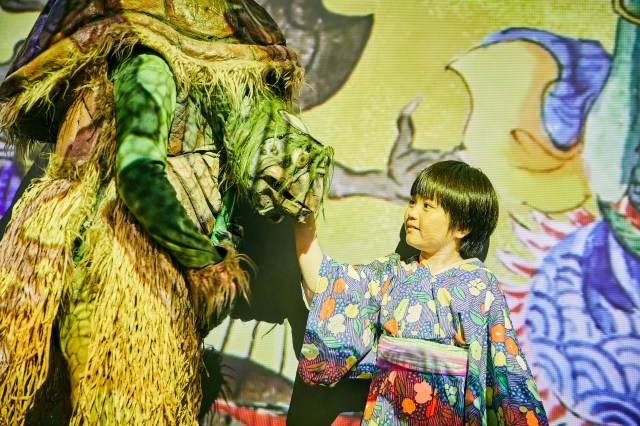
Yokai are descending upon Tokyo this spring in the latest immersive art experience

21:13 cherishe 0 Comments

From ghostly processions to playful monsters, this exhibition shows off the charm of Japan’s folklore with modern visual technology.

Japanese yokai spirits live in an interesting realm that blends eerie and endearing, as some of them can be terrifying monsters, but others are cute little troublemakers and pranksters. Despite their long history, yokai still maintain a certain presence within Japan’s cultural landscape, and continue to receive representations throughout modern entertainment and media.

▼ Those little scamps.

Following a successful run in Nagoya last summer, the Yokai Immersive Experience Exhibition gets a new stage in Tokyo this spring, from March 27, 2026 to June 28, 2026.

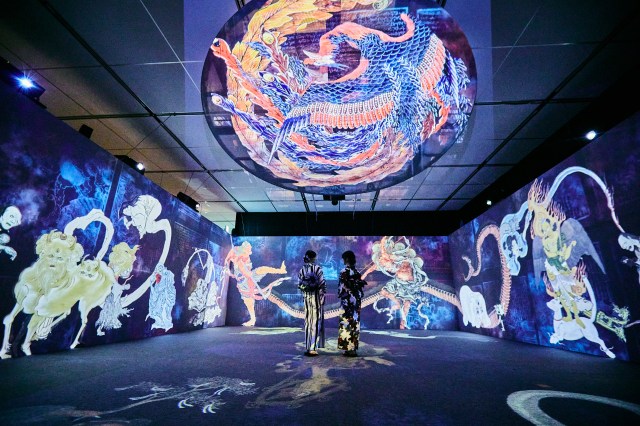
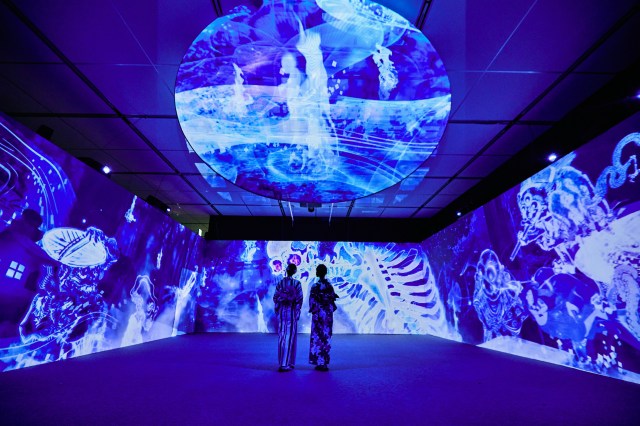
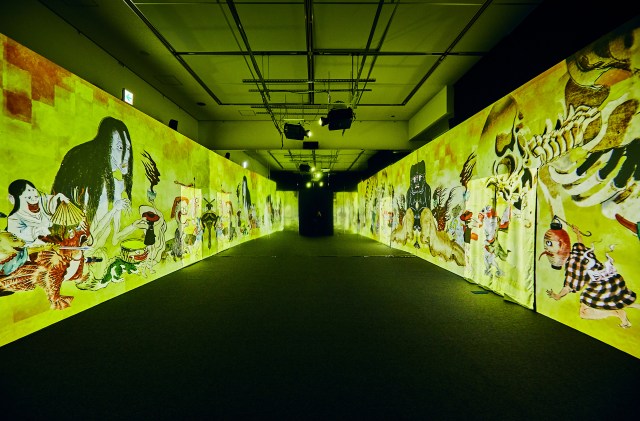
Hosted in Tokyo’s Tennozu area, the Hitohata-produced exhibition uses 3-D CG, projection mapping, and holographic screens the company is most known for to breathe motion into classic images of yokai.

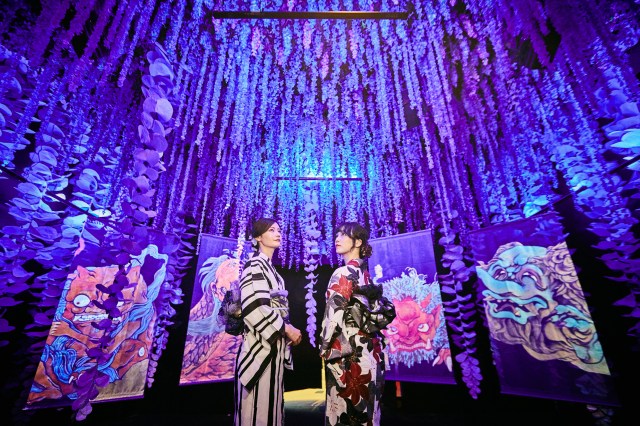
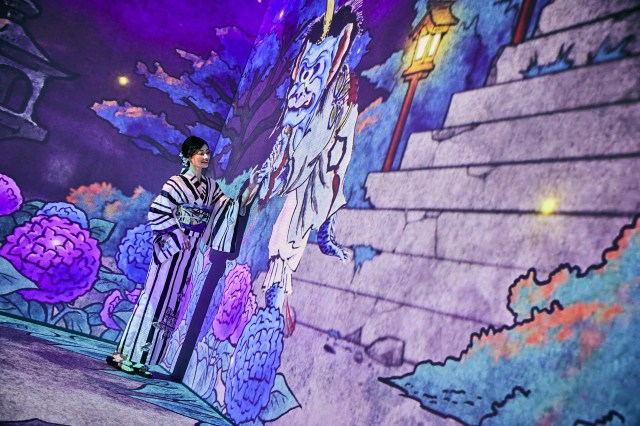
Unlike traditional museums, this museum encourages visitor participation, where you can take photos and videos alongside the animated yokai, or find yourselves surrounded by supernatural processions moving along the walls and floors.

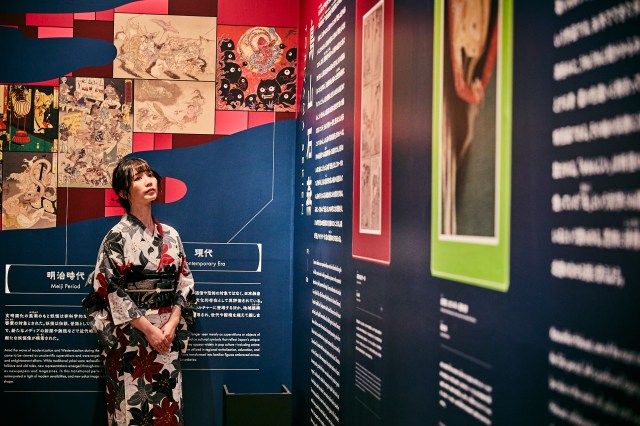
The entire experience is designed to be intuitive and mostly non-verbal, making it easy to enjoy regardless of age or language ability, and when there is text to read, it is offered in both Japanese and English.

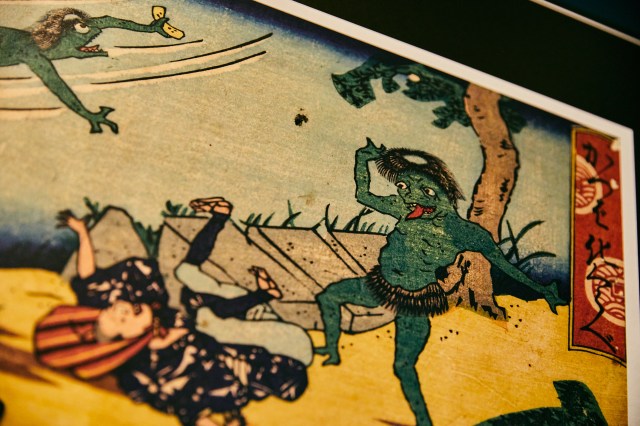
With cooperation from the Nishio City Iwase Bunko LIbrary, Japan’s first rare book museum, and the Yokai Art Museum on Shodoshima, the exhibition provides insight into how yokai such as the long-nosed tengu or the shapeshifting, many-tailed fox spirits developed from myth and superstition to become enduring cultural figures. Original ukiyo-e prints by famous artists such as Utagawa Kuniyoshi are on display, alongside famous themes such as the chaotic nighttime parade of spirits, the Hyakki Yagyo, and the candle-lit storytelling tradition of Hyaku Monogatari Kaidankai.

▼ There are some centuries-old images of kappa, the soul-stealing river demons.

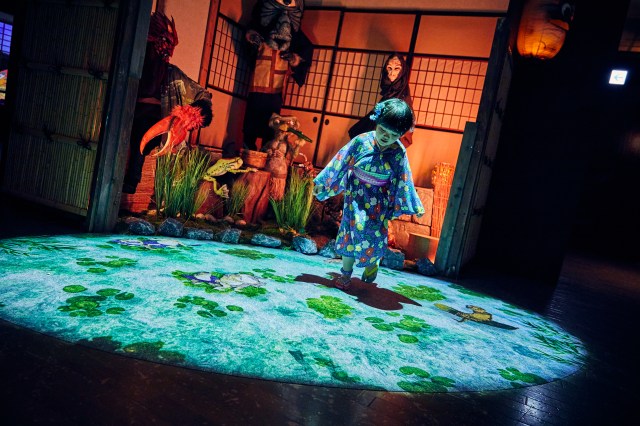
Adding another layer of immersion to the mix are carefully crafted three-dimensional sculptures that allow visitors to encounter yokai up close.

From playful to imposing, these physical forms highlight expressive details and textures that digital projections are not able to capture.

Tickets are being sold in advance at 2,400 yen (US$15.70) for adults up until March 26, the day before the exhibition starts, whereafter the price will go up to 2,600 yen. Advance tickets can be bought online, through sites like Rakuten Travel and KKDay, or by using 7-Eleven (P-code: 995-884), Lawson/Ministop (L-code: 33418), and Family Mart machines (search by event name), and same-day tickets can also be bought on-site, but the venue’s vending machines only accept payment by cash.

▼ If you’re still undecided, check out the promotional video from the Nagoya exhibition to discover why you should definitely head over and have a look.

The event is designed for everyone, from curious kids to folklore-loving adults, so if you’re ready to be fascinated by the fantastical world of the yokai, it might be time to pay them a visit in their full animated splendor.

Event information
Ugokidasu Yokai-ten Tokyo ~Imagination of Japan~ / 動き出す妖怪展 TOKYO 〜Imagination of Japan〜
Address: Tokyo-to, Shinagawa-ku, Higashi Shinagawa 2-6-4 Terada Soko G1 Biru
東京都品川区東品川2-6-4 寺田倉庫 G1ビル
Open: 9:30 a.m.–8:00 p.m. (last entry 7:30 p.m.)
Website

Related: Rakuten Travel Online Ticket, KKDay Online Ticket
Source, images: PR Times
● Want to hear about SoraNews24’s latest articles as soon as they’re published? Follow us on Facebook and Twitter!


Credit:
0 comments:

420 million yen in cash-filled suitcases stolen on Tokyo streets, incidents at Haneda and Hong Kong follow

17:13 cherishe 0 Comments

Three robbery attempts, all connected to Hong Kong currency exchange, take place within 14 hours of each other.

Even in our modern world of credit cards, digital bank transfers, and cashless payment apps, it’s still advisable to have some cash on you when you’re out and about, just in case there’s any sort of glitch or other problem occurring within the necessary technological infrastructure. Of course, you don’t want to carry too much cash around, as physical currency comes with the inherent risk that it could get lost, damaged, or stolen.

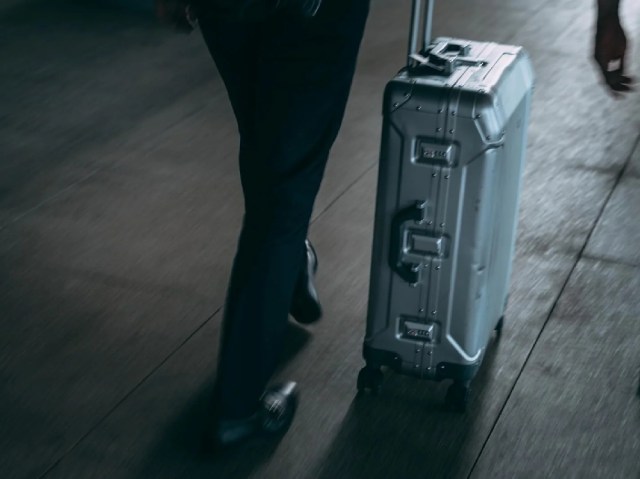
How much cash is too much? That’s a question that everyone will have their own individual answer to, but I think most of us would agree that it’s wise to draw the line somewhere far, far below 420 million yen (approximately US$2.7 million). But it turns out that there are at least five people in the world who think that’s an acceptable amount to stuff into suitcases and then start loading into the trunk of a car parked on an unsecured Tokyo street. Unfortunately for them, they’re also five people who got robbed.

The incident occurred in downtown Tokyo’s Ueno neighborhood, about 200 meters (656 feet) from Okachimachi Station, on the night of January 29. At around 9:30 p.m., a group of two Japanese men, two Chinese men, and one Japanese women were loading the cash-filled suitcases into the back of a car when they were approached by a group of three robbers who sprayed them with pepper spray, grabbed the suitcases, and escaped in their own vehicle.

▼ A reenactment of the attack

A hit-and-run accident was reported nearby shortly after, and an abandoned car was found by the police farther down the street, but neither the thieves or the stolen money have been located.

When asked what they were doing with so much cash, the five robbery victims said that they work as speculative money exchangers, and were planning to drive the cash to Tokyo’s Haneda airport and from there fly it to Hong Kong to sell.

Speaking of Haneda, just a few hours later, at around 12:10 a.m. on January 30, a Japanese man in his 50s was getting out of a car in Parking Lot #5 for Haneda Airport’s Terminal 3. His colleague had driven him there, and after he exited the vehicle and began removing his suitcase, another car pulled into the spot next to him, with three men inside. “Hey, what are you up to?” one of the men called out through a lowered window, and when the 50-something man looked over to see who was talking to him, the man in the second car sprayed him with pepper spray while another man began striking the first car’s windshield with a hammer. This was all part of an attempt to steal the 50-something man’s suitcase, inside of which he had 190 million yen in cash.

▼ A reenactment of the second attack can be seen at the point in the video queued up here.

The 50-something man was able to resist the attackers, and they drove off without successfully taking anything from him. Though this man wasn’t present at the robbery that took place in Ueno, when interviewed by the police about the incident, he had the same explanation for why he was carrying around so much cash: he’s a currency speculator who was headed to Hong Kong to sell yen.

At this point, you’d think that anyone involved in such ventures would take a moment to reconsider their career path, or at least take some steps to bolster their personal security. And yet, less than 12 hours later two Japanese men who were carrying around large sums of yen were once again targeted by criminals. This third robbery didn’t take place in Tokyo, though. Any guesses as to where it happened?

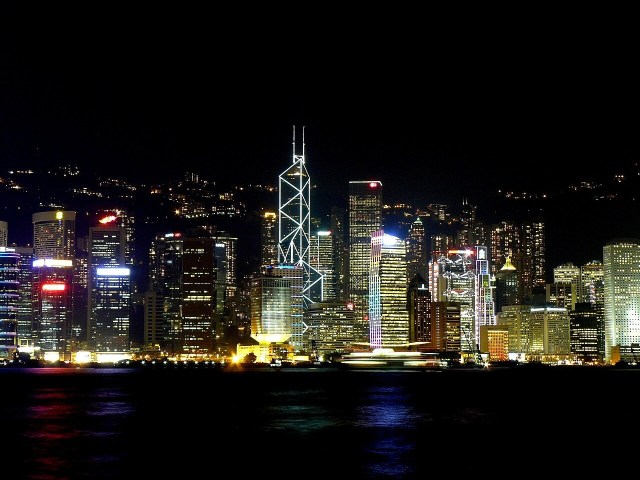
That’s right, Hong Kong. At around 9:45 a.m. local time on January 30, or 10:45 a.m. of the same day in Japan, two Japanese men got out of a taxi in Hong Kong’s Sheung Wan neighborhood, each with a backpack and one with a suitcase. They were quickly set upon by two other men who stole one of the men’s backpacks, which had roughly 58 million yen in cash inside, and then escaped by car.

Though none of the victims’ names in any of the incidents have been publicly released, the Hong Kong police said that one of the Sheung Wan victims is a 51-year-old Japanese man who had just arrived in Hong Kong that morning, and who was in Sheung Wan for an appointment with a currency exchange shop to sell a large quantity of yen. As for the suitcase and second backpack that weren’t stolen, those two contained yen, with the victims saying that total amount of cash that they’d had on them was 190 million yen. So barring an unbelievable coincidence of two unrelated 50-something Japanese men flying to Hong Kong on the exact same day to sell the exact same amount of yen, it seems pretty safe to say that the same guy got attacked at Haneda Airport, flew to Hong Kong, and then almost immediately got successfully robbed.

Look, as someone whose finances are decidedly more in the realm of “I gotta go to Daiso to get a cheap coin pouch for my 1-yen coins” than “Man, I got so much cash I gotta start stuffing it into suitcases!”, I’ll admit to not having any personal experience in transferring and transporting such large sums of money. That said, things like armored cars and bodyguard services exist for a reason, and seem like the sort of things a legitimate, above-ground business would contract for instead of saying “Hey, Tanaka, I know you just got pepper-sprayed in the face, but go ahead and carry this backpack full of money around town. Don’t get robbed though, ’kay?” Perhaps, for whatever reason, the currency speculators felt it was in their best interest to try to fly under the radar by transporting the money in the manner of regular luggage. Still, and to be fair, I’m not a detective, it seems like maybe, just maybe, there’s a leak somewhere in their communications pipelines that’s vulnerable to exploitation by criminals, so they might want to look into that, especially with Okachimachi not necessarily being the safest part of Tokyo to begin with.

So far only one arrest has been made, by the Hong Kong police for a Hong Kong resident suspected to have been involved in the Sheung Wan robbery. The investigations of all three incidents are still ongoing, with the police attempting to establish concrete connections between them.

Source: TBS News Dig (1, 2), TV Asahi, Yomiuri Shimbun (1, 2), Tokyo Shimbun, South China Morning Post, YouTube/ANNnewsCH
Top image: Pakutaso
Insert image: Wikipedia/File Upload Bot (Magnus Manske)
● Want to hear about SoraNews24’s latest articles as soon as they’re published? Follow us on Facebook and Twitter!


Credit:
0 comments:

Japan’s suicides fall to lowest recorded number ever, but one demographic hits all-time high

08:13 cherishe 0 Comments

Statistics show overall situation is improving, but some at-risk individuals need more help than ever.

Japan’s Ministry of Health, Labor and Welfare has released the preliminary results of its annual study of suicides in Japan, with a mix of heartening and heartbreaking statistics.

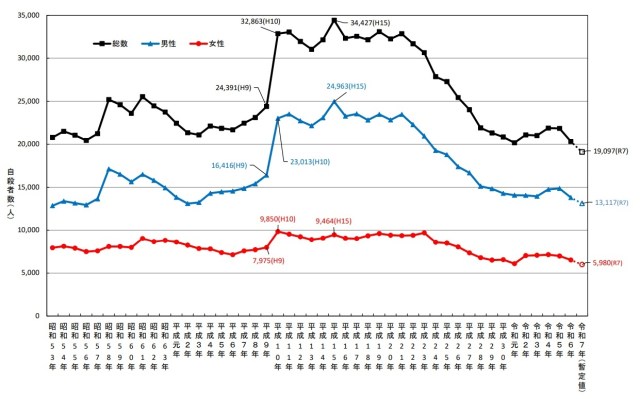
Let’s start with the good news. During 2025, the number of suicides in Japan dropped to 19,097. Not only do the 1,223 fewer suicides represent a six-percent decrease from the previous year, this is the first time for Japan’s annual suicide total to be less than 20,000 since official statistics began being recorded in 1978. The 13,117 male suicides in 2025 were approximately 5 percent fewer than in 2024, and female suicides decreased 8.3 percent, to 5,980.

By age group, people in their 50s accounted for the largest number of suicides (3,732), followed by those in their 40s (2,951). Men in their 50s (2,696) were the largest age/gender demographic, but the total number of suicides decreased for all adult age groups in 2025. When examining factors that had contributed to people taking their own lives, health issues were found to be a much less common issue in 2025, determined to be a cause in 736 fewer cases, 6.1 percent fewer than in 2024.

However, sifting through the data discussed so far, two things quickly stand out. Let’s start with the question of whether a smaller number of suicides taking place in 2025 really means suicide is becoming less common in Japan. Japan’s population, famously, is shrinking, so, morbid as it may be to explicitly consider, are the fewer suicides a product of Japan simply having fewer people who could end their own lives?

Thankfully, this isn’t what’s happening. In 2025, Japan had 15.4 suicides per 100,000 residents, down from 16.4 in 2024 and 17.6 in 2023. 15.4 suicides per 100,000 people is the lowest rate ever recorded, and a reduction of almost 25 percent from the rate of 20.0 in 2014. The by-gender number of suicides for men and women also fell in 2025, each for the third year in a row, and looking at the year-by-year chart, we can see fairly steady declines over the past decade, with current levels having fallen to below what they were in the late 1970s/early 1980s, when Japan’s population was even smaller than it is now.

▼ Chart showing annual suicides (black: total, blue: men, red: women) by year from 1978 (昭和53) to 2025 (令和7)

However, there’s one more unsettling wrinkle to the statistics, which is that part about how the number of suicides fell in 2025 for every adult age group. The number of suicides among elementary, middle, and high school students increased in 2025, to 532. Though this is only three more than in 2024, it’s the largest number of suicides ever recorded for that age group, and the second year in a row for a new all-time high. Last year, the Diet, Japan’s parliament, approved a revision to the Basic Law on Suicide Prevention that calls on the Children and Families Agency, schools, medical institutions, and local municipalities to more actively address and prevent child suicides, and with the bill going into effect this April, hopefully suicide rates in Japan will fall for all age groups, including children, in 2026.

If you or someone you know is in Japan and having suicidal thoughts, there are people here to help. Click here for more info.

Source: Ministry of Health, Labor and Welfare, Jiji via Hachima Kiko, Jiji (2)
Top image: Pakutaso
Insert images: Ministry of Health, Labor and Welfare
● Want to hear about SoraNews24’s latest articles as soon as they’re published? Follow us on Facebook and Twitter!


Credit:
0 comments:

New Studio Ghibli stamps leave an impression on your stationery…and your heart

19:13 cherishe 0 Comments

Dress up notebooks and sticky notes with memorable anime scenes from Japan.

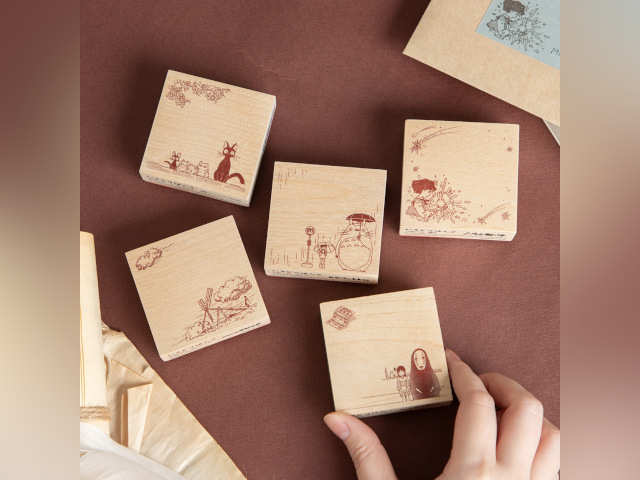
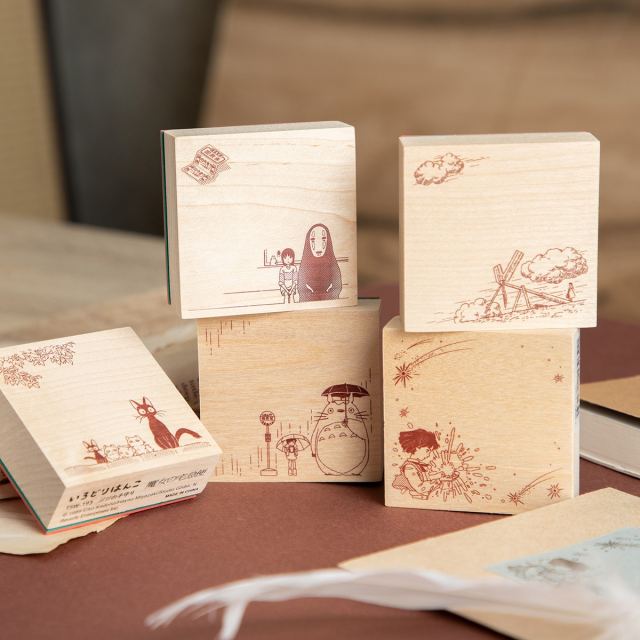
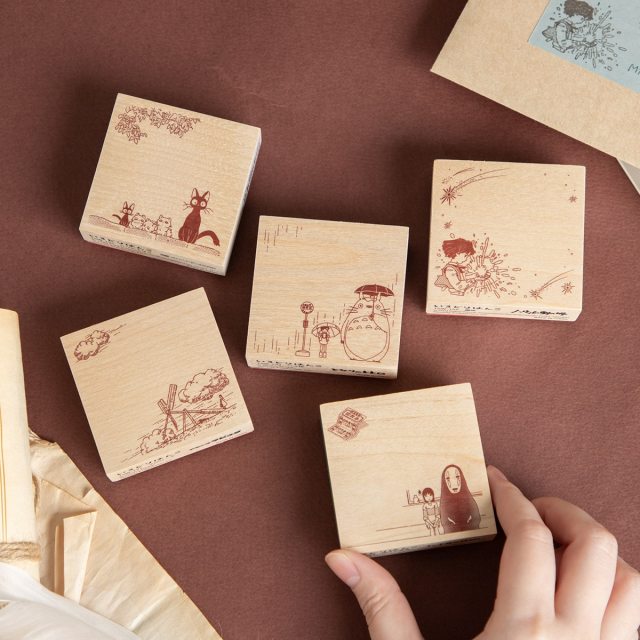
Ever since Studio Ghibli began making movies, fans have long been yearning for ways to incorporate the magic from the films in their everyday lives. Now, there’s a new way to do just that, thanks to a range of “Irodori Hanko” (“Colour Stamps“) being released by Ghibli specialty retail chain Donguri Kyowakoku.

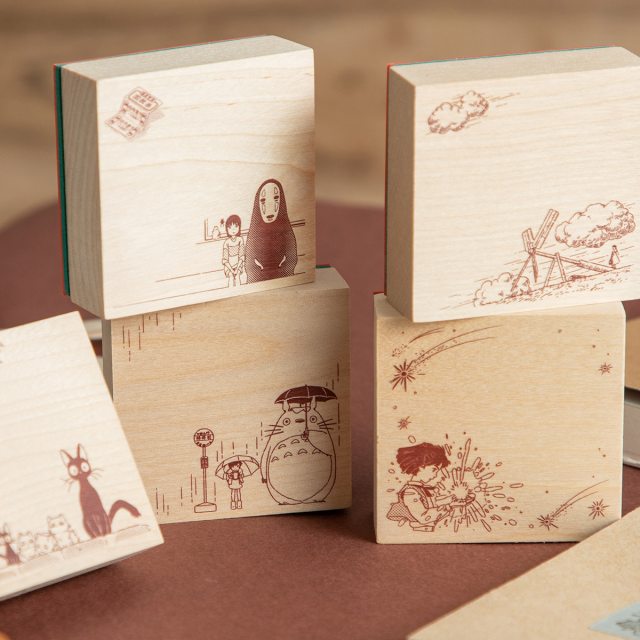
▼ There are five to collect in the lineup, each featuring a special scene from a Ghibli film.

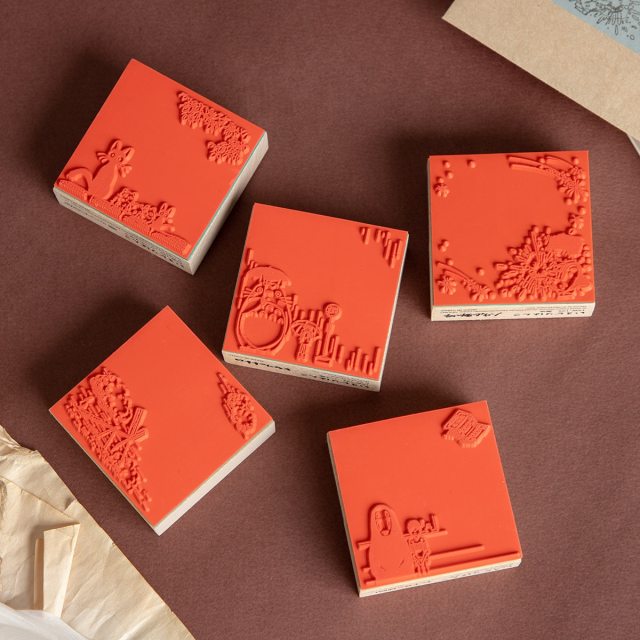
The stamps get their name from the fact that they feature negative space in their designs, so after you’ve stamped them on a piece of paper you can customise them to your liking by colouring them in.

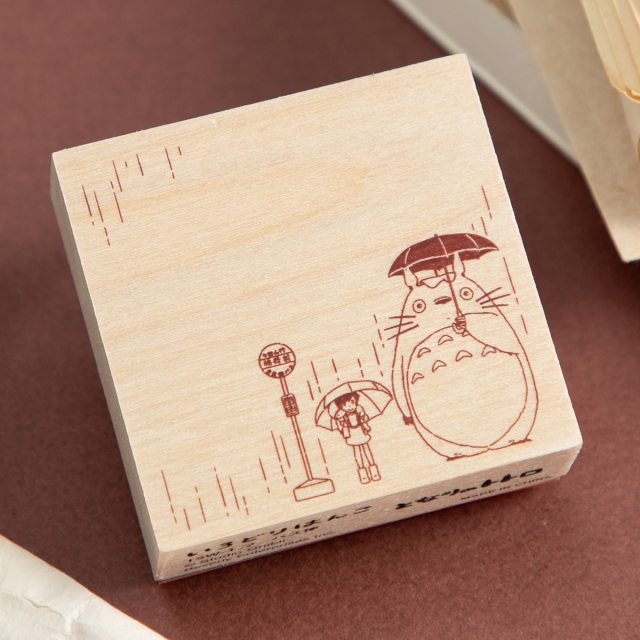
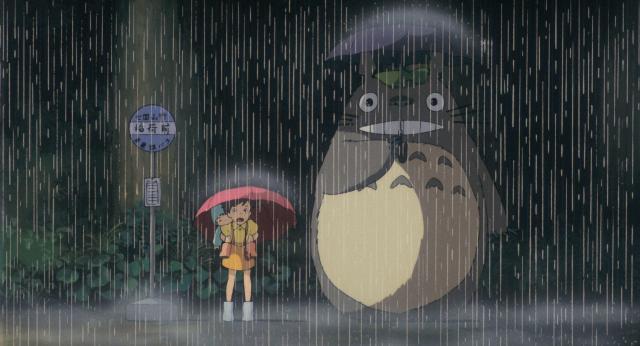
The first design, simply called “Bus Stop“, takes us to the world of My Neighbour Totoro, with Totoro standing beside Satsuki and Mei at the bus stop.

▼ The rainy bus stop scene is one of Ghibli’s most memorable moments.

Image: Studio Ghibli

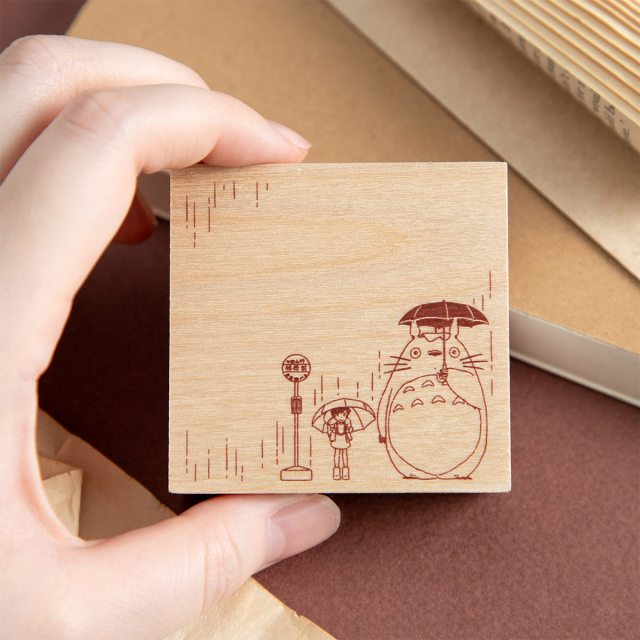
You can almost hear the rain pounding on the umbrellas in this beautiful design, and the six-centimetre (2.3-inch) square size is designed to be a perfect fit for sticky notes.

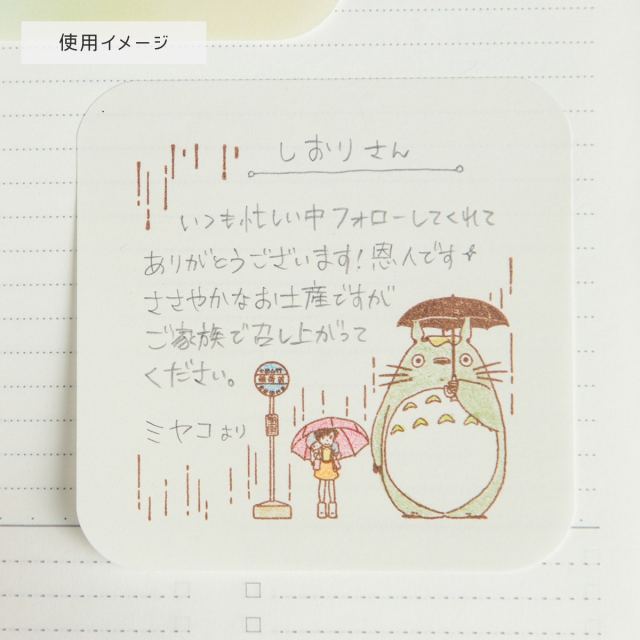
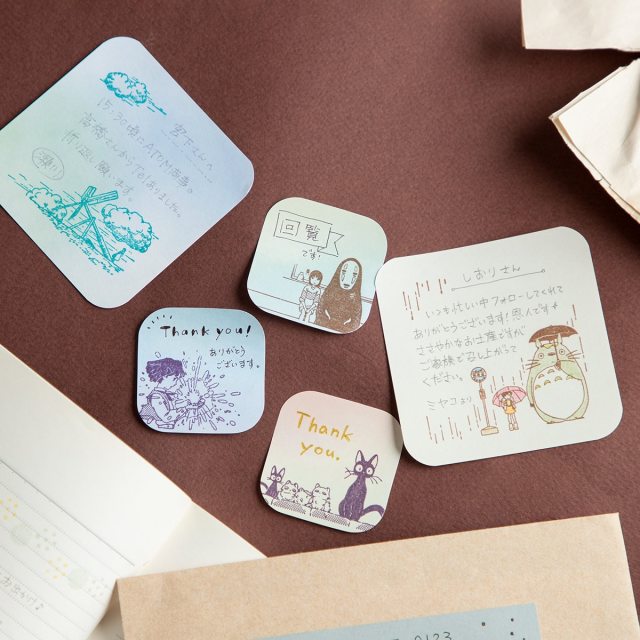
A quick message of thanks on a sticky note, like the one below which will be used on a small gift from Miyako to Shiori to thank them for the follow-up support, becomes a thing of beauty with the addition of a Totoro stamp.

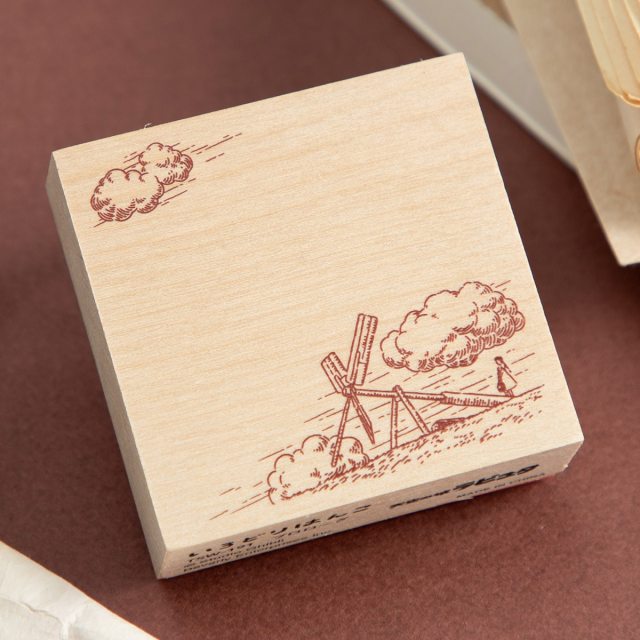
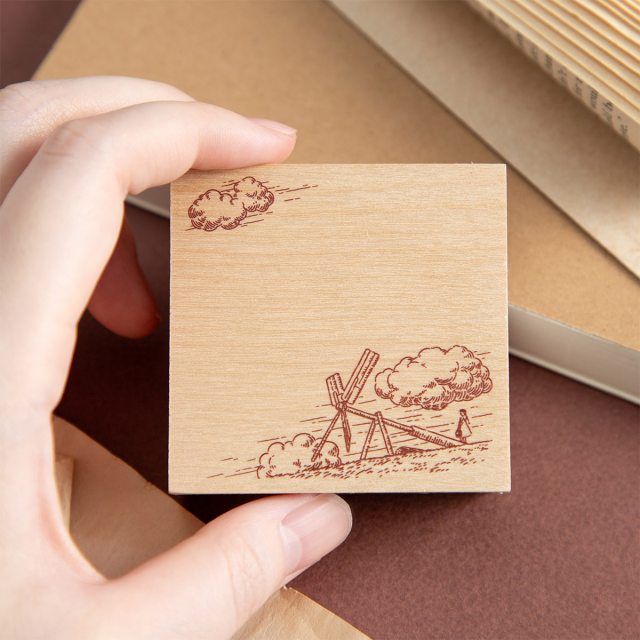
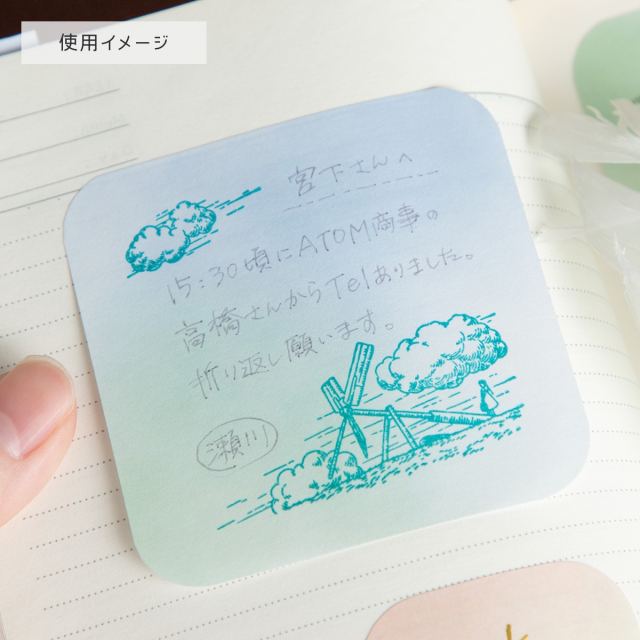
Next up, we have “Prologue“, depicting a scene from the opening credits of Laputa: Castle in the Sky, where Sheeta can be seen standing in the cloud-filled Valley of Gondor.

Like all the other stamps in the series, this too is six centimetres in height and width, matching the standard size for square sticky notes.

Sticky notes can be used in all sorts of scenarios, like the one below which tells Miyashita that they received a call from Takahashi at Atom Trading Firm at 3:30 p.m. and to call them back, so the stamps will frequently come in handy.

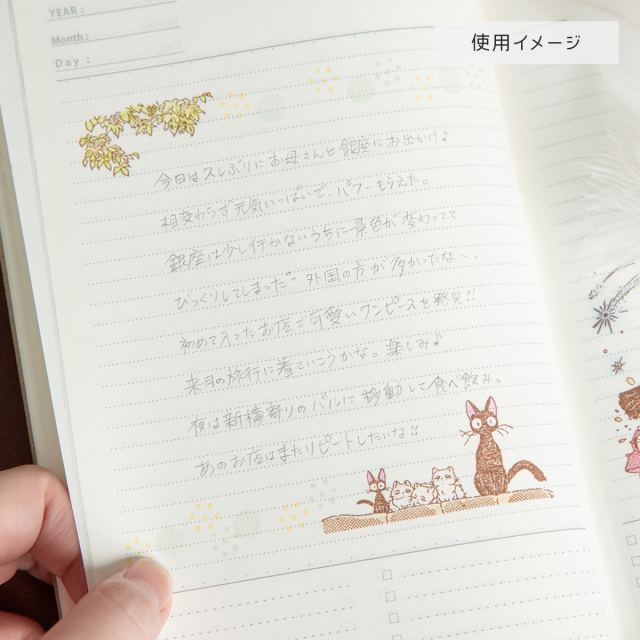
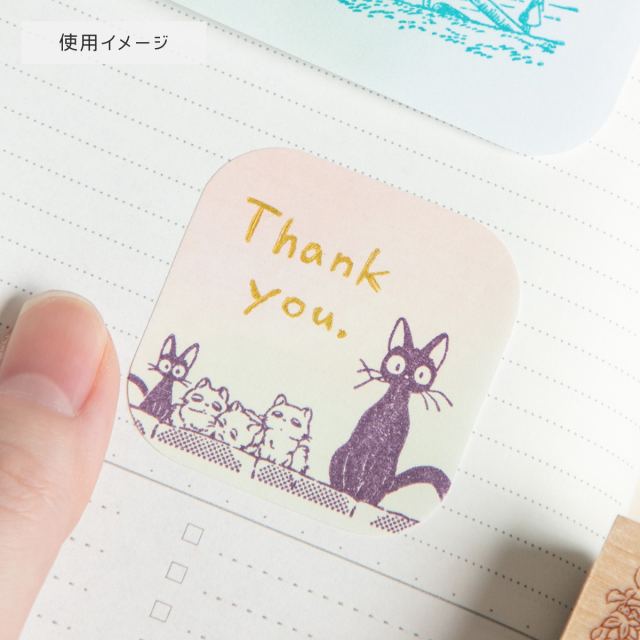
Another way the stamps can be used is in notebooks, as demonstrated by the “Jiji’s Childcare” design.


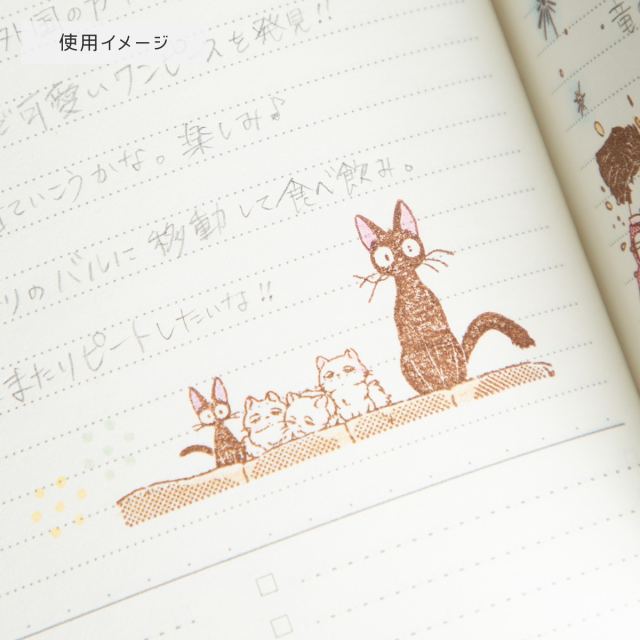
This stamp shows black cat Jiji on the right, sitting beside the four children he shares with girlfriend, white cat Lily. While three of the children are the spitting image of their mother, the one on the end is like a Jiji mini-me.

Like the other stamps, this one can be used on sticky notes, but here we have a demonstration of how they can be creatively used in notebooks as well.

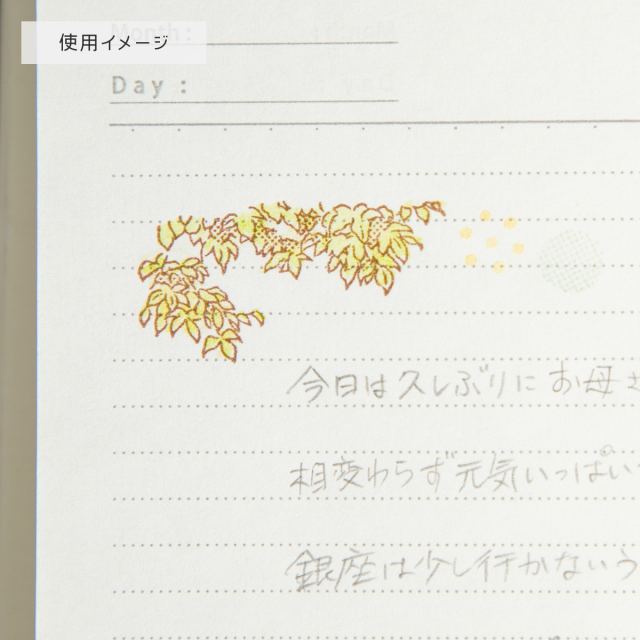
▼ The writing sample here is set out like a diary entry, with thoughts on an outing in Tokyo’s Ginza district.

By only inking one portion of the stamp at a time, you can add the upper element, in this case, the leaves, to the top of a page…

▼ …and then stamp the main element at the bottom.

▼ You can use this technique to dress up smaller notes and messages as well.

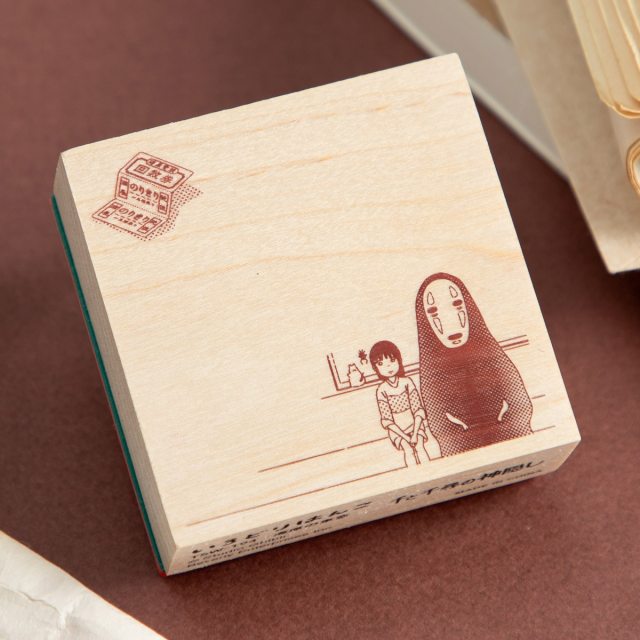
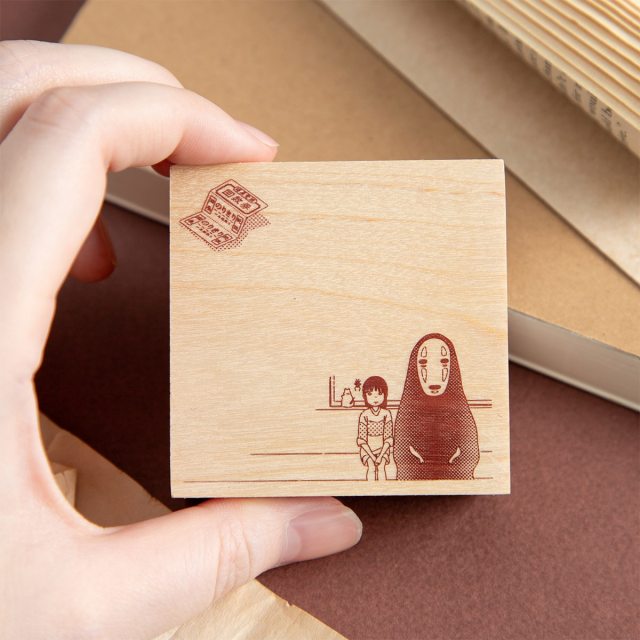
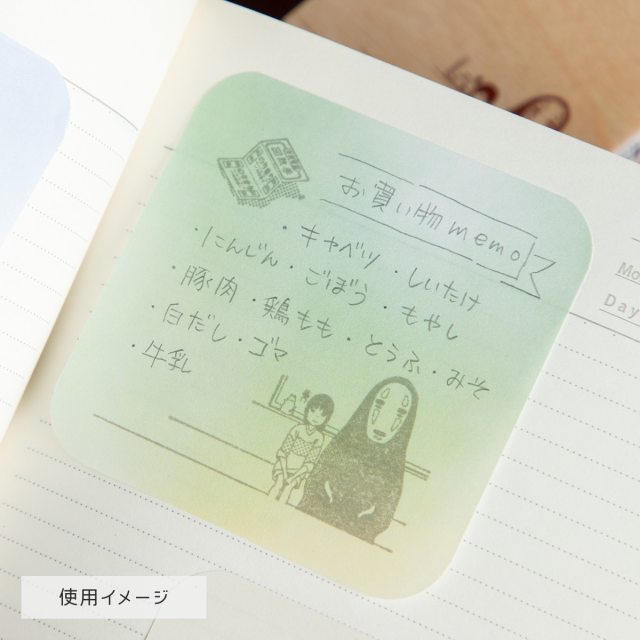
Next, we have “Unabara Train Window“, referencing the Unabara Dentetsu Sea Railway from Spirited Away.

This is another iconic Ghibli moment, and the design also has a top and bottom element that can be used together or separately, depending on the occasion.

For this shopping list, which includes items like cabbage, shiitake mushrooms, carrots, pork, chicken, tofu, miso and milk, the entire stamp is used, making the grocery run seem like a magical adventure.

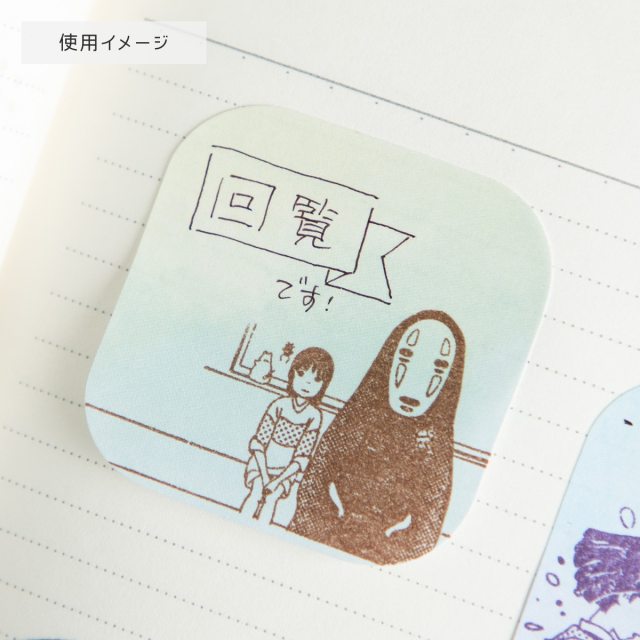
When one portion of the stamp is used, all our attention is focused on the characters.

▼ “回覧” refers to the practice of circulating a document around a group, from person to person, such as in an office.

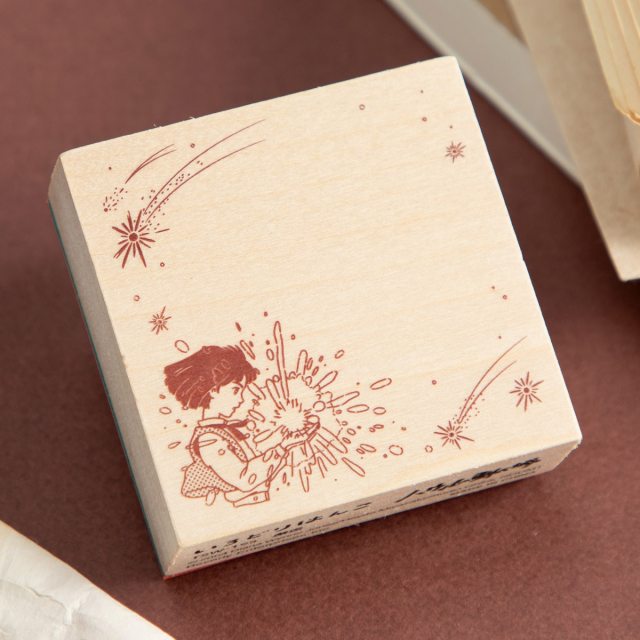
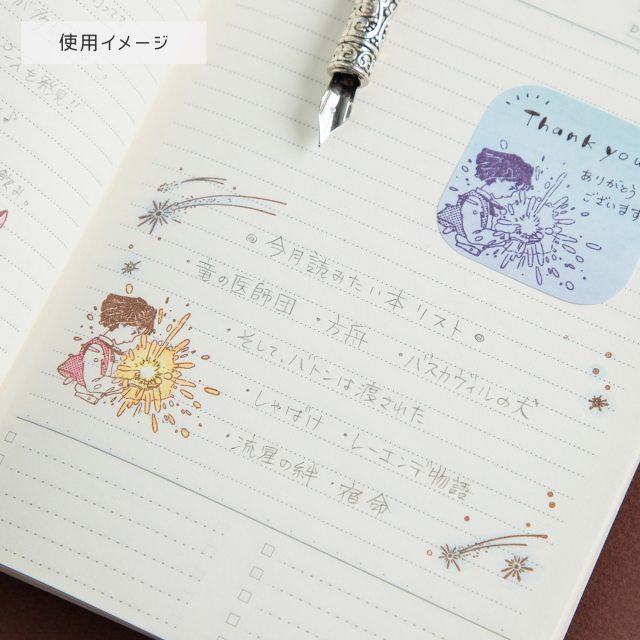
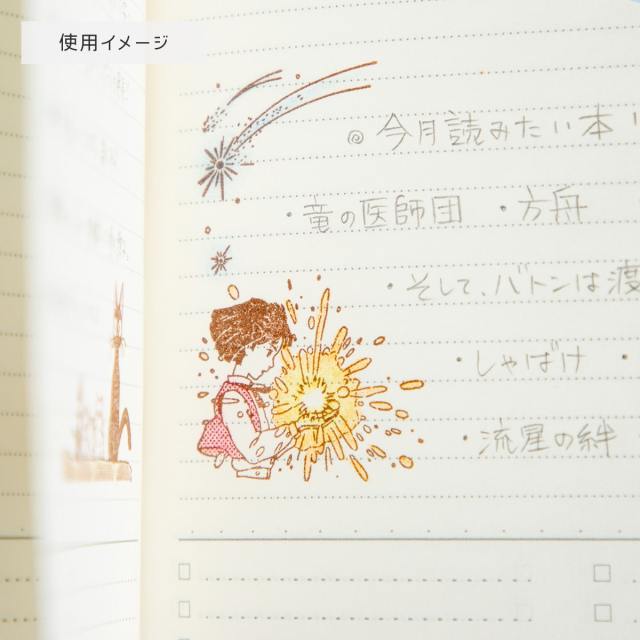
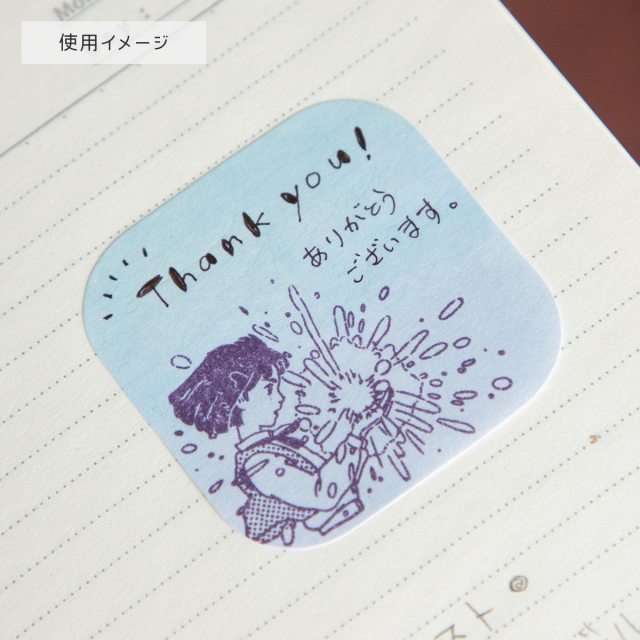
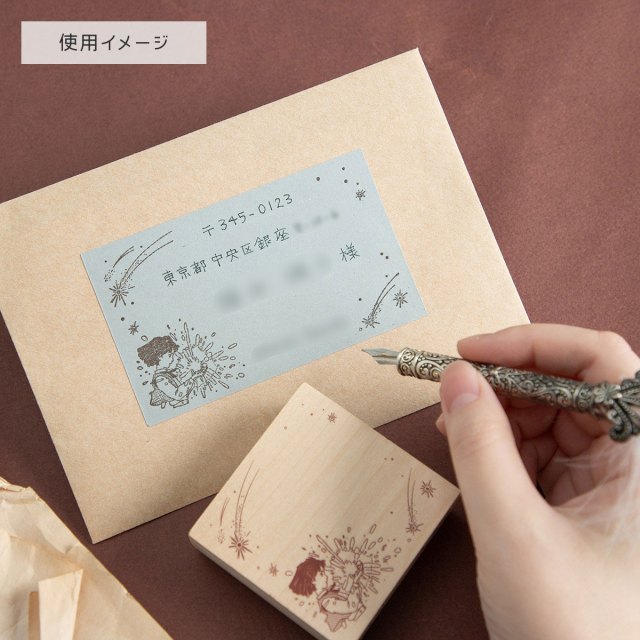
The final design, “Encounter”, captures the dramatic moment from Howl’s Moving Castle when Howl and Calcifer meet as shooting stars fall.

The writing sample here is for a “list of books I want to read this week”, with one of the titles being “Ryusei no Kizuna“, a novel by Japanese author Keigo Higashino, first serialized in 2006–2007 and published in book form in 2008, which is about three siblings seeking revenge for their parents’ murder, bound by a “shooting star bond”.

While the stamp looks particularly dramatic when coloured in, the anime moment is beautiful as is, bringing light to all sorts of messages.

With artwork in all four corners, this stamp allows for a wide variety of creative designs.

Now that we’ve seen how all the stamps can be used, it’s even harder to choose a favourite out of the five designs.

▼ Which one is your favourite?

Thankfully, the stamps are all reasonably priced, at 1,540 yen (US$10) each, so all five will only set us back 7,700 yen. It’s a small price to pay to spread the joy of Ghibli between family, friends and colleagues, and the collection can be purchased online (links below) from 10 a.m. on 31 January, and at Donguri Kyowakoku stores around Japan from late February.

Source: Donguri Kyowakoku
Top image: Donguri Kyowakoku
Insert images: Donguri Kyowakoku (1, 2, 3, 4, 5)
● Want to hear about SoraNews24’s latest articles as soon as they’re published? Follow us on Facebook and Twitter!


Credit:
0 comments: