
Asakusa’s Yoi no Yoi bar crawl is one of Tokyo’s best local nights out
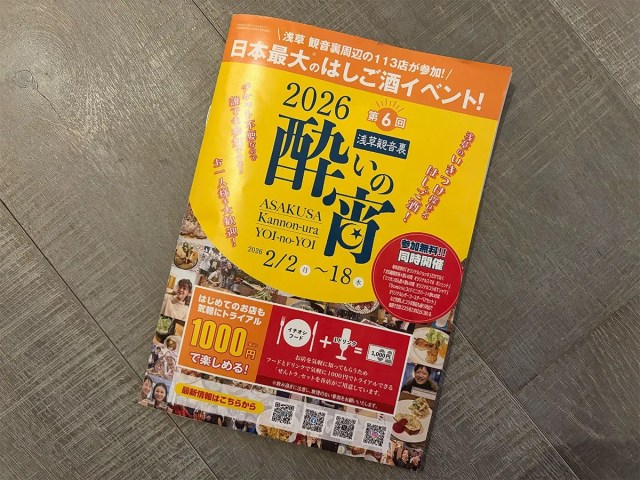
Just 1,000 yen per stop lets you drink, eat, and mingle with friendly strangers through this historic neighborhood.
Here at SoraNews24, we’re always on the lookout for fun and exciting events to participate in, and sometimes that news comes from our enthusiastic readers who are keen to share their knowledge of local events. Just recently, one of our readers sent in a notification about a bar-hopping event in Asakusa that’s perfect for even people who have no one else to go with, so we sent out our Japanese-language reporter Asami Oshima, who is always down to try out different places to drink, to see what the event was all about.
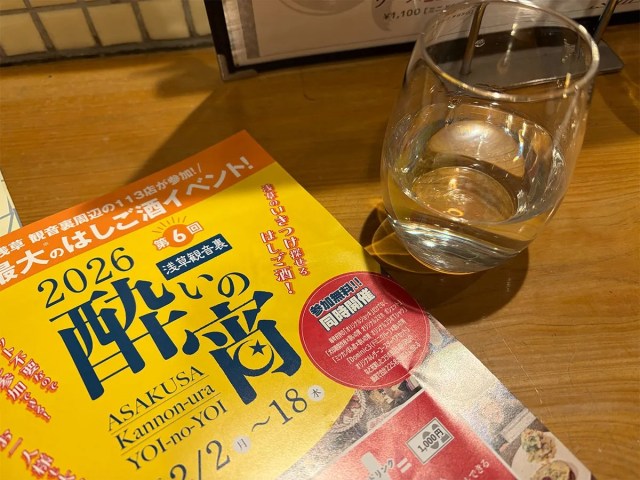
The event in question is Yoi no Yoi, which translates to “Drunken Evening”, and it’s one of the largest bar-hopping events in Japan, running from February 2 to February 18, 2026, and being held in the Kannon-ura area of Asakusa, a historic district in eastern Tokyo.
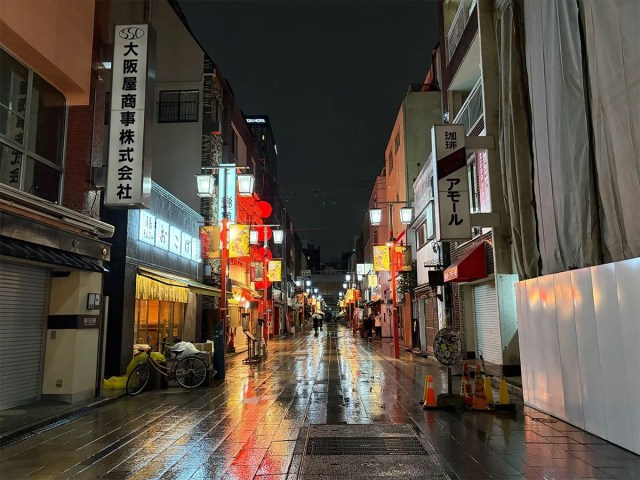
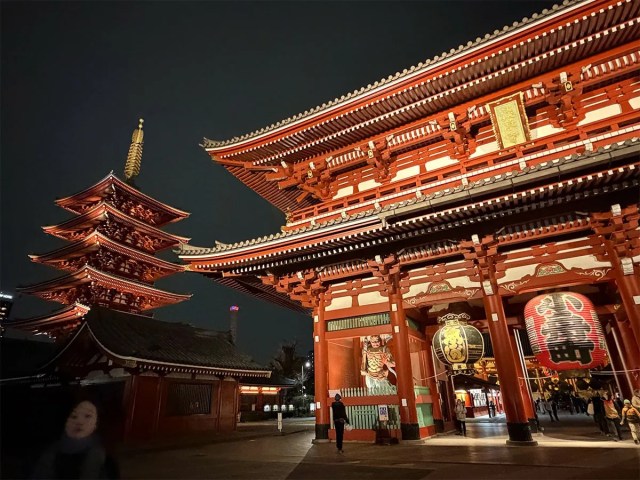
Asakusa is best known for Sensoji Temple, Tokyo’s oldest and most famous temple. With “Kannon” being another name for the Buddhist deity enshrined within the temple, the “Kannon-ura” area, refers to the neighborhood behind Sensoji Temple, as it is literally behind (“ura”) the Kannon. While the front of the temple sees a plethora of crowded tourist shops, Kannon-ura is more of a local, residential area.
During the event, participating restaurants and bars throughout Kannon-ura offer a special 1,000 yen (US$6.51) set called a Sen-Tora set, which includes one drink and one small food dish.
▼ Having these Sen-Tora sets on offer makes them an easy, affordable way to try multiple places in one evening.
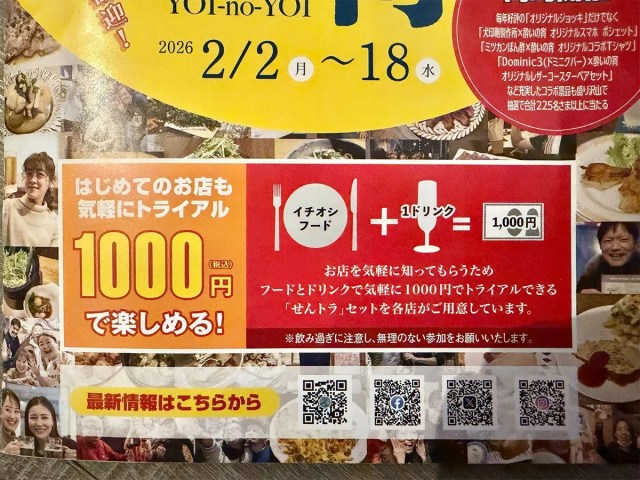
The event, now in its sixth year, is held every February, and this year a whopping total of 113 establishments are participating, so you’re bound to find a few places you like, and even if you happen to run into a couple of stores that are full or closed, you won’t have far to go before you find another to try out.
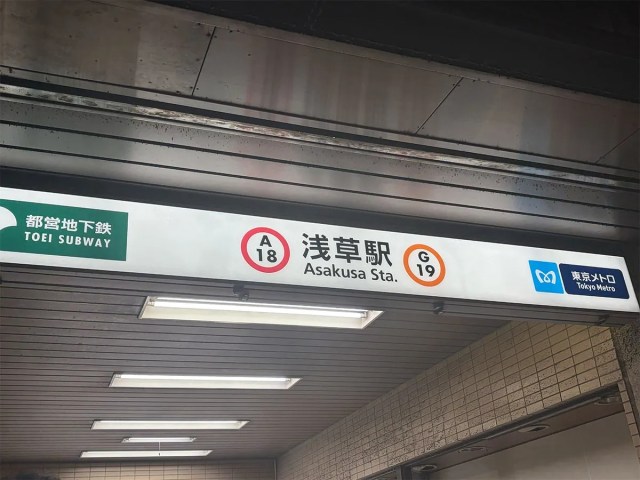
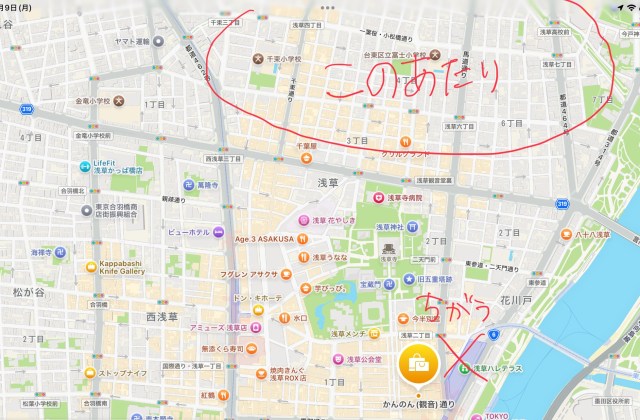
Asami arrived at Asakusa Station feeling confident, only to realize that she had no idea where Kannon-ura actually was. Even asking a station attendant didn’t seem to help, as they looked just as puzzled as she did.
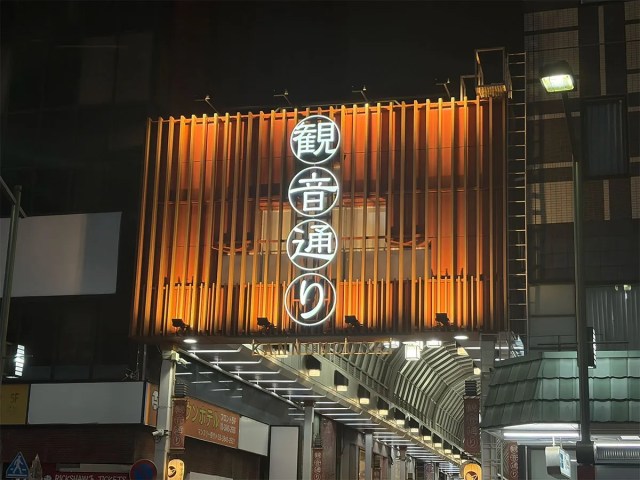
It turns out that Yoi no Yoi isn’t a huge, citywide festival with banners everywhere, but more of a local neighborhood event. After briefly heading in the wrong direction (“Kannondoori” turned out to be a completely different place entirely), Asami finally made her way toward the temple and into the correct area, officially starting her drunken adventure.
▼ Similar sounding names, but Kannondoori (“観音通り”) is not Kannon-ura.
▼ Don’t make the mistake of going to the area marked by the cross, head to the area within the red circle instead, just north of Sensoji Temple in the middle of the map
Asami’s first stop of the evening was Taco44, read as “Takoyoshi”, a lively izakaya pub specializing in takoyaki, golf-ball-sized batter balls filled with octopus.
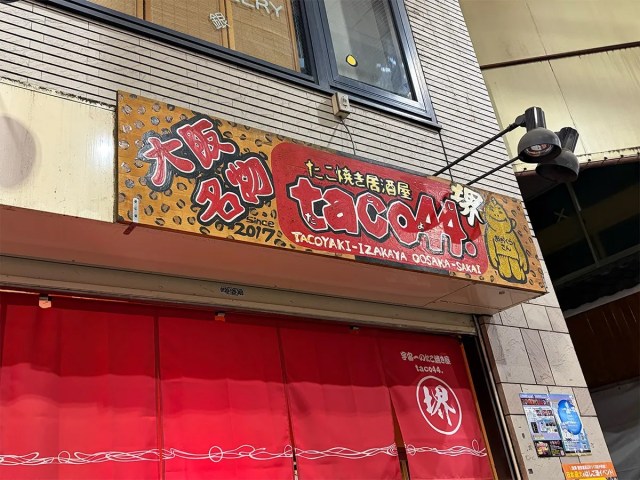
It seems the owner moved to Tokyo from Osaka to share a secret family recipe inherited from his late father.
For the Sen-Tora set, Asami chose:
- A craft beer from Osaka called Kofun
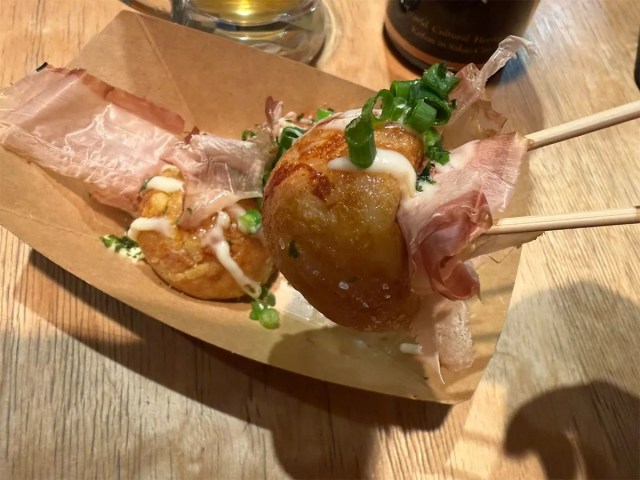
- Three pieces of salt-flavored takoyaki.
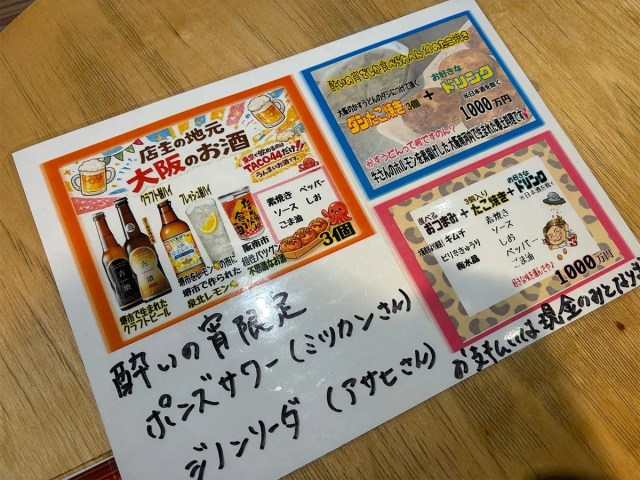
The beer arrived in a bottle, and Asami poured it out herself, feeling quite satisfied with how well she did it.
▼ Though naming a beer after a burial mound, even a World Cultural Heritage spot, may not appeal to some…
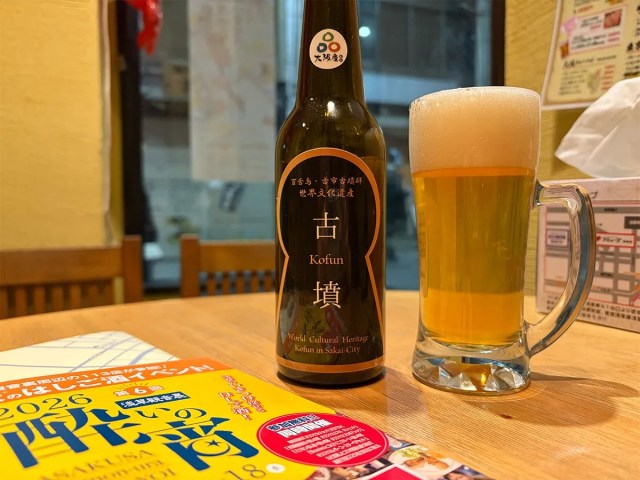
▼ Asami had no such worries.
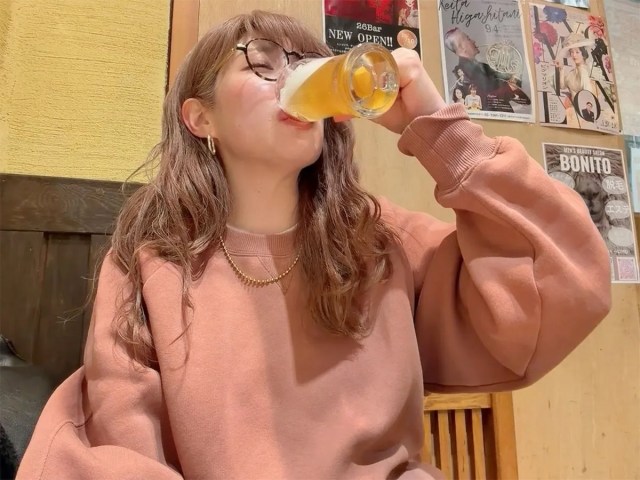
The beer was fruity and slightly sweet, which is perfect if you like mellow craft beers. The takoyaki was crispy on the outside, creamy inside, and topped with green onions and mayonnaise.
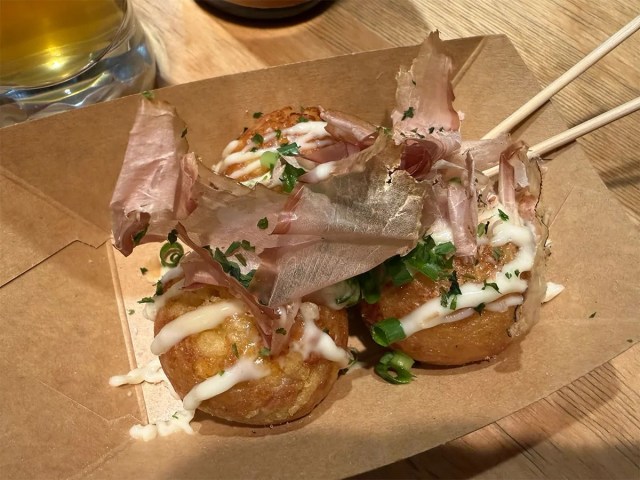
Each one had quite a substantial chunk of octopus in the center.
The staff were incredibly friendly, and regular customers flowed in and out. Before Asami had even realized it, she was sharing a table and clinking glasses with an older local man.
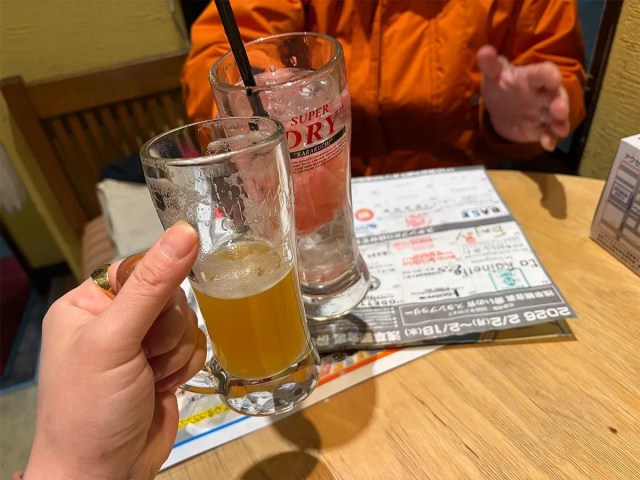
He shared with Asami that he had been bar-hopping every single day since the event began, with Tako44 being his 30th stop.
▼ Asami was in the presence of a seasoned veteran.
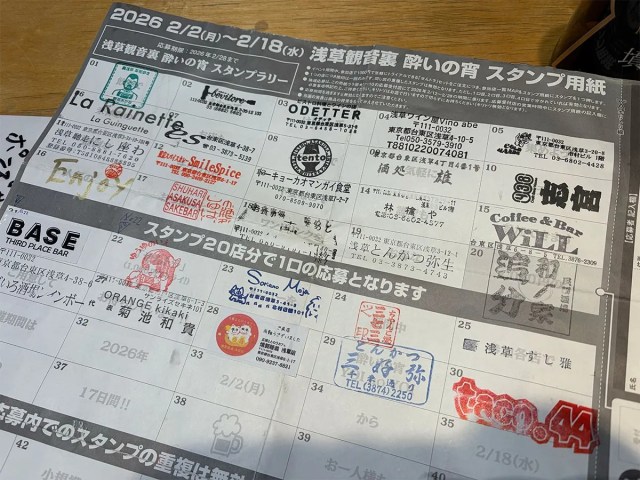
Asami asked for a recommendation for her next stop, and the staff pointed her towards another local favorite, Kannon Sakedokoro Yu, saying that the owner is cheerful and fun.
However, a rather unexpected feature of the event is that the traditional rickshaw service called Tokyo Rickshaw is also participating.
When they are not participating in impressive feats of athleticism and skill, the Asakusa rickshaw drivers offer a popular sightseeing experience. While usually only a luxury indulged in by tourists, for this event you can get a short ride between bars for just 1,000 yen, so naturally Asami gave them a call.
Within mere minutes, Asami’s driver arrived, and she was a little surprised to see that her driver was a woman, given that she often associates the role with young men.
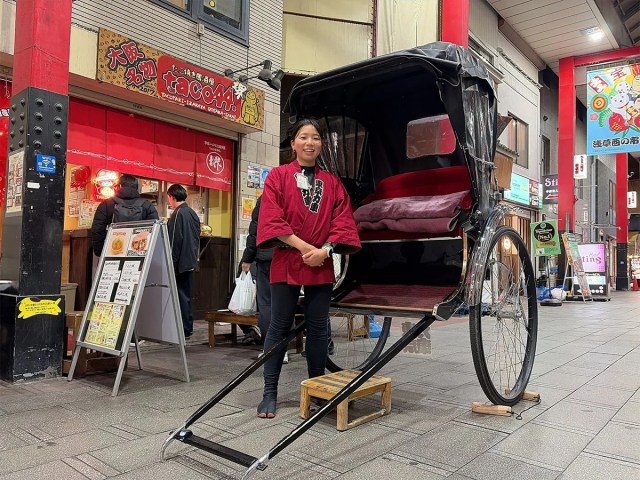
Interestingly, she learned that about 30 percent of rickshaw pullers today are women.
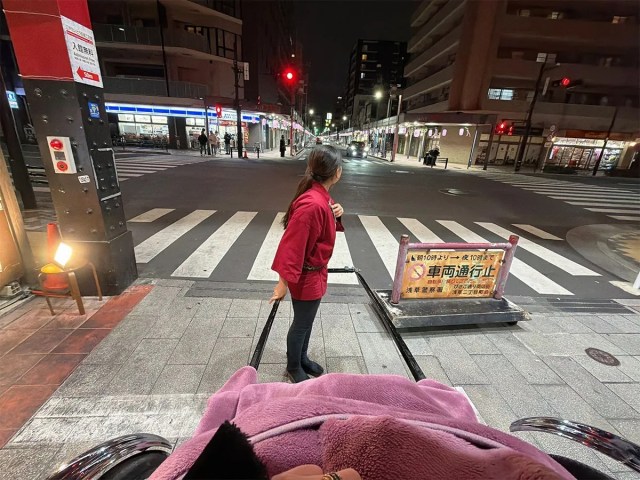
Despite the woman’s slender frame, she ran with incredible strength and smooth speed, allowing Asami to take in the cityscape with leisure, including the towering Tokyo Skytree, the tallest structure in Japan.
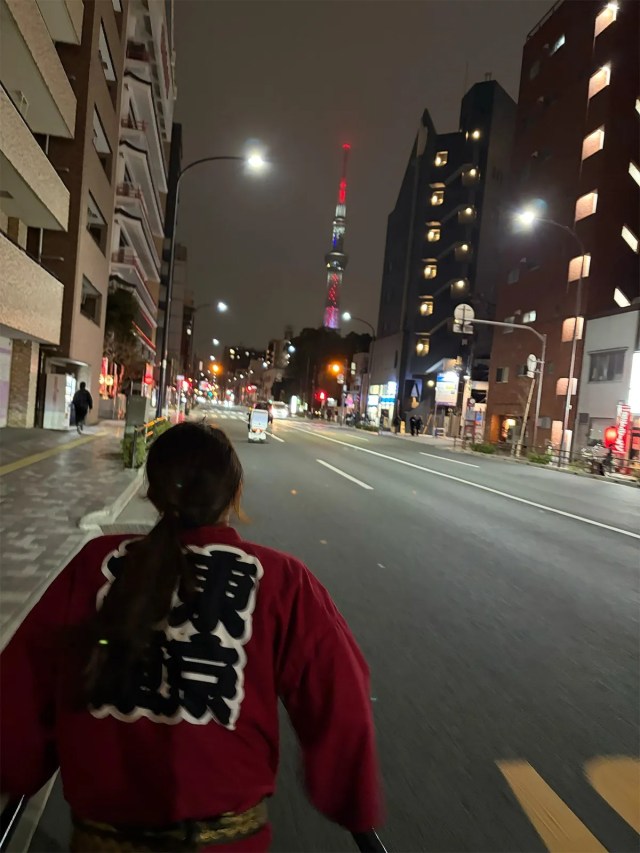
Being pulled through old Asakusa streets, with the temple lights glowing, and the modern skyline beyond, it felt to Asami almost as if she were traveling between eras.
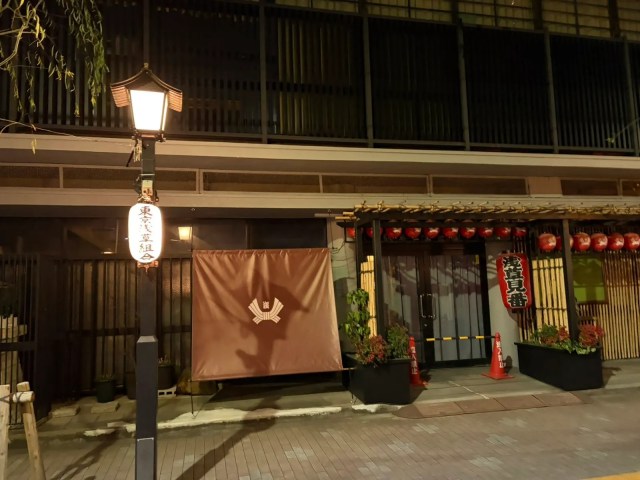
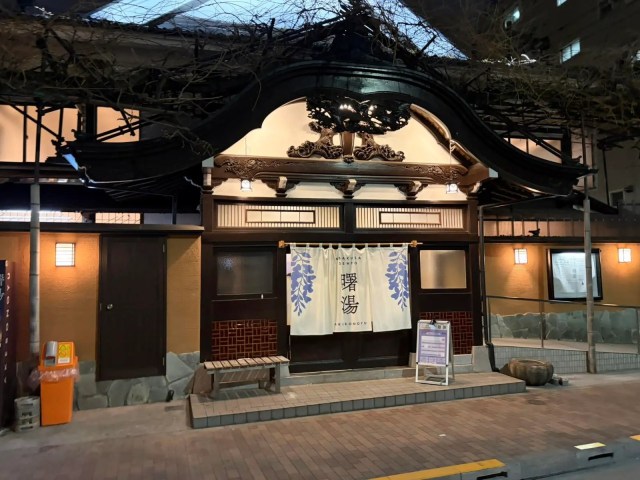
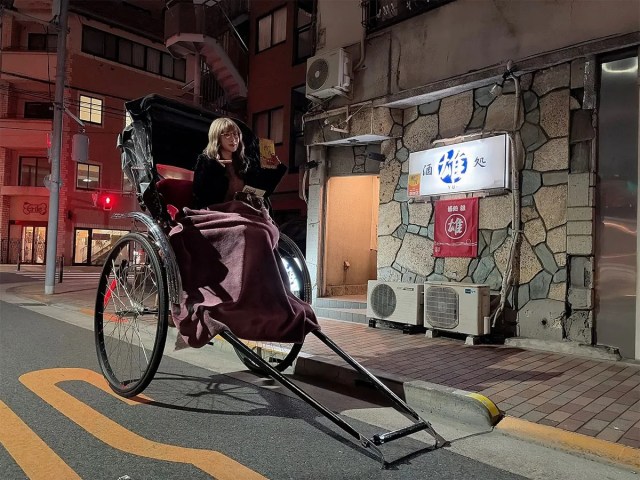
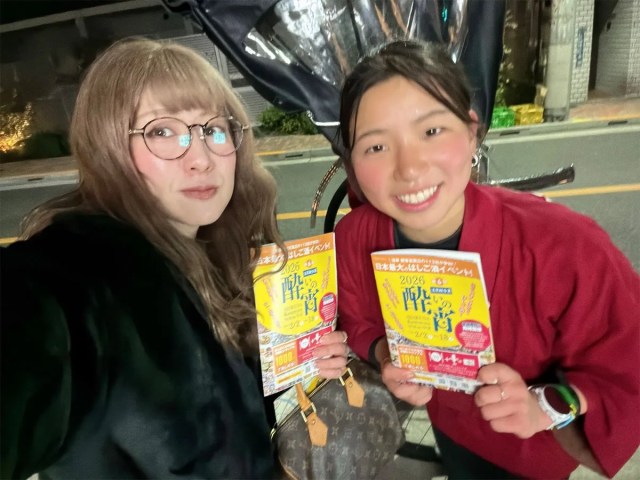
After about 10 minutes, plus a few photo stops, Asami arrived at her next destination: a hidden-gem of a local pub called Kannon-ura Sakedokoro Yu.
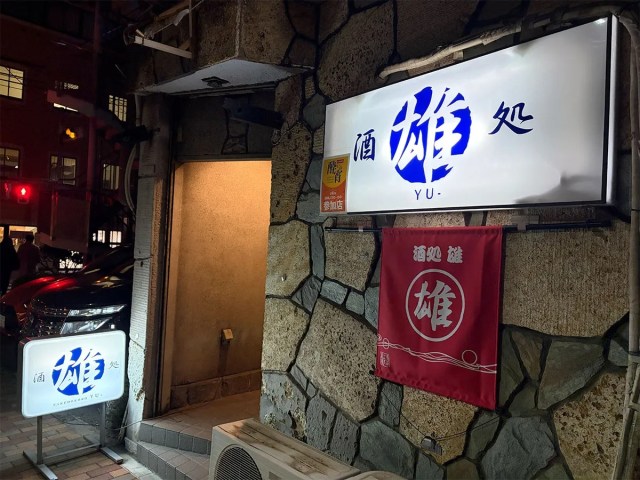
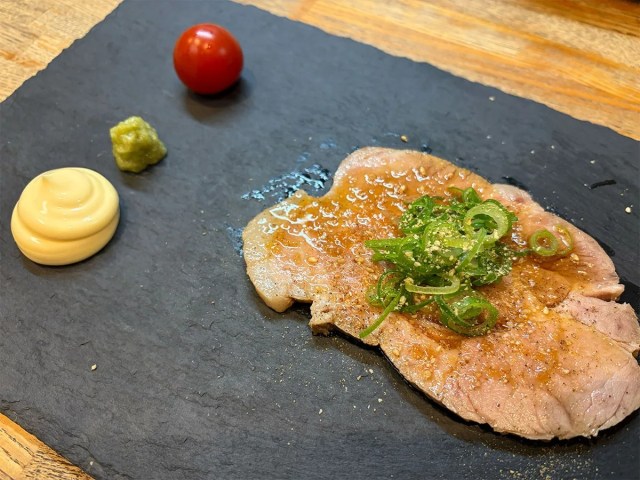
It has a calm, traditional Japanese interior and a house specialty called Kannon-ura Chashu, braised pork that is usually served in ramen, but here it’s presented as a standalone dish.
The Sen-Tora set included:
- Kannon-ura Chashu
- Any drink under 700 yen
▼ A selection of some of the drinks the pub sells
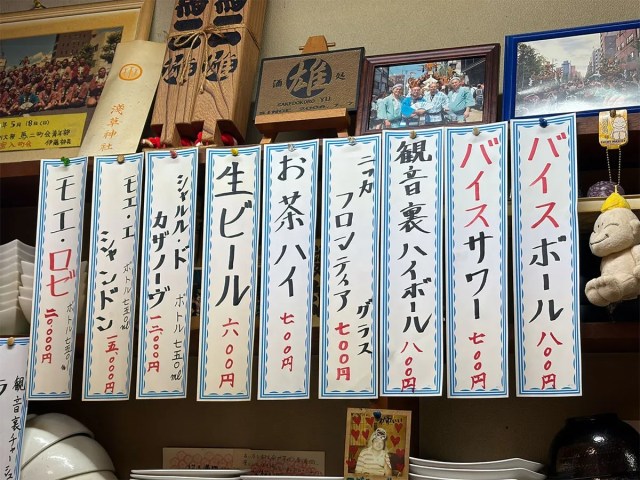
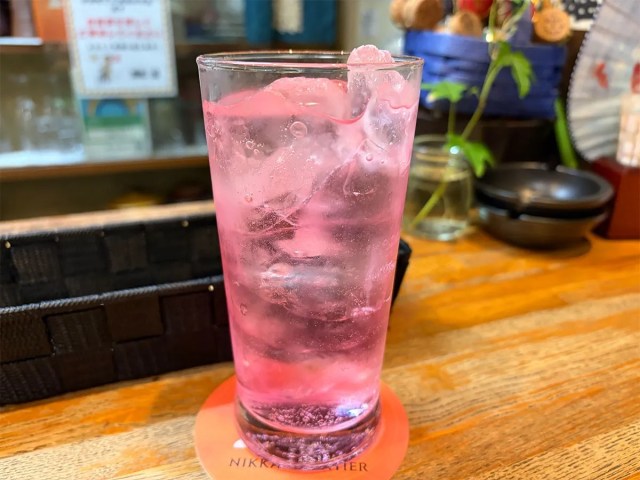
Asami chose a Vice Sour, a Japanese cocktail made with a slightly sweet, herbal syrup and soda.
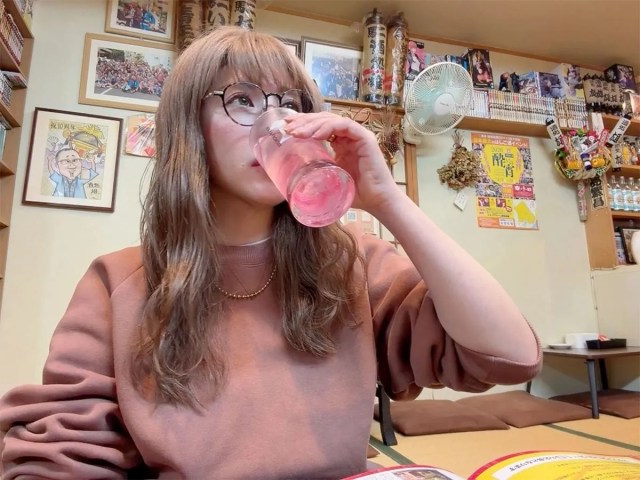
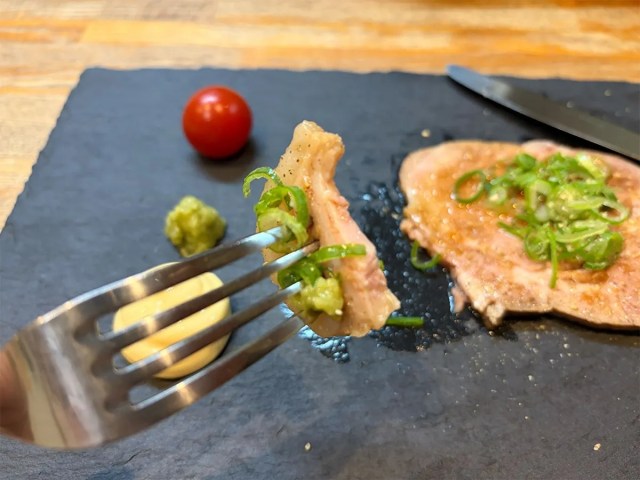
The pork was tender and juicy, served with wasabi and mayonnaise, and eaten with a knife and fork, which is pretty unusual for Japanese pub food.
The owner lived up to his reputation completely, being cheerful, talkative, and welcoming. Even being a solo customer, Asami never felt out of place due to his presence. One of the joys of Japanese izakaya culture is that sitting at the counter alone often leads to easy conversation with staff and nearby guests.
During the event, this izakaya only serves the Sen-Tora set, but it was easy to see why locals love the place. Asami is eager to stop by again the next time she is in Asakusa.
Leaving the store in high spirits, Asami made her way to the next recommended place, La Guinguette la Rainette, but it was unfortunately full, so she couldn’t get in.
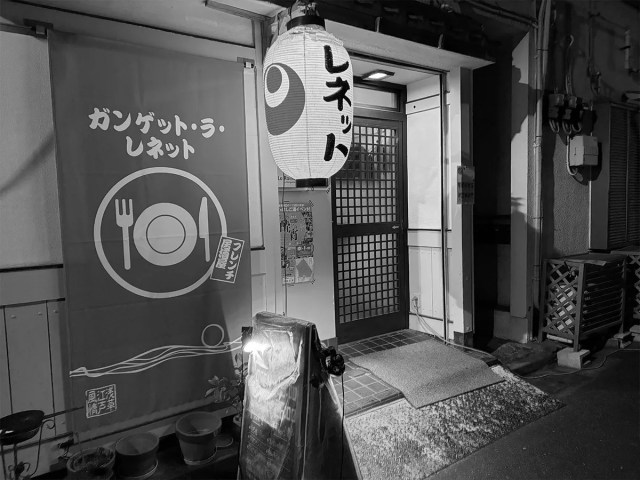
Wondering what to do next, Asami wandered around the area and spotted a sign that simply read “Home”. Drawn like a moth to a flame, she decided to go inside.
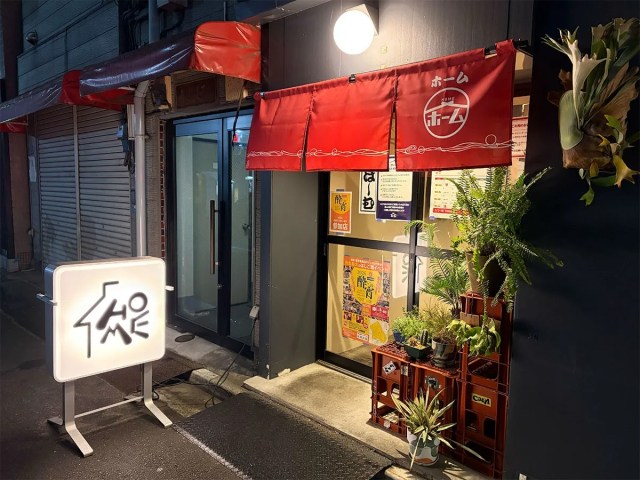
This small bar focuses on food and sake from Aizu, a region in Fukushima Prefecture known for its strong samurai history and high-quality rice, which means that the alcohol made from it is exceptionally delicious.
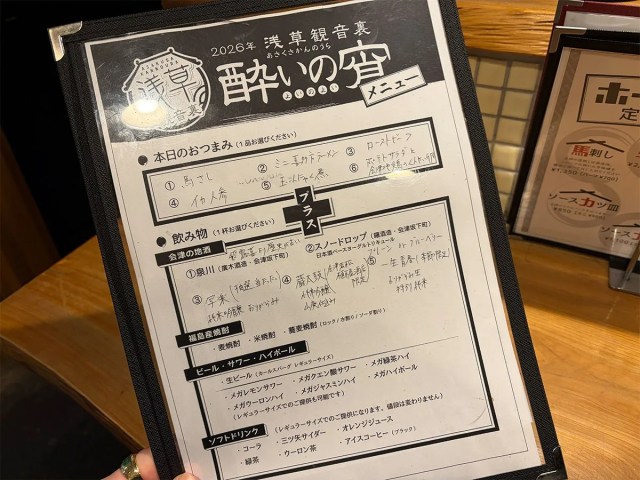
For Asami’s final Sen-Tora set for the evening, she chose:
- Basashi (raw horse meat slices)
- An Aizu sake called Izumikawa
Horse meat is eaten raw in quite a few parts of Japan, particularly in Kumamoto and Fukushima, and is lean, slightly sweet, and very tender.
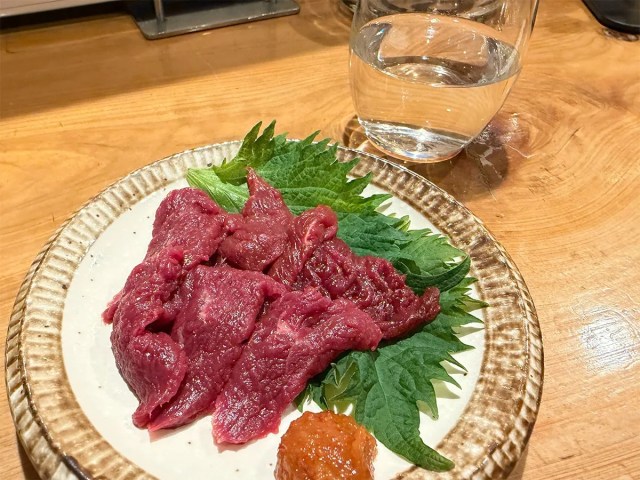
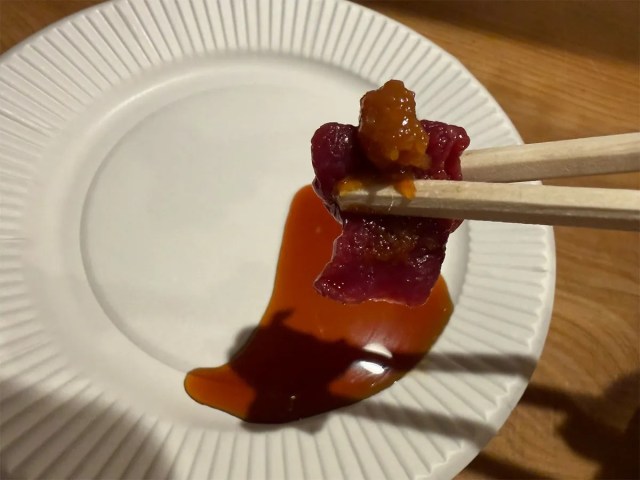
At Home, it was served with garlic miso and soy sauce, with the miso adding a strong punch that complemented the natural sweetness of the meat.
The alcohol was soft and smooth at first sip, but gradually made its presence known with a spreading warmth.
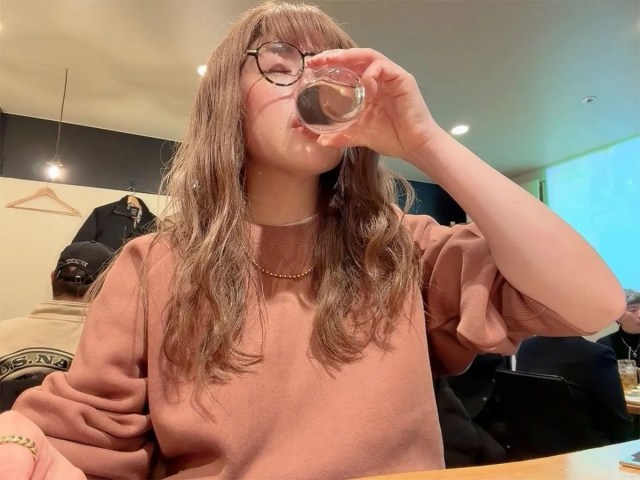
Asami would have loved to have ended the night with ramen, which is a pretty common way to end a night of drinking in Japan, but additional orders are not allowed during the event.
On her way back home, Asami stopped by Sensoji Temple and drew an omikuji paper fortune.
▼ Her result: Sue-kichi (“small fortune to come”)
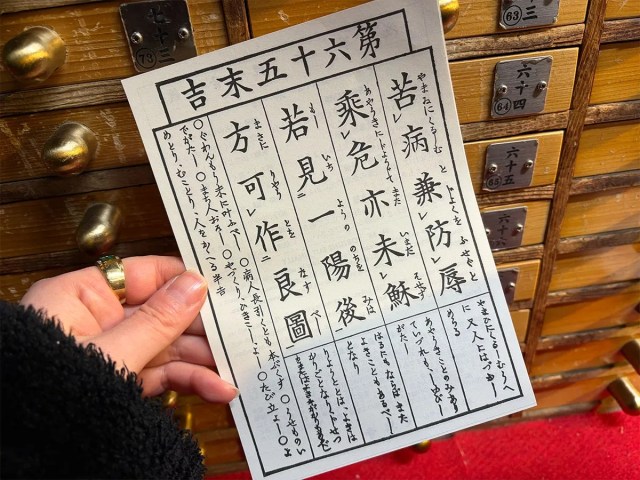
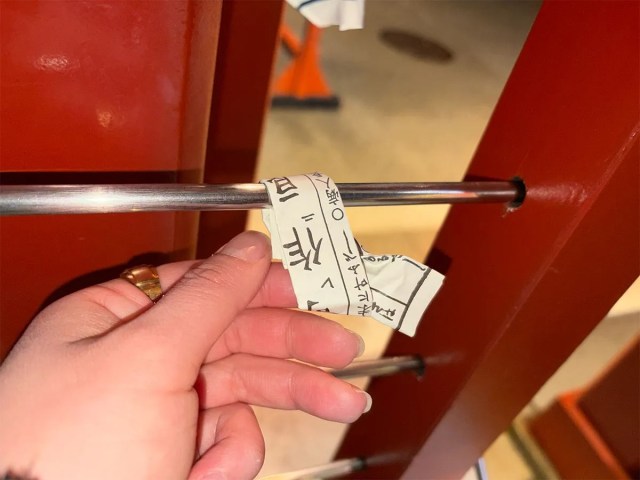
It wasn’t an amazing fortune, but not terrible either. Traditionally, if you get a fortune you don’t like, it’s customary to tie it onto a designated rack at the temple, symbolically leaving bad luck behind.
Asami carefully tied hers to the rack, and officially ended her solo bar-hopping adventure.
The Yoi no Yoi event is a fantastic way to experience local Japanese nightlife beyond the typical tourist spots, and what stood out the most was how welcoming every place felt, even when drinking alone. With three bars and a rickshaw ride, and just 4,000 yen spent, Asami had an amazing night out, so she wants to pass on her thanks to the reader who suggested the event.
The event runs until February 18, and if you’re in Tokyo during that time, the Kannon-ura area is well worth exploring. However, even if you don’t quite catch it, and can’t wait until next year’s Yoi no Yoi, the participating establishments are always there with the doors open for anyone looking to enjoy their warm hospitality and delicious food and drinks.
Store information
Takoyaki Izakaya Taco44 / たこ焼き居酒屋 taco44
Address:
東京都台東区浅草2-26-5 SDSビル101
Open: 3:00 p.m.–9:00 p.m. (Fridays), 12:00 p.m.–9:00 p.m. (Saturdays and Sundays)
Closed: Monday–Thursday
Website
Tokyo Rickshaw / 東京力車
Address:
東京都台東区浅草1-5-1 菊季ビル
Open: 10:00 a.m.–7:00 p.m. (Yoi no Yoi 1,000 special fee only between 7:00 p.m.–9:00 p.m.)
Phone: 03-5830-8845 (inform them you are participating in the Yoi no Yoi event and follow the instructions given)
Website
Kannon-ura Sakedokoro Yu / 観音裏 酒処 雄
Address:
東京都台東区浅草4-4-1
Open: 6:00 p.m.–12:00 a.m.
Closed: Sundays and Holidays
Website
Home / ホーム
Address:
東京都台東区浅草3-18-9 小島ビル101
Open: 7:00 p.m.–4:00 a.m.
Closed: Irregular days
Website
Related: Yoi no Yoi event page
Photos ©SoraNews24
● Want to hear about SoraNews24’s latest articles as soon as they’re published? Follow us on Facebook and Twitter!
Credit:

0 comments: