
Japanese government wants overseas anime market to roughly triple in 10 years, but are they crazy?

Ministry of Economy, Trade and Industry sets targets of 186-percent growth in the overseas anime business, 253 percent for Japanese video games.
Japanese pop culture is more popular outside Japan than it’s ever previously been, with Japanese entertainment franchises having established passionate fanbases around the globe and even people outside the traditional otaku and Japanophile spheres finding series they enjoy. So it’s not surprising that the Japanese government’s Ministry of Economy, Trade and Industry is hoping to expand the overseas earnings of Japanese even further, but the scale they’re shooting for is honestly shocking.
In a meeting of the METI’s Entertainment and Creative Industry Policy Study Group held in late March, the ministry listed the size of the overseas anime marker at 2.1 trillion yen (US$13.55 billion) in 2024. The government wants to roughly triple that figure in the next 10 years, bumping it up to 6 trillion yen by 2033.
That’s not even the most ambitious goal in the plan, either. Within 10 years, the ministry wants the Japanese video game sector’s overseas revenue to balloon from 3.4 trillion yen to 12 trillion yen.
METI overseas market size growth goals (2024 → 2033)
● Video games: 3.4 trillion yen → 12 trillion yen (253-percent growth)
● Anime: 2.1 trillion yen → 6 trillion yen (186-percent growth)
● Manga: 0.3 trillion yen → 1 trillion yen (233-percent growth)
● Music: 0.1 trillion yen → 0.5~1 trillion yen (400~900-percent growth)
● Live-action: 0.1 trillion yen → 0.5 trillion yen (400-percent growth)
In total, the plan is to increase those sectors’ combined overseas revenue from 6.1 trillion to 20 trillion yen by 2033.
Considering how relatively small the music and live-action sectors’ overseas markets are, and the lack of truly major marketing pushes for them thus far, those two goals aren’t too startling, since they’re essentially trying to progress from next-to-nothing to a small something. It’s the other three targets, for anime, manga, and video games, that seem perhaps unrealistically high.
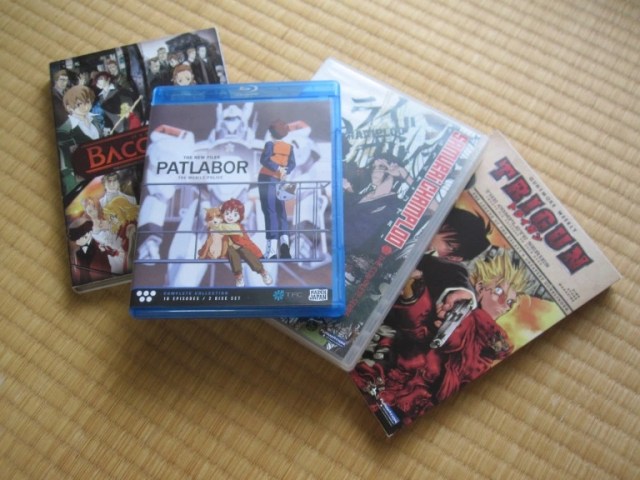
Japanese video games, anime, and manga aren’t exactly new entries to the global entertainment market. Video games in particular are a mature market, and it’s been quite some time since “Japanese cartoons and comic books” were an under-the-radar entertainment option only known to discerning animation and graphic art enthusiasts. Japanese entertainment media may not be readily and abundantly available in every country in the world, but it’s been pretty easy to find and purchase/stream in the world’s largest and wealthiest nations for multiple decades.
So how does the Japanese government hope to trigger a chain of events that will lead to the overseas demand for anime roughly tripling, and the demand for Japanese-made video games specifically nearly quadrupling, in just 10 years? METI presented a variety of strategies and policies, including tax incentives and budgetary support for the production and promotion of Japanese IPs, including helping with creation and expansion of distribution platforms, and, for manga, “localization support.” Broken down by sector, the plan also suggests:
● Video games: Increased effort for mobile and PC game industries
● Anime: Producing more blockbusters
● Manga: Reducing piracy, promoting legitimate distribution
● Music: Fostering fandom and attracting new fans through live events
● Live-action: Producing blockbusters with global distribution in mind
For long-time observers/consumers of Japanese entertainment media, there are a few potential issues that immediately spring to mind. By suggesting a focus on anime blockbusters (and yes, “blockbusters,” in English, is the term the ministry used), METI is likely thinking of the gobs of cash made by Demon Slayer: Kimetsu no Yaiba–The Movie: Mugen Train, Your Name, and other pop culture phenomenon-level theatrical hits. However, chasing after blockbuster-level success carries many of the same risks that the video game industry is grappling with after years of major publishers focusing on AAA titles: ballooning budgets, protracted production schedules, and constraints on creativity as having so many resources committed to the project means it can’t afford to not try to attract the widest audience possible in order to recoup its production costs.
Particularly with many overseas anime fans being drawn to the medium because it offers something they can’t find in their home countries’ animated works, anime having to play things safe with creative choices runs the risk of erasing the things that make it appealing to many outside Japan in the first place. Likewise, the suggestion of producing live-action blockbusters with international appeal as a from-the-beginning target might just lead to bland action flicks that can’t match the popcorn spectacle of their bigger-budget Hollywood competition, leaving little reason for audiences to watch it over the latest Marvel or Fast and the Furious installment.
▼ The Hayai and the Mukatsuiteiru is probably not going to attract crowds of this size.
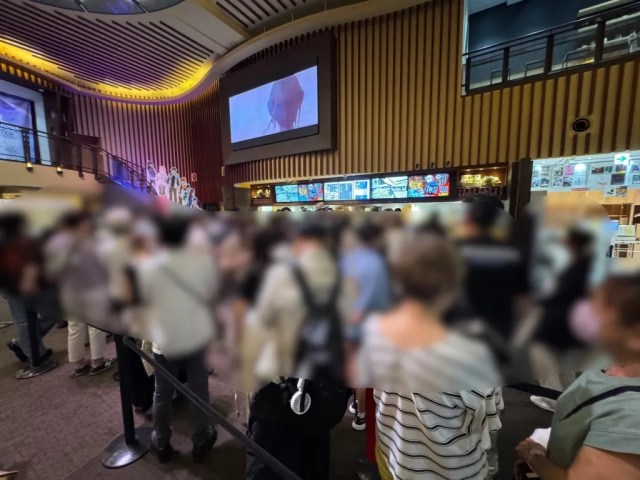
Of course, long-time Japanese pop culture fans can also tell you that in overseas fandom’s earlier days, it was hard to imagine it ever becoming as big outside Japan as it is now, and there’s also a potential scenario in which government support and guidance helps give Japanese creators the resources they need to play to their strengths, maintain the uniqueness of their works, and help them reach audiences abroad. Anime in particular is often produced on very tight budgets, especially where animator pay is concerned, so financial support and incentives could possibly be crucial in getting projects off the ground that otherwise would never have had the chance too. All the same, the ministry’s targets would represent an unprecedented penetration into the global entertainment market for Japanese IPs, so it’ll be interesting to see if they can pull them off.
Source: Ministry of Economy, Trade and Industry via Animation Business Journal via Anime News Network/Rafael Antonio Pineda
Photos ©SoraNews24
● Want to hear about SoraNews24’s latest articles as soon as they’re published? Follow us on Facebook and Twitter!
Credit:

0 comments: