
Hiker needs to be rescued from Mt. Fuji two times in two days, but system is working as intended
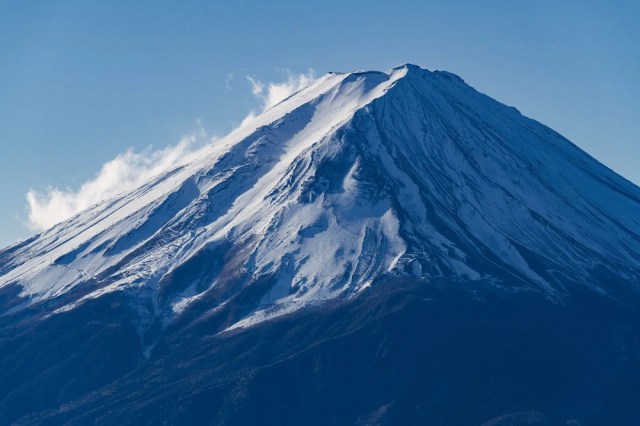
There have been a lot of dumb hikers needing to be rescued from Japan’s tallest mountain recently, but this time the circumstances are a little different.
With June usually being a month of rainy, gloomy weather in Japan, you’ve really got to pack as much summer fun as you can into your July and August weekends. Sometimes that means doubling up on seasonal activities, like going to fireworks shows or shrine festivals on a Saturday and then right again on Sunday.
However, one Japanese man spent last weekend repeating something quite a bit less enjoyable, as he needed to call for emergency rescue service from the side of Mt. Fuji two days in a row.
On the morning of July 11, a 54-year-old man from Kobe arrived at the start of the Fujinomiya Trail, the quickest route to the top of Mt. Fuji and also the one most easily accessible to hikers arriving from central and west Japan. The man started hiking and, by around 2 p.m., was getting close to the trail’s eighth station, which is located at an elevation approximately 85 percent of the peak’s. He’d become so exhausted during the hike, though that he now knew he didn’t have the stamina to make it the rest of the way to the peak, and so he called for an emergency rescue. A team of Shizuoka Prefectural Police was dispatched and transported the man back down to a mountain hut near the trail’s seventh station, where they instructed him to rest, as he hadn’t suffered any injuries during his attempted ascent.
The man followed his rescuers’ directions and slept overnight in the hut, spending around 11 hours in the facility. The next morning, at around 6:45 a.m., he began walking back towards the bottom of the mountain, but after an hour or so on the trail, he once again called for a rescue, saying “I was worried this was going to happen” and “I’m too tired to walk any farther.”
It turns out, though, that his assessment wasn’t completely accurate, at least not in a permanent sense. After calling for assistance for the second time in as many days, the man was able to rendezvous with another rescue team who assisted and accompanied him as he made the descent back to the start of the trail walking under his own power.
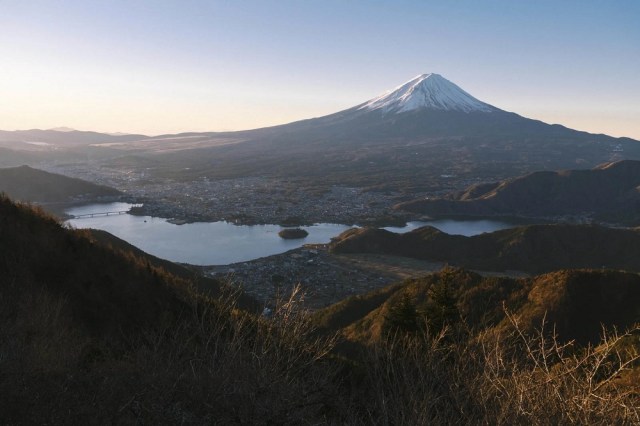
With the recent rash of irresponsible hikers requiring rescue at Mt. Fuji, it might be tempting to immediately criticize the man for what happened, but several factors point to this being an honest mistake and an example of the rescue/support system working as intended. First, the Fujinomiya Trail officially opened for the 2026 climbing season on July 10, so the man wasn’t breaking any rules by being on the trail then. While he’s not a professional alpinist, according to the police he has hiking experience and was wearing suitable clothing and footwear for hiking Mt. Fuji at this time of year. When he realized he was too tired to safely continue his ascent, he called for help instead of pressing on or trying to turn back while dangerously fatigued, which could have made the rescue operation more difficult. He abided by the rescue team’s directions to rest in the mountain hut, and the next day, he didn’t make another attempt to reach the summit, but instead acknowledged that reaching the top of Mt. Fuji wasn’t in the cards for him this time and that he should head back home.
If there is a criticism to be made, it’s that he didn’t decide, on his own, to stop climbing while he was still at the seventh station, which would have allowed him to take refuge in a mountain hut without having to call for a rescue on the first day, and which might have also left him with enough energy, after resting, to make it back down without needing assistance. That said, it’s not like the trail stations are just a few steps away from one another, so it’s possible that the man didn’t feel so heavily fatigued until he was far enough past the seventh station that neither going back to the seventh or continuing on to the eighth seemed possible.
The takeaway from this, and the one the Shizuoka Prefectural Police are asking people to remember following the incident, is that, much like weather conditions, hikers’ physical conditions can change suddenly when high up in the mountains, so at the earliest sign of physical distress, it’s important to listen to your body and save the summiting for another attempt on another trip to Mt. Fuji.
Source: TBS News Dig via Hachima Kiko
Top image: Pakutaso
Insert image: Pakutaso
● Want to hear about SoraNews24’s latest articles as soon as they’re published? Follow us on Facebook and Twitter!
Credit:


0 comments: