Are Glowing Box Monster Mummy fireworks a curse or a pharaoh-nomenon?
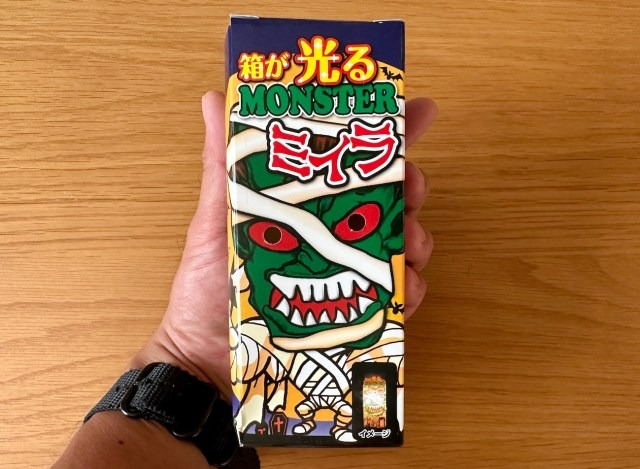
The mummy awakens!

Summer in Japan means it’s time for fireworks, and since this summer is especially full-on then it’s time to go really hard with our festive explosives. That’s why our reporter Masanuki Sunakoma has been really digging deep through the crates of fireworks sold in Japan to help you know which ones have a lot of bang for their buck and which ones are duds.

And this time Masanuki got his hands on the Glowing Box Monster Mummy (Hako ga Hikaru Monster Mira). It’s one of those fountain-type fireworks that sits on the ground and sends a stream of sparks flying straight up into the air for a few feet, but this one has a twist in that the box and the mummy printed on it emit an eerie glow as well.
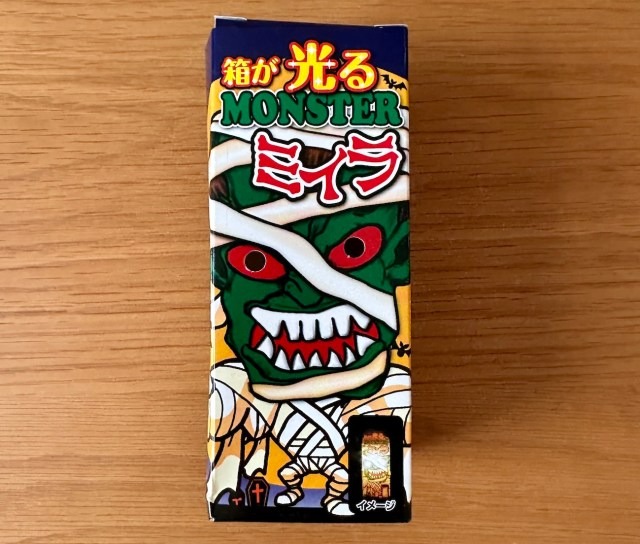
It’s a new one that just hit the market in 2022, so Masanuki didn’t know what to expect, but for only 550 yen (US$3.85), it was worth a shot.
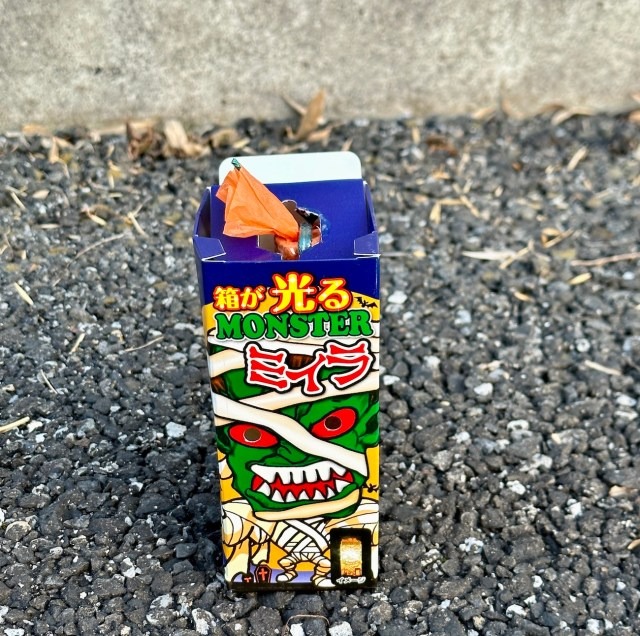
Our reporter’s mummy must have been slumbering for millennia so he wasn’t about to wait any longer. He took his Glowing Box Monster Mummy to a secluded area and lit the fuse…
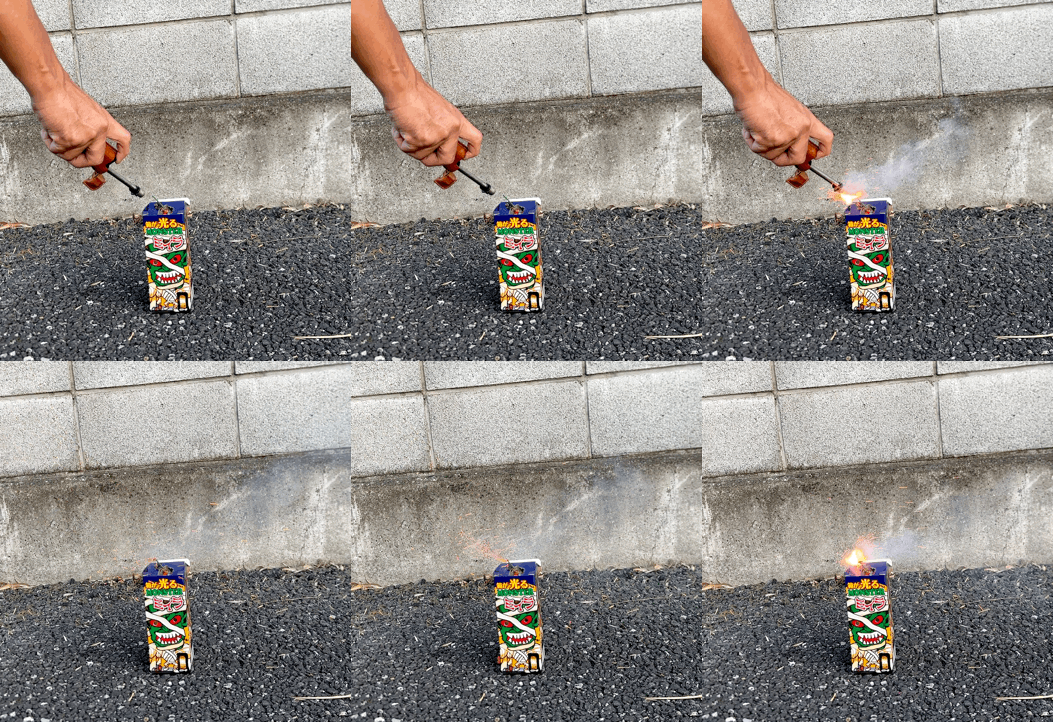
Right away the monster mummy’s eyes fired up. He had awakened!
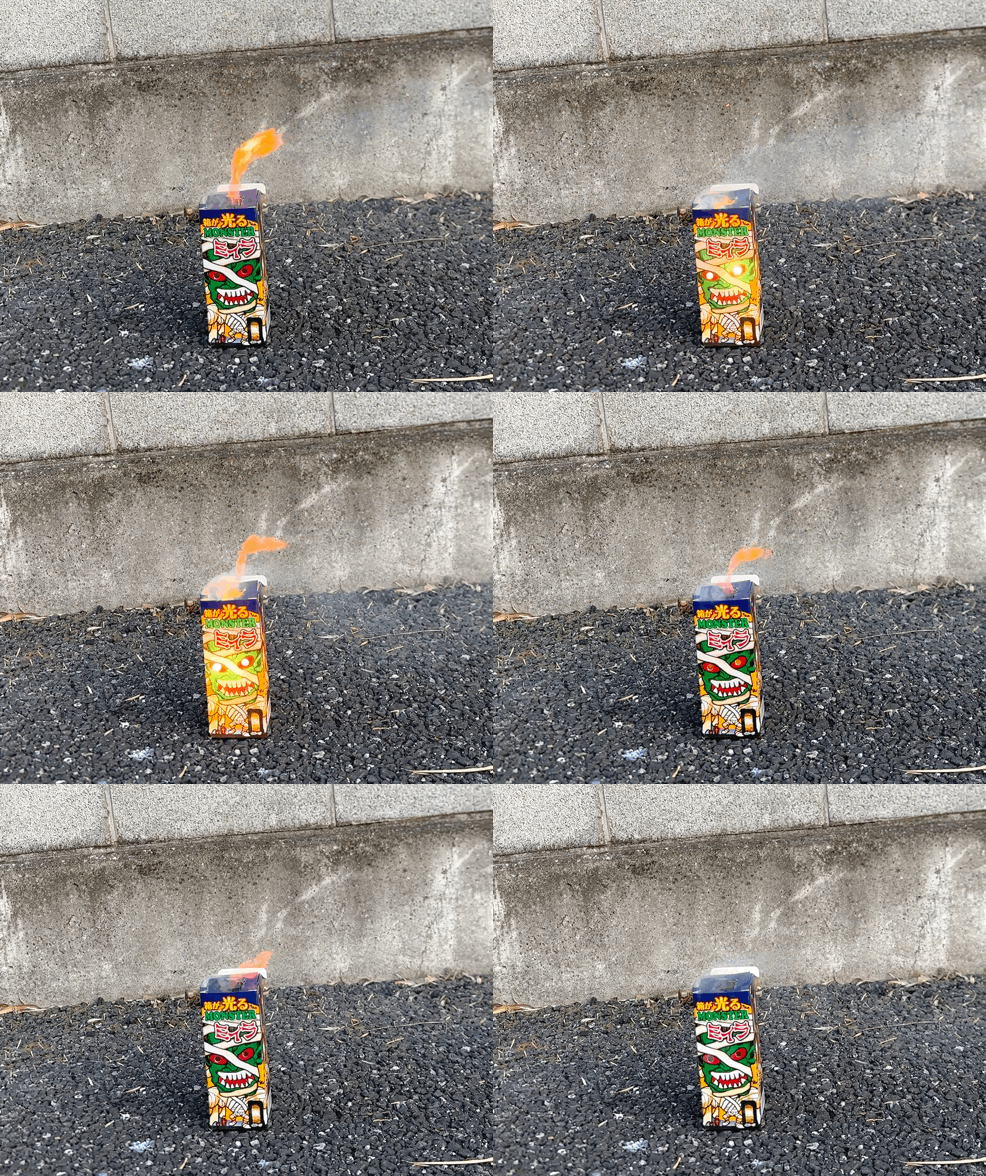
The sparks, big and small, began to spurt from the top of the mummy’s box.

The colors changed from red to purple to orange and all the while the mummy’s face continued to glow menacingly.
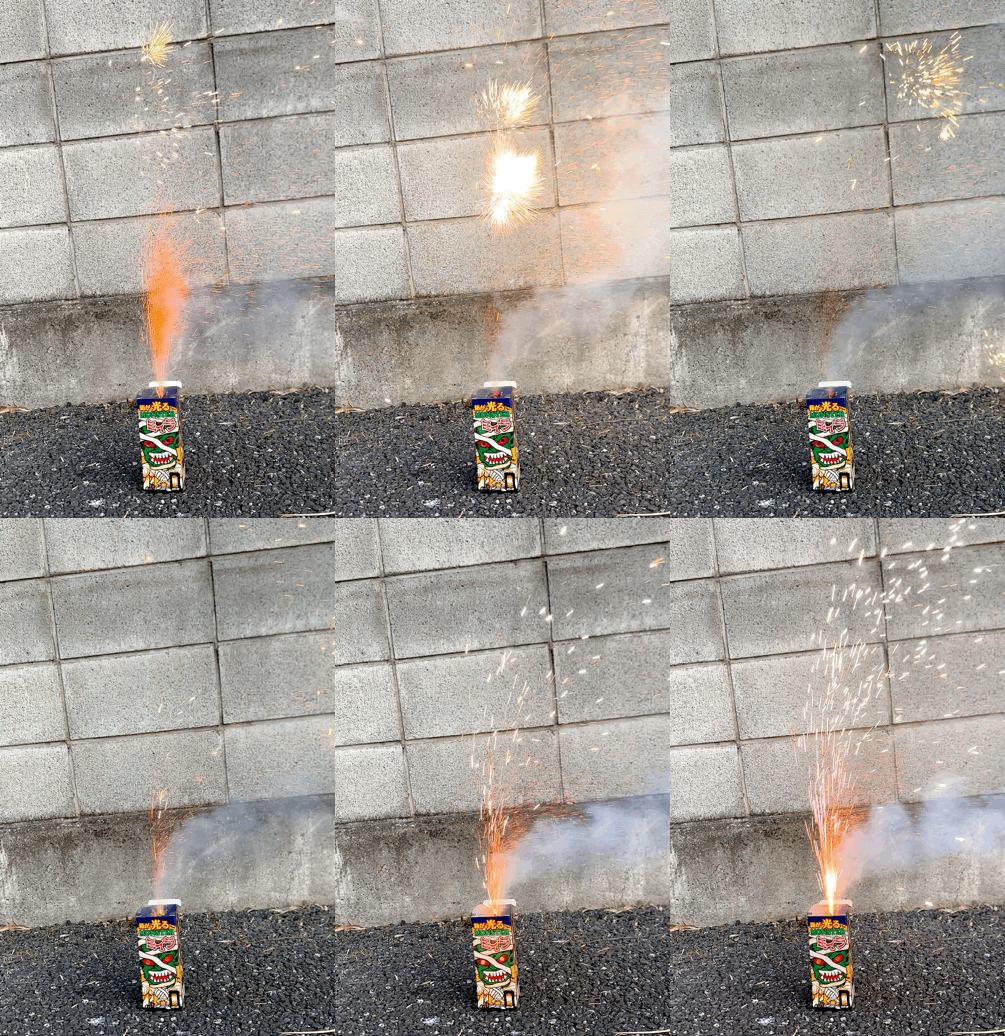
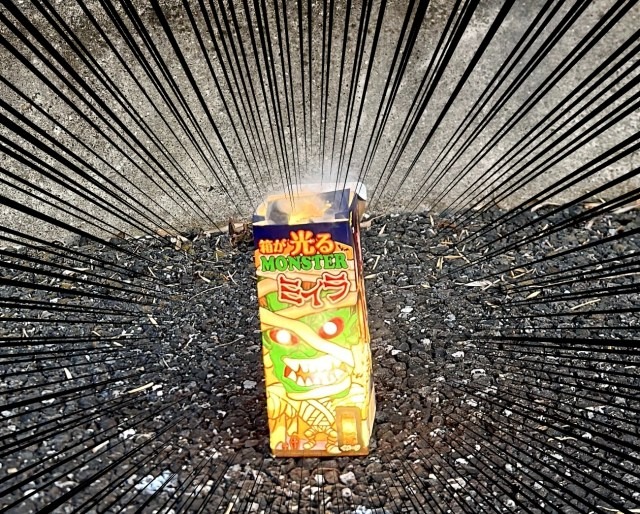
The sparks suddenly stopped flying but a powerful glow continued to pulse from the mummy’s box. Masanuki was genuinely impressed by the imposing presence of it.
It must have just been getting a second wind because once again a shower of colorful sparks fired out the top.
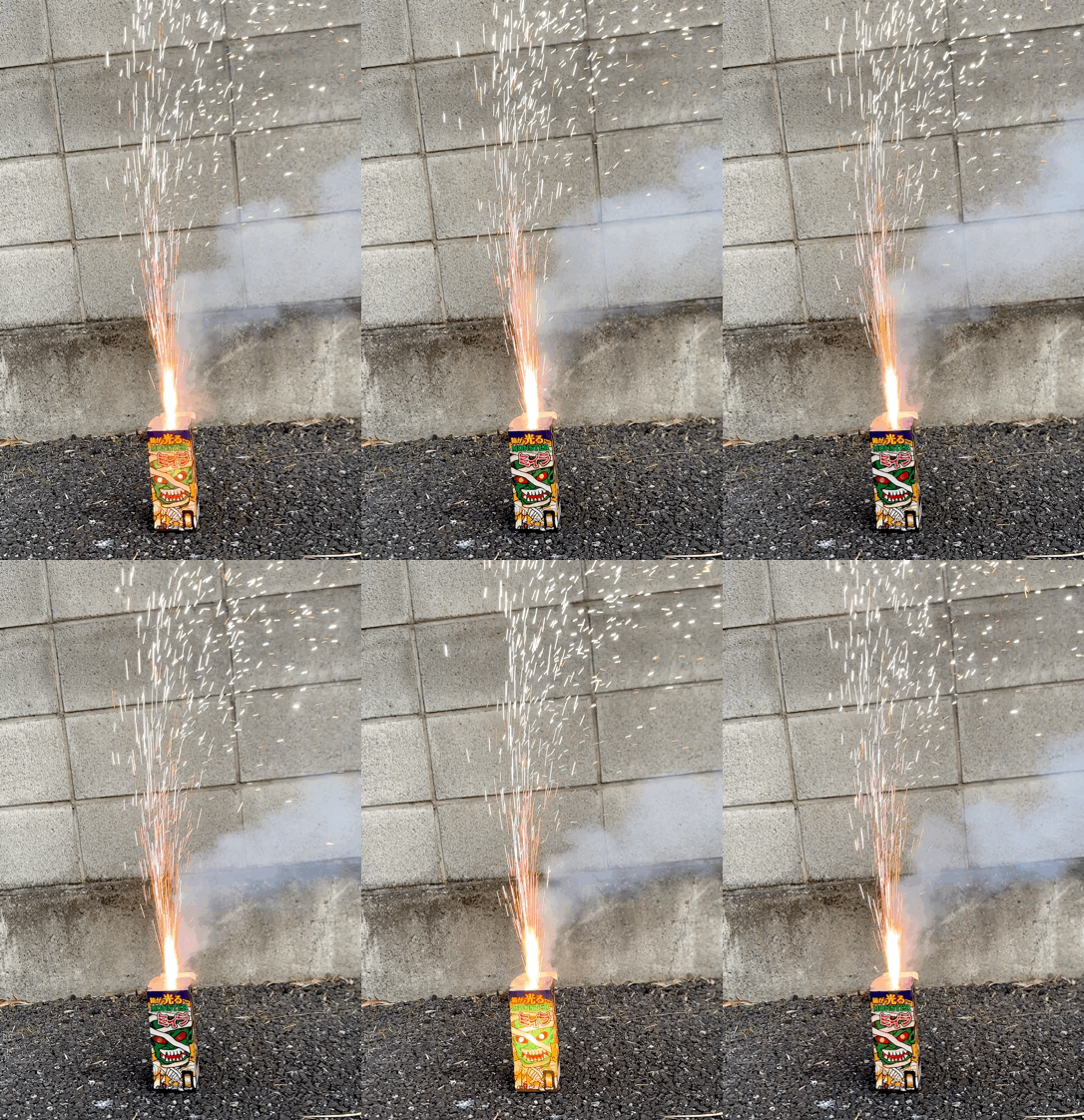
This second rush was even more violent than the first, as if these fireworks were in celebration of the mummy’s triumphant return.
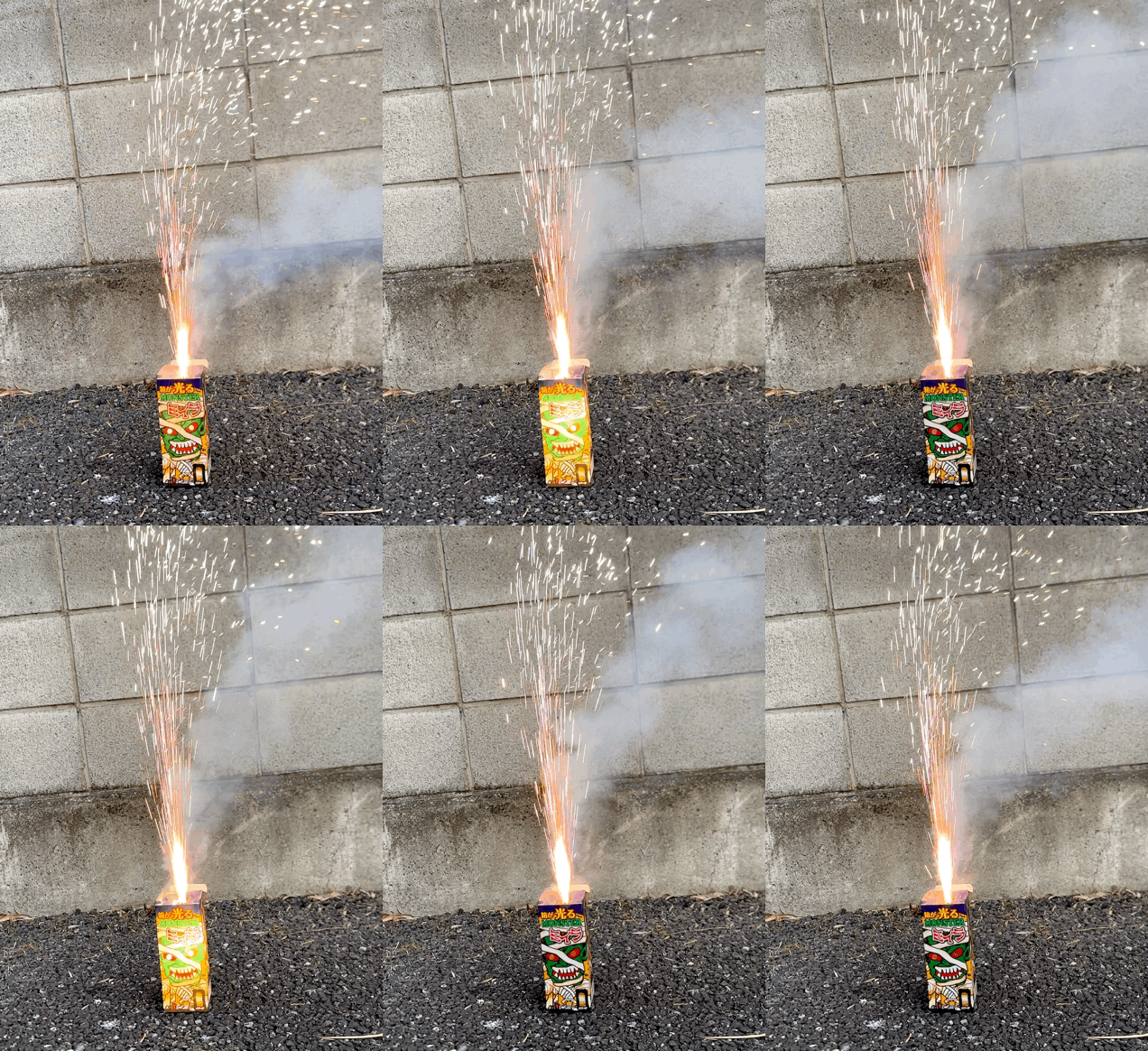
Then, just as suddenly as it came, the blasting died down once again.
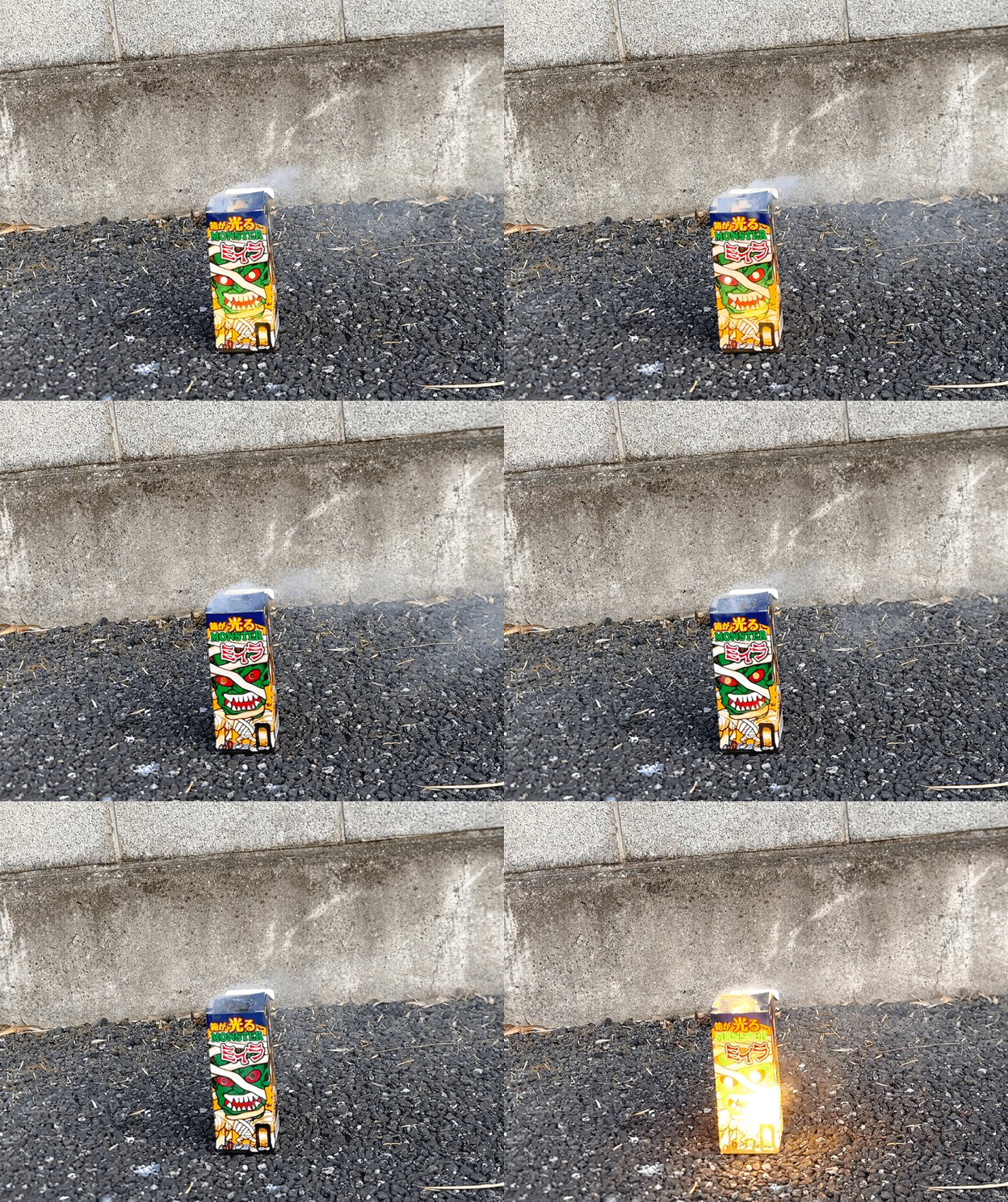
But those eyes… They continued to burn brightly.

All in all, Glowing Box Monster Mummy lasted for about 20 seconds, with an additional 10 seconds or so of glowing. But it was an impressive half-minute display and definitely worth the price if not for the originality alone.

It would be nice if they could make the box shaped like a sarcophagus, but Masanuki would still readily recommend this as a part of any summer fire festivities. By the way, he ordered Glowing Box Monster Mummy from Tateiwa Shoten in Nagasaki, home of some of the more original fireworks around.

Photos ©SoraNews24
● Want to hear about SoraNews24’s latest articles as soon as they’re published? Follow us on Facebook and Twitter!


Credit:

7-Eleven apologises for cockroaches in onigiri rice balls

7-Eleven rice ball onigiri cockroach Japanese convenience store food recall news

Recall issued for thousands of rice balls following customer complaints. 

On 4 August, 7-Eleven issued a recall of its Pickled Plum Shiso, Sesame rice balls in Saitama Prefecture after two customers found cockroaches inside them.

According to news reports, the recall was announced after the company received separate complaints from two customers who had purchased the same variety of rice ball from the same store in Saitama Prefecture on the morning of 4 August.

In both cases, a cockroach was said to have been found inside the packaging film. Thankfully, both customers noticed the insect before eating the rice balls.

After confirming the contamination complaints, 7-Eleven issued a recall of all its Pickled Plum Shiso, Sesame rice balls sold at its stores in Saitama Prefecture with a best-before date of 9:00 p.m. on 4 August. This amounted to around 2,000 rice balls sold at roughly 370 stores.

▼ News report of the recall

7-Eleven says it believes the contamination occurred where the rice balls were manufactured, at the Warabeya Nichiyo Foods Omiya Factory in Saitama City. The factory stopped the production line for cleaning and sterilisation following the incident.

7-Eleven issued an apology on 4 August, which read:

“Thank you very much for your continued patronage of 7-Eleven.
We received a report from customers that a cockroach had been found in our Pickled Plum Shiso, Sesame rice balls sold at a 7-Eleven in Saitama Prefecture.
This line of rice balls, manufactured at a factory, have already been removed from stores, but to be absolutely safe we are issuing a voluntary recall. Therefore, if you have an applicable product, please send it to the shipping address provided by cash on delivery.
We have reported this matter to the local public health centre. In addition, regarding the related factory, after stopping the production line, cleaning and sterilisation was conducted, as well as an emergency inspection and fumigation treatment by an insect extermination company.
We sincerely apologise for the extreme trouble and inconvenience caused to our customers. In future, we will strengthen and enforce thorough quality control and strive to prevent a recurrence.”

If you were one of the possibly hundreds of people who purchased one of these rice balls in Saitama Prefecture, you can return it to the address mentioned in 7-Eleven’s official notice linked below.

Source: 7-Eleven, Nikkei
Images: 7-Eleven
● Want to hear about SoraNews24’s latest articles as soon as they’re published? Follow us on Facebook and Twitter!


Credit:
Brand-new Pikachu manhole covers coming to Japanese city to celebrate Pokémon World Championships

Yokohama deepens its relationship with Pikachu.

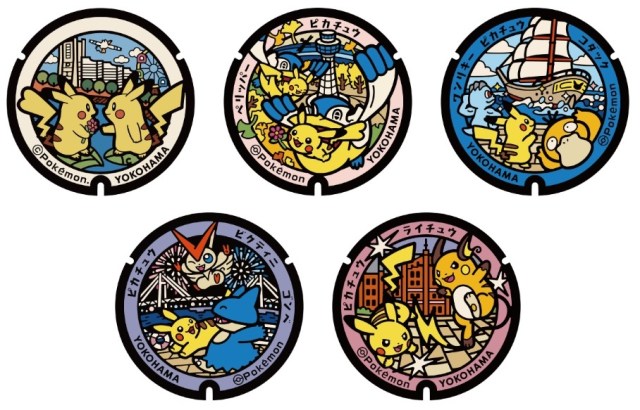
The eyes of the Pokémon-fan world are about to turn to Yokohama. Starting next Tuesday the coastal city, half an hour south of Tokyo, will become the first town in Japan to host the Pokémon World Championships. Fans of the Pokémon video games, card game, and anime will want to keep their eyes out for artistic salutes to the franchise around Yokohama, and to remember to move their eyes down too, since Yokohama is getting four new adorable Pokémon manhole covers.

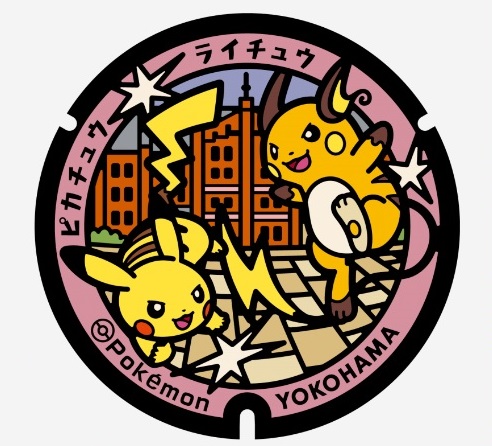
The specific species of Pocket Monsters that appear on Japan’s Pokémon manhole covers (also known as Pokéfuta or Pokélids) are often chosen because of some sort of connection to the city they’re representing. Even before being selected as the site for this year’s Pokémon World Championships, Yokohama was already known as the city where the annual summertime Pikachu Outbreak event and parades take place, and so the Pokémon mascot is featured on all of the new covers, posing with Poké-pals in front of a number of real-world Yokohama landmarks located near their respective covers.

▼ Pikachu, Psyduck, and Machop admiring the Nipponmaru, a retired four-mast training sail ship that’s now a museum (located in the plaza surrounding the vessel).

▼ Pikachu, Victini, and Munchlax on the Pokéfuta in the bayside Rinko Park, from where you can see the Yokohama Bay Bridge and one of Japan’s largest summer fireworks festivals.

▼ Pikachu and Raichu sparring in front of Akarenga, the reconstruction of Yokohama’s red-brick customs house that’s now a seaside entertainment complex, on the Pokéfuta in Akarenga Park.

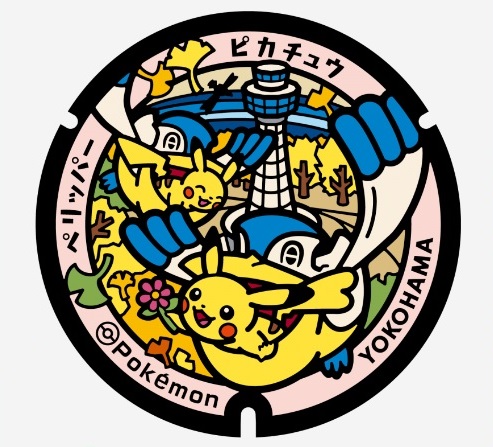
▼ Pikachus and Pelippers on the Pokéfuta next to Marine Tower, the observation tower located between Yokohama Chinatown and Yamashita Park, with a fluttering of leaves from Kanagawa’s prefectural tree, the ginkgo.

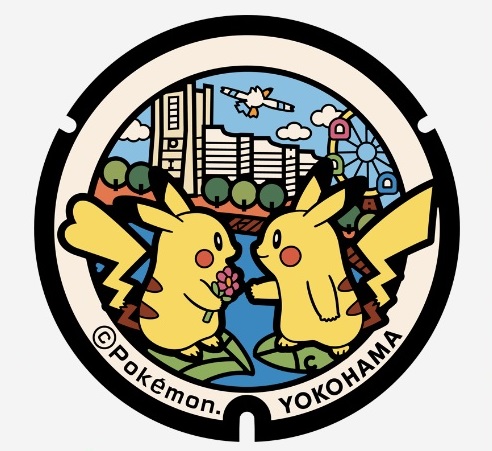
These four Pokéfuta will be joining Yokohama’s preexisting Pokéfuta, which is in the plaza to the north of Sakuragicho Station and depicts a romantic moment for a Pikachu couple (Yokohama’s harbor district having a reputation as a great date spot).

Exact locations for each can be found on the Pokéfuta website here. Installation of the new covers is scheduled to be finished by August 7, and if you’re making the rounds to check them all out, don’t forget to work Yokohama’s Pokémon mailboxes into your course too.

Source: City of Yokohama, Pokéfuta official website
Top image: Pokéfuta official website
Insert images: City of Yokohama, Pokéfuta official website

● Want to hear about SoraNews24’s latest articles as soon as they’re published? Follow us on Facebook and Twitter!


Credit:

Fossil of an extinct crab discovered in a pillar at Tokyo Station

A fascinating link to the city’s ancient past…if you know where to find it.

Tokyo Station is a major railway hub filled with crowds of commuters but it’s also a beautiful work of architecture with links to the past in the ground…and in its walls.

Not a lot of people know about the secrets hiding at the station — even our reporter Masanuki Sunakoma didn’t know about all of them, until a friend of his brought it to his attention the other day. According to his friend, a fossil was recently found in one of the station’s walls, and while it looks like a crab it’s actually an ancestor of the crab that became extinct about 30 million years ago.

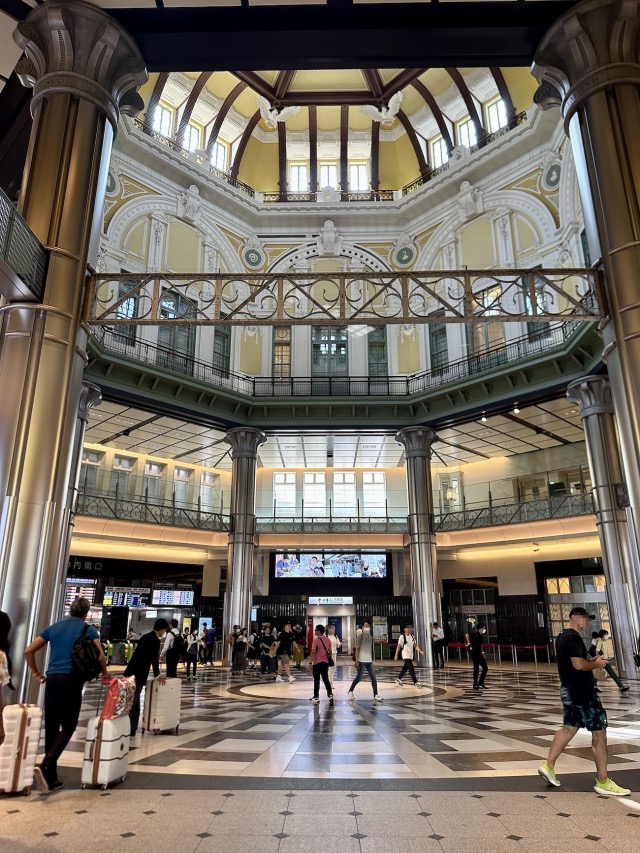
Upon hearing that, Masanuki was keen to see it for himself, so he headed out to Tokyo Station to find it. He started his quest at the Marunouchi South Exit, which has a beautiful domed interior.

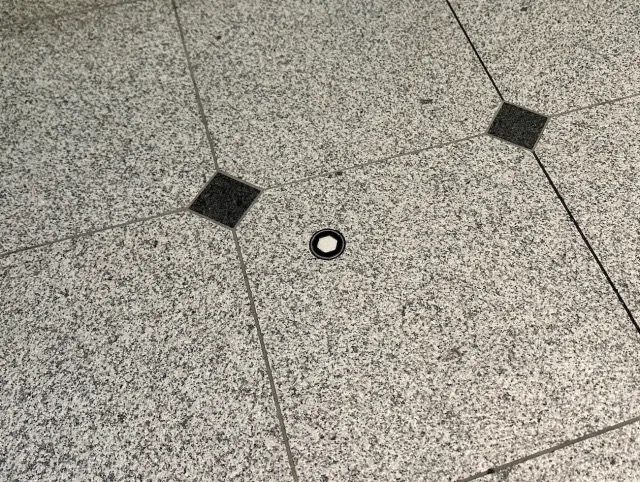
When you visit here, your eyes might naturally rise up to admire the dome, but you should also take a moment to look at the ground near the ticket office, where you’ll find this mysterious marker.

A plaque in Japanese beside the mark reveals that this is the site where Prime Minister Hara Takashi was attacked on 4 November 4, 1921. Prime Minister Hara was stabbed in the right side of his chest with a dagger and was treated at the station master’s office, but it’s said that he died almost instantly.

▼ This marker has been embedded in the floor to mark the site of the incident.

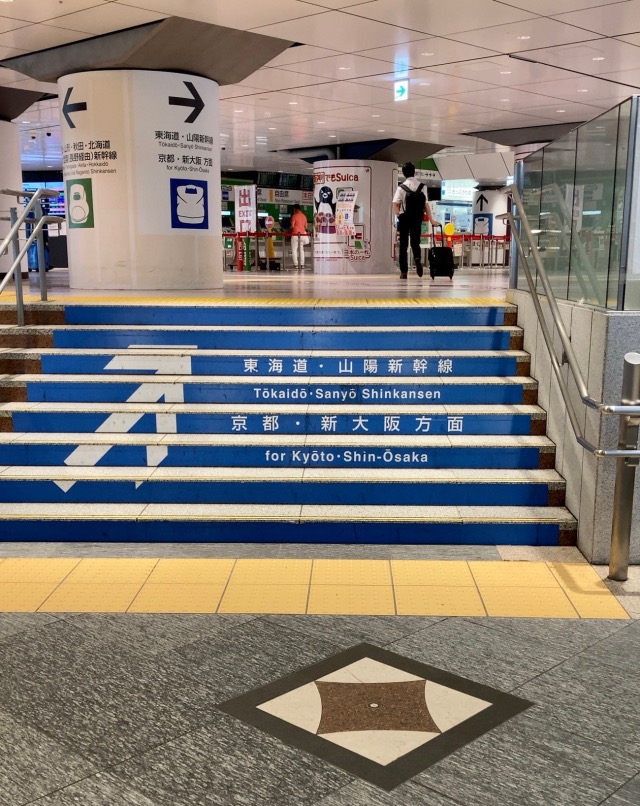
Masanuki’s next step was to head to the Shinkansen North Transfer area, where another marker can be found on the floor just before a short flight of stairs. This is the site where Prime Minister Hamaguchi Osachi was shot on 14 November 1930. While he survived the attack, he died from complications related to his injury the following year.

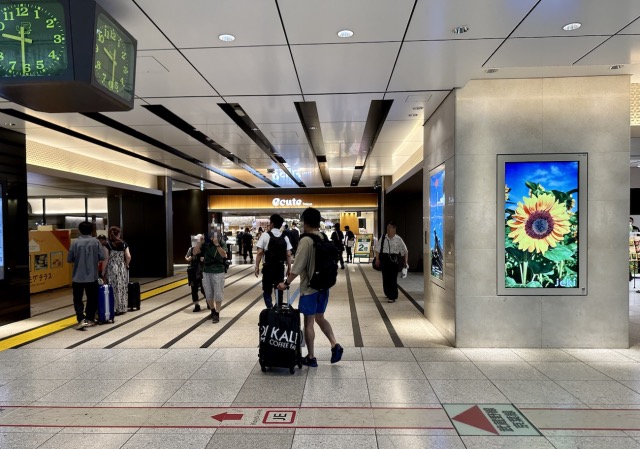
From here, it’s not too far to the fossilised crab — simply go up the short stairs pictured above and then down the short stairs at the Shinkansen South Exit area. According to Masanuki’s friend, once you see “Ecute Tokyo” in front of you (brown sign, below), you’re in the right area.

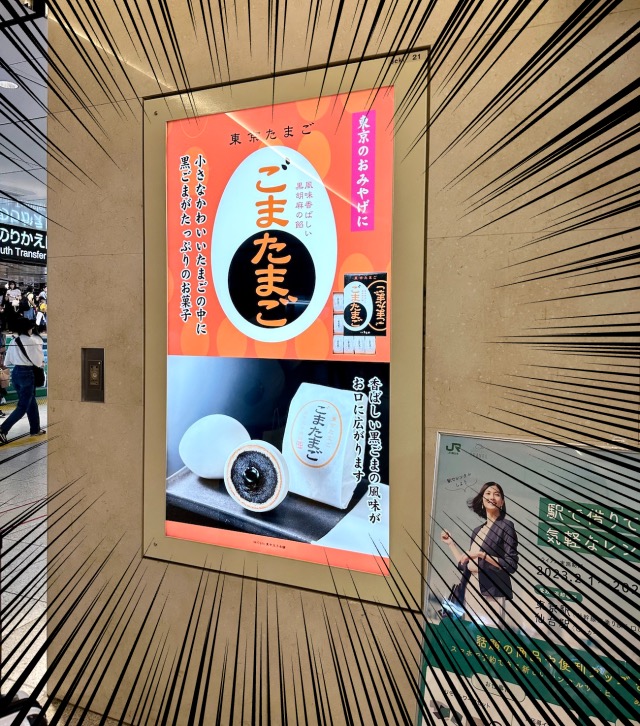
Masanuki was told to look for the “ごまたまご” (“Goma Tamago” or “Sesame Egg”) sign on one of the pillars here in front of the South Transfer area but he wasn’t able to see it immediately.

▼ No Goma Tamago or crab fossil here…

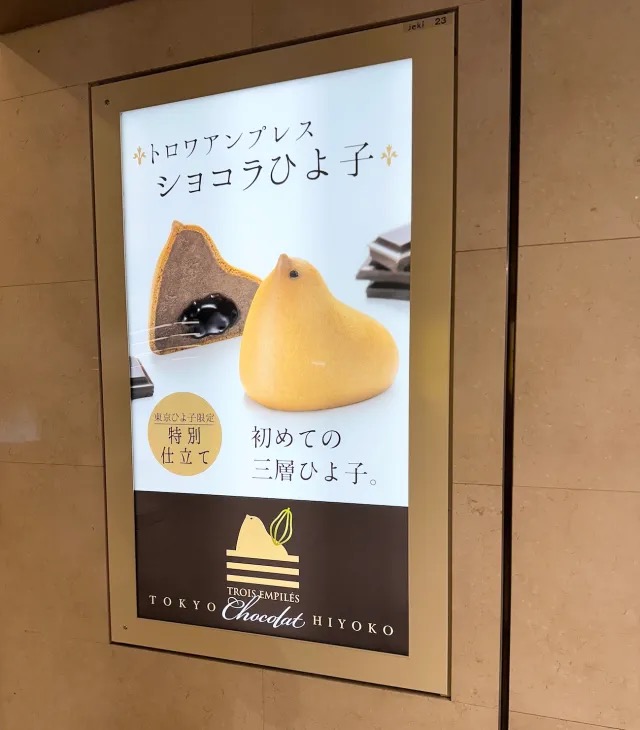
▼ There was a Chocolat Hiyoko chick on this pillar, but no crab here…

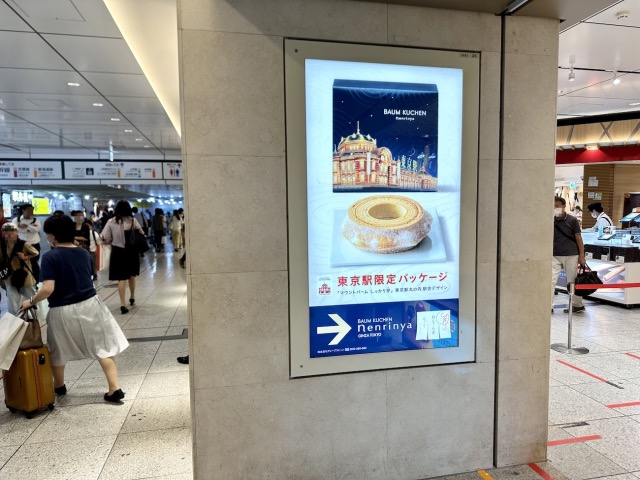
▼ Baum Kuchen Nenrinya? Nope…

▼ Turning around, he finally spotted it — Goma Tamago, the famous sweet souvenir from Tokyo!

▼ Now all he had to do was look carefully on the wall to the left of this sign…

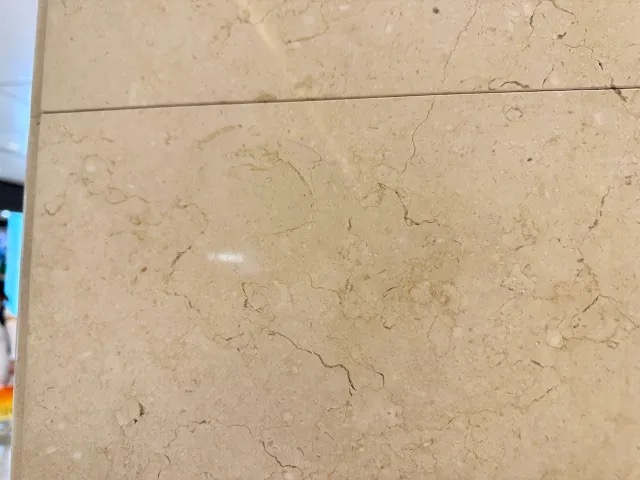
▼ Huh? Where is it?

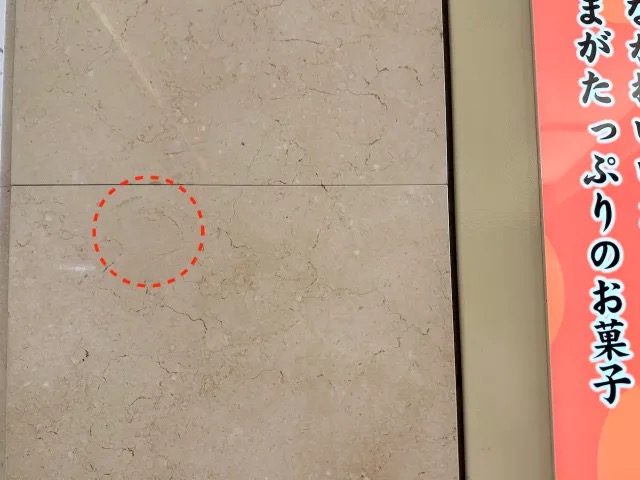
▼ OMG it’s right there!

It was hard to make out, and even harder to photograph, but once you look closely, you can see it’s definitely a crab — the outline and raised claws are undeniable. Apparently, a man with an interest in fossils first spotted the crab while waiting in the area for his wife around two years ago, and since then it’s been confirmed as an extinct ancestor of the crab by a fossil museum curator.

It’s not the only fossil to be discovered in a stone wall in Tokyo, as other specimens have been found at places such as the Mitsukoshi department store in Nihonbashi, the Odakyu department store in Shinjuku and the Tobu Department Store in Ikebukuro.

▼ This is the first discovery of a crab-shaped fossil, though, which makes it particularly exciting.

If you need more help finding the location, it’s here on one of these pillars between Ecute and the South Transfer area. Fortunately, the pillars that were once hidden when this Street View was taken are now visible to the public so you’ll be able to find it.

Who knew there was such an exciting discovery hidden on a random wall at Tokyo Station? We certainly didn’t, and lots of people still aren’t aware of its existence. So next time you’re in the area, be sure to check it out — it’s just one of many hidden gems hiding in plain sight at the station…for those who know how to find them.

Photos ©SoraNews24
● Want to hear about SoraNews24’s latest articles as soon as they’re published? Follow us on Facebook and Twitter!


Credit:

What ever happened to Premium Friday? Japanese government looks set to pull the plug

Not so premium now, are you, Friday?

Things have a way of changing so gradually, it’s sometimes easy to forget how it used to be. Back in the day, we used to all think a guy singing about pineapples, pens, apples, and pineapples was just the greatest thing.

It was also a time when an economic policy by the late Shinzo Abe, both affectionately and unaffectionately known as “Abenomics,” was just full of ideas to stimulate some spending in Japan. One of these initiatives was Premium Friday, which started in 2017 and encouraged companies to allow staff to punch out a little earlier on the last Friday of every month, in the hopes they go see a movie, toss an axe around, or do anything that gets them spreading around some disposable income.

▼ Here it is explained by some singing puppets.

It might not sound like much, but it was a rather bold request since Japanese working culture is notoriously passive-aggressive about workers spending the maximum possible time at work, to the point that many don’t even use their allotted vacation days.

So, it probably wasn’t such a shock that Premium Friday didn’t take the country by storm. By 2020, the program was largely seen as a joke, and the pandemic pretty much squashed any remaining chance of it regaining any traction. However, it was never officially ended at any point.

On the contrary, the official website “premium-friday.com” had been up and running until June 1st of this year, and an archive of it from last May shows an article from December 2021 explaining how a Premium Friday lifestyle of embracing drinking at home and leaving a little earlier when traveling can help to cope in a post-pandemic world. There was also an announcement for a Premium Friday clarinet concert in October 2022.

▼ There was even a cluster of Premium Friday promotions last May when the COVID-19 threat was downgraded. This news report covered them and optimistically ended by saying they “seem likely to grow in popularity.”

But with the shutdown of the website last June, it appears our main channel of Premium Friday information has been officially closed. Moreover, ownership of the website’s domain is set to expire on 13 August and as of this writing, the owners at the Ministry of Economy, Trade and Industry have yet to do anything about it.

There’s still time for a last-minute Hail Mary save, but the future for Premium Friday is not looking bright…if it ever did in the first place. Readers of the news were utterly devastated over the possible loss of Premium Friday in online comments. They just had a hard time expressing it.

“Is that still going on? I totally forgot about it.”
“It never really even started.”
“It’s hard to get into the ‘premium’ vibe with all the taxes and prices going up.”
“That was a pointless campaign.”
“I wonder how many millions of yen they spent on it.”
“Has the Ministry of Economy, Trade and Industry ever accomplished anything?”
“A company near mine used to do it in the early days but stopped soon after. My company never did it.”
“Hang on just a minute now! What about Shining Monday?”

Shining Monday was the follow-up campaign to Premium Friday in which employees could go to work a little later in the morning on the Monday after the last Friday of every month. However, it was the creation of the minority Komeito Party and was never formally adopted by the ruling party.

And it looks as if Premium Friday is set to join Shining Monday on the island of misfit policies right alongside Cool Japan. Just remember to steer clear of anything that resembles a Premium Friday website from now on because it’s very likely that domain name will be scooped up by someone trying to sell crappy flashlights or bad investments.

Source: Internet Watch, Ministry of Economy, Trade and Industry, Way Back Machine/ Premium Friday
Top image: YouTube/静岡市広報課シティプロモーション係
● Want to hear about SoraNews24’s latest articles as soon as they’re published? Follow us on Facebook and Twitter!


Credit:

Ghibli-themed sweets shop releases edible Ponyo pudding summertime sweets

Ponyo on the Peach is back with a sweet countermeasure to the summer heat.

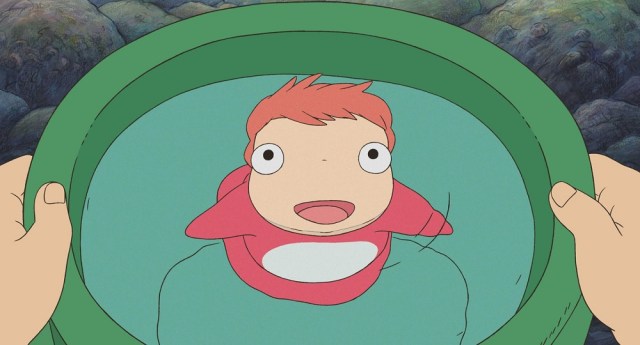
Studio Ghibli’s latest anime movie, How Do You Live?, is getting a pretty pronounced name change for its international release, becoming The Boy and the Heron. The majority of Ghibli’s works, though, have had some sort of modification from their original title when making their way overseas, such as Ponyo being called “Ponyo on the Cliff” in Japan.

You could argue it’s a minor difference, but it’s an important one, because it’s thanks, in part, to the word-play potential of “Ponyo on the Cliff” that right now you can eat Ponyo on the Peach sweets.

Shirohige’s Cream Puff Factory may not be an official part of the Studio Ghibli business network, but the two-branch west Tokyo sweets shop makes its inspirations very clear, and it’s been operating for years with the studio’s tacit blessing. Known for their Totoro cream puffs and Catbus cookies, each summer Shirohige whips up some limited-time custard cream pudding desserts featuring adventurous fish girl Ponyo while peaches are in season.

Ponyo herself is made from shiratama mochi dumplings, and sits atop a layer of white peach and lemon gelatin. Underneath that are strata of milk custard pudding, more white peach gelatin, and a bed of sumomo, or Japanese plum, gelatin (the word sumomo comes from the combination of su, meaning “tart,” and momo, “peach”). The result is a mix of sweet and sour notes that’s perfect for relaxing and refreshing yourself on a hot summer day, as found out when we were lucky enough to taste test the Ponyo dessert a while back.

This year’s batch of Ponyo on the Peach pudding will be on sale from August 5 to 27, but available only on weekends and public holidays. The Shirohige’s Cream Puff Factory announcement posting above doesn’t mention a price, but last year’s were 700 yen (US$5.10), so somewhere around that is probably a safe assumption. Also, to help ensure a large number of different people get to enjoy the Ponyo sweets, there’s a purchase-limit of two puddings per group.

Related: Shirohige’s Cream Puff Factory location list
Source: Twitter/@shirohige_puff
Featured image: Twitter/@shirohige_puff
Top image: Studio Ghibli
● Want to hear about SoraNews24’s latest articles as soon as they’re published? Follow us on Facebook and Twitter!


Credit:
Is this Japan’s best hotel breakfast buffet? With unlimited beer and steak, it’s hard to say no

Sister property to Japan’s best business hotel-breakfast chain lets you start your day the beer, steak, and ice cream way.

There are some pretty standard things that come to mind when you think of a hotel breakfast buffet. Scrambled eggs, sliced fruit, milk, orange juice, things like that. And yeah, that’s all on offer at the hotel we stayed at on our recent trip to Okinawa, but it’s the other things you’ll find in their buffet line that made it a meal we’ll never forget.

We stumbled across this amazing morning meal at The Beach Tower Okinawa, a seaside hotel located about 40 minutes by car from Naha Airport, Okinawa’s main air travel hub. After our first night in the hotel, we got up bright and early the next morning and made our way to the Chula Teeda restaurant on the first floor, where the breakfast buffet is served, shortly after 7 a.m.

The buffet is a mix of Japanese and Western-style dishes, which is often the case at hotels in Japan. In addition, since Okinawa has a unique and rich food culture, there are also plenty of local specialties in the buffet line, like goya chanpuru (stir-fried bitter melon)…

…umi budo (literally “sea grapes”), a kind of bulbous seaweed…

…and taco rice.

But then things start to get downright decadent. If you wake up with a big appetite, The Beach Tower Okinawa’s breakfast buffet has a plate of hamburger patties next to a box of buns and all the fixings you need to make as many breakfast burgers as you want.

And if you think all that bread and veggies is just getting in the way of the beefy bliss you desire? No problem, because the buffet also has all-you-can-eat steak!

What’s more, these steaks are premium Okinawa-raised Motobu beef.

If you’ve never started your day the steak way, let us tell you, there are few things in life that will feel more luxurious. Oh, and don’t worry – the hotel doesn’t cheap out with cheap, tough cuts of beef either. Our steak was tender, juicy, and thick, and we could go back for as many more slices as we wanted.

But since we said there are few things more luxurious in life than having steak for breakfast, that means that there is, in fact, an even higher level of luxury, right? Yep, and it’s waiting in the buffet’s drink corner…

…where we found a self-serve draft beer machine!?!

▼ Three of them, actually, with separate pouring stations for Asahi Beer, Suntory’s Premium Malts, and Orion, Japan’s favorite locally produced brew.

At first we figured these had to be for the dinner buffet the hotel has in the same spot. But nope, The Beach Tower Okinawa is proud to offer all-you-can-drink beer from 7 in the morning, even going so far as to post signs letting everyone know about it.

▼ 朝バイキングで生ビール飲み放題 = All-you-can-drink draft beer with our breakfast buffet

It’s not like this is a half-effort afterthought by the hotel either. The refrigerator next to the beer servers is filled with frosted mugs to make sure your morning beer is extra crisp and refreshing.

Taking a seat on the terrace and alternating between bites of steak and sips of beer, we found ourselves feeling immensely satisfied with how our day was turning out, even though it was just getting started. And just when we thought this meal couldn’t get any better, we noticed another local Okinawan specialty that’s part of the breakfast buffet…

…Blue Seal ice cream!

So how much does The Beach Tower Okinawa’s breakfast buffet cost? For adults staying at the hotel, it’s 2,200 yen (US$16), which is very reasonable for a hotel of this caliber in Japan, and even the non-guest price of 3,300 yen is low enough that you could easily come out ahead on the unlimited steak and beer. For elementary school-age kids the guest price is 1,100 yen and the non-guest 1,650, and for children not yet in elementary school guests are free and non-guests 1,100 yen. Obviously little tykes won’t be able to take advantage of the all-you-can-drink beer, but the unlimited ice cream will still make you a hero in their eyes.

All in all, The Beach Tower Okinawa’s breakfast buffet is one of the most memorable we’ve had, but after doing some more checking around, maybe we shouldn’t have been so surprised since it turns out the hotel is managed by the same group as the Dormy Inn hotel chain, which also has some of the best breakfasts budget-minded travelers will come across in Japan.

Hotel information
The Beach Tower Okinawa / ザ・ビーチタワー沖縄
Address: Okinawa-ken, Nakagami-gun, Chatancho, Mihama 8-6
沖縄県中頭郡北谷町美浜8-6
Website

Photos ©SoraNews24
● Want to hear about SoraNews24’s latest articles as soon as they’re published? Follow us on Facebook and Twitter!


Credit: