Studio Ghibli cookbook teaches how to make beautiful, super-easy Laputa Levistone candies【Recipe】
From the Castle in the Sky to the dessert plate in your home.

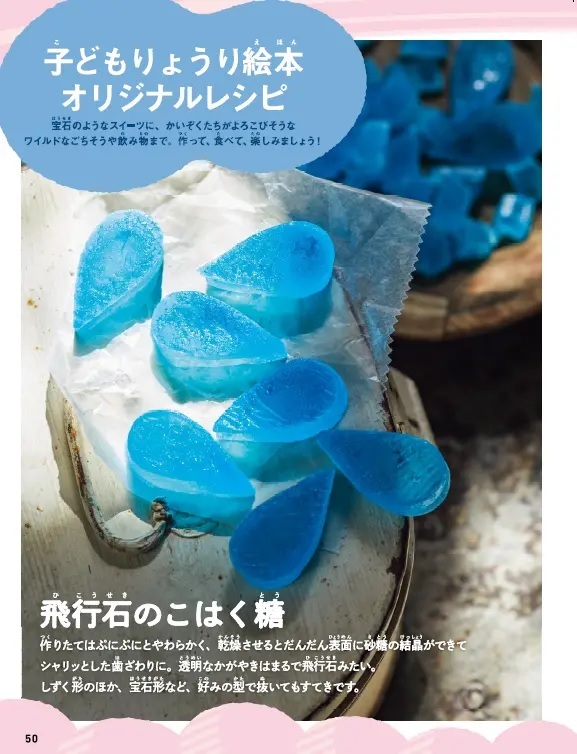
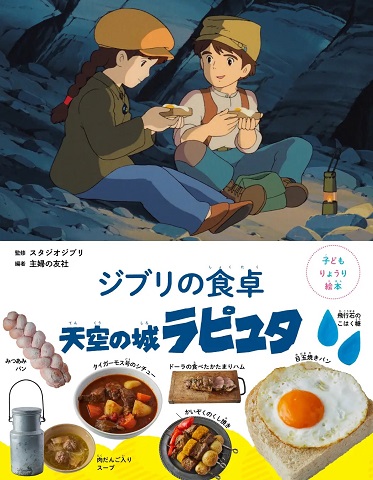
Recently, we spent a day in the kitchen trying out recipes from the official Studio Ghibli cookbook for Laputa: Castle in the Sky. Our Tiger Moth Crew Stew and Lump of Ham Eaten by Dora turned out great, but there are still more recipes inside Ghibli’s Dining Table Children’s Cooking Picture Book-Laputa: Castle in the Sky (to use the book’s full title), and one of the most beautiful is the Levistone Kohakuto candies.

Confectioners in Japan have been making kohakuto, which translates literally as “amber sugar,” since the Edo period (1603-1867). Though it might look like the rock candy popular in western countries, kohakuto combines a crunchy outer texture with a soft, gelatin-like center. That mysterious combination of physical properties makes it a fitting stand-in for the Levistone, the magical mineral in the pendant worn by Laputa’s female lead Sheeta.


The cookbook is divided into two sections, one recreating dishes seen within the anime and the other for original recipes inspired by it. The Levistone Kohakuto is in the second section, and while Sheeta’s pendant was a rare and highly coveted artifact, the Levistone candies are very easy to make, as the book’s publisher shares in its preview.

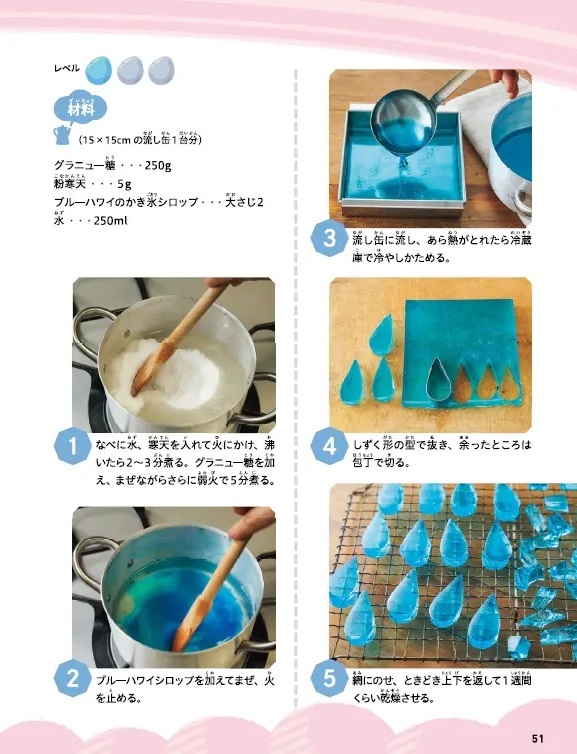
Ingredients
● Granulated sugar (250 grams/8.8 ounces)
● Agar agar powder (5 grams/0.2 ounces)
● Blue Hawaii shaved ice syrup (2 tablespoons)
● Water (250 milliliters/8.5 ounces)
● Step 1
Add the water and agar agar powder (which is called kona kanten in Japan, if that’s where you happen to be doing your ingredient shopping) to a pot and bring the mixture to a boil. Once it boils, turn down the heat and simmer for two to three minutes. Pour in the granulated sugar and cook on low heat for five minutes while stirring.

● Step 2
Add the Blue Hawaii shaved ice syrup to the pot, stir, and turn off the flame.

● Step 3
Transfer the mixture to a tray or other sided container. Once it cools to room temperature, put it in the refrigerator to chill and harden. Unfortunately, the book doesn’t say how long this will take, but various other kohakuto recipes give times of anywhere between two hours and half a day. Thankfully, though, there’s no danger of overchilling the mixture by leaving it in the fridge for too long, so if you check on it and it’s still soft, come back and check it again in an hour or two.

● Step 4
Once the mixture has hardened, take it back out of the refrigerator and cut it into teardrop shapes, just like Sheeta’s pendant, using either a cookie-cutter or knife.

● Step 5
Now comes the hardest part, not in terms of complicated cooking calculations of fine motor skills, but psychological difficulty. The final step in making kohakuto is to place it on a grill or rack and let it dry at room temperature. This takes a long time, with the recipe recommending you let them dry for a solid week, but the reward for your willpower in resisting the urge to eat them before they’re ready is getting to enjoy beautiful sweet snacks with the optimum traditional texture.

Oh, and if you’re wondering what exactly this “Blue Hawaii” syrup is, well, that’s something that Japan itself has trouble explaining in precise terms. It’s sort of an apple/citrus mix, but even if you can’t find it at your local grocery store, theoretically you should be able to use any sort of blue-colored shaved ice syrup and get similar Levistone-like results.

Ghibli’s Dining Table Children’s Cooking Picture Book-Laputa: Castle in the Sky is priced at 1,760 yen (US$12) and can be ordered through Amazon Japan here.

Source: PR Times
Top image: PR Times
Insert images: PR Times, Studio Ghibli (1, 2)
● Want to hear about SoraNews24’s latest articles as soon as they’re published? Follow us on Facebook and Twitter!


Credit:

Tokyo convenience store has full bar inside with Japanese whiskey, will smoke your combini snacks

Shibuya Family Mart teams up with Kyoto bar.

In recent years, a lot of Japanese convenience store chains have begun adding “eat-in corners,” counters or tables with chairs where customers can eat whatever food they’ve purchased right there in the store. You can also sit and have beverages, but only as long as they’re soft drinks, since alcohol is prohibited in the eat-in corners.

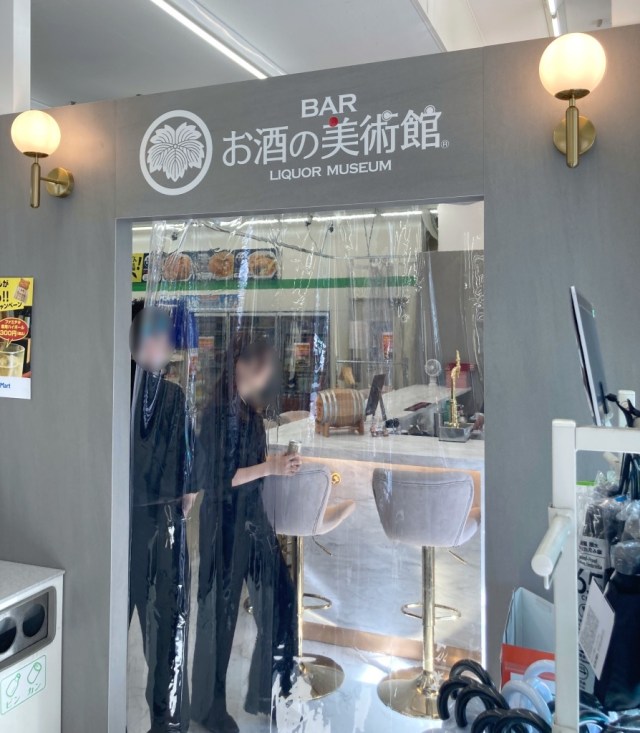
However, we recently found a special branch of convenience store chain Family Mart in Tokyo that does let you drink alcoholic beverages on the premises by ordering them from a full bar right there inside the store!

We found this place not in a mystical fantasyland, but in Shibuya Ward, at Family Mart’s Shibuya Meiji-dori branch. Sharing space on the sign with Family Mart’s name is Liquor Museum (Osake no Bijutsukan in Japanese), a chain of bars founded in Kyoto that’s Family Mart’s partner in this team-up.

Step inside the store, and you’ll quickly notice the bar section. We’d been expecting a simple setup, maybe with just a tiny counter to stand at, but…

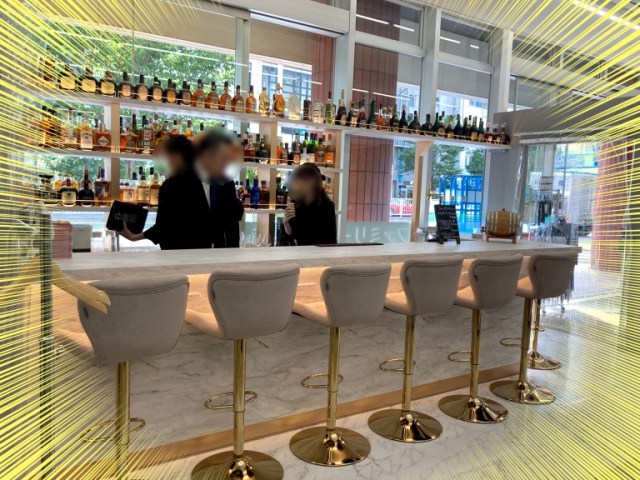
…this is a full-on bar inside a convenience store, complete with elegant high chairs and a snappily dressed bartender ready to mix a variety of drinks using the extensive selection of spirits on the shelf behind him.

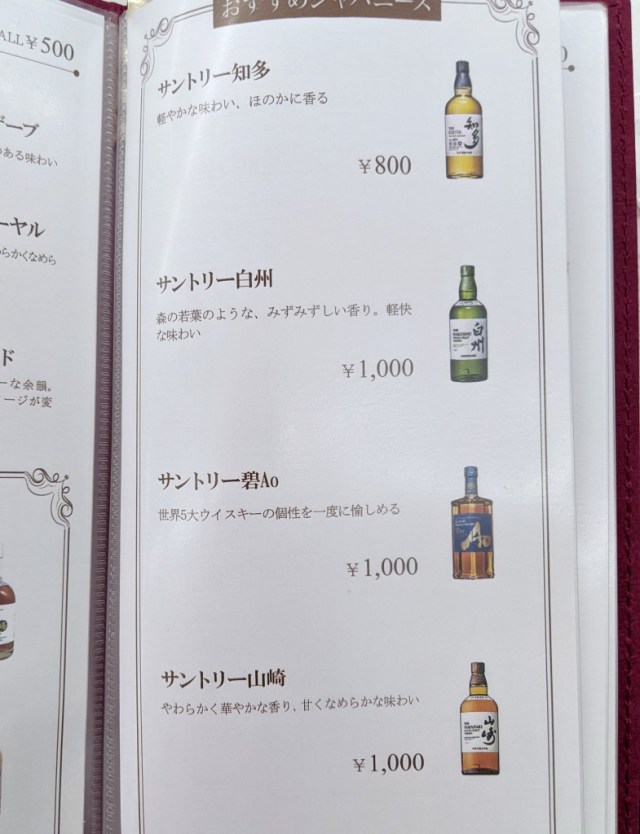
Drink prices start at just 500 yen (US$3.40). Liquor Museum is especially popular as an affordable place to drink Japanese whiskey, though, and for just a little bit more, 800 yen, you can get a pour of Suntory’s Chita. The distiller’s premium Hakushu, Yamazaki, and Ao varieties are 1,000 yen each, but even that’s less than you’ll pay for them at most other bars in Japan, and since Liquor Museum, unlike most other bars, doesn’t charge a cover fee, the total price for a pour is especially budget-friendly.

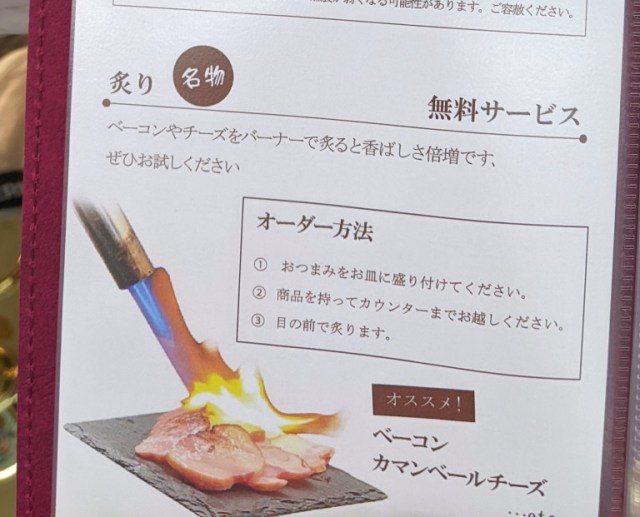
Having a bar inside a convenience store also allows for some pretty cool synergy, in that you’re allowed to bring any Family Mart food you purchase with you to the bar counter to enjoy as drinking snacks. What’s more, the bar staff will sear any items you want for free, giving them a toasty, classy touch.

▼ The menu recommends searing Family Mart’s thick-cut bacon and camembert cheese slices.

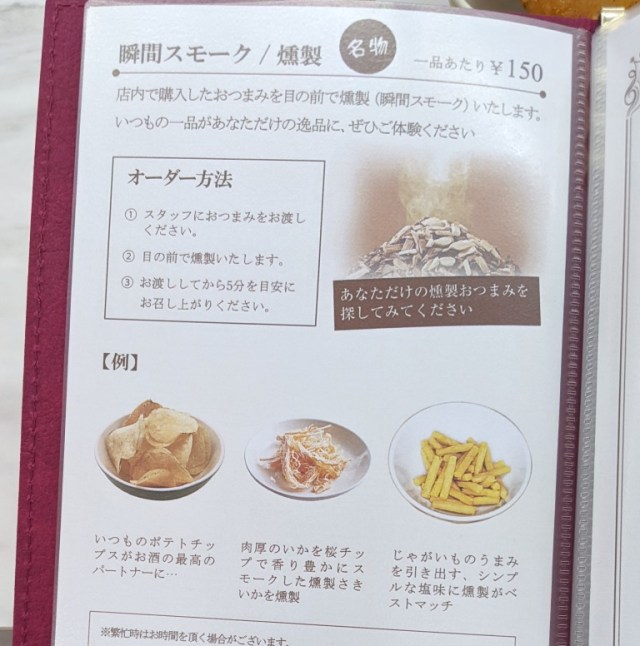
If you want to get even fancier, they’ll also smoke food items for you for an additional fee of 150 yen each.

▼ For smoking, they recommend things like potato chips and cheese.

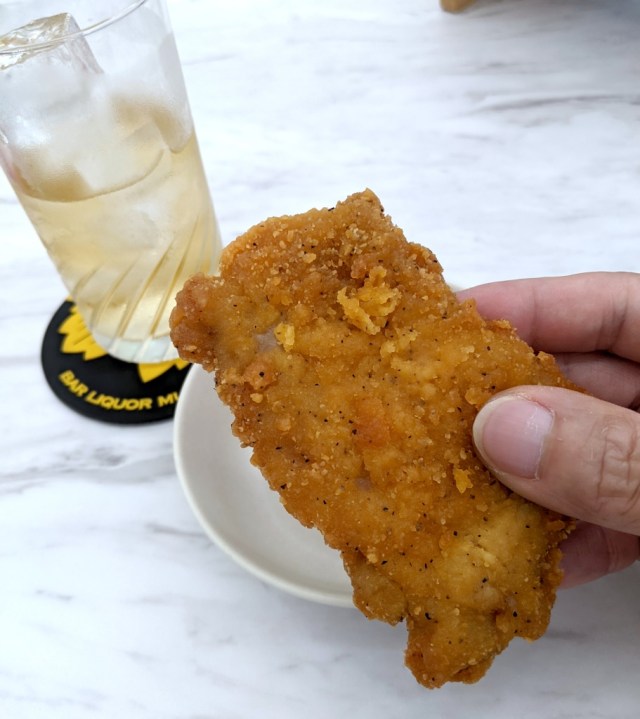
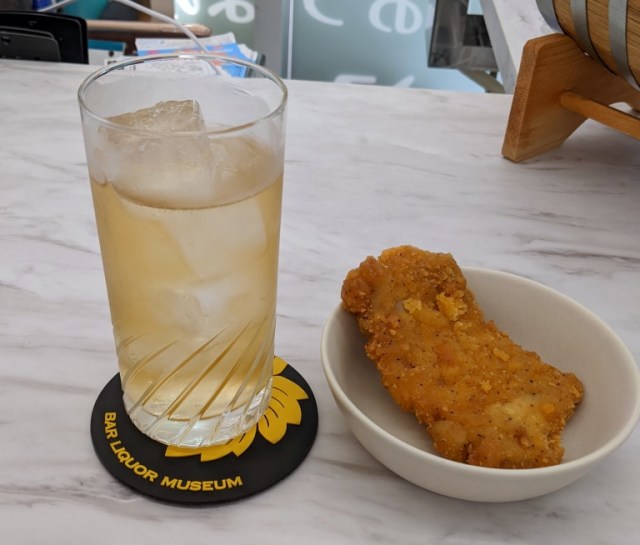
Of course, some convenience store snacks taste perfect just the way they are, like Family Mart’s Famichiki boneless fried chicken filets.

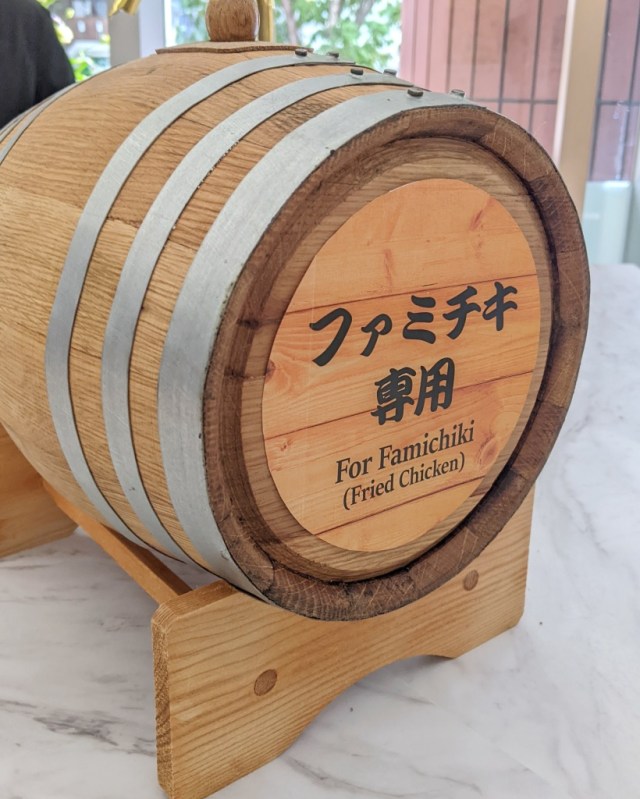
Knowing this, Liquor Museum serves highballs specially concocted to pair well with Famichiki.

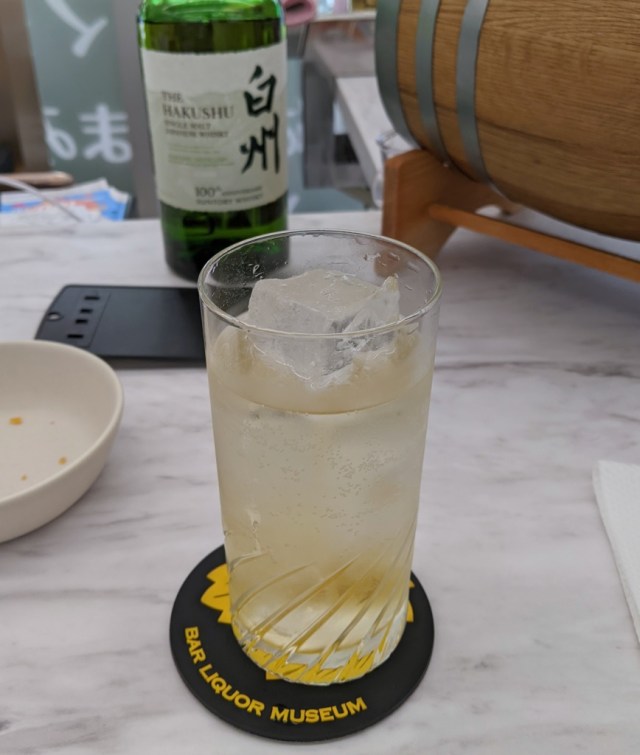
In the interest of performing a thorough evaluation, we ordered one to go with the Famichiki we’d brought to the counter with us, and the combination was immensely satisfying. We followed this up with a Suntory Hakushu highball, again, strictly for evaluation purposes, not because we just wanted to drink while on the job and have our boss pay for it.

▼ It was great too.

Right now, this is the only Family Mart in Tokyo with its own bar inside, but if it turns out to be a hit, there may be more to come.

Location information
Family Mart (Shibuya Meiji-dori branch) / ファミリーマート(渋谷明治通り店)
Address: Tokyo-to, Shibuya-ku, Shibuya 3-12-22
東京都渋谷区渋谷3丁目12-22
Convenience store open 24 hours, bar open 3 p.m.-11:30 p.m.

Photos ©SoraNews24
● Want to hear about SoraNews24’s latest articles as soon as they’re published? Follow us on Facebook and Twitter!


Credit:

Starbucks Japan’s new Butter Frappuccino is more like a sweet pastry than a drink

Time to get a taste of autumn, with an unusual blend of ingredients. 

Autumn is now upon us in Japan, which means there’s a new limited-edition Frappuccino on the menu at Starbucks, and this year it’s the Osatsu Butter Frappuccino.

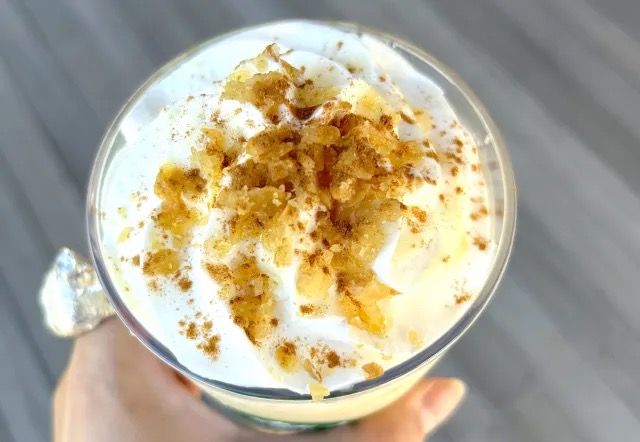
Filled with satsumaimo (“sweet potato”), from which the drink gets its name, the drink promises to deliver rich, moreish autumnal flavours with the addition of butter and honey. Actual chunks of sweet potato can be found within the drink, along with pieces of imo kenpi (fried strips of sweet potato coated with sugar) to create a milky dessert drink that mimics the sensation of eating a butter-slathered satsumaimo.

Our reporter K. Masami was keen to try the new beverage, but having tried her fair share of sweet potato drinks before, she wanted to find out if the drink would taste better with a customisation. So she spoke to the barista about it, and they recommended she swap the dairy milk for almond milk for an additional 55 yen (US$0.38) and add a dash of cinnamon for more autumnal flavour.

▼ The new Frappuccino is sold in a tall size only, priced at 678 yen ($4.63) for takeout and 690 yen for dine-in customers.

Masami followed the barista’s advice, and when she received her customised honey-butter-sweet-potato beverage, she got a tantalising whiff of cinnamon, which instantly gave her fresh autumn vibes.

Taking a sip of the drink, her taste buds could now sense it was autumn too, with not just cinnamon notes but sweet potato washing over them. Then came a rush of honey and butter, which instantly transformed everything, making the beverage taste more like…a pastry than a drink.

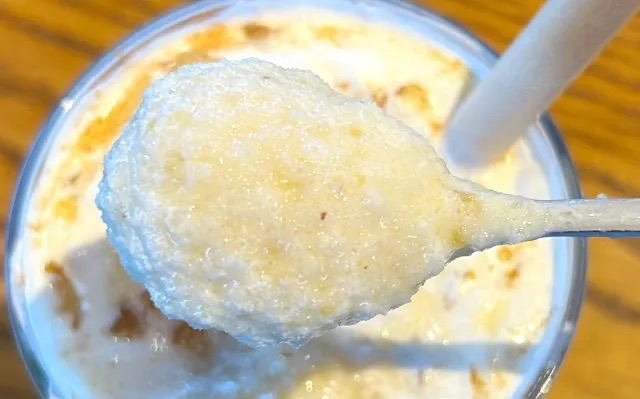
▼ Like drinking a buttery sweet potato pie.

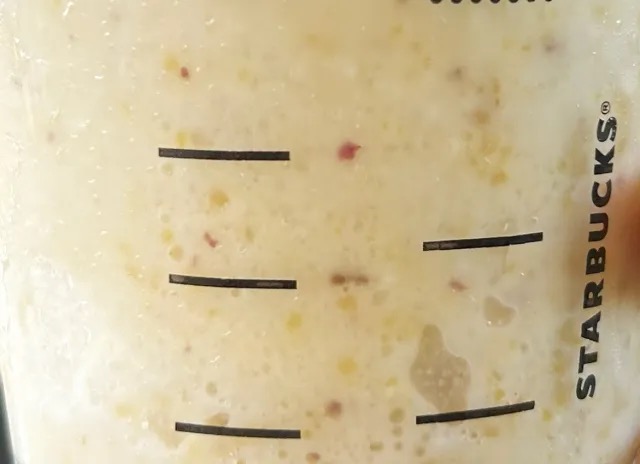
Peering closely at the drink, Masami could see actual bits of sweet potato peel swimming about, and this textural accent, along with the strong buttery flavours, fooled the taste buds into thinking they were pastry pieces.

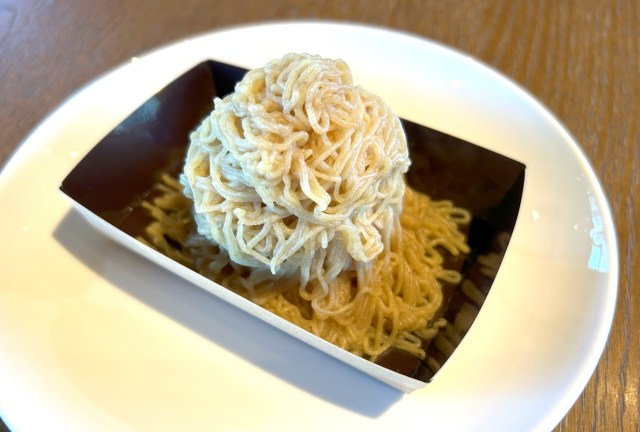
The cinnamon was a fantastic addition to the drink, as it added an extra level of complexity to contrast with the sweet and salty notes. It was a delicious Frappuccino, and it paired particularly well with one of the new seasonal sweets on the menu, the Hand-Pulled Chestnut Mont Blanc (520 yen).

As an additional treat, Masami couldn’t resist ordering a hot Pumpkin Spice Latte (priced from 540 yen), which is making a return to the menu for a limited time from 1-26 September.

▼ The latte is topped with pumpkin spice-flavoured sauce, whipped cream, and nutmeg.

The bittersweet flavours provided a delicious finale to this very autumnal affair. Everything Masami tried was tasty and well worth the calories, and her only complaint is that these limited-edition items won’t be around for long. The seasonal sweets and the Osatsu Butter Frappuccino are only on the menu from 1 September to 10 October, and stocks are limited so there’s a chance that stores may run out before the end of the sales period. So if you’re a fan of Starbucks, be sure to get in quick to treat your taste buds to a taste of autumn, and don’t forget to add an extra dash of spice for extra autumnal flavour!

Images © SoraNews24
● Want to hear about SoraNews24’s latest articles as soon as they’re published? Follow us on Facebook and Twitter!


Credit:
Mochi burgers with Japanese seasonings on the way to expand rising moon-viewing burger genre

Tsukimi season continues to get tastier and tastier with two new sandwiches from First Kitchen.

As we turn the calendar to September, so too are Japanese fast food chains rolling out their autumn menus. For the nation’s burger joints, that means the return of tsukimi, or “moon-viewing,” burgers. So named for the way their egg toppings resemble a full moon, tsukimi burgers were once a small niche meant to play off of Japan’s tradition of fall moon-viewing parties, but are now something that just about every popular fast food chain rolls out with great fanfare, and with great joy for our stomachs.

With so many edible symbolic moons now filling the figurative fast food sky, burger chain First Kitchen has decided to do something to help them stand out by releasing not just moon-viewing burgers, but mochi moon-viewing burgers, and with extra-Japanese seasonings.

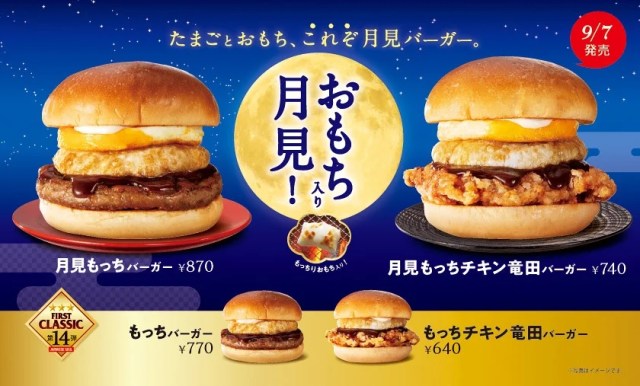
The top layer of First Kitchen’s tsukimi mochi burger is, as required for tsukimi burger qualification, egg with a creamy, melty center. And at the bottom you’ve got the patty. But right in the center is fried mochi, Japan’s version of a sticky rice cake. This mochi is simmered in a soup stock of katsuo and kombu (bonito and kelp) and slathered with a sweet sauce, and even the burger’s buns are treated with soy sauce for an enticing mix of old school Japanese flavors applied to a hamburger.

Joining the menu at the same time as the Tsukimi Mocchi Burger (yes, First Kitchen calls it “Mocchi,” for a dash of exuberant emphasis) is the Tsukimi Mocchi Chicken Tatsuta Burger.

The Tsukimi Mocchi Chicken Tatsuta has the same mochi, egg, and associated seasonings, but swaps out the patty for a chicken tatsuta, or fried chicken, fillet.

Now, if you’ve been learning Japanese vocabulary in the proper order, one of the first things you should have learned is that “karaage” is the most common Japanese word for fried chicken, so you might be wondering what this “chicken tatsuta” business is. Technically, both karaage and chicken tatsuta can be used to refer to fried chicken. In practical usage, though, restaurants that call theirs chicken tatsuta often use potato starch in the breading, while those calling theirs karaage don’t. Tatsuta is also a little more common when talking about a fried chicken fillet, whereas karaage is more likely to be used when talking about bite-sized morsels.

The Tsukimi Mocchi Burger is priced at 870 yen (US$5.95) and the Tsukimi Mocchi Chicken Tatsuta Burger at 740. Oh, and if you’re in the mood for a mochi burger, but not necessarily a tsukimi mochi burger (whether because you’re watching your cholesterol or a sun worshiper whose loyalty extends to your burger choices), you can also got an eggless Mocchi Burger or Mocchi Chicken Tatsuta Burger, each of which is 100 yen less than its tsukimi counterpart.

The whole lineup goes on sale September 7 at First Kitchen branches across Japan (with the odd exception of the chain’s restaurants that happen to be inside horse racing tracks), just in time to tempt us to eat nothing but tsukimi burgers every day to compare them to the ones from McDonald’s and KFC.

Source, images: PR Times
● Want to hear about SoraNews24’s latest articles as soon as they’re published? Follow us on Facebook and Twitter!


Credit:
Can a plant-based restaurant serving Buddhist meals turn meat-loving Mr. Sato into a vegetarian?

It turns out plant-based can be healthy and tasty!

Nowadays, it’s a lot easier to find vegetarian food in Japan, especially in Tokyo, where you can even find pre-made vegetarian meals at supermarkets and convenience stores. But in the ’90s or even 10 years ago, it was much harder to find restaurants with anything plant-based on the menu, unless you went to a Shojin restaurant.

Shojin cuisine is made up of vegetarian meals based on a Buddhist monk’s diet. It’s not something you’ll find everywhere, but it was–and still is–a great option for plant-based dining. Our own Japanese-language reporter and foodie Mr. Sato decided to visit a Shojin restaurant recently in Nakano Broadway, a shopping center just a few minutes from the city center.

It’s called Kohrinbou, and the kitchen uses absolutely no meat or fish. When Mr. Sato, who is a major fan of meat but recently learned he should be eating less of it, got to talking with the proprietress, he became very convinced of the benefits of a plant-based diet.

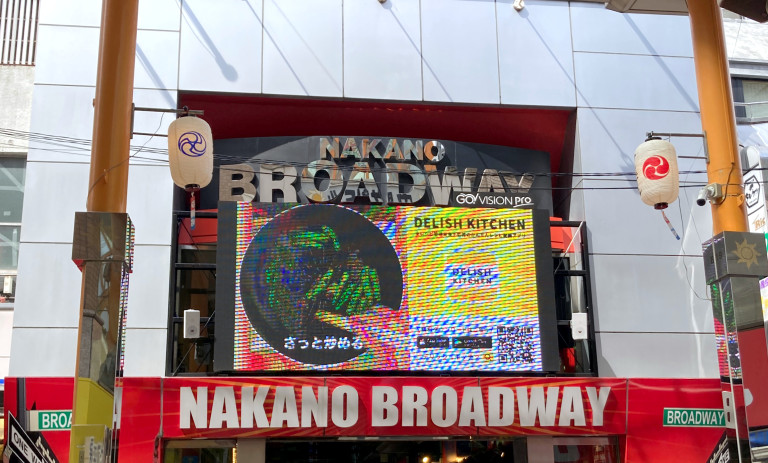
Kohrinbou is located on the second floor of Nakano Broadway, a popular shopping mall for hobby items and collectibles as well as groceries and other necessities (and which is also famous for an ice cream store that sells huge soft-serve cones). It’s on the north side of Broadway Avenue, and from the look of the restaurants, appears to have been in business a long time. Mr. Sato had always wanted to try the restaurant, but every time he’s been to Nakano Broadway it was outside of the restaurant’s business hours, so he was glad to finally get the chance to try it out.

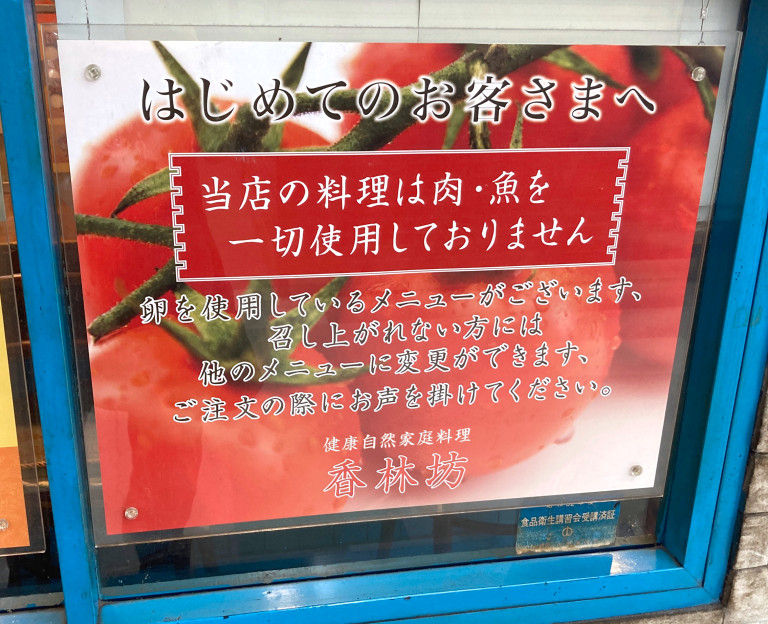
Outside of the restaurant was a sign that read:

“To our first-time customers:
This restaurant does not use any meat or fish in its dishes whatsoever.
We do have some dishes that use eggs, but if you can’t eat eggs, please let us know when you order and we will substitute them with other items.”

As if she’d had problems before, the first thing the proprietress told him when he entered the restaurant was that they didn’t use meat or fish in their dishes. Mr. Sato was actually grateful for her vigilance. Since being diagnosed with gall stones, Mr. Sato has been told to eat a lot less fish and meat than before, so he has to be vigilant himself.

Unfortunately, Mr. Sato loves meat and fish, and he’s been cheating and eating too much of it lately. The fact that he could eat with abandon here without worrying much about his health, like old times, was actually super nice.

Plus, it wasn’t like other restaurants or cafes offering plant-based alternatives. It appeared to have been serving vegetarian food for a long time. When Mr. Sato asked the proprietress how long the restaurant had been open, she said, “50 years.”

50 years! That’s as long as Mr. Sato has been alive! It was hard to imagine that a restaurant could be open so long serving a single vegetarian menu.

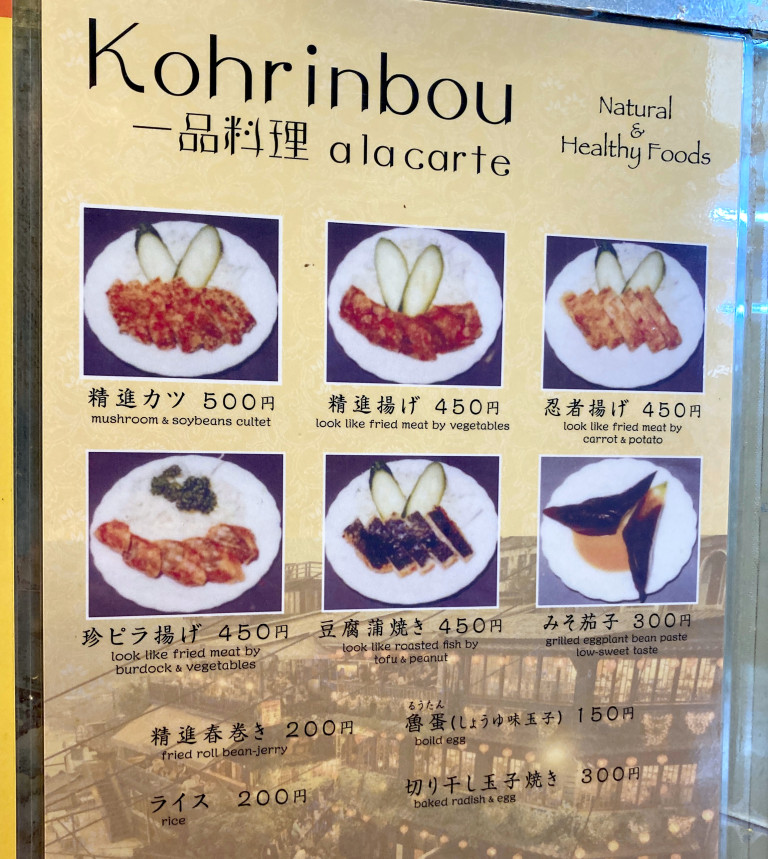
Though the menu had interesting-looking dishes like “Ninja-age”, a fried meat substitute made with carrots and potatoes, and “Chinpira-age”, a fried meat substitute made with burdock root and other vegetables, he decided to go with the Daily Special Set Meal (“Higawari Teishoku”) for 1,100 yen (US$7.54), which the proprietress recommended.

And here it was:

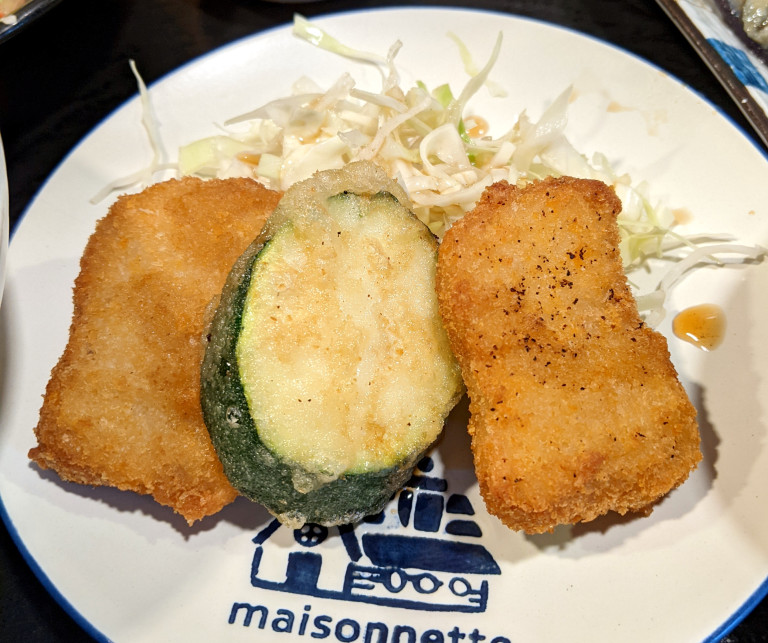
That day, it was made up of five items: rice, soup, eggplants with miso dressing, stir-fried vegetables with miso sauce, and bite-size vegetarian katsu.

For a meatless meal, there was plenty to eat, and the presentation was much showier than he’d expected from Shojin cuisine. Plus, since there were fried items, Mr. Sato felt like there would be enough flavor and richness to satisfy his adapted palate, and each dish had a simplicity to it that really drew out the mild flavor of the vegetables, making them tasty and satisfying. The most important thing, however, was how gentle the meal was on his body, since he can’t eat much rich food anymore.

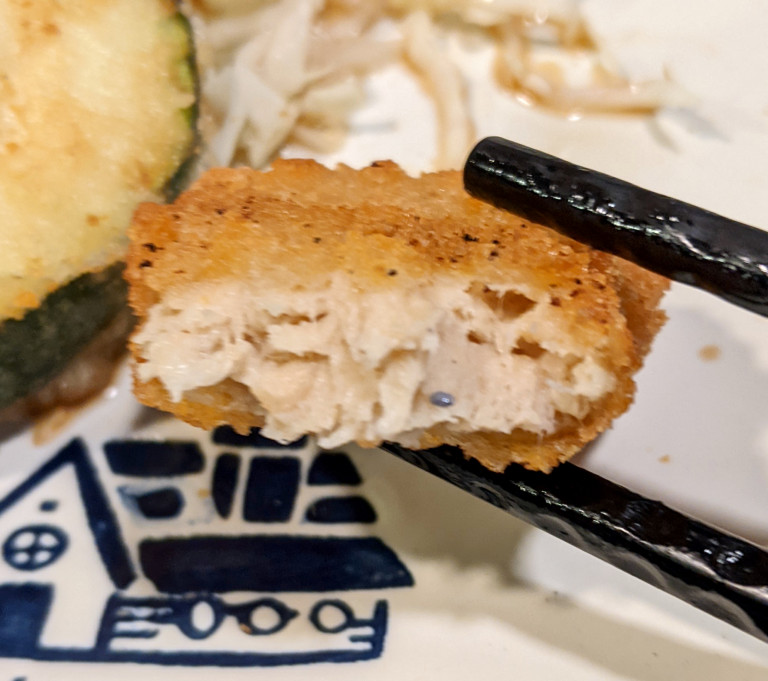
What was most surprising out of all the dishes was the bite-sized vegetarian katsu. It tasted like a chicken nugget! Even though it was made with soy meat, its texture was very similar to chicken. It was mysterious, and yet delicious.

Mr. Sato thought that if he could eat vegetarian food like this every day, there’s no way he’d get tired of it. According to the proprietress, other people must feel the same, since the restaurant actually has a lot of customers who dine there daily. One customer has even been coming for more than 30 years! Kohrinbou has clearly established itself as a prime eatery in the neighborhood.

The woman running the restaurant is 76 years old, though she didn’t look it at all. Her posture was straight and tall, her movement was fluid and stable, and her skin looked lustrous. She said it’s all thanks to eating Shojin cuisine. “It’s because I eat it myself and have been maintaining my health that I can recommend it to my customers,” she said. Mr. Sato couldn’t help but think that was very persuasive.

While they were talking, the proprietress also offered to demonstrate her grip strength to Mr. Sato. She was way stronger than she looked! It almost hurt. And that was an extra testament to the power of a vegetarian diet, proof to Mr. Sato that you can still be healthy and strong without eating any meat and fish.

Mr. Sato received so much power from the proprietress, as well as the delicious vegetarian meal, that he felt like he might just be swayed to become a vegetarian…as long as he could eat here every day. If you feel like you need a burst of energy, he highly recommends you stop by Kohrinbou and get a little power-up yourself!

And if you’re looking for other plant-based meals in the Tokyo area, check out Komeda Is, which is a restaurant with an entirely plant-based menu.

Restaurant information
Kohrinbou / 香林坊
Tokyo-to Nakano-ku Nakano 5-52-15 Nakano Broadway 2F
東京都中野区中野5-52-15 中野ブロードウェイ2F
Hours: 11 a.m. to 3 p.m., 5 p.m. to 8 p.m.
Closed Sundays

Images © SoraNews24
● Want to hear about SoraNews24’s latest articles as soon as they’re published? Follow us on Facebook and Twitter!


Credit:
Pokémon teams up with Hatsune Miku for first time, 18 new Poké-songs coming from virtual idol

There’s an air of electricity, and a scent of green onion, to this music video and illustration series.

Between this year’s Pokémon World Championships finishing and the upcoming line of Pokémon Sleep pajamas, you might be thinking that the franchise is going to relax and take it easy for the rest of the year. That’s not the case at all, though, as the Pokémon Company has just announced a huge musical and artistic team-up with none other than virtual idol Hatsune Miku.

The full title of the collaboration is Pokémon Featuring Hatsune Miku Project Voltage 18 Types/Songs, which gets mercifully abbreviated down to just Project Voltage.

Between Miku’s status as a digital being and Pikachu’s as an Electric-type Pokémon, the “Voltage” name makes a lot of sense, but Pikachu is far from the only Pocket Monster species that’s going to be part of the project. “18 Types/Songs” is a reference to the 18 different types of Pokémon elemental types (Fire, Water, Grass, etc.) that have appeared in the video games/anime, and each of them is going to be getting its own Hastune Miku song as part of Project Voltage. The songs will include sampled music and sound effects from video games in the franchise going back as far as the original Pokémon Red and Green Game Boy games from 1996.

Each song will have a music video and be composed by a different creator, and like the various Pokémon types, will cover a variety of moods, from cool to cute and mysterious to comical.

In addition to the above illustration from Hatsune Miku’s original designer Kei showing Miku, Pikachu, and Farfetch’d (Miku and Farfetch’d both being associated with negi/green onion), a series of 18 illustrations of Hatsune Miku as a Pokémon Trainer will also be created as part of Project Voltage.

The entire rollout is scheduled to take place over the course of the next few months, with the first illustration coming on September 4 and the full list of songwriters revealed on September 28. The first music video goes live on September 29, and with Hatsune Miku’s constantly catchy sound, will probably be comfortably stuck in your head by the time the live-action Pokemon-inspired TV drama starts airing this fall.

Source, images: PR Times
● Want to hear about SoraNews24’s latest articles as soon as they’re published? Follow us on Facebook and Twitter!


Credit:
McDonald’s Japan reminds everyone that French fries are vegetables to celebrate Vegetable Day

Well, they’re not wrong.

Japan has a lot of quasi-holidays, and one of them is Vegetable Day. It’s observed on August 31, or 8-31, because the numbers 8, 3, and 1 can be read in Japanese as ya, sa, and i, and yasai is the Japanese word for “vegetable.”

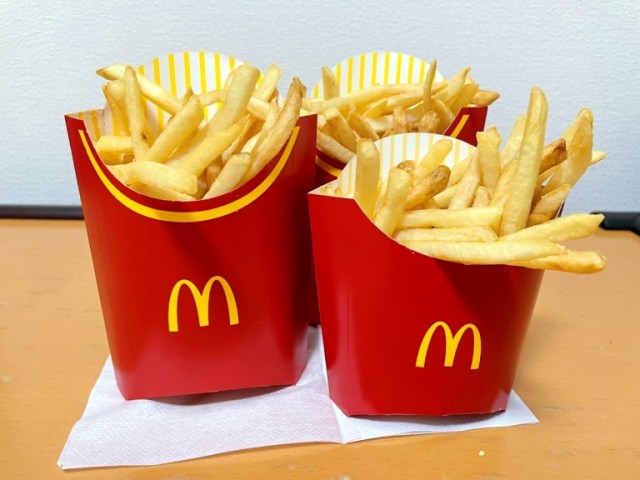
Since Vegetable Day isn’t an official holiday, students and workers don’t get the day off. Instead, it’s an occasion for supermarkets, restaurants, and nutritionists to have a little pun-based fun in their marketing and offerings. This year, McDonald’s Japan decided to mark Vegetable Day by putting out a tweet saying “Did you know…potatoes are actually vegetables? August 31 is Vegetable Day.” Underneath the text is a picture of a pack of McDonald’s French fries standing in a potato field, with giant-font text encouraging “Let’s eat vegetables.”

“Potatoes are vegetables” might seem like an obvious observation but there’s a bit of a linguistic wrinkle here. The Japanese word for potato is “imo,” with “jagaimo” being the easiest way to specify russet potatoes or similar types (as opposed to, say sweet potatoes). For example, if a Japanese person were talking about the potatoes in a plate of curry rice, or in the traditional simmered dish niku jaga, they’d call those potatoes “imo” or “jagaimo.” Those are also the most common way to refer to whole potatoes harvested from a field or sitting in a market.

“Potato” itself exists in Japanese too, though, as an English loanword. However, it’s usually used to talk about potatoes used in Western-style cooking. French fries, for example, are called “fried potato” (pronounced like “furaido poteeto”) in Japanese. But with French fries being the most popular way to eat Western-style “potatoes” in Japan, and “furaido” taking an extra four syllables to say, a lot of French fry fans simple call them “potatoes” in conversation, so McDonald’s Japan’s assertation that “Potatoes are vegetables” probably sounds closer to “French fries count as vegetables too!” to a lot of deep-fried spud supporters.

Either way, though, the championing of such a deliciously indulgent choice of vegetable on Vegetable Day had a lot of commenters simultaneously chuckling and craving fries.

“Since French fries are vegetables, it’s OK for me to eat them while dieting, right?”
“I make a point of eating French fries regularly, for my health.”
“Ah, so no need to resist the urge to eat them!”
“A high vegetable intake promotes personal well-being.”
“I always suspected French fries were diet food…and burgers [with tomato and lettuce] count as vegetables too, right?”

▼ This is basically a salad bar, right?

It’s worth noting the cultural context that McDonald’s Japan’s message comes in. Unlike school lunch debates in the U.S. where certain parties attempted to count French fries and ketchup as fulfilling vegetable nutrition quotas, it’s widely accepted in Japanese society that French fries are, in fact, not very healthy, and are meant to be more of an occasional indulgence than a major component of your daily diet. You can see similar manifestations of that sort of thinking in how Japan has no shortage of dessert cafes and restaurants specializing in things like pork cutlet, but still a relatively slender population overall.

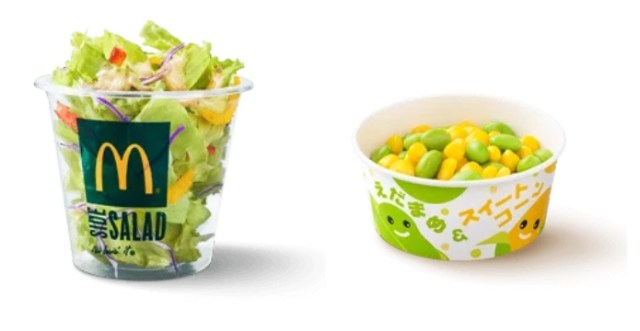
▼ And McDonald’s Japan itself has both side salads and cups of edamame and corn on its menu.

So it’s pretty clear that McDonald’s Vegetable Day tweet about fries in the stomach was made with tongue in cheek. Still, if you were having trouble between deciding on an order of fries or the new White Chocolate Strawberry Frappe & Macaron Raspberry dessert drink for your next McDonald’s cheat day visit, you now have an excuse to order both, since you’re actually just eating the fries to get your veggies for the day.

Source: Twitter/@McDonaldsJapan via Hachima Kiko
Top image ©SoraNews24
Insert images: SoraNews24, McDonald’s Japan
● Want to hear about SoraNews24’s latest articles as soon as they’re published? Follow us on Facebook and Twitter!


Credit: