
Police cracking down on outdoor seating in Tokyo’s liveliest street market neighborhood[Video]
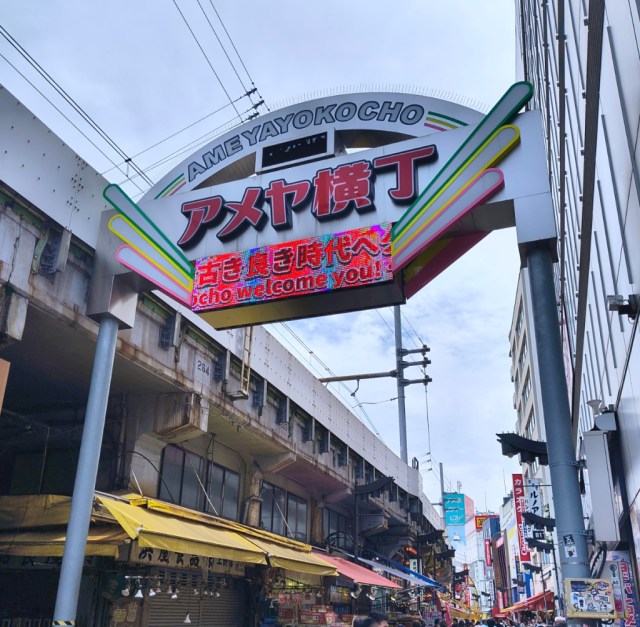
Tokyo Metropolitan Police officers issue warnings to pub owners in Ueno.
There are two sides to Tokyo’s Ueno neighborhood, both literally and figuratively. Head out one side of the station, and you’ll find yourself in Ueno Park, a sprawling park that’s home to many of the finest museums in Japan. Exit the station on the opposite side, though, and you’ll soon be in Ameya Yokocho, a.k.a. Ameyoko, a lively web of shopping streets with discount stores and pubs, where staff boisterously call out to passersby to stop and see what they have on offer.
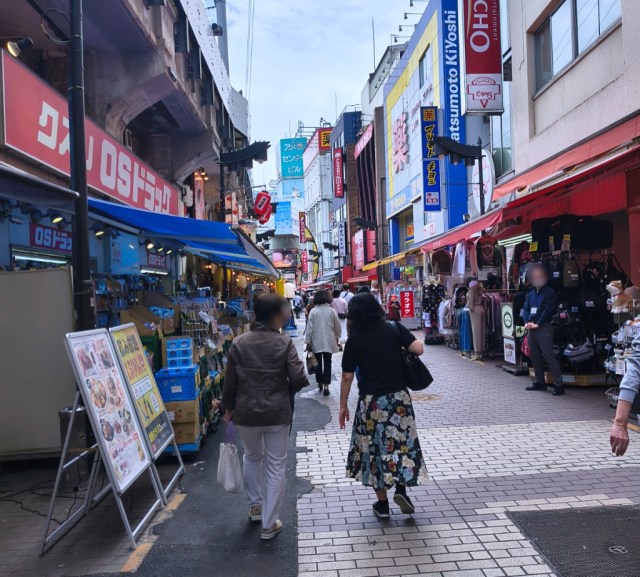
Ameyoko rose to prominence in the postwar period as a black market, but here in the modern era it’s largely a legitimate, law-abiding place. However, the Tokyo Metropolitan Police swooped into Ameyoko on May 5 to tell proprietors to clean up their act regarding outdoor seating.
The primary targets of the crackdown were izakaya (Japanese-style pubs) that have set up tables and chairs in the street outside their storefronts. While this style of operation has been fairly common in the neighborhood for quite some time, Hirohisa Mizutani, the head of a local residents group, said that more and more izakaya owners began spreading their seating into the street during the coronavirus pandemic, in order to maintain wider distances between customers. However, even with there no longer being a need for such spacious social distancing buffers, street seating hasn’t receded to its previous levels, and with Ameyoko not having the widest streets to begin with, complaints have been coming in about the congestion, which also poses safety issues by potentially impeding emergency vehicles such as ambulances or fire trucks to access the neighborhood if needed.
Citing clauses within the Road Traffic Act that prohibit the placement of objects on roads or sidewalks that obstruct the flow of traffic, approximately two dozen officers from the Tokyo Metropolitan Police’s Ueno Precinct patrolled Ameyoko on Tuesday, handing out awareness fliers and informing violators that they would have to remove tables and chairs deemed to be impeding traffic. No arrests were made, but when one izakaya owner refused to comply with the directions, the police confiscated roughly 30 pieces of offending furniture.
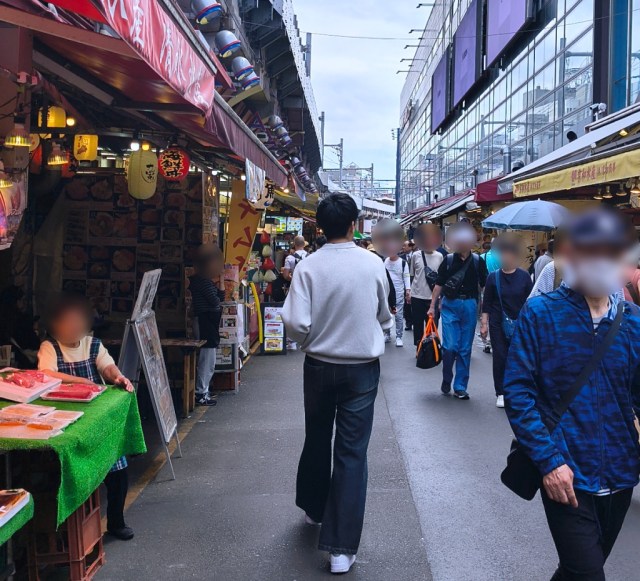
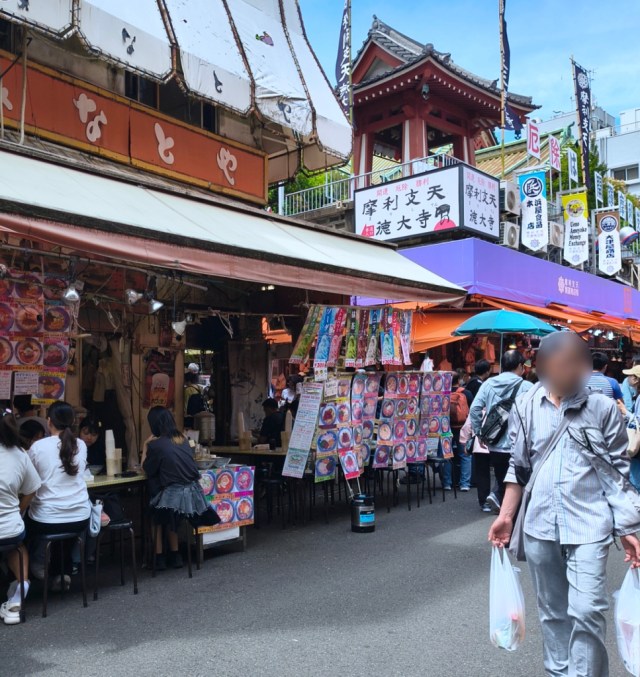
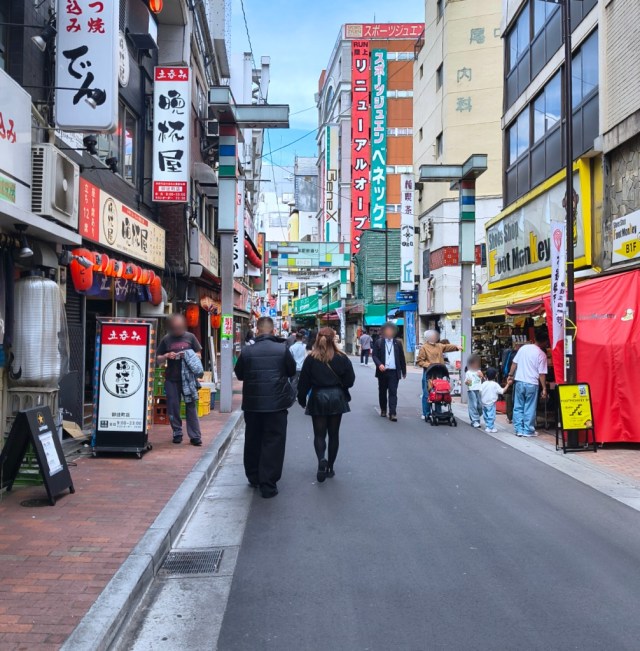
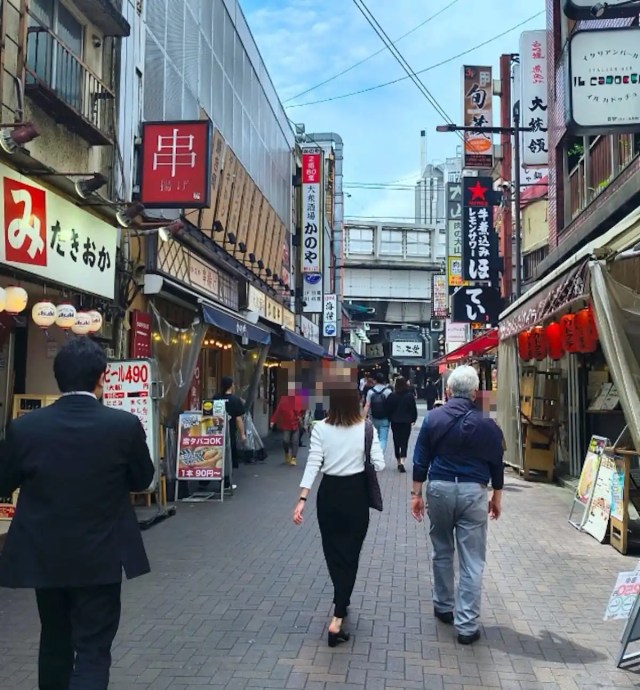
Curious to see how much of an effect all this has had, we stopped by Ameyoko to take a look for ourselves. First off, despite the police warnings to pull outdoor seating back, it doesn’t necessarily seem to be the case that it’s been banned outright.
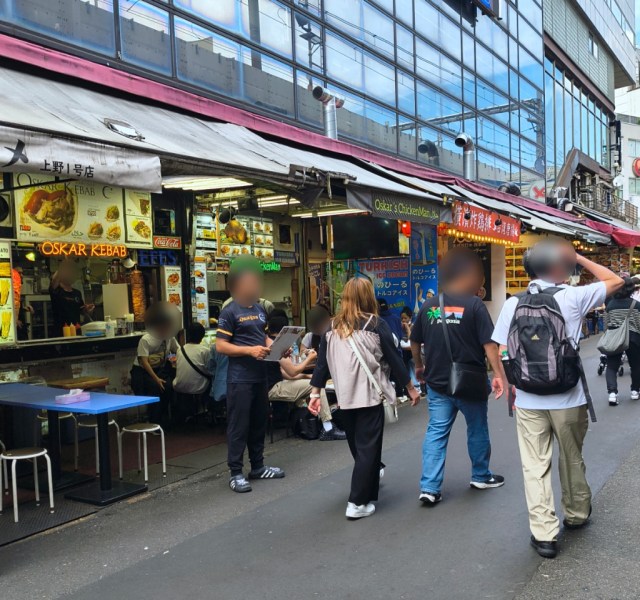
That said, it did seem like the restaurants on the main streets of the neighborhood were at least keeping their seating underneath their buildings’ awnings/eaves. Depending on how exactly the property lines are drawn, it could be that these seats aren’t “in the street” on account of technically being within the boundaries of the business, and so not in actual violation of the Road Traffic Act.
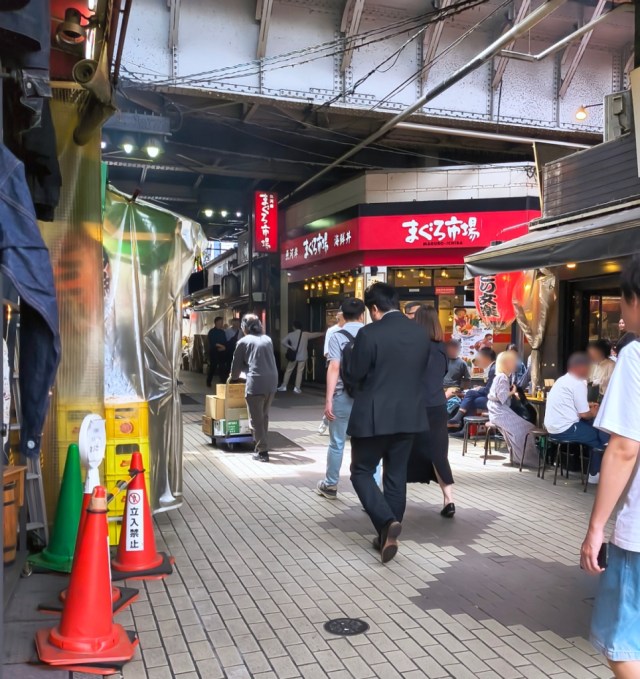
However, when we wandered down some of the smaller, secondary streets of Ameyoko, we came across setups like this, which look like they’d pretty clearly obstruct the flow of people and vehicles.
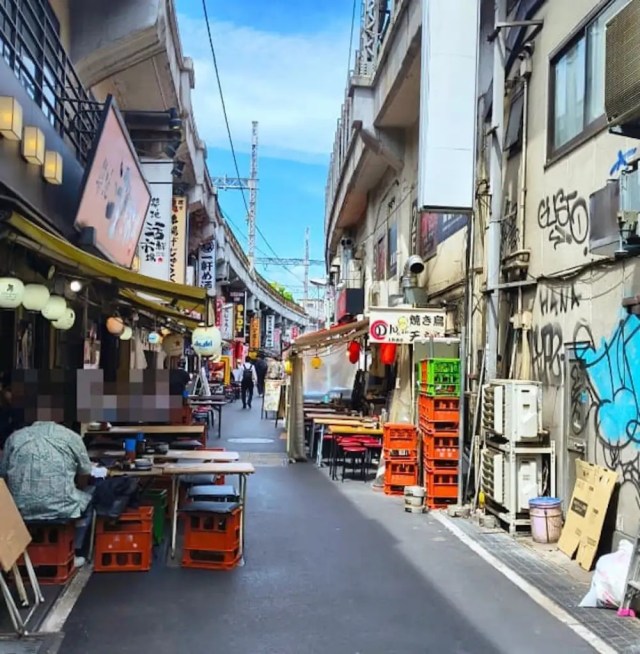
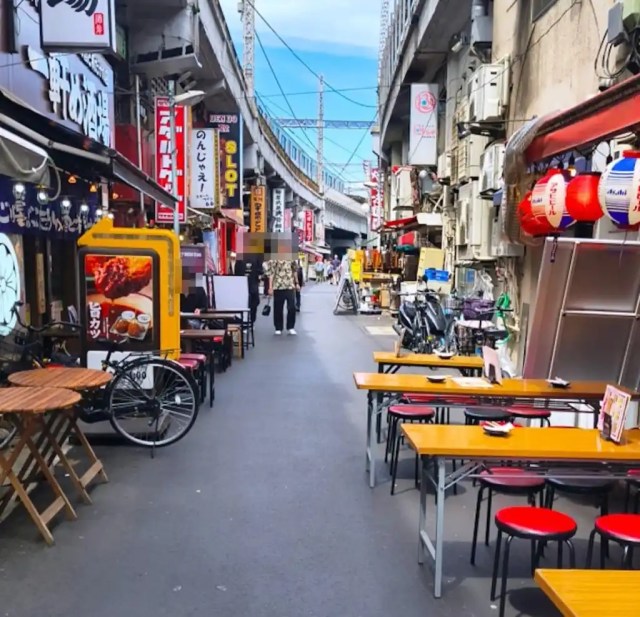
The timings of the police sweep and our visit add a few more wrinkles to the evaluation of how much things may or may not be changing in Ameyoko. The police sweep took place on May 5, a national holiday in the middle of Japan’s Golden Week vacation period. As such, the crowds were larger than usual in Ameyoko, which probably made for a stricter eye test as to whether or not tables and chairs protruding into the street were hindering traffic. In contrast, we visited the neighborhood (and took the photos seen in this article) on May 7. This was the first day after Golden Week finished, and a weekday to boot, meaning a much smaller than normal number of shoppers and tourists were out and about, and fewer bottlenecks in the streets most likely made violations easier to overlook.
It’s also generally the case in Japan that when new rules come into effect, the authorities don’t start off with iron fist-style enforcement. With Japan being a largely considerate, rule-abiding society, efforts to gradually build understanding and awareness of rules often results in widespread compliance. Whether such a patient approach will result in Ameyoko’s restaurant owners voluntarily pulling seating back towards their buildings, or if the Tokyo Metropolitan Police will feel the need to make follow-up sweeps of the neighborhood, is something we’ll have to wait a little longer to know for sure.
Reference: Yomiuri Shimbun
Photos ©SoraNews24
● Want to hear about SoraNews24’s latest articles as soon as they’re published? Follow us on Facebook and Twitter!
Credit:

0 comments: