Video game to detect early stages of glaucoma developed by Tohoku University
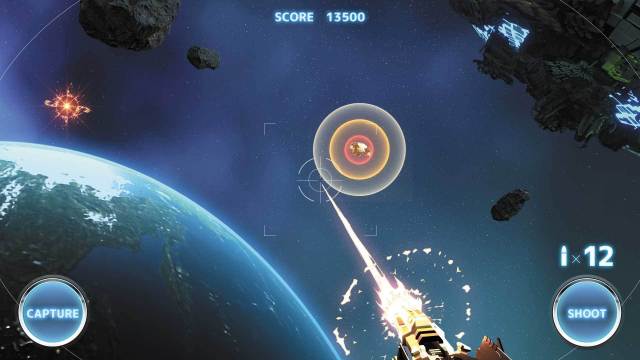
Vaporize meteoroids with a giant laser…for your health!

Many of us as children have probably been scolded for playing too many video games with threats that it will “wreck your eyesight.” There’s still some debate over how true or untrue that is, but a new game has been developed that may definitely save people’s eyesight.

Meteor Blaster is a a simple smartphone browser-based shooting game developed by Sendai Television and the Tohoku University Graduate School of Medicine. It was patented last July and is hoped to help people detect early symptoms of glaucoma just from playing for five minutes.

▼ The best way to access the game is to use this QR code. You’ll need to turn your smartphone sideways for it to load properly

Image: Sendai Television

To play, you simply have to hold the smartphone about 30 centimeters (one foot) from your face and operate the stationery laser cannon to shoot meteoroids as they float into your crosshairs. At the same time white dots will appear on the screen, at which time you must press the “CAPTURE” button for interstellar reasons that are beyond our puny terrestrial comprehension.

▼ Since the game is evaluating your eyesight, be sure to use the recommended screen distance
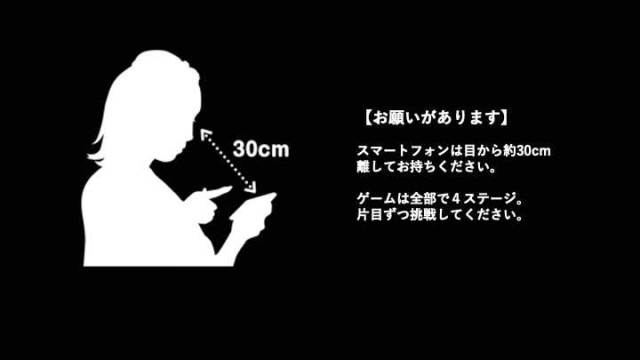
Image: @Press

After playing through four stages of this, Meteor Blaster then gives you a rundown of your vision in each eye. The screen is divided into 16 sections and a score from one to five is assigned to each area with one being great and five very bad with regards to how well each of your eyes can detect things there.

▼ Left eye results: “The number of captured lights is fantastic. Do your best to keep this condition!”
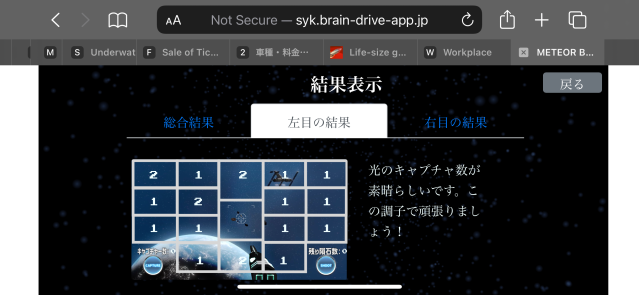
Image: © SoraNews24

▼ Right eye results: Although both were good it was interesting to see that my left eye was noticeably stronger
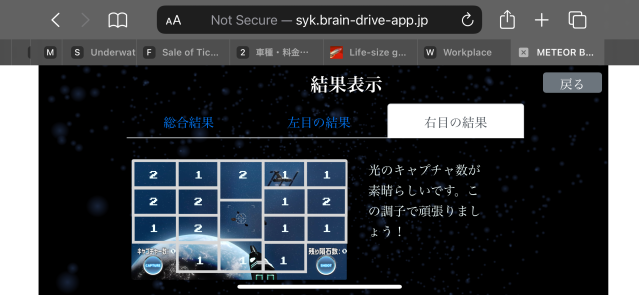
Image: © SoraNews24

If scores of five come out, it could be a sign of the early stages of glaucoma and you should consult an expert. Glaucoma is damage to the optic nerves which starts small but gets progressively worse if left undetected. It’s surprisingly common with about one in 20 people over 40 suffering from some form of it.

Even more frightening is that it’s the leading cause of blindness in Japan, largely because people don’t notice it early enough to seek treatment. Professor Toru Nakazawa, who helped develop Meteor Blaster, said: “Glaucoma is a disease that is difficult to notice. There’s an estimated 4.65 million sufferers in Japan, but roughly 90 percent do not go to the hospital.”

▼ I’m going to interrupt this important health information for a moment to show you all my sweet score. I would have done better but a fly flew in my face on stage three.
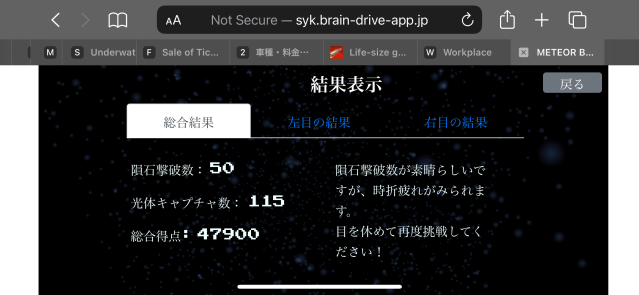
Image: © SoraNews24

Professor Nakazawa adds: “If glaucoma is detected at an early stage, treatment is more effective and in many cases blindness does not occur. By the time it becomes noticeable in your daily life, it is often too late.” 

The game is a really great idea that costs nothing and takes up very little of your time, but can save you a great deal of grief down the road. Online comments were also very enthusiastic about the game, with some knowing all too well the silent dangers of glaucoma.

“This is amazing!”
“People tend to mistake glaucoma for loss of eyesight due to old age.”
“Eye clinics and glasses shops should have the game in their waiting areas.”
“Glaucoma can make you blind even if you have perfect vision.”
“What a great use of technology.”
“Finally a game I can convince my parents to play.”
“Amazing that they can detect glaucoma with a game.”
“I have glaucoma in one eye and can’t see well. I wish I’d known sooner…”
“The music in level four is surprisingly good.”

I was also a little surprised at the production value of this game, possibly due to the involvement of Sendai Television in its creation. A rep from the broadcaster said that they were happy to help reverse the stigma that games are bad for eyesight, and hope to expand it into promotion of eye health in other ways as well.

It certainly is a great development to use video games as a diagnostic tool and to improve our health. I really hope someone can come up with a kidney stone detection game next so I can blast those suckers before they become a problem too.

Source: Meteor Blaster, Sendai Television, The Sankei News, Hachima Kiko, @Press
Top image: @Press
● Want to hear about SoraNews24’s latest articles as soon as they’re published? Follow us on Facebook and Twitter!


Credit:

Japanese town that spent 25 million yen in COVID money on giant squid statue says it paid off big

Gigantic squid statue has given a huge boost to the economy, city claims.

The Japanese government has provided various aid to communities to help them cope with the difficulties of life during the pandemic, including grants to help sustain and revitalize local economies. One of the more unique plans for using that money came from the city of Noto, in Ishikawa Prefecture, where the politicians in charge of the town’s grant decided to build a gigantic 13-meter (42.65-foot) long statue of a squid.

The statue was not at all cheap. Noto spent 25 million yen (US$241,500 at exchange rates at the time) of government grant money building the Ika King (“Squid King”), and even that wasn’t enough to finish it, as the city still had to come up with another two million yen to complete the 10-tentacle art installation.

▼ The 27 million-yen Ika King

So…why? Well Noto is famous for its locally caught squid, and the town’s roadside souvenir shop and tourist center Tsukumall is also called the “Squid Station.” The Ika King is located right outside Tsukumall, and the stated hope was that the statue would help attract more visitors who would then purchase regional products and otherwise contribute to the local economy.

27 million yen is a pretty huge investment in squid statuary though, seeing as how that’s a zero-yen expense in the annual budget of almost every other town in Japan. 16 months after the completion of the Ika King, though, Noto is saying it was worth it, claiming that the statue has resulted in visitors pumping approximately 600 million yen into Ishikawa’s economy, more than 22 times the cost of the statue.

To calculate the Ika King’s economic effect, Noto was assisted by Tokyo-based business consultant Toshiro Shirao. In a Tsukumall visitor survey conducted between June and August of this year, out of 1,125 people 506 of them (45 percent) said they’d come because they wanted to see the Ika King. They were also asked how much they had spent while at Tsukumall.

Next, Shirao and the city looked at records of how many people had made purchases at Tsukumall’s cash registers between April of 2021 (when the Ika King was installed) and July of 2022, arriving at an estimate of 164,556 total visitors. Applying the same 45-percent rate that they’d gotten from this summer’s visitor survey, they came to estimate that 73,652 people have come to see the Ika King since its completion. Shirao then fed that data into an economic input-output model for Ishikawa Prefecture to come up with an estimated 594.44 million yen in inside-Ishikawa spending that the study attributes to the Ika King’s presence.

The study also attempted to account for the value of the media coverage Tsukumall, and by association Noto, has received as result. According to the study, a total of 36 television programs sent crews out for reports on the Ika King, and an analysis of the advertising rates charged by those programs led them to an estimate of roughly 1.8 billion additional yen in free publicity.

Those are some very impressive figures, but when dealing with statistics, it’s always a good idea to consider how the data was collected and how it’s being applied, and there are a few potential issues. Let’s start with the Tsukumall visitor survey, which asked why people had come and how much they spent. The survey was conducted during the summer, when most people, especially those with kids, are more likely to be traveling and spending money at tourist attractions. Those patterns, though, seem to have then been applied to visitors throughout the entire year and a half since the Ika King’s installation. Also important to consider is the large jump in scale in how the survey uses 1,125 survey responses as a base on which to build a model for how much 73,652 people spent.

While the extra TV exposure no doubt had a positive effect on visitor and spending numbers, the estimated 1.8 billion yen of free publicity feels like a pretty clear attempt to inflate the size of the success story, since the attention’s economic value is in its ability to attract visitors, whose economic benefit is already supposed to have been accounted for in the 594.44 million yen the study says Ika King-attracted visitors have contributed to Ishikawa. And speaking of that 594.44 million yen, it’s worth remembering that it’s an estimate for the entire prefecture, not the town of Noto itself.

Still, it’s nice to see that there’s some good, and maybe even a whole lot of it, coming from the Ika King’s presence. Oh, and it should be pointed out that Shirao carried out the economic analysis on a volunteer basis, so his work didn’t cost the town a thing.

Source: Hokkoku Shimbun via Yahoo! Japan News via Hachima Kiko
Top image: Pakutaso (edited by SoraNews24)

● Want to hear about SoraNews24’s latest articles as soon as they’re published? Follow us on Facebook and Twitter!


Credit:

“The devil made me do it!” Mr Sato eats cheese bread ramen in Tokyo

Japanese noodle restaurant chain adds a decadent offering to its menu at select locations.

According to our Japanese-language reporter Mr Sato, now that he’s in his late 40s he can’t eat fatty foods like he used to as he wants to maintain his health. That doesn’t stop him craving a good bowl of ramen, though, and if he is going to have a cheat day every now and then, he might as well go all out with it.

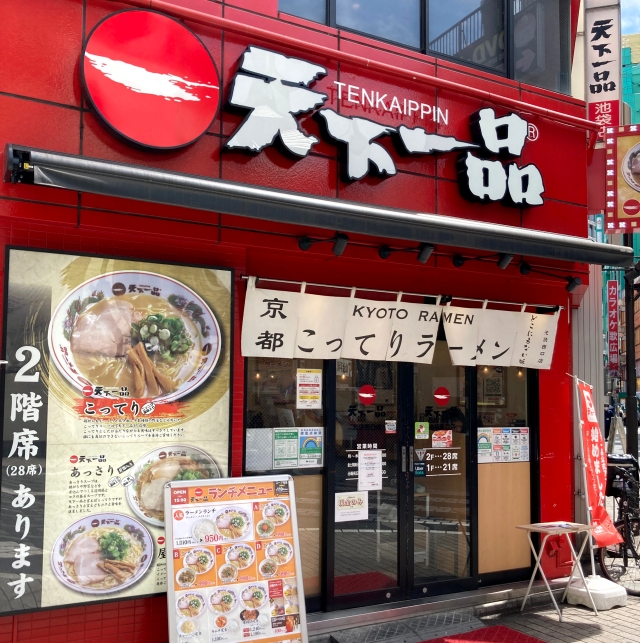
Well, that’s what the devil on his shoulder told him when he saw that his favourite ramen chain Tenka Ippin was now selling Cheese Bread Ramen.

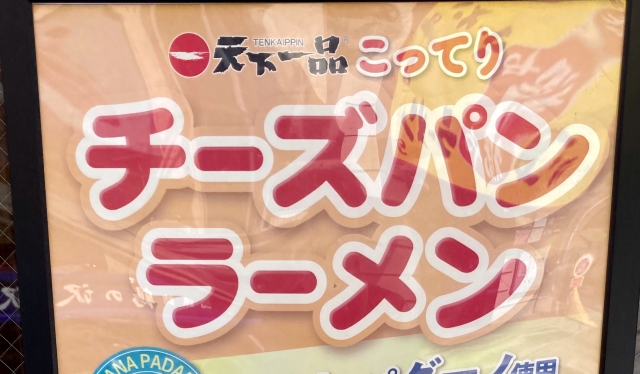
Tenka Ippin is known for its signature kotteri (heavy and flavourful) broth, which is so hearty some branches of the chain have been known to sell it on its own, in cups without noodles during winter. Mr Sato thought he might be able to order the Cheese Bread Ramen with a lighter broth to cut down on the calories, but taking a closer look at the poster for it, he found that that wouldn’t be possible.

▼ “Only available with kotteri broth.”

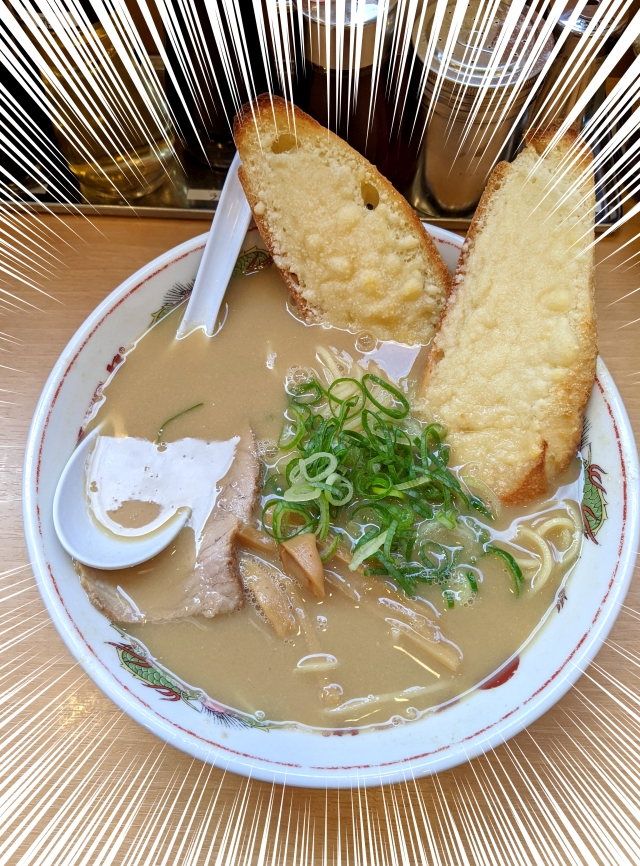
It was as if the devil had appeared again on his shoulder, and this time it was pushing him through the sliding doors and over to the counter before he had a chance to think twice about it. As always, Tenka Ippin doesn’t take long to serve up your order, so before he knew it, Mr Sato now had a bowl of Cheese Bread Ramen in front of him, and it would be a waste not to eat it all.

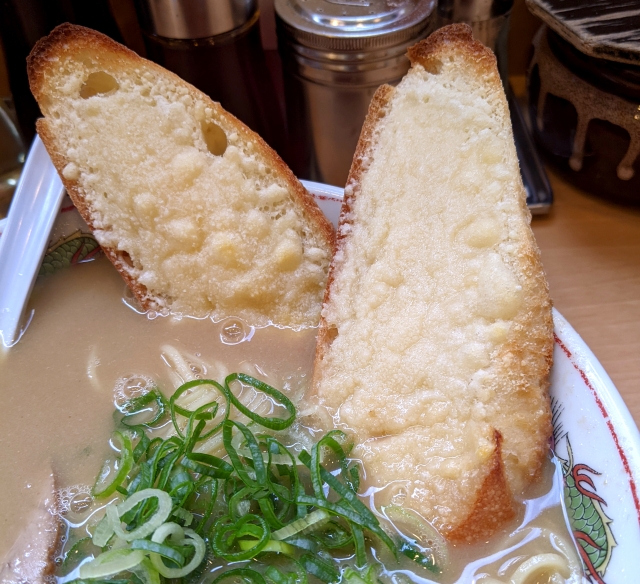
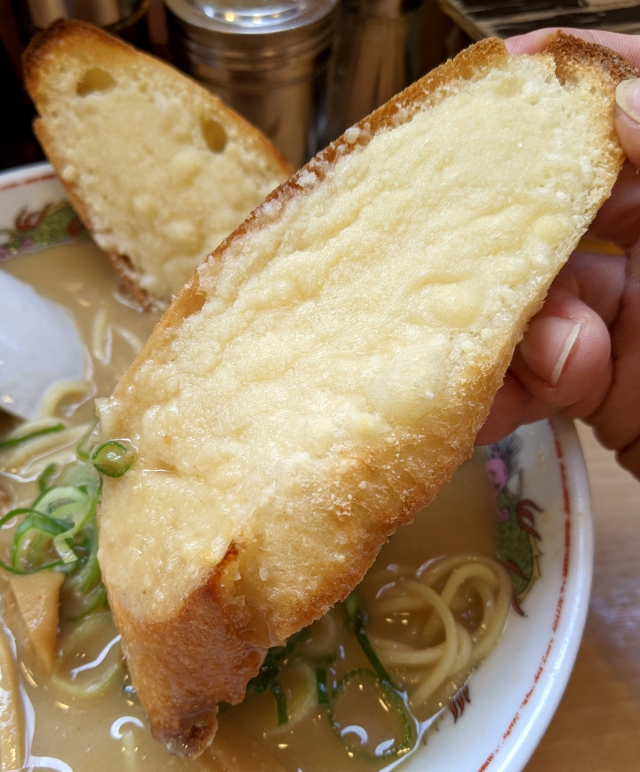
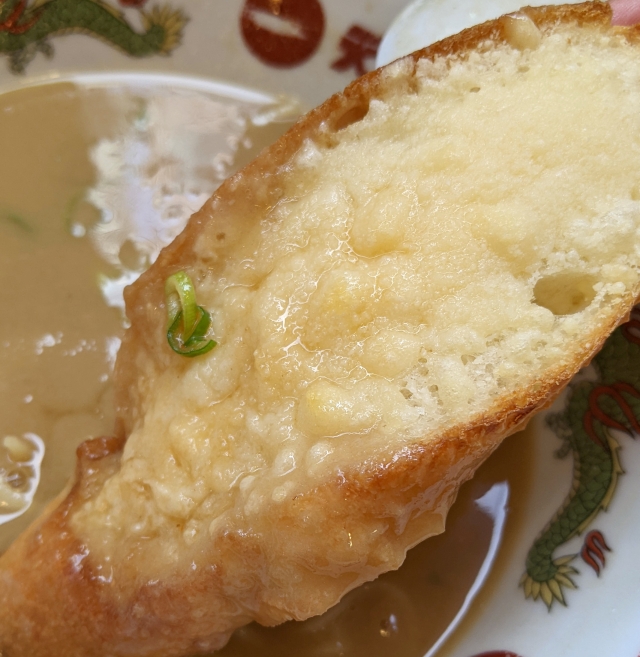
When Tenka Ippin called this Cheese Bread Ramen, they weren’t joking — there were two massive chunks of baguette poking out of the bowl, and they were both absolutely covered in grilled cheese.

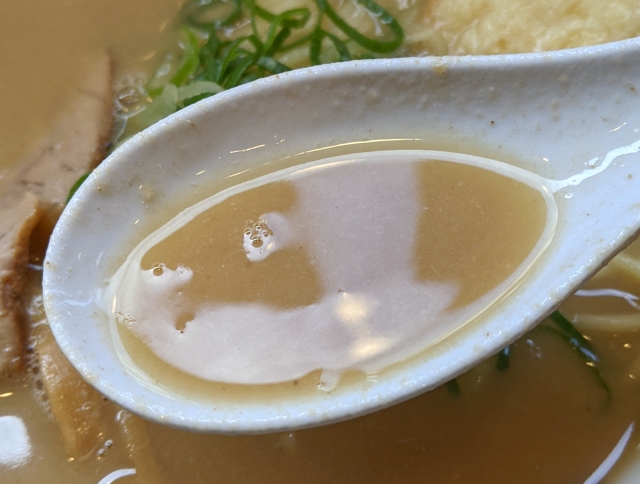
As for the broth, it was as thick and decadent as Mr Sato remembered.

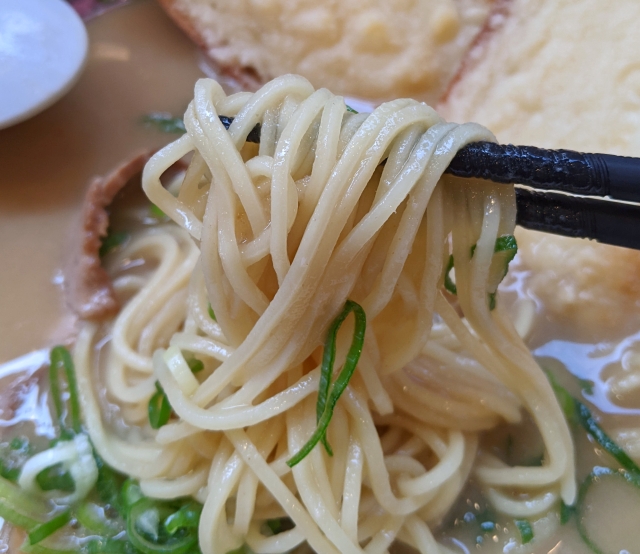
The noodles were thin and slightly firm, just as he liked them, and when he slurped up a good mouthful, he remembered to slurp extra hard, in order to get the heavy broth through them.

▼ Slurping hard to get the swamp-like broth into your mouth is the way of eating at Tenka Ippin.

The bread had been sitting in the bowl long enough to soak up a nice amount of broth, and when he lifted one of them, it felt extra heavy. Quickly popping the wet end into his mouth, Mr Sato felt the rich taste of broth wash over his taste buds, followed by a rush of rich Grana Padano cheese.

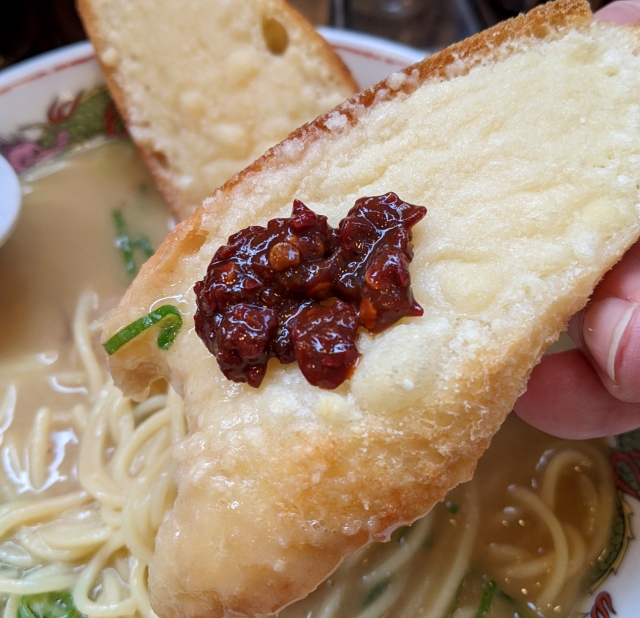
▼ It tasted fantastic, but Mr Sato decided to add a dollop of spicy miso on top for extra flavour.

Even better! The taste of cheese was knocked to the side by the flavourful broth, but the spicy miso helped to enhance the cheese, creating a more well-rounded flavour. There was no denying this was a heavy meal, though, and the cheese bread only made it heavier.

As he finished off his last slice of thick-cut cheesy bread, Mr Sato added a splash of vinegar to it, and it worked a treat to lighten the heavy feeling on his palate from all the food. Mr Sato recommends giving this a try if you’re a fellow 40-something-year-old diner struggling to finish the Cheese Bread Ramen, which is something a ravenous 20-something Mr Sato could never have imagined himself saying in the years of yore.

If you have a belly with a bottomless appetite for ramen, then the Cheese Bread Ramen is definitely for you. It’s only available at a limited number of stores in the Kanto region, listed here, where you’ll find it on the menu for 1,100 yen (US$7.94).

Restaurant information
Tenka Ippin (Ikebukuro West Exit branch) / 天下一品 池袋西口店
Address: Tokyo-to, Toshima-ku, Ikebukuronishi 1-34-4 Kyoei Bldg
東京都豊島区西池袋1-34-4 共栄ビル
Open 11 a.m.-3 a.m.

Reference: Tenkaippin
Images ©SoraNews24
● Want to hear about SoraNews24’s latest articles as soon as they’re published? Follow us on Facebook and Twitter!


Credit:

This handy “Cat Help Memo Book” is great for providing for your pets in a worst-case scenario

But filling it out it will make you sentimental!

The hardest thing about living with pets is that one day the time will come when we have to say goodbye to them. Pet loss can seriously affect people, and the grief that comes with it can hide within even a busy everyday life. But we might be overlooking something important: one day, we will die, too, and then what will happen to our pets?

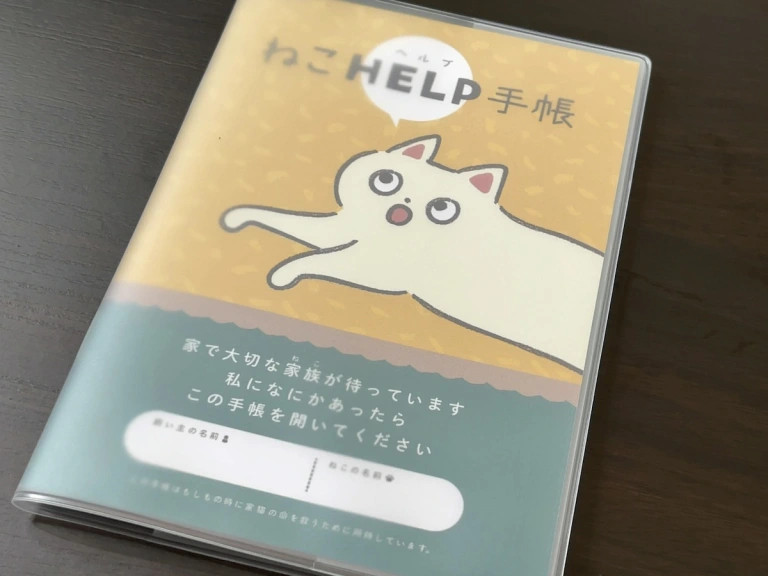
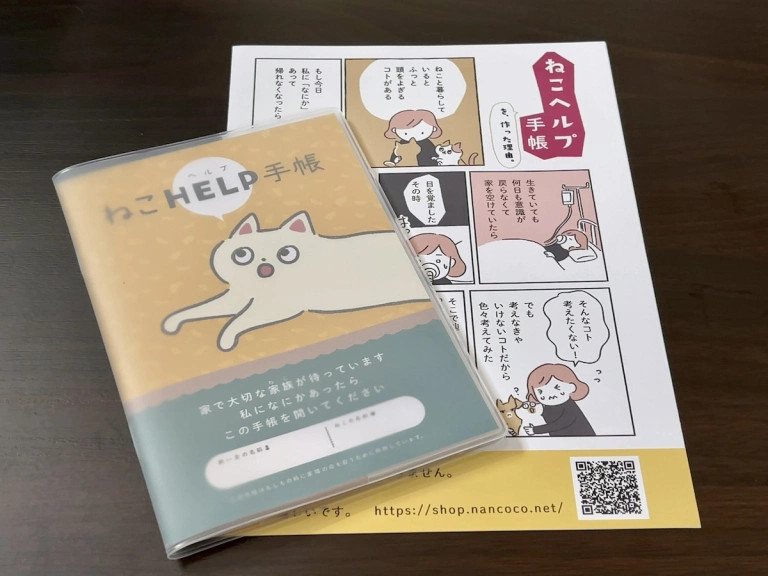
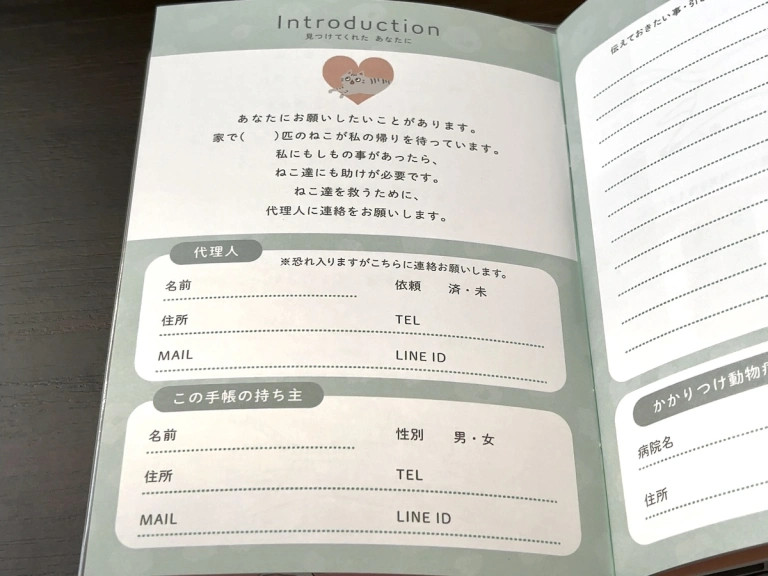
There’s a product that’s quietly gaining popularity among Japanese cat owners called the Neko Help Techo. It looks similar to a health record book, where you might record your prescriptions or your and your child’s health after childbirth. It’s designed to be kept with you, in your bag or somewhere obvious in your car so that, if you happen to meet with an accident that renders you unconscious or unable to express your intentions, it will allow people to know that you have a cat (or cats) at home that need(s) to be taken care of.

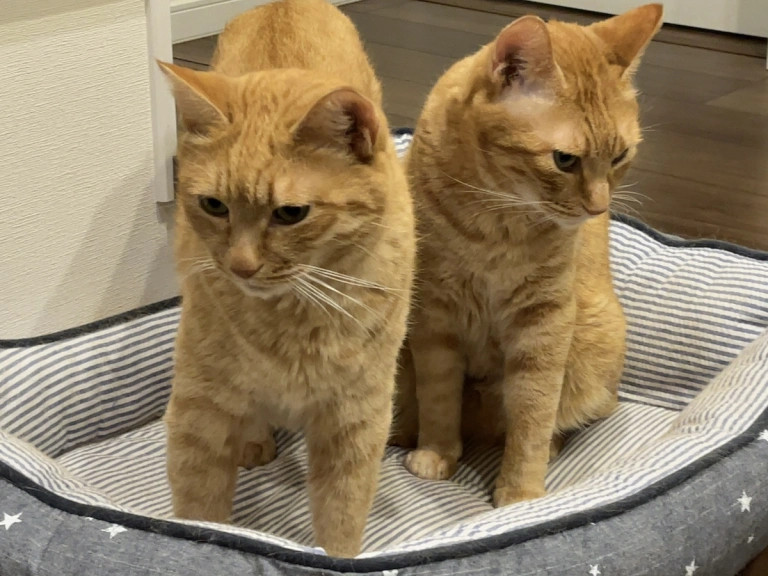
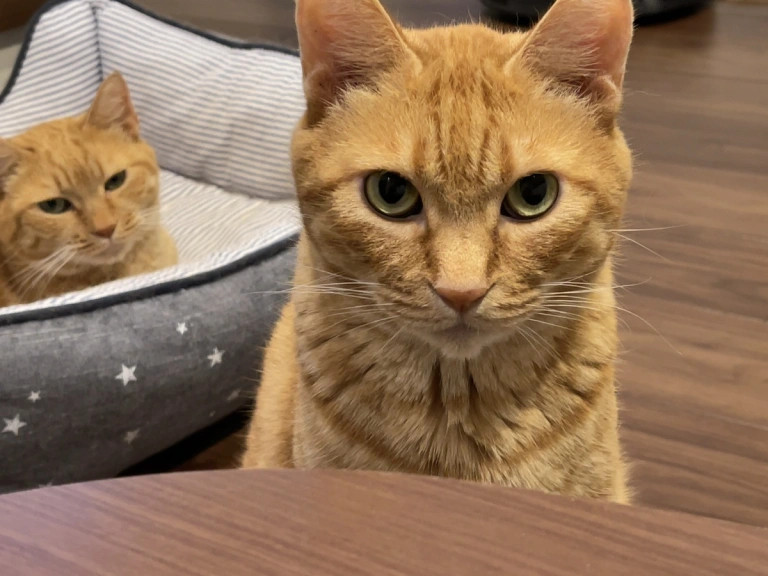
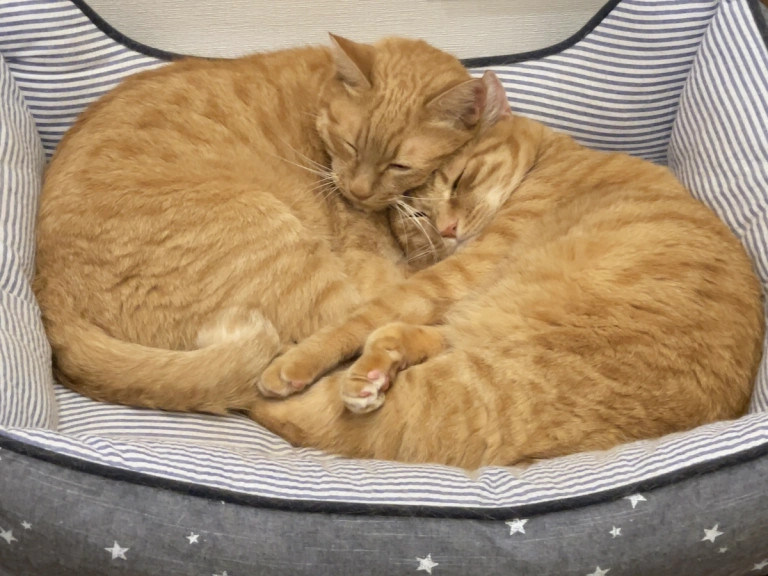
Our Japanese-language reporter Saya Togashi owns two beautiful ginger tabbies, whom she loves dearly. She has automatic feeders and smart electronics in her home, so if anything should happen to her, her cats could survive on their own for a while. But cats, though often said to be indifferent to humans, actually return their owners’ love in spades. They also are far more patient than humans could ever be. Saya’s cats, for example, would wait endlessly at the window for Saya to come home, and that’s a thought Saya simply couldn’t stand.

▼ Even though they scattered to the winds when she became overcome with emotion at the thought and tried to snuggle her cats.

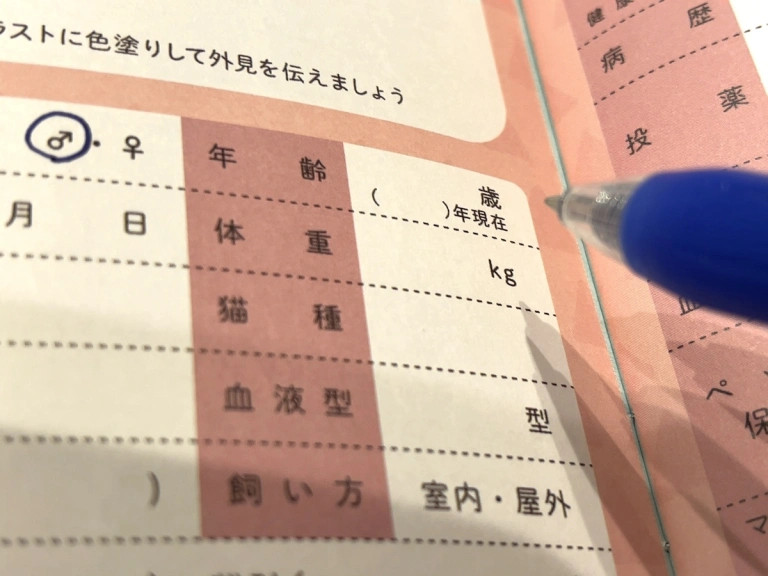
So Saya decided to buy and fill in the Neko Help Techo right away, just in case, but right off the bat, she encountered a hurdle. Her cats are rescues, so she has no idea what their exact age and birthdays are. She could guess, but her guess could be wrong. Since stray cats often can’t get enough nutrients, they don’t often grow as large as household cats. Saya had a case where she rescued a cat so small she thought it was a young cat, but it turned out to be a mature cat over 10 years old.

Still, realizing this was like a domestic suspense drama. It gave her a cold feeling to realize that she knew nothing about the age of the furry housemates she’s been living with.

Well, she didn’t have a choice, so she skipped the birthday part. Under “breed”, she wrote “mixed”. Since she didn’t have any information on her cats’ pedigrees, she couldn’t even be sure of that, though she was reasonably confident they weren’t any kind of pure breed.

Apparently, cats also have a registration number, though Saya had no idea if her cats did. Maybe she could ask for a certificate from somewhere?

She also didn’t know the weight of each cat, but that was an easy problem to solve. She could hold a cat and stand on a scale, then subtract her own weight from the one that came up.

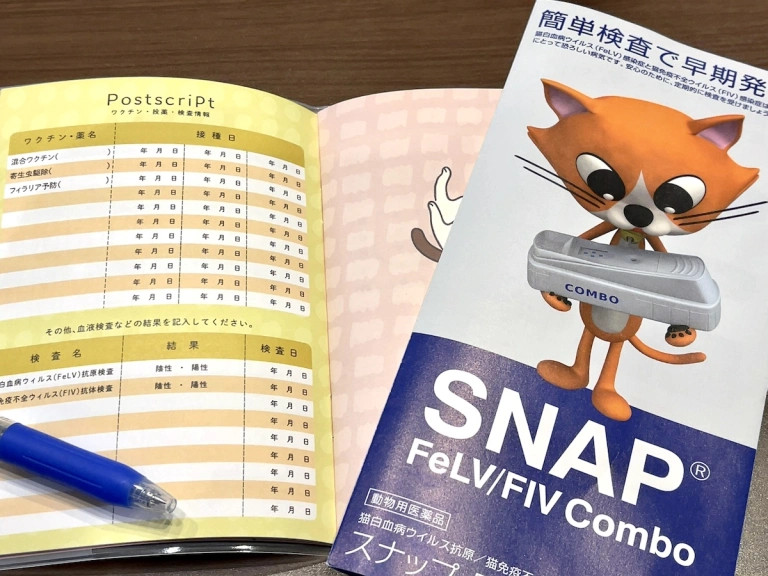
What she could easily input was the medical and vaccination records. It really was like a mother and child health book! Those who don’t have pets might think it’s silly to fill out such a thing for a cat, but for Saya it was very important.

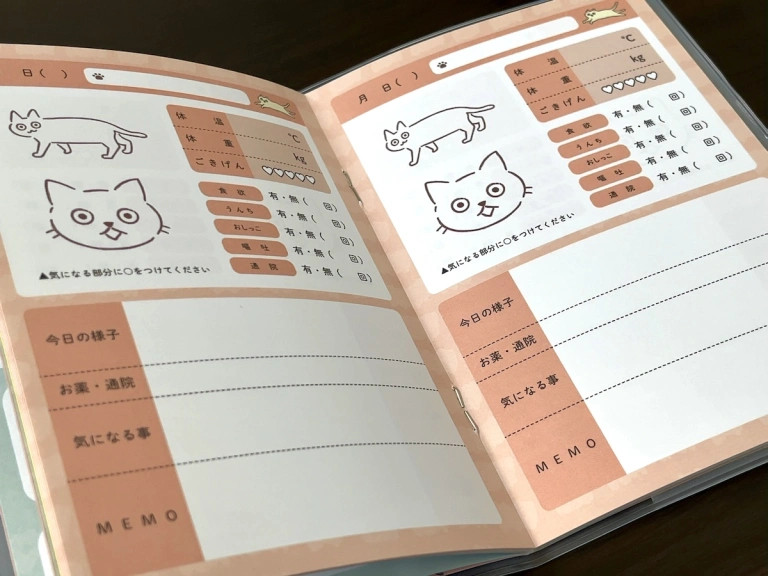
The last half of the book had pages for recording her cats’ daily health, such as their appetite and bowel movements, and if they went to the vet for treatment or not. Here, too, Saya encountered a hurdle. If you own multiple cats, you can’t distinguish whose work in the litter box is whose, or even, in some cases, when it was done. (Saya has always thought it would be nice if each cat’s poop smelled different, but alas, we are not so privileged.).

What’s more, though Saya has the best intentions and tries to get her cats to regular vet appointments, taking rescue cats to the vet is a nightmare. Her cats absolutely hate it; so much so that Saya is convinced they’d be happy to die before they allowed her to shove them into a carrier. She never comes away unscathed. While looking at old documents in her effort to fill in the Techo, Saya came across notes from her cats’ original rescuers, noting that “They hate going to the vet” and “They become aggressive at the vet.” Clearly, it was a problem even before she had them.

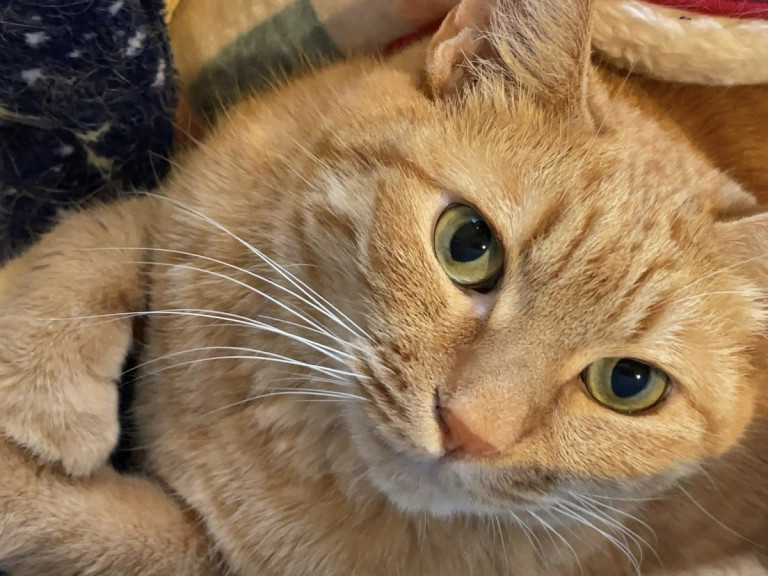
▼ The look on this face says, “Just try it, missy.”

But Saya knows that these are only excuses. She has allowed herself to be lenient on her stubborn children and wasn’t diligent about keeping up with their health. She will do better.

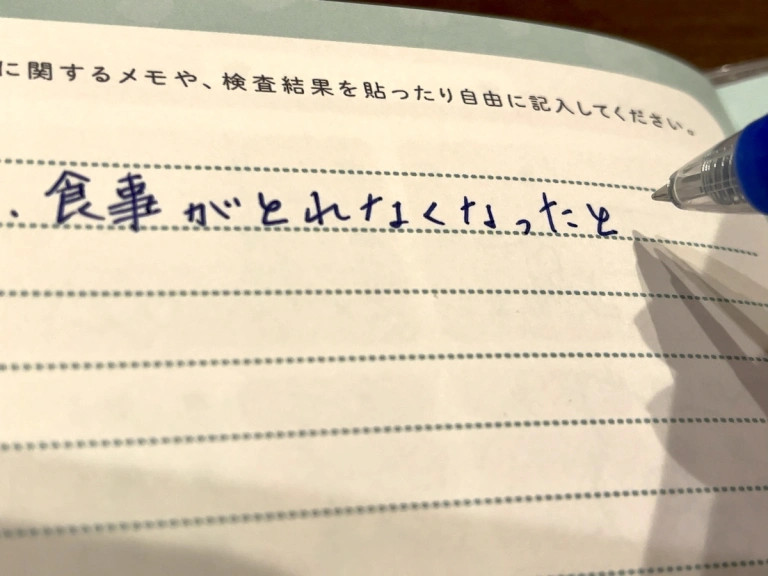
The last few pages of the book are empty pages where you can attach test results or otherwise use as you please. Saya used these pages to dictate what kind of treatment she would have liked for her cats if something should happen to them. Even then, she wavered. In the past, she owned a cat who, in its older years, had to be given a constant IV drip, because if his stomach was empty for too long, his liver lipidosis would become dangerous to him. Her experience with that cat’s treatment made her think more closely about the value of extending life versus ending suffering.

▼ “If he doesn’t want to eat…”

On the first page, by the way, there’s a place to write the information for an emergency contact. After all, the person who might find this memo book won’t likely be able to come to your house themselves.

Saya decided to choose someone who would be kind to her kitties. Someone who wouldn’t mind when they tore off the wallpaper, or wouldn’t be bothered by all their expensive things or the half-dead cicadas they dragged in. She’d like, at the very least, someone who would remember to refill the automatic feeder. But she’d prefer a loving owner. Would she be able to pick someone who would dote on them as she does…?

Once again overcome by emotion, Saya reached out to pet her beloved cats…who once again fled from her like the plague.

“So cold,” Saya sniffed, but her love did not abate.

In any case, this handy memo book provides an opportunity to collect all of the important information you never really think about to keep on hand for emergencies. Each memo book has room for one cat’s information, so if you have more than one cat, you’ll want to get one for each. There is also a version for dogs as well as exotic animals like rabbits and birds, and there are also stickers you can put on your car that say, “I own a cat”, so if you were ever to meet with an accident, it will let people know someone is waiting for you at home.

If you’re someone who likes to be prepared for every eventuality, these might be something to look into! The Neko Help Techo, in particular, can be found on the Helmo online shop for 850 yen (US$6.13).

Images © SoraNews24
● Want to hear about SoraNews24’s latest articles as soon as they’re published? Follow us on Facebook and Twitter!


Credit:

Can we pick out the expensive Japanese watermelon in a blind taste test?

Taste isn’t the only determining factor for expensive fruit in Japan.

All the members of our Japanese-language team pride themselves on their taste-testing skills. Whether they’re eating hot dogs or curry bread, their confidence in producing excellent tasting notes is unrivalled, but there are two things that, by their own admission, tend to trip them up, and that’s condiments and fruit.

So, in order to improve their skills, the gang have been blind-tasting expensive luxury foods alongside cheaper versions, to see if they can refine their palates. They’ve been getting pretty good at picking the more expensive item in their blind-tastings lately, but in order to stop them from getting too cocky, our boss decided to throw them a curveball, or should we say curve watermelon.

▼ We’re ready to catch whatever you throw at us, boss!”

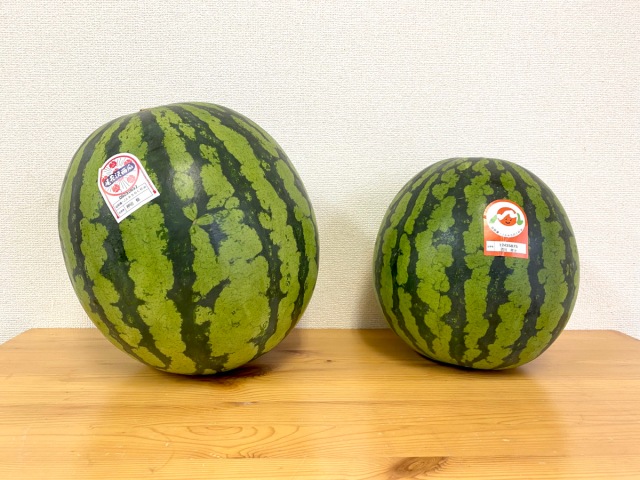
With that, let’s cut to the melons. The two that have been prepared today vary greatly in price and size, with the one on the left costing 5,400 yen (US$38.96) from the Isetan department store, and the one on the right costing 1,980 yen, from a Japanese supermarket.

Despite their differences, both these specimens are actually called “Yamagata Prefecture Obanazawa” watermelons, meaning they’re the same variety and both produced in Obanazawa, Yamagata. The one bought at a department store is around 2.5 times more expensive than the one bought at the supermarket, and though there are some visual differences between them, our taste testers won’t know that because they’ll be blindfolded for the tasting.

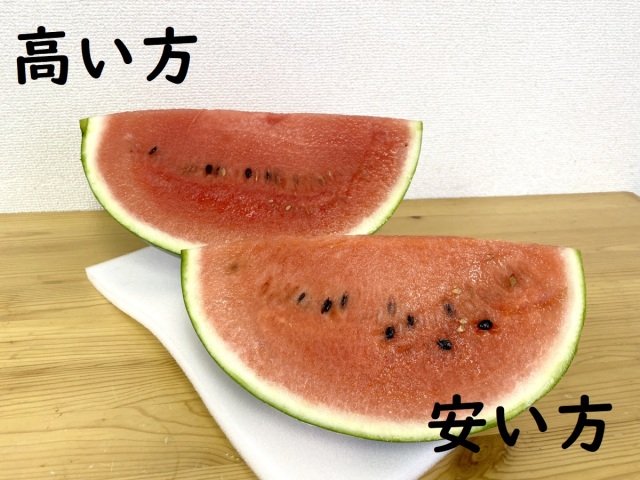
▼ Expensive fruit (top) and less expensive fruit (bottom).

So let’s get to it and see if our reporters can pick the more expensive variety!

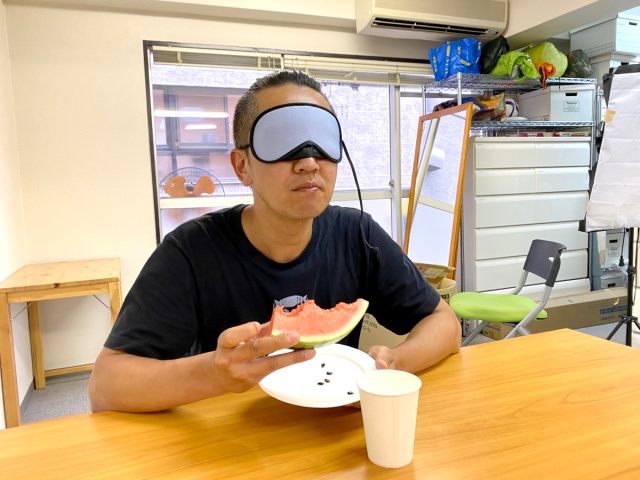
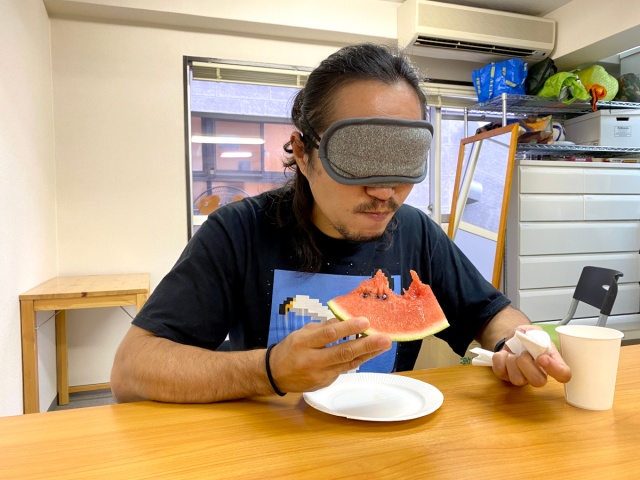
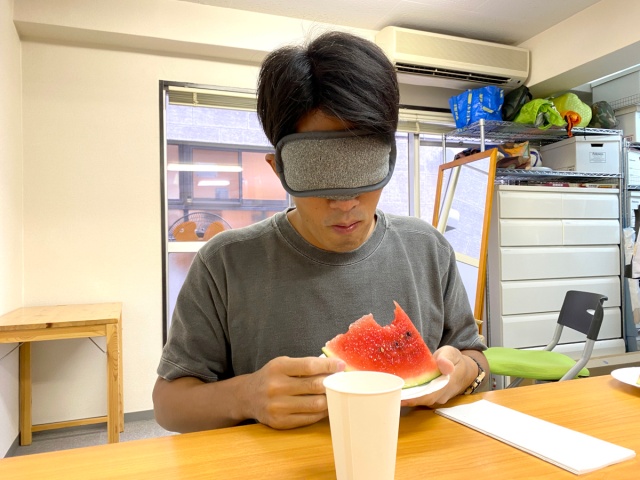
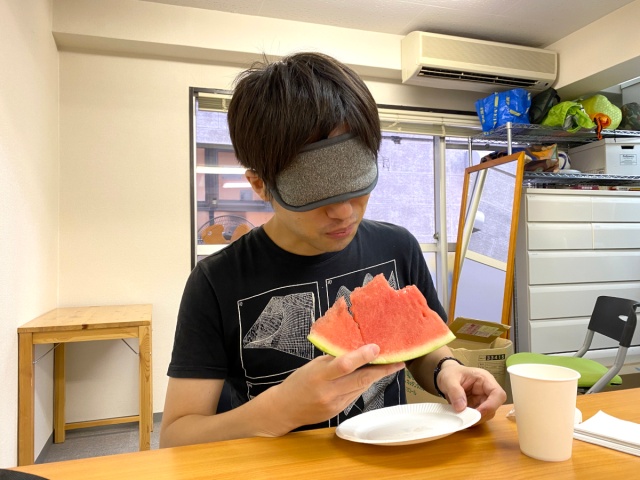
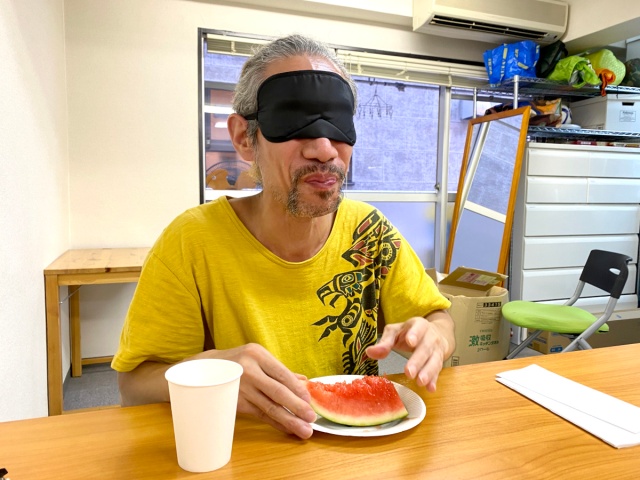
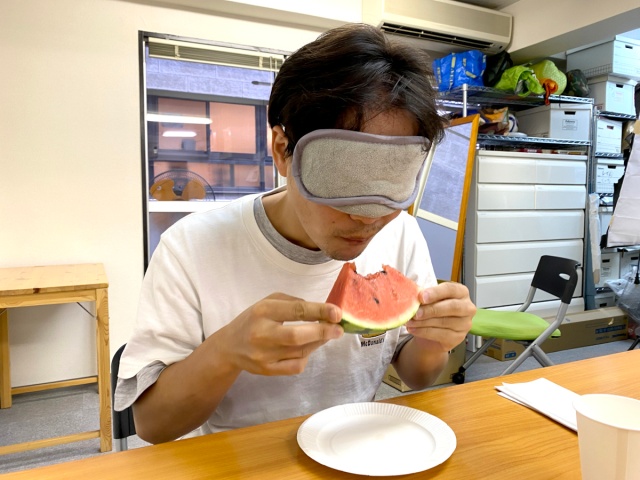
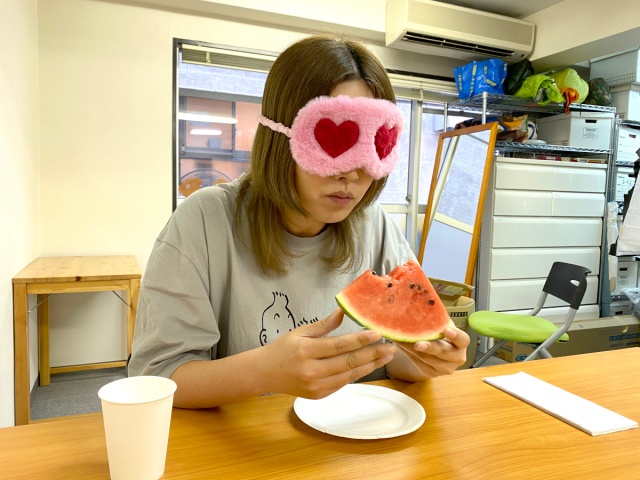
P.K. Sanjun: B

“Honestly, neither one feels cheap. Their peak sweetness levels are almost the same, so there might be a slight margin of error here. However, I felt that A’s sweetness faded as I ate towards the exterior of the watermelon. Of course, the same is true for B, but I feel that the part closer to the skin also stayed sweet to some extent.”

Go Hatori: B

“I love watermelon but I can’t tell the difference on taste alone. They both have a similar texture, but A is a little more melon-like, whereas B is more airy. B also has a slightly stronger flavour. It’s difficult, though, as they’re both delicious.”

Masanuki Sunakoma: A

“I don’t really like watermelons because I don’t like dealing with the seedsWell…B was also good, but it had more of a grown-in-a-field feel. A feels like it was grown to be delicious, and B feels like it grew in the wild.”

Ahiruneko: A

“I like watermelon. I think it’s A purely from the impression I get of the sugar content. B has a crunchy texture, but A was soft. Texture might not be enough to tell the difference, though, so I made my decision based on sugar content. Both were sweet, but when I ate it after A, B seemed slightly inferior. A is above average in terms of the watermelons I’ve eaten so far. But still, it’s difficult to decide.”

Mr Sato: B

“A is good. But B is also good. I’m confident with this one, though. The sweetness doesn’t change much, but the texture is different. A isn’t bad at all, but it has a familiar feeling to it. Considering the elegance, I’m putting my bets on B.”

Takeshi Harada: B

“I don’t really like watermelon but A is sweet. Well, what I mean is that it felt like it was a good quality sweetness. But both are delicious.”

Nakazawa: B

“I used to eat watermelon a lot when I was little. A was sweet and delicious but B is also deliciousThe taste is the same, the sweetness towards the outside is the same, and the juiciness is the same. However, there were less seeds in B. That’s the only information I have to go on.”

Ikuna Kamezawa: B

“My hometown is famous for watermelon, and I’ve eaten too much of it, so I’ve grown to dislike it. But B’s taste is better! It’s overwhelmingly sweet. A was also quite delicious, but once you eat B, it then seems…a bit inferior? The only difference is the sweetness, everything else is the same. The texture doesn’t change that much but B is overwhelmingly sweeter.”

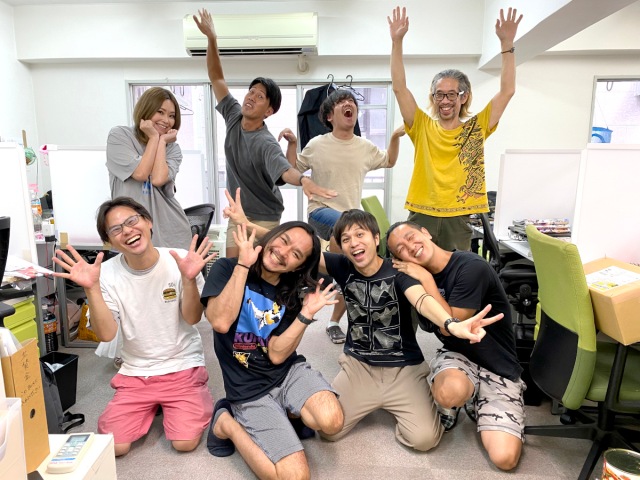
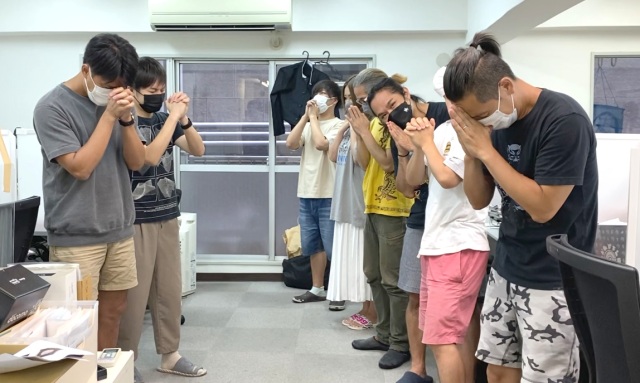
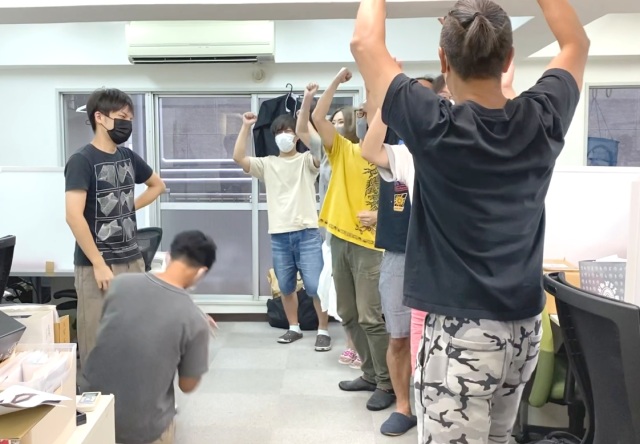
If you’ve been keeping track of the responses, out of our eight taste testers, two picked A and six picked B. That means we would have one winning team and one losing team today, and it would be either the six on the right or Masanuki and Ahiruneko on the left in the photo below.

▼ Drumroll please…

▼ The winners are…the six on the right, with watermelon B!

Masanuki and Ahiruneko hung their heads in shame while their colleagues fist-bumped the air and gloated over their victory.

▼ Ikuna, with a success rate of 88.8 percent: “The sweetness was completely different!”

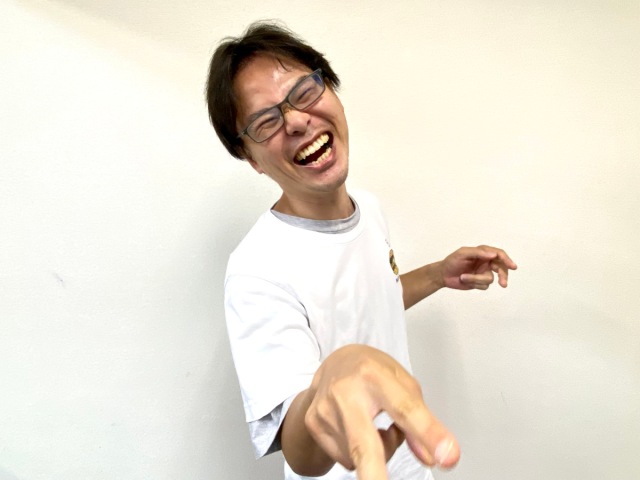
▼ Seiji (success rate: 83.3 percent): “I told you B with less seeds would be more expensive!”

▼ P.K. (success rate: 70.5 percent): “B was still sweet close to the skin.”

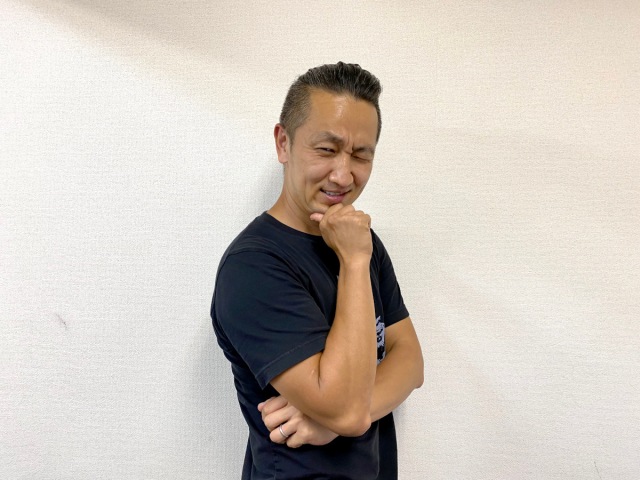
▼ Takeshi (66.7 percent): “A was sweet, but B was elegant.”

▼ Go (67 percent): “Airy B!”

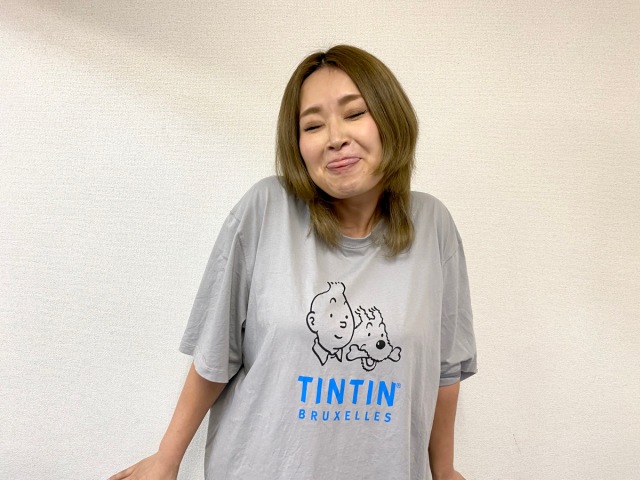
▼ Ahiruneko (57.1 percent): “Bu…but what about A’s sugar content???”

▼ Masanuki (56.2 percent): “But B was a wild-tasing watermelon!”

While Ahiruneko and Masanuki were on the losing side today, they could at least find comfort in the fact that they weren’t the bottom-ranking team member in terms of overall success at these challenges.

That title goes to…

▼ Mr Sato (53.8 percent): “The fibres of the watermelons were different.”

If you’d like to see the blindfolded taste-testing as it unfolded, check out the video below:

At the end of the day, it seems our taste testers do have a taste for watermelon, with 75 percent of them able to pick out the more expensive variety. The challenge is far from over, though, so the current rankings are sure to change, especially if Mr Sato keeps eating these expensive fruit sandwiches!

Photos © SoraNews24
● Want to hear about SoraNews24’s latest articles as soon as they’re published? Follow us on Facebook and Twitter!


Credit: