Ichiran Ramens delicious new product: Fried tonkotsu noodles!
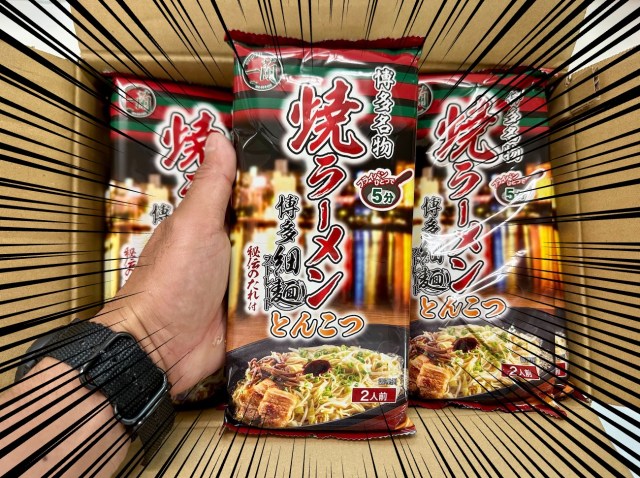
We get a taste of the famous chain’s new fried tonkotsu ramen, inspired by a dish served at food stalls in Hakata.

The other day, we received a call from a representative at Japanese ramen chain Ichiran, who told us, “We’re launching a product that’s never been seen before!”

As big fans of Ichiran ramen, we were excited to find out what it was all about, so we asked them to send us a sample of the product before it went on sale. When we received the package, we discovered that the new product was…

▼ …Yaki Ramen!
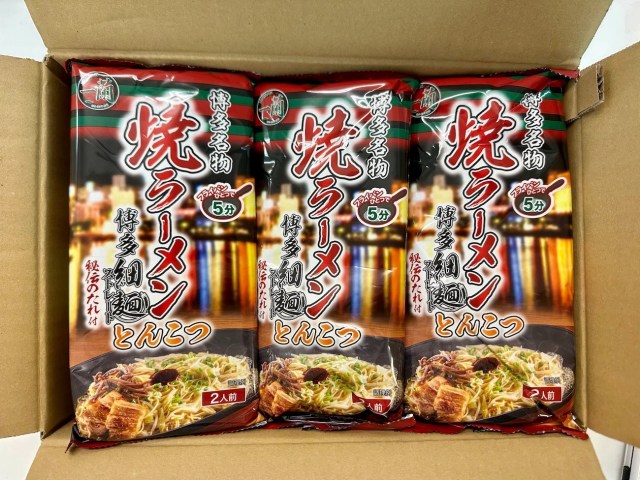
The word “yaki” means “grilled” or “fried”, and though we’ve tried yakisoba (fried buckwheat noodles) before, we’d never heard of yaki ramen. What’s more, these packs contain tonkotsu yaki ramen, which really piqued our interest as Ichiran hails from Hakata in Fukuoka Prefecture, the home of tonkotsu ramen, which is the style of noodles the chain specialises in.

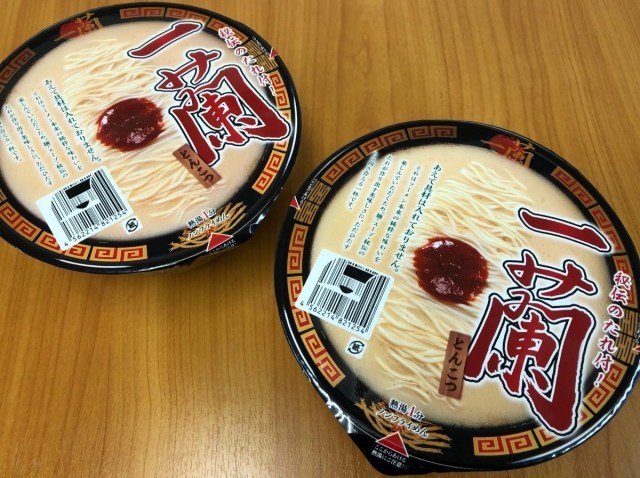
▼ Ichiran’s tonkotsu ramen is so popular it’s even available in instant-noodle form.
According to the chain, fried ramen originated in the food stalls of Hakata, a city known for its yatai (food stall) dining scene, where it’s usually sold as a side dish. As the name suggests, yaki ramen is fried up in a frypan, so our reporter Masanuki Sunakoma got a pack out and popped it on a portable gas stove to try it out.
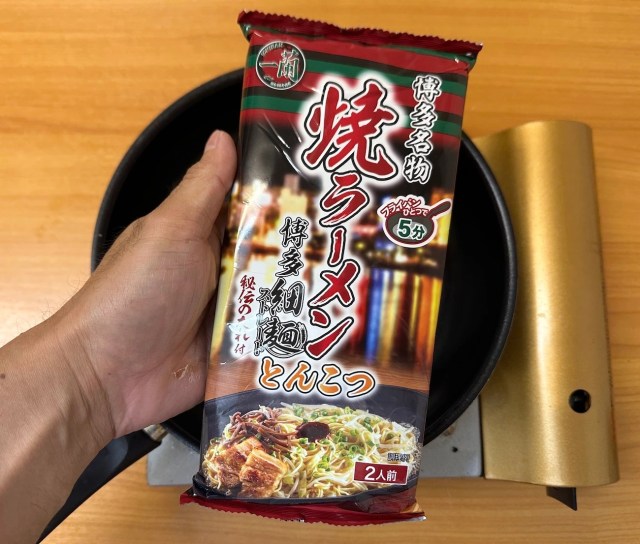
Opening it up, he found that each package is a two-person serving containing noodles, cooking oil, soup powder and spicy sauce. According to the instructions, this is all you need to make the meal, but you can add other ingredients like meat and vegetables to your liking. As this was Masanuki’s first time trying the product, though, he decided to keep things simple by frying it up without any extra ingredients, using only what was included in the pack.

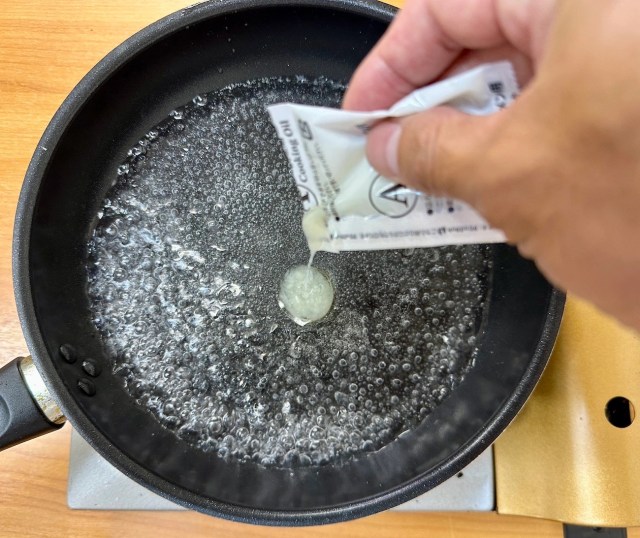
First, he put 300 millilitres of water in the frying pan, and after bringing it to a boil, he added the cooking oil, conveniently marked “A” to mark it as the first seasoning pack that needs to be added to the mix.
▼ Then, he broke the noodles in half lengthways so they would fit in the pan, and added them to the heat.
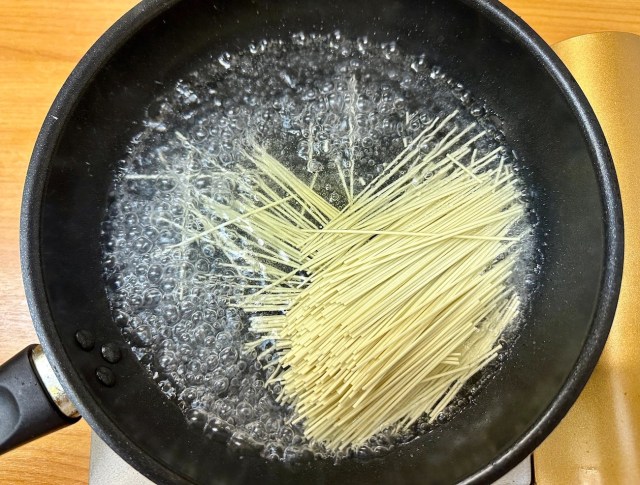
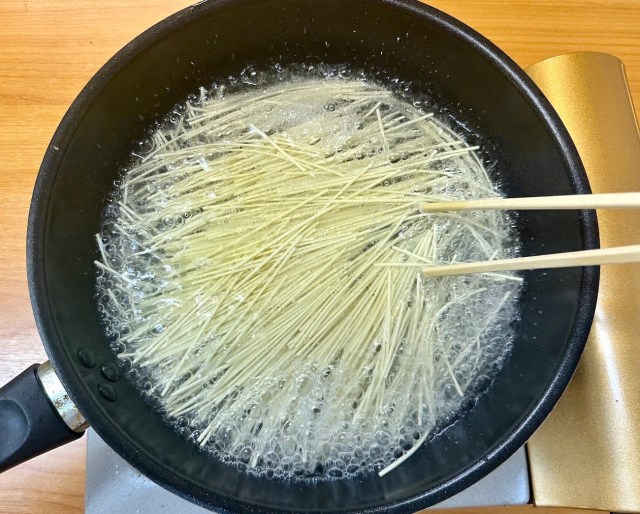
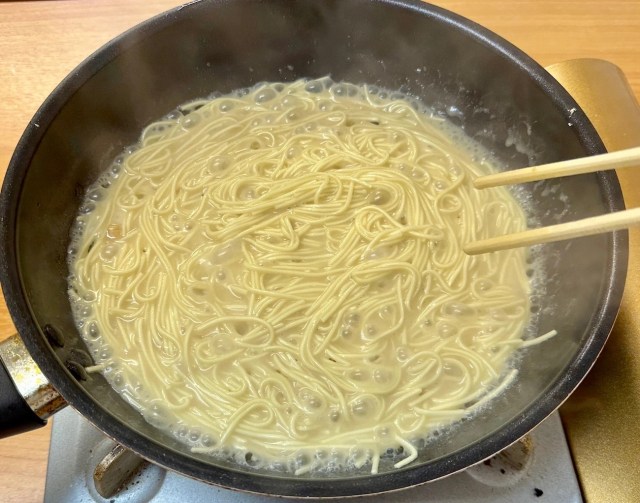
Masanuki then left the mixture to boil for around two minutes, stirring with chopsticks to prevent the noodles from clumping together.
Now it was time to add seasoning “B” — the soup powder — and mix it in. After giving it another good stir, Masanuki waited until enough of the water had evaporated to get the broth to a thick consistency.
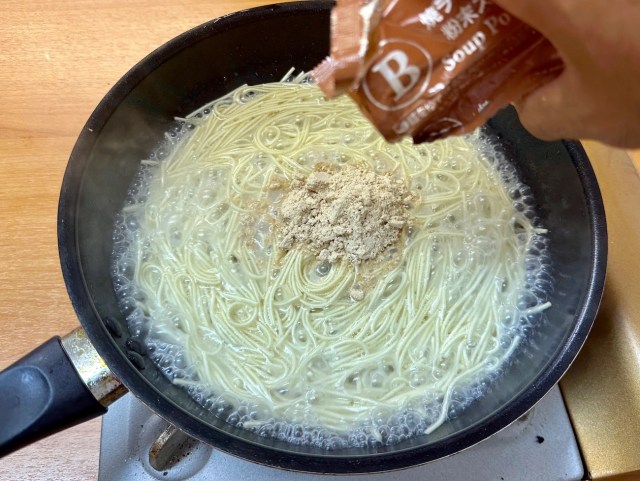
▼ At this point, his kitchen became filled with the tantalising aromas of an Ichiran restaurant.
Transferring the noodles onto a plate, Masanuki poured the spicy sauce on top and now he was ready to eat.

▼ Ichiran’s “secret red sauce” is so special only four people in the company know how to make it.
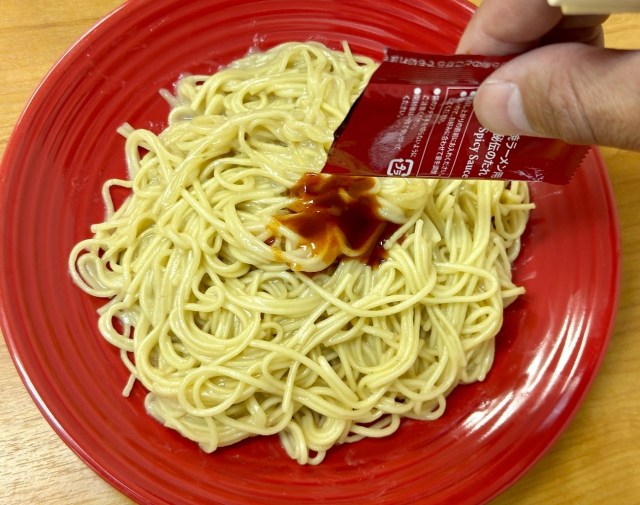
It certainly looked delicious on the plate, but it didn’t look like the piping-hot bowls of Ichran ramen Masanuki is used to eating. While the noodles themselves were still straight and thin, in true Hakata-style, the broth was pretty much non-existent.
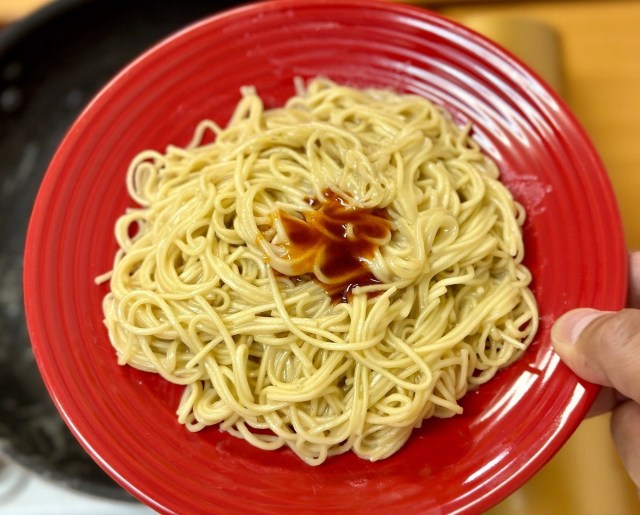
The aroma of tonkotsu was certainly there, though, so Masanuki lifted a good-sized serving up to his lips and prepared himself for a mind-bending experience.
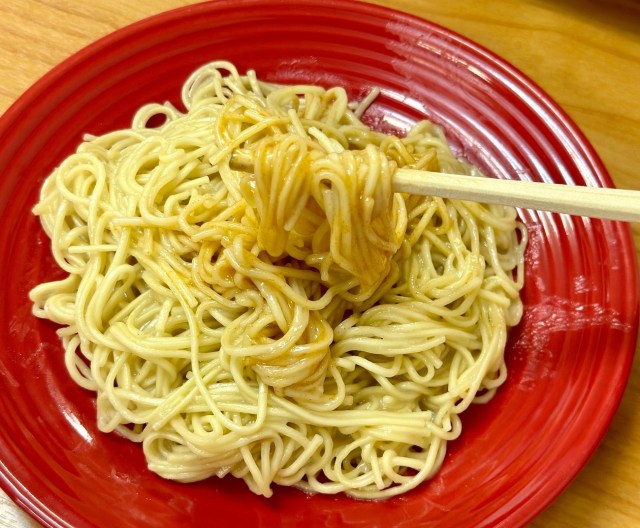
Slurping the noodles into his mouth, Masanuki swallowed and threw his head back in delight. It was absolutely delicious, and because the noodles had absorbed all the tonkotsu broth, they were packed with the umami richness of Ichiran, resulting in a delectably intense tonkotsu flavour.
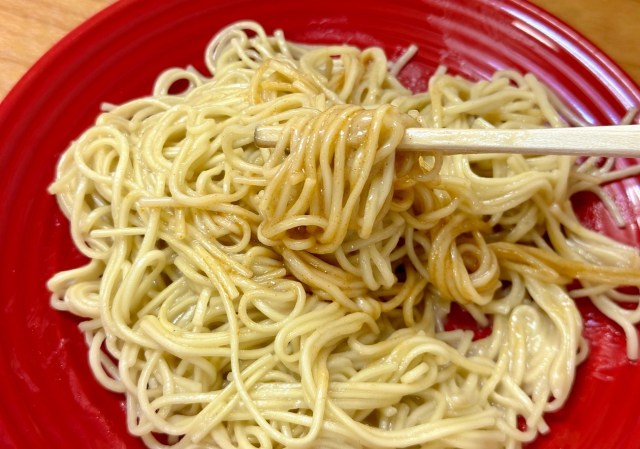
Even though he’d cooked the noodles a little too long, resulting in a softer texture, they were still slippery and delicious. He couldn’t quite believe this easy-to-make meal could taste so good without the use of any additional ingredients.

In fact, Masanuki says he reckons these fried noodles taste even better than Ichiran’s instant tonkotsu noodle bowls, which is certainly saying something, given their immense popularity.

So if you’re looking to get a new taste of Ichiran at home with minimal fuss, keep an eye out for the Yaki Ramen, which went on sale at Ichiran stores nationwide and online from 26 June, priced at 580 yen (US$4.04) for a two-serving pack.

They also make an excellent souvenir for tourists to stock up on, especially if you’ve got enough cardboard back home to fashion up your own solo booth counter to enjoy them with!

Photos © SoraNews24
● Want to hear about SoraNews24’s latest articles as soon as they’re published? Follow us on Facebook and Twitter


Credit:

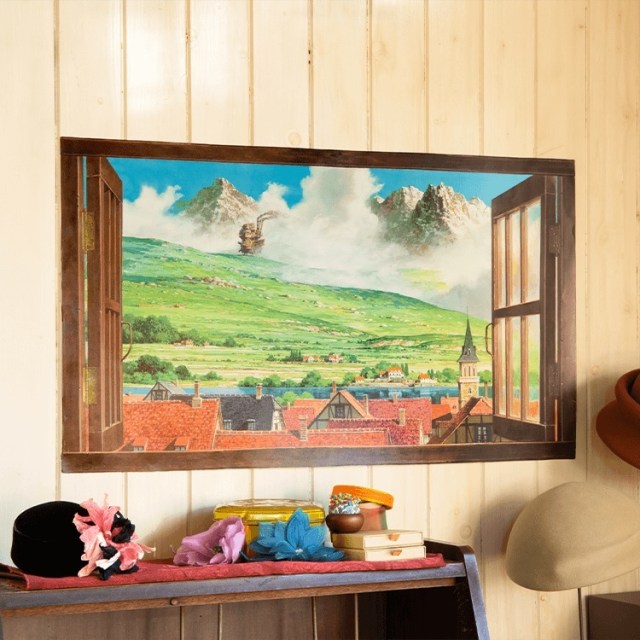
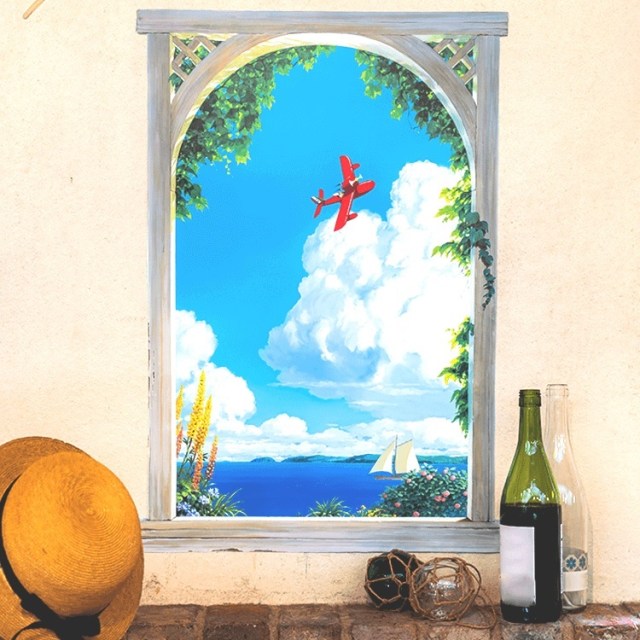
Ghibli Window Wall Art series turns any wall into a portal to an anime wonderlandPhotos

Three beautiful Hayao Miyazaki anime settings to visually connect your home to.

If you’re ever lucky enough to walk through the Ghibli Museum in Tokyo, or if you’re extra-lucky enough to walk through Studio Ghibli itself, you might notice that some of the windows with the most beautiful views aren’t really windows at all. Instead, they’re what Ghibli’s artists call “window wall art,” illustrations hung on the walls that create the illusion of a window opening up to hand-drawn vistas that stirs feelings of comforting nostalgia and imaginative wanderlust.

It’s the sort of interior decoration that any Ghibli fan would want in their own home, and thankfully they’re available through the Ghibli Museum online shop, which has just expanded the lineup to cover three anime classics.

The first piece in the window wall art series to be offered to the general public recreates the view from the loft Kiki moves into in Kiki’s Delivery Service, with the cityscape of her new town sloping down towards the shore and the ocean stretching beyond to the horizon.

At 71.2 centimeters (28 inches) wide, the sense of scale it creates really makes it feel like a window out/into the world of a Studio Ghibli anime. Even more dynamic in size is the Howl’s Moving Castle window wall art, which measures 92 centimeters across. Here the view is from the window in Sophie’s room, with the titular mobile stronghold ambling across the foothills.

▼ For extra style points, you can decorate the area in front of the window wall art with some source material-appropriate knickknack, like these hats that would fit in perfectly at Sophie’s store.

The third piece of Ghibli window wall art, which just went on sale June 30, is the first in the series that’s vertically oriented. At 72.2 centimeters tall, that extra height gives you a more expansive view of the sky and clouds above the azure Adriatic, with Porco Rosso’s Savoia S.21 seaplane flying past at the angle it would be seen by Gina as the lounge singer lounged in her suite at the Hotel Adriano.

The Kiki’s design is priced at 11,000 yen (US$81), Porco Rosso at 13,200, and Howl’s Moving Castle, being the largest of the three, at 14,850. All three can be ordered through the Ghibli Museum online shop here.

Source: Ghibli Museum online shop
Top image: Ghibli Museum online shop
Insert images: Ghibli Museum online shop (1, 2, 3)
● Want to hear about SoraNews24’s latest articles as soon as they’re published? Follow us on Facebook and Twitter!


Credit:
Taiwanese Peppered Pork Buns sold in Tokyo are packed with layers of flavor

They had us at “peppered,” but everything else is even better.

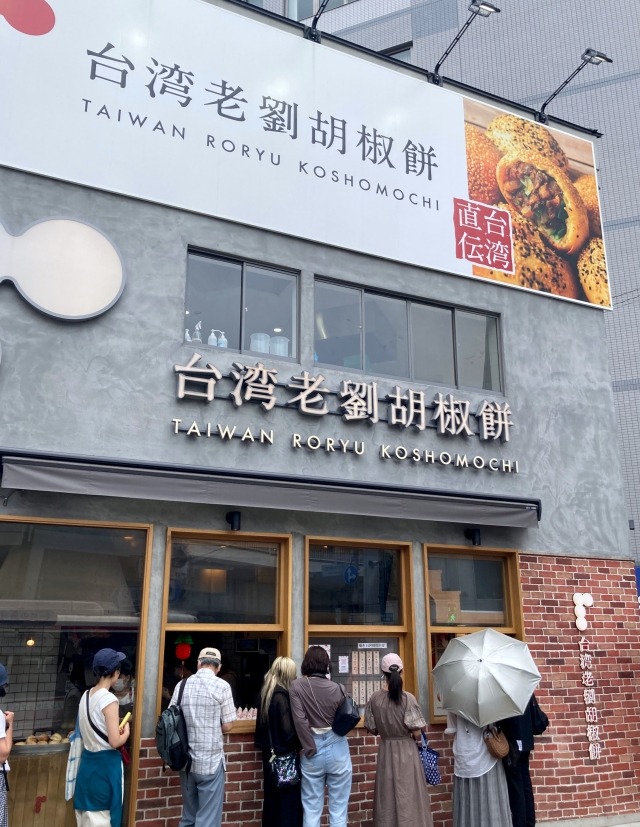
Our star reporter Mr. Sato is famous for his love of all kinds of food, but recently he’s really been into Taiwanese cuisine and likes to try some whenever the opportunity comes up. One particular Taiwanese food vendor he had long been seeking to try was Taiwan Roryu Koshomochi in the Kichijoji area of Tokyo.

It’s been open since November of last year and he had always seen the sign for the place while passing through Kichijoji Station on the train but never knew where it was exactly. Then, one day he was walking around the south exit of the station and found himself in front of Taiwan Roryu Koshomochi by chance and just instinctively lined up, as if he was destined to do so.

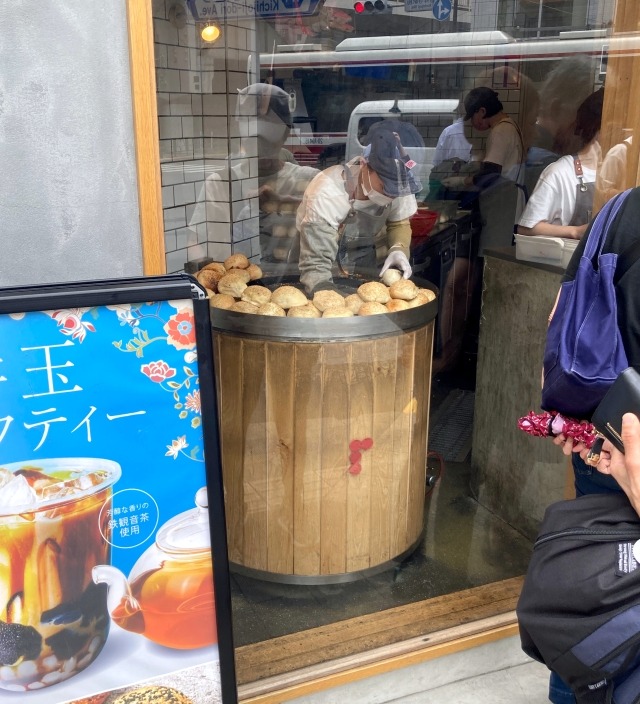
This store specializes in Peppered Pork Buns (Butaniku Kosho Mochi in Japanese or Hujiao Bing in Chinese), which is pork seasoned in black pepper and encased in a soft, warm bun. And one of the benefits of lining up here is that you can watch them make the Peppered Pork Buns through the window!

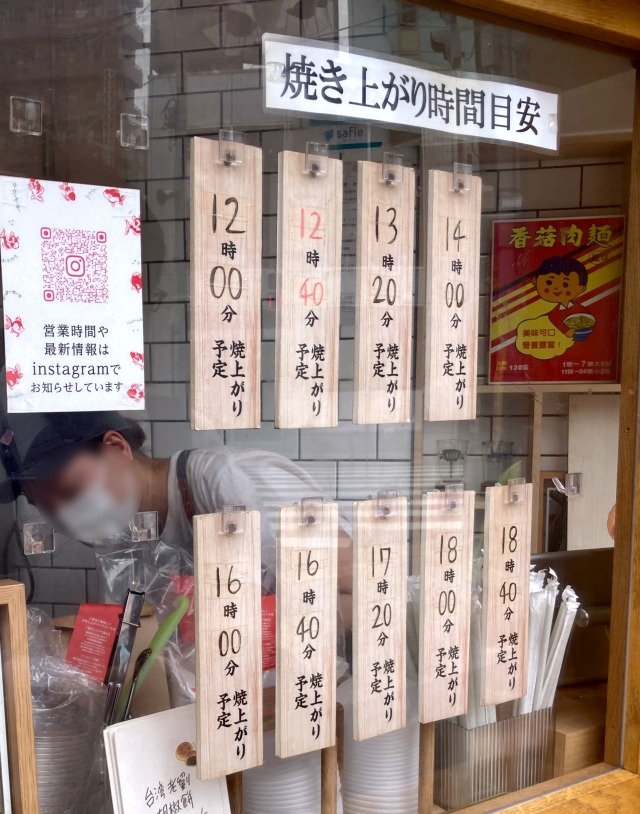
The approximate times when each batch of Peppered Pork Buns goes on sale are even listed on the window. They can be bought any time of day, but you should visit around these times if you want to catch the show or get the freshest ones possible.

Just watching those soft, doughy globs stick to the sides of the pot made Mr. Sato want to eat them more.

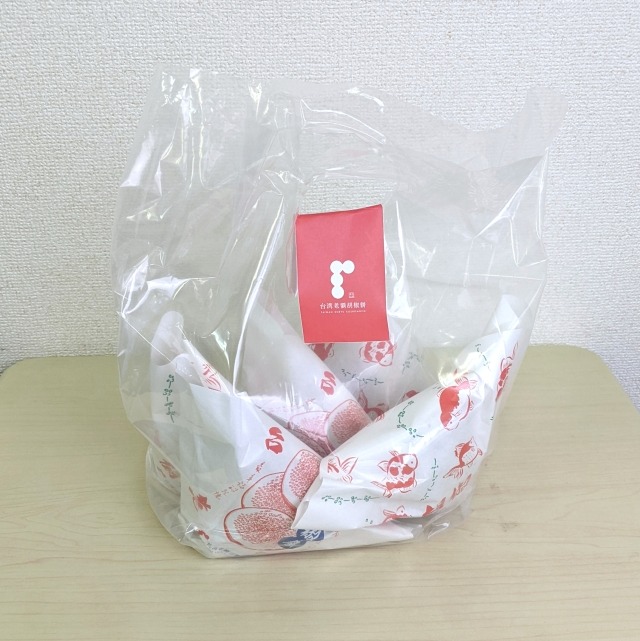
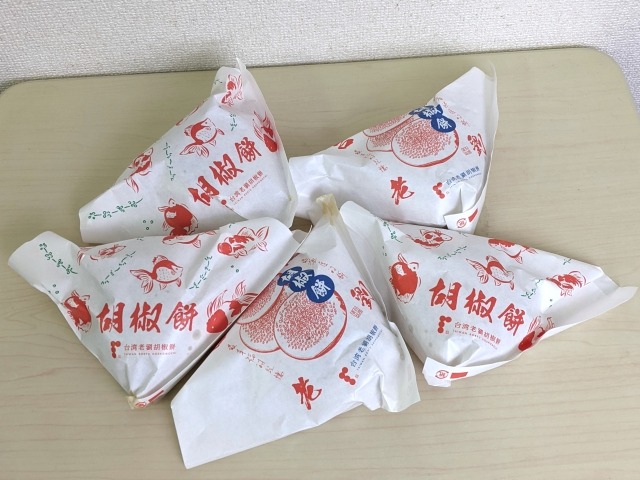
When he got to the front of the line he decided to buy five of them for 430 yen (US$3) each.

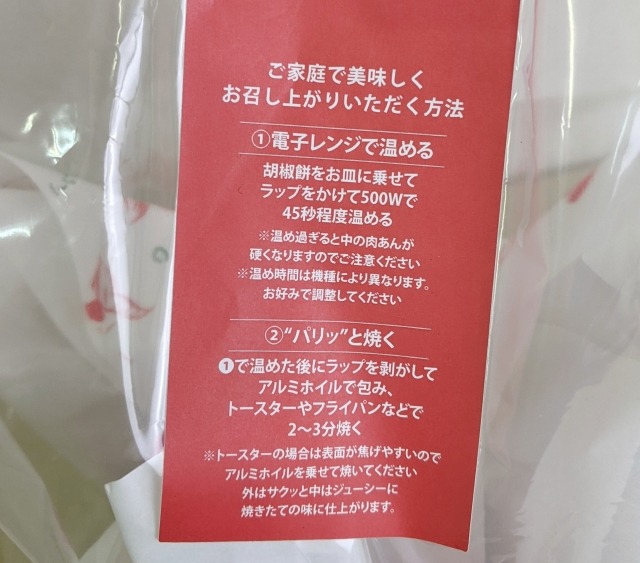
Our reporter really appreciated how the bag gave detailed instructions on the best way to reheat Peppered Pork Buns. First, you should wrap them in plastic and microwave them for 45 seconds at 500 Watts. Then you need to remove the plastic, wrap them in foil, and heat them on a frying pan or in a toaster oven for another two to three minutes.

Luckily, Mr. Sato’s were still warm so he could keep them in their delightful paper wrapping.

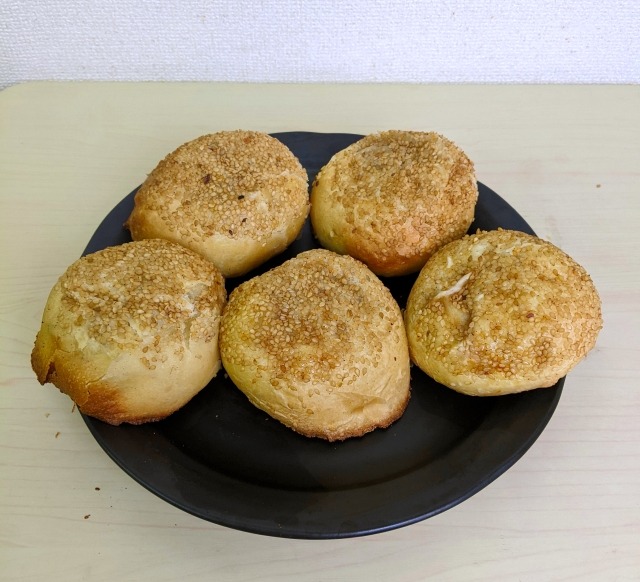
But they looked even better out of their wrapper. A nicely browned bun generously topped with sesame seeds. Their different shapes had a very handmade vibe and he could get a complex whiff of five-spice powder from inside them.

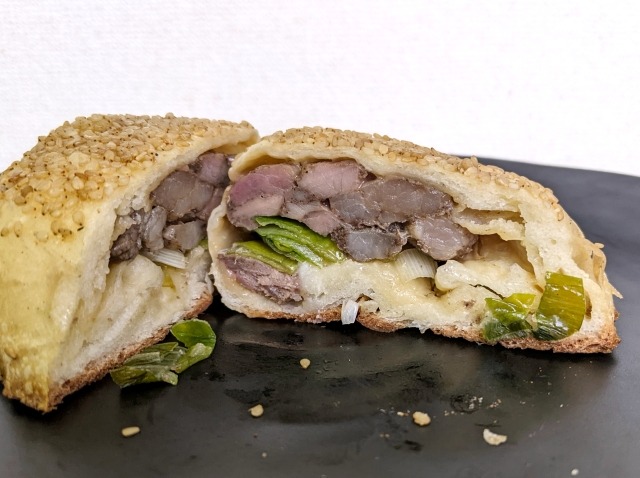
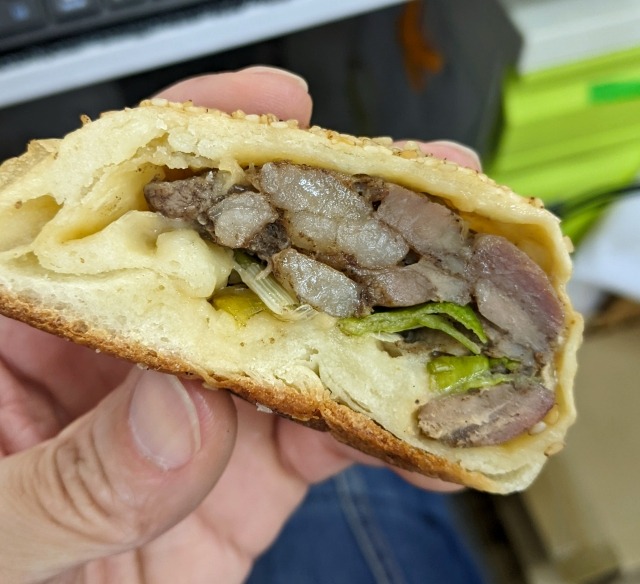
He cut one open to get a look inside and found that it was nicely packed with meat. The dumplings also appeared to have a double layer of dough. The browned outer layer was protected from getting soggy by an inner layer which soaked up the juices of the meat.

Upon taking a bite, Mr. Sato was first hit with the gentle aroma of star anise, followed by the sweet taste of the pork spreading through his mouth. And just before things get too sweet, black pepper kicks in to even things out. The texture varies as well, with the slightly crispy outside of the bun melting in his mouth.

The sheer number of tastes and textures packed into this little dumpling was nothing short of impressive. And every moment of it was completely delicious.

Mr. Sato shared the rest of his Peppered Pork Buns with everyone else in the office and they agreed that it was excellent. Once again, Taiwanese cuisine has won the day and our reporter highly recommends Taiwan Roryu Koshomochi to everyone who has a chance to stop by Kichijoji or their other branch in Machida, Tokyo.

Store information
Taiwan Roryu Koshomochi Kichijoji Store / 台湾老劉胡椒餅 吉祥寺店
Address: Tokyo-to, Musashino-shi, Kichijoji, Minamicho 1-11-1
東京都武蔵野市吉祥寺南町1丁目11-1
Open noon – 7 p.m.
Website

Photos ©SoraNews24
● Want to hear about SoraNews24’s latest articles as soon as they’re published? Follow us on Facebook and Twitter!


Credit:
Electric matcha whisk from Japan serves up frothy green tea in seconds

The “Matcha Former” replicates the hand movements of a tea ceremony teacher.

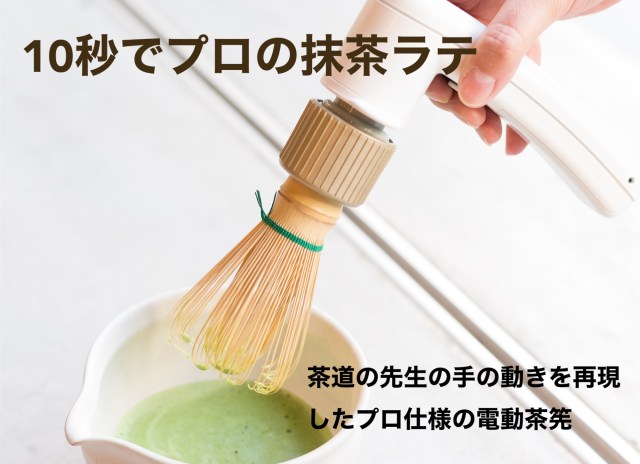
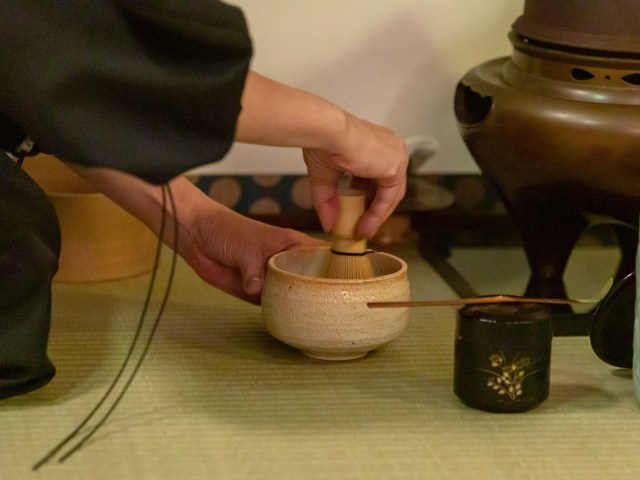
Have you ever wanted to make yourself a beautiful cup of matcha but just can’t be bothered to properly whisk it like a tea master? Well, now there’s a new handheld device that’ll do all the whisking for you, and that’s not all — it’ll replicate the hand movements of a tea ceremony teacher while it does it.

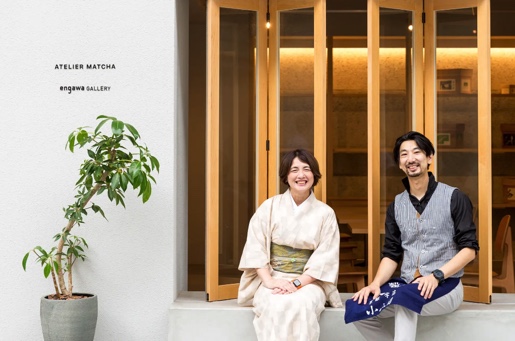
The new product is called “Matcha Former Charaku“, and it was developed by Tokyo-based company Tzen — a clever blend of the words “tea” and “zen” —  which operates the Atelier Matcha Cafe in Tokyo’s Chuo Ward.

It’s puzzling that nobody thought to check the spelling of the word “foamer” before they decided to call it a “former“, but whether it was an intentional decision or not, the product’s Engrish name gives it a unique sense of Japanese charm, and it combines the words “cha” (“tea“) and “raku” (“ease“), which is appropriate for what it does.

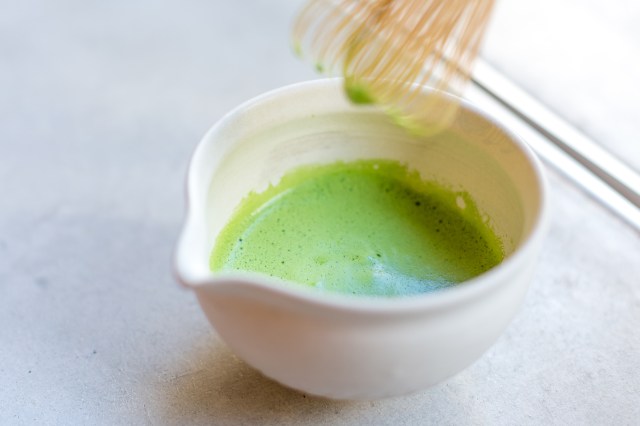
In just ten seconds, this gadget will whisk up a frothy serving of green tea, saving your wrists the strain and cutting out all the hours of learning usually required to hone the special technique to achieve the right consistency.

The whisk’s unique mechanism was designed after researching the hand movements of tea ceremony masters, which are able to produce matcha with fine bubbles. The gadget replicates this movement by whisking in a vertical motion, but it’s able to whisk faster than a human hand, creating a creamier texture that the designers say many matcha drinkers will have never experienced before.

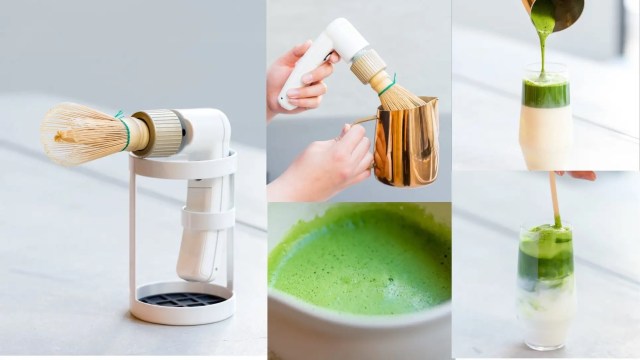
The electric whisk can be used to create traditional bowls of matcha, although you can pour the mixture over milk to create the most delicious matcha lattes as well.

The product was initially designed for staff at Atelier Matcha, who’ve been using it to whip up matcha drinks for customers since the cafe opened in August 2021. However, after receiving numerous requests from customers to make the product commercially available, Tzen decided to start up a crowdfunding campaign so they could manufacture the product on a larger scale.

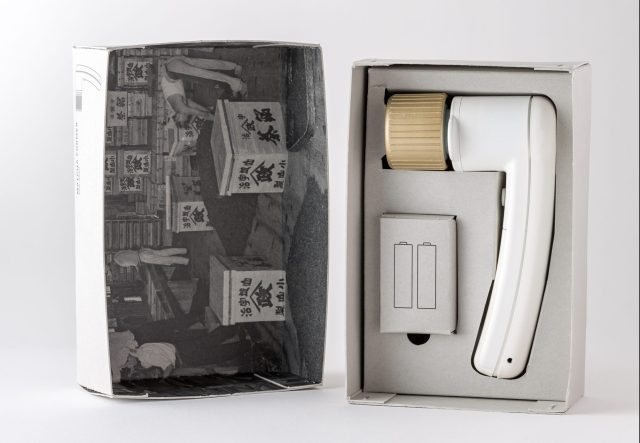
The crowdfunding campaign, which is set to run from 1-31 July, has various tiers available, with prices starting at 12,600 yen (US$87.22) for the battery-operated machine only, which includes a 20-percent early-bird discount available to the first 10 people.

▼ The head is adjustable so it fits any bamboo whisk you might currently be using.

Sets that include the machine and a bamboo whisk are priced at 15,800 yen, which also includes a 20-percent early bird discount for the first 10 people. If you miss out on being one of the first 10 customers for either of these deals, there are still 80 of the machine-only sets on offer, priced at 15,800 yen each, and 50 of the machine-and-bamboo-whisk sets, priced at 19,800 yen.

There are various other tiers available, and on 2 July Atelier Matcha will be holding a special event from 11:00 a.m. to 3:00 p.m., where customers can try their hand at using the whisk to whip up their own matcha beverage inside the cafe.

▼ To see the whisk in action, check out the video below, and try not to flinch when you see the words “Matcha Former” and “matcher lovers” on screen.

It’s a very Japanese product that will definitely come in handy for matcha lovers at home, and store owners who want to serve customers fast without compromising on quality. Because when you’re working with high-grade matcha from Japan on a daily basis, an electric whisk like this is worth the investment.

Cafe information
Atelier Matcha
Address: Tokyo-to, Ningyocho, Nihonbashi 1-5-8
東京都日本橋人形町1-5-8
Open 11 a.m.-6 p.m. (last order 5:45 p.m.)
Closed Tuesdays
Website

Related: Campfire Crowdfunding Campaign
Source, i
mages: PR Times
● Want to hear about SoraNews24’s latest articles as soon as they’re published? Follow us on Facebook and Twitter!


Credit:

This dorayaki spot is one of the best sweets shop in Tokyo that people dont know about yet

Hidden under the tracks near Akihabara is one of our new favorite places to grab sweets on the street.

If you’ve got a craving for dessert in Tokyo, the easiest way to find the latest hit sweets shop is to look for a line of people stretching out the door. But what if you’re looking for the next big thing, the place that most people don’t know about yet? Then you’ve got to pound pavement when your stomach is growling, like our Japanese-language reporter P.K. Sanjun recently did in Tokyo’s Kanda neighborhood.

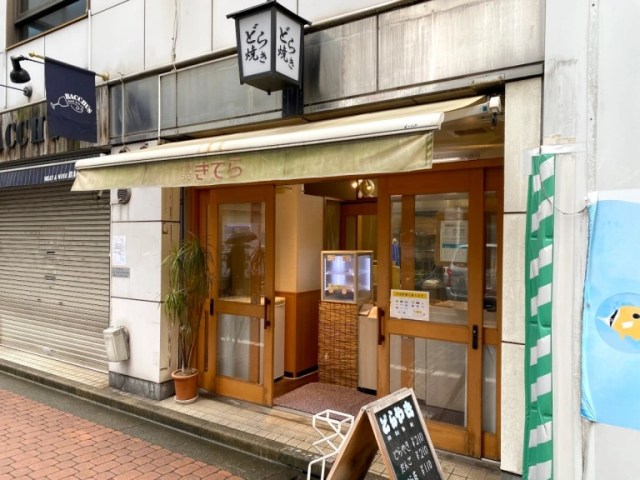
Tucked underneath the train tracks of the Yamanote loop train line that circles through downtown Tokyo, Kitera is about halfway between Kanda and Akihabara Stations. With its unassuming, semi-secluded location, you probably won’t spot that many people queuing up outside, and you probably won’t see many people working inside the place either, as it appears to be run and staffed by just a single person.

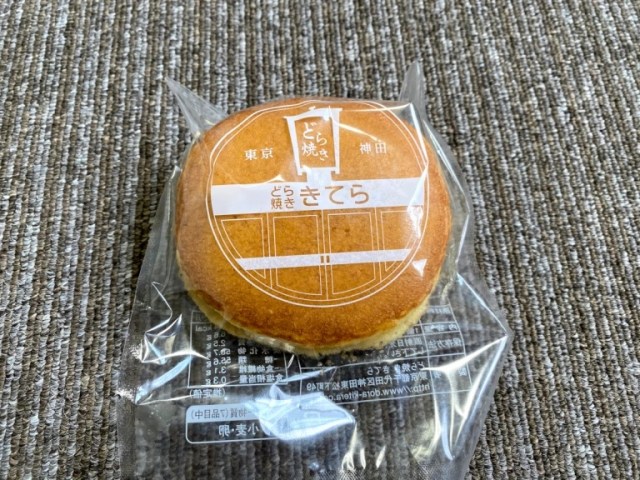
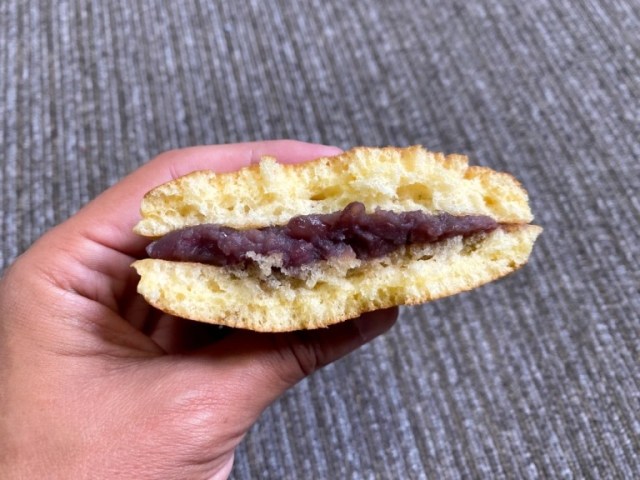
Kitera specializes in dorayaki, round palm-sized pancake-like confectionaries with a filling of anko (sweet beans) sandwiched inside. Dorayaki are just about P.K.’s favorite Japanese dessert, and while he enjoys the mass-produced varieties available at supermarkets and convenience stores, what really makes his taste buds sing are dorayaki produced in-store by specialty sweets shops, like the famous stores Usagiya and Kameju, in the city’s Okachimachi and Asakusa districts. But while just about any Tokyoite with a sweet tooth knows about those two places, P.K. had never heard of Kitera before he stumbled across it. He instantly felt compelled to give this new-to-him dorayaki specialist a try, though, because not only do they sell orthodox anko-filled dorayaki for 210 yen (US$1.55)…

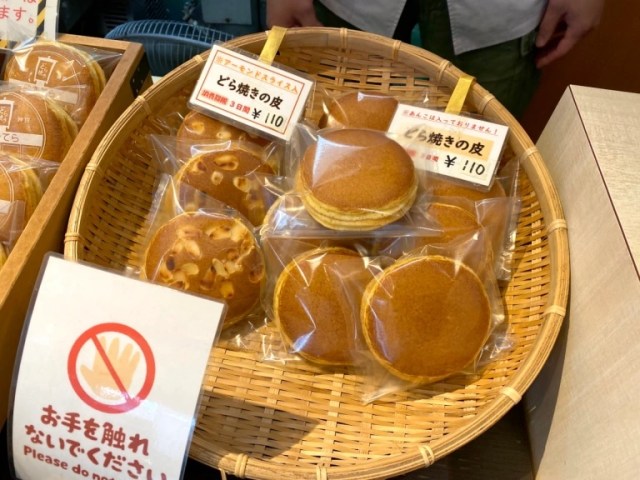
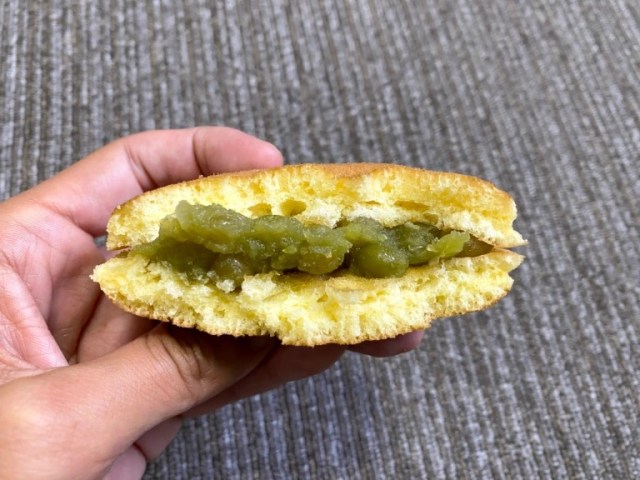
…they also sell unstuffed dorayaki, for you to add whatever you want to at home, for 110 yen. This is something most dorayaki shops don’t do, and Kitera’s display of confidence in the deliciousness of even the cake component of their sweets convinced P.K. to purchase not only a regular anko dorayaki, but a special zunda (edamame) anko one too for 240 yen.

Eagerly unwrapping his sweets, P.K. wasted no time diving into the taste test. Part of what makes dorayaki so appealing is that it doesn’t try to be coy with its deliciousness, and as soon as the first bite hit P.K.’s taste receptors, he was in dorayaki heaven. The cake part was sublimely soft and fabulously fluffy, showing that Kitera’s confidence in it is totally deserved. The anko was marvelously moist, satisfyingly sweet but still allowing the natural flavors of the beans to make their presence felt.

While both the cake and anko are amazing, they become so in opposite ways. Kitera’s owner explained to P.K. that the shop’s cake is made fresh daily, with just enough to cover that day’s dorayaki, so that none of the sweets are made with dry or hardened cake. Kitera’s anko, on the other hand, is prepared the day before. In basic terms, anko is made by stewing the beans, and just like with curry roux or spaghetti sauce, its flavor deepens overnight.

▼ The zunda dorayaki filling has zunda’s characteristic bright green color.

Kitera’s standard anko dorayaki is available all the time, but the other flavors vary by day of the week, with new ones cycled in every month or so. As of when we stopped by, zunda is available on Wednesdays and Thursdays, and on Mondays and Tuesdays you can get plum dorayaki. Fridays and Saturdays were yet-to-be-determined mysteries, but now that we’ve found this place, we’re happy to have extra reasons to go back and see what other delicious dorayaki they cook up.

Shop information
Kitera / きてら
Address: Tokyo-to, Chiyoda-ku, Kanda Higashimatsushitacho 49
東京都千代田区神田東松下町49
Open 10 a.m.-6 p.m. (weekdas), 10 a.m.-5 p.m. (Saturdays)
May close earlier if ingredients/stock runs out
Closed Sundays

Photos ©SoraNews24
● Want to hear about SoraNews24’s latest articles as soon as they’re published? Follow us on Facebook and Twitter!


Credit:
Tokyo has an anime character-themed perfume shop and we stopped by to talk with the creator

Fairy Tail takes inspiration from anime’s biggest series and stars and turns them into unique fragrances for fans.

From its name, you can probably guess that Tokyo fragrance company Fairy Tail draws inspiration from stories that have captured people’s hearts and sparked their imaginations. However, the muses for Fairy Tail’s line of scents aren’t the casts of Disney films or Brothers Grimm books, but some of Japan’s most popular anime, manga, and tokusatsu characters.

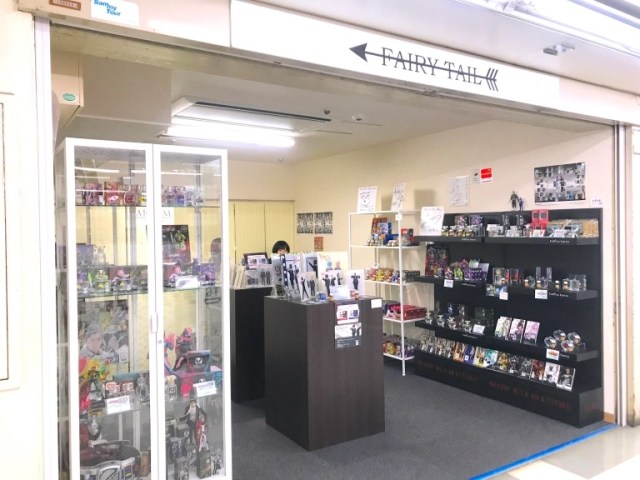
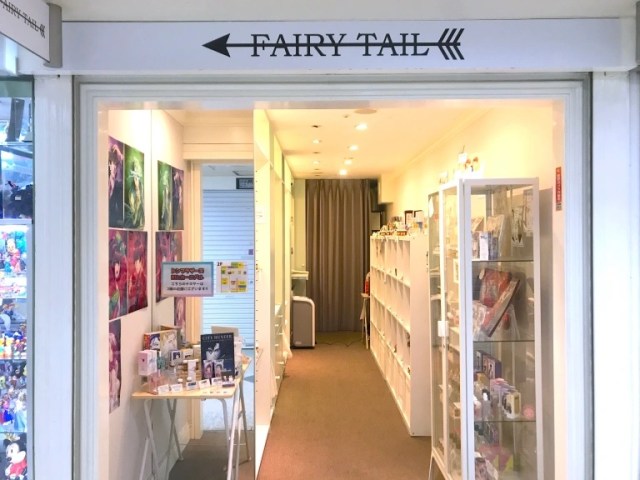
Fairy Tail has an online store, called Dreaming Princess, but they also have a physical store inside the Nakano Broadway shopping center in Tokyo. We recently stopped by the shop for a talk with Fairy Tail’s company president Yuki Kumagai to hear about how the company first started making anime character fragrances and learn a little more about some of its newest creations.

SoraNews24: What was the first character-inspired perfume you produced?
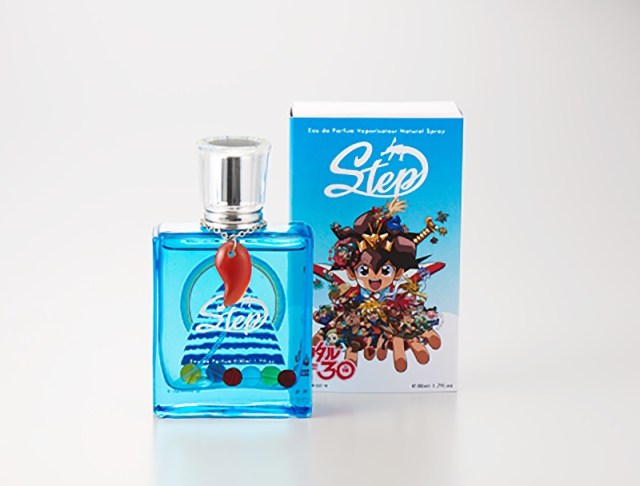
Kumagai: It was actually a perfume for Mashin Warrior Wataru [also known as Keith Courage in Alpha Zones outside Japan], back in 2018.

SN24: Whoa, Wataru? That’s a series from like 30 years ago. We would have expected you started with a newer franchise.

Kumagai: We were blessed with good timing on a number of factors. First off, since it was the first anime-themed perfume we were making, I kind of wanted it to be for my very favorite series [which is Wataru], so we contacted the rights holder, Sunrise, and they said “We just so happen to be looking into what sort of merchandise we can develop to celebrate Wataru’s 30th anniversary. It was a total coincidence that we’d decided to reach out to them then, but they thought the idea of making a perfume was interesting, and so the negotiations progressed really smoothly from there.

▼ The Wataru perfume is a mix of verbena, Fougeres, musk, and amber aromas.

Kumagai: Even if a series has a large fanbase, it’s hard to predict how many hardcore fans there are that will buy special merchandise. In the case of the Wataru prefume, there turned out to be more hardcore fans than we’d expected, and the perfume sold better than we’d expected. We were especially surprised to see how many customers we had who said they hadn’t bought perfume of any kind before.

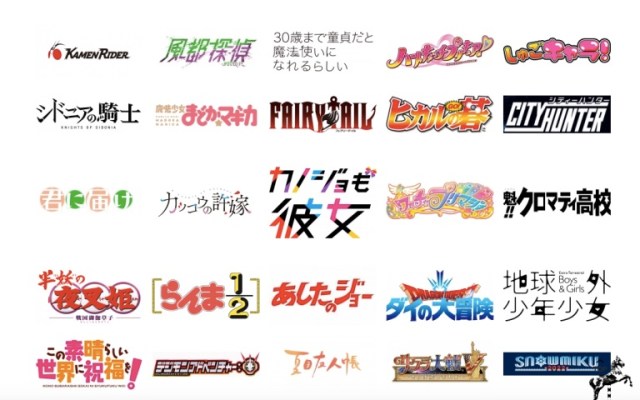
▼ Fairy Tail has since expanded its lineup to cover dozens of anime, video game, and tokusatsu series, including Puella Magi Madoka Magica, KonoSuba, Attack on Titan, Rascal Does Not Dream, Evangelion, Slayers, Cardcaptor Sakura, Rent-A-Girlfriend, Beastars, and King of Fighters.

SN24: What other perfumes sold better than you had expected?

Kumagai: The perfume for C.C., from Code Gears, was a really big seller. So were the series-inspired ones for City Hunter and Kinnikuman.

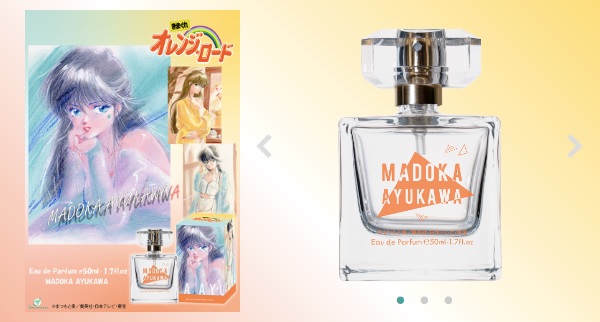
Then there was the perfume for [Madoka Ayukawa from] Kimagure Orange Road. That series doesn’t even have an official website or social media account, but the perfume was still a big hit.

▼ SoraNews24 covered the Orange Road perfume when it was first announced.

Looking through Fairy Tail’s list of current and past products, there are a lot of series from the ‘80s and ‘90s, as Kumagai isn’t one to let a series’ age preclude it from becoming one his olfactory muses. “Even if a series is over and done with, if it’s a good story, it’ll stick with you,” he explains.

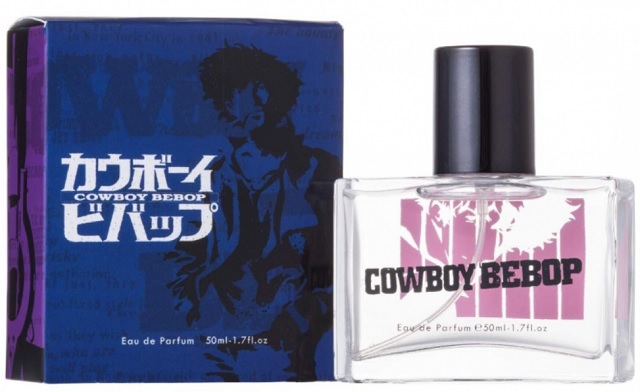
▼ The Cowboy Bebop Spike Spiegel scent has elements of ginger, moss, and sandalwood.

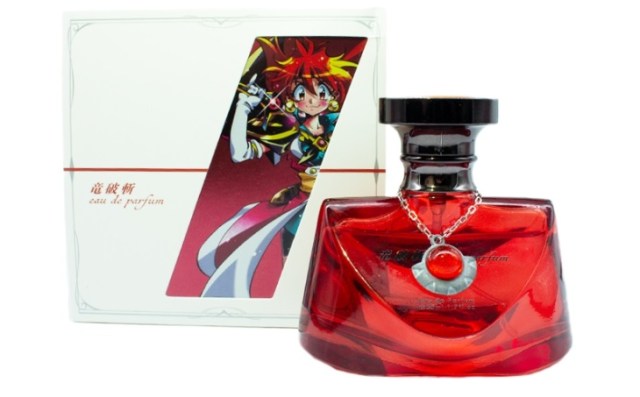
▼ Dragon Slave, named after the destructive black magic incantation of Slayers’ Lina Inverse, contains scents of passionfruit, jasmine, and cedar.

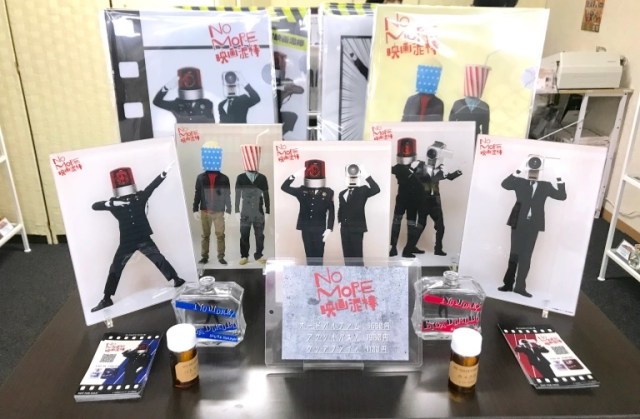
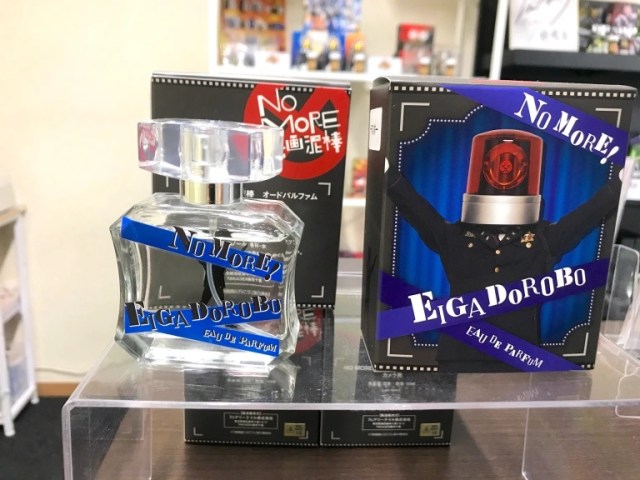
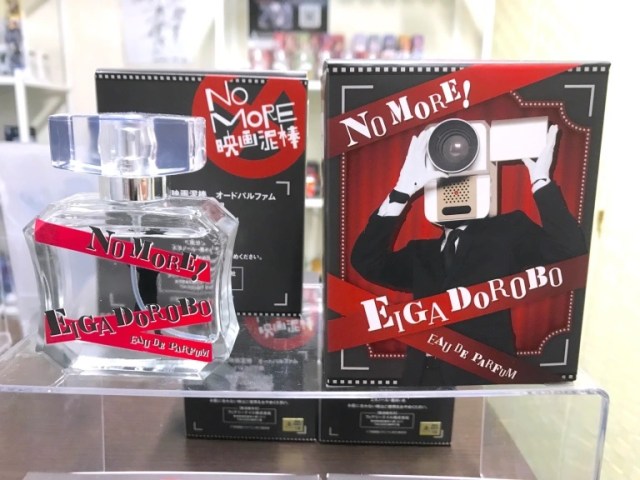
Kumagai also spoke with us in more detail about Fairy Tail’s newest creations, two perfumes inspired by Japan’s No More Eiga Dorobo (No More Movie Thieves) anti-piracy public service announcements.

Kumagai: While talking with Toei about a perfume based on on of their tokusatsu series, their representative handed me a [No More Eiga Dorobo] pamphlet and said “These two characters have a lot of female fans, so what do you think?” It was just a quick comment during our conversation, but it’s turned into our newest perfumes.

The concept of a thief and a police officer being linked is something that there have been fans of since Lupin and Zenigata in Lupin III. And with the No More Eiga Dorobo characters, just about everyone has seen them [from the PSAs they play at theaters before the start of movies], so they’re characters a lot of people are familiar with.

SN24: How did you come up with the specific scents for the two characters?

Kumagai: Looking through the pamphlet they gave me, I learned that they actually have pretty detailed profiles. Camera Man [the movie pirate] is stylish and skilled at parkour. Movie piracy is a serious crime with penalties up to 10 years in prison and fines of 10 million yen, but Camera Man still has a flashy and stylish image, so we gave his perfume the scent of roses and chypre.

Patrol Lamp Man, as the movie theater’s security guard, is diligent and dedicated. At first I thought about using tobacco notes, because I have a smoky image of theaters, but then I thought that wouldn’t be appropriate for a charcter kids are so familiar with, so I went with a masculine, woody scent, the sort of thing that fits with a strong sense of justice.

Camera Man and Patrol Lamp Man themselves will be appearing at a launch event on July 2 at 3:10 p.m. at the fountain plaza inside the Sunshine City shopping center in Tokyo’s Ikebukuro neighborhood. Both of their fragrances will be on sale there but can also be ordered through Fairy Tail’s online store Dreaming Princess, along with the rest of their currently in stock perfumes, body mists, hand gels, and diffusers.

Top image: SoraNews24
Insert images: SoraNews24, press release, Fairy Tail (1, 2)
● Want to hear about SoraNews24’s latest articles as soon as they’re published? Follow us on Facebook and Twitter!


Credit: