
The joy of creating a wild Japanese ikebana flower arrangement for a country house【SoraHouse】

With no experience and 100-percent locally-sourced materials.
When it comes to interior decorating, a lot of times a little plant life can help make the space feel more warm and welcoming. Our plant-loving Japanese-language reporter Go Hatori has long had a small tradition with his family, where they maintain a single-stem vase on the dining table.
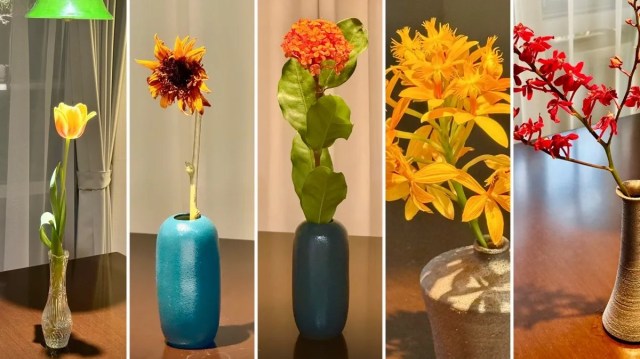
As he delved further and further into the world of single-stem vases, gradually his interest in the world of Japanese flower arrangement, named ikebana, began to awaken. Much like with his family’s single-stemmed vases, ikebana mostly tends to focus on minimalistic design, especially when compared to Western-style flower arrangements.
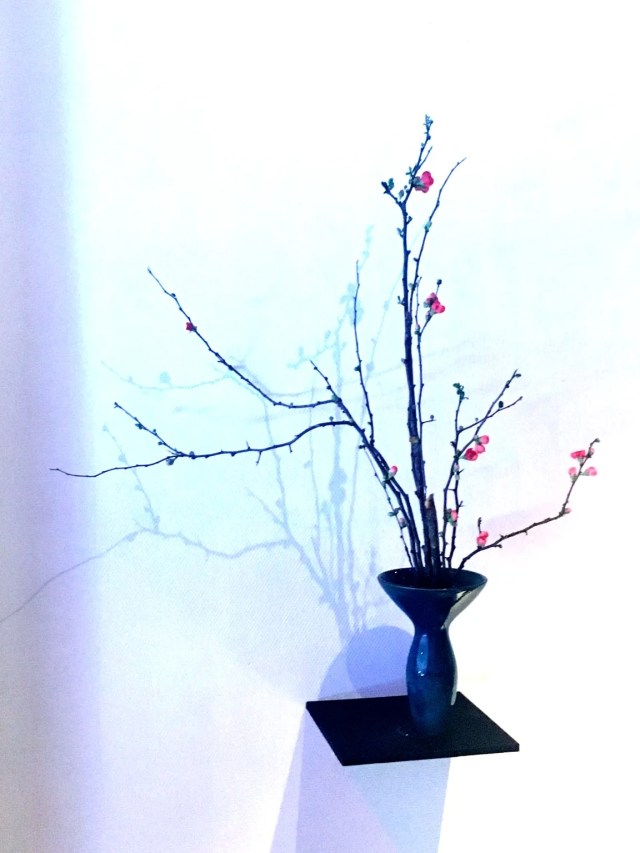
After so much reading up on ikebana, Go really wanted to go even deeper into the practice. However, with multiple styles of the art, it would take some serious studying to become somewhat proficient in any one of them. There is the style of rikka, which finds its roots in religious ceremonies and offerings, using Buddhist teachings to create beautiful embodiments that attempt to capture the essence of nature itself. Or there is the later-developed style of seika (or sometimes shoka), which utilizes the three elements of heaven, earth, and man, to reflect the natural beauty and essence of a living plant.
As much as Go would love to devote time and energy in pursuit of this art, he is currently unable to. Instead, he decided to venture out to create his own, personal style: Hatori-style Survival Ikebana. The essence of Go’s pioneering style is to follow your emotions and create a piece using materials found around you.
While certainly possible to do in the neighborhood of our office in Shinjuku, a beginner might struggle to source materials in such an urban environment. So, Go decided to take his first foray into flower art to SoraHouse, the house we purchased in the Japanese countryside four years ago. Being surrounded by nature, he was sure to find enough materials to create a beautiful piece of art, as long as he wasn’t scared off by another serpentine visitor.
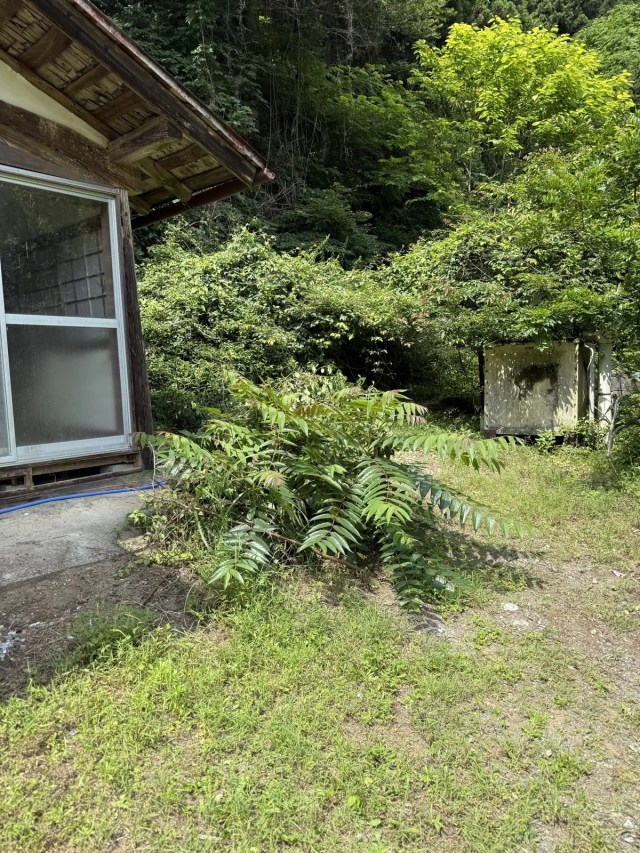
▼ “How about this?”
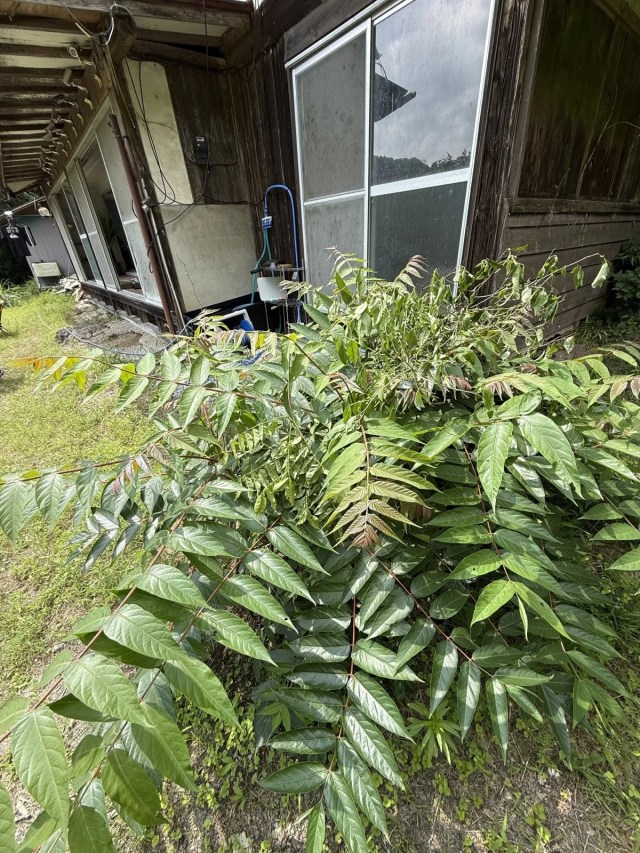
▼ “I don’t know the name of these at all…” (but they’s most likely Japanese primrose)
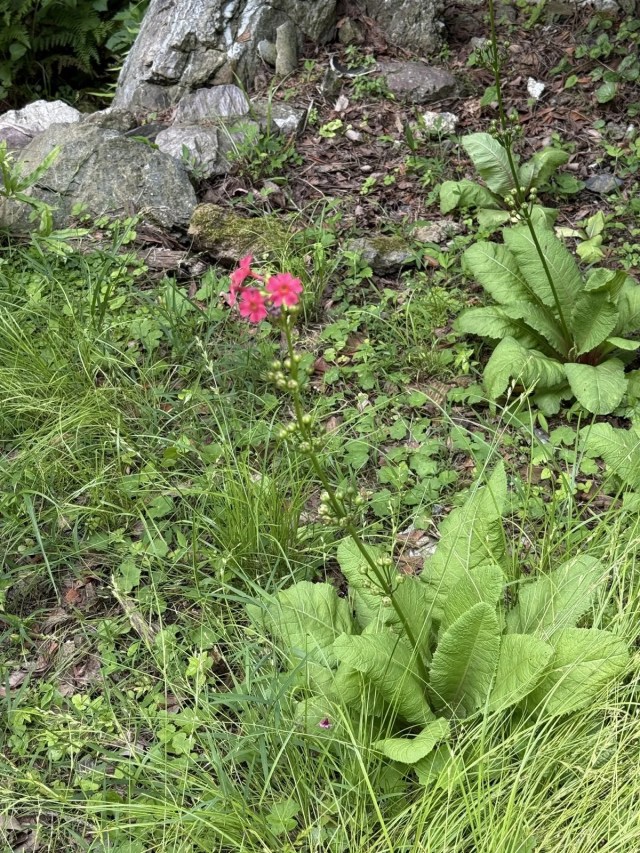
▼ “… using the flowers and grass around our house…”
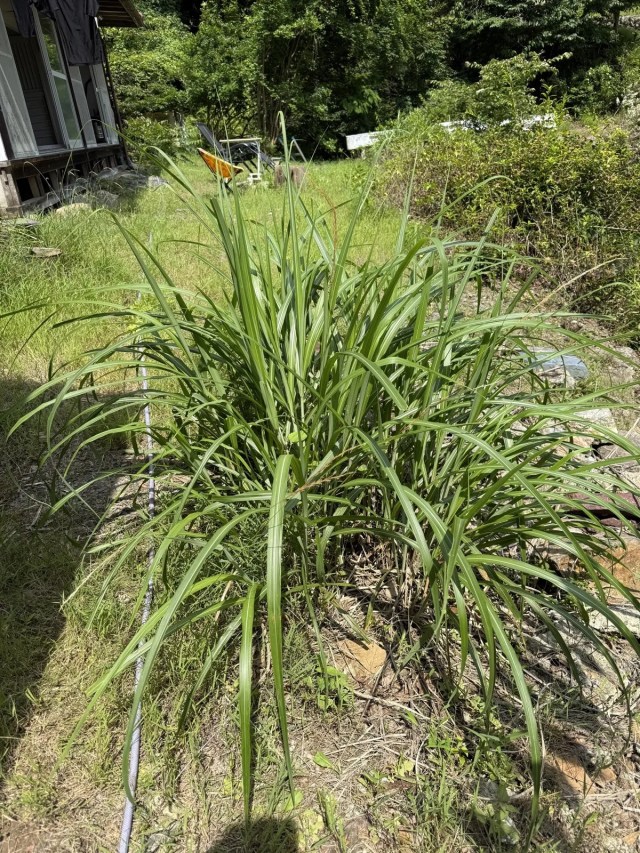
▼ “… I want to arrange them with all of my heart.”

▼ “But not this.”
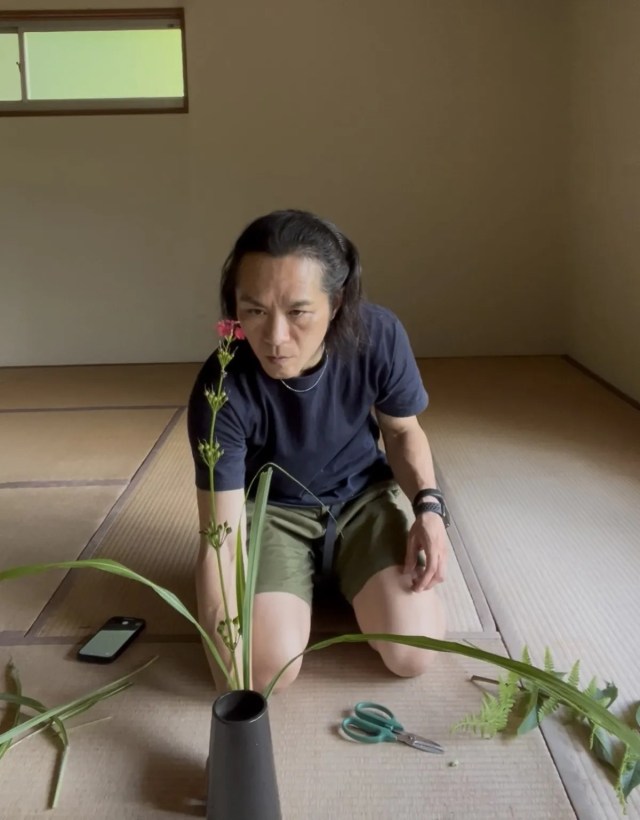
▼ “Nor this.”
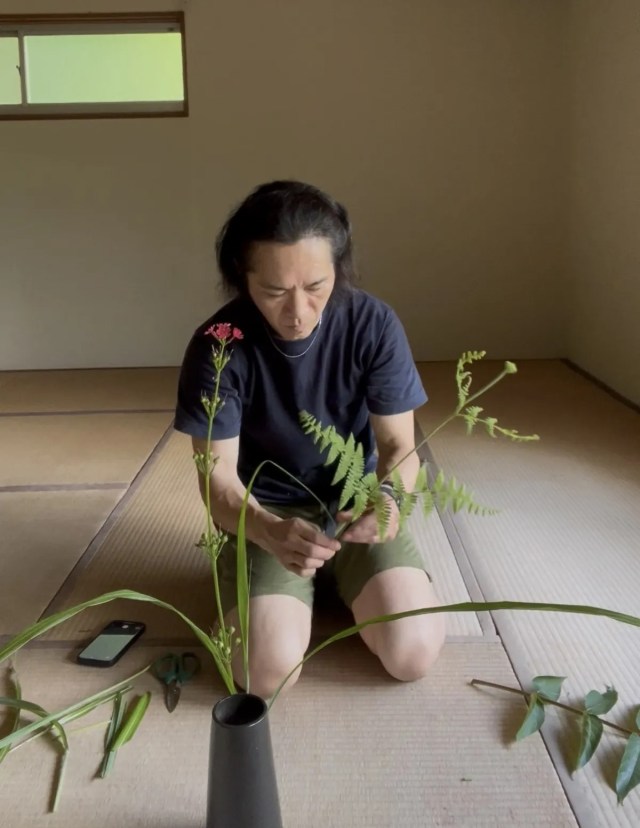
▼ “Too much isn’t good either.”
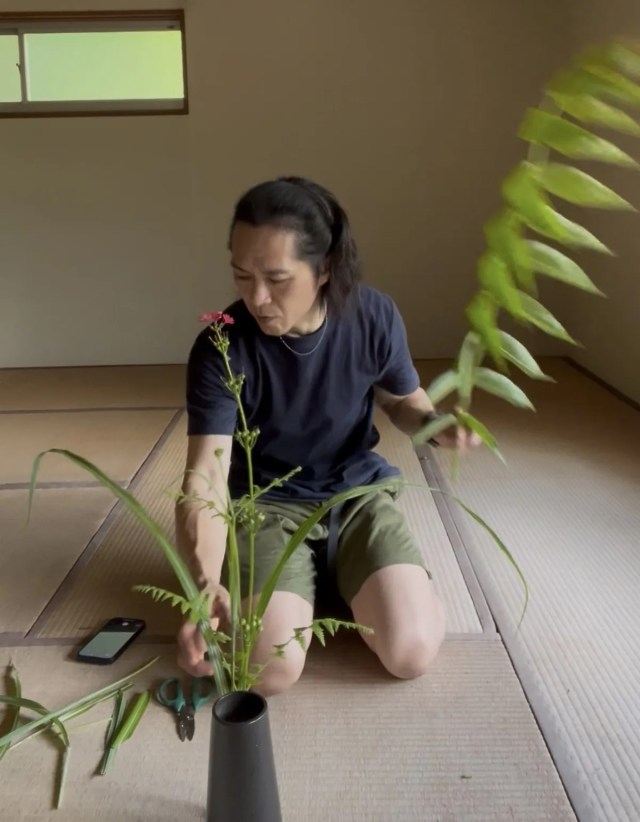
▼ “If it feels wrong, have the courage to throw it away.”
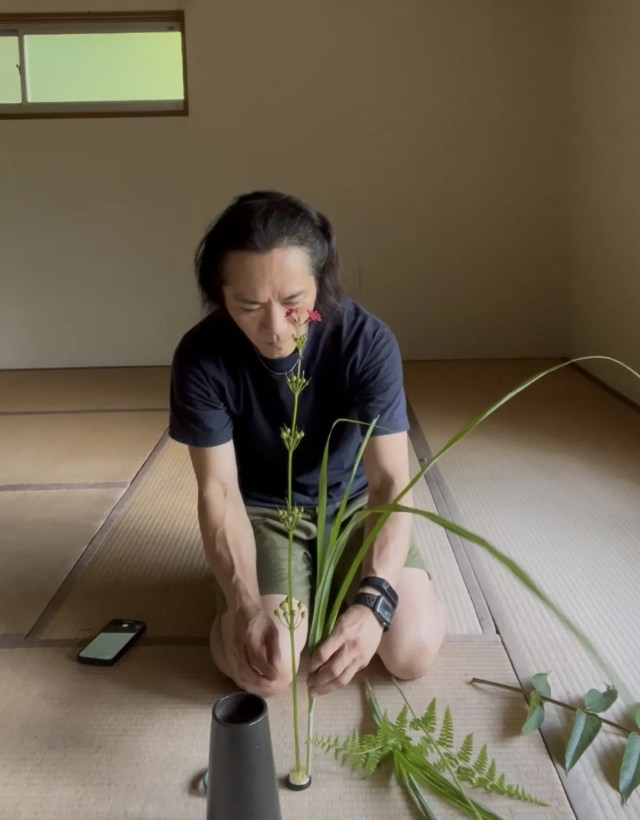
▼ “This looks promising.”
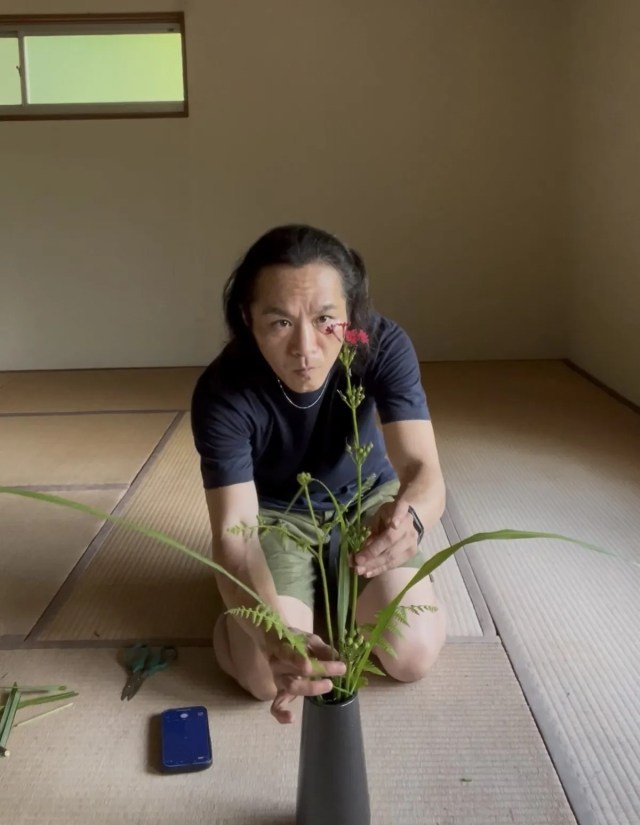
▼ “Finished.”

The first work of art from the Hatori-style of ikebana is entitled:
Wild Child
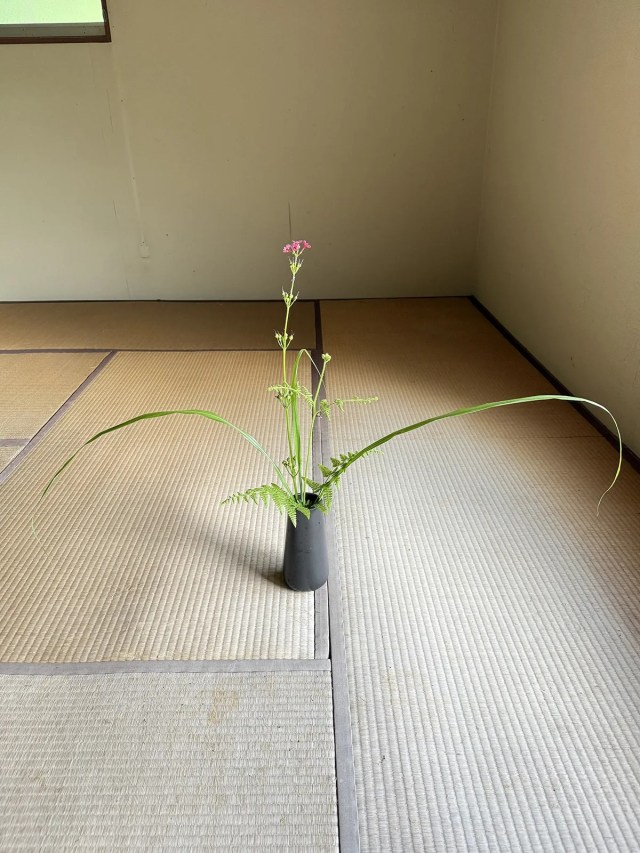
“I think it turned out well, if I say so myself,” says Go.
▼ Placing it into the alcove of the room, it looks great.

Go completed his piece on June 20, and when he went back on July 3, around two weeks later, he discovered that it was surprisingly still full of visual vitality.

As to be expected from a Wild Child.
Photos ©SoraNews24
● Want to hear about SoraNews24’s latest articles as soon as they’re published? Follow us on Facebook and Twitter!
Credit:

0 comments: