
Same name tops lists of most popular dog and cat names in Japan, and there’s probably a reason why

Cultural quirks have a hand in making the same name the favorite for dogs and cats in annual study.
Japan’s most famous fictional cat might be the one named Kitty, but when it comes to actual pets, owners tend to get a little more creative with their choices. To investigate what Japan’s most popular pet names are, Daiichi ipet, the pet insurance division of Daiichi Life Group, recently conducted a study of the animal companions it covers, and there’s a common theme among many of the top entries on its list of dog and cat names.
The rankings were compiled by examining the names of dogs and cats who were less than one year old when new insurance policies were taken out for them during the last fiscal year (April 2025-March 2026), and for the sixth year in a row, the most popular name for dogs is Mugi. Mugi is also the number-one name for cats, jumping up to take the top spot from last year’s most popular feline moniker, Latte.
● Top names for dogs
1. Mugi
2. Latte
3. Mocha
4. Cocoa
5. Komugi
● Top names for cats
1. Mugi
2 (tie). Latte/Luna
4. Kinako
5. Leo
6. Mocha
▼ There’s a pretty good chance that at least one of the cats in this photo is named Mugi.
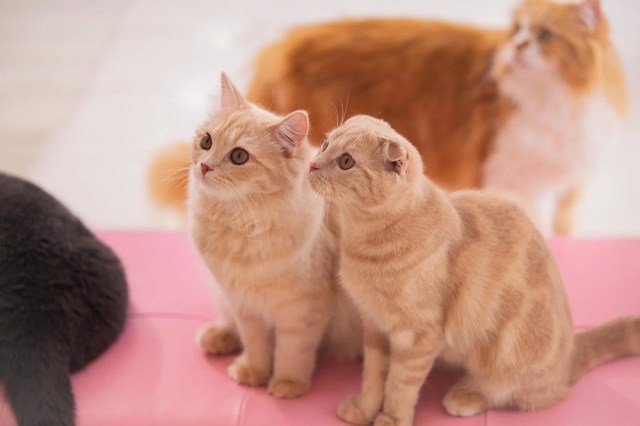
Many pet owners choosing “Luna” are no doubt thinking of Sailor Moon’s cat mentor of the same name, and “Leo” which was the top pick for male cats, is clearly meant to invoke images of lions. Take those two out of the above-listed names, though, and every remaining name has something in common: they’re all food/drink related.
Mugi is the Japanese word for either barley or wheat, and komugi is wheat specifically. There are even more food/drink names if you look farther down the list, with Kinako (roasted soybean powder) and Marron (the French word for “chestnut,” but commonly used in Japanese by sweets fans) at numbers 6 and 8 for dogs, and Omochi (rice cake) and Cocoa at numbers 7 and 8 for dogs.
This isn’t a brand-new trend, either. All of the above-mentioned names were also in Daiichi ipet’s lists of the top 10 dog and cat names in 2024, and giving pets food/drink-related names has been a thing in Japan for much longer than that, and a lot of their enduring popularity probably comes from two reasons.
Let’s start with the obvious one, which ties in to another common thread between many of the most popular names, which is that almost all of them are some shade of brown in color. The exception is Omochi, which is usually white, but even rice cakes take on a golden-brown color if you roast them, as is often done in Japan. A lot of dogs and cats have coats of fur somewhere on the spectrum between brown and gold, so giving them a food/drink name is a way to reference that physical trait.
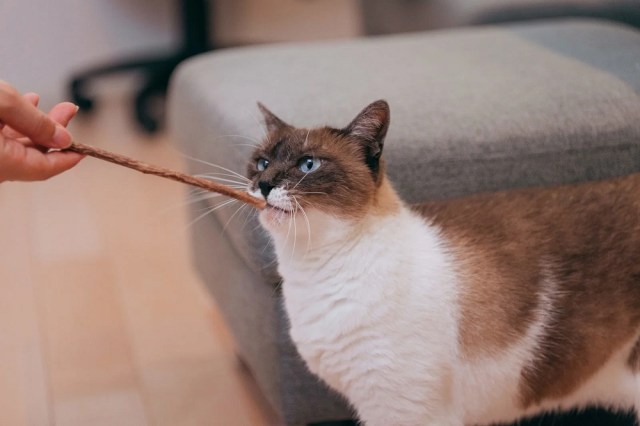
Another factor that’s likely that in play here, though, is that in Japan it’s not very common to give pets the same names that people have. While there are also-for-people names in English that might have someone thinking of a dog first (like Rex or Rusty), you’ll also often encounter pets in the U.S. with names like Max, Daisy, Penny, or Charlie (all of which are on the American Kennel Club’s list of the most popular dog names in the U.S. for 2025). By comparison, though, it’s rare for Japanese pet owners to give their animals a modern for-people Japanese name like Haruto or Himari, as it would come off feeling overly dry and self-serious. The common logic in Japan is that pets should have names that are playful and fun. A food/drink-based name checks off those boxes, and if it matches the color of the pet’s coat, then there’s no need to explain the name to other people either.
When picking names for pets in Japan, foreign for-people names have a bit more pizzazz (in addition to being the number 4 name for cats in Daiichi ipet’s study, Leo was also the number 8 name for dogs), but then so do foreign food/drink names like Latte, Mocha, and Cocoa. There’s an interesting wrinkle to this, though, that shows up when Daiichi ipet’s study breaks down the most popular names for dogs by breed. Mocha, Cocoa, and Latte were all somewhere within the top three names for toy poodles, Chihuahuas, Pomeranians, and miniature Dachshunds. However, for the Shiba Inu, all three of the breed’s most popular names were Japanese words for foods: Komugi, Azuki (sweet red beans), and Mugi. Odds are this stems from “Shiba Inu” itself being a pair of Japanese words that’ve come to be the internationally accepted way of referring to the breed, making a Japanese-vocabulary food name feel like the best fit.
Source: Daiichi ipet via Otona Answer via Livedoor News via Golden Times
Top image: Pakutaso
Insert images: Pakutaso (1, 2)
● Want to hear about SoraNews24’s latest articles as soon as they’re published? Follow us on Facebook and Twitter!
Credit:

0 comments: