
Megadeth guitarist becomes voice of reason regarding tourists dancing at shrine in Japan
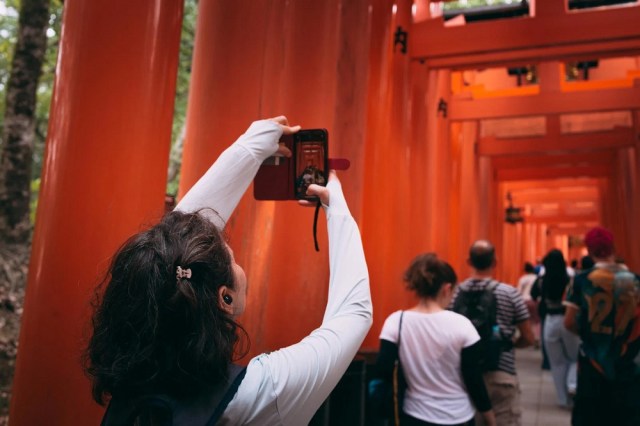
Tourists’ dance video at Kyoto shrine prompts angry response from Marty Friedman.
There are times in life when agreeing to disagree is the most sensible thing to do, but so too are there times when someone has to be willing to stand up and say “What you’re doing is wrong, so stop.” Sometimes that voice comes from political or spiritual leaders…and sometimes it comes from the former lead guitarist of thrash metal band Megadeth.
At this point, it’s probably safe to say that just about anyone who’s looked into traveling to Japan has seen photos of Kyoto’s Fushimi Inari Shrine. Founded in the year 711, Fushimi Inari is the head shrine of all those dedicated to Inari, the Shinto god of rice, commerce, and foxes, among other dominions. The shrine is also famous for its thousands of torii gates along the walking paths that connect its lower buildings with other structures higher up the mountain behind them, and this picturesque element has made Fushimi Inari one of the most popular destinations in all of Japan for foreign tourists.
With modern tourism being what it is, though, a place can no longer be a top travel destination without also being seen as a prime social media backdrop, and any place that’s seen as a prime social media backdrop is, unfortunately, also going to attract people who’re so excited about trying to look cool that they might not take the time to consider whether or not they’re being respectful. That brings us to a Twitter post by former Megadeth guitarist Marty Friedman regarding a dance video recorded by some foreign tourists at Fushimi Inari.
Dear tourists: PLEASE STOP DOING THIS. Japan is known for gracefully welcoming foreigners, but those days will end if you continue this disrespect. You are leaving an extremely shameful impression of your entire country. Who raised you to act this way? Just stop. Thank you. https://t.co/zV7OBXlI50
— Marty Friedman (@marty_friedman) September 6, 2026
Now, those who haven’t checked in on what Friedman’s been up to since leaving Megadeth might look at his stern message of “PLEASE STOP DOING THIS. Japan is known for gracefully welcoming foreigners, but those days will end if you continue this disrespect,” and assume that his opinions on Japanese culture carry no more weight than a random Tokyo sushi chef’s pontifications on guitar technique. However, Friedman has actually been living in Japan for more than 20 years, and it’s not like he’s spent all that time in an expat-enclave bubble, as he speaks the local language well enough to be a contributor to Japanese TV talk shows and music magazines. The guy’s been here long enough to know what he’s talking about when he says that Japanese society isn’t cool with tourists using shrine grounds in this way, and that behavior like this carries the risk of souring locals’ perceptions of international visitors in general.
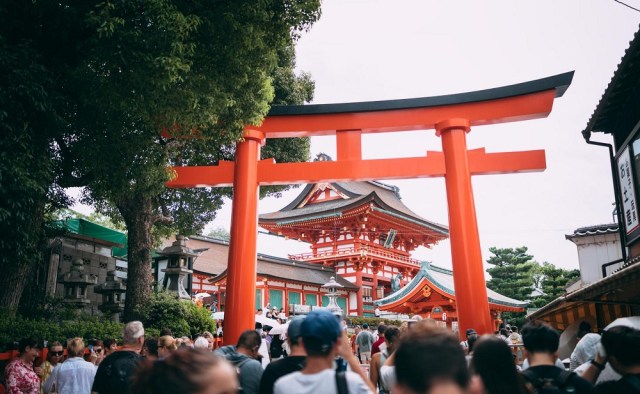
Friedman’s post is a reply to another tweet criticizing the video, saying that the shrine is “sacred ground” and “not a backdrop for social media content,” which itself warrants some discussion about something that can be hard for foreign tourists in Japan to grasp.
Many of Japan’s religious sites do not have or cultivate a heavily solemn atmosphere. The streets leading to major shrines and temples are often lined with restaurants and souvenir shops, and a mood of levity isn’t seen, in and of itself, as sinful or inappropriate, even on shrine/temple grounds. The sprawling layout of sites such as Fushimi Inari can also contribute to a casual atmosphere, as moving about the spaces between structures can feel like a walk in the woods or stroll in a garden. As such, while shrines and temples are religious sites, they might not necessarily feel like “sacred ground,” in that they don’t impose the same sets of strict regulations and restrictions that term might imply in other cultures. However, just because visitors aren’t expected to be somber at Japan’s shrines and temples doesn’t mean it’s OK for them to be flippant.
The original post’s admonishment that Fushimi Inari is “not a backdrop for social media” might be going a bit far, if one were take that to mean that shrines in Japan frown on any photos being taken on their grounds and then posted on social media. Many shrines and temples in Japan are famous for their seasonal flowers or foliage, and when the colors are at their prettiest, even many Japanese people will come for a visit and take photos. Generally speaking, things like snapping a quick photo with a friend in front of a cherry blossom tree or traditional architectural feature are fine. However, there’s a big difference between that and the sort of thing shown in the tweeted video, where a half-dozen or more people have tramped off the allowed footpath into the surrounding natural environment, then hop back in and block the entire walkway while they make that part of the shrine their group’s personal dancefloor, most likely with a tripod set up to record themselves and claim even more space as theirs.
Getting back to Friedman’s warning, it is true that for most of the modern travel era, Japan has been pretty understanding of foreigners’ faux pas. Even Japanese people are aware that there are a lot of subtle nuances to their culture’s etiquette systems, and that some of the finer points might not be readily apparent to people from other parts of the world. It becomes harder to forgive such impoliteness, though, when it’s done with self-satisfied exuberance.
But again, maybe some tourists just don’t have any warning bells go off in their heads before they film videos like the one shown in the tweet. It’s possible that they think “Well, I don’t see anyone praying right here, so it’s probably not a serious religious place, so I can do whatever I want, right?” Really, though, the rule of thumb when visiting cultural sites is that if there’s something that you don’t see any of the locals doing, such as filming a dance video on shrine grounds, then you shouldn’t do it either.
Source: Twitter/@marty_friedman
Top image: Pakutaso
Insert image: Pakutaso
● Want to hear about SoraNews24’s latest articles as soon as they’re published? Follow us on Facebook and Twitter!
Credit:

0 comments: