
Eight low-key great places to spend the day (or half a day) in Japan this fall
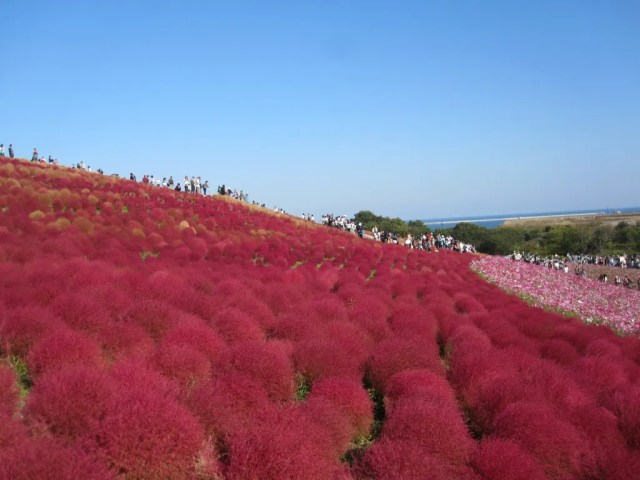
Fall means an abundance of good weather but a shortage of time in Japan, but here are eight spots that are quick to see but you’ll remember for a long, long time.
There’s a strong case to be made that autumn is the most comfortable time of year for going out in Japan. The summer heat, humidity, and thunderstorms are all done, but the cold weather and short daylight hours of winter haven’t set in yet. The cruel irony, though, is that Japan’s three vacation seasons, New Year’s, Golden Week, and Obon, take place in the winter, spring, and summer. Autumn has a few scattered holidays, but extended time off from work or school are hard to come by at this time of year.
So what we need is a selection of great places to spend half a day or so in autumn, and to put a list together we turned to a number of our writers. Let’s take a look at their recommendations of places they’ve visited that turned out to be low-key awesome.
● Hakone Open-Air Museum
Website
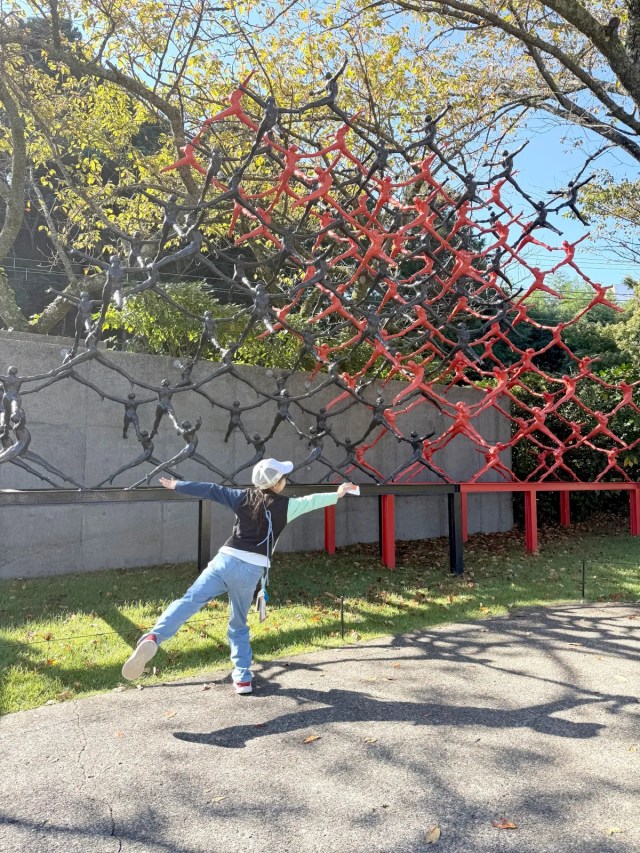
The town of Hakone, in the mountains of Kanagawa Prefecture, is most famous for its hot spring baths and lake cruises with views of Mt. Fuji. But if you can carve out time in your schedule for the Open-Air Museum, which has both indoor and outdoor sculptures on display, including many pieces by Picaso, you won’t be disappointed (and yes, the museum has a hot spring foot bath too).
We just sort of stumbled into the place on a family trip, but we ended up having a great time. It feels more like a park than a museum, and there’s plenty of space for kids to move around. I’m not even that much of an art lover usually, but we were there for three hours, and I never felt bored. – P.K. Sanjun
● Attack on Titan in Hita Museum
Website
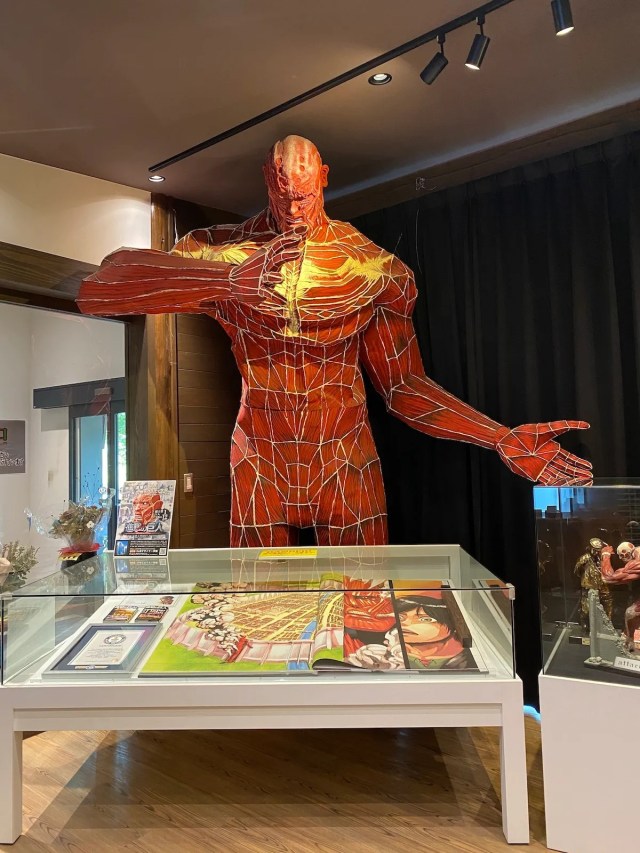
Sort of like Hakone, Oita Prefecture, which the town of Hita is part of, is primarily famous for its hot springs, and once again we’ve got a unique museum experience. Hita is the hometown of Hajime Isayama, the manga artist and creator of the smash-hit series, and the city’s museum houses a collection of original Attack on Titan artwork donated by Isayama, as well as the work desk at which he drew during the series’ serialization.
I was kind of surprised that the museum has a whole exhibit of Attack on Titan stuff, and was really impressed by how extensive it is. Obviously it’s great for hardcore otaku, but it’s cool even for people who are more casual fans, and combining a visit to the museum with seeing some of the fall leaves in the town shows that thee’s more than hot spring to Oita’s appeal. – Takashi Harada
● Dragon Maze
Website
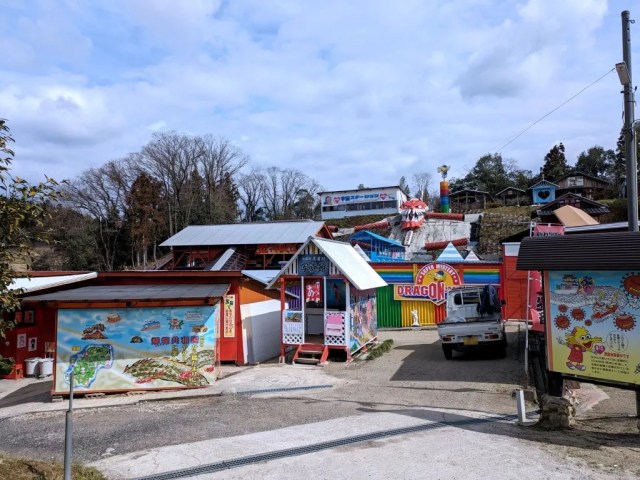
It’s hard to say what the most impressive thing is about this maze in the hills of Unnan, Shimane Prefecture. Its massive size? The fact that it’s built by hand? The way it keeps getting bigger because the owner keeps adding on to it, based on visions he has in his dreams? Really, there’s no other place in Japan quite like the Dragon Maze.
I think almost all of the giant mazes like this that you used to be able to find in Japan are gone now, but this one in Unnan is a survivor. It first opened in 1987 and then closed down in 1999, but it was relocated and reopened in 2007. Every year since then the maze has gotten bigger and more and more people have come to try it, turning it into a beloved local amusement attraction.
The whole thing is hand-built, but it’s so complex that’s it’s a serious challenge even for adults. I’d actually wonder if little kids can find their way all the way through to the goal? When it first reopened, the maze had a total area of about 1,000 hectares, but by 2022 it had grown to seven times that size. At this pace, it’ll be 10,000 hectares before long.
– Mr. Sato
● Tokyo Metropolitan Government Building
Website
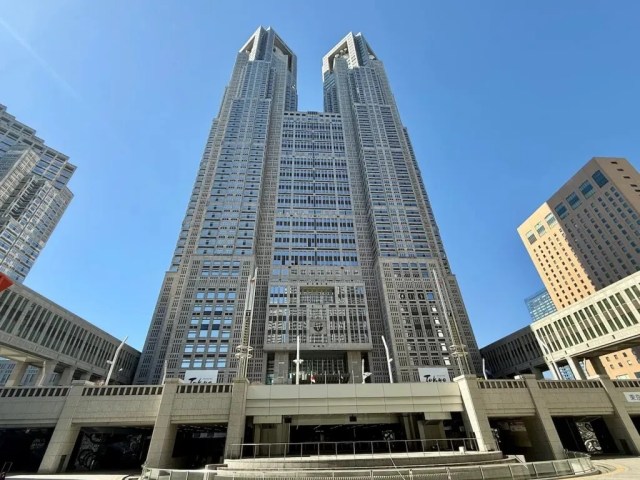
The Tokyo Metropolitan Government Building, a.k.a. Tocho, is essentially Tokyo’s city hall, but there are plenty of reasons to go there besides taking care of local government paperwork. Each of its towers boasts an observation floor at the top with panoramic views of Tokyo and even Mt. Fuji, and it’s even a great place to grab a bite to eat.
For years, I’ve been dropping by here when I’ve got spare time. Both of the observation floors are free to go up to, and the view from each is slightly different. Once you’ve had you fill of that, you can head to the cafeteria. It’s the same one used by workers in the building, so the prices are really reasonable, and there’s a neat inside vibe to it. You can get drinks and snacks in the observation floor too, and I like having something to sip or munch on while watching the sunset. Once it’s nighttime, they also sometimes have projection mapping shows on the outside of the building, so there’s something cool to see even after you come back down to street level. – Go Hatori
● Arakawa Amusement Park
Website
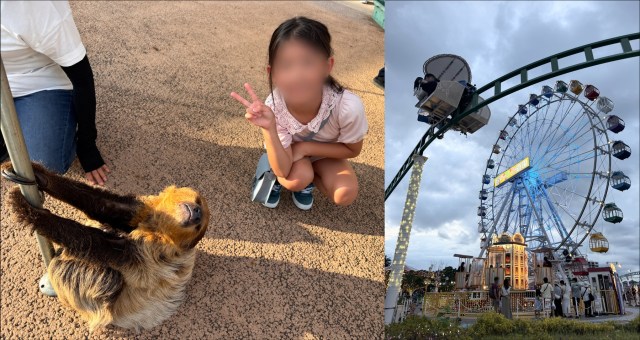
You don’t need to go all the way out to Disneyland for a day at an amusement park in the Tokyo area! Known as Arakawa Yuen in Japanese, this old-school amusement is located in a suburban part of Tokyo’s Arakawa Ward, along the bank of the Sumida River.
This place is a hidden gem, and a lot less crowded and touristy than other amusement parks. The Ferris wheel is really nice, but my personal favorite attraction is the Sky Cycle, where you ride pedal cars on an elevated track that goes around the park. It’s surprisingly fun to feel like you’re biking through the sky! They also have special events, like the zoo event when I went with my kids last summer and we took that picture with the sloth.
The biggest surprise though is how reasonably priced this place is. Admission and unlimited rides is just 1,800 yen (US$11.30) for adults, 1,000 yen for junior high students, and 700 yen for elementary school-age kids! There’s enough stuff to do here to spend the whole day in the park, so it’s a great deal, and they even have discounted tickets for entry after 4 in the afternoon. The place looks really pretty when it’s lit up at night too, so it’s seriously tough to beat. – Yoshio
● Small Worlds
Website
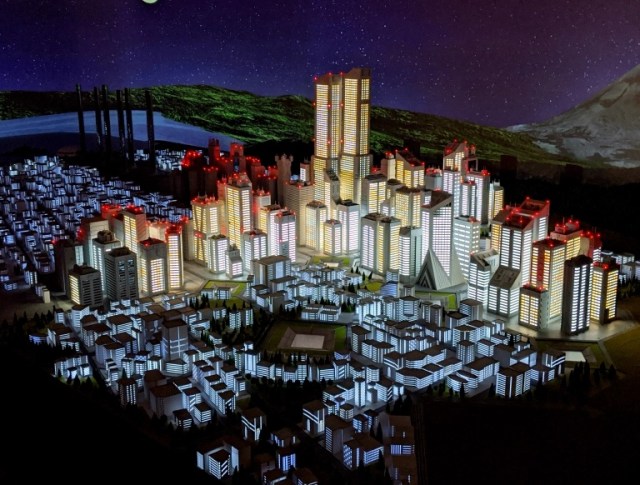
Not to be confused with the Disneyland attraction of a very similar name, Small Worlds is a unique miniature art exhibition facility in Tokyo’s Ariake island neighborhood in Tokyo Bay. Each area has huge, intricately detailed dioramas of cityscapes both real and imagined, including the Tokyo-3 anime metropolis from Evangelion.
I came to this miniatures museum to see the Evangelion exhibits, but the other areas, like the space center, airport, and whimsical European-style village, were all way more detailed than I’d expected and drew me into their little worlds. Each one of them has a massively convincing sense of place.
The adult admission price is pretty high at 3,200 yen, so I wasn’t sure how much I was going to enjoy this place, but there was so much cool stuff to see that I was totally satisfied. Eva fans especially will have a blast here, but I think it’d be a fun visit for anybody.
– Takamichi Furusawa
● Imperial Palace Outer Gardens
Website
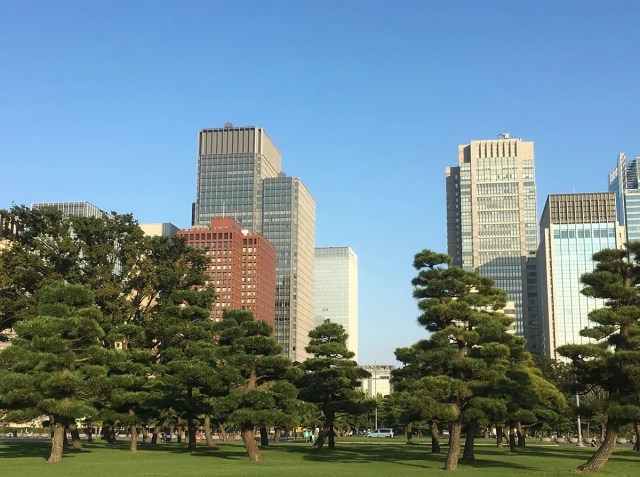
Also known as the Kokyo Gaien National Garden, this outer layer of the grounds of the Imperial Palace in Tokyo requires no ticket to get into, and the park-like atmosphere, but without the crowds of more famous downtown green spaces like Ueno Park, earn it a place on our list.
I don’t think there’s a better “if you know, you know” place in Tokyo than this. It’s located just a couple of blocks from Tokyo Station, but the atmosphere is so laidback and relaxing, a little peaceful oasis so close to one of the busiest places in the city that a lot of people forget it’s there. There’s a lot of historical significance to the place too, and it’s fun just to walk around, and it’s perfect for an autumn afternoon with good weather. – Yuichiro Wasai
● Hitachi Seaside Park
Website
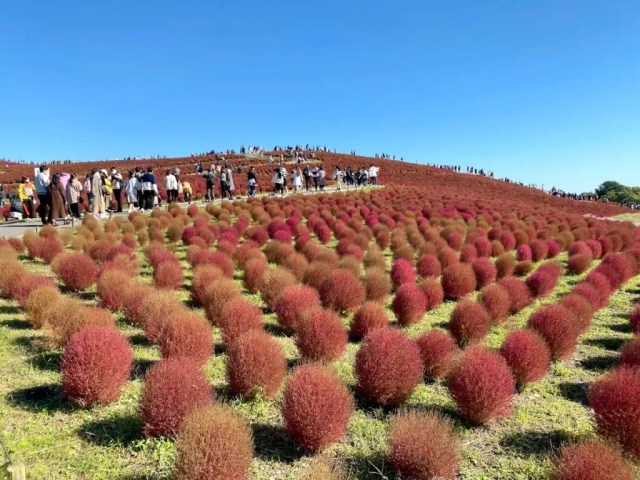
Located in the coastal town of Hitachinaka in Ibaraki Prefecture, this sprawling park is a nice in spring and summer too, but if you can plan for an autumn visit, you’ll be glad you did. That’s when the park’s hills of kochia shrubs turn a dramatic shade of crimson, becoming an utterly unforgettable and unique addition to Japan’s fall-color scenery.
Ibraraki might be two prefecture away from Tokyo, but if you time your train and bus transfers right, you can get from the capital to Hitachi Seaside Park in about an hour and a half. The park is huge, with forested areas, bicycling paths, and reconstructed farm houses, but nothing compares to the surreal impact of seeing the kochia in fall. The hills aren’t very steep, but they’re high enough that once you get to the top you’re rewarded with a view of the sea of red from a different perspective, so make sure to make the walk up. – Casey Baseel
Want even more places to see this fall in Japan? We’ve got a forecast of when the leaves are forecast to change colors across the country right here.
Photos ©SoraNews24
● Want to hear about SoraNews24’s latest articles as soon as they’re published? Follow us on Facebook and Twitter!
Credit:

0 comments: