Pokémon’s cozy city builder game inspires Cozy (Corner) cakes in Japan! [Photos]

Snorlax, Professor Tangrowth, and other characters from the Pokémon city builder given sweet salutes by Cozy Corner.

Pokémon Pokopia’s hook is that it’s a Pokémon game that’s also a city-building simulator. Your Ditto starts out isolated and unsheltered, but through diligent kindness, you create a community.

So it’s kind of ironic that today we’re looking at something for Pokopia fans that starts as a collection of cool and cute stuff, not to be built, but to be consumed. But, come on, what’re you supposed to do, not devour every last crumb of these delicious-looking Pokémon cakes?

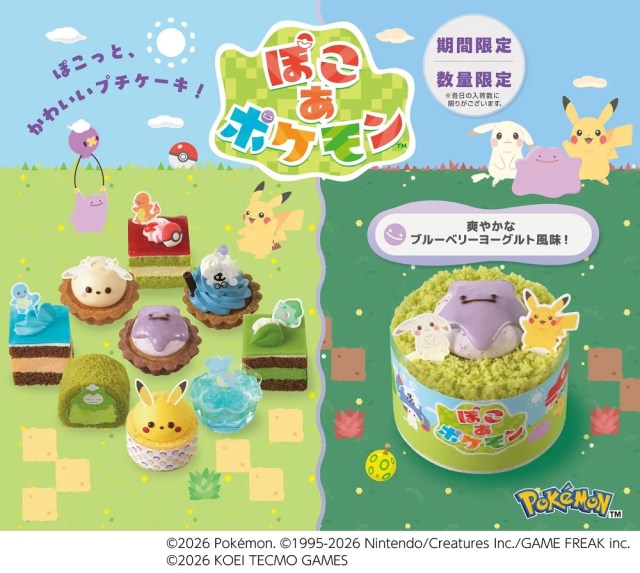
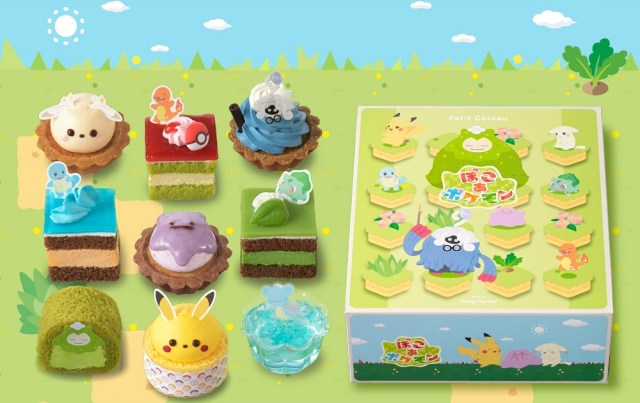
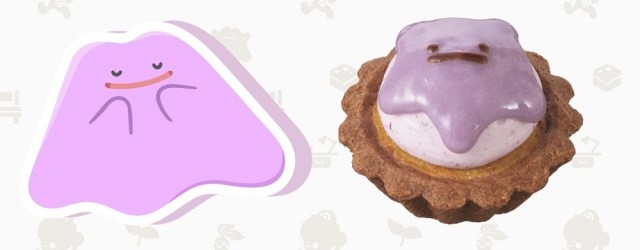
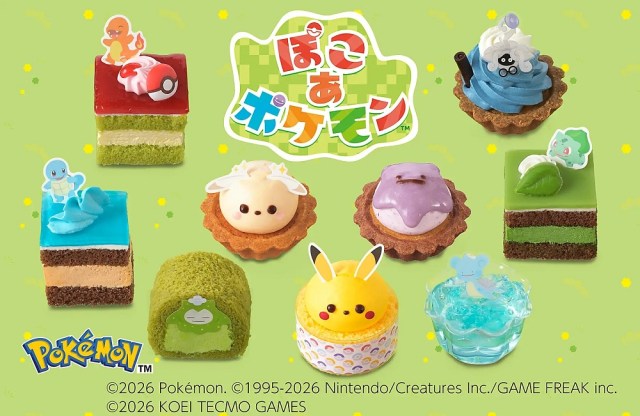
Japanese sweets bakery Ginza Cozy Corner is back again with their newest nine-cake-variations-on-a-theme creation, and this time Pokopia is their muse, with a different flavor for every character or creature represented. Naturally Ditto shows up, twice in fact, once as a blueberry cream tart with blueberry jam

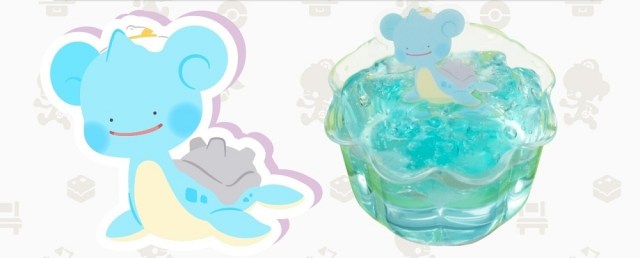
…and again transformed into his best facsimile of Lapras, an apple-citrus (or “soda,” as the flavor is called in Japan) gelatin.

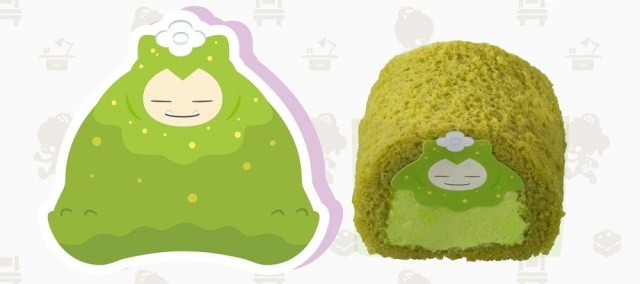
And we can’t have a Pokopia party without inviting the game’s sleeper-hit (in more ways than one) character, the moss-covered Snorlax known as Mosslax, rendered a a matcha roll cake.

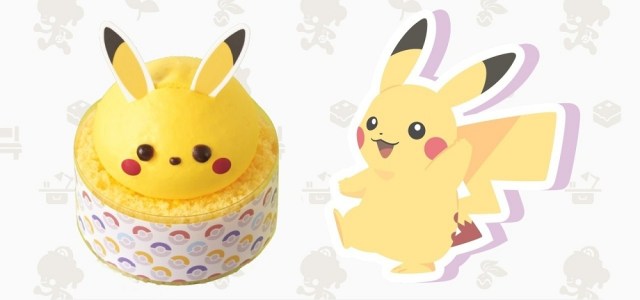
As always, Pikachu is here too, in the form of a banana whipped cream and condensed milk roll cake

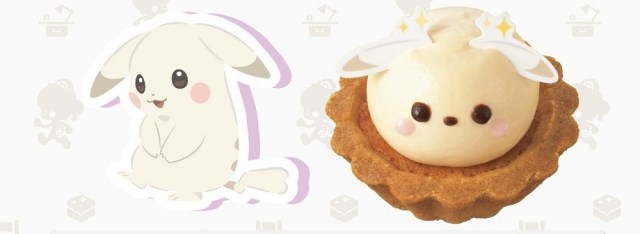
…plus as a vanilla cream tart pale Pikachu.

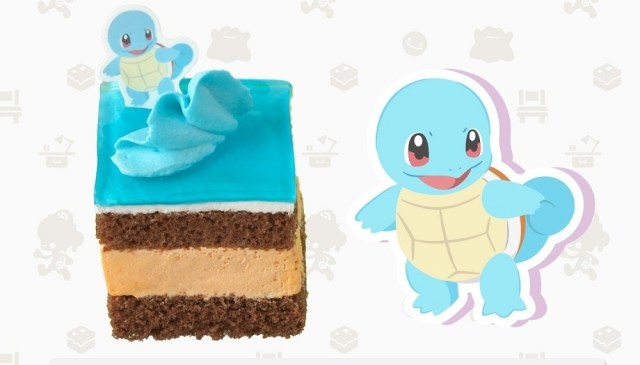
Running through the remaining members of the group, we have Squirtle’s orange whipped cream and “soda” glaze cake

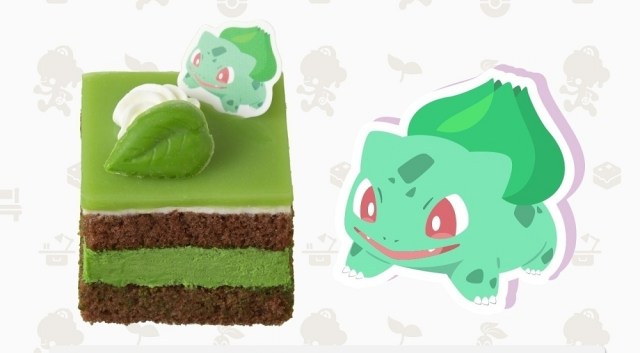
Bulbasaur’s pistachio whipped cream and cocoa sponge cake

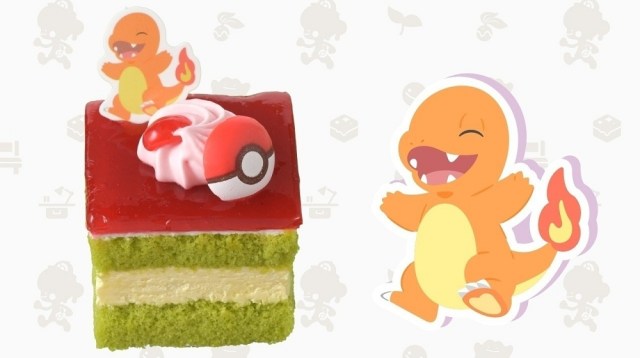
Charmander’s vanilla whipped cream and raspberry glaze cake

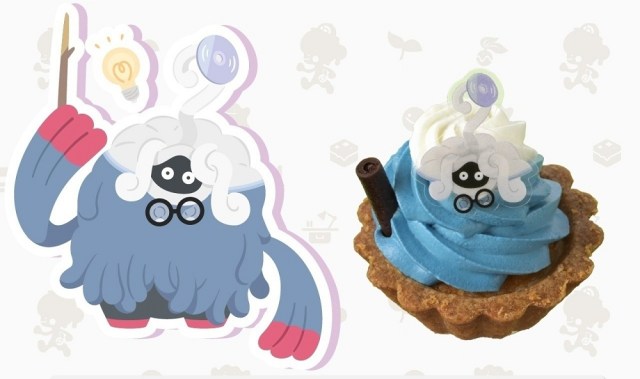
…and, finally, Pokopia’s distinctively scholarly Grass-type, Professor Tangrowth, as a soda-flavor cream tart.

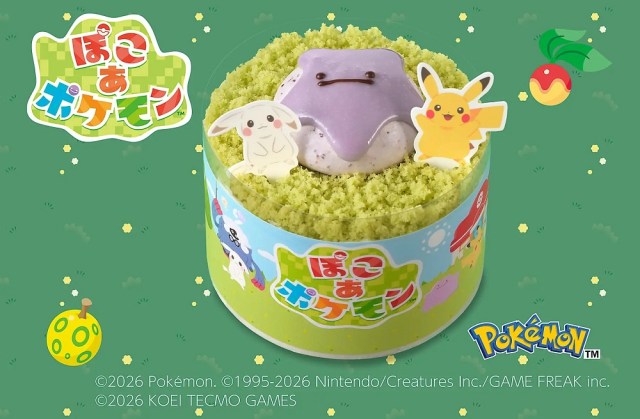
Ah, but maybe you’d rather have a dessert that lets you reminisce about Pokopia’s more solitary early parts? Cozy Corner has you covered on that front too, with a personal-sized Ditto Cake.

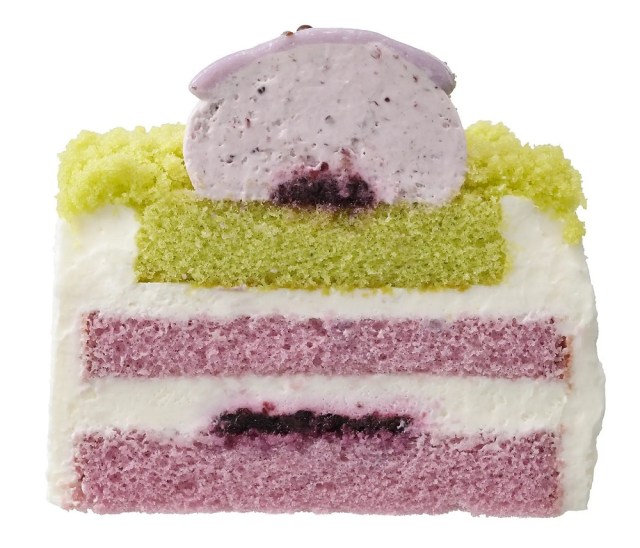
This multi-layered treat consists of blueberry sponge cake interspersed with yogurt-flavor cream, pockets of blueberry jam, a top layer of matcha sponge cake, and a dollop of blueberry cream to form Ditto.

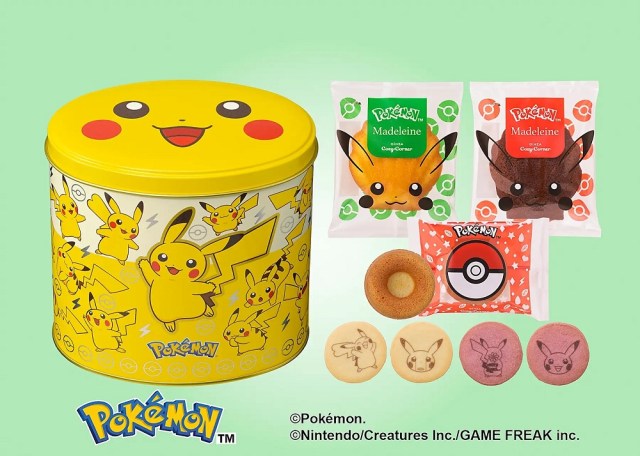
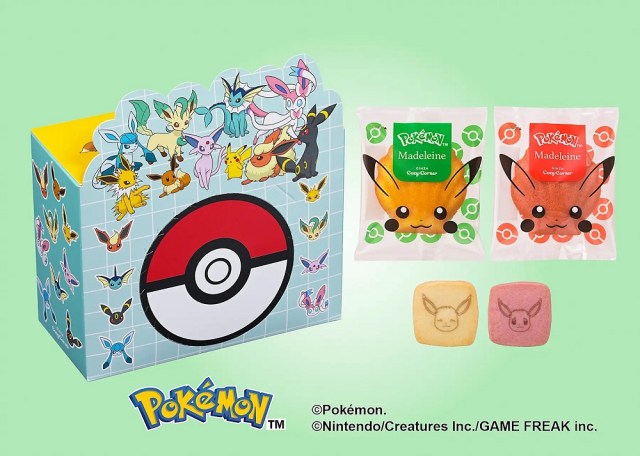
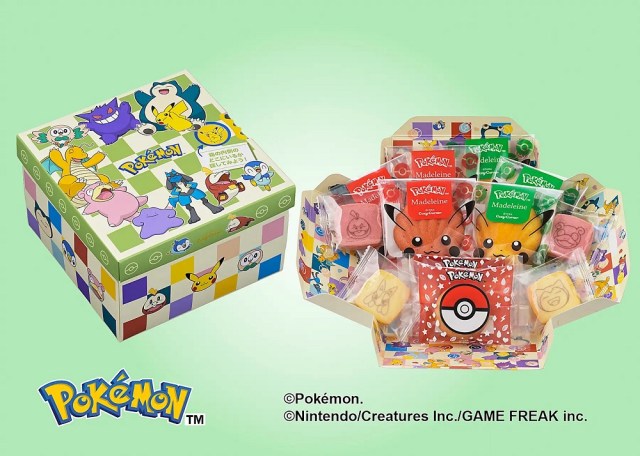
And should you be craving just a little something sweet, Cozy Corner also has packs of Pokémon-themed cookies, madeleines, and other pastries, ranging in price from 864 to 1,890 yen (US$5.30-US$11.60). The Ditto-alone cake is priced at 777 yen, and the nine-cake Pokémon Pokopia Collection is 3,564 yen.

The whole lineup goes on sale July 31, with the cakes scheduled to be available until August 26 and the cookie sets until some undefined time in late August. Given the immense popularity of Pokémon, though, especially in Japan, stores will probably be selling out of their daily stocks very quickly, but thankfully the Pokémon Pokopia Collection can be reserved online through the Cozy Corner here. And should you need something to do to kill time until your is ready, Snorlax would probably recommend a nice nap, like the one he’s been taking in Yokohama.

Source: PR Times, Cozy Corner
Top image: PR Times
Insert images: Cozy Corner, PR Times
● Want to hear about SoraNews24’s latest articles as soon as they’re published? Follow us on Facebook and Twitter!


Credit:

Family Mart’s new Famima flagship in Tokyo has a hidden gem that most visitors miss

A must-try convenience store drink you won’t find anywhere else.

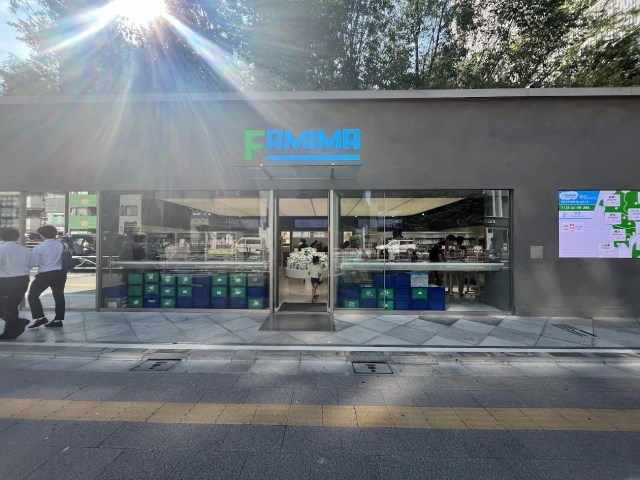
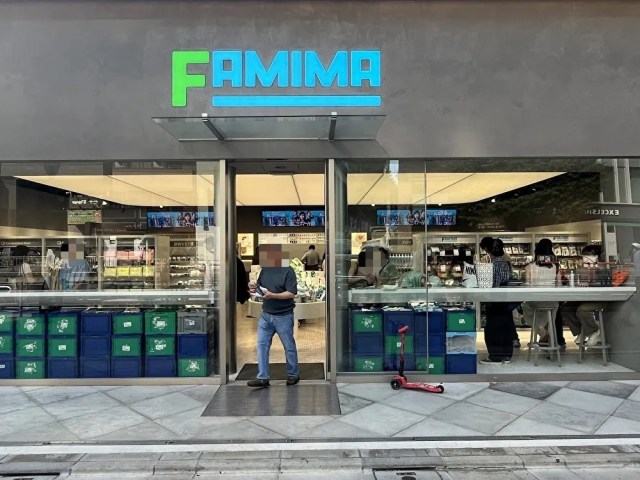
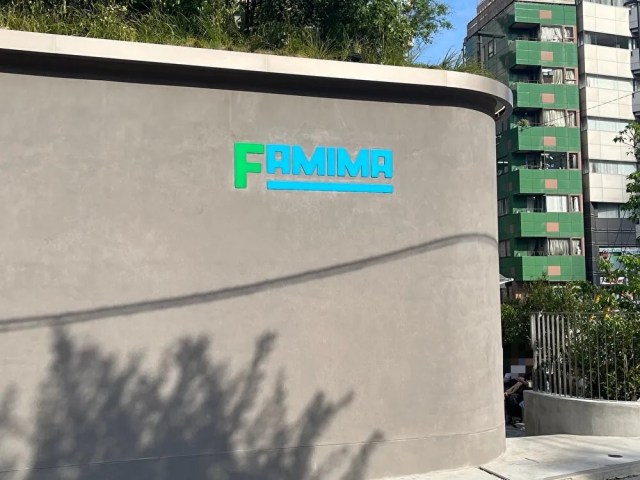
Earlier this month, Family Mart shook up the convenience store scene by opening its first-ever flagship store, Famima Park Azabudai.

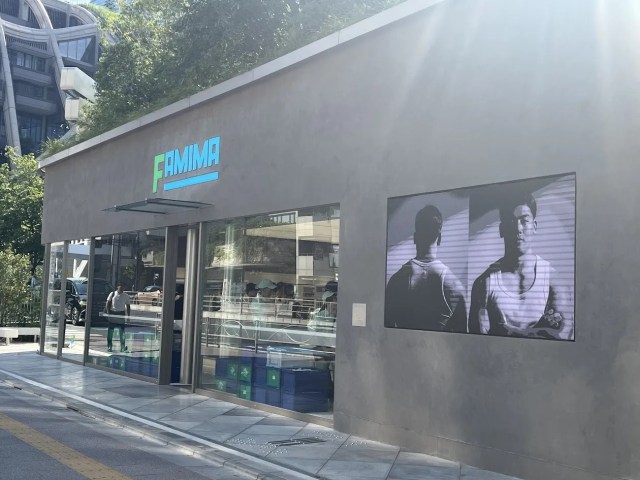
Located near the Azabudai Hills shopping complex in Tokyo’s Toranomon, the new store has been attracting attention from locals and international visitors ever since it opened its doors to the public on 10 July. While many have been raving about the store’s cool new look, created with the help of iconic fashion designer Nigo, founder of Human Made and A Bathing Ape (BAPE), we found something else worth raving about that seems to have flown under the radar of most visitors.

When you arrive at the flagship, everything about it will catch your eye as it looks entirely different from other Family Mart stores in Japan.

Stylish on both the outside and the inside, and with unusual features like a changing room for the chain’s Convenience Wear clothing line, you could easily spend an hour or so browsing the aisles.

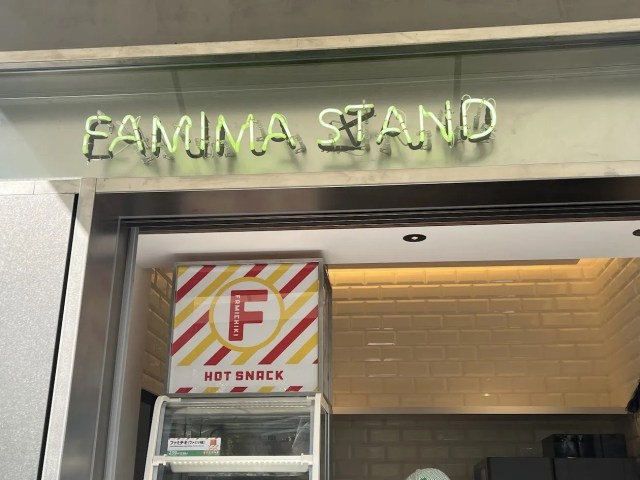
However, one thing you shouldn’t miss is a stop outside at the “Famima Stand”, where you can order food and drinks without even stepping inside the store.

This is where you’ll find Family Mart’s super-popular fried chicken, Famichiki, along with our recommended hiddem gem…

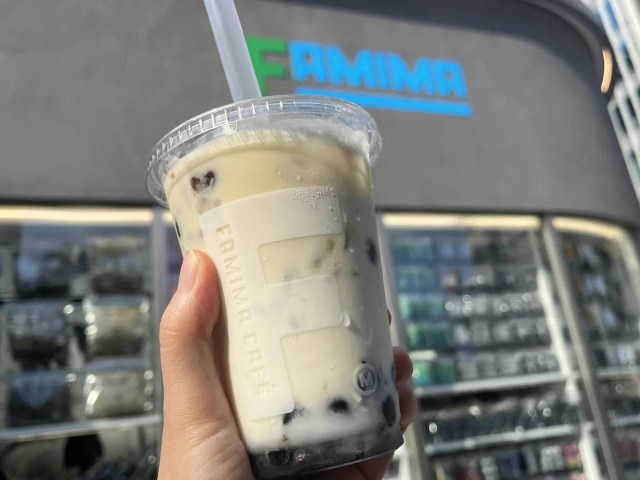
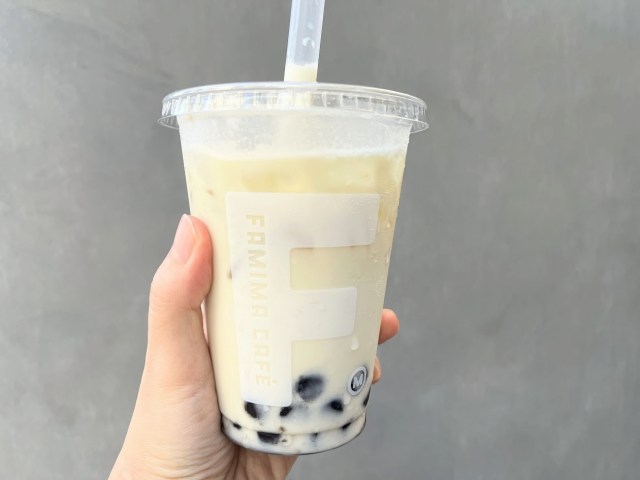
▼ … tapioca milk tea!

The reason why we’re calling it a “hidden” gem is because it’s not listed on the menu as is. Instead, you have to order the tea – choosing from either jasmine or Earl Grey – and request the tapioca as an added extra for an additional 150 yen (US$0.92).

The Famima flagship is a particularly good place for tea, as it’s freshly brewed to order using the store’s espresso machine. Family Mart says this style of tea-making produces a richer aroma and deeper flavour than conventional brewing methods, and you can choose from a variety of options like straight, milk, and fruit teas, in hot or iced versions, and even select your sweetness level from four options: zero, less, normal or extra sweet.

▼ We recommend ordering a medium-sized iced jasmine milk tea, in a normal sweetness with tapioca, which will cost you 450 yen.

Upon first sip, you’ll be wowed by the jasmine aroma, which is so intoxicating you’ll think it came from a specialist tea shop. The quality of the tea is superb, blending beautifully with the richness of the milk, and with just the right amount of sweetness. The tapioca pearls are deliciously chewy, adding a fun texture to the milk tea.

Ordering the medium size gives you a very generous amount to sip on, and paying just 450 yen for this amount, and this much flavour, is a very good deal, especially in this upmarket area of Tokyo.

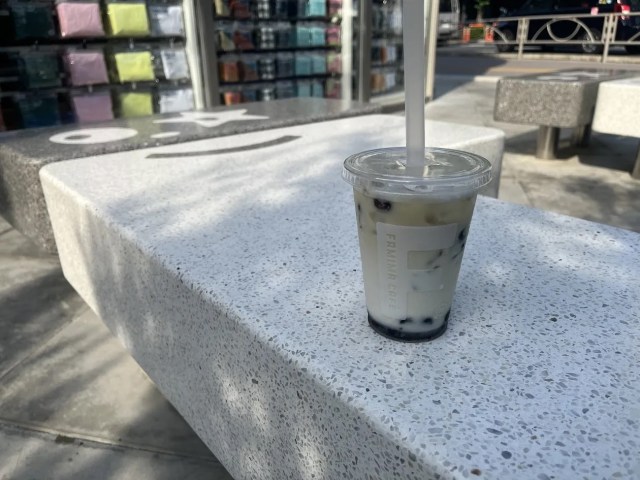
With benches around the store, you can sit back and enjoy your drink outside, which is particularly nice on sunny days. Thoughtfully designed to resemble the flagship’s new “F” mascot character, the benches are located in a shaded area, making it a pleasant place to sit and enjoy the breeze in summer.

Family Mart may have gone fancy with its new flagship store, but we’re glad that the prices haven’t skyrocketed to reflect the posh feel of its surroundings. So next time you’re passing through the area, perhaps to visit the immersive teamLab exhibition in Azabudai Hills, don’t forget there’s a Famima milk tea waiting for you at the Famima Stand, and plenty of new Famima-flavoured Famima chicken there too.

Shop information
Famima Park Azabudai
Address: Tokyo-to, Minato-ku, Toranomon 5-2-10
東京都港区虎ノ門五丁目2番10号
Open 24 hours
Website

Photos ©SoraNews24
● Want to hear about SoraNews24’s latest articles as soon as they’re published? Follow us on Facebook and Twitter!


Credit:

Universal Studios Japan requiring consent form for adults-only horror attraction

USJ goes R-18 for the first time.

When theme parks in Japan have Halloween events, oftentimes they’re drawing inspiration from the lighthearted aspects of the season, such as playing dress-up and eating candy. That’s how we get things like plushies of a park’s mascot characters wearing purple capes or pumpkin-flavored desserts served at its snack bars.

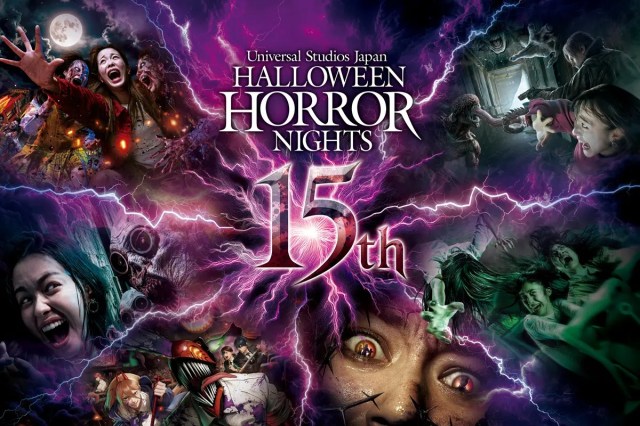
But for the past 15 years, Universal Studios Japan, a.k.a. USJ, has also been trying to incorporate some genuine fear into its Halloween Horror Nights, and it’s taking things up to an unprecedented level this year with the launch of its first “R-18” rated horror attraction.

R-18 is the term used in the Japanese entertainment and media industries for content that is prohibited for those under the age of 18, the age of legal adulthood in Japan. Though overseas Japanophiles with certain interests might most commonly encounter it when applied to dojinshi manga with salaciously sexual scenes, R-18 restrictions also get placed on content with extreme levels of gore, violence, or psychological intensity, and it’s the last of those that USJ is promising/warning of with Zanzo, a brand-new horror attraction debuting as part of this year’s Halloween Horror Nights.

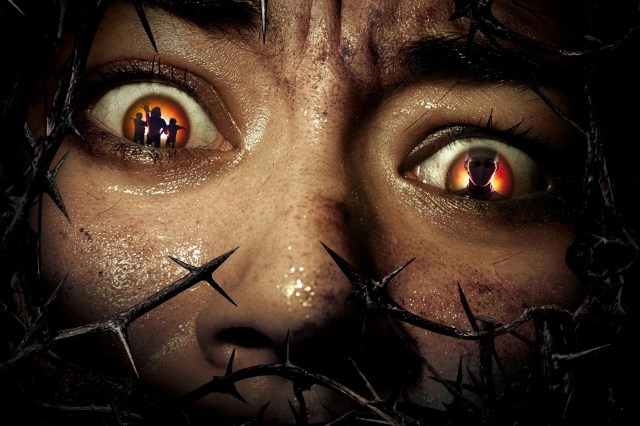
Zanzo translates to “afterimage,” and guests will take on the role of participants in a study at a dubious medical facility that’s researching nightmares. It’s not a spoiler to say that the research process is not a particularly benign one, with USJ describing it as taking place in “a bizarre space where the boundary between hallucination and reality becomes indistinct,” as a nightmare you cannot wake up from “gnaws at your mind, eroding it down to its core.” In less flowery terms, USJ discloses that the Zanzo attraction will subject guests to “the psychological horror of isolation and confinement,” so it doesn’t sound like you and your friends will be able to psychically cling to each other for mental support when things start to get really scary.

Because of the intensity of the experience, not only is Zanzo limited to guests 18 and older, you’re also required to sign a consent form before stepping foot into the nightmare research facility.

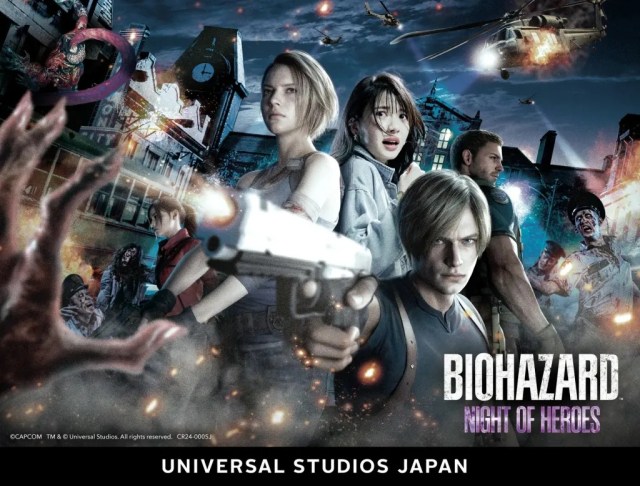
▼ Universal Studios Japan has previously had Resident Evil/Biohazard events that were limited to guests 13 and older, but Zanzo will be their first time for an adults-only attraction.

If all of this has you saying “Yeah! Sign me up!”, Zanzo will be receiving test subjects from September 11 to November 8. Note that it requires a 1,900-yen (US$12) supplementary ticket in addition to regular admission to the park. Tickets can be reserved through the Universal Studios Japan website from July 27, and while technically part of the Halloween Horror Nights, reservations can be made for as early as 10 a.m., if you want to get your Zanzo experience done early so that you can spend the rest of the day as a traumatized puddle.

Related: Universal Studios Japan
Source: PR Times
Top image: PR Times
Insert images: PR Times (1, 2)
● Want to hear about SoraNews24’s latest articles as soon as they’re published? Follow us on Facebook and Twitter!


Credit:

Why is Taco Bell failing in Japan, even as the country falls in love with tacos?

Mr. Sato gets some tacos for his tummy and serves up some food for thought.

Our ace reporter Mr. Sato is a true renaissance man, with a wide range of interests he pursues. Regular readers will already know of his forays into fashion, fitness, and urban exploring, and recently he’s also developed a passion for tacos.

It’s not just Mr. Sato who’s felt his taco cravings intensify, though. He’s says that Japan, and the Tokyo area especially, is in a full-on taco boom these days, and recently we’ve even come across taco sandwiches and taco spaghetti. But Mr. Sato also says that there’s one chain that’s not catching on with foodies in Japan, despite tacos supposedly being their marque specialty. So what’s the problem? We’ll turn it over to Mr. Sato to explain.

I can’t pinpoint exactly when the number of taco specialty restaurants around here started increasing, but it feels like we didn’t have all that many before the pandemic. Once we got out of that crisis, though, more and more taco shops started popping up, and now it I get photo and video posts about taco places in my social feeds all the time. My coworker Inaba even has a list of close to a dozen good ones in Tokyo and Kanagawa Prefecture, and since the start of this year, I keep seeing notices about new taco restaurants opening up too, so it’s safe to say the taco boom isn’t slowing down.

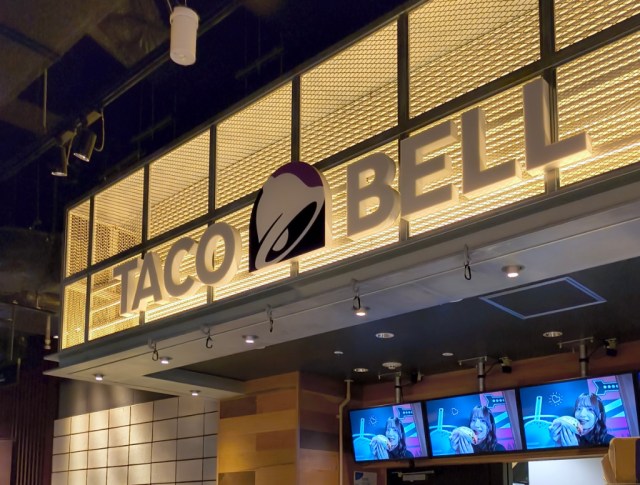
So that got me thinking about Taco Bell, which was already here in Japan before the taco boom got started. How are they doing these days? To get a general idea, I decided to visit the Taco Bell branch in Shibuya’s Miyashita Park entertainment complex.
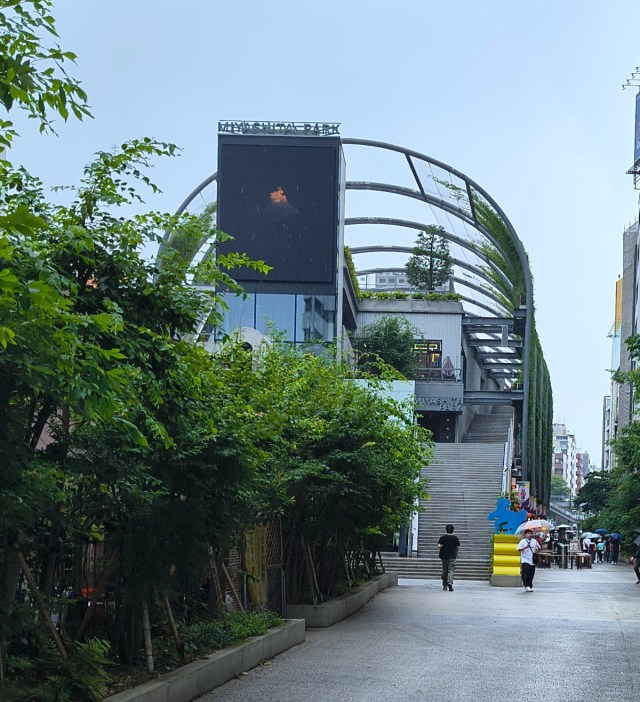
The Taco Bell chain started out in the U.S., in California, in 1962, and today it’s one of the biggest Mexican food restaurant chains in the world, with thousands of branches, most in America. In countries where it’s a hit, Taco Bell is loved by fans as a place to quickly and affordably grab some Mexican food.

The chain first came to Japan in the 1980s, but didn’t last very long before shutting down. Then Taco Bell relaunched its Japanese division in 2015, with their first branch for their second try opening on Dogenzaka Street in Shibuya. I actually went to it on its opening day. There was a line of about 300 people to get in, and they gave out T-shirts to the first 100.
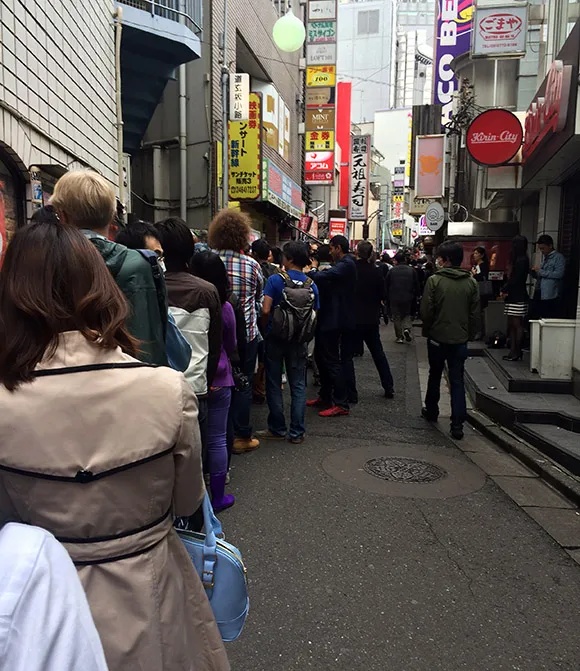
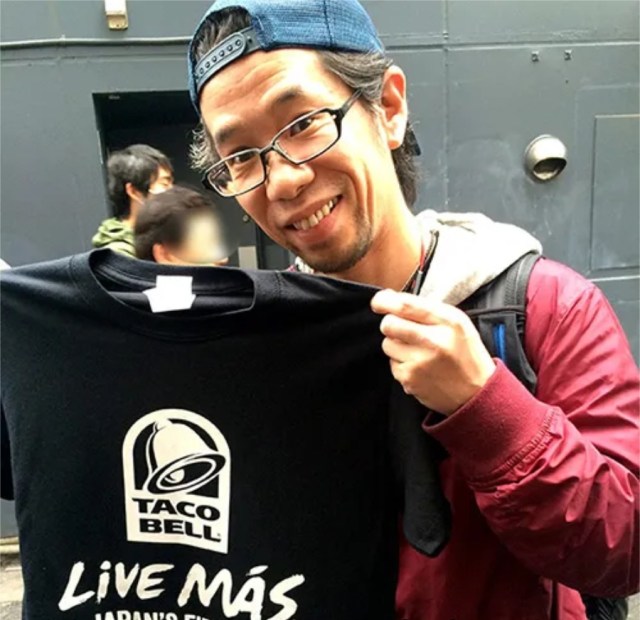
So now, 11 years later, I was wondering how many branches in Japan Taco Bell has expanded to, but according to their official website, there are still only 10 Taco Bell Japan locations. Taking into account how much more popular tacos have become, 10 branches doesn’t seem like very many at all.
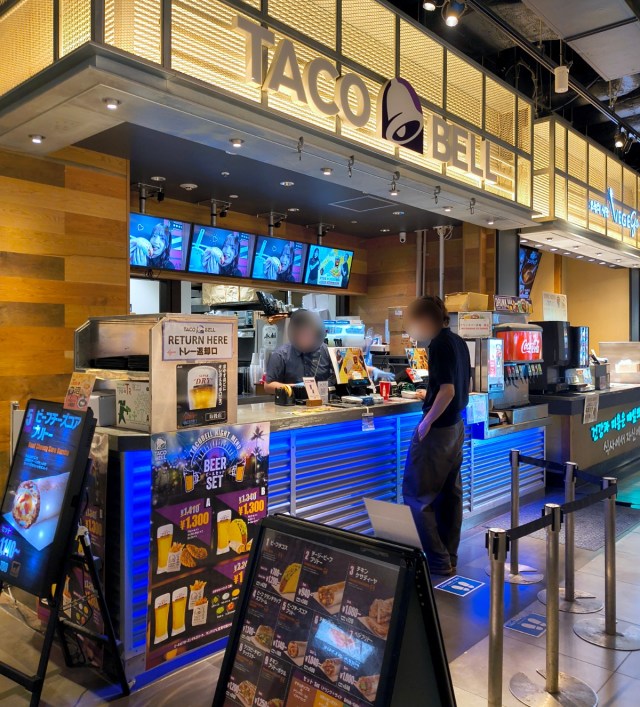
So why aren’t there more Taco Bell Japan restaurants opening up? That was the question running through my mind as I got lunch at the Shibuya Miyashita Park branch.

Looking at the menu, I noticed that their taco selection is actually extremely limited. Really, Taco Bell Japan only serves one kind of taco. You can choose between hard shells or soft tortillas, but as far as what’s inside, you can get their standard beef tacos, and that’s it.
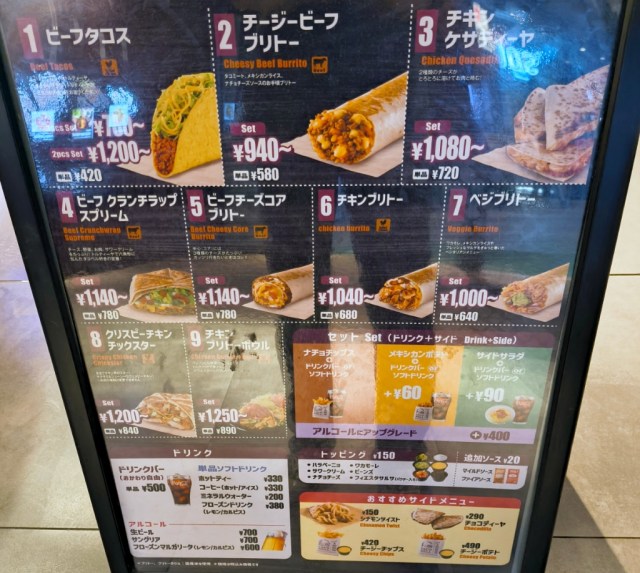
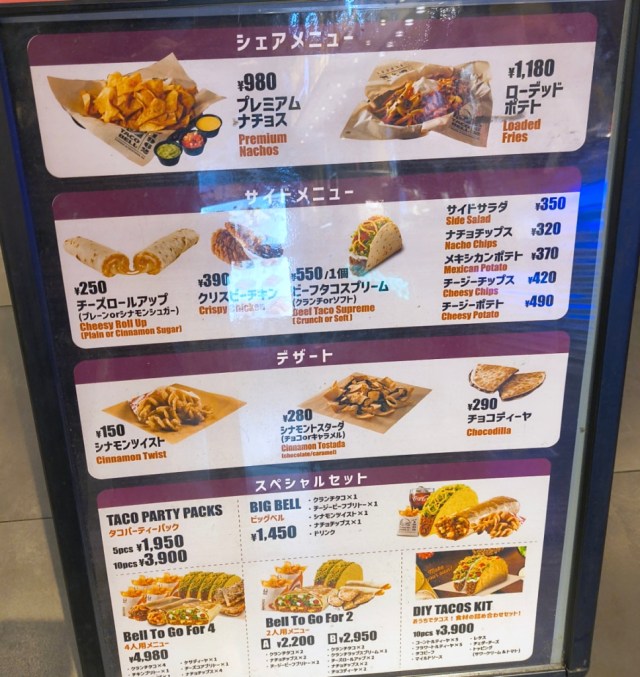
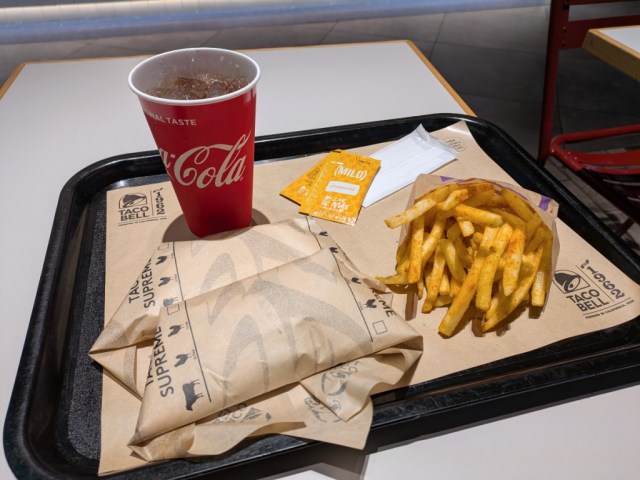
By the way, Taco Bell Japan’s “Lunch Bell” lunch combo isn’t available at all of its branches. For example, at the Dogenzaka branch, until 3 p.m. on weekdays you can get a taco, nachos, and a drink for 690 yen (US$4.25), but the Miyashita Park Taco Bell doesn’t offer it. So instead, I settled for a set with two beef tacos, French fries, and a refillable soft drink for 1,200 yen.

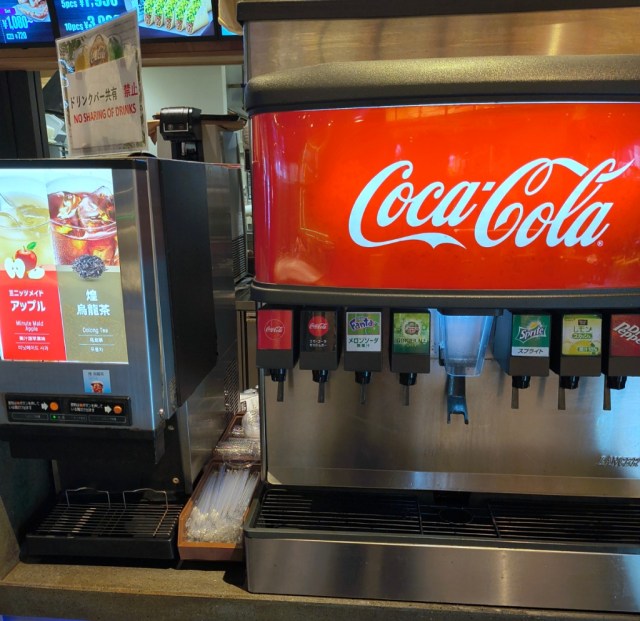
▼ The self-service drink bar had Dr. Pepper, which isn’t always easy to find in Japan.
It had been a long time since I’d eaten at Taco Bell…but did the food always look like this? I mean, I knew it wasn’t going to be a big or luxurious spread, but still, it was a little sad-looking.
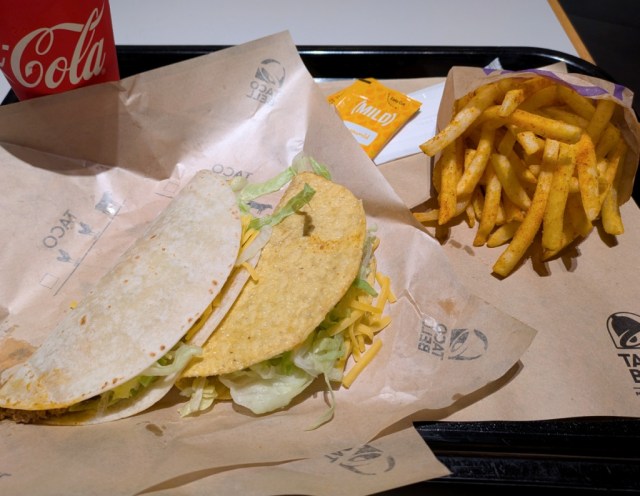
I’d chosen one soft taco and one hard one, and as I unwrapped them, the visuals got even sadder. Come to think of it though, this is the standard way that Taco Bell has always presented its food. Recently, I’ve gotten used to more stylish taco restaurants that serve their soft tacos opened up and flat not he plate, and so Taco Bell’s style has become pretty underwhelming.

Opening up the soft taco’s tortilla, I could see lettuce, cheese, and ground beef.
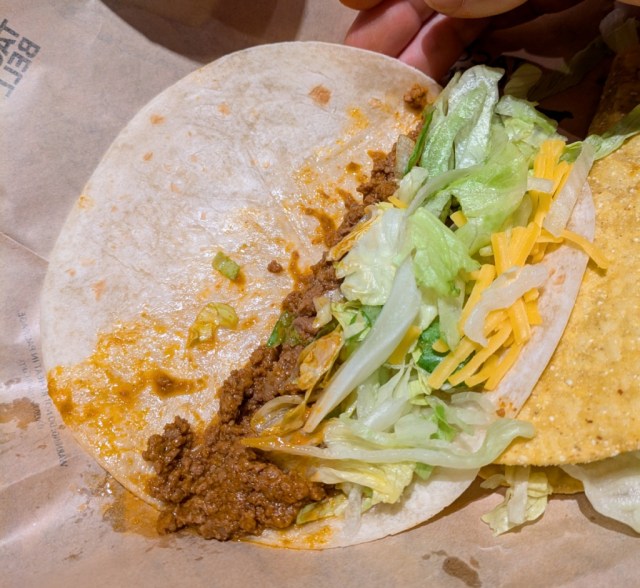
I took a bite, and the taste was plain and unadorned. With no sauce or additional toppings, there was nothing to help draw out more of the ingredients’ flavors or tie them together. If you wanted to phrase things gently, you could call the flavor “simple”…and if you’re not feeling so generous, you could call it “kind of boring.”
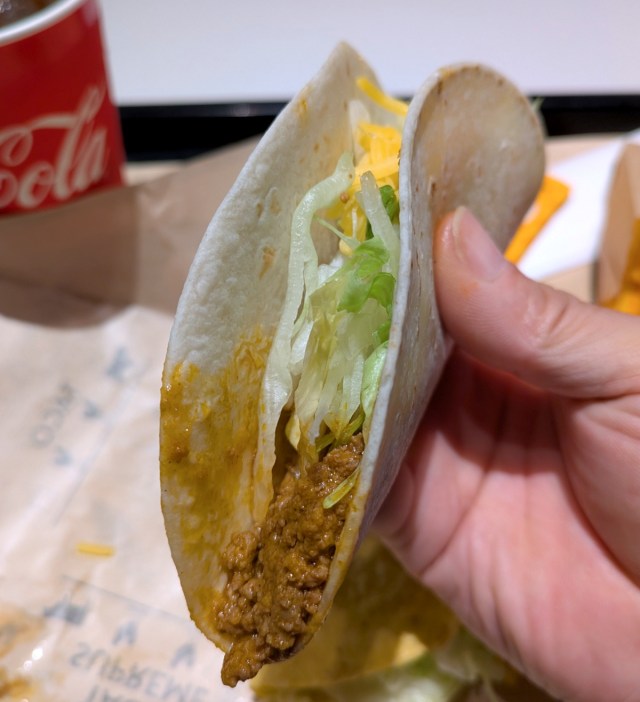
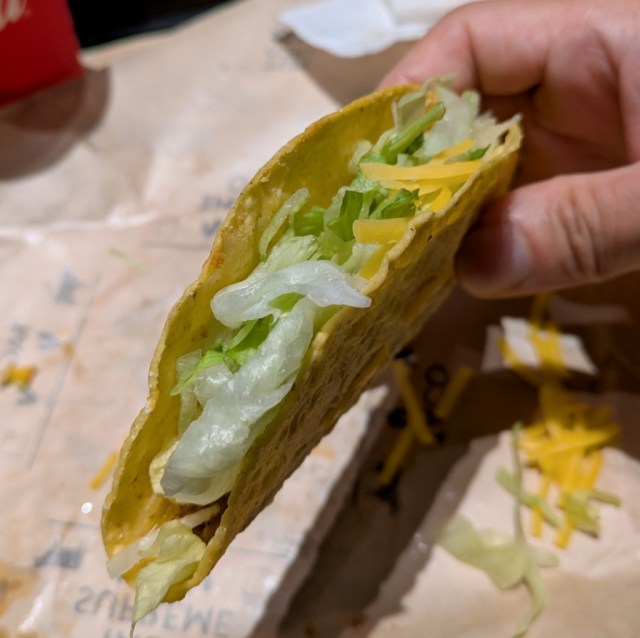
Taco Bell’s hard taco at least gives you some stimulating crunch as you bite into the shell, so it’s more satisfying than the soft version, but it’s not a dramatically more delicious eating experience. It’s still a sparse, simple flavor.
So why isn’t Taco Bell Japan riding the wave of taco popularity in Japan these days? After eating their tacos for the first time in a long while, my takeaway is that the Japanese taco market has changed a lot since Taco Bell came back to Japan in 2015. At that time, there were hardly any places to get tacos, and so it customers were more accepting of how Taco Bell makes theirs, since, after all, it’s a globally famous taco chain.

But now there’s a lot more competition in the Japanese taco scene, including many more taco specialty restaurants than we had when Taco Bell first came back. Tortilla Club Tortilleria, for example, which is also in Shibuya Ward, mills its own corn to make its tortillas in-house every day.

▼ Tortilla Club Tortilleria soft tacos
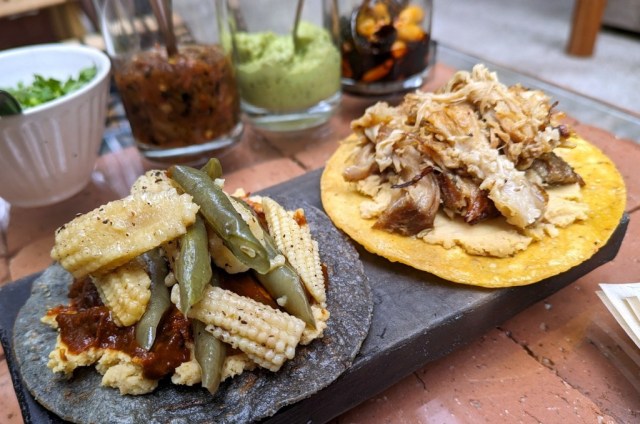
At Tortilleria you can get two tacos for 1,100 yen, pretty much the same price as Taco Bell charges, but they’re beautiful to look at and delicious to eat. So with places like that around, really the only advantage left for Taco Bell is maybe having a more convenient location by being located closer to a major train station.

Taco Bell’s unphotogenic presentation is also a big weakness. At other restaurants, they lay the tacos open and let you see all the different fillings that are going to be inside. With Taco Bell serving their tacos already closed up, customers aren’t as excited about photographing their food and sharing the pictures on social media, but that’s one of the major ways for restaurants to get publicity, so they’re falling behind in that aspect too.

I’ve heard that part of what makes Taco Bell successful in the U.S. is that its prices are cheap, but here in Japan Taco Bell isn’t any more affordable than a bunch of other fast food options we have. When you combine that with an unappealing presentation and plain flavor, people in Japan might even have the impression that Taco Bell is overpriced.

So I think Taco Bell Japan needs to restart by rethinking their pricing and presentation. If they don’t do something, they’re going to be at risk of missing out on the taco boom and their chance to secure long-term customers. They did a great job of raising awareness of taco themselves in Japan, and I hope they can somehow turn things around during the boom so they don’t end up having to leave Japan again.

Photos ©SoraNews24
● Want to hear about SoraNews24’s latest articles as soon as they’re published? Follow us on Facebook and Twitter!


Credit:

Studio Ghibli releases Japanese curry shirts in honour of anime about the studio’s staff

Test your Ghibli fan level with your knowledge of this character and his unusual restaurant policy. 

There are many levels of Studio Ghibli fan, from those who know and love the most famous feature films, to those who are acquainted with every single work the studio ever has put its name to.

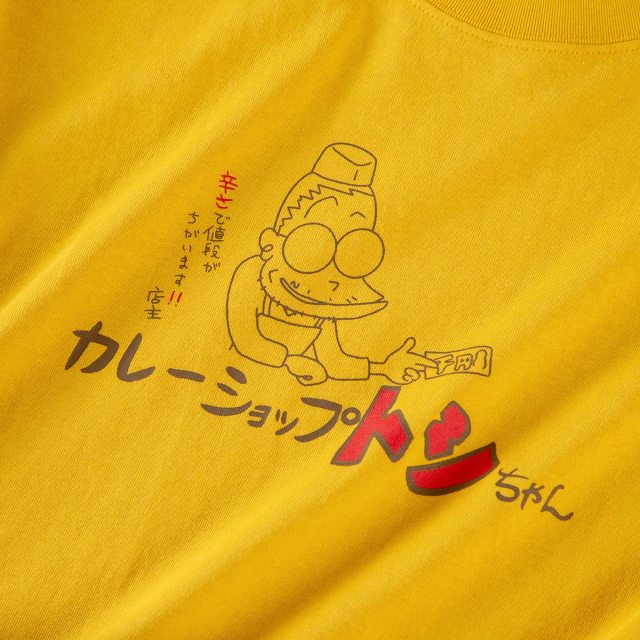
If you’re wondering where you sit on the fan spectrum, then you can test your knowledge by answering this question: Which movie does this T-shirt refer to?
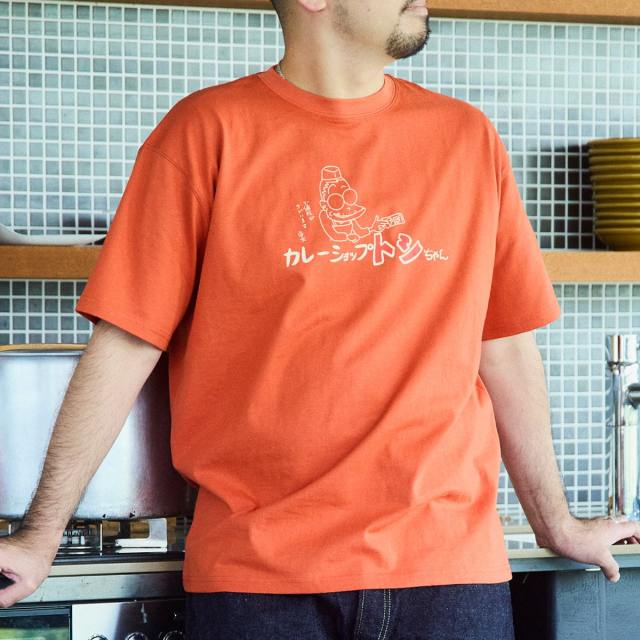
If the bespectacled character looks familiar to you, then well done – you’re well on your way to expert level. However, if you answered “The Ghiblies Episode 2”, then give yourself a pat on the back as you’ve officially reached expert status, and you might now want to reach into your wallet because merchandise like this doesn’t come along every day.

Before we unpack the T-shirt, let’s take a moment to unpack the movie, because it’s one of the studio’s most unique works. Produced by Studio Ghibli and directed by Yoshiyuki Momose, who previously worked on CG and direction for My Neighbours the Yamadas and Princess Mononoke, the 25-minute short was initially released in Japanese cinemas in 2002 as a double feature alongside The Cat Returns.

Prononounced with a hard “G”, like “good” – unlike the soft “G”, like “gentle”, used in the studio’s name – The Ghiblies Episode 2 was inspired by staff at Studio Ghibli, featuring caricatured versions of them in a series of hilarious scenarios. One such scenario takes place in a curry shop, where three central characters pull up stools at the counter and hilarity ensues.

▼ This clip, posted by US distributor GKids when the film was screened in the U.S. as a special accompaniment to the 15th anniversary of Spirited Away, shows the start of the scene at the curry shop.

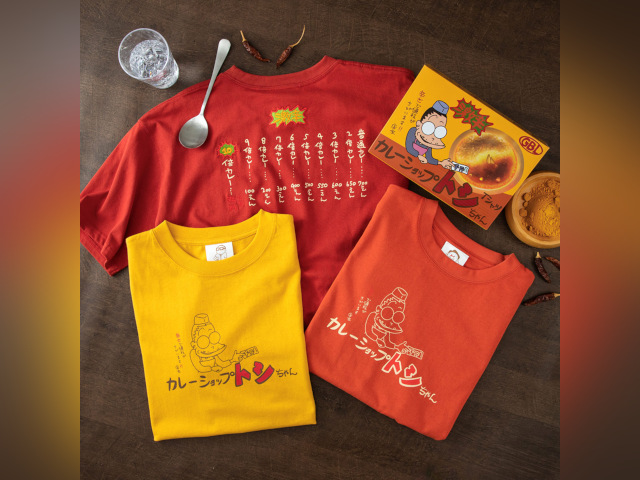
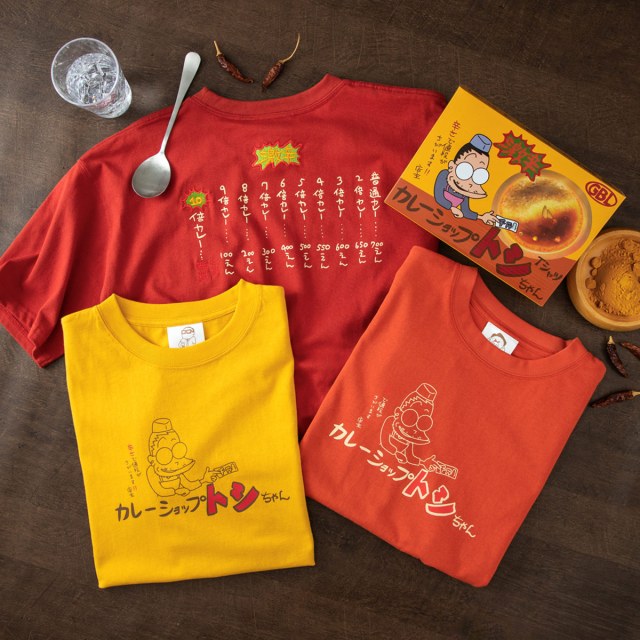
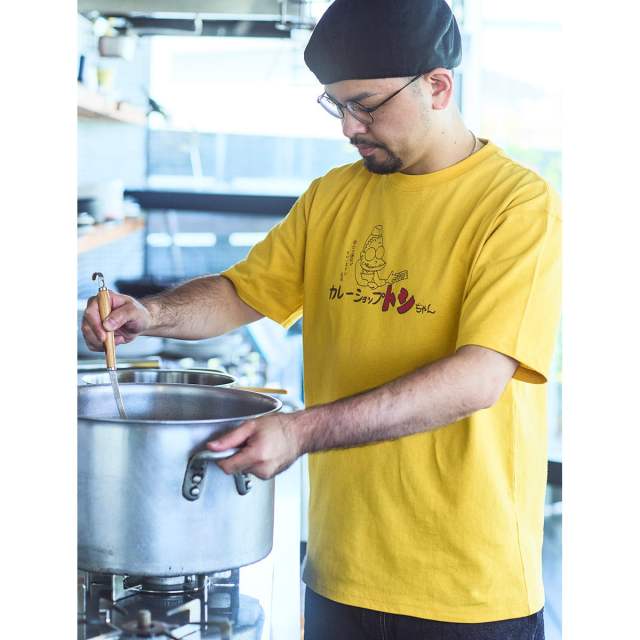
If that video has given you a taste for the curry shop and a desire to eat there, then you’ll be pleased to know you can slip into the world by slipping into one of three new T-shirts dedicated to the store and Toshi-chan, the character who runs it.

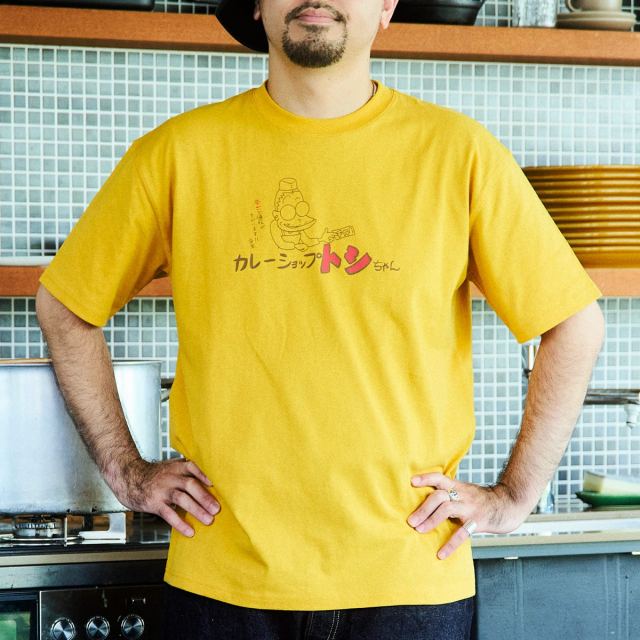
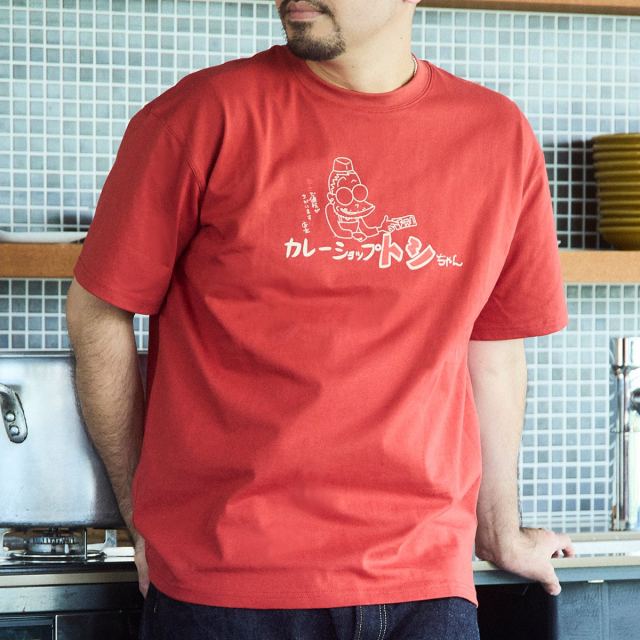
On the front of the tee is Toshi, casually waving a 1,000-yen note in the air as if he’s enticing customers to test their mettle. Beside him are the words, “The price changes according to spice level!! – Store Owner”, which appears on the menu in the movie, while beneath him is the shop name, “Curry Shop Toshi-chan“.

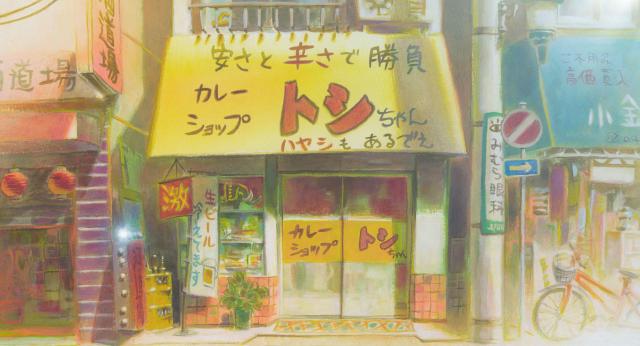
▼ The “Toshi” font recalls the curry shop’s storefront sign.

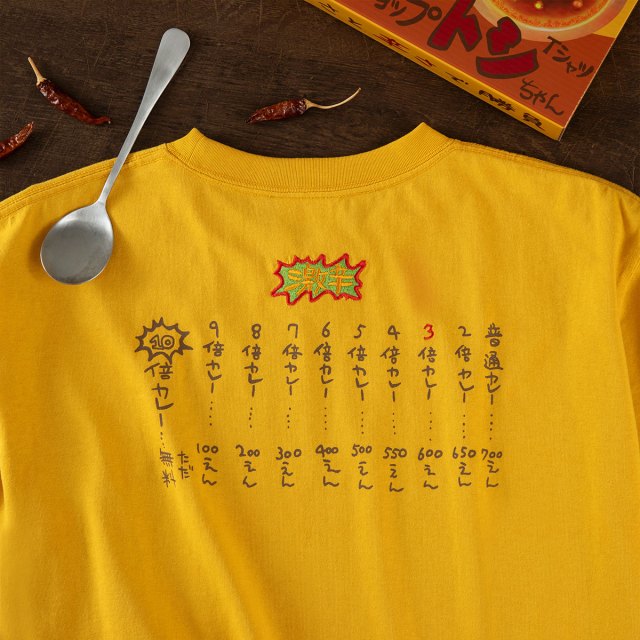
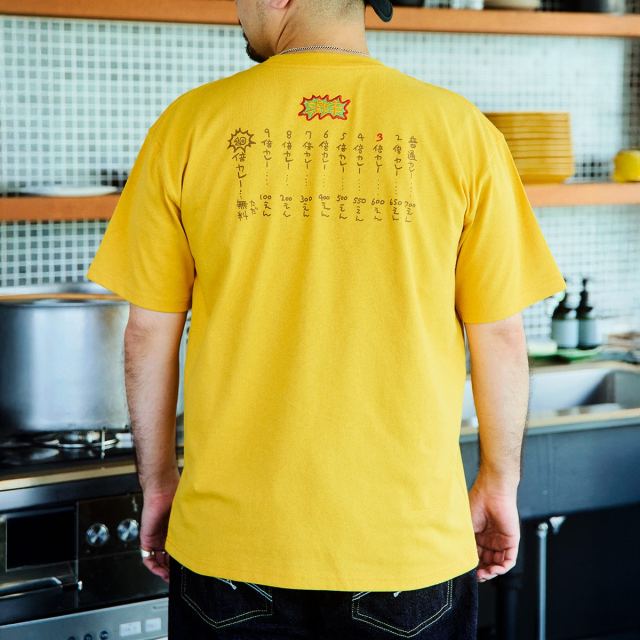
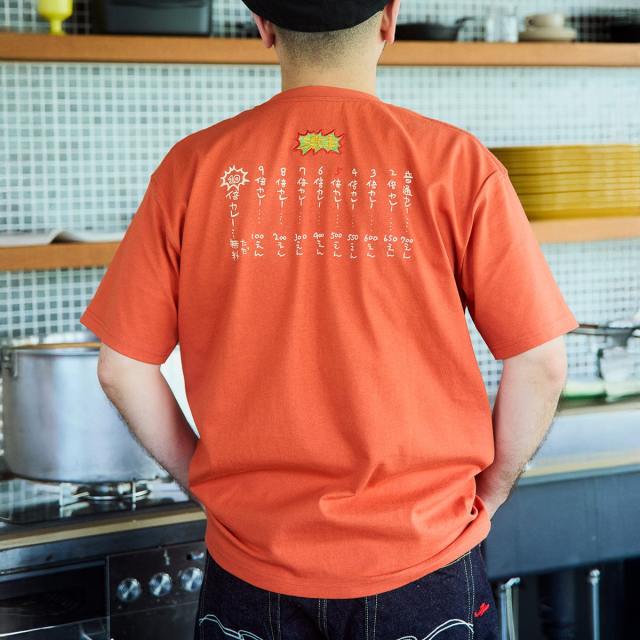
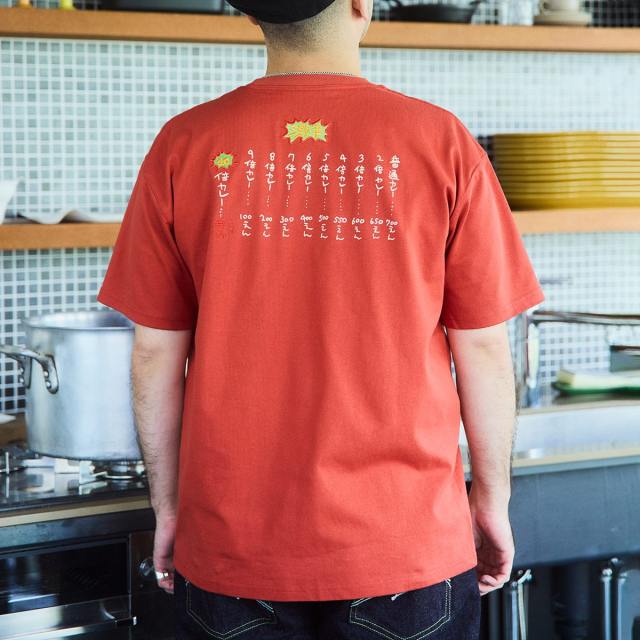
On the back, you’ll find the menu, looking identical to the one on the wall in the anime, complete with rankings from “Normal” to “10x”, and prices ranging from 700 yen (US$4.31) to free.

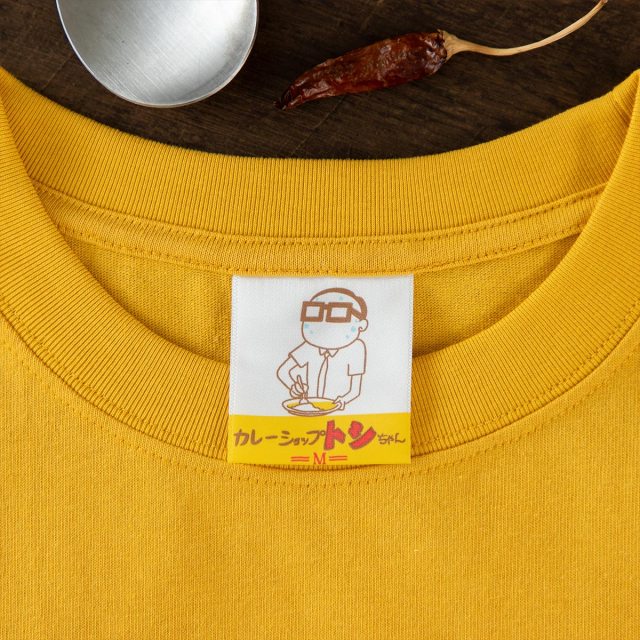
Just as you can choose your spice level at the restaurant, you can also choose your spice level in the T-shirt range, with the yellow called “3x Curry”…

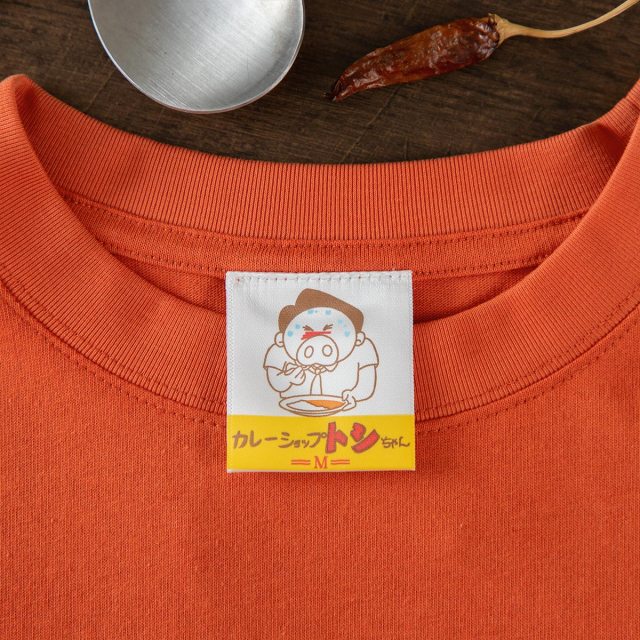
▼ …the orange called “5x Curry”…

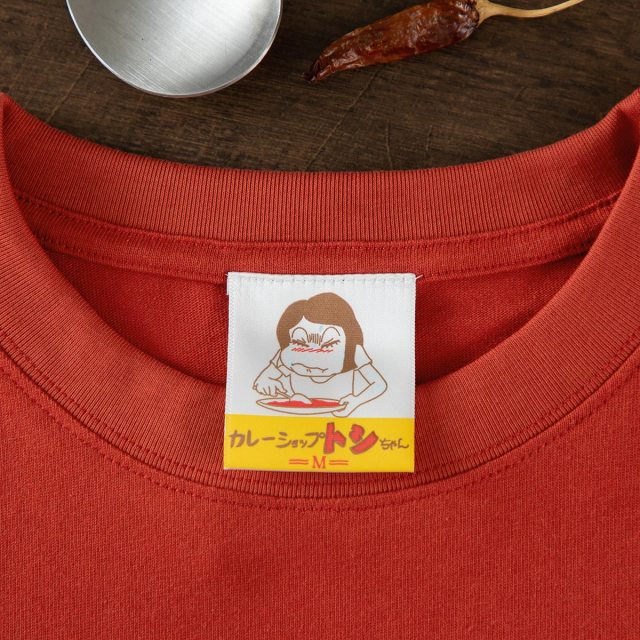
▼ … and the red called “10x Curry”.

Another fun design detail can be seen on the tags, which feature the character who ordered the spice level represented by the shirt.

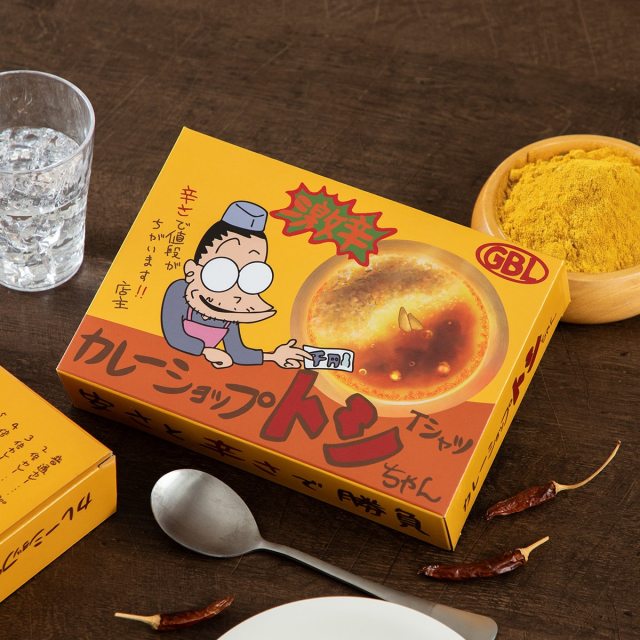
As an added bonus, each shirt comes packaged in a unique box designed to resemble a pack of curry roux.

▼ “GBL” in the top right-hand corner is a reference to Ghibli’s casual wear brand, which created the T-shirts.

With their striking colours and playful features, these tops are sure to become the centerpiece of any outfit, and will definitely be a conversation starter between Ghibli fans of any level. Made from 100-percent cotton, the shirts come in medium and large sizes, retail for 4,950 yen (US$30.46) each, and they can be purchased at Donguri Kyowakoku stores and online (links below) while stocks last.

Source, images: Donguri Kyowakoku
Featured image: Donguri Kyowakoku
Insert images: Donguri Kyowakoku (1, 2, 3), Studio Ghibli

● Want to hear about SoraNews24’s latest articles as soon as they’re published? Follow us on Facebook and Twitter!


Credit: