
Survey finds more than 70 percent of Japanese children have an online friend

Meeting someone through games or social media is becoming just as normal as going to the playground.
It wasn’t so long ago that a child making a new friend simply meant walking up to a kid in the park, on the playground, or at school and asking, “Want to play together?” Nowadays, while those scenarios certainly do still happen, a rising number of children are just as likely to meet friends through online video games, social media, and online communities.
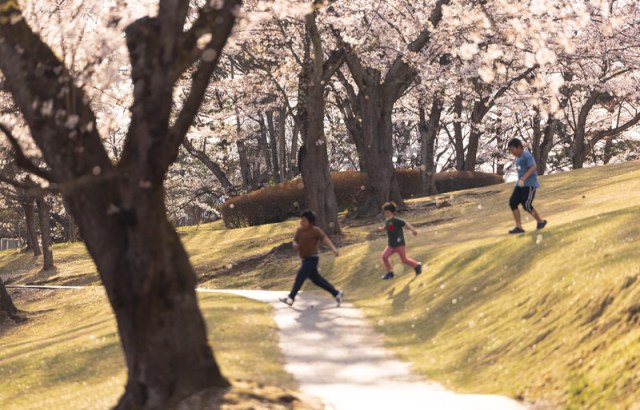
▼ This used to be one of the only ways you could find new friends
According to a survey of more than 1,600 Japanese elementary and junior high school students by Japanese children’s Internet portal Nifty Kids, over 70 percent said they have at least one online friend. That number has steadily been increasing year by year, reflecting how the Internet has gradually become a core part of children’s daily lives. For many kids now, chatting online or teaming up in a game feels as natural as inviting someone to come play at their houses after school.
A particularly interesting finding is that many of these online friends are older, with about 40 percent of children saying they mostly interact with people about one to three years older than themselves, although in some cases it can be much more. Shared hobbies, favorite games, or other mutual interests make it easy to connect across age groups, which is something that would have been less likely to occur in strictly offline childhoods.
Naturally, this does also present a few risks. A surprisingly high number of children, 81.9 percent of those surveyed, said they’ve shared personal information with their online friends. Quite identifying information was at the top of the list, with age, gender, and birthdays revealed by 87.6, 81.4, and 71.9 percent of those who said they’d shared personal information, followed by the general area they live in (44.1 percent) and first name (38.9 percent). This isn’t a new phenomenon, as I can recall using a popular kids’ chatroom when I was younger, where one of the first questions newcomers were asked was “a/s/l?” (age/sex/location). Nor does it automatically foreshadow danger, but it does highlight the need for parents to pay a lot closer attention to Internet usage.
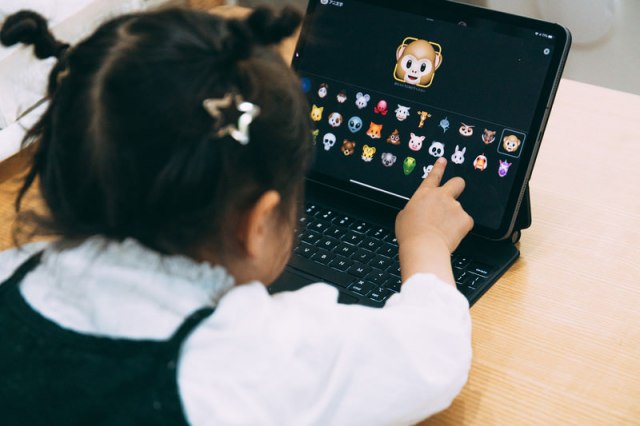
▼ Unfiltered and unmonitored access to the internet for a child just sounds like a bad idea all round
That being said, today’s kids seem to be pretty cautious, with nearly 90 percent of those in the survey with online friends saying that they’ve never met them in real life, and when asked if they want to meet them, the most common responses were “I don’t want to” or “I want to, but it’s scary.” Others said that they’d only consider it when they’re older, or after getting to know the person better.
For some children, they describe online friends as being people they can talk to freely, share their interests with, or feel comfortable confiding in, without having to conform to the external pressures of social expectations, yet still keeping a healthy distance. Others still held a level of wariness, saying that online friends should not be trusted completely.
While the cynic in me might argue that even offline friends can be a potential source of danger, it’s clear that childhood friendships are continuing to evolve. In many ways, they’re still enjoying sharing a fun experience together, be it a game or a new interest. There’s just an added Wi-Fi signal in the mix.
Source: PR Times
Top image: PR Times
Insert images: Pakutaso (1, 2)
● Want to hear about SoraNews24’s latest articles as soon as they’re published? Follow us on Facebook and Twitter!
Credit:

0 comments: