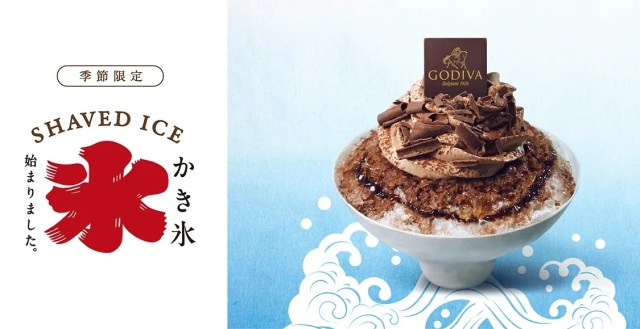
Godiva Japan gets into the shaved ice scene with two luxurious frozen desserts this summer
20:13 cherishe 0 Comments

Godiva brings its chocolate expertise to a traditional summertime favorite in Japan.

Godiva is well aware of the worldwide prestige its name carries, but the chocolatier’s Japanese division still frequently looks for ways to get into the spirit of the local sweets scene. Sometimes that means partnerships with anime franchises or Mister Donut, and sometimes it means incorporating traditional Japanese ingredients like tofu into their desserts,

For their next cultural crossover, Godiva Japan is turning its attention to something that’s been a summertime favorite of sweets fans in Japan for generations: shaved ice.
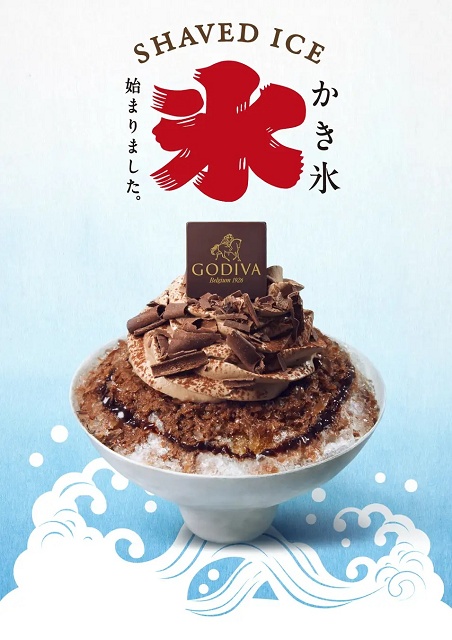
Walking around Japan in the summer, you can spot cafes and sweets shops with signs hanging outside their storefronts with the kanji character for ice, 氷, and as of July 22, they’ll be outside select Godiva Japan branches too. But whereas the majority of shaved ice flavors in Japan are fruity, like melon or strawberry, Godiva, naturally, is bringing its premium chocolate to the mix, starting with the Shaved Ice Chocolat Elegance.
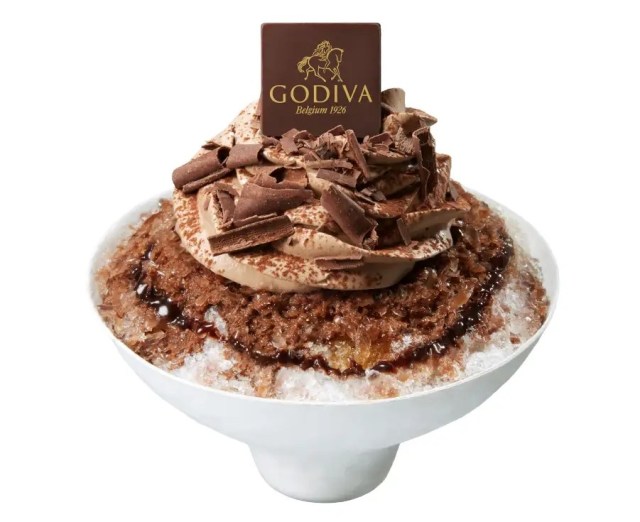
Starting at the bottom of the bowl and working our way up, this extra-chocolatey shaved ice dessert has chocolate whipped cream and shaved chocolate, after which the ice shavings start getting piled on, with chocolate syrup poured on top of them. For toppings, Godiva Japan uses a chocolate whipped cream dusted with chocolate powder, followed by more chocolate sauce and shaved chocolate, then, finally, a Godiva chocolate square as the figurative cherry on top.

If you’re looking for a little extra sophistication, you can also opt for the Shaved Ice Tiramisu Chocolat. This being Godiva, of course there’s still chocolate on the list of ingredients, but here it’s joined by mascarpone cream and coffee gelatin.
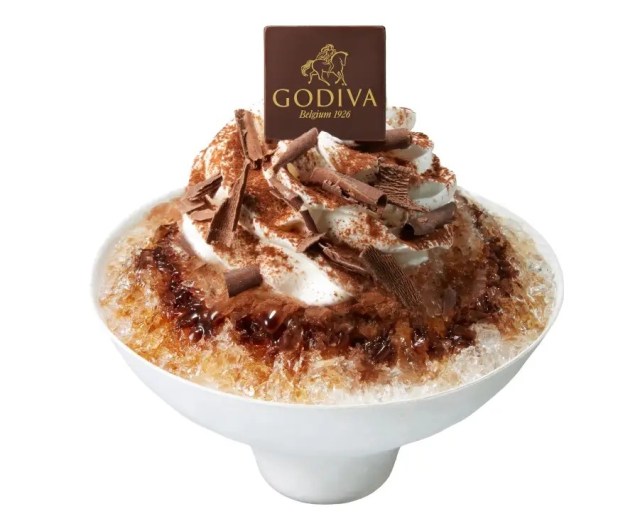
According to the company’s announcement, and also visible in the photos, Godiva shaves its ice to a feathery consistency, so there won’t be much crunch or grit as you bite into a spoonful, but instead a soft texture that should allow all of the sweet accouterments to meld in your mouth with the ice. The result, Godiva promises, is richly flavorful but without feeling heavy, and the moist, chilled combination of flavors and sensations will make for an indulgently enjoyable way to cool off in the summer heat.

Not every Godiva Japan branch will be serving their shaved ice, but it can be found at the chain’s locations within the Mitsui Outlet Park shopping centers in Tama Minami Osawa (Tokyo), Kisarazu (Chiba), Iruma (Saitama), Hokuriku Oyabe (Toyama), Jazz Dream Nagashima (Mie), Shiga Ryuo (Shiga), Marine Pia Kobe (Hyogo), and Spporo Kitahiroshima (Hokkaido).

Godiva Japan’s new frozen treats arrive at a time when a number of cafes in Japan are looking to take shaved ice up-market with fancy ingredients, but priced at 980 yen (US$6) they’re still affordable luxuries for when your taste buds want something sweet and your body needs something cool this summer.

Source: PR Times via Japaaan, Godiva Japan
Images: PR Times
● Want to hear about SoraNews24’s latest articles as soon as they’re published? Follow us on Facebook and Twitter!


Credit:
0 comments:

Tokyo’s newest viral dessert is like a Japanese parfait inside a bread bun [Taste test]

19:13 cherishe 0 Comments

A cool idea from Coolish, and further proof that sweet bean paste makes everything better.

When you’re craving a snack, anpan (sweet bean paste bread) is never, ever a bad choice. Both sweet and substantial, anpan can be found at convenience stores and supermarkets across Japan, but if you want the really good stuff, it’s worth it to seek this treat out at dedicated bakeries, which is what recently had us on the train to Mitaka Station in Tokyo.

We were headed there to visit Toho Bakery, because while they’re not the only bakery in town that has anpan, they’re the only ones that have ice cream anpan.

Toho Bakery is a 10-minute bus ride from Mitaka Station, or a 25-minute walk if you’re feeling energetic/want to pre-bank some calories to spare before you enjoy this tempting double dessert. Whether you arrive by bus or on foot, though, it’s pretty easy to tell you’re in the right place, thanks to the bakery’s large-font signage and giant illustrated baker with an oversized baguette.

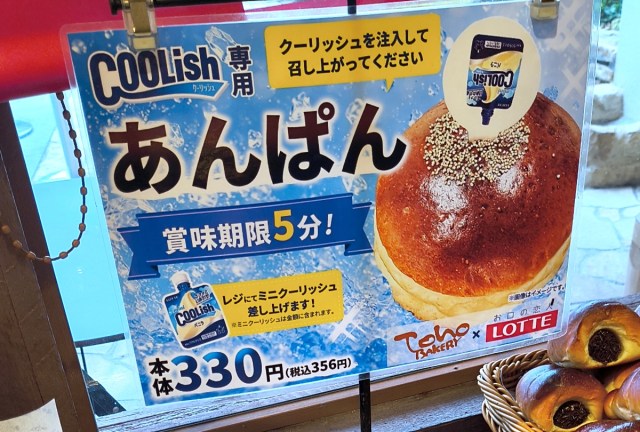
The ice cream anpan is a Toho project carried out in official conjunction with Japanese confectioner Lotte, maker of ice cream brand Coolish, which is so tasty that it can even bring virtual idols into the real world. Coolish’s hook is that it’s a drinkable soft ice cream sold in squeeze pouches…but what if instead of squeezing the ice cream into your mouth, you squeezed it into a piece of anpan?

That’s the idea Toho Bakery and Lotte came up with, and so in late June Toho started whipping up batches of Coolish-use Anpan.

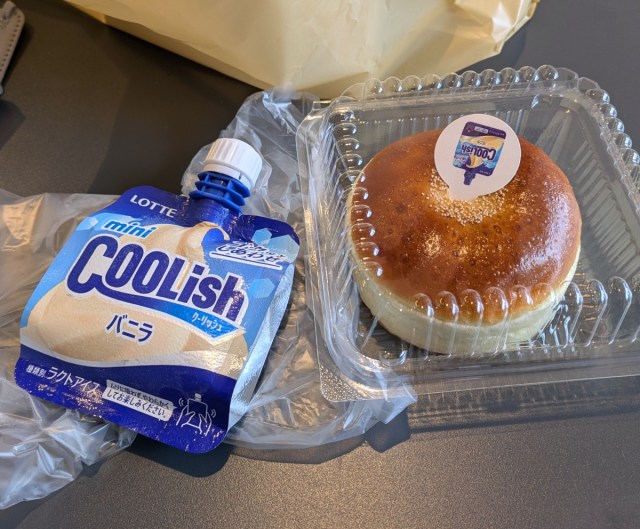
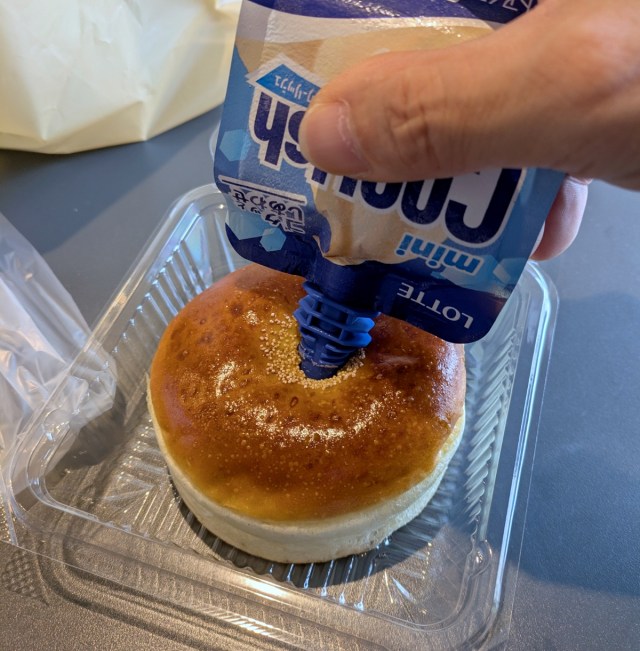
If you’re wondering why they didn’t just call it “Coolish Anpan,” it’s because the baking process required to create bread is equally effective at melting ice cream, and so the Coolish has to be injected into the baked goods after they come out of the oven. What’s more, as a classy place that prides itself on high quality, Toho Bakery doesn’t want to pre-inject the ice cream before purchase and then leave the anpan to get soggy on the store’s shelves, so the 356-yen (US$2.20) Coolish-use Anpan is a set of one anpan bun and a mini Coolish pouch that’s given to you at the register, after which you squeeze in the ice cream yourself.

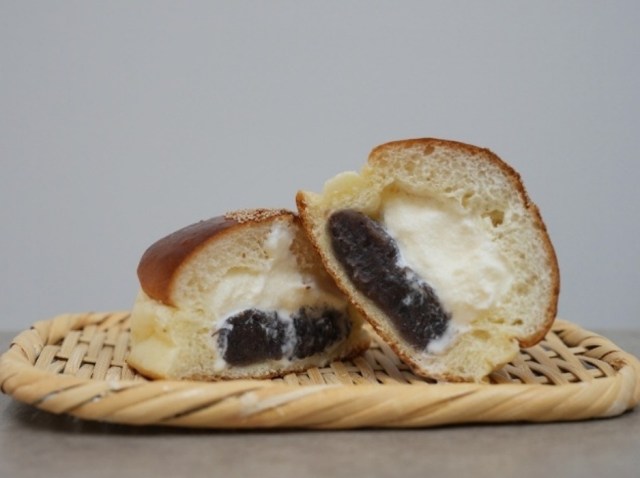
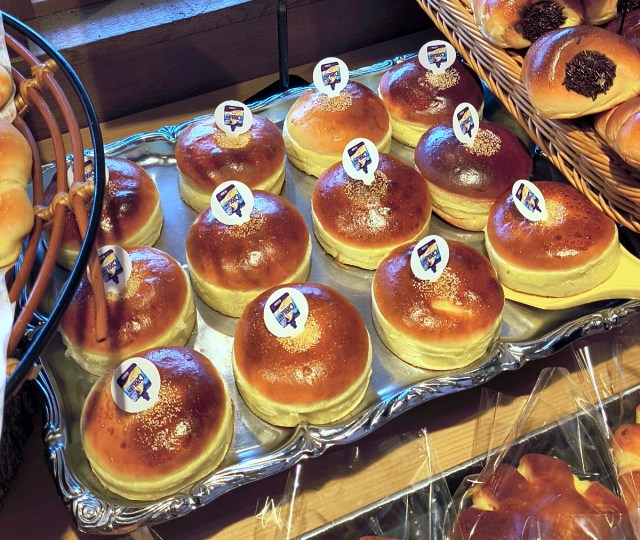
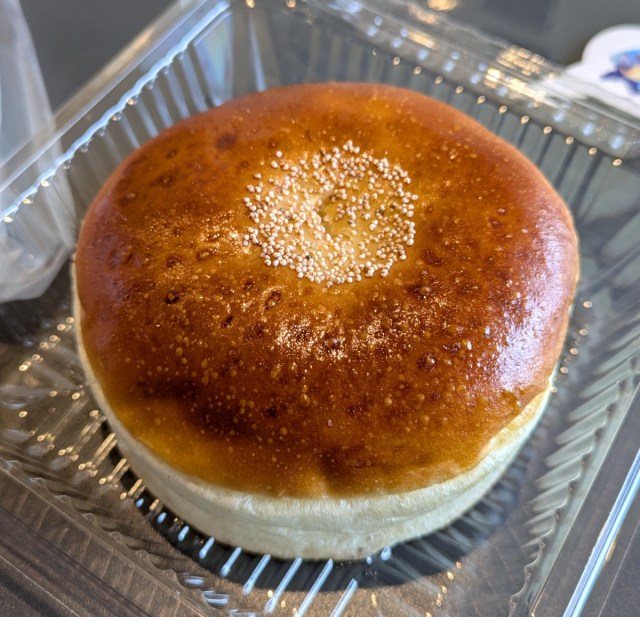
However, don’t make the mistake of assuming the Coolish-use Anpan is just a marketing name for a bundle of regular anpan and a Coolish. Toho Bakery actually created a different type of anpan specifically for this set. The sweet bean paste filling is less sweet than the bakery’s normal anpan, since it’s going to get an extra infusion of sweetness when the ice cream comes flowing in. The bread is also sized/shaped so that it has an air pocket at the top, giving it space for the ice cream to settle inside.

▼ Proportionally, the Coolish-use Anpan is taller than normal anpan, which usually has more of a dome shape.

Ice cream being a key ingredient means that time is a factor with the Coolish-use Anpan, and if you’ve got a long train ride home from Toho Bakery, taking an insulated bag and some ice packs with you wouldn’t be a bad idea. Of course, there are few things in life more difficult than resisting the urge to eat ice cream when you have some in your possession, and thankfully Toho Bakery has a few outdoor seats and tables where you can enjoy your bread immediately after buying it, which is what we did.

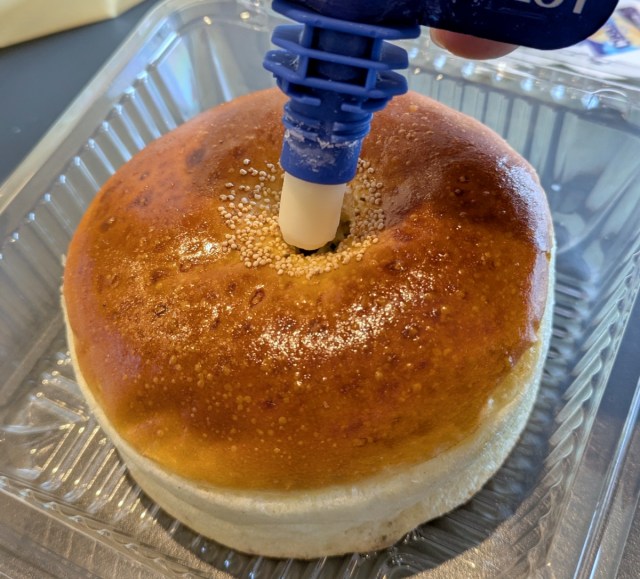
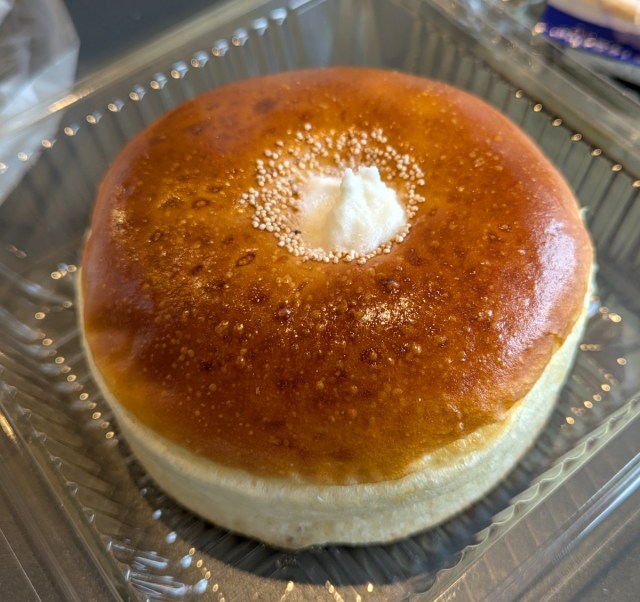
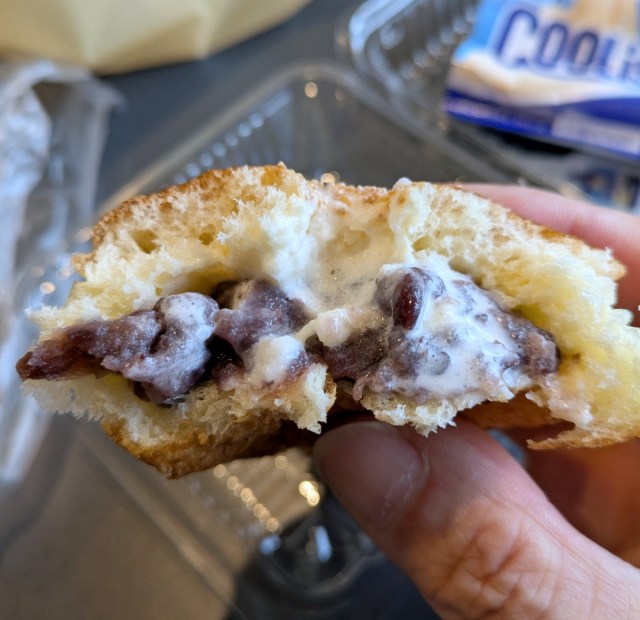
Coolish pouches have a pronounced plastic mouth, and while the original intended purpose is to make the pouch easier to drink from, this design point also makes it easy to stab the mouth through the top layer of the bun. Because the Coolish had just been taken out of the freezer, it was harder than usual, so it took a couple of strong squeezes to get it all in there…

…but we persevered.

Now it was time to taste the completed Coolish-use Anpan, and on a hot summer afternoon, it was pretty much perfect! Ice cream and sweet bean paste come from very different culinary lineages, but they actually go together extremely well, especially since Toho Bakery uses tsubuan, the type of sweet bean paste in which some beans are left unmashed, adding some enticing texture to the creamy mix that results from the addition of the Coolish. With a mixture of sweet and creamy flavors, the Coolish-use Anpan ends up being like a Japanese-style parfait that you can hold in your hand.

Now, if you’re thinking “Hey, couldn’t I squirt some Coolish into the anpan they sell at the convenience store closest to my apartment/hotel/ninja testing center in Japan?” the answer is yes, you can, and we can’t imagine it’d be anything short of delicious too. Like we said above, though, Toho Bakery’s Coolish-use Anpan is designed to make the combination as harmonious as possible, in terms of both flavor balancing and physical space.

▼ Some of Lotte’s official Coolish-use Anpan press photos

So if you can make it to Toho Bakery, it’s worth the trip to try the ultimate version of this sweets innovation, which is scheduled to be on sale until August 8, or while supplies last.

Bakery information
Toho Bakery / トーホーベーカリー
Address: Tokyo-to, Mitaka-shi, Shimorenjaku 1-9-19
住所 東京都三鷹市下連雀1-9-19
Open 8 a.m.-6 p.m. (weekdays), 7 a.m.-6 p.m. (Saturdays)
Closed Sundays, third Monday of every month
Website

Top image: SoraNews24
Insert images: SoraNews24, Lotte
● Want to hear about SoraNews24’s latest articles as soon as they’re published? Follow us on Facebook and Twitter!


Credit:

0 comments:

Starbucks Japan opens new store inside historic seaside quarantine station near Tokyo

11:13 cherishe 0 Comments

Sip on Starbucks in a setting once linked to infectious diseases.

Whenever a historic building in a prime location in Japan needs a commercial tenant, there’s a good chance Starbucks will come knocking. With a solid track record of taking up residence in some of the country’s most unique and culturally important properties, the coffee chain has shown it knows how to adapt its brand to blend seamlessly into its surroundings, respecting historic features while enhancing the original character of a building.

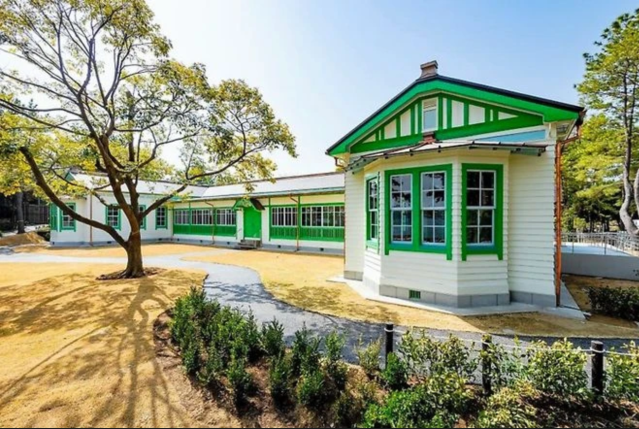
So when the Yokohama city government sought applicants to occupy the former No. 1 Building of the Nagahama Quarantine Station, a Registered Tangible Cultural Property, it wasn’t too much of a surprise to hear that Starbucks was chosen to be its new custodian. What was a surprise, though, was the history of the charming, Western-style building, which dates back to 1895, when it was originally built as a waiting facility for passengers undergoing quarantine inspections after arriving by ship.

During this era, the port city of Yokohama was Japan’s main international entry point, and the quarantine station played an important role in preventing infectious diseases from entering the country via overseas ships. Though the building was damaged in the Great Kanto Earthquake of 1923, it was restored the following year, and recently relocated to a site within Umi no Koen (Sea Park), after extensive preservation work.

▼ Umi no Koen is roughly an hour by train from Tokyo.


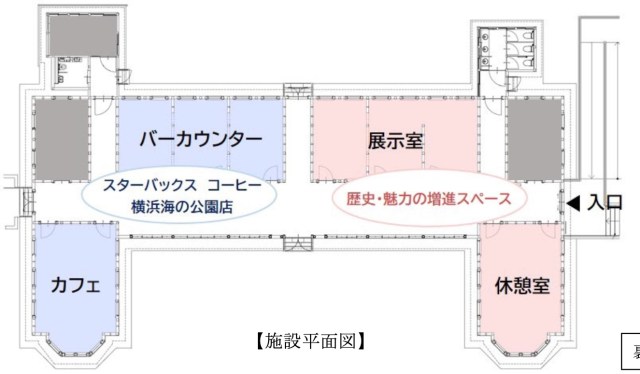
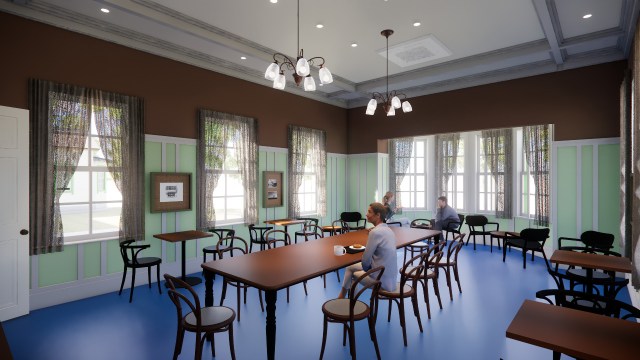
Now the historic building is opening the door to a new chapter, with one half becoming a Starbucks cafe, and the other half being used as an exhibition space run by Yokohama City and Umi no Koen’s management. Through historical displays and community events, the exhibition wing aims to preserve and share the story of the former quarantine station with visitors.

▼ Left: Starbucks Bar Counter (バーカウンター) and Cafe (カフェ); Right: Exhibition Room (展示室), Rest Area (休憩室), and entrance (入口).

Rather than modernising the interior, Starbucks says it has retained many of the building’s original features. Original wallpaper from the Taishō era (1912–1926) has been preserved where possible, while bentwood chairs and other carefully selected furnishings complement the architecture, creating a space that feels more like a heritage lounge than a typical coffee shop.

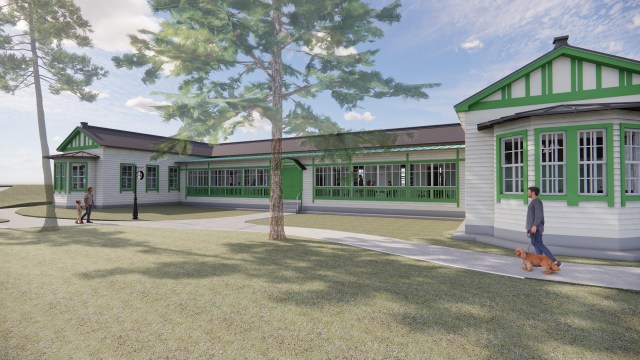
▼ The planned interior for the cafe.

From its location inside Umi no Koen, the store boasts a scenic waterfront setting that’s especially popular during summer, making it an appealing stop for visitors looking to combine sightseeing, seaside strolls and a coffee break away from central Tokyo.

This location is the latest in a growing list of new openings for Starbucks, which includes the recently opened Yanaka branch in Tokyo, the teahouse in Kyoto’s oldest public park, and even the branch on a Shinkansen platform in Yokohama. We can’t wait to see how Starbucks blends its modern stylings into the historic character of this building when it opens to the public on 10 August.

Store information
Starbucks Coffee Yokohama Umi no Koen Store / スターバックス コーヒー 横浜海の公園店
Address: Kanagawa-ken, Yokohama-shi, Kanazawa-ku, 10 Umi no Koen, Nagahama Quarantine Station, Former No. 1 Building
神奈川県横浜市金沢区海の公園10番地 旧長濱検疫所一号停留所
Open: 8 a.m.–9 p.m. (May–Oct); 8 a.m.–7 p.m. (Nov–April)

Source: Press release
Featured image: Yokohama City
Insert images: Yokohama City (1, 2)

● Want to hear about SoraNews24’s latest articles as soon as they’re published? Follow us on Facebook and Twitter!


Credit:
0 comments:

Japan’s foreign resident population hits record high as Japanese population hits record low

09:13 cherishe 0 Comments

The number of Japanese citizens falls below 120 million for the first time in 42 years, but the foreign community continues to grow.

Japan’s population has been shifting more than ever in recent years, with declining births becoming a growing concern for the country. However, new data shows that the population decline is being partially offset by a growing number of foreign residents, who are taking up residence in Japan in greater numbers than ever before.

According to population data released by Japan’s Ministry of Internal Affairs and Communications on 29 July, the number of Japanese citizens stood at 119,736,483 as of 1 January 2026, dropping below 120 million for the first time since 1984.

The figure represents a decrease of around 917,000 people compared with the previous year, marking the largest annual decline since the survey began in 1968.

The decline reflects Japan’s ongoing demographic challenges, with the country’s ageing population and falling birth rate continuing to accelerate population loss. Japan recorded around 1.59 million deaths, while the number of births fell to a record low of approximately 670,000.

▼ The number of Japanese citizens has now fallen for 17 consecutive years.

Looking at the figures by prefecture, 46 of Japan’s 47 prefectures saw their Japanese populations decline. Tokyo was the only exception, with numbers rising by 0.09 percent. The largest decrease was recorded in Akita Prefecture, which fell by 1.95 percent, followed by Aomori and Kochi, both of which declined by 1.70 percent.

As the number of Japanese citizens continues to decrease, the foreign resident population continues to grow. The number of foreign residents increased by around 354,000 people year-on-year to reach 4,031,159, the highest figure since the survey began tracking this data in 2013.

▼ Unlike the Japanese population, the foreign resident population increased in every prefecture across Japan, not just in Tokyo.

The contrasting trends highlight Japan’s shifting demographics, as a shrinking domestic population is increasingly being offset by a growing number of people from overseas living in the country. With Japan’s massive tourism boom leading to record numbers of overseas visitors in 2025, the foreign population looks likely to grow even further, even as the government moves to implement stricter new requirements for permanent resident applicants.

Sources: Sankei, Yomiuri Shimbun via Yahoo! News Japan 
Top image: Pakutaso
Insert images: Pakutaso (1, 2)

● Want to hear about SoraNews24’s latest articles as soon as they’re published? Follow us on Facebook and Twitter!


Credit:
0 comments:

New service lets Tokyo tourists display their faces on giant screen at Japan’s busiest intersection

22:13 cherishe 0 Comments

Pedestrian crossing outside Shibuya Station to lean even harder into tourist selfie appeal.

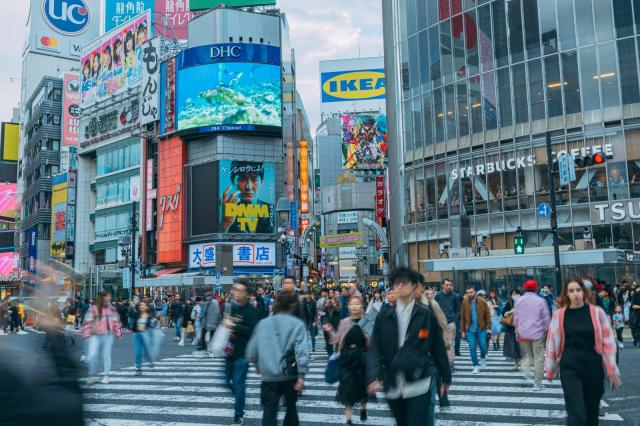
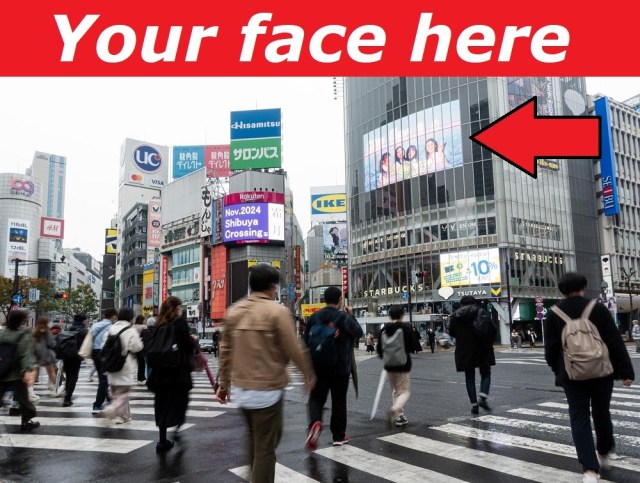
Shibuya’s Scramble Crossing is one of Tokyo’s most iconic locations, and some would say that a trip to Japan’s capital isn’t complete without stopping by to snap a photo. Soon, though, tourists won’t just be taking photos at the world-famous intersection outside Shibuya Station, but displaying them too, on one of Tokyo’s largest skyscraper-side video screens.

Tentatively titled Shibuya Scramble Crossing Photo, this service will allow individuals to have their photos displayed on Q’s Eye, the video screen mounted on the side of Q Front, a building across the Scramble Crossing that houses a Starbucks (and was one of the last places in Tokyo where you could rent VHS tapes). Shibuya Scramble Crossing Photo actually had a brief test run between July 24 and 26, during which 48 people had their pictures put up on the screen for 15 seconds each, with their faces appearing inside a cute illustration evoking Shibuya’s famously loyal dog/statue Hachiko.

Though the service, offered through rail company and property developer Tokyu, won’t be exclusively available to foreign tourists, they’re the primary intended market, with all of the test-run participants being travelers from Germany, India, Italy, Korea, the U.S.A., Vietnam, or elsewhere overseas. Selfie-snapping is a priority for the service, with Tokyo taking participant feedback into account to try to determine the optimum times to offer displays at, since the screen itself doesn’t photograph as nicely during midday, but the tourists themselves can be obscured in shadow when photographed at night. One participant said he would like to be able to select alternate frames/artwork or add some sort of background music when his photo is displayed, and Tokyu itself says it’s looking for ways to let participants add personalized on-screen text messages or purchase merchandise showing their photo as it appeared on Q’s Eye. Tokyu also wants to shorten the lead time from the current six days down and eventually allow travelers to have their picture up on the screen for everyone to see on the same day they apply for the service.

On the one hand, Shibuya Scramble Crossing Photo makes for a uniquely personalized photo opportunity, and is sure to appeal to travelers who think half the fun of going somewhere is posting photos online showing that you were there. On the other hand, this could nudge the crossing’s environment even farther towards being a total circus, further frustrating locals who are growing increasingly tired of having to dodge tourists who stop mid-intersection and turn their back to the flow of foot traffic as they pose for their selfies.

Tokyu does seem to have crowd control concerns in mind, as one reason for the test run was to assess safety issues. Participants were told in advance when their photos would be displayed, and the Q Front screen is visible/photographable from the Hachiko statue plaza on the station side of the intersection, so there’s no need to stand in the middle of the crossing in order to get a selfie with your on-screen photo in the background. However, this then runs the risk of adding to the congestion of the already crowded plaza if multiple photos are going to be displayed on Q’s Eye in rapid succession.

Prices for Shibuya Scramble Crossing Photo are expected to be in the range of 5,000 to 10,000 yen (approximately US$30-US$60), with the service slated to officially start in March of next year.

Source: Shibuya Keizai Shimbun via Yahoo! Japan News, Shibuya Bunka Project
Top image: Pakutaso (edited by SoraNews24)
● Want to hear about SoraNews24’s latest articles as soon as they’re published? Follow us on Facebook and Twitter!


Credit:
0 comments:

New Studio Ghibli washi tape adds anime flair to Japanese stationery

20:13 cherishe 0 Comments

Ghibli designs so charming they’ll be hard to peel yourself away from.

Studio Ghibli fans are spoilt for choice when it comes to ways to add a dash of movie magic into their everyday lives, and now there’s a range that’ll stick with you both figuratively and literally.

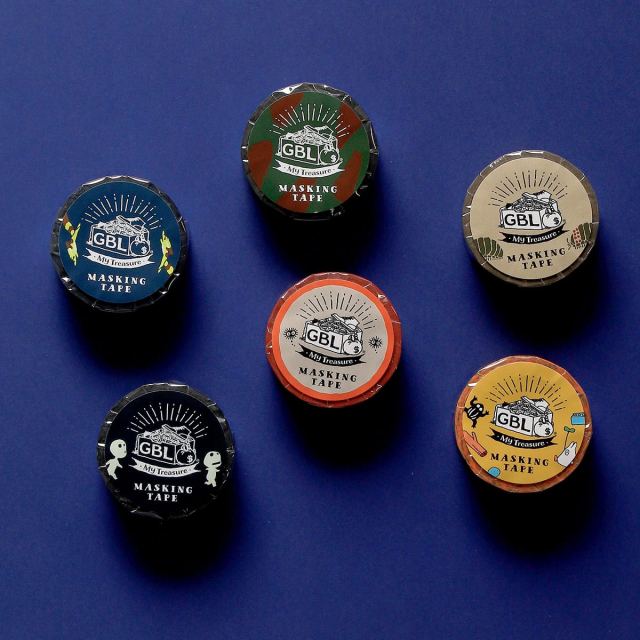
This latest release is a new addition to the washi tape range from Ghibli’s GBL brand, which prides itself on its cool “American casual” style aesthetic. Though they’re recoginsable to Japanese stationery fans as “washi tape”, so-called as they’re made with Japanese washi paper, GBL adheres to its American style influences by referring to them as “masking tape” instead.

Whatever you choose to call them, these sticky tapes can be used to help seal up wrapped packages, decorate journals and calendars, or stick photos, postcards and notes in place without leaving any sticky residue behind.

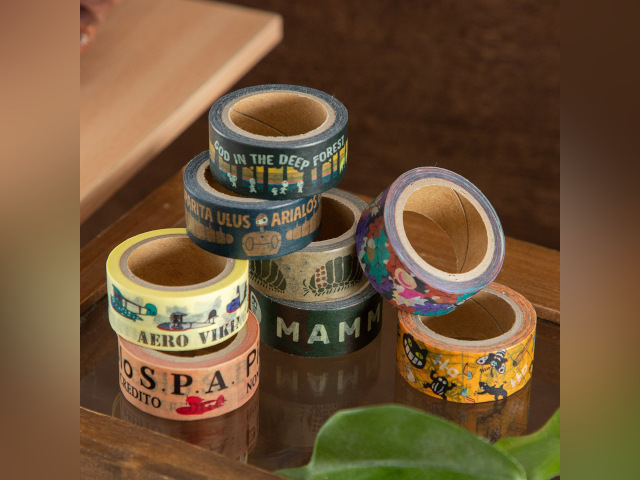
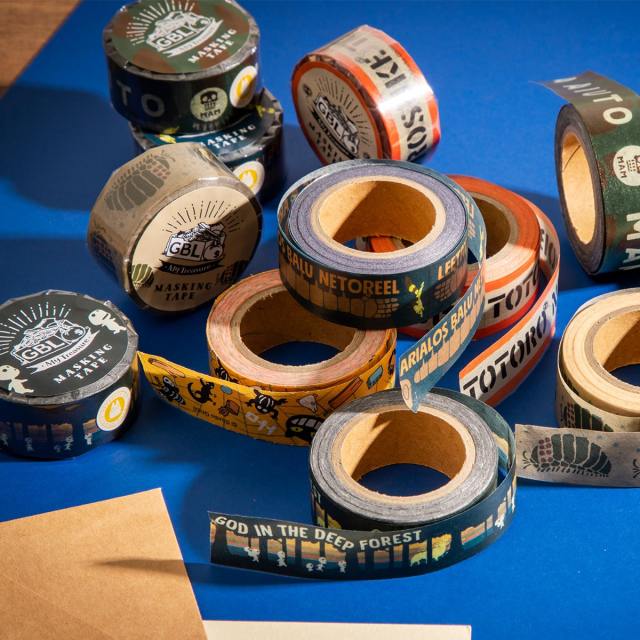
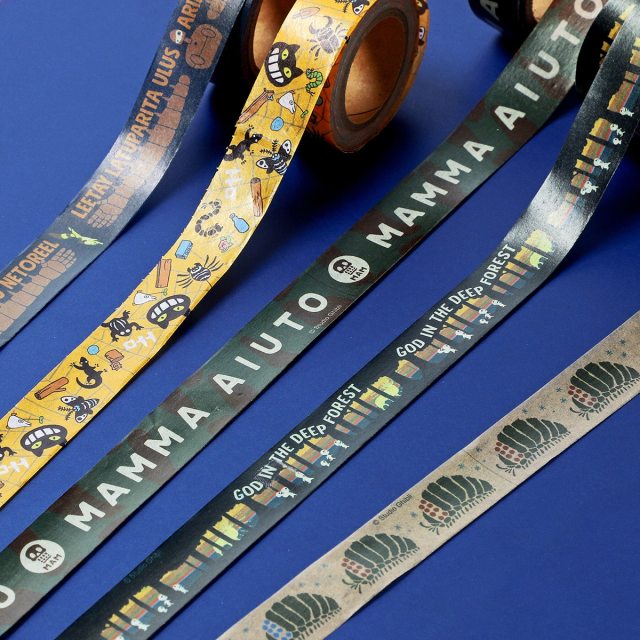
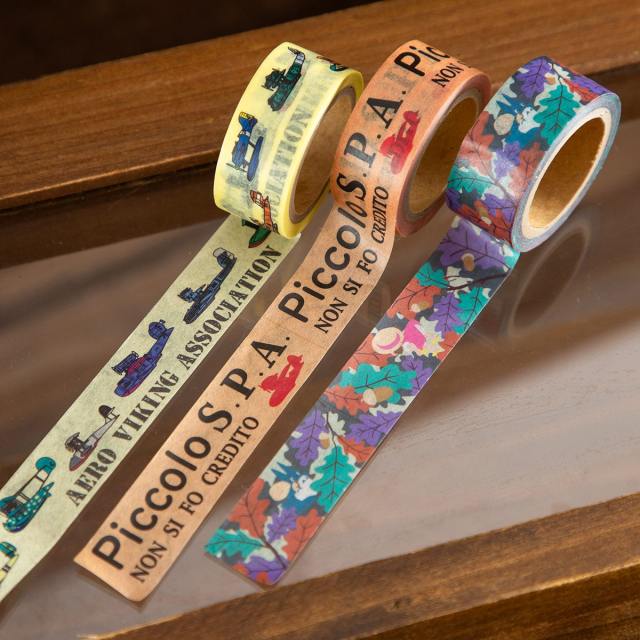
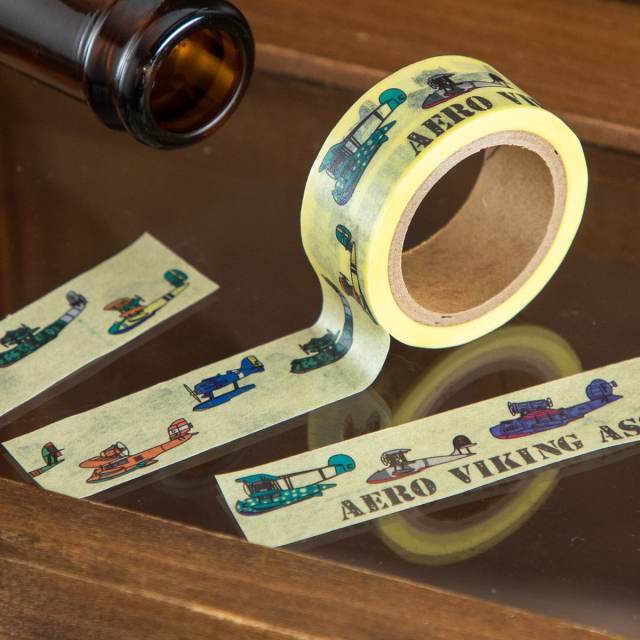
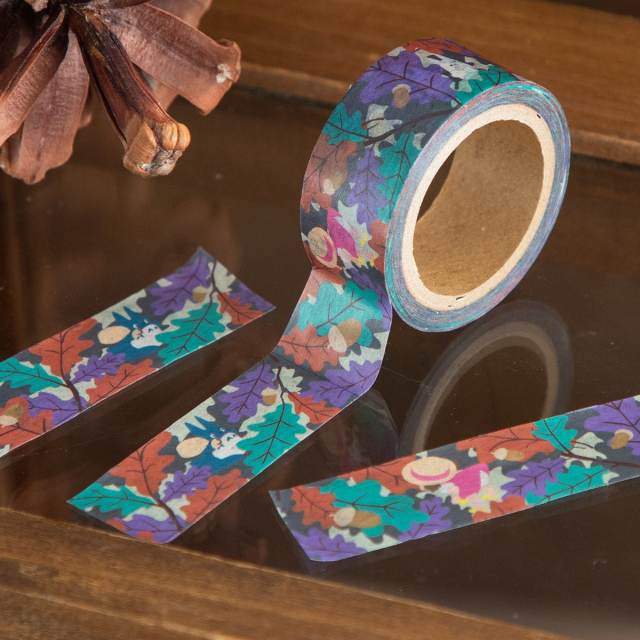
▼ Each tape features memorable scenes and motifs from various Ghibli films.

▼ The latest releases adds three new designs to the range, with two dedicated to Porco Rosso and one to My Neighbour Totoro.

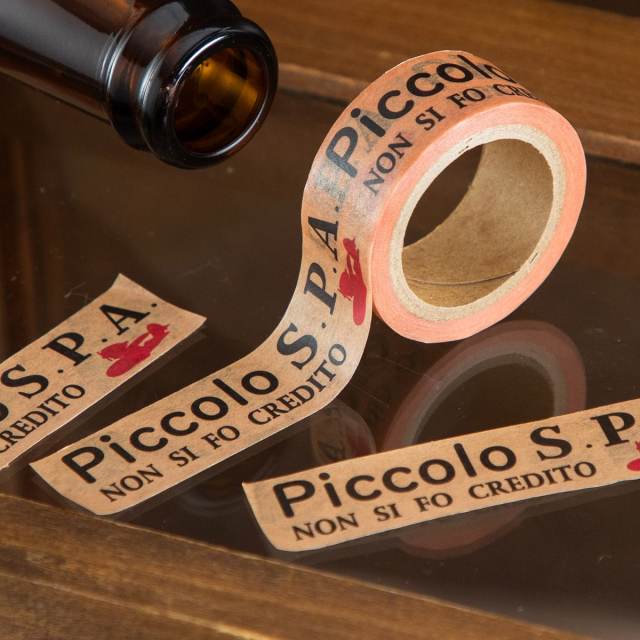
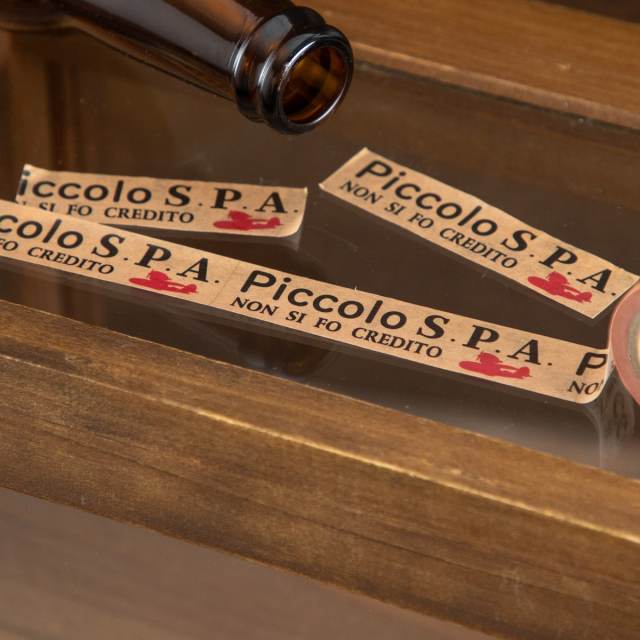
Porco Rosso: Piccolo S.P.A.

This cool design features the logo of Piccolo S.P.A., the long-established seaplane manufacturer where star character Porco takes his beloved aircraft for repairs. It’s a subtle choice that captures the look of a vintage aviation brand while looking stylishly modern at the same time.

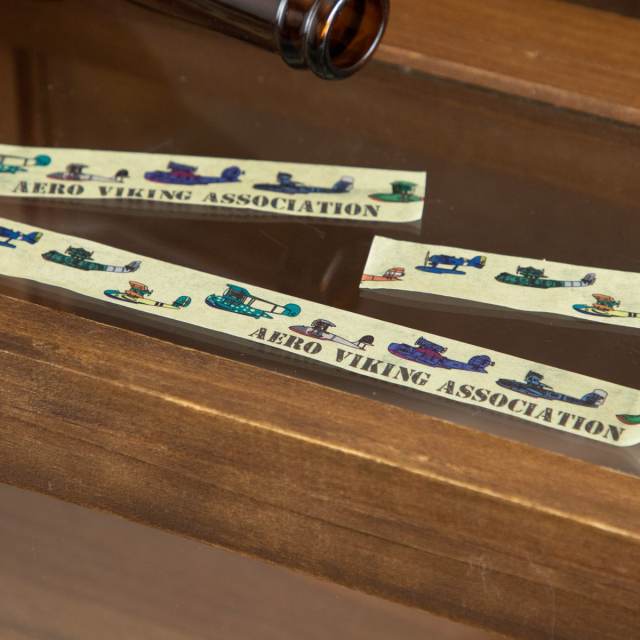
Porco Rosso: Air Pirate Alliance

Featuring the colourful “flying boats” of the air pirate gangs from Porco Rosso, this lively design has the Dabohaze aircraft leading the formation, with Curtis coming up the rear.

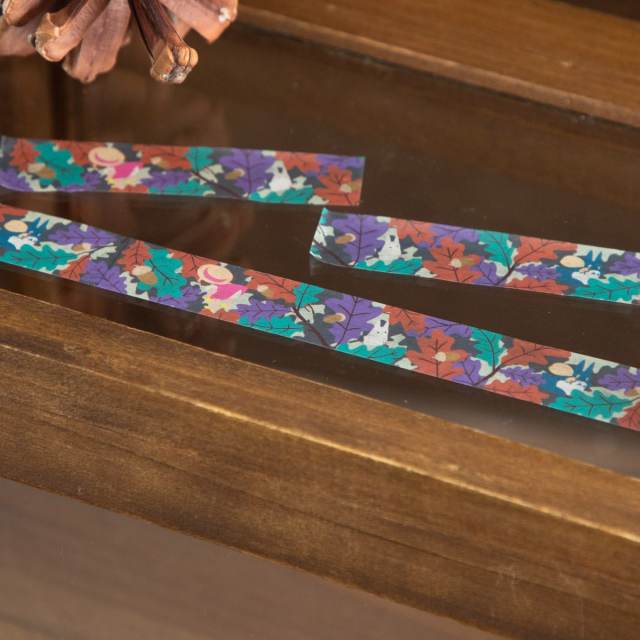
My Neighbour Totoro: Hide-and-Seek

Star character Mei, in her distinctive straw hat, races through colourful leaves as she chases after the Little Totoro and Medium Totoro in this playful woodland design, perfectly capturing one of the film’s most heartwarming moments.

Each roll measures 1.8 centimetres (0.7 inches) wide and 7 metres (276 inches) long, making them ideal for all sorts of sticky situations. All three tapes can be purchased at Donguri Kyowakoku stores and online (links below) for 495 yen (US$3.35) each while stocks last.

Source: Donguri Kyowakoku
Featured image: Donguri Kyowakoku
Insert
images: Donguri Kyowakoku (1, 2, 3)
● Want to hear about SoraNews24’s latest articles as soon as they’re published? Follow us on Facebook and Twitter!


Credit:
0 comments:

7-Eleven Japan now offering baked-in-store pizza by the slice with two very different topping sets

19:13 cherishe 0 Comments

7-Eleven will finally let you buy baked-in-store pizza without making you buy a whole pizza.

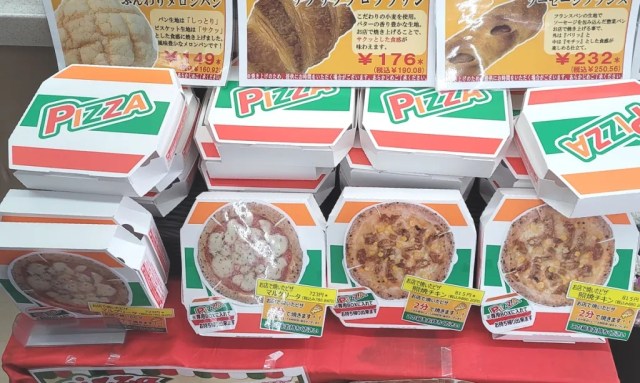
When 7-Eleven Japan announced that they were going to start selling cooked-in-store pizza, it felt like both a no-brainer and a head-scratcher. Let’s start with the first half of that. 7-Eleven Japan has a reputation for excellent food quality, and through their Seven Cafe Bakery System, they already offer a variety of items that are baked in the store, such as melon bread, curry bread, croissants, and cookies. So since they’ve already got the equipment necessary for baking, why not bake pizzas too?

Now we come to the head-scratcher part, though, which was that if you wanted some 7-Eleven pizza, they made you buy a whole pizza. Granted, it wasn’t a particularly huge pizza, but still, you had to purchase the entire thing.

▼ 7-Eleven Japan pizzas, one of which provided us with the materials for a very tasty taste test.

But isn’t one of the major appeals of a convenience store the ability to pop in and pick up a perfectly sized snack for yourself? Pizza cravings don’t always wait until we’re hungry enough to eat a whole pie, and when they do hit, we’re often not strong enough to resist them until we can put together a team to share a whole pizza with either. When your stomach is saying “I want a slice of pizza,” your heart knows that it’s a request that should be granted with all haste, and so we’re happy to report that 7-Eleven Japan is now, finally, selling baked-in-store pizza by the slice.

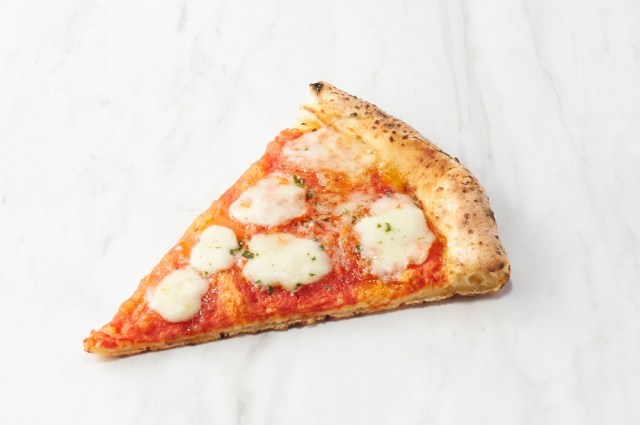
As of July 28, 7-Eleven Japan is offering two different types of pizza by the slice, occupying what you could say are two opposite ends on the spectrum of traditionalism. Pictured above is their Margherita, a classical creating what 7-Eleven calls “an exquisite balance” between the flavors of its mozzarella cheese, tomato, and basil.

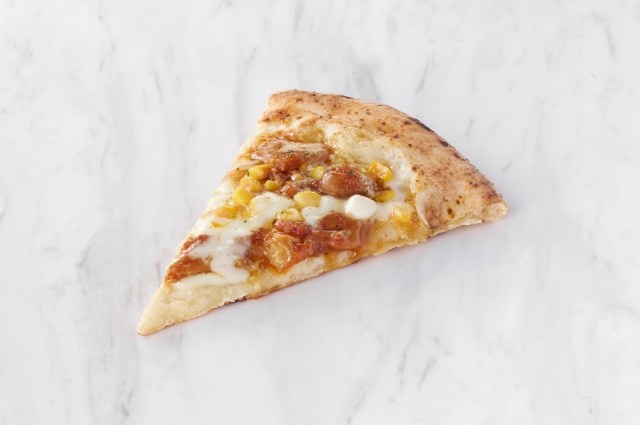
On the other hand, those craving a more localized and contemporarily creative combination of toppings can opt for the teriyaki chicken pizza, which in addition to Japan cuisine’s representative sauce also has rich mayo. 7-Eleven’s preview photo also pretty clearly shows kernels of corn, which aren’t mentioned in the company’s official announcement, but this is Japan, after all, where it’s pretty much always a good idea to be prepared for possible corn on your pizza.

The Margherita is priced at 270 yen (US$1.65) per slice, while the teriyaki chicken is just a touch more, at 290 yen.

Pizza by the slice is being introduced gradually at individual branches, but has begun showing up in 7-Eleven stores in the Kanto, Tohoku, and Hokuriku regions of Japan, along with Hokkaido and Niigata Prefectures, as of July 28. It’ll be coming to the Tokai, Kinki, Chugoku, Shikoku, and Kyushu areas, plus Yamanashi, Nagano, and Okinawa Prefectures, starting August 11.

Source: 7-Eleven Japan via Impress Watch
Top image: SoraNews24
Insert images: SoraNews24, 7-Eleven Japan
● Want to hear about SoraNews24’s latest articles as soon as they’re published? Follow us on Facebook and Twitter!


Credit:
0 comments:

Okayama man arrested for catching butterflies in central Japan

11:13 cherishe 0 Comments

It’s becoming a regular Gotham City out there.

Things just aren’t the way they used to be in Japan. It wasn’t too long ago that it used to be safe for a butterfly to flutter by down the street without worrying about being kidnapped and killed. Now, with all these kids getting corrupted by the likes of National Geographic, Jean-Henri Fabre, and possibly rap music, insects have to constantly live in fear of being skewered and put on display by some insecticidal collector.

Luckily, police are stepping in to protect our six-legged friends, starting with the arrest of a 55-year-old man in Okayama for catching butterflies. These weren’t just any old butterflies, however; they were the rare Kohyomon Modoki (Mellicta ambigua niphona), found in northeast China, South Korea, and in some parts of central Japan.

▼ The best way to capture a Kohyomon Modoki is on video.

Their numbers have been steadily decreasing due to loss of habitat and they were put on the endangered list in 2023. One of the few remaining places to find them is Norikura Kogen, a resort located near the Kita Alps in Nagano Prefecture. It would seem the locals there are very protective of their butterflies because the Ministry of the Environment quickly began receiving reports of someone attempting to capture their Kohyomon Modoki.

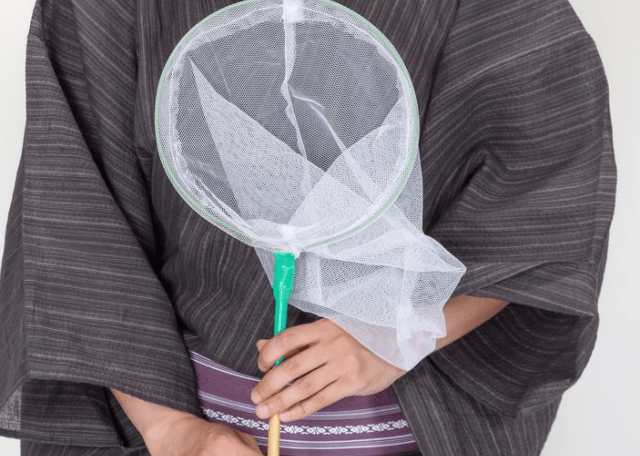
Local police were put on alert and on 21 July spotted a suspicious person carrying an insect net. He was promptly arrested on suspicion of violating the Act on Conservation of Endangered Species of Wild Fauna and Flora. The suspect admitted to the charges, saying: “I knew I wasn’t supposed to catch them, but I wanted to because they’re rare butterflies.”

Online comments felt that the fact he knew about the butterflies’ situation made his crime more serious. On the other hand, others questioned whether people like him are the real threat to wildlife that we should be worried about.

“It’s one thing if a child caught it by accident, but this person knew what he was doing.”
“These creatures spend years underground and beat the odds by avoiding predators, only to get caught by a human before they can reproduce.”
“He was trying to catch and got caught himself.”
“I saw an old guy swinging a net around Mt. Ontake, too.”
“That person clearly knew what they were doing.”
“The decline of this butterfly is due to the environment. The population won’t shrink just because a few people catch them in nets. If we want them to survive, we need to protect their habitat.”
“Funny how catching a single specimen makes the news but the widespread destruction of their environment that made them endangered in the first place doesn’t.”

The suspect in this case faces punishment in the form of up to five years in prison or a maximum fine of five million yen (US$30,000). More severe penalties are likely reserved for those intending to traffic and profit from the capture of endangered species, but given this man’s clear knowledge of the butterfly’s rarity, that’s not out of the question either and is currently pending investigation.

However, some of those comments made an astute point that we often go after and punish those who interfere with endangered species, but rarely do you ever hear of anyone being held accountable for a species becoming endangered in the first place.

Source: TBS News Dig, Yahoo! Japan News
Image: Pakutaso
● Want to hear about SoraNews24’s latest articles as soon as they’re published? Follow us on Facebook and Twitter!


Credit:
0 comments:

Sanrio’s newest item looks like dog butt, exactly like it’s supposed to [Photos]

22:13 cherishe 0 Comments

If you’ve ever wanted to take a nap while burying your face in Pompompurin’s butthole, this is the cushion you’ve been waiting for.

You can make a strong argument that no other company on the planet understands the value of good visual design as well as Sanrio does. Hello Kitty and her friends largely flipped the script on character merchandising, in that instead of starting with extensive narratives in animation, books, or other media, Sanrio characters tend to debut as merchandise and build their initial, fundamental fanbases based on their visual atmosphere, with the characters who prove to be the most popular then going on to have their personalities and storylines fleshed out in Netflix series, crossovers with violent sci-fi war epics, and the like.

So it might be surprising, maybe even disappointing, to learn that the appearance of the latest creation from Sanrio’s designers can be described as “total dog but,” or even “complete canine anus,” if you’re in the mood for alliteration and ass-related assonance. However, this isn’t a swing and a miss by Sanrio’s designers, as all of that is by design, because this isn’t just any dog butt we’re talking about here, but Pompompurin’s butt.

You could make an argument that, following back-to-back wins in the Sanrio Character Ranking election, Pompompurin has become as much the face of Sanrio as Hello Kitty is. You could make an even stronger argument, though, that Pompompurin is the butt of Sanrio, since depictions of the roly-poly golden retriever make consistently sure to include a prominent display of his butthole, or “the mark of his bottom,” as it’s euphemistically described. Many Japanese artists also make a point of depicting the buttholes of shiba inu in illustration, but in Pompompurin’s case it’s considered a critical part of his character design, with fans going so far as to consider it his “charm point,” so it’s got to be there, even sometimes when it means defying physics.

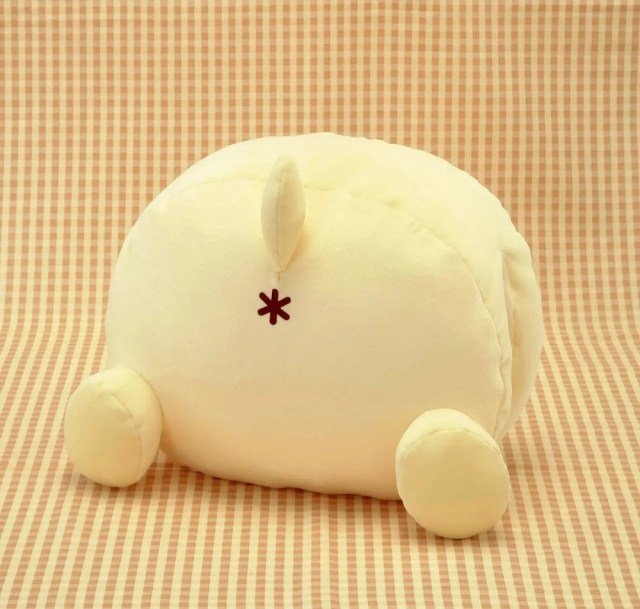
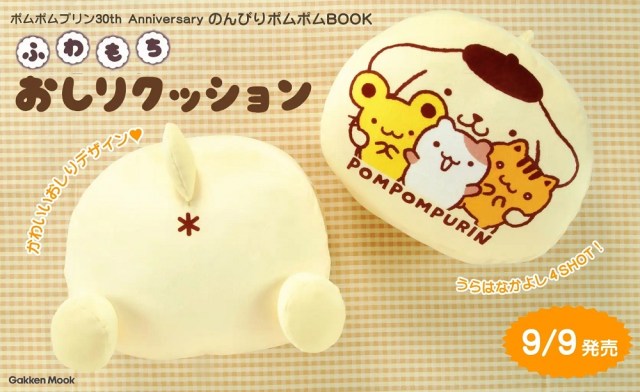
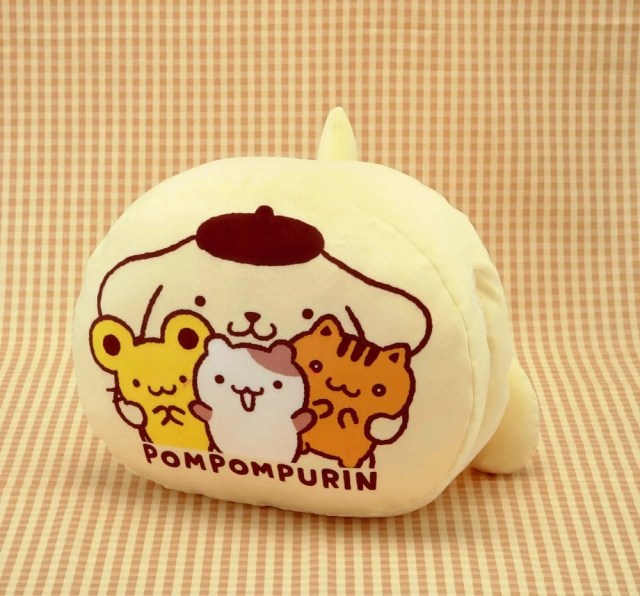
So when the time came to create the plush cushion that’s being included as an extra with the upcoming Pompompurin 30th Anniversary Nonbiri Pompom Book, the designers made the mark of his bottom the top priority. On the contoured side of the cushion, you can see Pompompurin’s hind feet and tail, but most importantly, the asterisk-shaped orifice. Flip the cushion around, and you’ll see Pompompurin with pals Muffin, Scone, and Bagel, but the fact that they’re just flat illustrations drives home how the backside is meant to be considered the primary side of this cushion.

You might have noticed that there are openings on either side of the cushion, and they allow you to pass your arms all the way through. Not only does this let you squeeze the cushion reassuringly tightly, it also means you can set it down on a desk or table and use it as a nap pillow. Yes, this will mean burying your face into Pompompurin’s butt, and the designers are well aware of that, including the invitation “Won’t you rest for a while with this cute butt?”

Further demonstrating the power of Pompompurin’s posterior, pre-orders for the Pompompurin 30th Anniversary Nonbiri Pompom Book with Soft and Squeezy Butt Cushion have already opened despite there being no solid information on what the book itself will contain. Then again, with the entire book being only 16 pages long, it’s not likely to be anything more than a few photo spreads and maybe a special thank-you message or two to fans, so really, this was always all about the butt.

The Pompompurin 30th Anniversary Nonbiri Pompom Book with Soft and Squeezy Butt Cushion is priced at 4,180 yen (US$26) and can be ordered through Amazon Japan here and Rakuten here, with shipping slated for September 9.

Source, images: PR Times
● Want to hear about SoraNews24’s latest articles as soon as they’re published? Follow us on Facebook and Twitter!


Credit:
0 comments: