What’s it like to eat an enormous panda onigiri rice ball that weighs over two pounds?
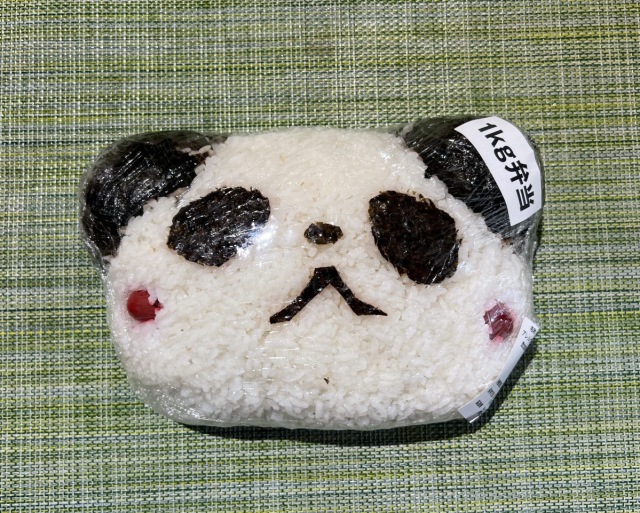
This cute animal comes with four different surprise fillings.

The other day, our Japanese-language reporter Yuuichiro Wasai was taking a walk around the Ueno/Okachimachi area near his apartment in Tokyo when he was suddenly distracted by a flurry of movement as people rushed towards a nearby bento shop.

Being the intrepid reporter he is, Yuuichiro immediately headed over to see what all the fuss was about, and as soon as he laid eyes on what everyone was looking at, he understood the reason for the commotion.
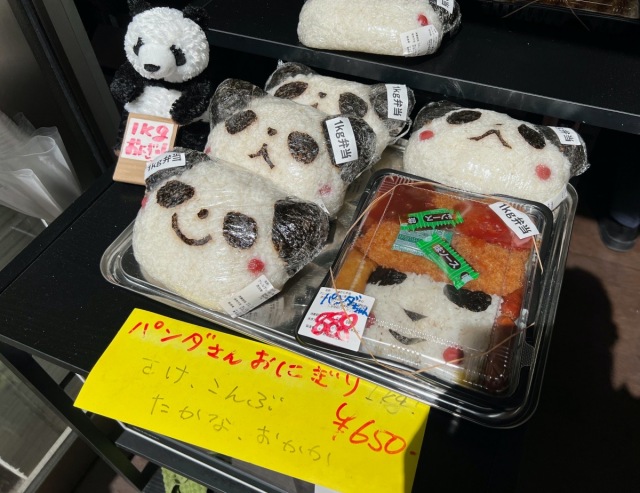
That’s right — this place sold onigiri rice balls that looked like nothing anyone there had ever seen before. The onigiri had been handmade to look like adorable pandas and, like the animals themselves, these had some weight to them, as each one tipped the scales at a whopping one kilogram (2.2 pounds).

Yuuichiro wasted no time in picking up one of the enormous rice balls, joining the other customers in line as they bought theirs as well, with everyone happily handing over 650 yen (US$5.34) for the panda experience.

When Yuuichiro stepped out of the shop, he had to turn around to find out what the store was called, as he’d missed that detail during the commotion.
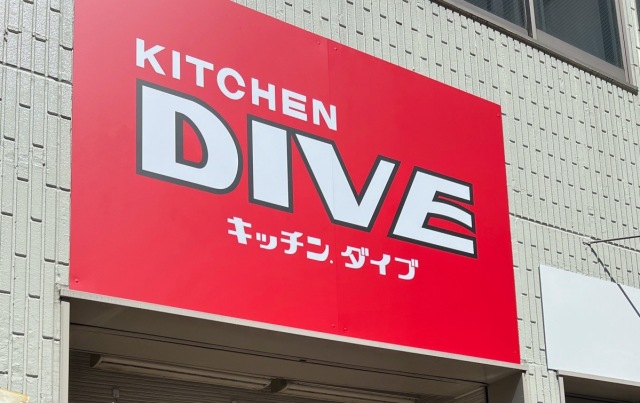
Kitchen Dive is a 24-hour bento shop that has a bit of a reputation for massive rice balls. However, this was the first time Yuuichiro had ever seen them come out with a panda rice ball. Pandas are a common theme in the area, though, as it’s close to Ueno Zoo, which is famous throughout Japan for its panda residents, including a baby born in 2018.

▼ Yuuichiro’s panda was no baby in the onigiri world, because…well, just take a look at it! It’s as big as his face!
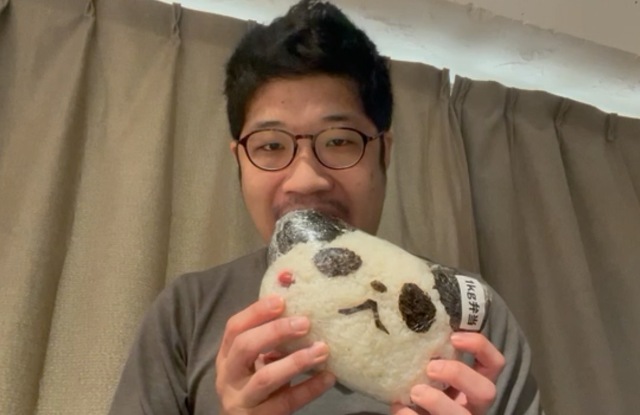
Much larger than an ordinary rice ball, which weighs around 100 grams (3.5 ounces), this meal would be like eating ten rice balls in one sitting.
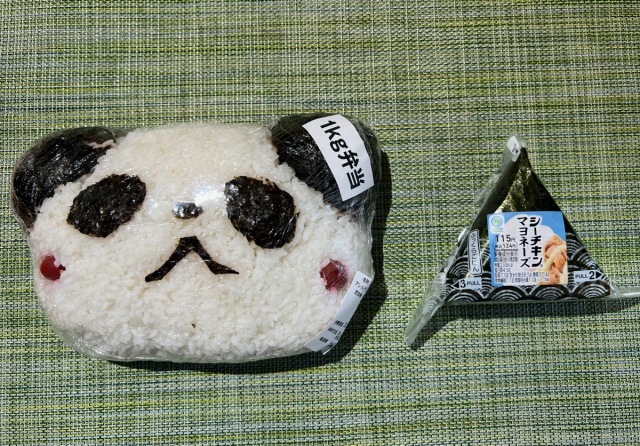
As Yuuichiro stared into the panda’s big seaweed eyes, he began to feel as if it he’d brought home an adorable pet. He quickly shrugged that thought off, though, because both he and the panda knew what was coming next, and it wasn’t going to be pretty.

▼ Yuuichiro unwrapped the panda, popped it on a plate, and then heated it in the microwave.
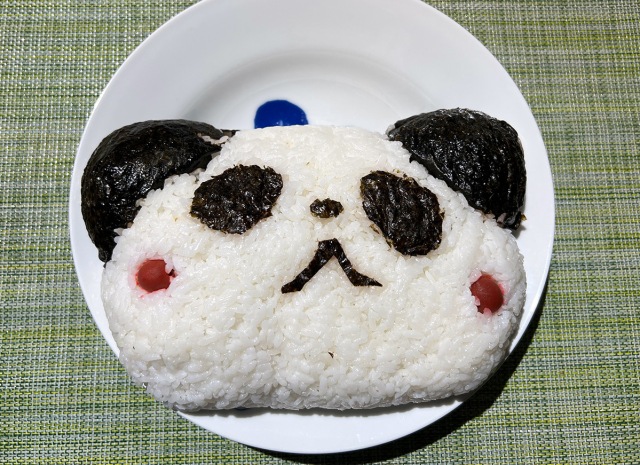
Unsure of what the correct etiquette would be for eating a panda rice ball, Yuuichiro decided to start off gently, easing the side of his chopsticks down through one of its fluffy rice ears.
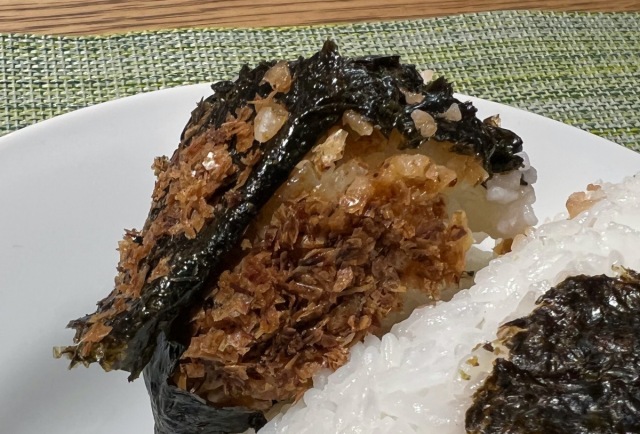
This ended up revealing a filling of katsuobushi (dried, smoked bonito), which was a lovely surprise. Yuuichiro decided to try the other ear to see what it had hiding inside, and he was excited to find that it too, was filled with katsuobushi!
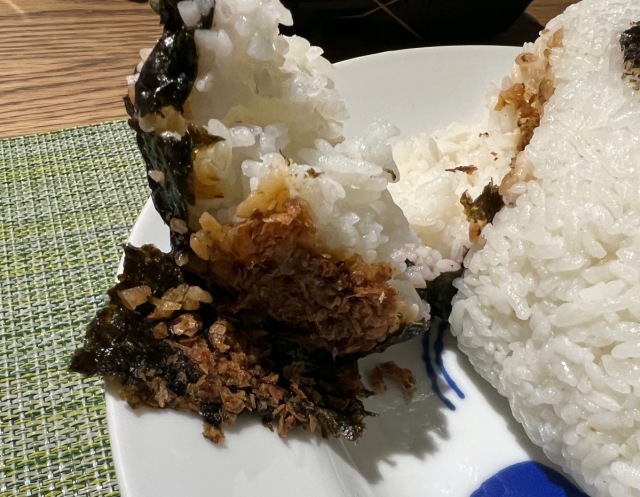
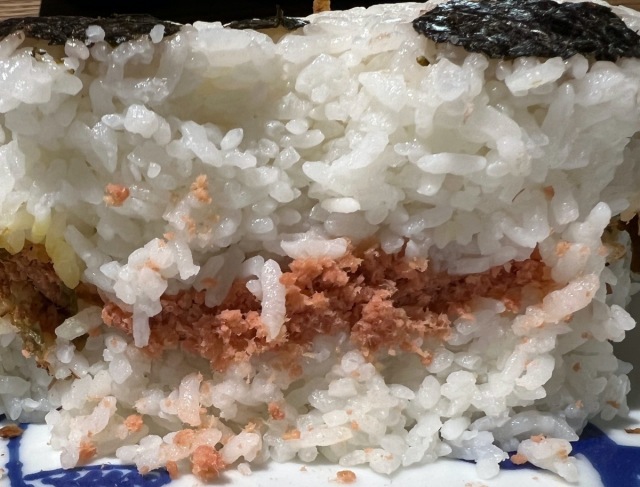
Avoiding the poor panda’s gaze, Yuuichiro turned his head as he split the face in two from top to bottom, which revealed…

▼ …salmon flakes!
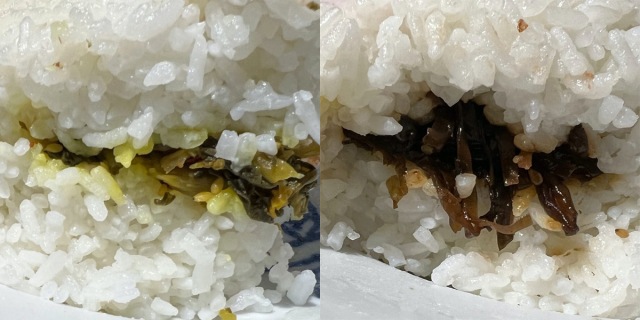
Poking around further, our reporter discovered mustard greens inside the panda’s cheeks (left, below), and konbu (right) around its neck area.
Yuuichiro was suitably impressed with everything this panda had to offer, and the variety of fillings it contained made every bite of the rice ball an exciting adventure.
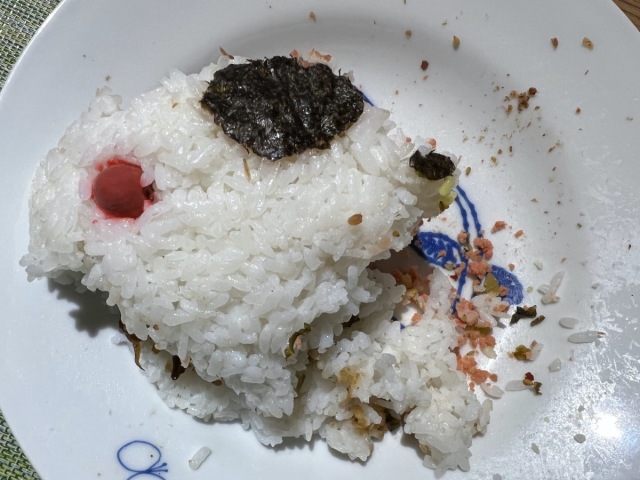
As he felt himself becoming full, Yuuichiro suddenly had the bright idea to pour a little hot water over it all to turn it into a meal of ochazuke.
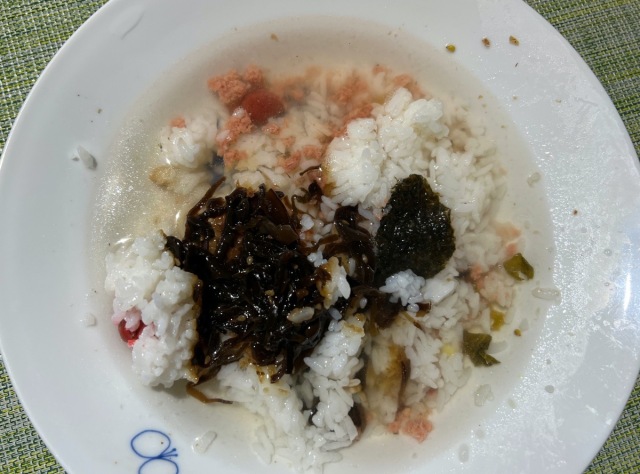
Sure, it wasn’t pretty, but it tasted great! It was beautifully warm and full of flavour, and Yuuichiro managed to consume the whole thing without feeling too guilty about it all. He did feel like lying back in the sunshine and munching on a bamboo leaf afterwards, which may or may not have been due to the panda now in his belly.

EIether way, Yuuichiro highly recommends giving it a try the next time you find yourself in the Ueno neighbourhood!

Store Information

Kitchen Dive Okachimachi Store / キッチン DIVE 御徒町店
Address: Tokyo-to, Taito-ku, Ueno 6-2-1
東京都台東区上野6-2-1

Photos ©SoraNews24
● Want to hear about SoraNews24’s latest articles as soon as they’re published? Follow us on Facebook and Twitter!


Credit:
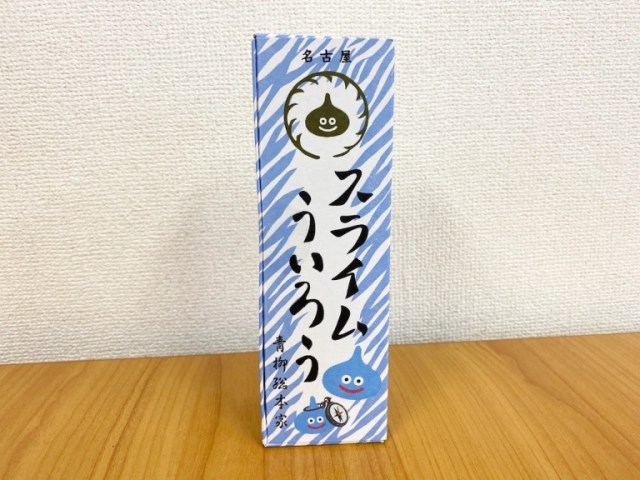
Japan’s new old-school Dragon Quest sweets are Slime-like in more ways than one【Taste test】

Maybe we should have been eating Slimes instead of fighting them all this time.

The appeal of mobile game Dragon Quest Walk is how it blends the real world with the Dragon Quest one, with special missions that players can complete by walking around real-world locations using their phone’s GPS function. Of course, while you’ll see fantasy monsters from the beloved game series appearing on your phone’s screen, Dragon Quest Walk can’t make the creatures actually appear in the real world…except for special exceptions like the one we’re looking at today.

Dragon Quest Walk occasionally teams up with local confectioners to highlight their community’s special regional snack souvenirs. The latest partnership is with Aoyagi, a maker of uiro from Nagoya.

Uiro is a kind of mochi, but it’s also sometimes called “Japanese rice jelly,” since it’s a particularly soft and quivery type of rice cake. Of course, since we’re already talking about Dragon Quest, odds are as soon as we said “soft and quivery” you got a mental image of a Slime, and yep, Aoyagi is now offering Dragon Quest Slime Uiro.

These things went on sale on March 12, and they weren’t easy to come by. We were emotionally ready to make our purchase on Day 1, but the heavy traffic to Aoyagi’s online store made it hard to access, and the whole day’s stock was sold out in five minutes. We got lucky on Day 2, though, and after two weeks’ wait for our order to be filled and shipped, it arrived.

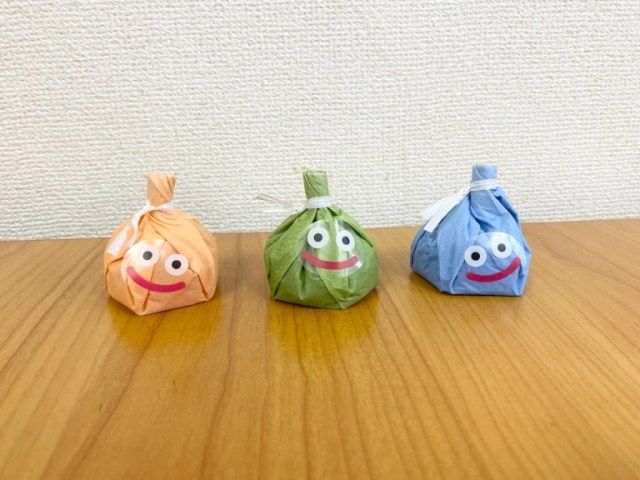
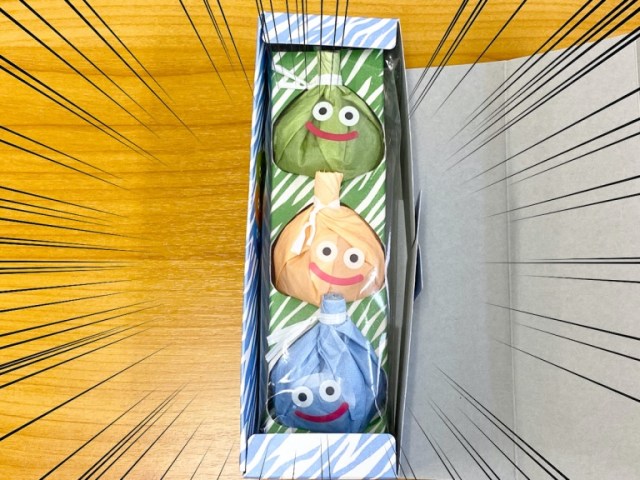
The uiro Slimes come three to a pack for 864 yen (US$7). As fans can guess, the different colors aren’t just cosmetic differences, as Slimes’ sub-species have their own special powers depending on their hue.

The standard blue Slime is the standard uiro sweet mochi flavor. The orange She-Slime, meanwhile, has the taste of mikan (mandarin orange), and the green Slime, called a Lime Slime in the games, is, surprisingly, actually kiwi-flavored.

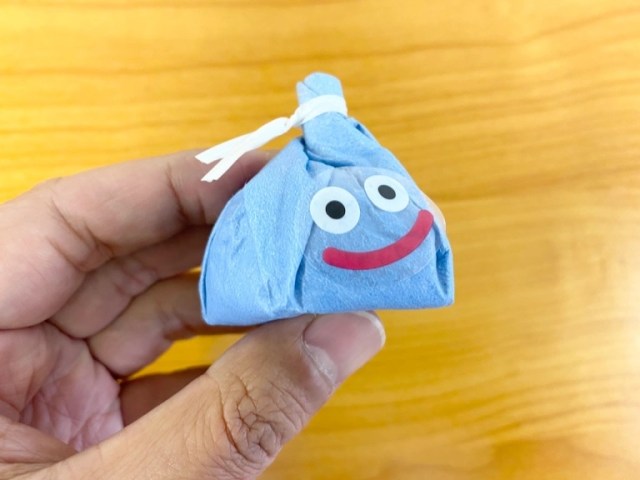
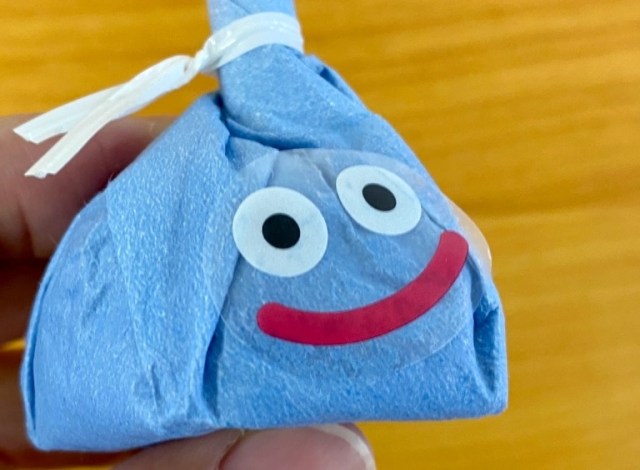
▼ The adorable Slime face is actually a sticker applied to the uiro’s wrapping.

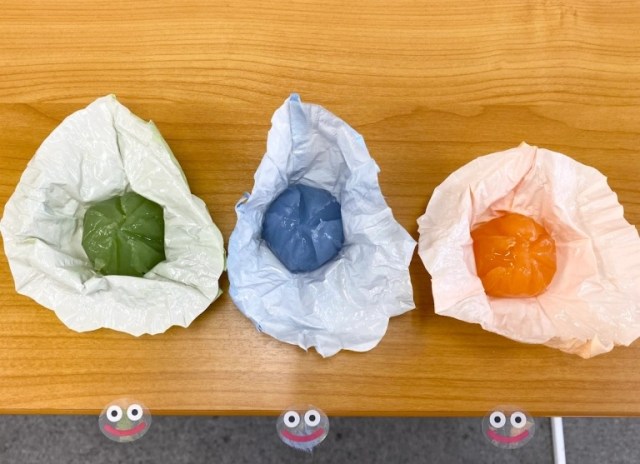
Opening the paper covering for the uiro doesn’t make them look any less like Slimes.

As for how they taste, they’re delicious. Aoyagi has been in business since the 12th year of Japan’s Meiji period, which works out to 1879, so they know a thing or two about making tasty desserts. However, that long history also ties in to another important point, which is that uiro, as a very traditional Japanese dessert, isn’t super-sweet by modern standards. It’s a mature, sophisticated sweetness, not cloying or sugar rush-inducing. That does, though, make it a near-perfect snack to leisurely enjoy while sipping a cup of green tea, and since it doesn’t scream “CANDY!” to your taste buds, the more low-key, natural-seeming sweetness really does make it feel like you’re actually eating a Slime, you could say.

As with previous Dragon Quest walk tie-up sweets, there are ways to earn free Slime uiro by completing in-game missions, but you can also skip the quests and order them online here.

Photos ©SoraNews24
● Want to hear about SoraNews24’s latest articles as soon as they’re published? Follow us on Facebook and Twitter!


Credit:
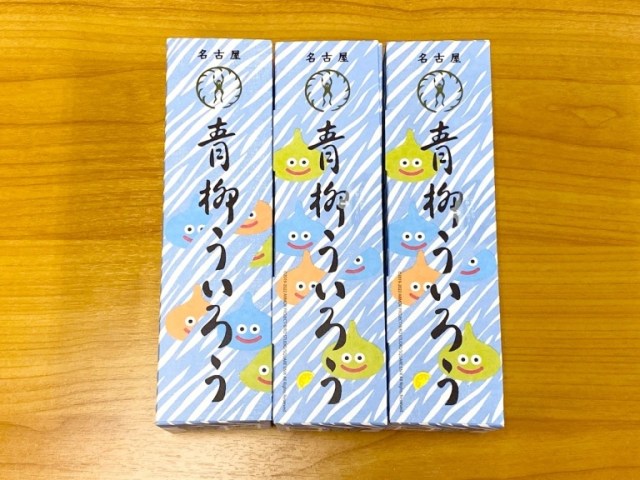
Amazon Japan’s lowest-rated beckoning cat good luck charm is full of lies, might be cursed【Pics】

Super-buff golden cat seemingly signals dark times ahead for our unlucky reporter.

Beckoning cats, or maneki neko, as they’re called in Japanese, are supposed to usher good fortune into your life (that’s why they’ve got one paw raised, mimicking the gesture people in Japan use to mean “come here”). The idea is that you put a beckoning cat statue near the entryway to your home or business, and it brings good people into your life or profitable customers into your shop, restaurant, or company.

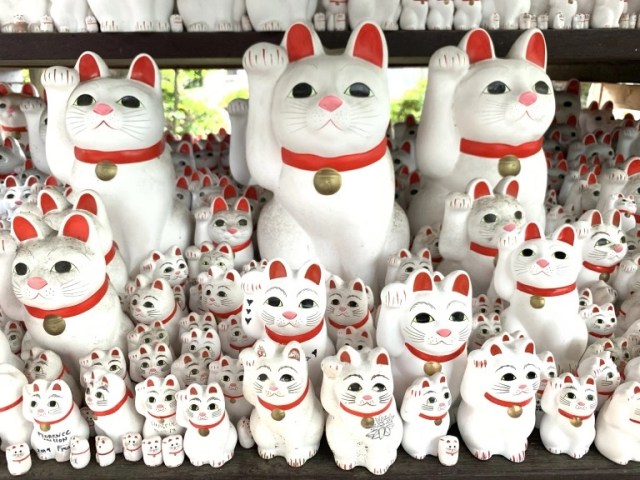
▼ Beckoning cats at Gotokuji Temple in Tokyo

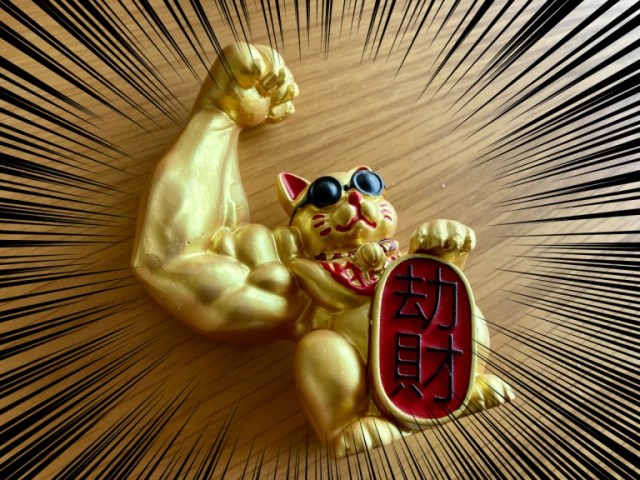
Since they’re popular good luck charms, Amazon Japan has more than 40,000 maneki neko listings. The very worst is one called (deep breath): Startist Giant Cat Ornament Muscle Giant Arm Feng Shui Fortune Sculpture Waving Arm Fortune Wealth Welcome Store Opening Decoration Collection Left Robbery.

Priced at 1,570 yen (US$13), the SGCOMGAFSFSWAFWWSODCLR is what came up when our reporter Masanuki Sunakoma sorted his maneki neko search results by average review score and looked at the bottom of the list. Masanuki still had hope for it, though. Currently the SGCOMGAFSFSWAFWWSODCLR has only one review, and it’s from an unsatisfied customer who says that when it arrived the arm was broken. That might have happened during shipping, as opposed to indicating any fundamental problem with the item itself.

Masanuki was sort of concerned about buying something with “robbery” in its name, but he figured the “Left Robbery” part was just a clunky translation trying to describe how the figure, shown on its product page with its left arm raised, would be using that arm to powerfully draw in good luck for its owner.

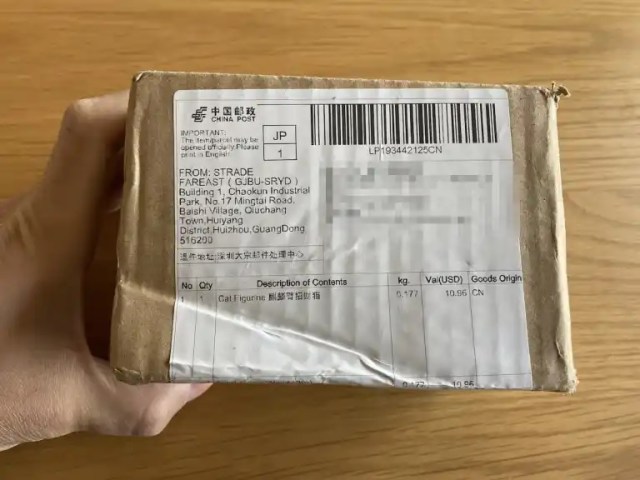
So Masanuki, fresh off being pleasantly surprised by the quality of Amazon Japan’s lowest-rated portable bathtub, took the plunge and placed his order. A few days later, his package arrived…

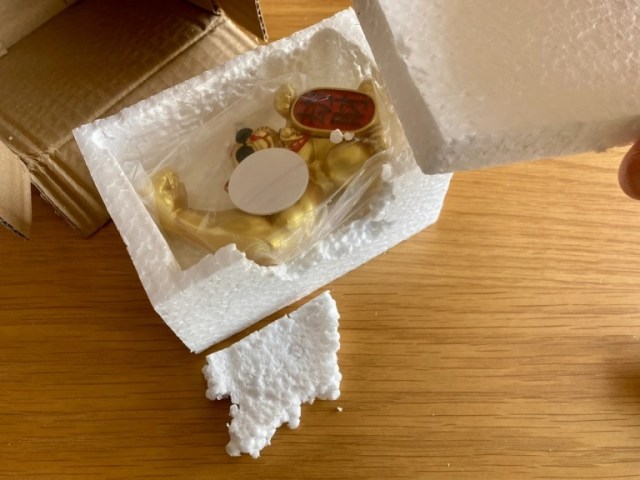
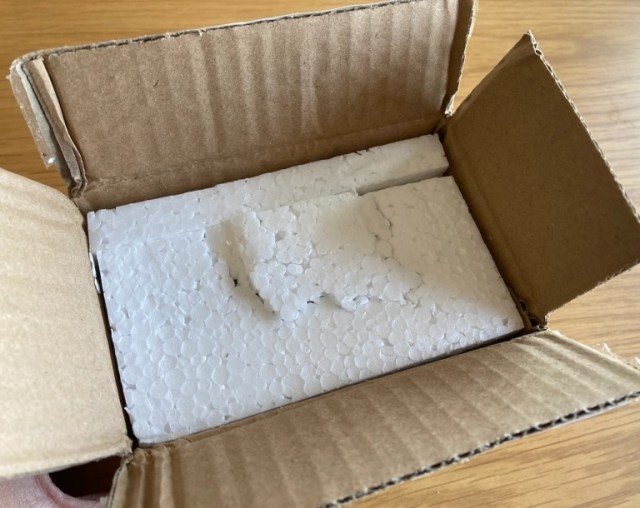
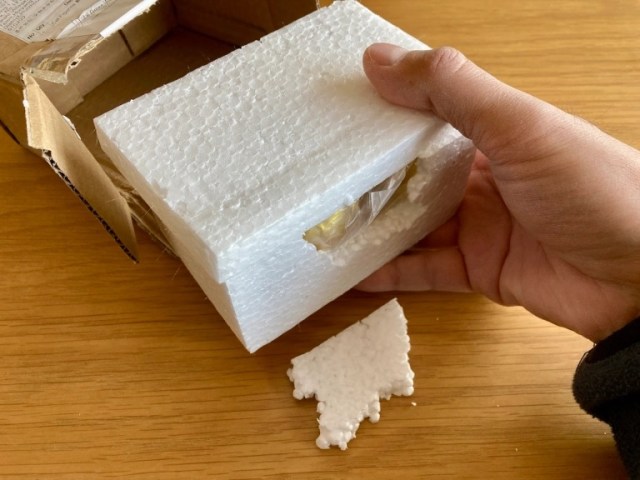
and things got off to an ominous start, with a large chunk broken out of the inner styrofoam protective packaging.

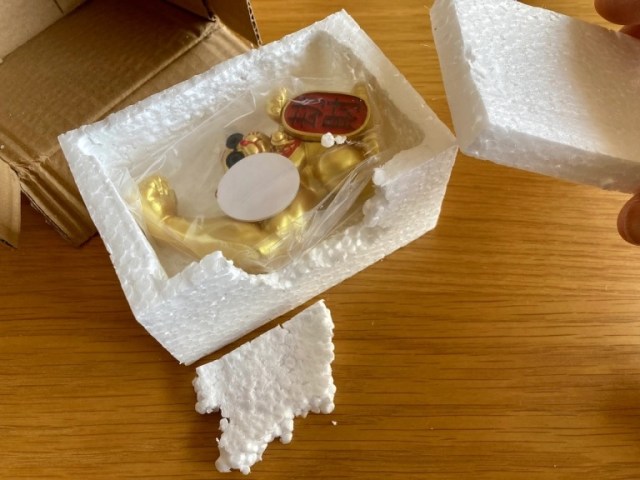
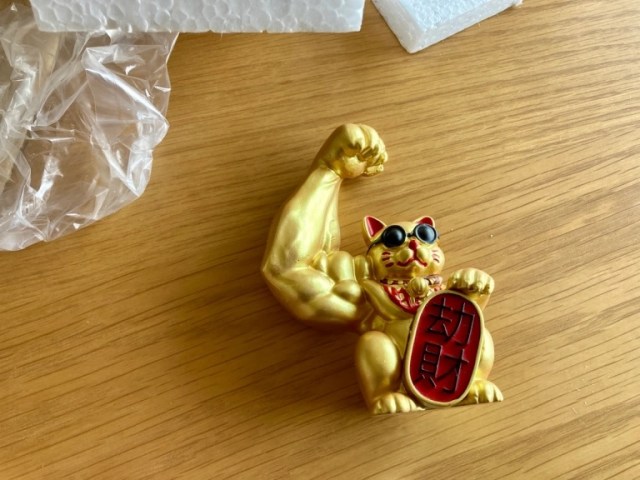
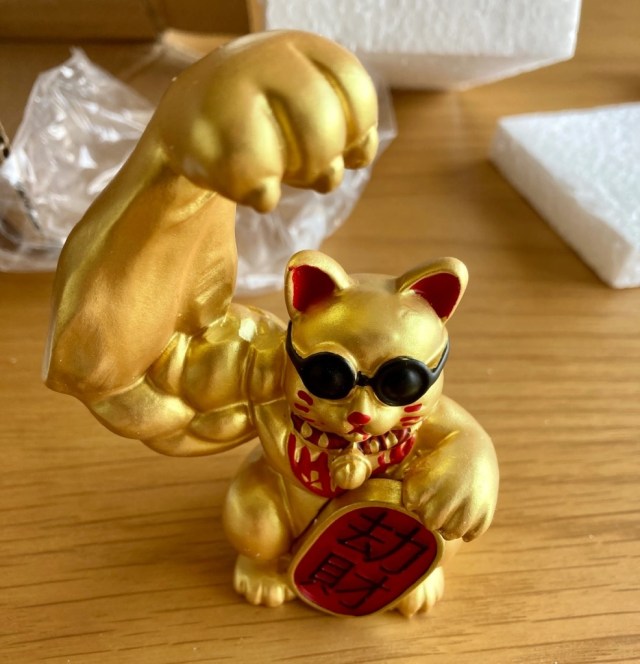
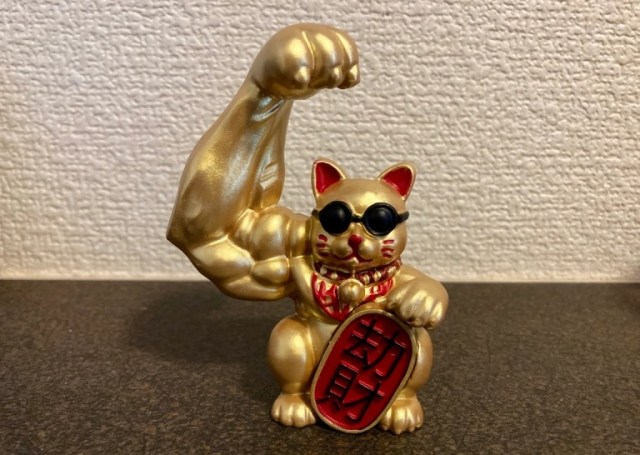
Thankfully, the beckoning cat itself was intact and unharmed, and unlike the Amazon reviewer’s, Masanuki’s cat’s arm was in perfect condition…and yet, there was something very, very wrong with it.

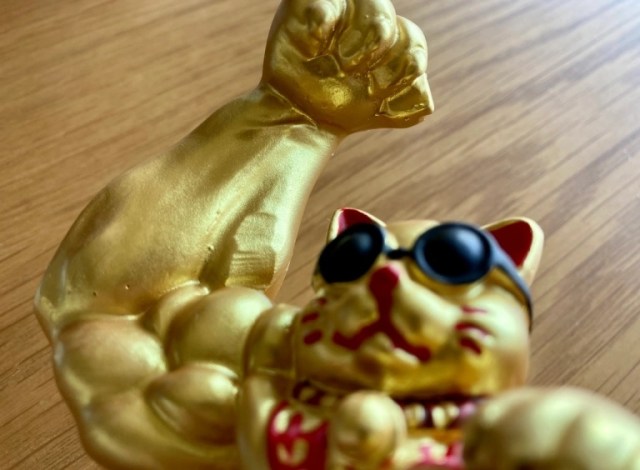
The problem isn’t the rippling musculature. That matches what was shown in the photos on the Amazon product page, so Masanuki knew to expect a cat that was buff, not cute or realistic. No, the problem is that despite being called the “Left Robbery” and having its left arm raised in the Amazon photos, the SGCOMGAFSFSWAFWWSODCLR that had been shipped to Masanuki…

…has its right arm raised!

This might not seem like a big deal, since in Japan you’ll see both maneki neko with their left arm up and others with their right. However, many people believe that maneki neko provide different types of good luck depending on which paw is raised. A raised left paw is supposed to bring good personal relationships into your life, while a raised right arm is said to provide wealth and economic success.

Now, skeptics might dismiss all that as silly superstition. Skeptics aren’t the people buying good luck charms, though, so this seemed like a pretty grievous mistake to Masanuki, and it wasn’t the only problem with his SGCOMGAFSFSWAFWWSODCLR. According to its description on Amazon, “The figure’s arm sways back and forth, symbolizing wealth happiness, and happiness,” (yes, they mention “happiness” twice), but the SGCOMGAFSFSWAFWWSODCLR’s arm is fixed solidly in place, with no articulation points whatsoever.

▼ Maybe, like a lot of extreme bodybuilders, it lost flexibility as it added muscle mass?

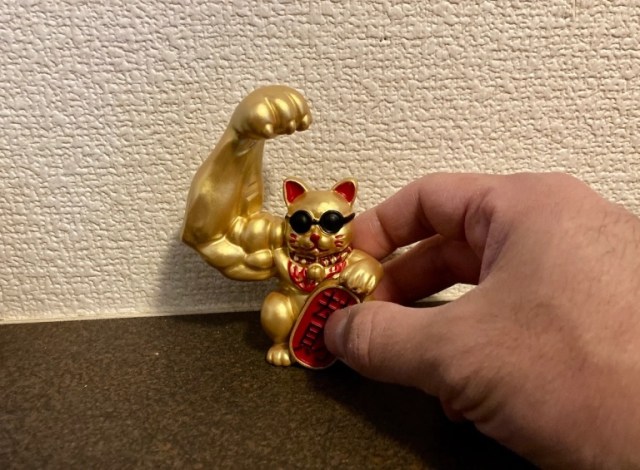
Problem #3: Despite being called “Giant Cat,” the SGCOMGAFSFSWAFWWSODCLR is pretty tiny.

▼ No, Mananuki does not have giant-sized hands.

Masanuki couldn’t help feeling disappointed. He’d wanted a giant maneki neko with a moving left arm to bring him good luck in his personal life, but now he had a small one with its right paw locked in place above its head. Still, some extra luck with money is never a bad thing, so he decided to set it out on a ledge in his entryway and let it do its thing. If he woke up in the morning and discovered he’d become a millionaire overnight, all would be forgiven.

When his alarm went off, though, Masanuki’s bank account was the same as it had been the night before. What had changed, though, was his SGCOMGAFSFSWAFWWSODCLR.

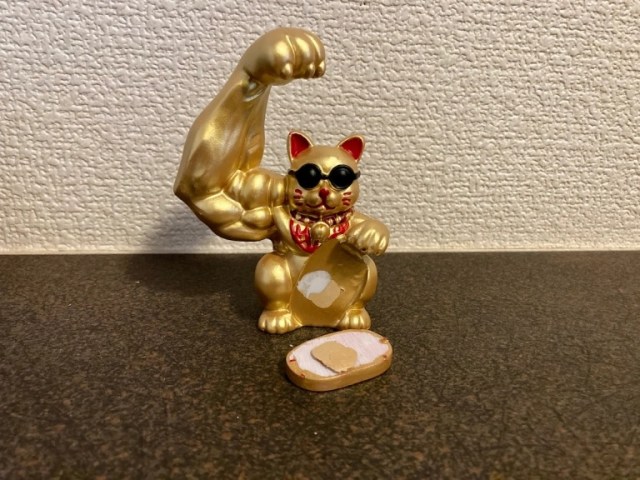
Sometime during the night, the part of the figure shaped like a golden coin had broken completely off.

At this point, we’re pretty sure the thing is cursed, and so for as long as Masanuki has it on display in his house, we think we’re going to give the guy a wide berth in the office.

Related: SGCOMGAFSFSWAFWWSODCLR Amazon product page
Photos ©SoraNews24
● Want to hear about SoraNews24’s latest articles as soon as they’re published? Follow us on Facebook and Twitter!


Credit:

VR compatible butter “The Sushi Device” on sale now

Unfortunately, no one can be told what The Sushi Device is. You have to see it for yourself.

This has become a really thrilling moment in history for the field of butter technology. Just last week we saw the development of sake butter by Canoble, who have now brought us the next step in VR butter technology.

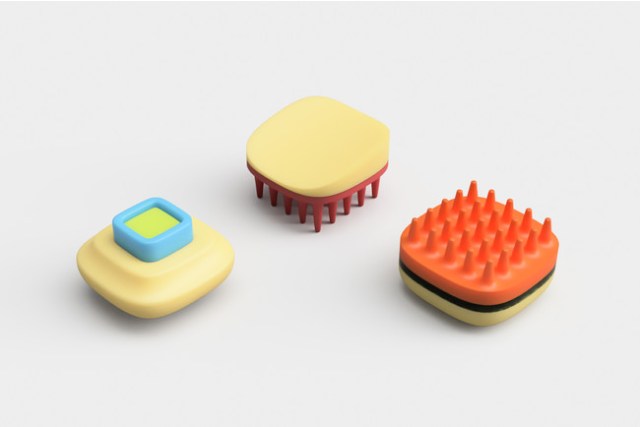
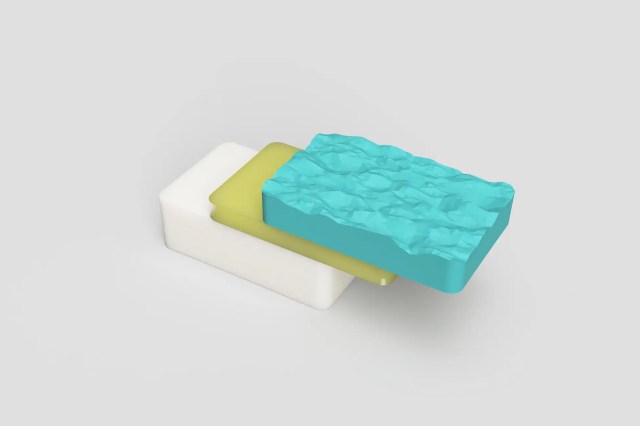
Dubbed “Butter Devices” these bite-sized morsels of flavored butter are specially designed to gradually melt in your mouth and transition between various textures and tastes while you watch a complementary image through VR goggles. The first wave of Butter Devices were released a year ago and came in three seemingly abstract shapes and colors.

Image: PR Times

However, these shapes were carefully crafted so that the different parts, which have been shaped and hardened to different consistencies, melt away at just the right moments to release their distinct flavors. This is all intended to coincide with the serene ASMR visuals in the user’s VR display.

▼ What a Butter Device eater sees inside their VR goggles

Image: PR Times

It’s a pretty wild innovation in the normally conservative world of butter, and one that just got a little wilder with this year’s incarnation: The Sushi Device.

Image: PR Times

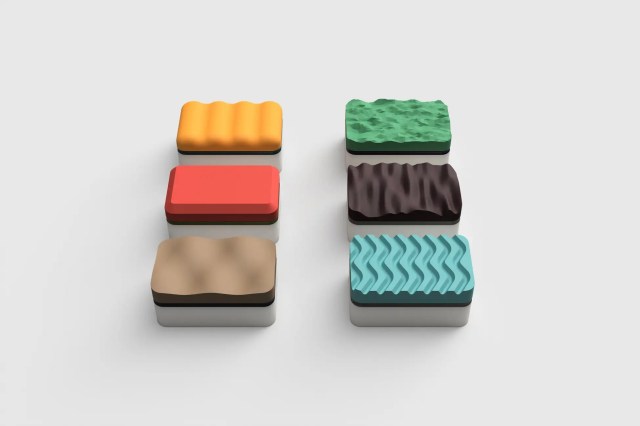
The Sushi Device is also a set of Butter Devices, but this time resembling pieces of nigiri sushi with different toppings. The basic concept is the same, however, as each piece has its own texture and rates at which it melts in the mouth to stimulate the senses of taste, smell, and touch in different ways.

Image: PR Times

However, unlike the previous Butter Devices that were enjoyed with an abstract visual, Sushi Devices were created with the recent metaverse trend in mind. Canoble hopes that people can snack on this new wave of sushi while strolling through the computer generated streets of Parareal Akihabara or any other virtual world.

These sushi devices are said to be different combinations of sweet flavors such as fruits and nuts. A six-pack can be purchased from the National Department Store online shop for 2,400 yen (US$20). They’re shipped frozen and have a storage life of about 30 days. 

Bringing the senses of smell and taste to virtual reality has long been a challenge, but maybe the answer has been designer butter all along. 

Source: National Department Store, PR Times 1, 2, 3
Top image: PR Times
● Want to hear about SoraNews24’s latest articles as soon as they’re published? Follow us on Facebook and Twitter!


Credit:
Learn about Noh with these cool accessories from Felissimo Museum Division

These items are not only stylish, but also educational!

Felissimo, the brand that brings us cute accessories that are typically animal or anime-themed, actually has a couple of subbrands, including the humorous brand known as You+More, as well as their brand dedicated to cat-themed merchandise, Felissimo Cat Division.

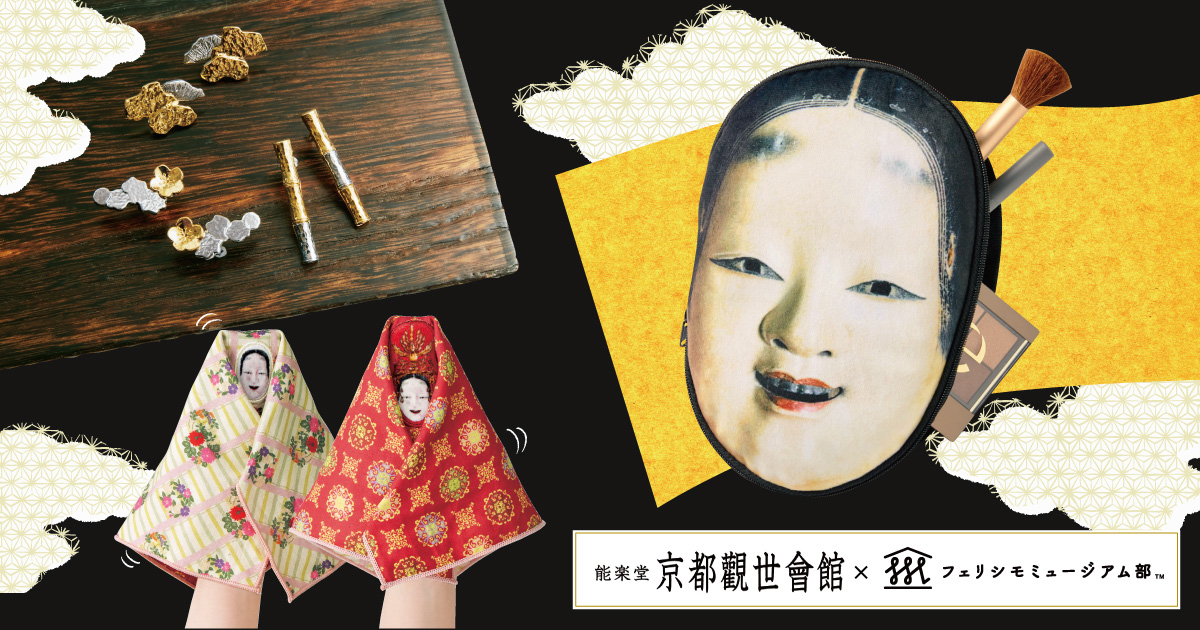
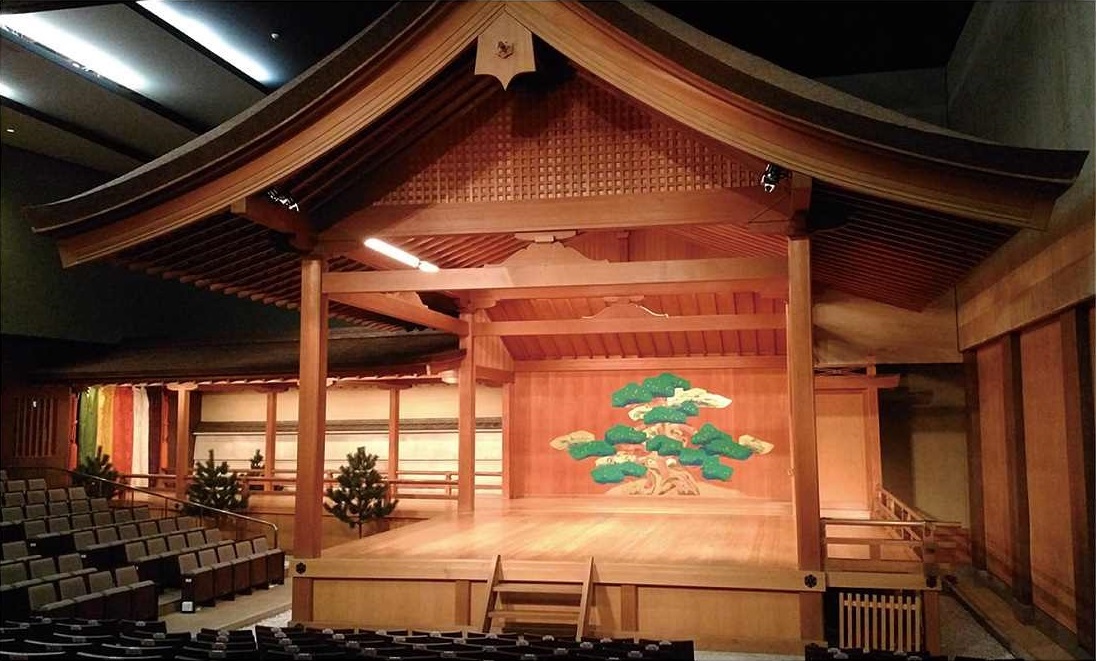
There’s also Felissimo Museum Division, which focuses on merchandise related to art. In fact, Felissimo Museum Division just released a new line of Noh Theater accessories, which are produced in collaboration with the Kyoto Kanze Noh Theater (pictured below). They’re designed to be “your doorway into Noh”, a nice introduction to the art form of Noh for those who don’t know much about it.

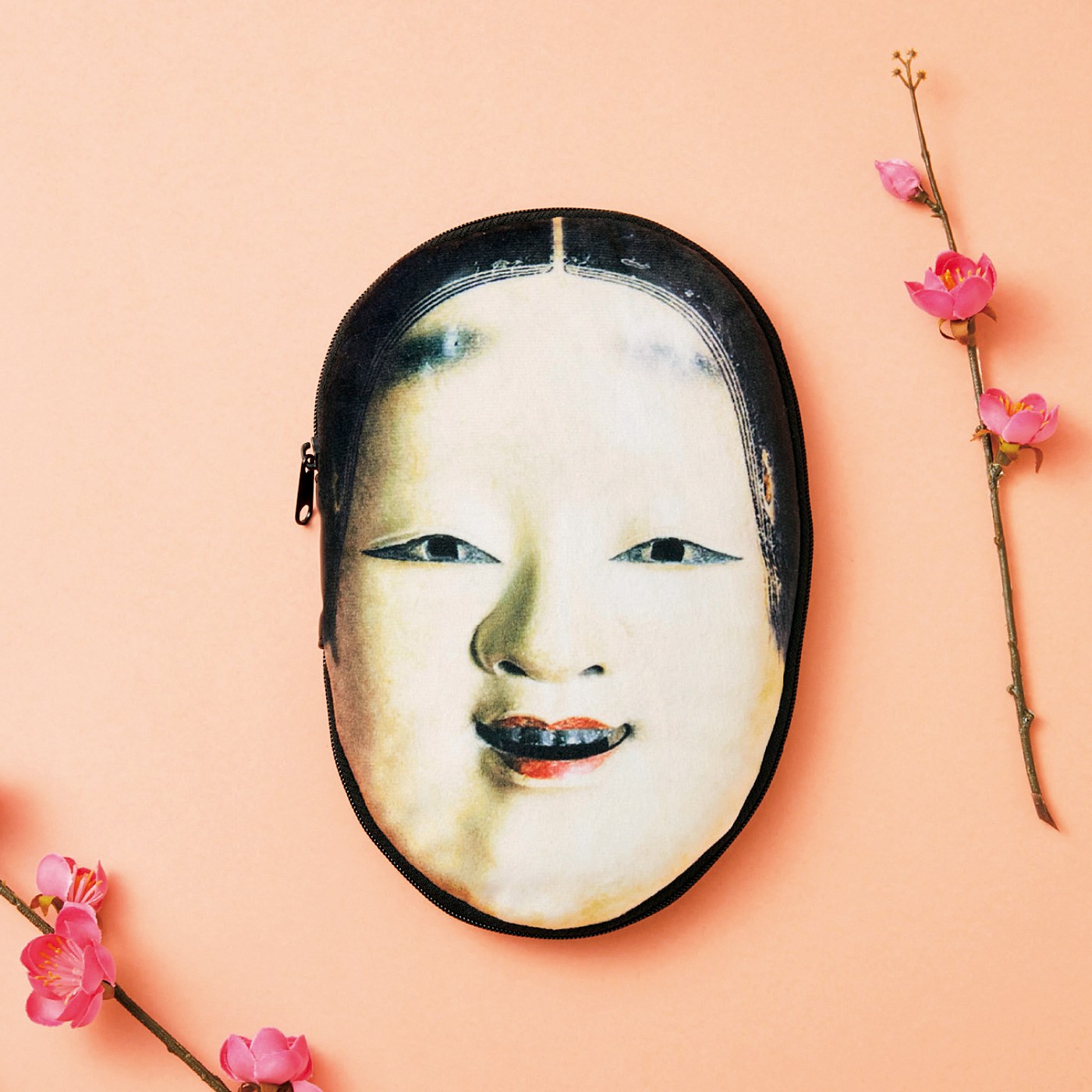
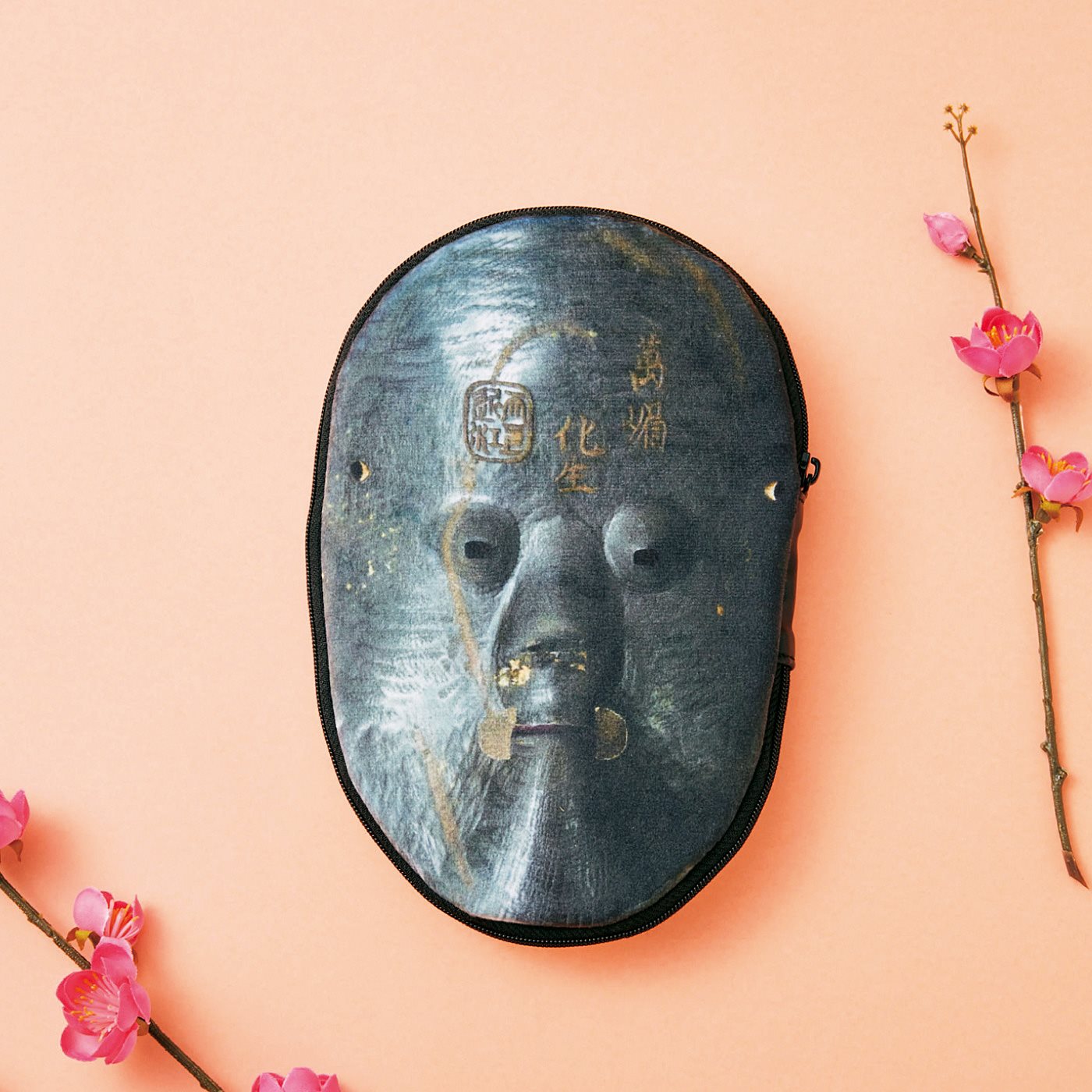
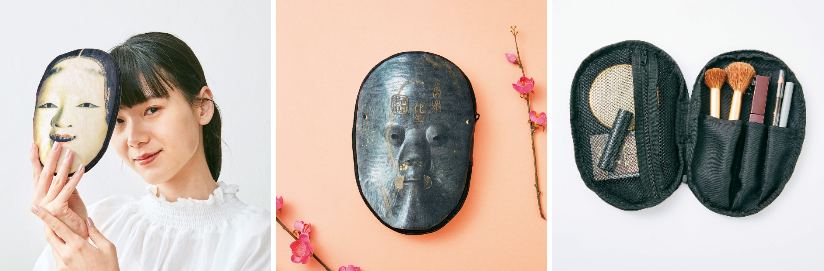
For example, one of the most iconic parts of Noh theater is the masks worn by the actors, which are known as omote. They’re also used to represent spirits. Within Felissimo Museum Division’s new line, they come in the form of a makeup bag (2,310 yen/US$18.84). It’s modeled after the bewitching female mask known as manpi and is about the same size as a real one.

They’ve even recreated the backside of the mask on the underside of the pouch, so it looks like a real Noh manpi mask!

But while the exterior of the bag might look like something you wouldn’t want to stumble upon in the dark of night, the inside is surprisingly practical, with storage slots for makeup brushes and lipstick and a zippered pouch for smaller items.

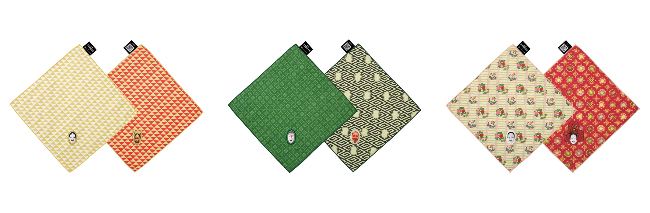
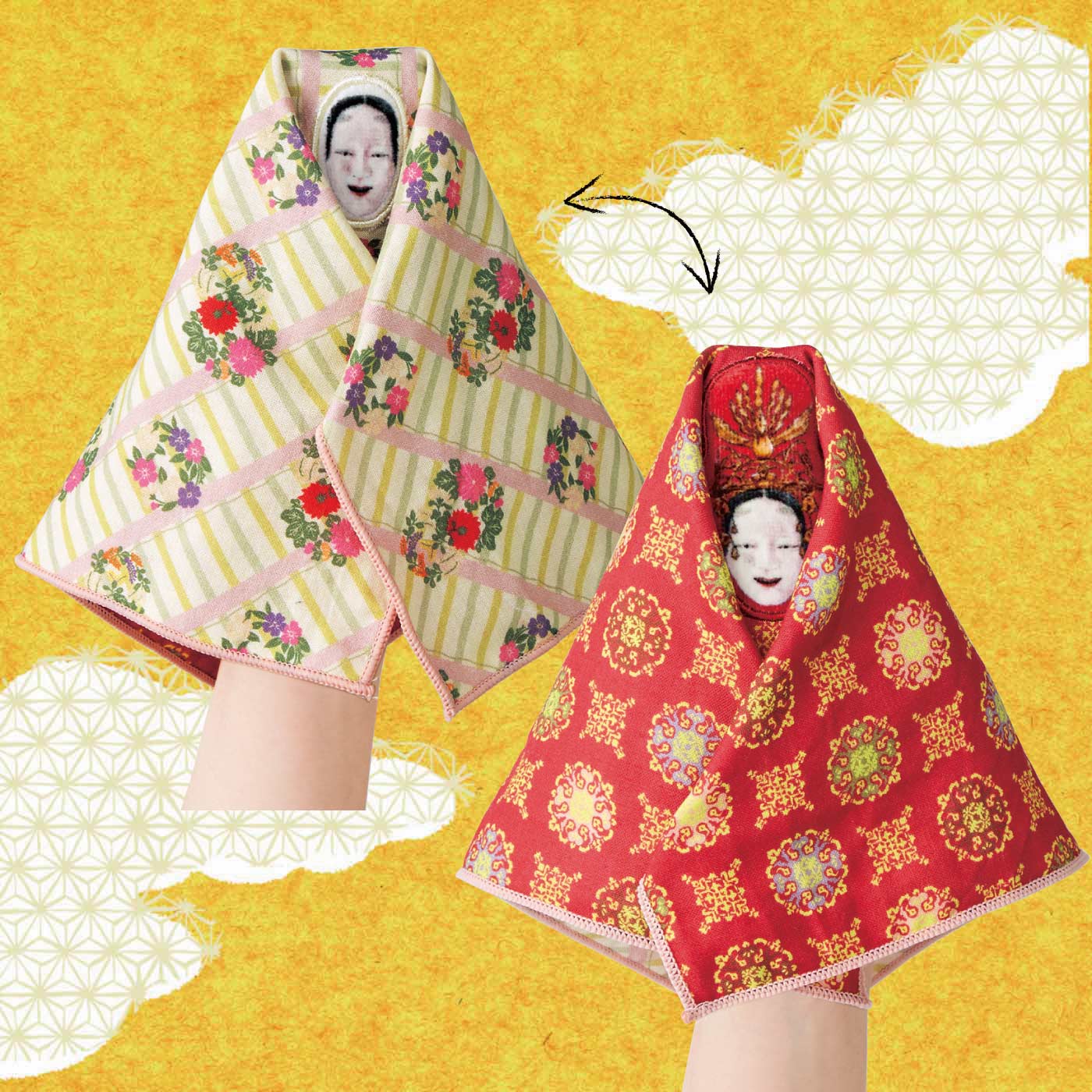
Another distinctive feature of Noh theater is the costumes, which are often elaborate kimono designs with beautiful patterns and luxury stitching. Those have been recreated in the new accessory collection, too, in the form of reversible handkerchiefs (1,650 yen each). Each side of each handkerchief has a different mask and pattern, representing the type of Noh theater known as Fukushiki Mugen, which often depicts supernatural creatures. The two different masks show the transformation of characters between forms.

When folded up, they look like Noh characters on stage!

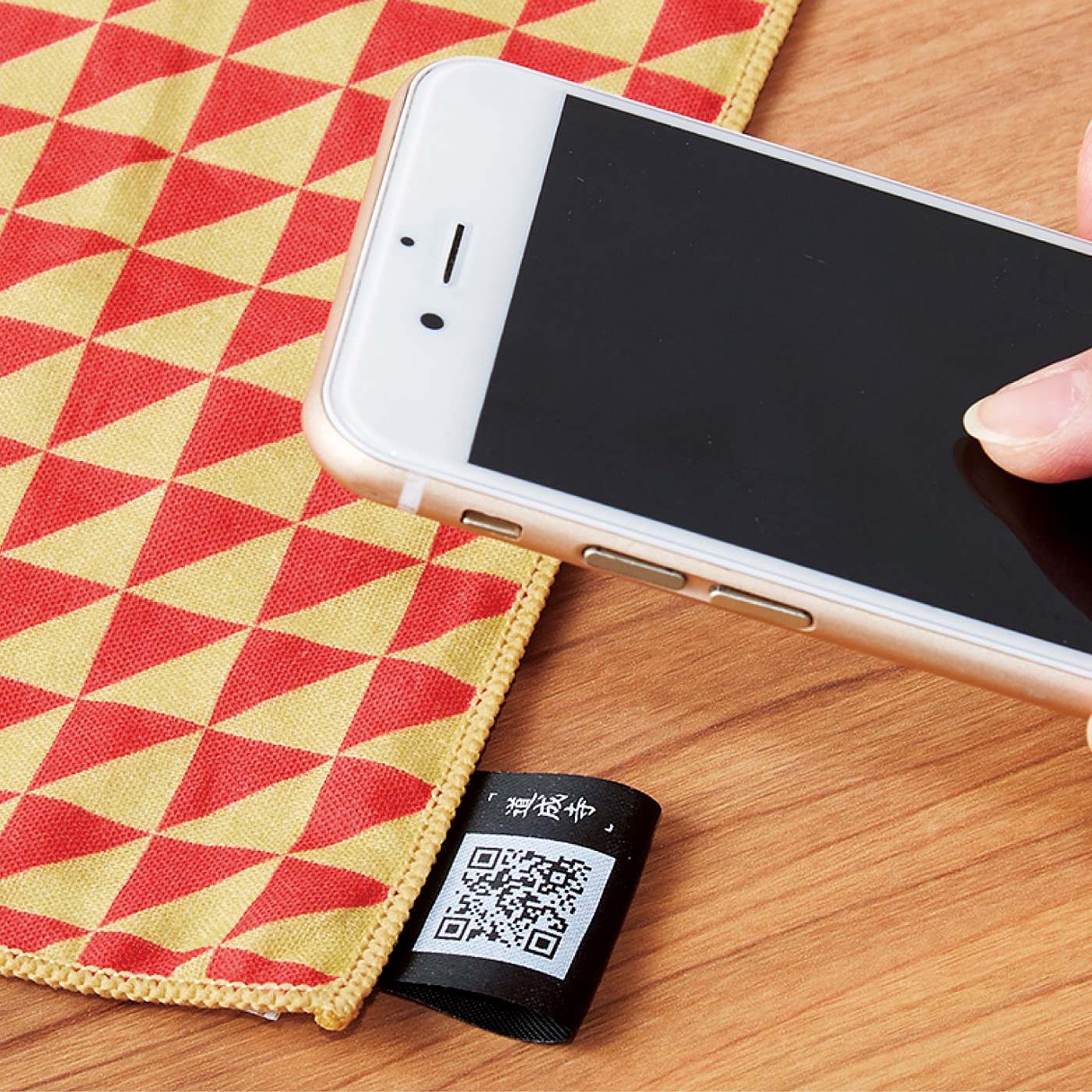
Each handkerchief also comes with a tag with a QR code on it, that when scanned, leads you to a webpage that will summarize the story behind that particular mask and costume pattern. That’s really cool if you’re curious about the stories told in Noh theater.

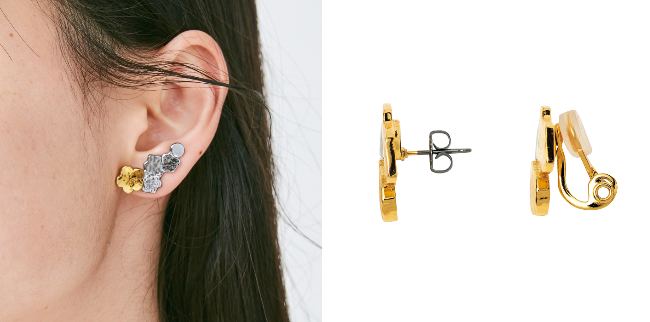
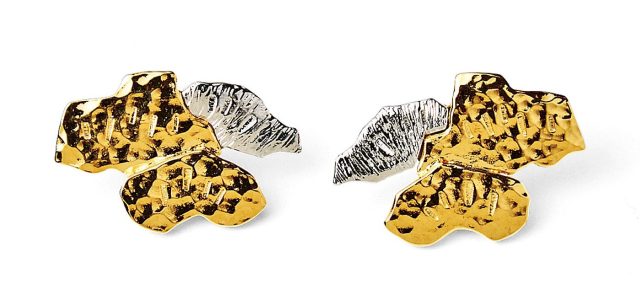
Finally, the line incorporated the ancient concept of shochikubaiwhich symbolizes good luck. The concept of shochikubai is derived from three hardy winter plants: the plum tree, the pine tree, and bamboo, which individually represent longevity, life, the future, and hope. This important concept is used throughout Japanese art forms, including Noh, and have been represented as earrings in the Felissimo Museum Division’s new collection (3,080 yen per pair).

Naturally, with three symbols, there are three designs available: a plum blossom….

The boughs of a pine tree…

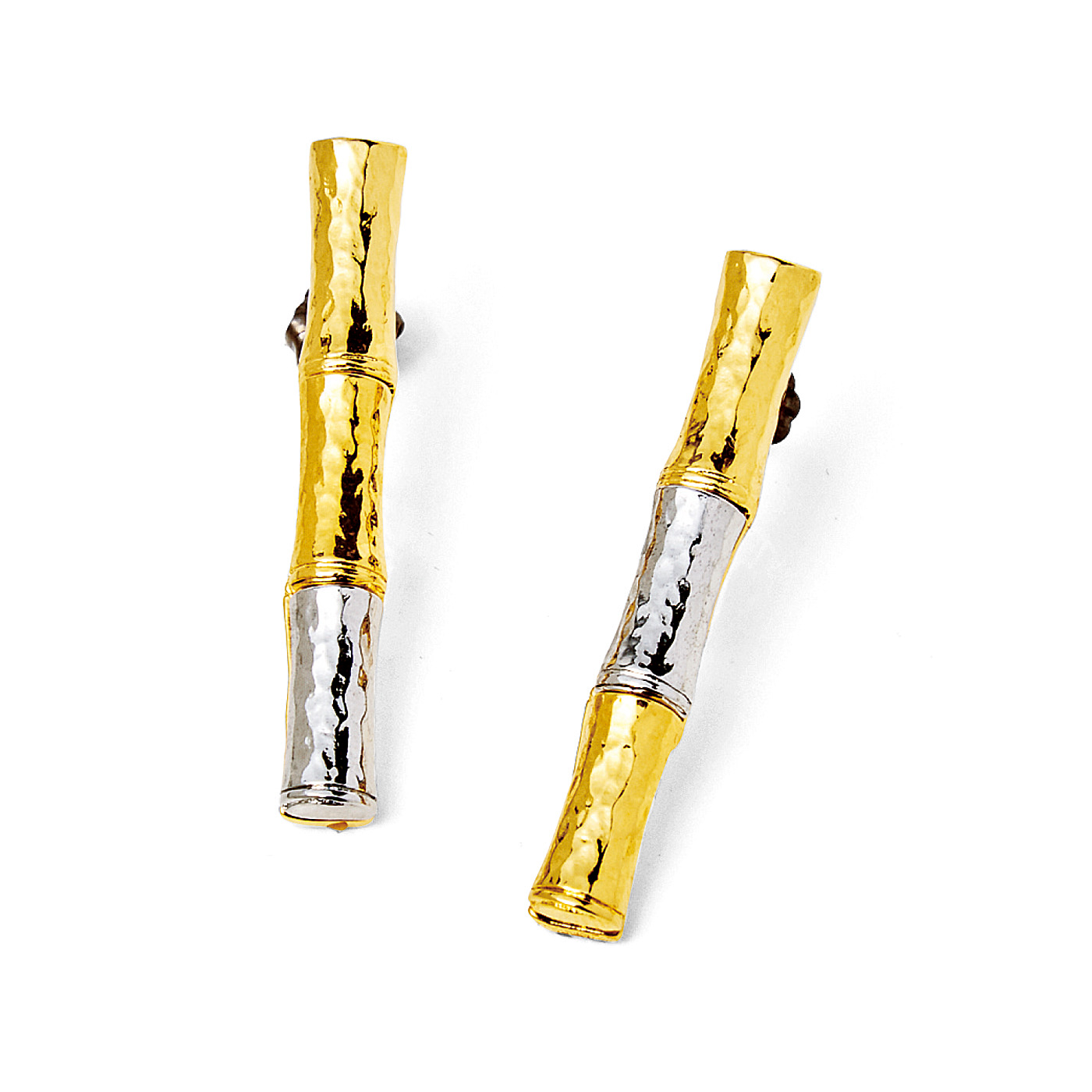
And a stalk of bamboo.

These items all present a wonderful opportunity to become familiar with Noh theater, but if you’re already a Noh fan, they’re also a great way to express your appreciation for one of the world’s oldest forms of theatrical art. If you’re interested, they can be purchased now on Felissimo’s online shop, where you can also find other Felissimo Museum Division goods like their Hokusai Colored Pencil Set.

Source, images: PR Times
● Want to hear about SoraNews24’s latest articles as soon as they’re published? Follow us on Facebook and Twitter!


Credit: