Mix-and-matching Yoshinoya, Matsuya, and Sukiya to create the ultimate beef bowl【Taste test】
We tear the Big Three’s gyudon apart to see if we can rebuild them into something better.

Beef bowls, or gyudon, as they’re called in Japanese, are about as simple as a meal gets. You’ve got stewed beef, of course, plus onions and white rice, and that’s it.

And yet, Japan has three major gyudon chains, Yoshinoya, Matsuya, and Sukiya, all with their own version of the dish. So we started wondering, what would happen if you took the three gyudon components, beef, onions, and rice, from the big three chains and mixed them together? Could you stumble on the combination to unlock the ultimate gyudon?

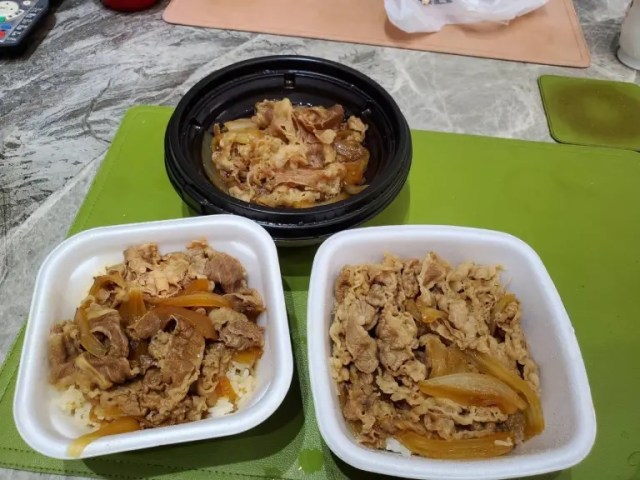
We put our Japanese-language reporter MG Ogawa in charge of this highly scientific investigation, and he started by making a run to the local branches of Yoshinoya, Matsuya, and Sukiya, coming back with a beef bowl from each.

▼ Clockwise from top: Matsuya, Yoshinoya, and Sukiya
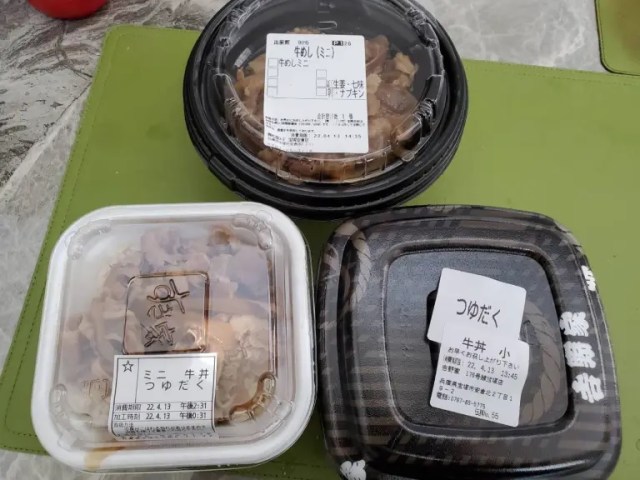
Arriving back at the taste-test center while each was still piping hot, MG removed the takeout containers lids, and a triple-spout of mouthwatering gyudon fragrances wafted up to stimulate his appetite and challenge his willpower.

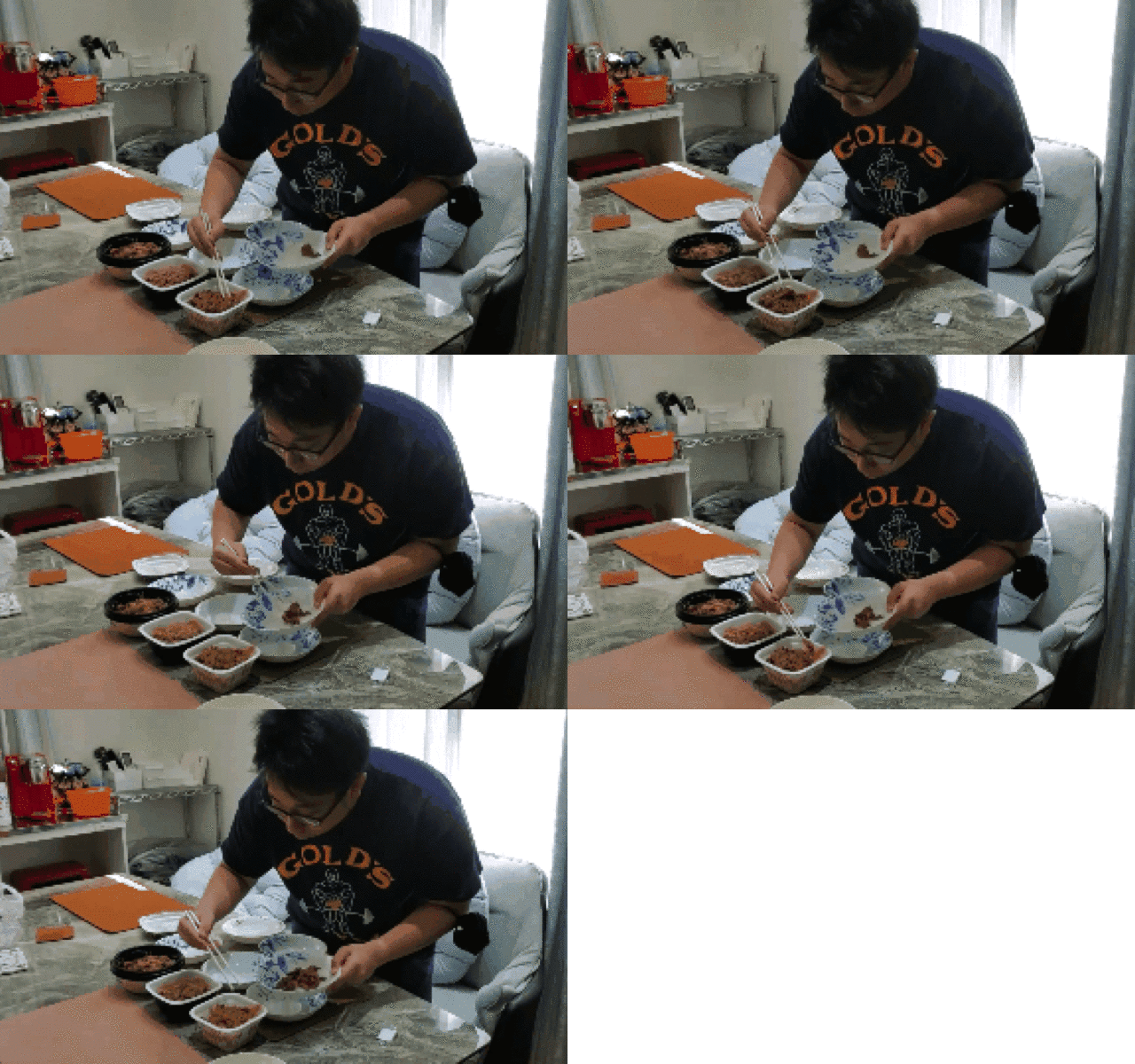
MG stayed firm in his resolve, though, and got to work quickly separating the beef, onions, and rice for each.
▼ Left to right: Sukiya, Yoshinoya, and Matsuya
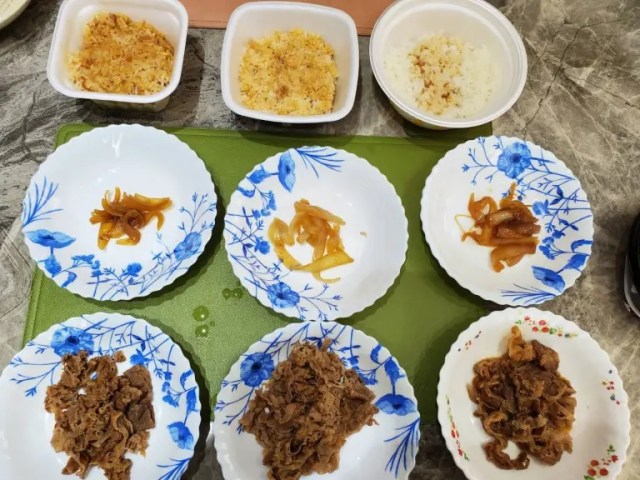
We’re going to have MG wait just a little longer to start digging in while we go over the rules. For this taste test, the three ingredients for each combination have to all come from different chains. So, for example, Sukiya beef-Yoshinoya onions-Matsuya rice is eligible, but Sukiya beef-Sukiya onions-Matsuya rice isn’t an admissible candidate.

That gives us a total of six different combinations to taste test, so let’s look at MG’s notes.

● Combination 1: Sukiya beef, Yoshinoya onions, Matsuya rice
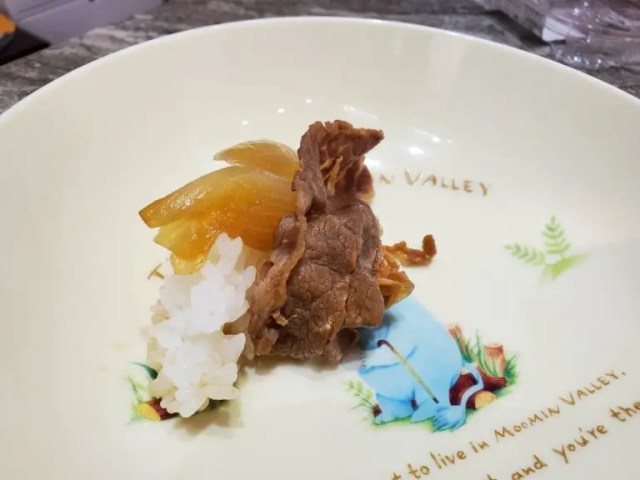
“Sukiya’s beef [which has a touch of sweet and tangy citrus in its marinade] makes a surprisingly powerful impression. By comparison, Yoshinoya’s onions seem more like an occasional guest on the taste buds, and the flavor of Matsuya’s rice ends up completely hidden.”

● Combination 2: Sukiya beef, Matsuya onions, Yoshinoya rice
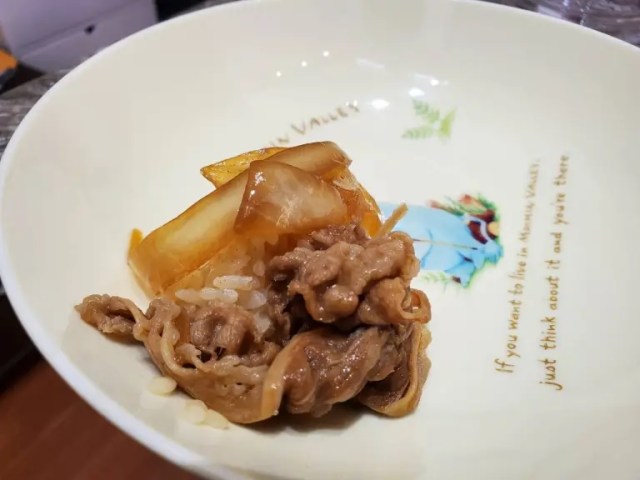
“Matsuya’s onions are the most flavorful of the three chains’, with a bit of crispness to them. With those factors in their arsenal, I thought they might clash with the Sukiya beef, but they actually go really well together, with the Matsuya onions supporting the flavorful beef nicely for a well-balanced result.”

● Combination 3: Yoshinoya beef, Sukiya onions, Matsuya rice
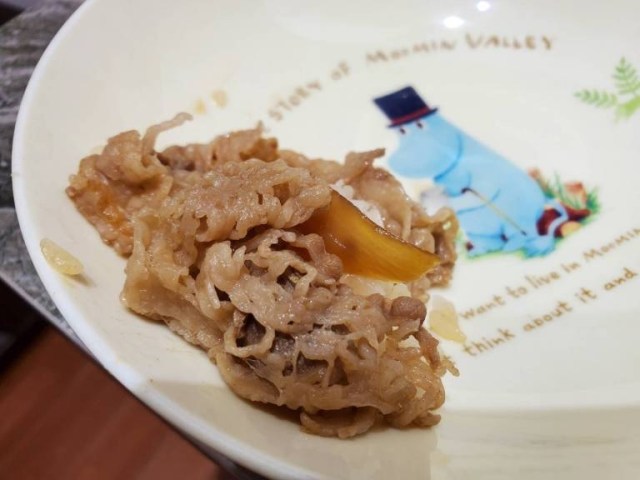
“Yoshinoya’s meat really comes on strong here. Its beef strips are the largest of the three, and their flavor envelops the onions and rice. This was pretty good, but so far none of the combinations have really surpassed what you get with a regular as-is beef bowl from one of the chains.”

● Combination 4: Yoshinoya beef, Matsuya onions, Sukiya rice
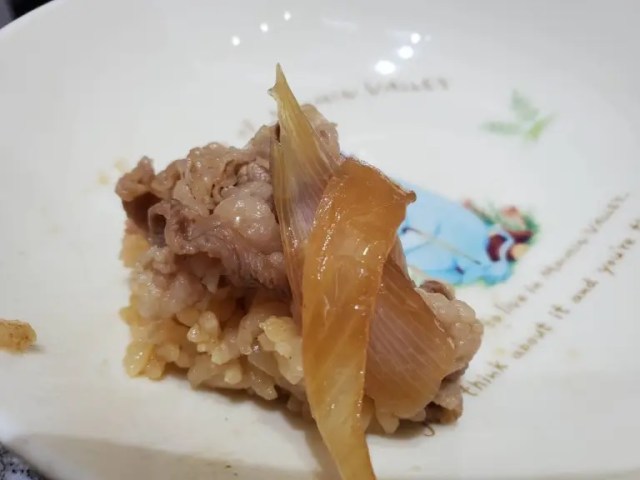
“HERE IT IS! This is the ultimate beef bowl-level I was waiting for. The Yoshinoya beef achieves a delicious harmony with Matsuya’s top-tier-flavorful onions, and because Sukiya pours on the most stew juices when putting together its gyudon, that flavor gets soaked into their rice, letting it make a great contribution here. This was shockingly good.”

● Combination 5: Matsuya beef, Sukiya onions, Yoshinoya rice
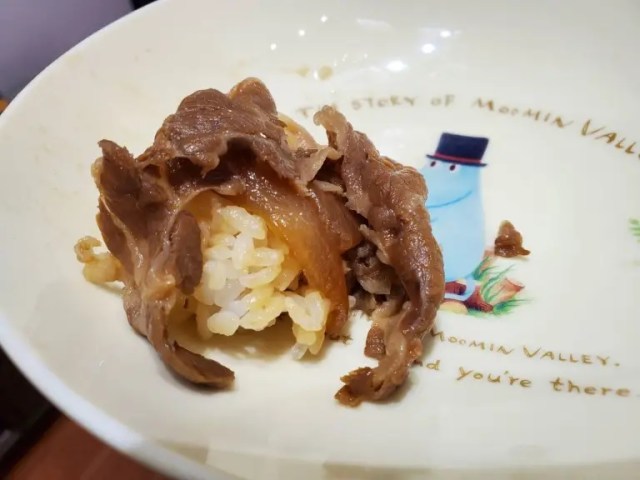
“Matsuya’s marinade has the strongest soy sauce notes, and that flavor hits you right at the start as you bite into a piece of beef. That’s followed by the gentle arrival of Sukiya’s onions, but together they kind of bury the taste of Yoshinoya rice. Maybe it’s because Sukiya and Yoshinoya’s seasoning is sweeter than Matsuya’s, but the beef kind of overpowers everything else here.”

● Combination 6: Matsuya beef, Yoshinoya onions, Sukiya rice
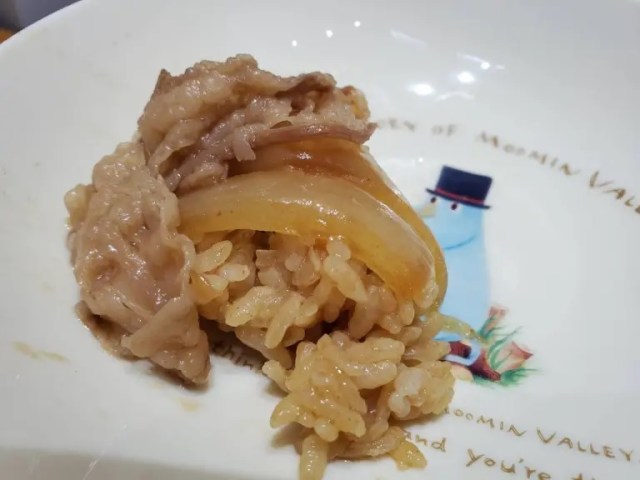
“Wait a second, what’s going on here? I’m supposed to be eating mix-and-match beef bowls, but this…everything goes together so perfectly. All the flavors come together so perfectly that this really feels like something that’s on the menu at one restaurant, instead of a combination of food from three different places.”

So in the end, it’s Combination 4, Yoshinoya beef-Matsuya onions-Sukiya rice, that packed the biggest pleasurable punch, while Combination 6, Matsuya beef-Yoshinoya onions-Sukiya rice did the best job of feeling, to MG, like a natural evolution and enhancement of the basic gyudon recipe. It’s worth noting that in both cases, the rice, bringing with it the marinade flavor, comes from Sukiya, so they’re really onto something with their seasoning.

Of course, the downside to making your own gyudon like this is that you end up with three gyud-…wait, actually there isn’t any downside at all.

Photos ©SoraNews24
● Want to hear about SoraNews24’s latest articles as soon as they’re published? Follow us on Facebook and Twitter!


Credit:

Studio Ghibli theme park announces ticket prices and reservation policy

Getting into Ghibli Park will cost more on weekends and holidays, but still far less than Disneyland.

Some people will tell you that the best things in life are free. It looks like there’s going to be a pretty strong counterargument to that, though, in the soon-to-open Studio Ghibli anime theme park, though.

Currently under construction in Japan’s Aichi Prefecture, within easy daytrip distance from the city of Nagoya, Ghibli Park will, of course, be charging admission. As the park has previously alluded to, though, they’d like to keep admission affordable, and now official prices for Ghibli Park tickets, as well as more information on how to reserve them has been released.

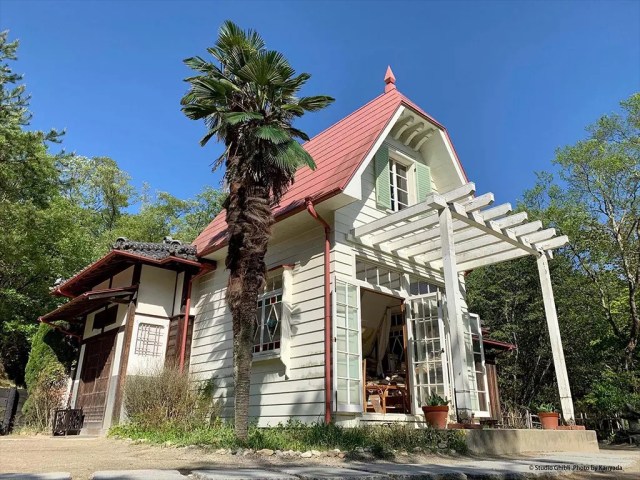
Ghibli Park is being built as a collection of separate sections within the preexisting Expo 2005 Aichi Commemorative Park. The first three to open to the public will be the museum-like Ghibli’s Grand Warehouse, Dondoko Forest (site of sisters Mei and Satsuki’s house from My Neighbor Totoro), and the Hill of Youth (with recreated locations from Whisper of the Heart and The Cat Returns). Tickets to each will be sold separately, with the breakdown as follows.

● Ghibli’s Grand Warehouse (weekdays)
Adults: 2,000 yen (US$16)
Children (4 years old-end of elementary school): 1,000 yen
● Ghibli’s Grand Warehouse (weekends, holidays)
Adults: 2,500 yen (US$16)
Children: 1,250 yen
● Dondoko Forest
Adults: 1,000 yen
Children: 500 yen
● Hill of Youth
Adults: 1,000 yen
Children: 500 yen

▼ Ghibli’s Grand Warehouse concept art

No discounted combo tickets have been announced, meaning that if you want to see everything, it’s going to cost adults 4,000 yen on weekdays or 4,500 on weekends and holidays, and kids between 4 and 12 (elementary school in Japan goes up to the sixth grade) 2,000 yen during the week or 2,250 yen on weekends/holidays. Admission for children 3 and younger is free.

In addition, Ghibli Park is taking a page from the Ghibli Museum in Tokyo’s operating procedure and requiring that tickets be purchased in advance via an online reservation system. As with the Ghibli Museum, your Ghibli Park ticket will be valid only on the date your reservation is for, and will also have a specific time at which you can enter the Ghibli Park area. Once you’re inside you can stay as long as you like, at least until closing, which is 5 p.m. (the park will open at 10 a.m. on weekdays and one hour earlier on weekends/holidays). The idea behind the date/time reservation system, ostensibly, is to limit crowd sizes at the park and allow guests to leisurely soak in the atmosphere, a policy that’s contributed to extremely high visitor satisfaction at the Ghibli Museum.

▼ Mei and Satsuki’s Dondoko Forest house

So how do Ghibli Park prices fare compared to Japan’s other high-profile theme parks? Adult tickets to Tokyo Disneyland range from 7,900 to 9,400 yen, depending on season, and Osaka’s Universal Studios Japan charges 8,400 yen, so a three-area pass to Ghibli Park only costs about half as much.

▼ Hill of Youth concept art

On the other hand, Ghibli Park looks to be smaller in both scale and spectacle than Disneyland or Universal Studios, with a greater focus on ambiance and exhibits than rides and shows. When compared to the Ghibli Museum, which charges just 1,000 yen for adults and between 100 and 700 yen for kids, Ghibli Park’s tickets, at roughly four times the cost, start to sound pretty pricy, though the park promises to be a much larger venue than the museum.

It’s also worth bearing in mind that when Ghibli Park opens this coming November 1, it won’t be completely finished yet. Already greenlit expansions include areas for popular Ghibli anime as Princess Mononke, Howl’s Moving Castle, and Kiki’s Delivery Service, which will be located in two more zones, Mononoke Village and Witch’s Valley, again assumedly with their own separate-cost tickets.

Still, Ghibli isn’t in the business of doing anything by halves when it comes to artistic quality, and with the high potential of a visit to the park to become a magical lifelong memory, a 4,500-yen ticket cost isn’t likely to dissuade many fans. Ghibli Park says its planning for tickets to officially go on sale this August through online ticketing service Boo-Woo Ticket.

Source: Ghibli Park, Boo-Woo Ticket
Top image: Studio Ghibli
Insert images: Boo-Woo Ticket
● Want to hear about SoraNews24’s latest articles as soon as they’re published? Follow us on Facebook and Twitter!


Credit:

Ukraine’s message of thanks and friendship gets really awkward with Japan

All’s embarrassing in love and war.

As the war in Ukraine continues, the nation’s leaders continue to appeal to the world for aid and support to overcome the odds, in the hopes that one day the horrible conditions and hardship may end.

On 25 April, the Ministry of Foreign Affairs of Ukraine took a moment to give thanks to those who responded in an emotional video message.

In the video Ukrainian General Valerii Zaluzhnyi expressed her appreciation on behalf of her country while standing in the ruins of a building devastated during the invasion. At the same time, a list of the countries who have given aid to Ukraine scrolls up the screen.

Naturally, one’s eyes would be drawn to their own country when viewing the list, so Japanese people quickly noticed that they weren’t among those thanked. What was in all likelihood an oversight was perfectly excusable considering the life-and-death struggle Ukraine is embroiled in, but some comments online could resist a little self-deprecating humor over the whole thing.

“Because Russia is threatening countries that support Ukraine, this is probably a good thing.”
“Did someone send them a lot of paper cranes?”

“What’s the big deal? People always have to get hysterical about stuff.”
“The Ukrainian Ministry of Foreign Affairs is probably pretty busy, so it’s nothing to get angry about.”
“It’s probably best to keep a low profile in this whole thing anyway.”
“They’re probably only mentioning the ones giving military support, since a lot more countries are giving financial aid too.”

However, it wasn’t all smiles and shrugs. The omission upset certain people who were already upset by a very recent tweet from the Ukraine government which featured Emperor Hirohito along with Hitler and Mussolini, referring to all of them as “fascists and Nazis.”

Given the fact that Japan’s WWII aggressions could be said to have had a lot more to do with then Prime Minister Hideki Tojo than the emperor, Ukraine apologized for the association and posted another message with Hirohito removed.

▼ The image appears at the end of the video, now with Hirohito removed

Without digressing into the functions of emperors and their symbolic significance of Japan, lumping him in with Hitler would be considered rather offensive to a lot of Japanese people under normal circumstances.

But under these highly abnormal circumstances it would be utterly absurd to think the Ukrainian government had either the time or the energy to make intentionally passive-aggressive slights against Japan. It’s fair to say that’s how a lot of people saw it here at least.

Nevertheless, hot off the the Hirohito controversy, some people and politicians from Japan’s ruling LDP party still decided to get even more up in arms about the thank-you video too.

“Japan is not among the supporting countries in the thank-you video of the Ministry of Foreign Affairs of Ukraine. This is not right. I reported it to the Ministry of Foreign Affairs of Ukraine through their embassy in Japan. It became an issue in the LDP subcommittee this morning.” (MP Masahisa Sato)

▼ “Japan is not among the countries that the Ukrainian government is thankful to. The Ministry of Foreign Affairs confirmed it.” (MP Hiroshi Yamada)

And so, it would appear that enough of a stink was raised that Ukraine took notice of the omission in MFA Ukraine’s video and took action. First, President Zelensky tweeted a message reporting that he thanked Japanese Prime Minister Kishida personally for Japan’s “important support.”

Then, on 27 April, another very similar video message of appreciation, this time by Ukraine’s Ministry of Defense, was tweeted and included Japan among the thanked countries.

Again, in light of the relentless horror occurring in Ukraine, it’s pretty gracious of them to take any action on such a relatively trivial matter at all. Upon seeing “Japan” now among the list, many comments from here expressed mortification that this was ever a matter to begin with.

“This is all kind of embarrassing.”
“When did we become so annoying?”
“We’re a country of complainers.”

“This is horrible. I feel bad for them.”
“When did we become a country that imposes gratitude?”

In the end, at least the matter was ironed over on a government level and the friendship between the two countries was officially reaffirmed, for what it’s worth.

If online chatter is anything to go by, though, the people in Japan who were initially upset with Ukraine are almost certainly still upset and those who weren’t are just left feeling incredibly embarrassed by the whole circus. And worst of all, the war goes on.

Source: Twitter/@MFA_Ukraine, Twitter/@DefenseU, My Game News Flash 1, 2, 3, Itai News 1, 2, 3
Top image: Twitter/@DefenseU
● Want to hear about SoraNews24’s latest articles as soon as they’re published? Follow us on Facebook and Twitter!


Credit:
Michelin award noodle chain TamJai SamGor comes to Tokyo, we try 3 of their most popular dishes

Hong Kong noodle restaurant’s spicy mixian rice noodles are described as “too delicious to translate into Japanese“.

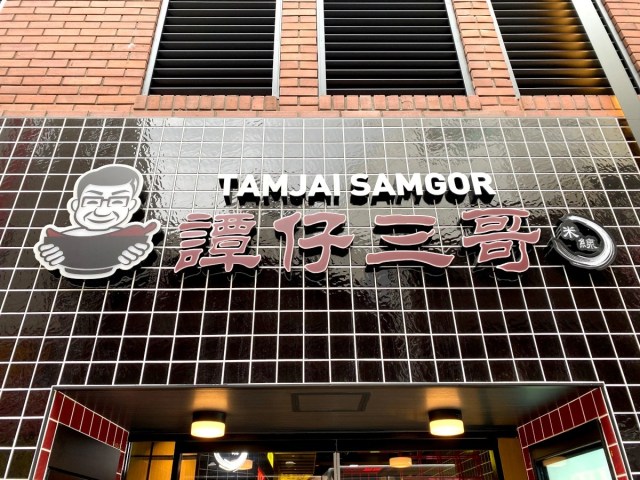
Hong Kong noodle chain restaurant TamJai SamGor opened its first Japanese branches this April in Tokyo’s Shinjuku and Kichijoji, with another branch set to open in Ebisu in May.

It’s likely that TamJai SamGor, famous for its mixian rice noodles, will be the latest hotspot for food connoisseurs in Tokyo, as the chain is the proud owner of a Michelin Bib Gourmand Award. The Bib Gourmand is an award given to restaurants that serve delicious food at a reasonable price, and TamJai SamGor has received the award for the past three years in a row.

So delicious are their noodles that the chain claims they’re simply “too delicious to be able to translate into Japanese yet”,  so to test this claim, we sent our noodle expert P.K Sanjun to a branch of TamJai SamGor to see if it lived up to all the hype.

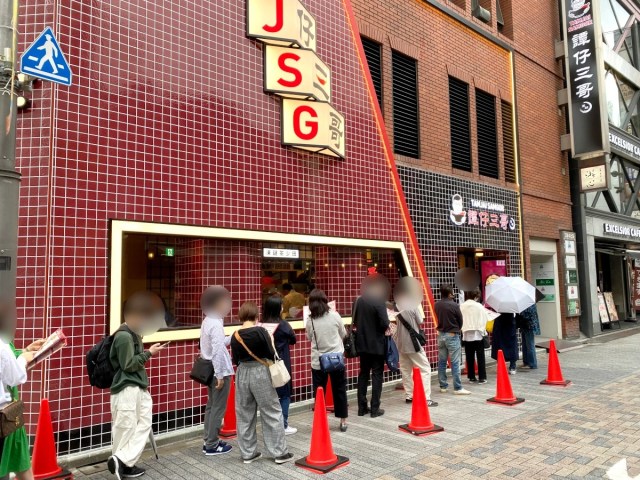
He was immediately met with a queue of people waiting to get inside, but while this might seem like a lot of people, fellow foodie and crack reporter Mr. Sato visited the Shinjuku branch on the day that it opened, where over 100 people were queueing to get in.

▼ In comparison, this queue was much more bearable.

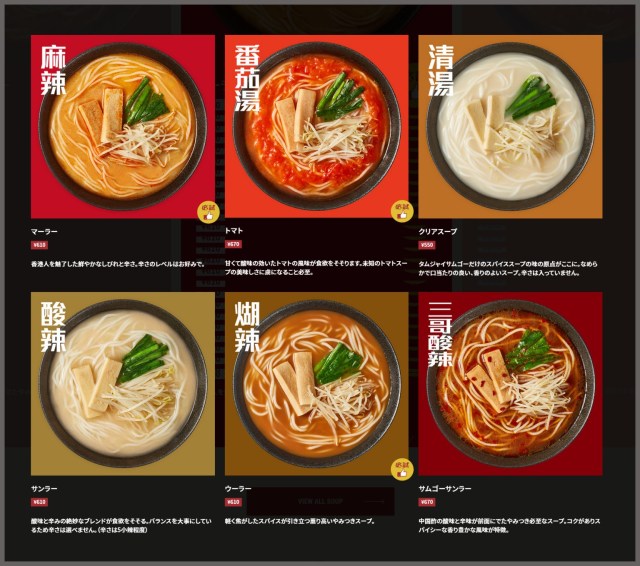
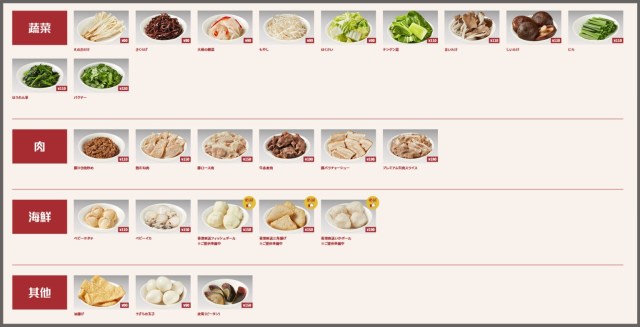
The queue meant that P.K. had plenty of time to look at the menu and plan what kind of rice noodle dish he was going to try, but for anyone who hasn’t been to TamJai SamGor, the number of choices available is pretty intimidating. TamJai SamGor’s founder Mr. ‘SamGor’ Tam Chap Kwan believes that the “most important thing is whether customers like it”, and as such all dishes are completely customisable, with six kinds of broth base, twenty-five kinds of toppings, and ten levels of spiciness. With so many options, customers can create their rice noodle dish from one of 1.4 million available combinations.

▼ With so many indescribably delicious options to choose from…

▼ … you’ll need a moment to think about what you want.

Unfortunately, P.K was on the clock and didn’t have time to mull over what he wanted to eat, so he decided to get in touch with the big wigs at TamJai SamGor and ask — what are their most popular dishes back in TamJai SamGor’s homeland of Hong Kong?

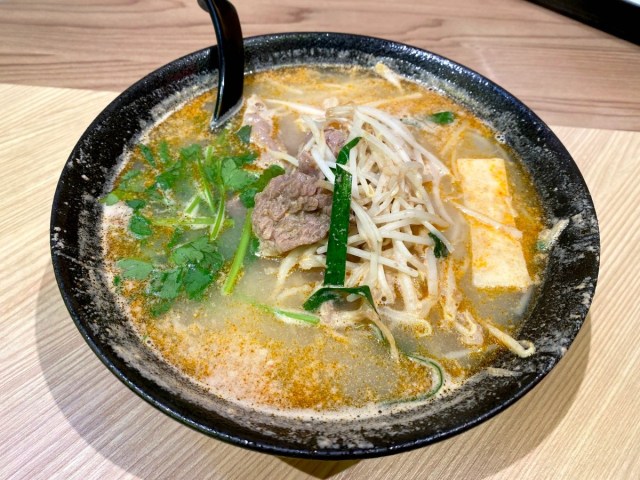
The most popular dish is the MalaHot and Numbing‘ soup base, with coriander and beef as toppings. The spice level is customisable, so P.K opted for a level 5. The soup is described on the website as ‘so spicy and numbing it’ll leave you electrified’, and P.K braced his mouth for a spicy explosion.

▼ The ‘Hot and Numbing’ plus toppings (950 yen [US$7.43])

However, the wave of spice never really crashed on his taste buds, and he’d actually managed to drink up all of the soup before his tongue began to tingle. The Hot and Numbing was a slow burn (literally) but it went very well with the smooth, chewy rice noodles. A key ingredient in the Hot and Numbing soup was definitely the coriander, though. Whatever toppings you choose to add to the Hot and Numbing, P.K. strongly recommends you include coriander regardless!

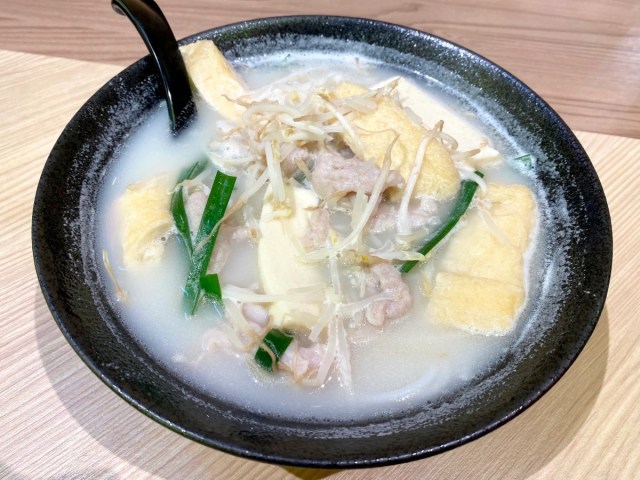
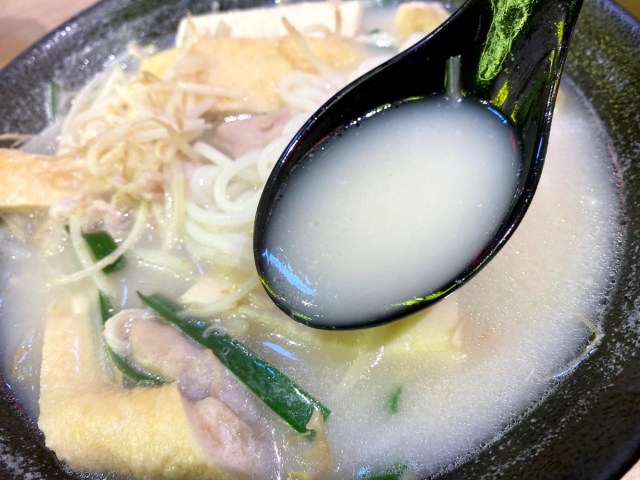
The second most popular dish ordered at Hong Kong branches of TamJai SamGor is the Clear Broth, with pork and fried tofu as toppings. The Clear Broth is ‘delicious and invigorating’, according to the website, and P.K. was in complete agreement. The broth was rich, but not heavy, and had a refreshing aftertaste. In comparison to the ‘Hot and Numbing’ Mala broth, the Clear Broth had a gentle, mild flavour and wasn’t spicy at all.

▼ The ‘Clear Broth’ plus toppings (790 yen)

Some might find the idea of fried tofu as a topping a little boring and bland, but P.K. thought it soaked up the broth excellently. Chicken or maitake mushrooms are also supposed to go great with the Clear Broth, if tofu is not your thing.

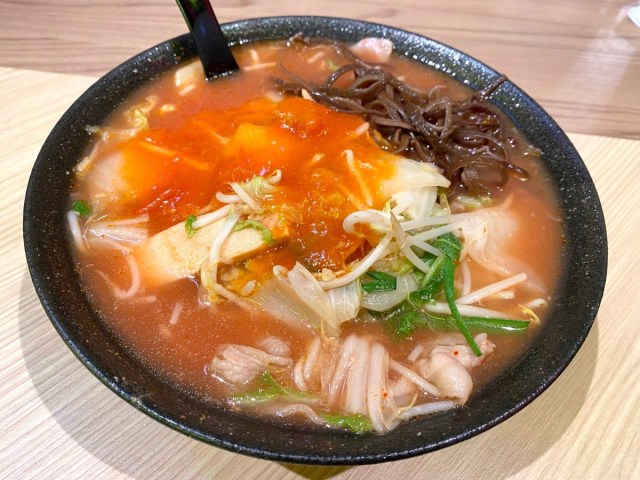
The third most popular dish is the Tomato Soup, which is described as ‘sweet, tangy, and appetising’. P.K. added premium beef, Chinese cabbage and kikurage mushrooms (shredded wood ear) as toppings, and chose a spice level of 3 for the broth.

▼ The ‘Tomato Soup’ plus toppings (1,040 yen)

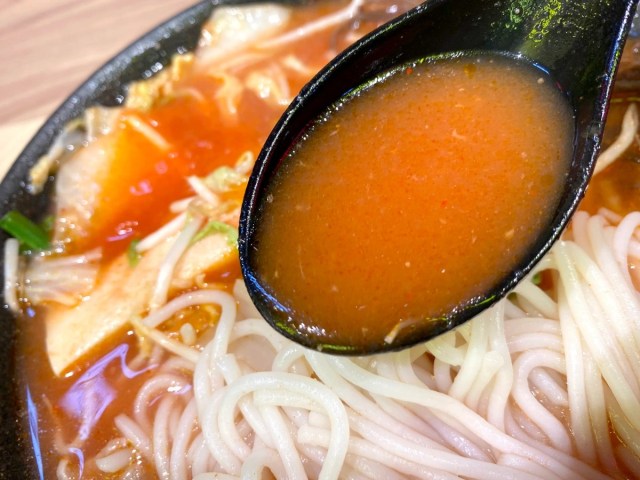
With the addition of tomato in the broth, the burn was even slower and yet more flavourful. The initial mouthful of soup may seem bland and without impact, but P.K. calls it a ‘magical soup’ that will disappear into your stomach before you’ve even realised. The Chinese cabbage topping went very well with the tomato soup, and the mushrooms had a pleasing, crunchy texture.

Like the Clear Broth dish before, the Tomato Soup is very unassuming, but the taste and spice levels become more vivid as time passes.

After tasting the three most popular meals on the menu, P.K. had to admit that it was a lot different than what he had expected it to be. After hearing that TamJai SamGor was a restaurant with roots in Hong Kong, he had expected a more punchy, impactful flavour to the dishes, but instead each dish was a ‘slow but steady’ meal that gradually got more delicious as time passed. He also noticed the distinct lack of any bottles of condiments or spice containers on the tables, showing that TamJai SamGor clearly takes pride in the taste of its broths and feels that they don’t require any additional changes once they hit the table.

TamJai SamGor currently has more than 80 stores in Hong Kong and Singapore, and P.K. predicts the chain will be just as popular in Japan. Right now there are two branches in all of Japan, but if TamJai SamGor’s mixian rice noodles are as delicious as P.K. says they are, no doubt more will pop up soon. Hopefully by then, someone will have invented a word in Japanese adequate enough to describe the deliciousness of the noodles.

Restaurant information
TamJai SamGor /譚仔三哥
3-28-16 Shinjuku, Shinjuku-ku, Tokyo
東京都新宿区新宿3-28-16 1F /2F
Hours: 11:00 a.m. ~10:00p.m.

Related: TamJai SamGor
Photos ©SoraNews24
● Want to hear about SoraNews24’s latest articles as soon as they’re published? Follow us on Facebook and Twitter!


Credit:

AI-powered Super Great Robo Goalkeeper employed at sports center in Saitama

I wouldn’t put it past Teppeki-kun.

For quite some time now, we have had robots that could display lightning fast reflexes and react to motions and images faster than a human eye could perceive. Fortunately, this has so far only had implications for paper, rock, scissors, and most popular sports have been spared robotic domination.

For example, if someone were to use the same high-speed image processing in the paper, rock, scissors robot and apply it to, say, a football goalkeeper, it would be unstoppable. And that’s just what sports tech firm Air Digital set out to do by creating what they playfully call a “S.G.R.G.K.” or “Super Great Robo Goalkeeper,” which is a nod to S.G.G.K. from Captain Tsubasa.

Captain Tsubasa creator Yoichi Takahashi tried an early version of this robot keeper himself back in 2015

After years of development, they are now beginning to roll out what they have officially named Goalkeeper Teppeki-kun, where “teppeki” means “iron wall” in Japanese. Unlike other robotic goalkeepers, Teppeki-kun utilizes advancements in AI to boast a compact size and efficient power consumption, which allows it to be easily installed and used at most venues.

It also has a wide range of settings and functions. The difficulty can be adjusted to one’s choosing, all the way up to a 99 percent blocking rate. Meanwhile, the Automatic Level Adjustment Mode can determine a suitable difficulty based on an analysis of the player’s shooting. In addition, there is a Miss Mode, in which Teppeki-kun will intentionally take a dive once or twice, just so you don’t feel too bad.

▼ Teppeki-kun is also immune to dirty looks, scowls, and even stink-eyes

Teppeki-kun will measure shot speeds and provide video replays when desired. It’s even equipped with an accident prevention protocol that stops it from colliding with players in a potentially injurious situation.

Its debut has been scheduled for the grand opening of Sports 60 & Smart on 28 April in the Ario Washinomiya mall in Kuki City, Saitama Prefecture. This sports center was developed by Air Digital and features an array of AI-equipped sports training facilities across a range of sports such as baseball, cycling, and archery.

Air Digital is planning on renting the systems out to other venues too, so be sure to keep an eye out for Goalkeeper Tappeki-kun or some of their other equipment in the future at a location near you.

Unfortunately, this also means that humans’ days of enjoying soccer are numbered. Once Skynet goes live and strikers everywhere get their spirits crushed by an army of AI keepers, our last hope will be to capture a Teppeki-kun unit and send it back in time to find a young Pelé and convert him into an ageless cybernetic scoring machine.

That, or we could just take our balls and go play somewhere else… But I still vote for an immortal cyber-Pelé.

Source, images: PR Times
● Want to hear about SoraNews24’s latest articles as soon as they’re published? Follow us on Facebook and Twitter!


Credit:

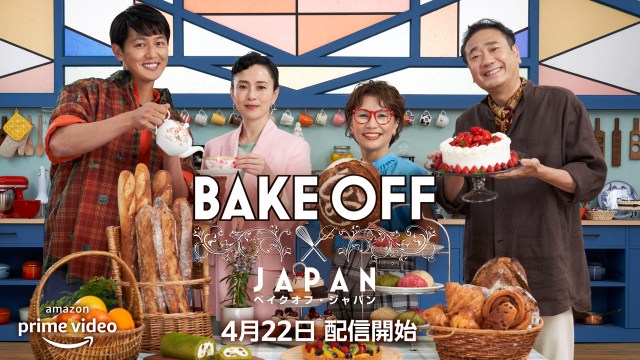
The new Bake Off Japan on Amazon Prime is everything we ever wanted (aka more Bake Off!)【Review】

Bake Off Japan provides the same wholesome, endearing entertainment we know and love, with Japanese bakers, hosts, and judges!

Unless you for some reason hate wholesome television (or more likely cooking contest shows), you’ve probably been drawn in by the charms of the U.K.-based televised baking contest The Great British Bake Off. With lovable contestants, comedic hosts, exciting challenges, beautiful and tasty-looking pastries and cakes, and only the slightest bit of drama, it’s become an international sensation, more than just any old reality show.

Luckily for fans of the original Britain-based show who have already binged all of the episodes available online, there are lots of international spinoffs, including the most recent one that appeared on Amazon Prime Japan: Bake Off Japan. Having just been released on April 22, we took some time to watch it, and we gotta tell you–it’s just as good as the original!

In case you’re unfamiliar with the basic premise of the show, 10 amateur bakers compete in three challenges per episode, baking sweets, pastries, cakes, and bread according to a theme or to the instructions of the two judges, who are themselves professional bakers or patissiers. Every episode ends with the announcement of a Star Baker, the baker who performed exceptionally well that episode, and with an unfortunate (and usually tear-filled) elimination. At the end of the show, one very talented home baker is declared the winner.

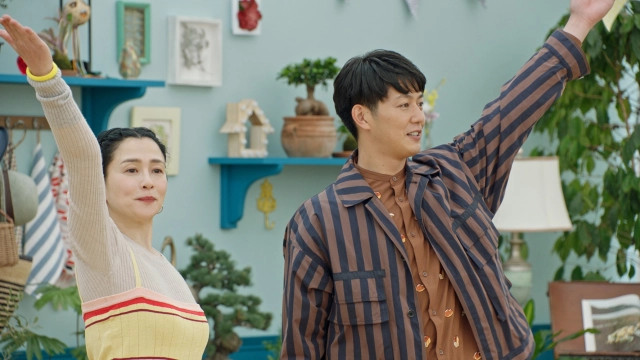
▼ Actors Maki Sakai (left) and Asuka Kudoh (right) serve as hosts.

The Japanese version follows the very same pattern as the original Bake Off, with ten contestants, two hosts, three challenges per episode, and two judges who select a Star Baker at the end of each episode. The judges for the Japanese version are internationally renowned patissier Toshihiko Yoroizuka and bread artisan Yoshimi Ishikawa, who is active in both Japan and France.

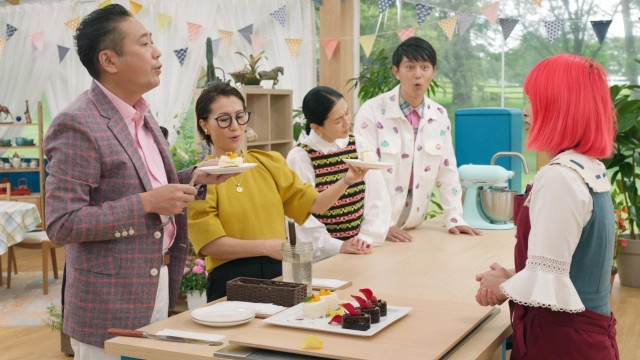
▼ Yoroizuka (left) and Ishikawa (right)

Our Japanese-language reporter Kaori Saito, who was the one who got to write this review, has seen the original British version of the show, so she knew more or less what to expect. Like the British version, the contestants faced challenges that made Kaori really appreciate how delicate the baking process is, and how especially difficult it is to work within a time limit.

As we’ve mentioned, Bake Off episodes have three challenges, the Signature Challenge (called “Original Challenge” in Japanese), the Technical Challenge, and the Showstopper Challenge, and each challenge is conducted over a limited time frame. Bakers generally have recipes on hand to use for each challenge, but their ability to execute the recipes–in the allotted time–requires a significant amount of knowledge and skill to succeed. And let’s not forget the artistry required, as the look of the final product is often as important as the taste!

While the bakers are undoubtedly talented, they each have their strengths and weaknesses. Some are good at baking bread but not cakes, while some have never made pastries before,so each challenge provides fresh new hurdles for them to overcome.

Not only that, but things don’t always go to plan: perhaps the item won’t finish baking in time, or the cream won’t whip properly, or they put in milk instead of cream. In short, the Japanese contestants face the very same difficulties as the British contestants, and the result is an hour of tense anticipation for the viewer!

Additionally, just like in the original show, friendships develop between the bakers, who lend each other unused kitchen items and help out their panicked cohorts when they’ve finished ahead of time. Everyone is just so nice! In the interviews, the contestants always say they bake for others, like their significant others or their grandparents, and when one person is eliminated at the end of every episode, some people even cry to see them go. One of the hosts, Maki Sakai, also cries in the first episode while announcing the eliminated baker. It’s really wholesome how full of love everyone seems to be.

In the end, Bake Off Japan inspires the same sense of camaraderie with the viewer as does the original. We watch, enthralled, as the bakers work hard on their cakes, cheer when they manage to finish them in time, and feel disappointed when things don’t go to plan. Naturally, the caliber of sweets that the contestants create in Bake Off Japan can rival some of the most lauded bakes on British Bake Off, so we get the same beautiful visuals throughout the series as well. In short, if you like the original show, you’re going to love Bake Off Japan, and if you haven’t watched any Bake Off shows before, this is a great place to start!

Bake Off Japan is now streaming its first four episodes exclusively on Amazon Prime Video Japan, and the other four are expected to drop together on April 29. If you’re a fan, you won’t want to miss out! And if you’re looking for more Japanese reality TV to watch, don’t forget to check out the hotly debated show Old Enough on Netflix, and you can look forward to the new version of Takeshi’s Castle coming out on Amazon Prime next year!

Related: Amazon Prime Video Bake Off Japan Season1
Top image: Amazon Japan
Insert images: YouTube/Amazon Prime Video JP – アマゾンプライムビデオ
Show ©2022 Amazon Content Services LLC All Rights Reserved
● Want to hear about SoraNews24’s latest articles as soon as they’re published? Follow us on Facebook and Twitter!


Credit:

Tokyo rapper arrested for tagging Yamanote Line while drunk

Public not all that shocked by the news.

It’s often said that the four pillars of hip hop culture are rap, DJing, break dance, and graffiti, the last of which is easily the most controversial, challenging concepts of public space, freedom of expression, and the very nature of what defines “art.”

It’s only something like graffiti where one practitioner gets their work photographed with the governor of Tokyo while another goes to jail. And then we have the curious case of Masashi Sawada.

Witnesses saw Sawada tagging a train door of a Yamanote Line train car at about 2:00 a.m. on 25 March and notified police. Later on, more markings were found on the walls of Ikebukuro Station and security cameras confirmed he was the one who made them. The cost of cleaning the train door alone is said to be roughly 80,000 yen (US$616).

The 42-year-old was said to have been on the way home from watching a concert and was intoxicated while writing on the surfaces with yellow spray paint. Some reports also interestingly refer to him as a “self-proclaimed rapper” which seems like a bit of an unnecessary dig at the guy.

▼ News report of the arrest which calls Sawada a “self-proclaimed rapper”

The label certainly didn’t elicit any sympathy from the public either according to online comments such as the following:

“He looks more like PaRappa the Rapper.”
“42 years old…What are you doing?”
“He just carries spray paint everywhere he goes?”
“Why does it cost 80,000 yen to clean a door?”
“Sounds like he was rapped in the head a few times.”
“Who takes spray paint to a live show?”
“It’s hard being a teenager when you’re 42.”

Just to clarify, Sawada is indeed a rapper who performs under the names J. Columbus and Lil’ Mercy.

He’s also a vocalist for the hardcore band Payback Boys.

While it’s fair to note that Sawada is a very active musician and not just some guy calling himself a rapper, that still doesn’t excuse the matter at hand. In fact, any conceivable defense that he was attempting to exercise his freedom of artistic expression was pretty much obliterated by Sawada himself.

Upon his arrest, the musician reportedly told police, “I think I was drunk, so I can’t remember back then, and I don’t know what I did.” His lawyer would likely have a hard time digging out of that hole.

“You see, Your Honor, the Parisian artists of Montmartre believed that ‘bonheur’ wasn’t just a word; it was a way of life…”

Hopefully, in the end something can be worked out between the parties involved to everyone’s satisfaction. Might I suggest having the Payback Boys do some free shows at retirement homes and kindergartens around Tokyo as a form of community service?

Source: NTV News, My Game News Flash
Top image: YouTube/kook film
Insert image: Pakutaso
● Want to hear about SoraNews24’s latest articles as soon as they’re published? Follow us on Facebook and Twitter!


Credit: