This open-air museum in Hokkaido is a must-visit for fans of history and one popular manga series
Hokkaido Kaitaku no Mura is a golden opportunity to explore Japanese history and earn some otaku cred.

During her recent travels through Hokkaido Prefecture, our Japanese-language reporter Saya Togashi visited the site of the worst bear attack in Japanese history. Her trip wasn’t all about the struggle between humanity and wild animals, though, as she also stopped by Hokkaido Kaitaku no Mura, or “Hokkaido Pioneering Village,” in Sapporo.

The open-air museum features more than 50 historical buildings, relocated to or reconstructed at the site, and guests can go inside and explore almost all of them. In addition to history buffs, Kaitaku no Mura has recently been seeing increased interest from anime and manga fans, as several of the buildings were used as models for location in historical adventure series Golden Kamuy.

As a big fan of the series, Saya was hoping to see everything Kaitaku no Mura has to offer. However, it turns out it’s a very big place, so if you find yourself running short on time while you’re there, here are her top five recommendations.

5. Kondo Clinic
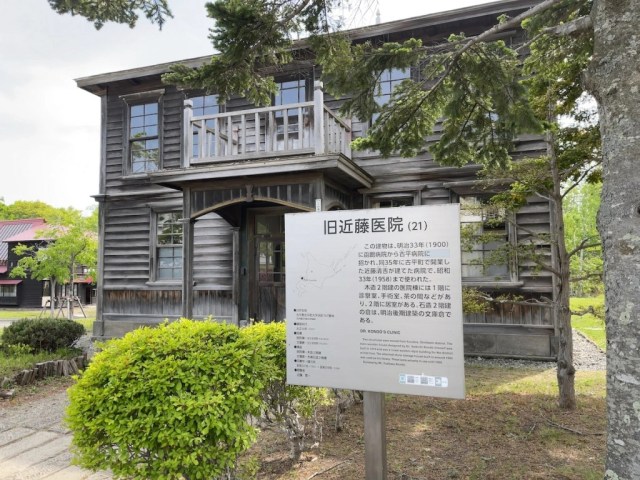
Hokkaido is Japan’s northernmost prefecture, and this clinic was built in 1900 when doctor Seikichi Kondo moved from the port city of Hakodate to the smaller town of Furubira.
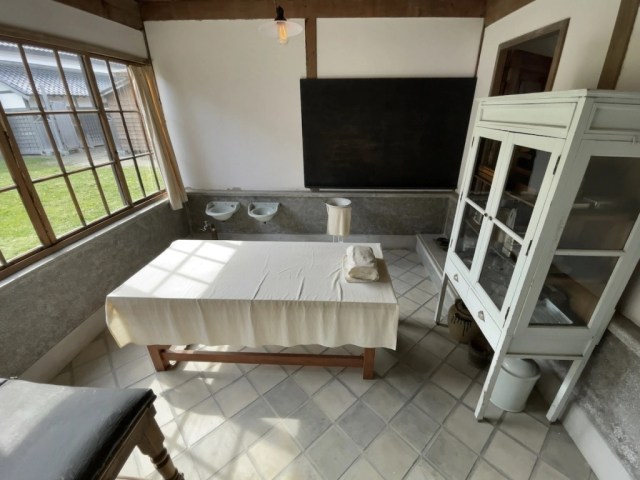
The first floor of the wooden structure contains examination, operating, and waiting rooms, while the second floor was the doctor’s living space.
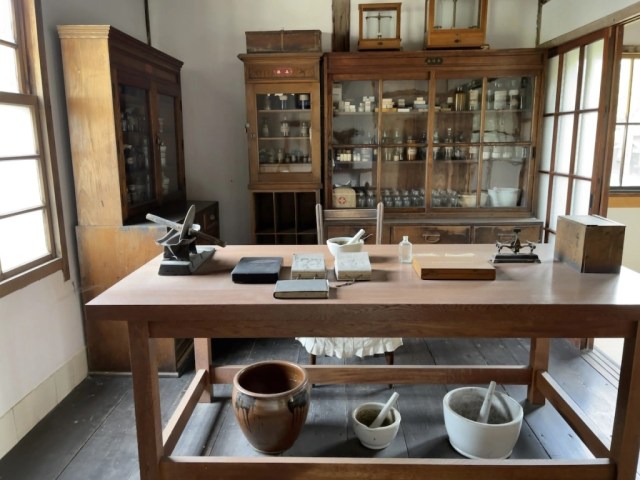
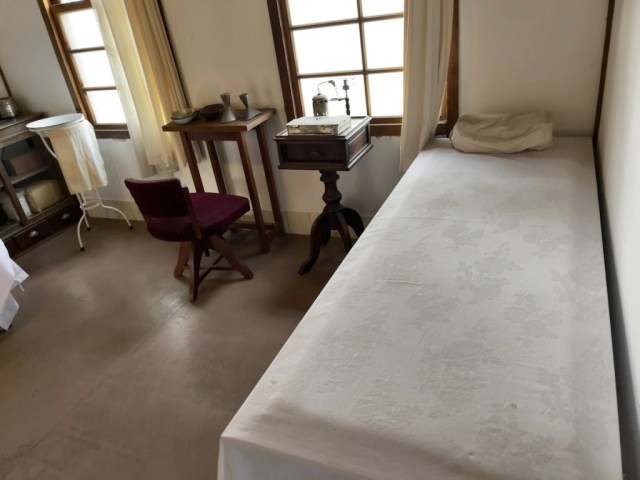
The interior has been amazingly well preserved, as though time simply stopped, freezing everything in the condition it was a century ago. It’s also an exact match to the clinic where Golden Kamuy’s Kano Ienaga receives treatments for her injuries.

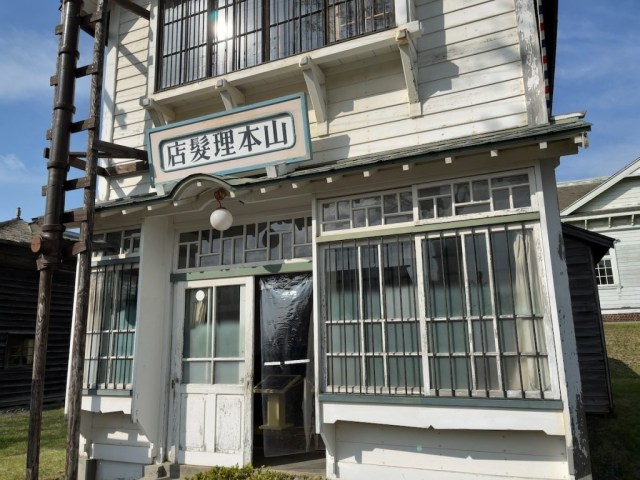
4. Yamamoto Barber Shop
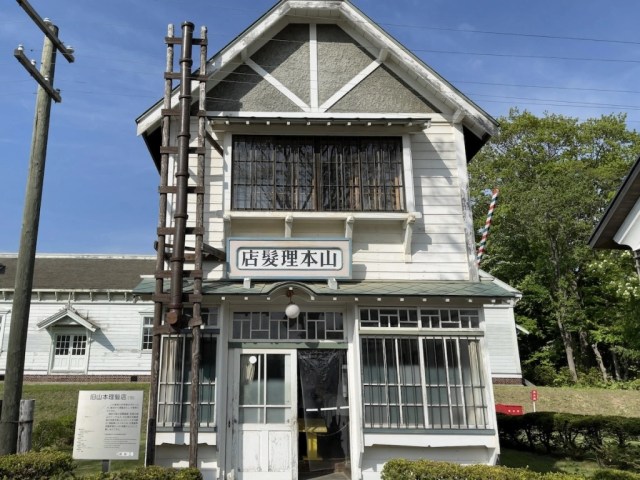
Originally located along a walking path that led to a Shinto shrine, this barber shop went through multiple owners after one Mr. Yamamoto founded it.
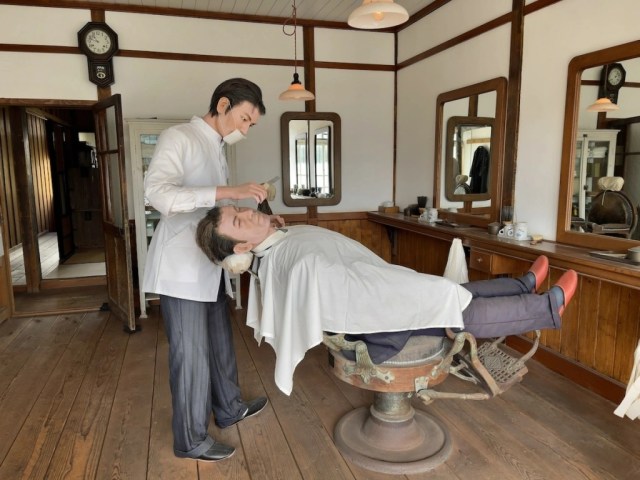
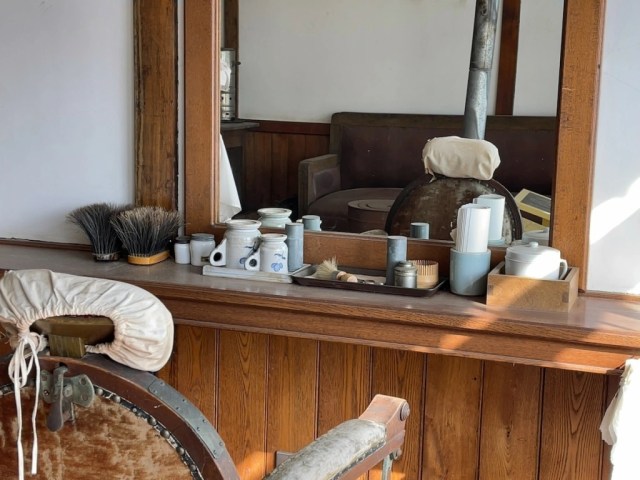
“Yamamoto” will instantly ring a bell to Golden Kamuy fans, since there’s a barber shop with the exact same name in the series.

▼ It looks peaceful here, but this was the site of a fierce fight between Tamotsu and Umakichi.
3. Urakawa Government Building
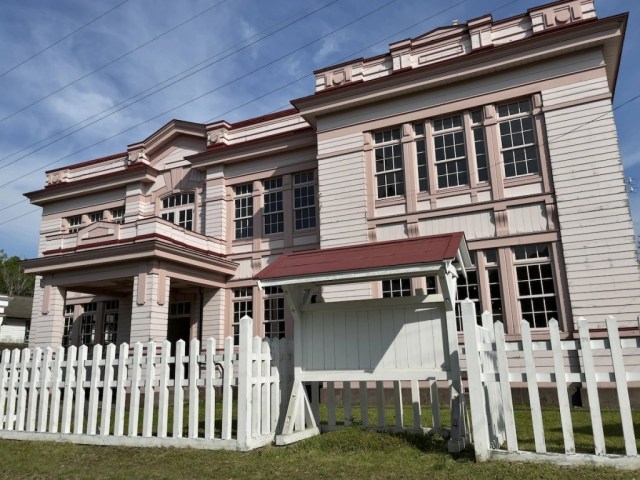
This building was originally constructed in 1919, as the Japanese government set up facilities to administer the developing network of new communities being established in Hokkaido. Though some of Kaitaku no Mura’s buildings only allow you to access the first floor, you can head upstairs here.
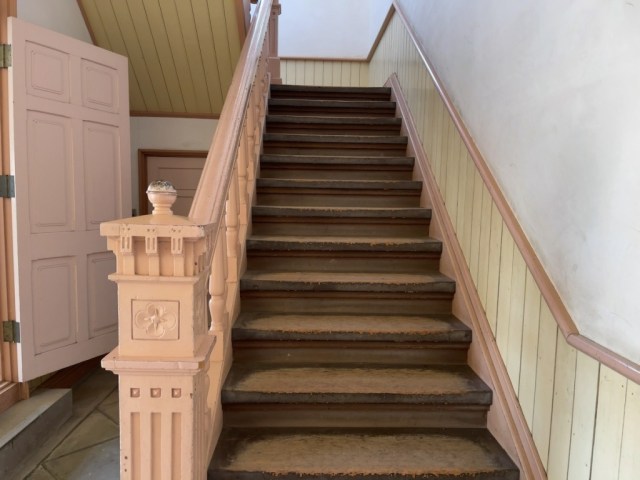
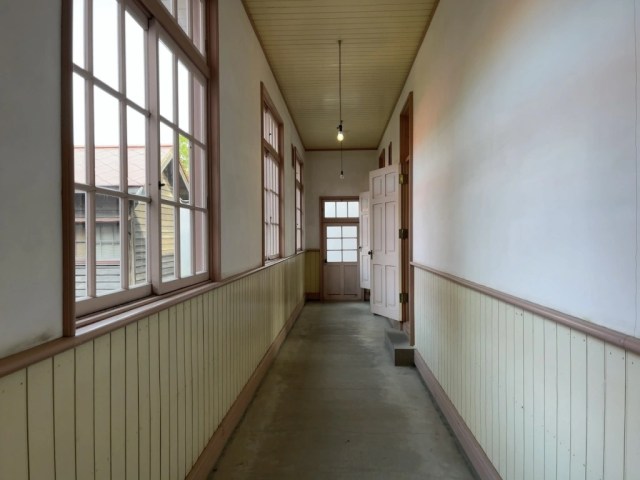
To Golden Kamuy fans, though, the building will be mor recognizable as the model for the Sapporo World Hotel, setting of the “Murder Hotel” arc of the series.

2. Hirosue Photo Studio
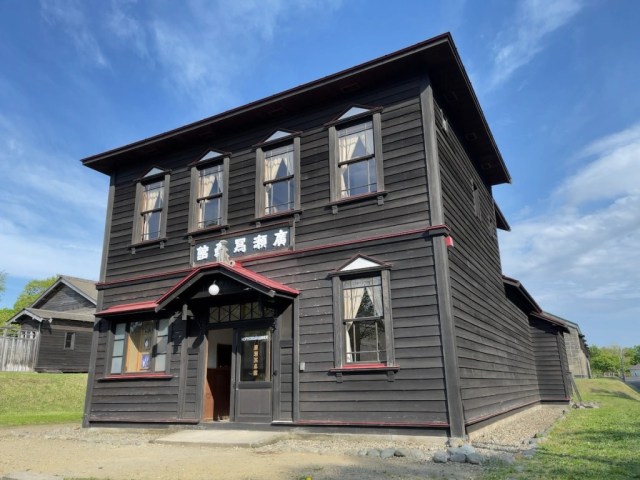
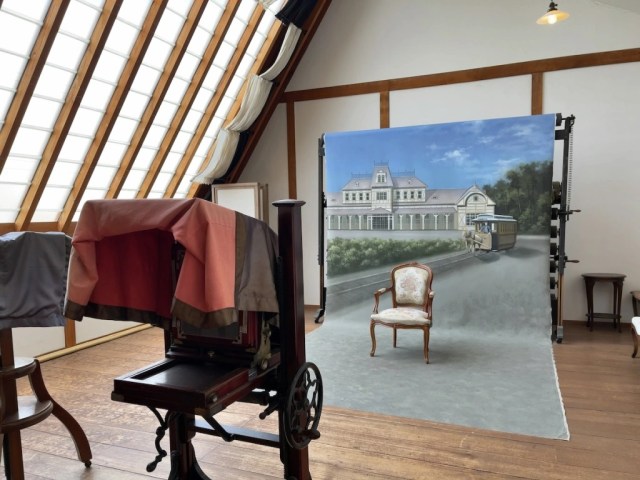
This is a reconstruction of a photo studio that was in operation in Iwamizawa from the Taisho era (which ended in 1926) up to 1958. Like many building designed in that period, architecturally it’s a mix of Western and Japanese elements.
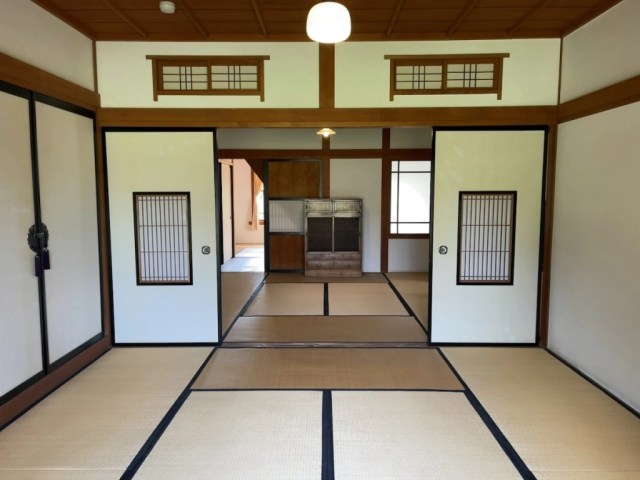
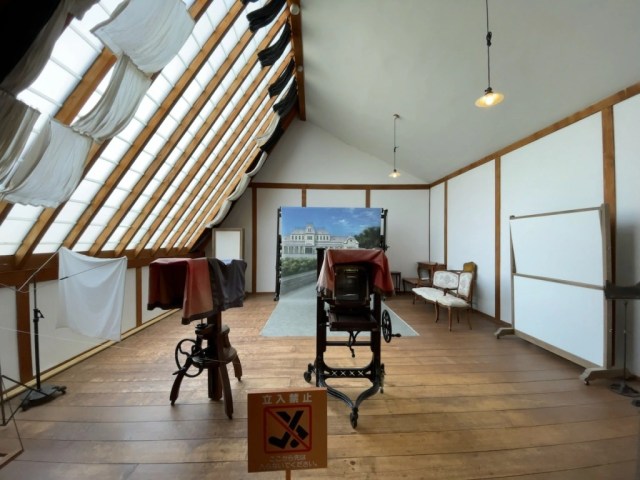
The first floor seems to have been a living space, with the second floor’s slanted roof and ample sunlight being the photo space, as seen in Golden Kamuy when a number of the cast members get their picture taken thre.

1. Fukushi Family Residence
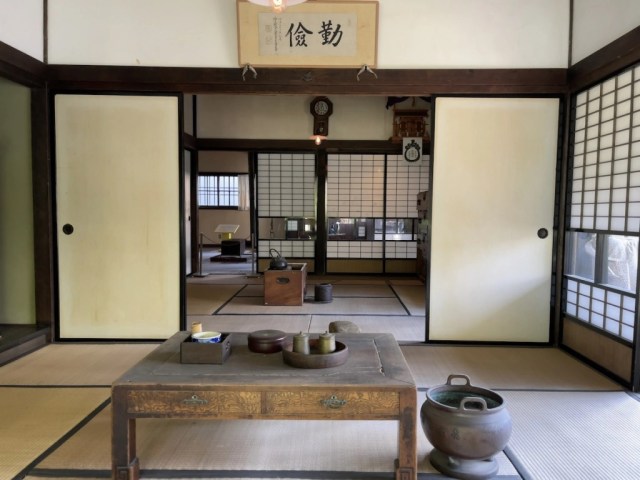
Narutoyo Fukushi was a shipbuilder, interpreter, meteorologist, and surveyor, and this was his family’s home from the middle of the Meiji period (1868-1912) until 1922. Within Golden Kamuy, though, it’s the hideout used by Toshizo Hijikata and his allies.
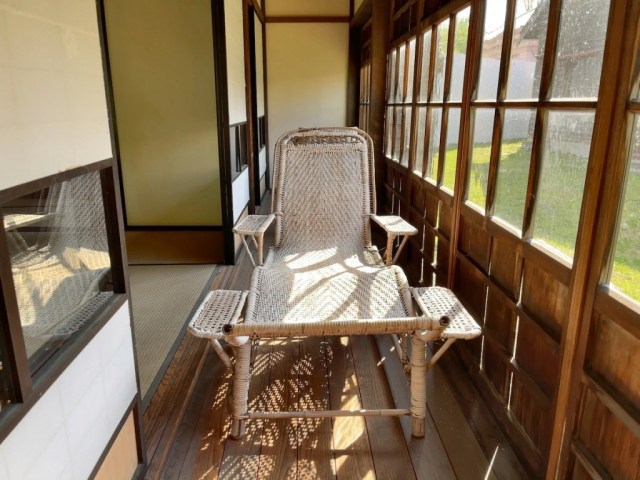
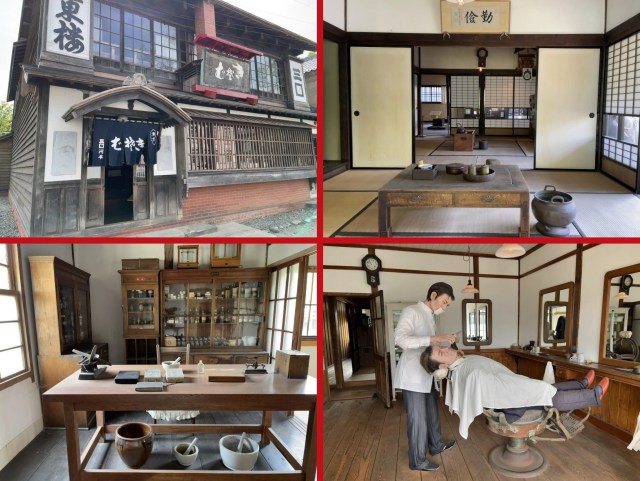
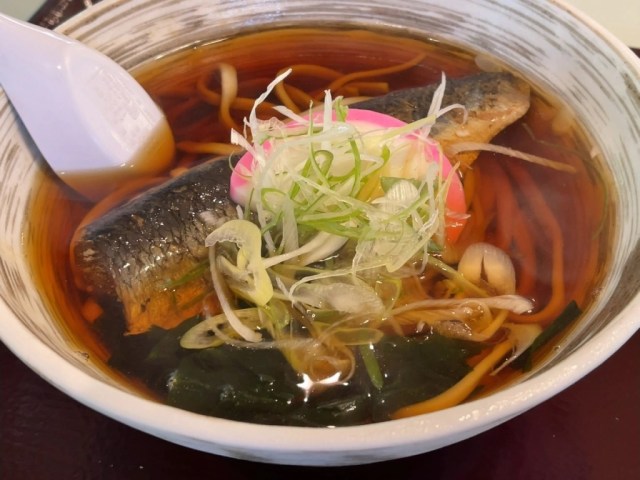
That concludes Saya’s top five, but again, she recommends seeing as much as you have time for at Kaitaku no Mura, with some of the other highlights of her visit being the soba shop (which still serves noodles if you’re hungry)…
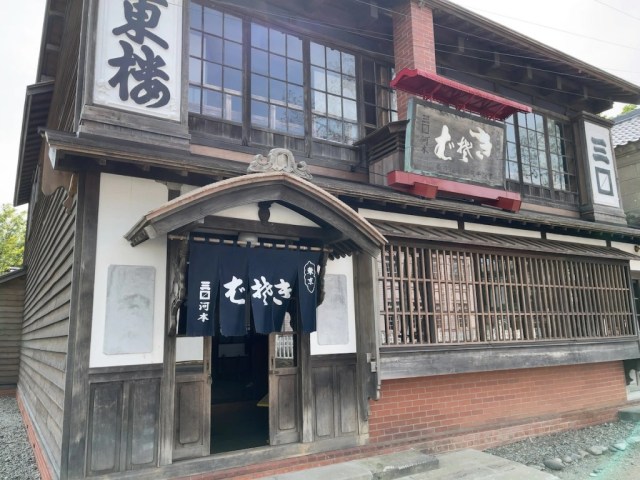
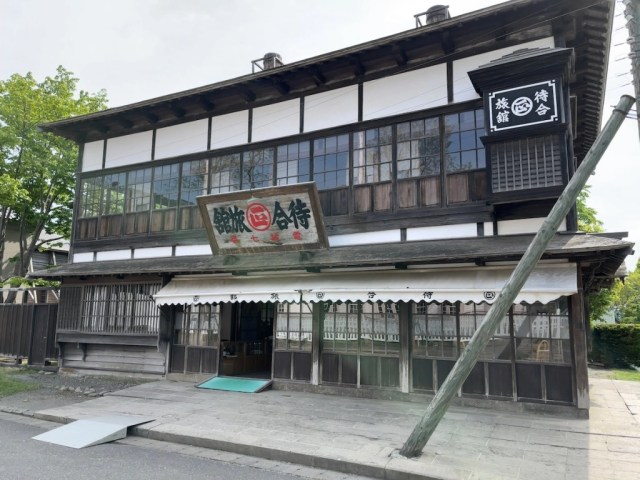
…and the ryokan inn.
But rather than try to cram in more than you can comfortably see, it’s best to spend as much time as you like in each building, since you’ve got decades and decades of history to soak up.

Location information
Hokkaido Kaitaku no Mura / 北海道開拓の村
Address: Hokkaido, Sapporo-shi, Atsubetsu-ku, Atsubetsu-cho, Konopporo 50-1
北海道札幌市厚別区厚別町小野幌50-1
Addmission 800 yen (adults), 600 yen (high school/university students), free for junior-high and younger children
Open 9 a.m.-5 p.m. (May-September), 9 a.m.-4:30 p.m. (October-April)
Closed Mondays
Website

Photos © SoraNews24
● Want to hear about SoraNews24’s latest articles as soon as they’re published? Follow us on Facebook and Twitter!


Credit:
Does the eel from these cheap takeout shops pass the buyobuyo quality test? We find out

Unagi for about 1,000 yen…is it worth it?

Unagi is the Japanese word for freshwater eel, a luxury health food that many people consider worth splurging on from time to time. Often served over a bowl of rice, it’s far more expensive than your average beef or katsu bowl, and thus if you want seriously quality unagi, you have to be prepared to pay for it.

Of course, you don’t have to spend big bucks to enjoy an unagi bowl. Popular Japanese chains often sell it for around 1,000 yen (US$7.40). The problem is, then you run the risk of getting unagi with the dreaded “buyobuyo” quality, the flabby bottom-level of unagi. You want your unagi to be firm, plush, and flavorful, not soggy and limp.

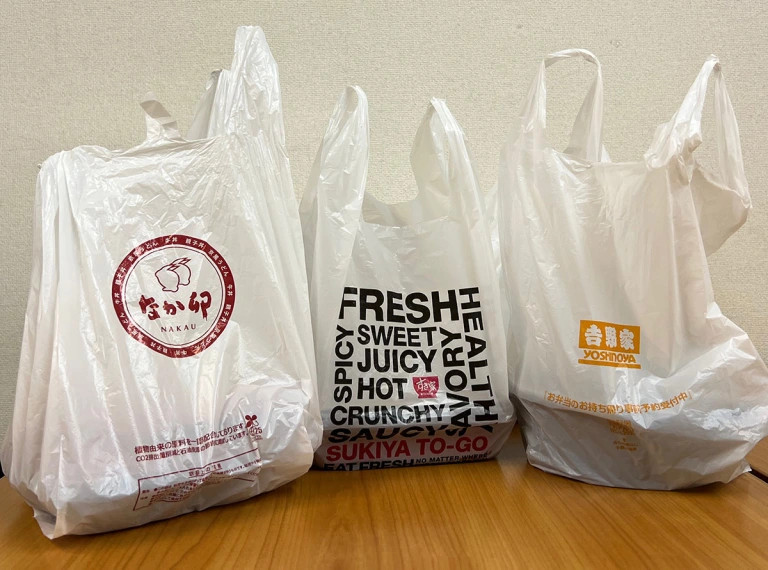
But they can’t all be bad, right? Our Japanese-language reporter and food investigator Yuichiro Wasai was curious to find out which Japanese restaurant chains’ unagi would pass the buyobuyo test, so he purchased five different takeout an unagi bowl to find out.

Unfortunately, though Yuichiro would very much like to buy an unagi bowl from every cheap place in town, he can only eat so much, so after much deliberation, he decided to test only these five. Please note that all prices are takeout prices.)

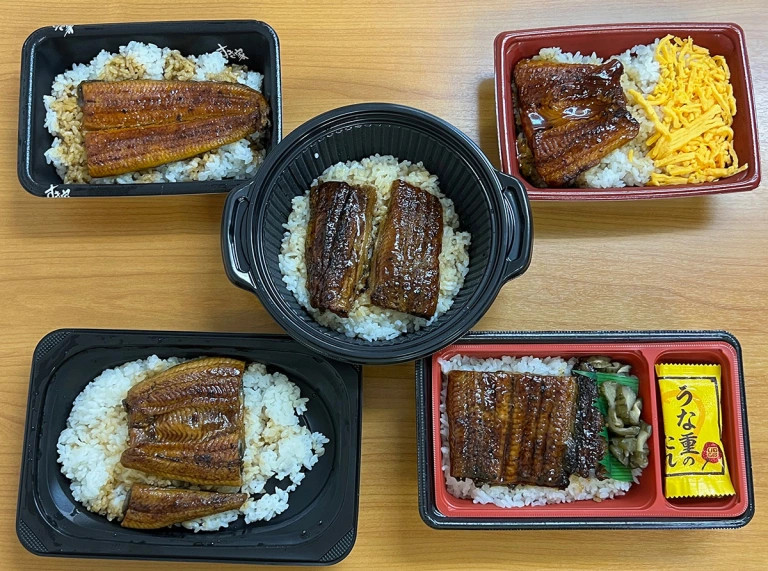
Yoshinoya’s Unaju (Eel over rice in a lacquered box) Single Eel Bowl (1,077 yen)
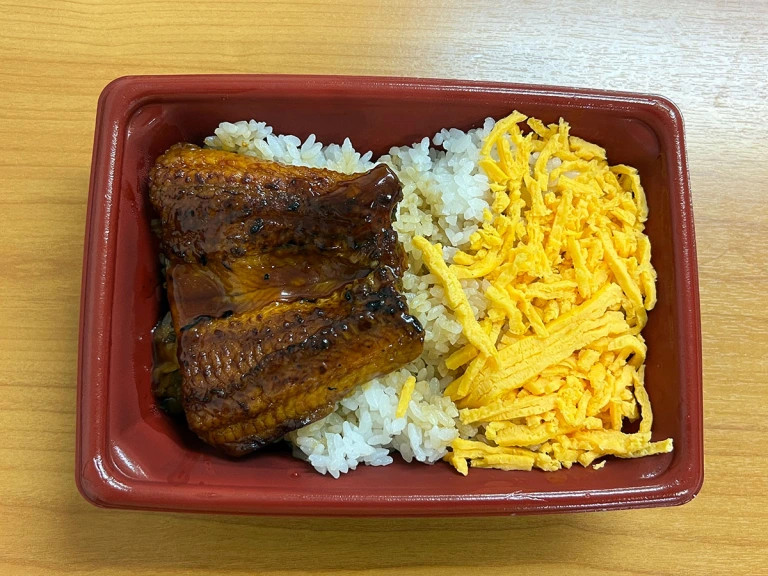
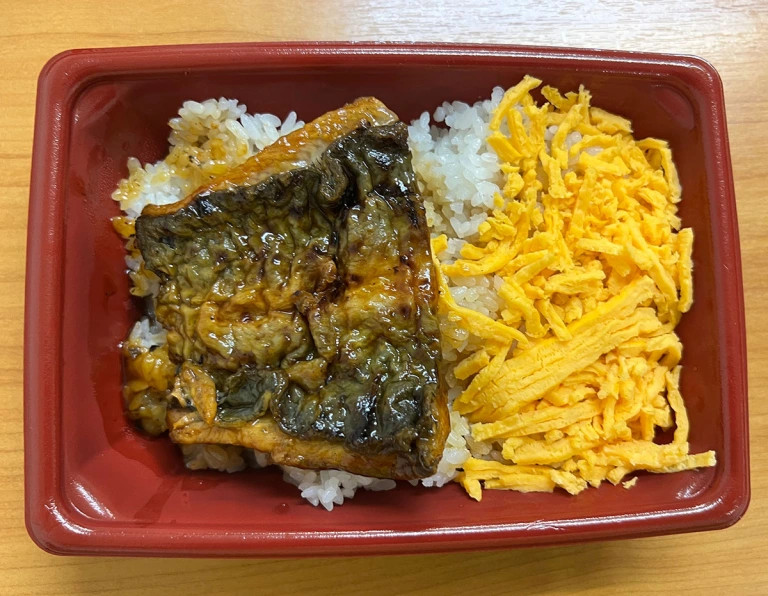
Nakau’s Unaju (880 yen)
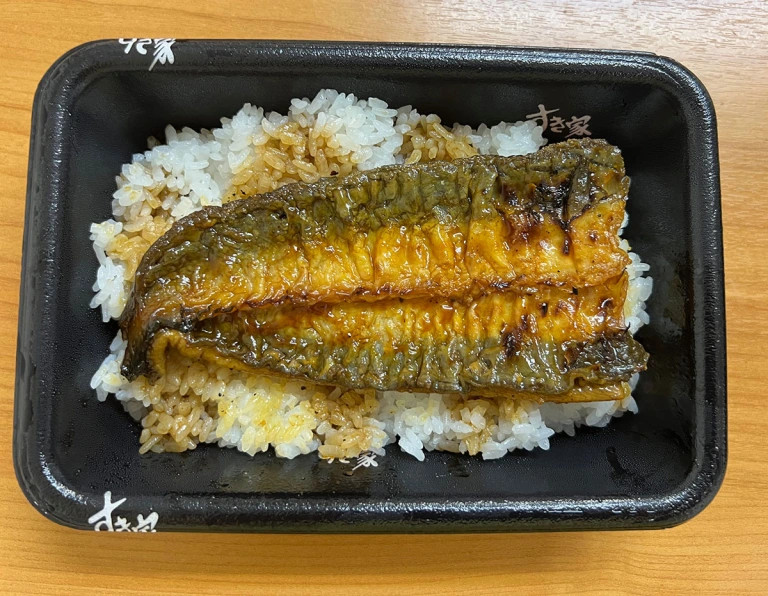
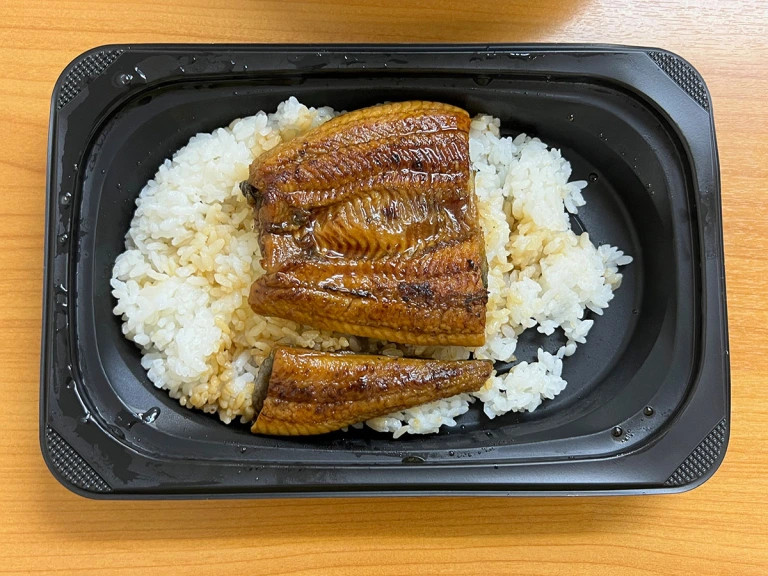
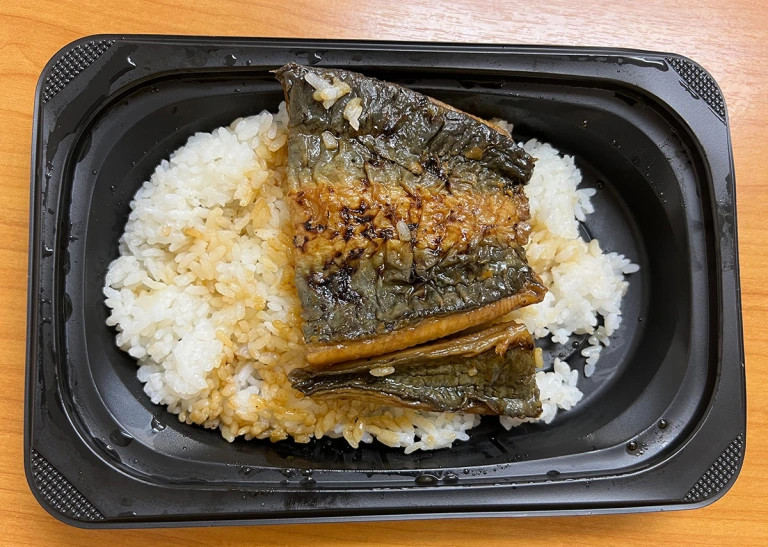
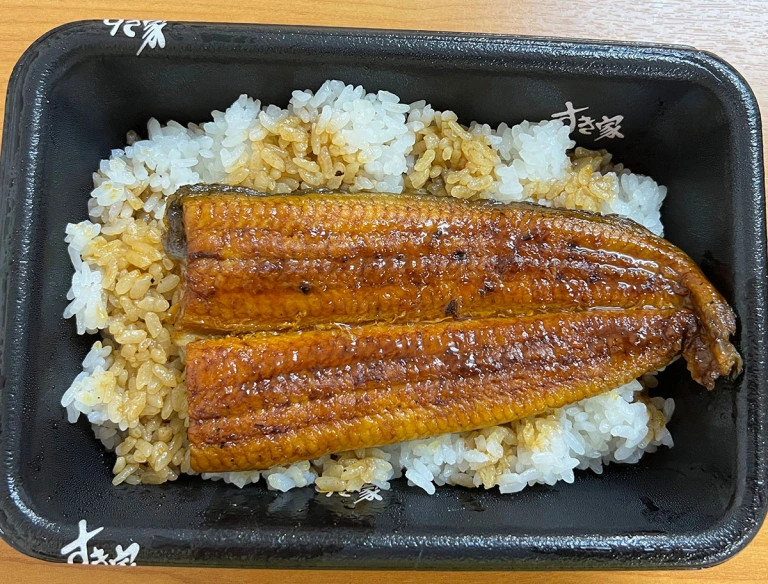
Sukiya’s Unadon (Eel over rice in a bowl) Regular Size Bento (850 yen)
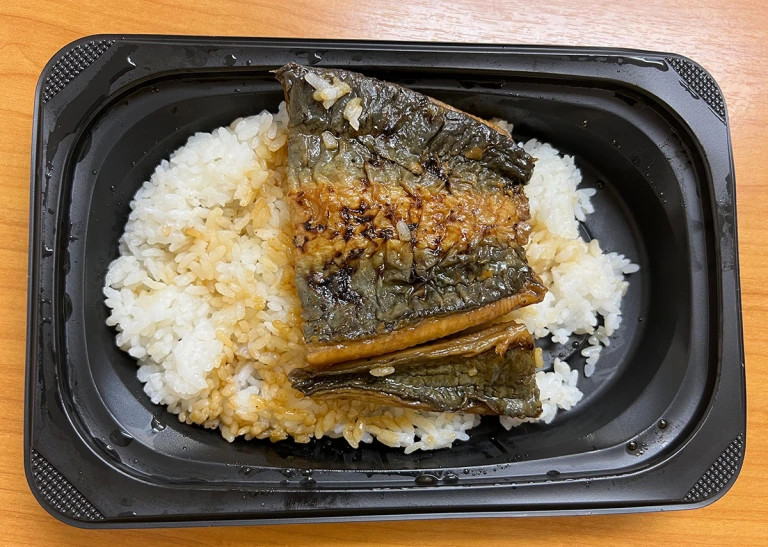
Gusto’s Unagi Bento (1,079 yen)
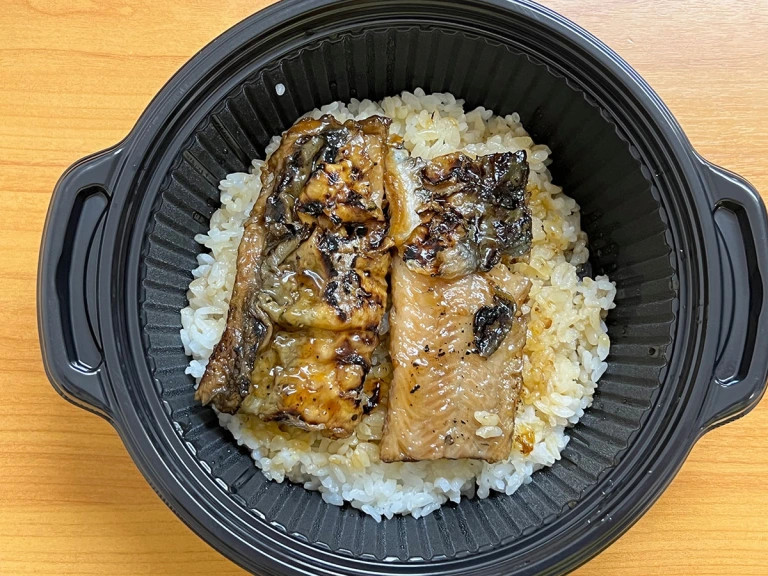
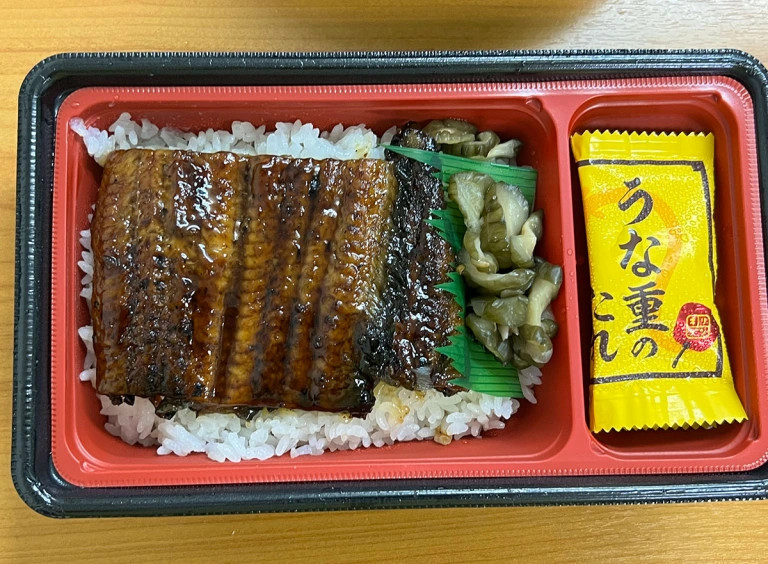
Origin Bento’s Unaju with Unagi from China (1,069 yen)

Since Yuichiro had the prices for each of his bowls, he decided to weigh each one to see how much volume you get per price. The food weights aren’t exact, since he couldn’t remove the meals from their containers without ruining their presentation, but there there was still one restaurant that pulled well above the others in terms of weight.

Though each of the ungai bowls weighed over 330 grams (11.6 ounces), Yoshinoya’s came out to 406 grams (14.3 ounces), nearly fifty grams heavier than Nakau’s, which was the next-heaviest.

However, when it came to the actual mass of the unagi itself, Yoshinoya’s eel only came out to be seven grams more than Gusto’s and Origin’s, indicating that maybe the bulk of Yoshinoya’s extra weight is rice. Nevertheless, the volume of food per yen was such that it might be well worth the over 1,000 yen price…if it passes the buyobuyo test.

(Warning: some people might find the following images gross, especially if you don’t like eel. If you think you’re okay, continue on.)

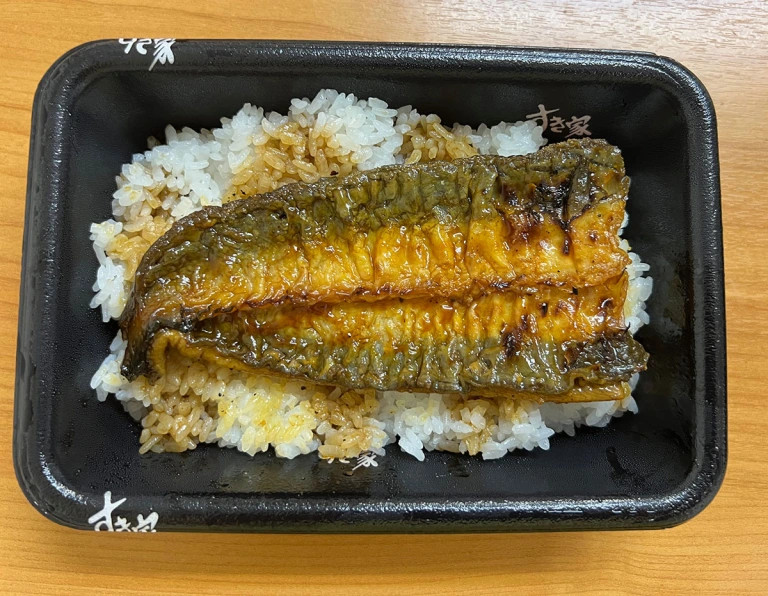
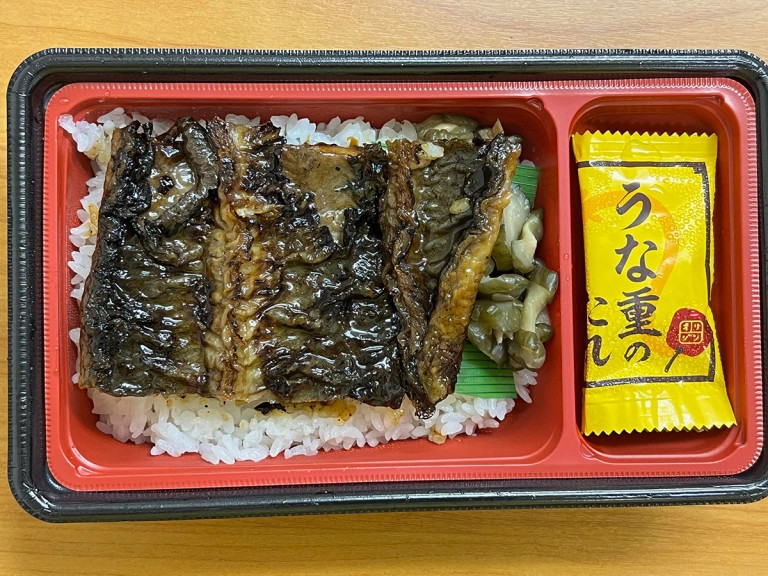
Now for the real test. Yuichiro began to flip the unagi one by one to check how limp-looking their bottoms were.

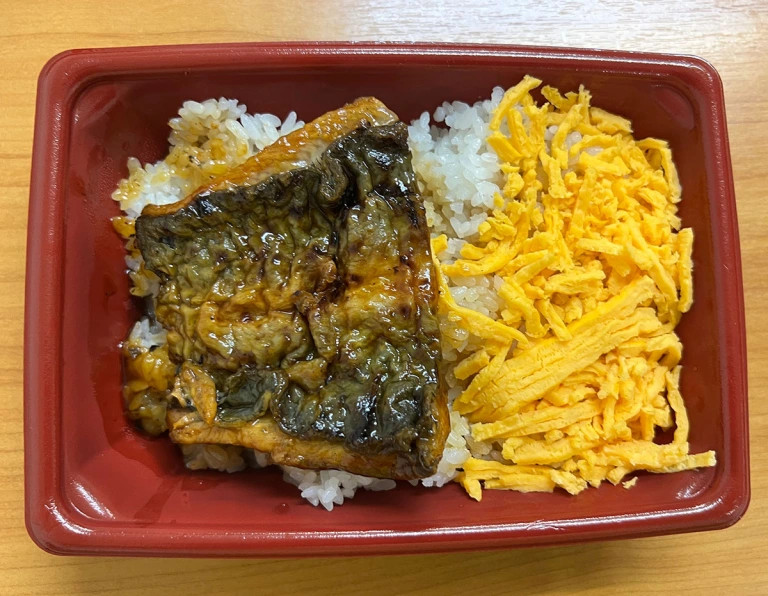
▼ Sukiya

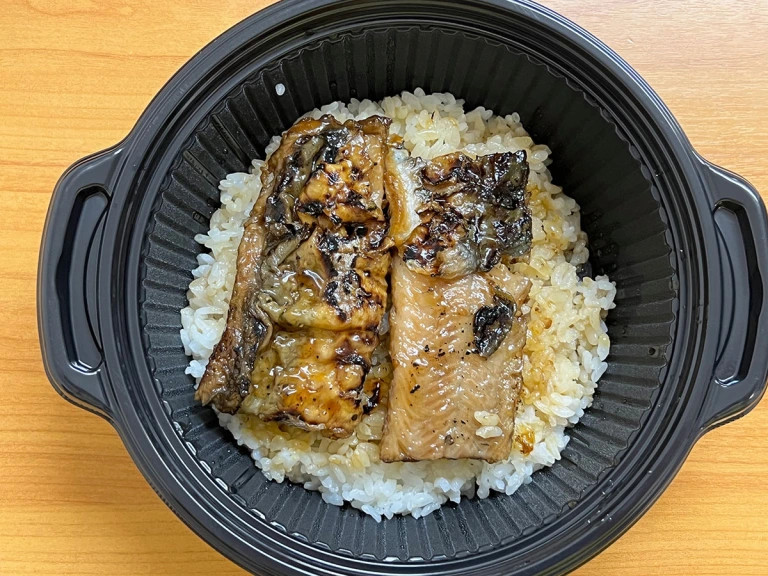
▼ Gusto

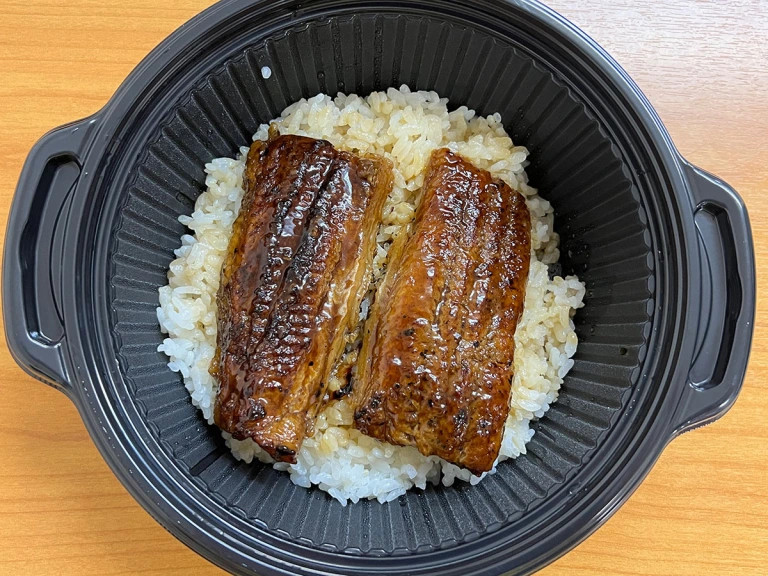
▼ Yoshinoya

▼ Nakau

▼ Origin Bento

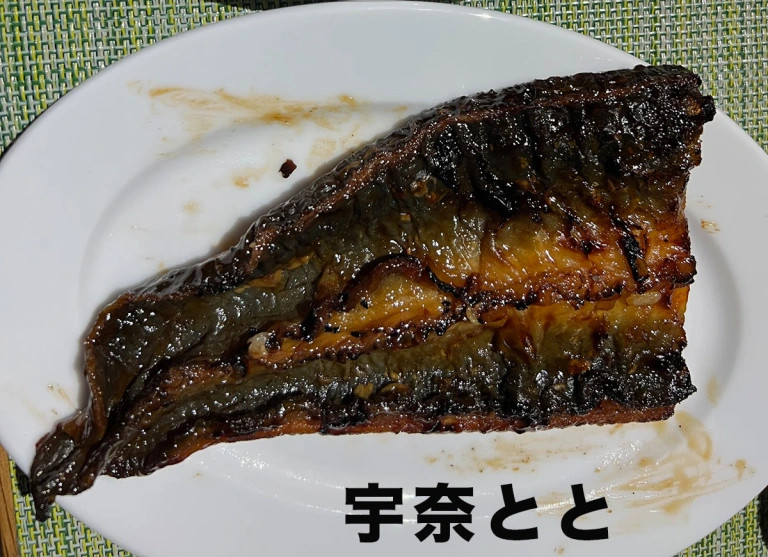
They all looked…reasonably flabby. Or at least, they didn’t have the chargrilled look unagi is supposed to have. Not like unagi specialty chain Unatoto’s takeout unagi, pictured below.

Sad to say, they all looked like they were made with speed and process optimization in mind…which isn’t surprising given that they were all cheap unagi bowls from chain restaurants. Nevertheless, there were some that stood out flavor-wise, and some that stood out for their cost performance, so here is Yuichiro’s ranking of the five different unagi bowls.

5. Yoshinoya’s Unaju Single Eel Bowl (1,077 yen)

Unfortunately, having the most volume didn’t save this unagi bowl from being ranked as the most buyobuyo. It was a shame since the top of the fish looked like it had so much elasticity. There was just too big a gap between the appearance of the front and the back. However, it did have the advantage of having the biggest serving of eel, so if you’re looking for a filling meal, this might be your best bet.

4. Gusto’s Unagi Bento (1,079 yen)

In terms of flavor, this bento was unremarkable, but that isn’t necessarily a bad thing. Unagi that tastes “just fine” at this price is actually pretty great. It also didn’t have a significant amount of buyobuyo, at least not enough for Yuichiro to notice. However, the rice in this bento was a little bit on the dry side, which is what bumped it down to fourth place.

3. Nakau’s Unaju (880 yen)

This was the only one that came with thin omelet strips, so it was the most colorful to look at. But Yuichiro thought if they were going to the trouble and expense of adding anything, he would much rather have more sauce than omelet strips. The unagi, however, was nice and soft, though Yuichiro ranked it fourth in terms of buyobuyo-ness.

2. Sukiya’s Unadon Regular Size Bento (850 yen)

This one was the least buyobuyo, and the unagi had a nice elasticity to it. However,  it was still the opposite of fluffy. Yuichiro wasn’t quite sure how to describe it. Perhaps it was very…austere?

1. Origin Bento’s Unaju with Unagi from China (1,069 yen)

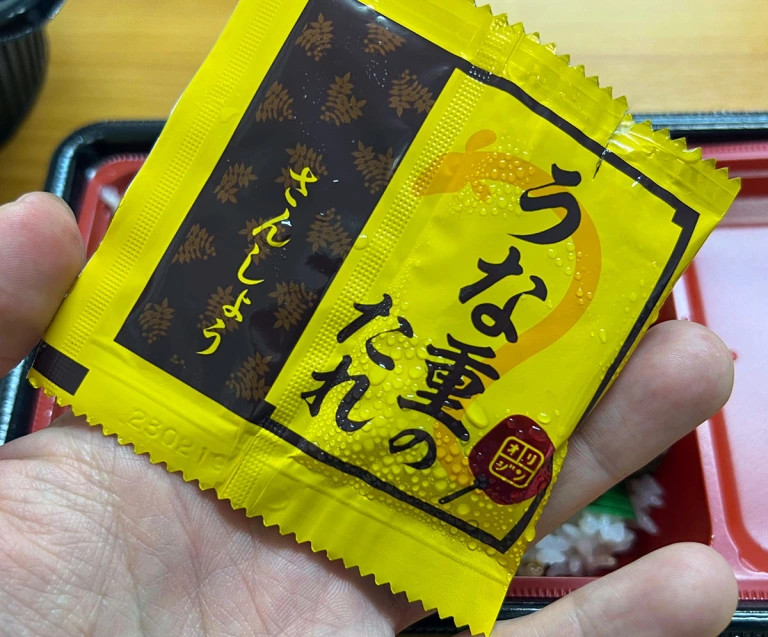
Although this one was a bit more buyobuyo compared to Sukiya’s unagi, it definitely had a much softer and fluffier texture. More than anything else, the flesh of the unagi was nice and thick. But the best thing of all was how they provided the sauce in a separate package.

Since the sauce will often end up being the lifeline of cheap unagi like this, Yuichiro believes that applying the sauce just when you’re ready to eat it is best, which is why this bento got top marks for thoughtfulness. Origin’s unagi bento also won because it came with pickles–and who doesn’t love pickles?–and was very transparent about its sourcing.

Regardless of which restaurant each unagi bento came from, however, Yuichiro had to say that he really appreciated all the effort they’ve gone through to provide a decent experience of unagi at a reasonable price. After tasting these, Yuichiro learned that there’s no reason to be too much of a snob when it comes to cheap unagi. At the very least, trying them all might make one appreciate expensive unagi even more. Or, if you’re like Yuichiro, you’ll always be searching for that extra delicious yet affordable unagi bento.

By the way, if you’re a fan of saltwater eel as well as freshwater eel, don’t forget to check out our investigation into which conveyer belt sushi chain has the best anago sushi!

Images © SoraNews24
● Want to hear about SoraNews24’s latest articles as soon as they’re published? Follow us on Facebook and Twitter!


Credit:
Awesome-looking Japanese whiskey maker’s snack recipe requires no booze, almost no effort【Photos】

Got company coming over in exactly a minute, or just a severe case of the munchies? Than this is what you’re looking for.

Our Japanese-language reporter K. Masami had just poured herself a whiskey highball, which ordinarily would be enough to make her happy. However, as she sipped her drink, she couldn’t help thinking she’d be even happier if she had some snacks.

Now, naturally, if you’re half-way through a hard-liquor mixed drink, you’re probably not in the mood to do any intensive work in the kitchen. And yet, Masami wanted something that not only would taste good, but look good too, since she’s a stickler for presentation (as her lovingly taken photos of Japanese Starbucks Frappuccinos attest to).

As luck would have it, though, Nikka, the company that makes the whiskey that had gone into her drink, had a suggestion, and it was everything she was looking for.

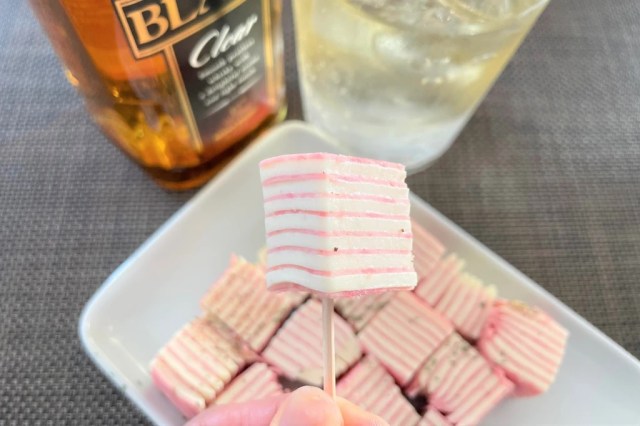
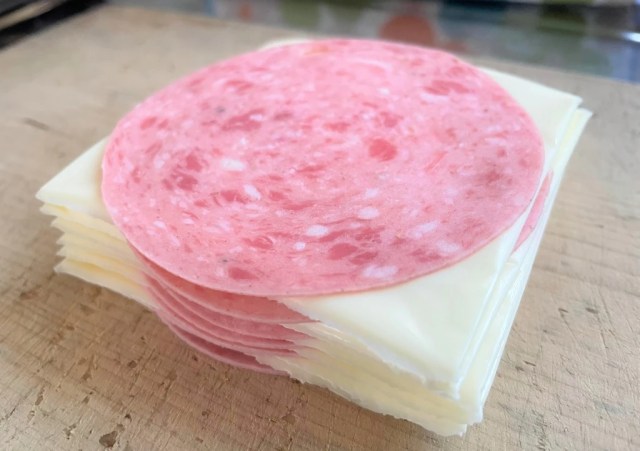
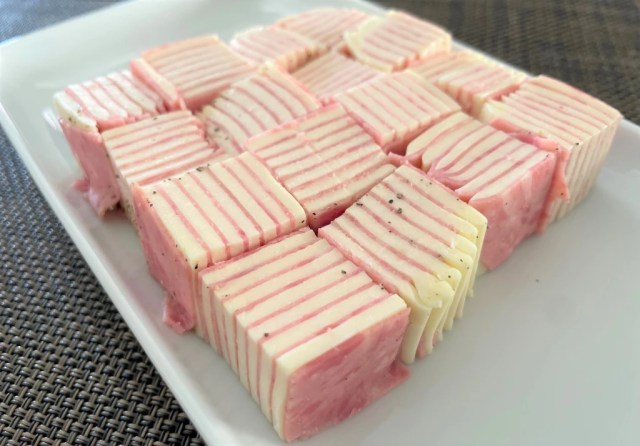
That’s the end result of Nikka’s recipe for “Bite-sized Beer Sausage and Cheese Millefeuille,” but don’t let the fancy-sounding “millefeuille” trick you into thinking this is difficult or time-consuming to make. All you need are two ingredients, a pack of ham (“beer sausage” is a term used in Japan for seasoned ham varieties) and a pack of sliced cheese.

Just open both packs up and start stacking the slices one on top of each other, alternating layers of ham and cheese.

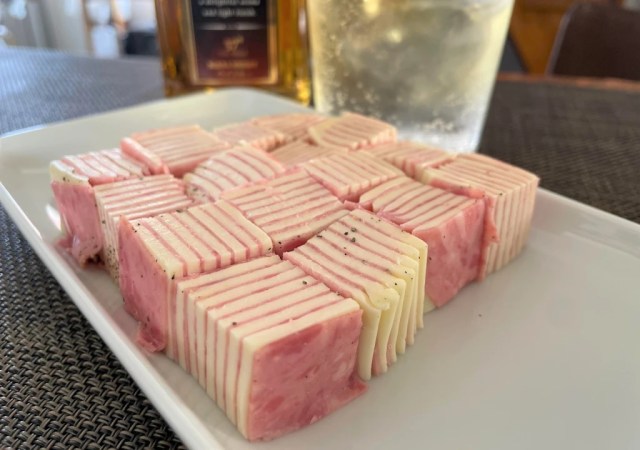
Then, grab a knife (make sure your hand/eye coordination is still in good shape if you’ve had multiple highballs already) and slice the stack into squares.

And that’s all there is to it!

The whole thing is done in seconds, making this an almost guilt-inducingly easy snack tray to put together if you’ve got friends coming over or a potluck party to attend. It tasted just like Masami expected it would, rich, meaty and immensely satisfying.

If you want to get more involved, you can sprinkle on some extra black pepper, parsley flakes, or other seasonings, or maybe even add a small drizzle of honey for a sweet and smokey flavor to complement your whiskey.

Of course, with no actual booze in the Bite-sized Beer Sausage and Cheese Millefeuille blocks themselves, this recipe is equally applicable to non-drinking occasions. And if you’re just aching to use whiskey as an ingredient, Nikka has not one, but two great dessert ideas for you.

Photos © SoraNews24
● Want to hear about SoraNews24’s latest articles as soon as they’re published? Follow us on Facebook and Twitter!


Credit:

One Piece Red T-shirt line from Uniqlo will make fellow fans green with envy【Photos】

Luffy and Shanks share a heartwarming moment in collection celebrating upcoming One Piece anime movie.

The One Piece manga is currently on hiatus as creator Eiichiro Oda gears up for the long-awaited finale arc of the series. But the franchise is still giving fans something to get excited about while they wait for the Straw Hat Pirates to resume their voyage, and it’s doing that by partnering with Uniqlo for a new line of One Piece T-shirts.

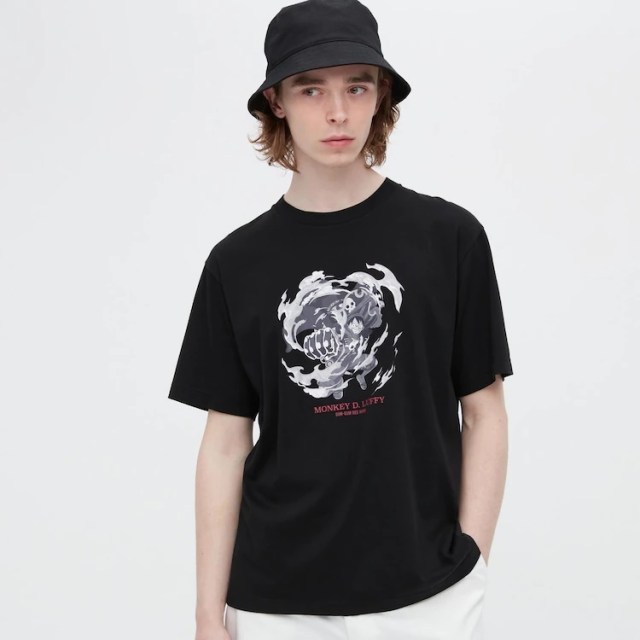
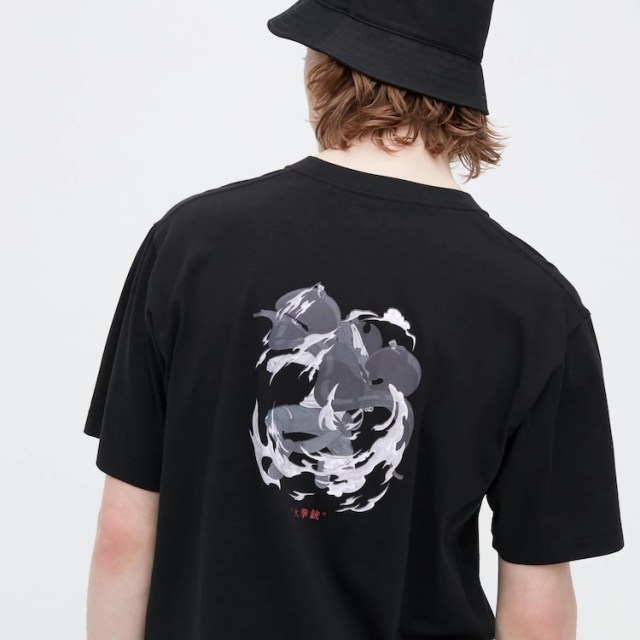
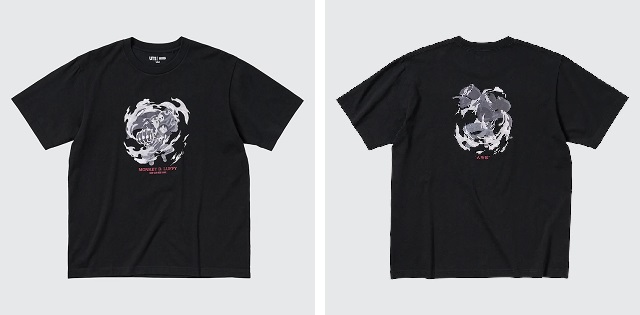
Technically, the collection isn’t meant as consolation for the manga’s hiatus, but as a celebration for the upcoming One Piece Film: Red, the franchise’s 15th theatrical-feature anime. There’s a total of four short-sleeved shirts in the lineup, starting with a fired-up Luffy throwing a fiery punch.
There’s art on both the front and back, giving you two perspectives on the self-proclaimed future king of the pirates.

▼ Though this does sort of make it look like Luffy has rammed his fist clean through your chest.

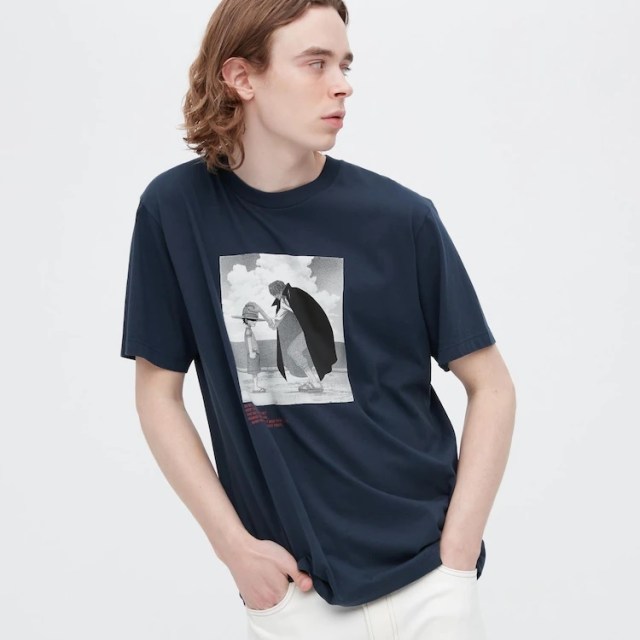
The title of One Piece Film: Red is ostensibly a reference to Red-Haired Shanks, Luffy’s boyhood idol/mentor, and so one of the shirts shows the older pirate gently gifting the kid his iconic straw hat.

▼ Only the front of this shirt has artwork.

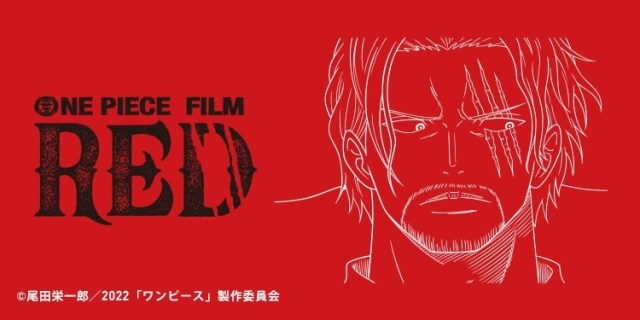
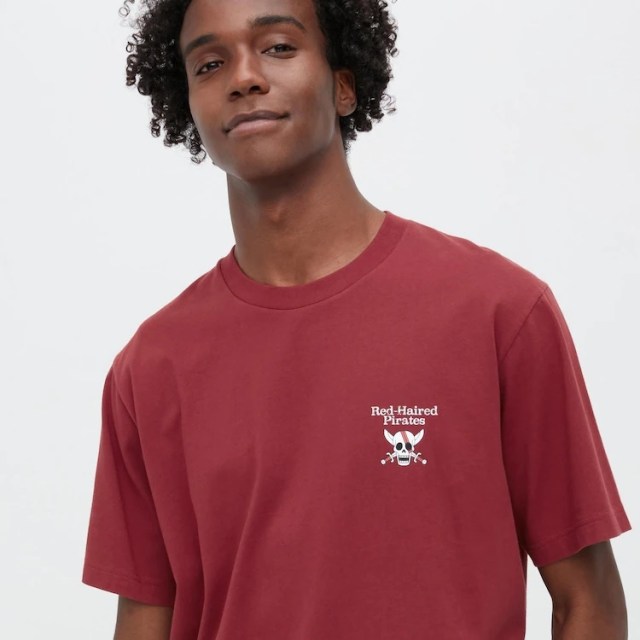
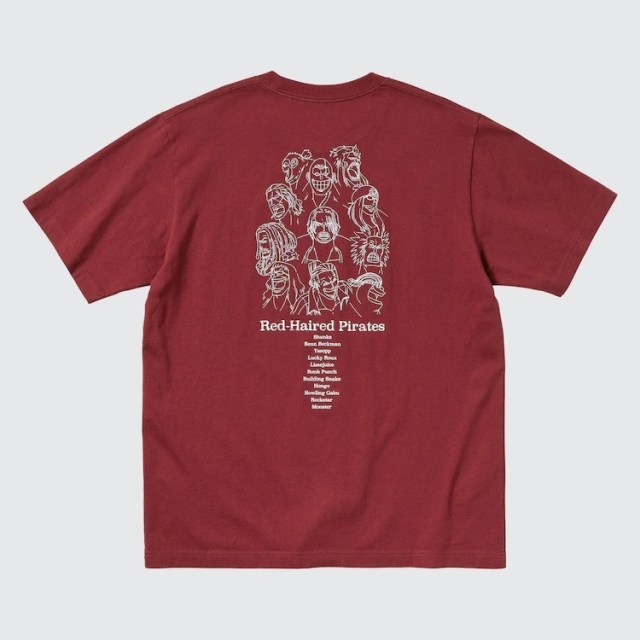
Should you have the understandable desire for a One Piece Film: Red shirt that’s, well, red, Uniqlo has got you covered too.

You get the name and insignia of the Red-Haired Pirates on the chest, but this time it’s the back that’s the main focus, where you’ll find portraits of Shanks and his crew.

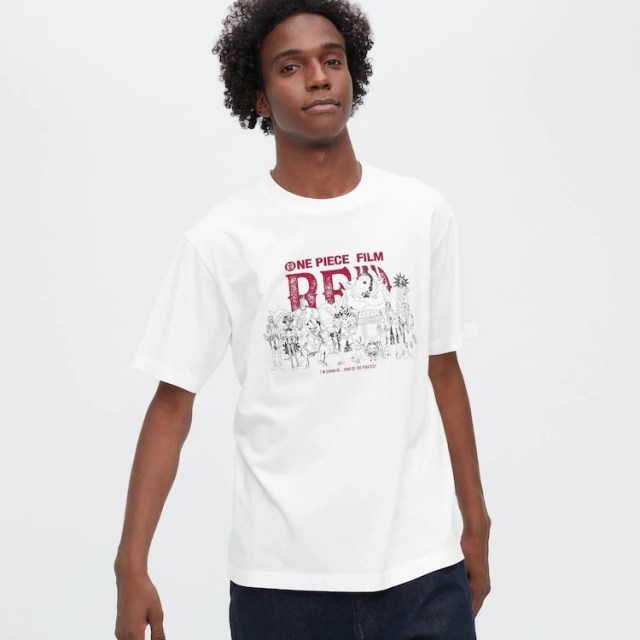
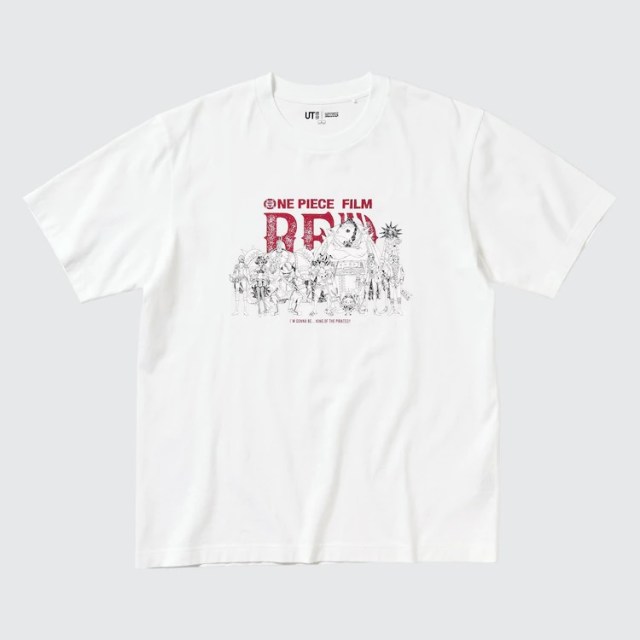
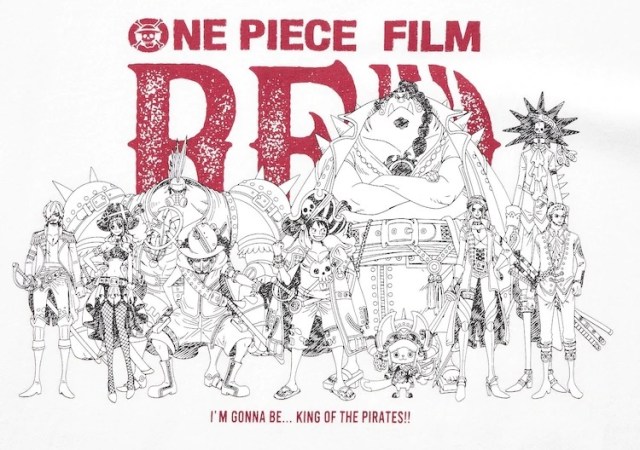
And last, if your loyalty is to the Straw Hat Pirates above any other faction, there’s a shirt with the core cast wearing their fancy new costumes for the upcoming film.

▼ No design on the back for this shirt either.

All of the shirts are priced at 1,500 yen (US11.20) and can be ordered through the Uniqlo website here when they go on sale June 11, just under a month before One Piece Film: Red debuts in theaters and right in the middle of the free-to-read period for over 20 years’ worth of One Piece manga online.

Source: Uniqlo
Top image: Uniqlo
Insert images: Uniqlo (1, 2, 3, 4)
● Want to hear about SoraNews24’s latest articles as soon as they’re published? Follow us on Facebook and Twitter!


Credit: