“Come to me quickly, Sailor Moon. This will be your grave” – Cosmos trailer goes dark, sounds awesome

Anime’s greatest voice actress sounds incredible as Sailor Moon’s final foe.

The hype train for Sailor Moon Cosmos, the next arc of the Sailor Moon reboot that began with Sailor Moon Crystal, is picking up steam. Though we’re still a few months away from the premiere of the theatrical-feature anime, a brand-new preview has been released, and it wastes no time establishing that Cosmos is going to be going to some darkly dramatic places, with the fate of the world and the lives of the Sailor Senshi hanging in the balance.

It’s a treat for long-time franchise fans, and anime enthusiasts in general, to see Sailor Moon action sequences explode as they do in the trailer, with all the color and kinetic energy that the series’ now-established popularity and modern production techniques allow. But what really makes the preview special isn’t just how awesome it looks, but how amazing it sounds.

As we learned last week, Sailor Moon Cosmos has added some heavy hitters to its voice cast, including the legendary Megumi Hayashibara as Sailor Galaxia. Sailor Moon’s final foe, Galaxia is a rare case of Hayashibara, who’s spent most of her career voicing either fiery heroines or Evangelion’s almost catatonically calm Rei Ayanami, to play the primary villain in an anime, and her application of that range to Galaxia is genuinely unnerving.

“Such a beautiful light. Soon, this shining brightness will be mine,” Hayashibara/Galaxia declares as the trailer begins, later adding “Come to me quickly, Sailor Moon. This will be your grave,” in a chillingly gentle tone, before erupting in a joyously cruel peal of laughter.

Contributing to the treat-for-the-ears element is the presence of a background score filled with ominous tension, as well as a short snippet of the movie’s theme song, “Tsuki no Hana” (“Flower of the Moon”), performed by Daoko, all accompanying some eye-popping moving camera and animated pyrotechnic work.

Sailor Moon Cosmos is adapting what was the final arc of both the original Sailor Moon manga and 1990s anime, and it doesn’t look like there are any plans to milk the remake for longer than its source material, as the trailer’s on-screen text promises that this is “The final chapter of Sailor Moon” and that “Sailor Moon’s final battle begins.”

Sailor Moon Cosmos is being released in two parts, with the first hitting Japanese theaters on June 9 and the second on June 30.

Source, images: YouTube/sailormoon-official
● Want to hear about SoraNews24’s latest articles as soon as they’re published? Follow us on Facebook and Twitter!


Credit:
Fun with Kaki No Tane rice cracker ice cream sandwiches【Taste test】 

Just when you thought ice cream couldn’t get any better.

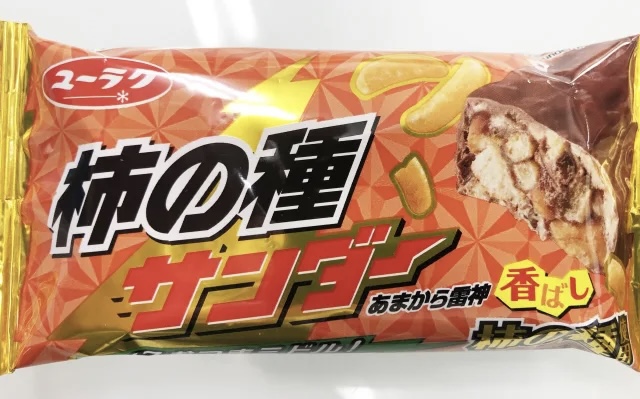
Kaki no Tane is a long-running and beloved Japanese snack. It name literally means “persimmon seeds” but they are actually salty rice crackers in the shape of persimmon seeds. Although they are often great on their own, they can also complement other snacks such as Black Thunder chocolate bars fantastically.

▼ Kaki no Tane Thunder

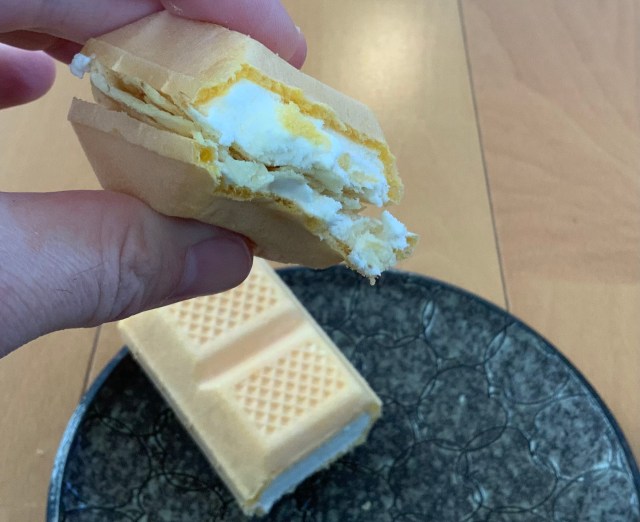
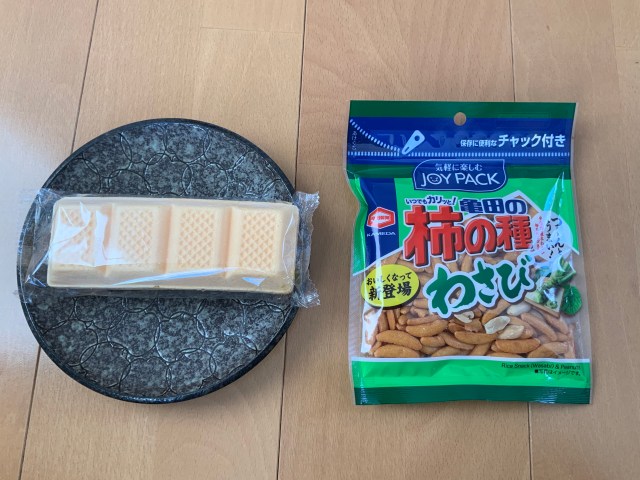
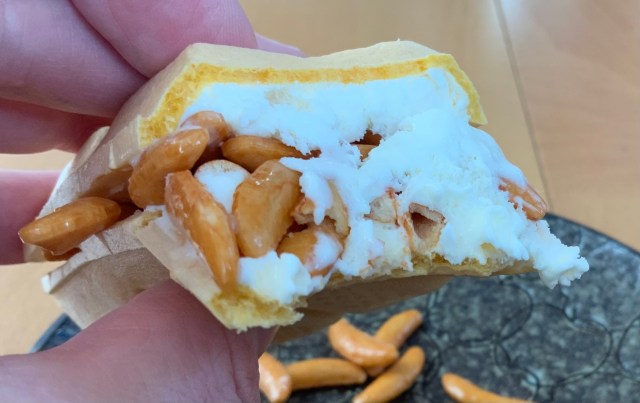
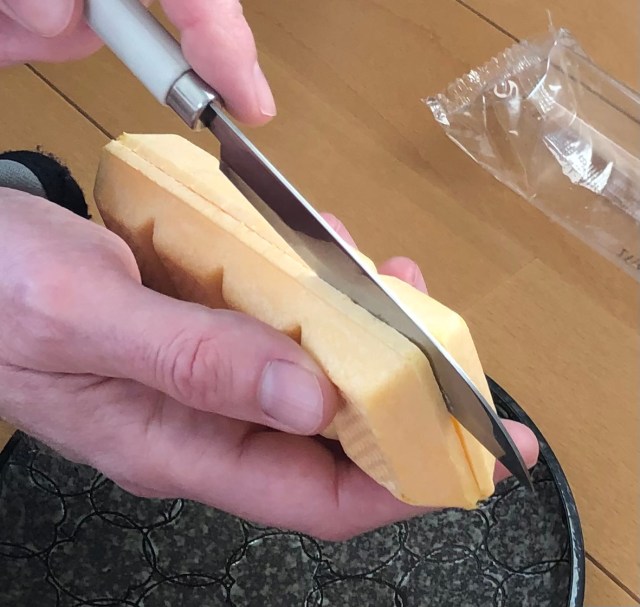
And now, thanks to a tip from the official Kaki no Tane Twitter account, we have yet another way to enjoy them. The simple recipe involves putting a bunch of these snacks into a vanilla monaka ice cream, which is a bar of ice cream encased in a wafer. 

The high structural integrity of the monaka makes this recipe a cinch. Just cut it in half along the crease.

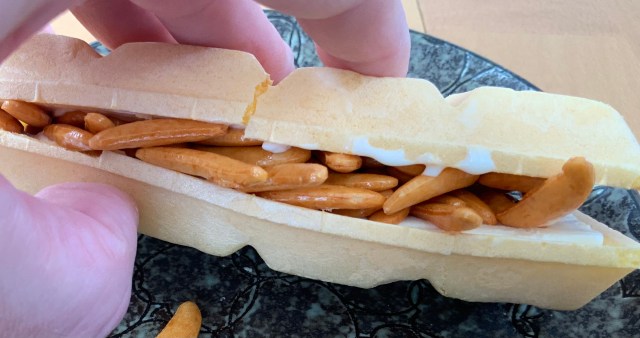
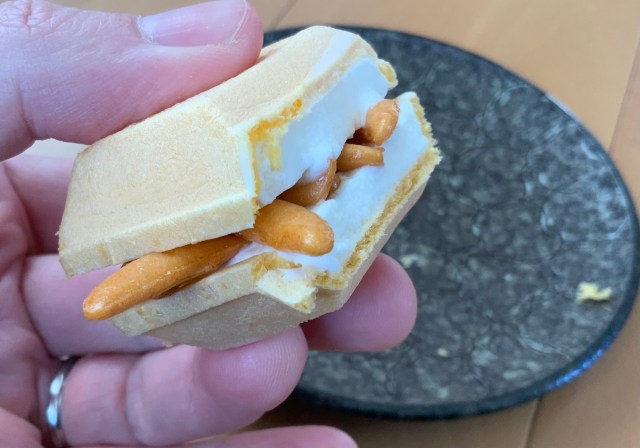
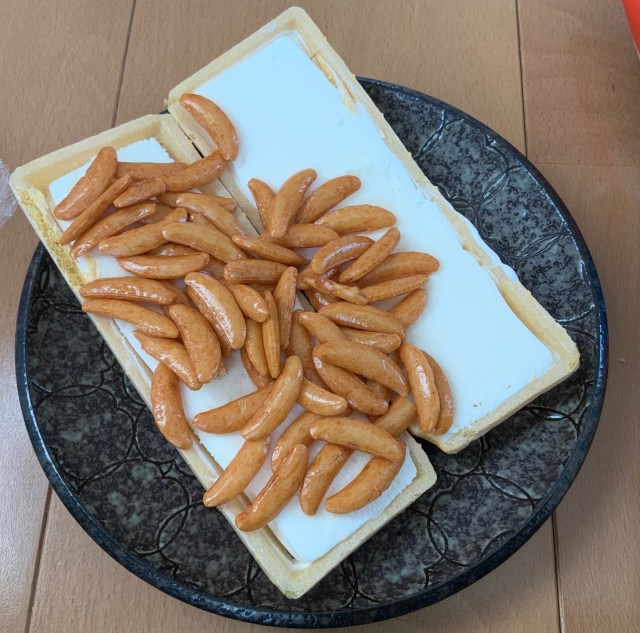
Then, put in the Kaki no Tane. They seem to recommend a generous amount.

Finally, close it up!

It’s at this point that I should address a serious controversy about Kaki no Tane. As you can see in the tweet, the standard snack includes peanuts mixed in with the crackers. The presence and amount of peanuts has long been a divisive issue among Japanese people, and in 2020 a vote of over 25,000 people resulted in the company changing the cracker-peanut ratio from 6:4 to 7:3. And since then, a special ironic version of Kaki no Tane featuring all peanuts and no crackers was released to assuage peanut sympathizers.

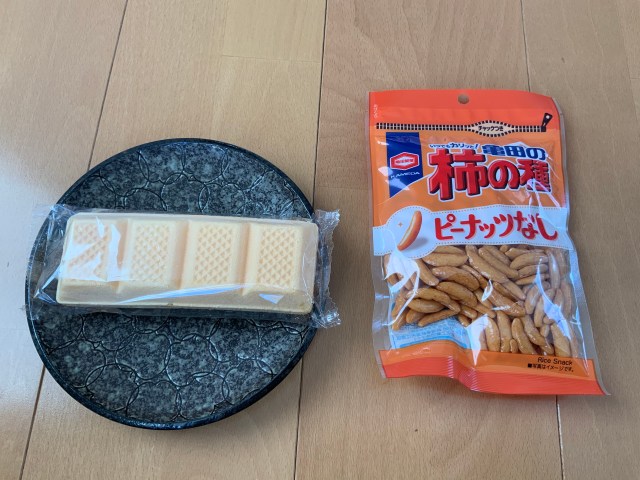
I personally am firmly in the “peanuts suck” camp of this debate and decided to use the plain cracker-only version of Kaki no Tane for this recipe. 

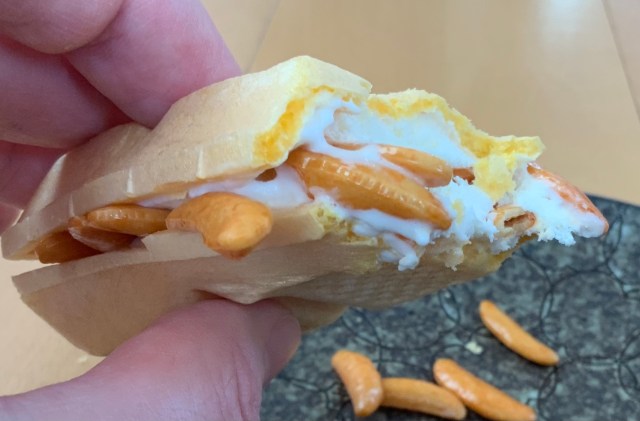
I was pretty much expecting this to be a slam dunk, but I think my expectations were too high. It was definitely tasty but not quite at the level of the Kaki no Tane Black Thunder bar.

I think the problem was that Kaki no Tane are seasoned with soy sauce which among other flavors, has a distinct umami taste. When mixed with the vanilla ice cream the umami seemed disproportionately strong and not really harmonious with the other flavors.

On the other hand, my biggest concern was the hardness of all the crackers but that actually wasn’t a problem at all. They were crunchy but yielding enough that it was very easy to eat. Overall, I think if I had used a chocolate ice cream monaka, it might have been better.

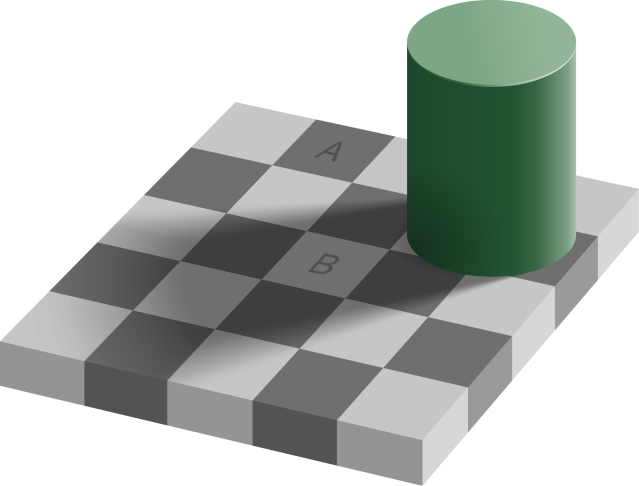
This kind of experiment is a good example of the contrast effect. That’s when our senses are thrown off by contrasting things. A famous example of a visual contrast effect is that optical illusion with the checkered floor and shadow where two squares look like different shades but are actually the same.

▼ In this image A and B are the same shade of grey though they don’t look like it because the contrasting shades of the squares next to them affect how we see them.

Image: Wikipedia/Edward H. Adelson

In the same way when two contrasting tastes are put in close proximity it affects how we sense them.  For example if you add a small amount of spicy food to something sweet, it will taste sweeter. The opposite is also true in that spicy food with a touch of something sweet will seem even spicier.

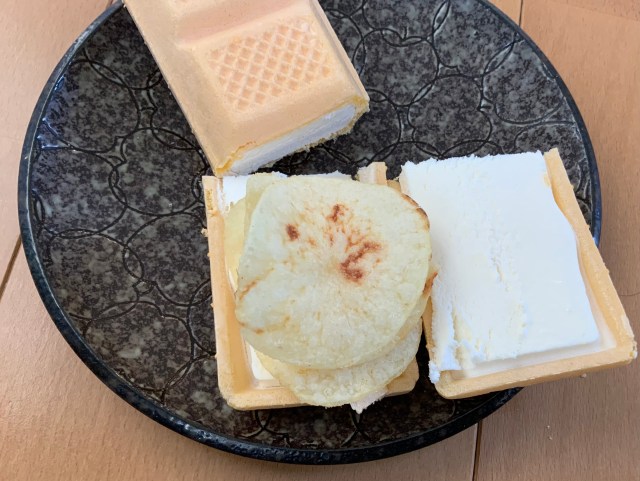
It’s part of the reason salty-sweet foods are so good. Speaking of which, since Kaki no Tane are harder to come by outside Japan, I thought I would try the same thing with normal salted potato chips.

The chips were a lot less noticeable than the Kaki no Tane but the salt on them did make the ice cream sweeter as expected.

And since we were playing around with the contrast effect, for my final trick I will try some wasabi flavored Kaki no Tane. Unlike a lot of other wasabi flavored chips and crackers, these really do pack a punch of that wasabi sting. Unfortunately, these ones were only available with peanuts, so I’ll have to pick out the legumes myself and feed them to a crow or something later.

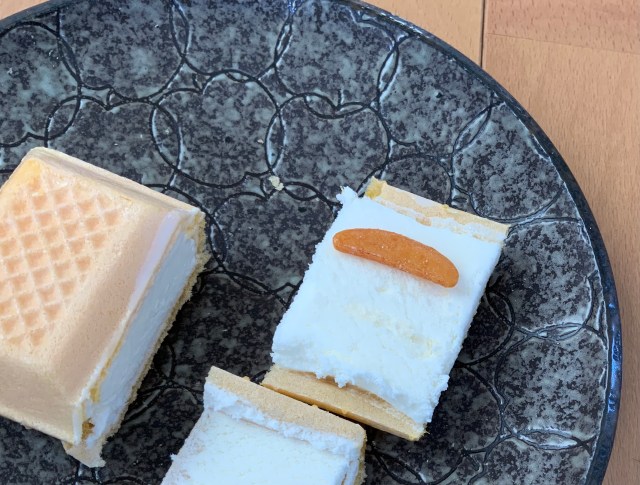
In order to get a contrast going I figured putting a single Kaki no Tane into a square of monaka would give it just enough of a sweet boost. It worked a bit, but the salty potato chips were much more effective.

Then, I tried going the other way and loading it up with wasabi crackers. This didn’t quite work either, once again because the umami soy sauce seasoning once again stuck out like a sore thumb, even overpowering the spiciness. At this point I might even begrudgingly accept that the peanuts might have helped balance things out here.

In the end, I thought the potato chips and ice cream was the best combination, but the others had their charm too proving once again that Kaki no Tane is a very versatile snack. However, it seems that much like with peanuts, it’s really important to find exactly the right balance with Kaki no Tane and ice cream as well.

Source: Twitter/@kameda_kakitane via Tokyo Bargain Mania
Photos © SoraNews24 (Unless otherwise noted)
● Want to hear about SoraNews24’s latest articles as soon as they’re published? Follow us on Facebook and Twitter!


Credit:
World’s largest type of daikon radish can now be ordered online in Japan

Don’t worry, it’s sold in manageable portions.

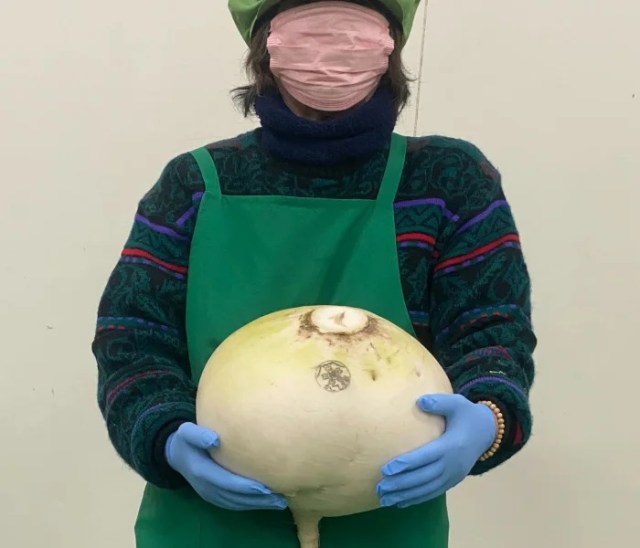
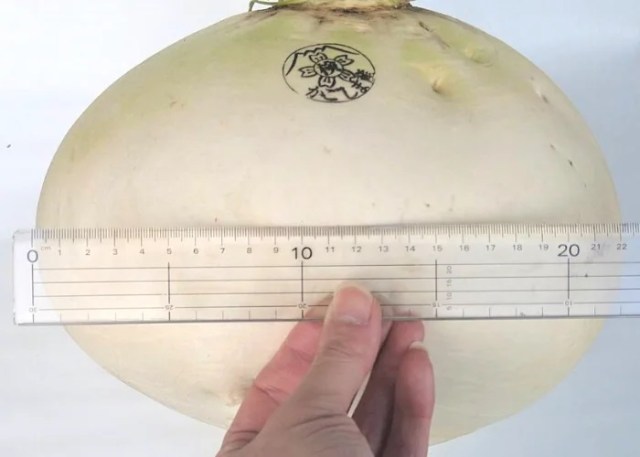
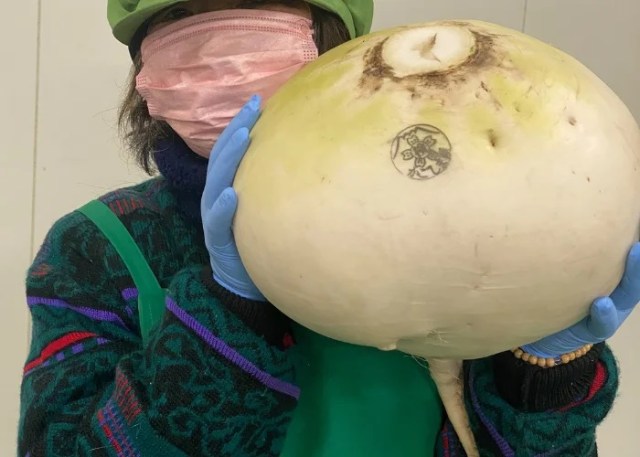
Sakurajima, in Japan’s southwestern Kagoshima Prefecture, is best-known for being home to one of Japan’s most active volcanos, but the surrounding region is also famous for its daikon radishes. Every year, the region holds a Daikon Radish Contest to see who can grow the biggest one, and the huge radishes, which can weigh over 10 kilograms (22 pounds) each, have even made Guinness World Records.

▼ This one measures 22 centimeters (8.7 inches) across!

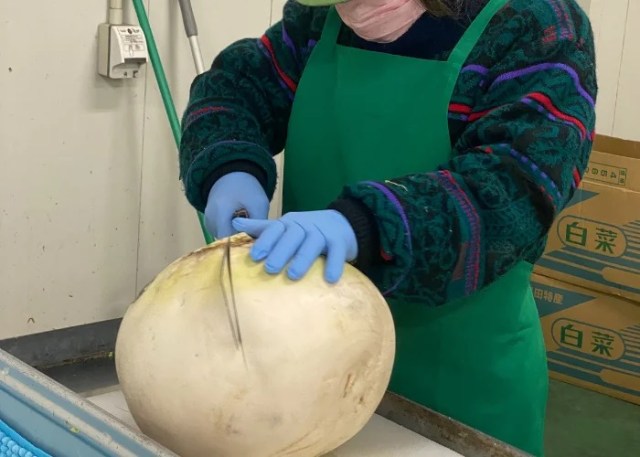
The biggest problem with these huge radishes? Preventing food waste. It’s difficult to divvy up something like a radish, but Saga Prefecture-based crop marketing and storage solution company Fukuoka Sonoriku came up with the perfect packaging solution to sell these coveted crops in two-kilogram (4.4-pound) portions.

▼ It must be a lot of manual labor as well.

From January 27 to February 5, these hefty cuts of Sakurajima Daikon are available to order here on Rakuten Japan. You’ll receive a one-quarter cut of a daikon for 2,160 yen (US$17) plus shipping fees.

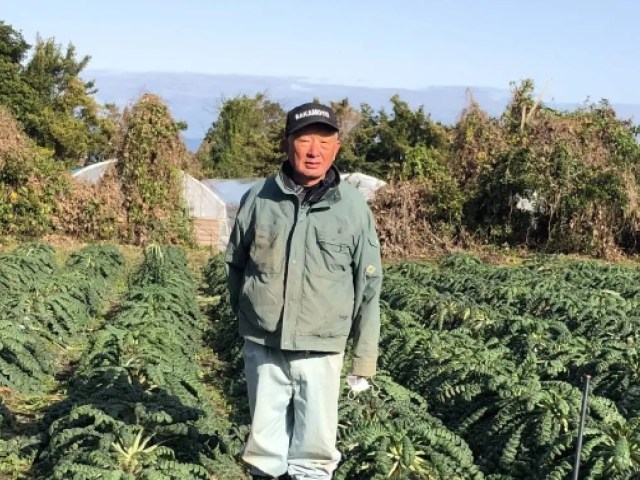
▼ All of these frilly leaves belong to the huge daikon.

Size and taste don’t always correlate, but in this case, many that have tried Sakurajima daikon radishes agree that the flavor is as impressive as the size.

▼ It even has a Sakurajima stamp on it!

On top of that, there are only five farmers in Japan that grow these native species of daikon, and it isn’t easy to produce a healthy and abundant crop. That means it’s a rare find that should be pre-ordered quickly, and if you’re not sure if you’ve got enough daikon recipes to use all that radish, we have plenty of suggestions.

Source, images: PR Times
● Want to hear about SoraNews24’s latest articles as soon as they’re published? Follow us on Facebook and Twitter!


Credit:
Urusei Yatsura hanafuda playing cards will soon invade your game night

We would like to humbly request more anime x traditional Japanese craft pairings after this. 

Traditional Japanese karuta playing cards have reached new heights of popularity in recent years thanks to media such as the Chihayafuru manga and anime series. While there are many longstanding types of karuta such as hanafuda flower cards, it’s always fun when a classic game gets a modern upgrade.

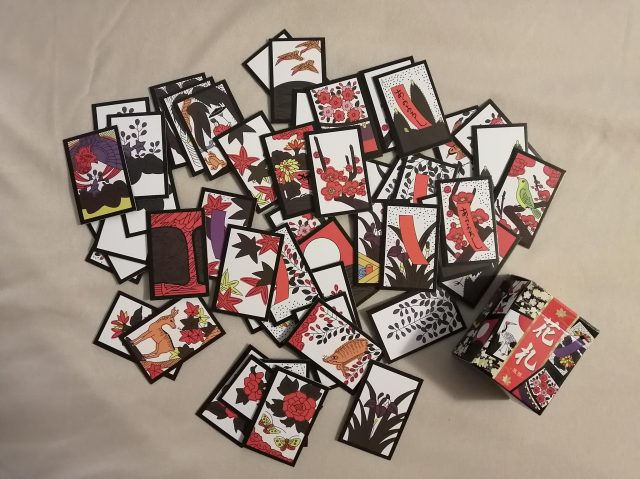
▼ A typical hanafuda deck consists of 48 cards featuring different natural scenes that represent the 12 months.

Enter Charaditional, a company which partners with Japanese artisans to combine modern pop culture characters with traditional toys like this kimono-cloth Pikachu doll. In a recent announcement, Charaditional shared that its upcoming line of products will be themed on classic series Urusei Yatsura, now airing its second TV anime series adaptation.

For this particular collaboration, the company is partnering with Oishi Tengudo, a Kyoto-based hanafuda specialty store that’s been around since 1800!

▼ A sneak peak at cards featuring the main cast of Ataru, Mendo, Lum, Cherry and Sakura, and Shinobu

Not much information has been revealed other than that the deck will be available in an original wooden box for playing or neatly arranged in a large framed picture for displaying. Illustrations from the cards will also appear on a hanging scroll, large PC mat, canvas art, tin badges, strap charm set, tapestry, and acrylic stands (pine, sakura, moon, rain, and empress tree versions).

Charaditional will take preorders for the Urusei Yatsura hanafuda between February 1 and 22 on its website. Prices aren’t available yet, but based on the previously released Attack on Titan hanafuda deck, fans can probably expect to pay somewhere in the ballpark of 4,180 yen (US$32) for the wooden box of playable cards or 19,800 yen for the framed picture artwork.

In the meantime, if you’ve got to get your Urusei Yatsura tie-in fix in some other way, you may want to go all out by purchasing these high school cosplay uniforms or these Onitsuka Tiger sneakers.

Source, top image: PR Times
Insert image: SoraNews24
● Want to hear about SoraNews24’s latest articles as soon as they’re published? Follow us on Facebook and Twitter!


Credit:
Groper arrested in Japan insists he did not grab both breasts, but just one

Japanese language quirk made charges ambiguous, but he probably didn’t help his case by clearing that up.

On Tuesday night, a criminal incident occurred in the town of Nikko, Tochigi Prefecture. A mountain resort famed for its beautiful natural scenery and historical buildings, Nikko is a popular destination for leisure travelers in east Japan, and on the night in question a 24-year-old woman from another part of Tochigi was at a hotel in the city, no doubt expecting to have a pleasant evening enjoying the local hospitality. Unfortunately, a 60-year-old Tochigi resident who was also at the hotel decided to enjoy himself by squeezing the woman’s chest without her consent.

Details are still scarce, with the exact location within the hotel where the groping took place, any events leading up to it, and whether the victim knew the man or not all unclear. What does seem clear, though, is that the touching was unwanted, as the police were summoned and the man arrested on suspicion of forced indecency, the customary legal charge for groping in Japan.

The vast majority of the time in Japan, criminals admit to their wrongdoing when caught. In this case, though, the man has denied the charges…or at least he half-denies them. When told he was being arrested for grabbing the woman’s breasts and body, he asserted:

“I touched her breast, but I did not touch both of them.”

Odds are that declaration was met by baffled silence by whichever law enforcement member was taking his statement, but Twitter commenters had the following to say:

“…what?”
“That’s his defense?”
“Well, at least he’s honest.”
“How can you live to be 60 and still be so dumb?”
“So, if it’s just one, does he think it’s OK?”
“Is there some sort of custom in Tochigi that it’s all right as long as you’re just grabbing one?”
“One breast or two, I’m pretty sure it’s still the same crime.”

And yes, what the last commenter said is correct. Anti-groping laws don’t operate under American pro football “It’s not a catch if the receiver doesn’t have two feet down” logic, and so there’s no “It’s not a grope unless you’ve got hands on both breasts” leeway.

Linguistically, the accused does have kind of a point, though. In the Japanese language, there’s generally no difference between singular and plural nouns. Ringo, for example, is the word for both “apple” and “apples,” and mune can be used for both “breast” and “breasts.” So when the man was told he was being arrested for touching the woman’s mune, it could be interpreted as either one or both, and he wanted to make it clear that while he was admitting to touching the woman’s mune, he denied touching ryomune (“both breasts”)

Maybe he thinks that limiting the scale of the groping to one half of the woman’s chest will make it easier to bargain for a lighter punishment. As in the case of the other man in Japan who recently admitted to robbing a taxi driver but denied that he used impolite speech in the process, though, it’s unlikely to get him off the hook.

Source: Tochigi TV via Yahoo! Japan News via Otakomu, Twitter
Top image: Pakutaso
● Want to hear about SoraNews24’s latest articles as soon as they’re published? Follow us on Facebook and Twitter!


Credit:

How to pick out the best anago eel and other things we learned at the anago processing center

Getting hungry and knowledgeable on a visit to Japan’s number-one anago prefecture.

While travelling trough Shimane Prefecture, on the northern side of the western tip of Japan’s main island of Hokkaido, our Japanese-language reporter Tasuku Egawa stepped into a restaurant for lunch. As he looked over the menu, he noticed a large number of anago (conger eel) dishes, so he figured he’d order a few…

and they were all amazingly delicious.

Really, though, Tasuku should have seen this coming. Shimane now catches more anago than any other prefecture in Japan, and it’s becoming one of the area’s representative foodstuffs. The Shimane cities of Hamada and Ota, in particular, are gaining fame among foodies looking for tasty anago, and both towns’ tourism departments now promote local restaurants that specialize in it.

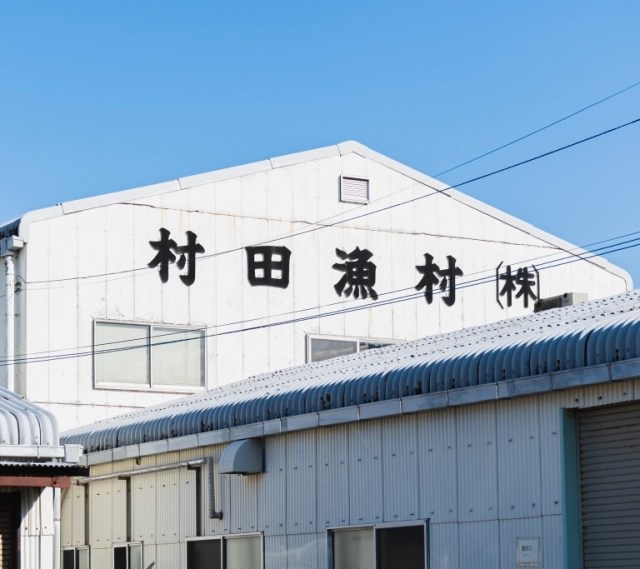
So Tasuku decided to go deeper into the world of Shimane anago by visiting Murata Gyoson, a Hamada company that runs an Anago processing center.

▼ Murata Gyoson

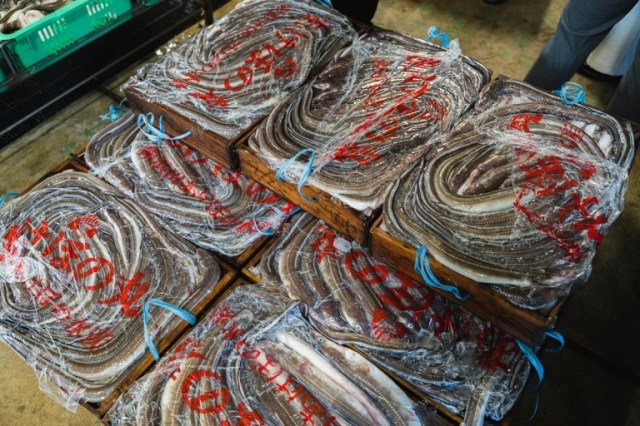
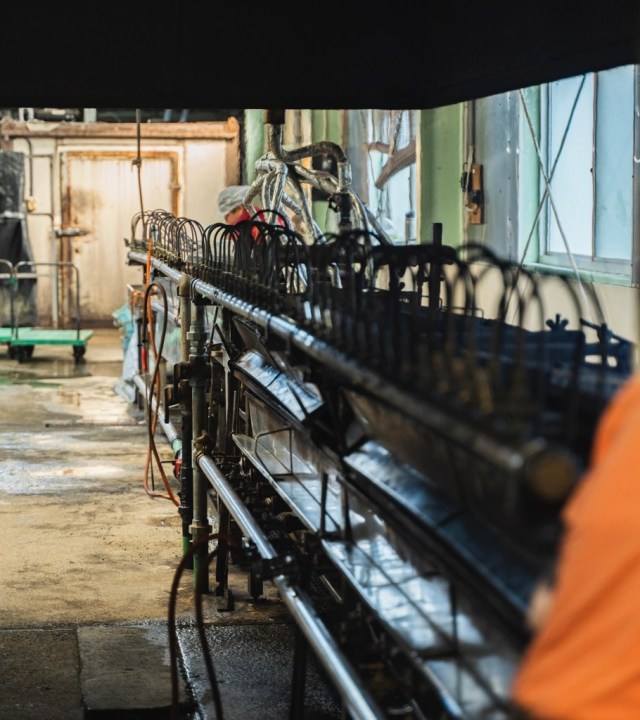
“Processing center” might have you imagining a lot of industrial robots whirring about, but much of the work of cleaning and preparing anago is still handled in a traditional, old-school way here. As Tasuku entered the building and walked past the shipping dock, he saw wooden crates filled with whole anago which had just been purchased at auction that morning.

▼ Prices vary by the day, but a crate typically sells for somewhere between 15,000 and 25,000 yen (US$116-US$194).

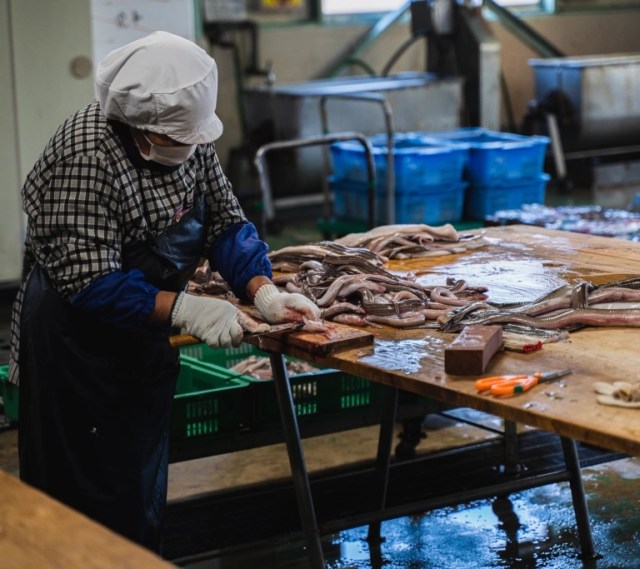
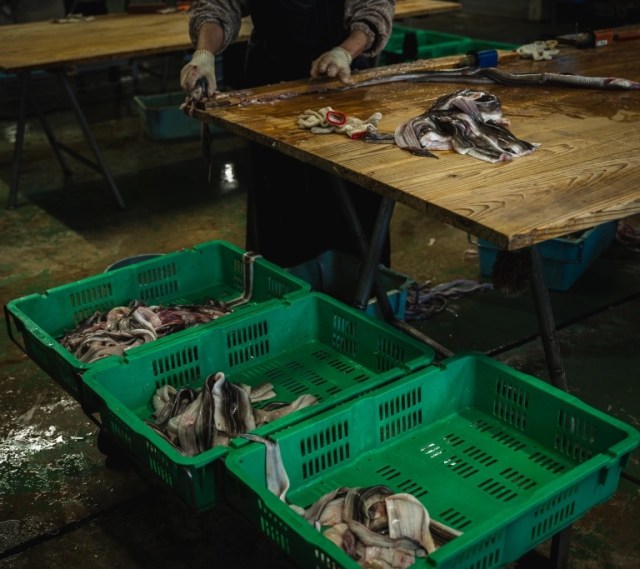
Once the anago are removed from the crates, a worker starts filleting them by hand with a knife.

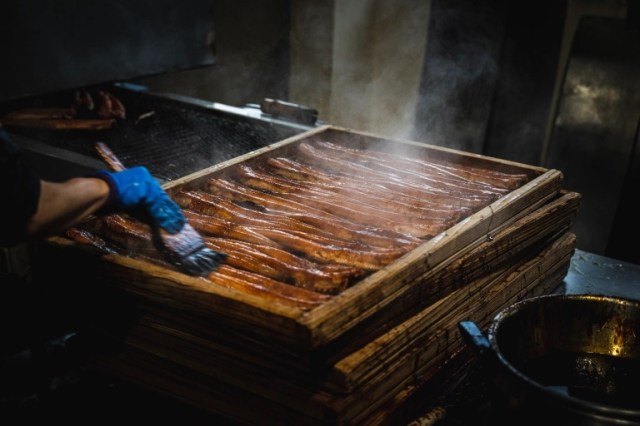
One of the most popular ways to cook anago is kabayaki, in which the eel is treated with a sweet soy-based glaze. So after fileting them, Murata Gyoson brushes them with the sauce and puts them on the conveyor grill of its kabayaki machine.

This isn’t a “set it and forget it” process, though. Workers carefully adjust the strength of the flames so that each fillet is properly cooked but not burned, preserving its flavor and moistness.

Once they’re cooked, the filets are given an additional brushing of glaze

…and packaged for shipping.

But as he watched the mouthwatering start-to-finish kabayaki process, Tasuku noticed something else. As the worker sliced the anago, she separated some of the pieces into separate piles.

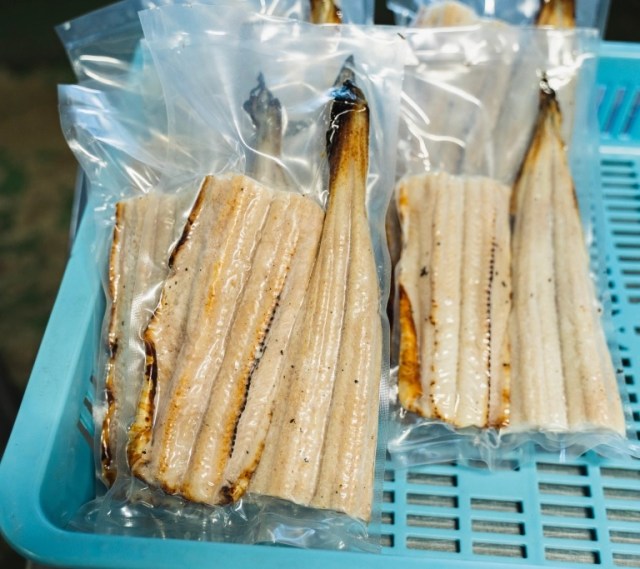
That’s because not all of Murata Gyoson’s ends up as kabayaki. Large anago that are judged to be of especially high quality instead become shirayaki anago, lightly grilled without glaze so that the natural flavor plays a larger role.

▼ Shirayaki

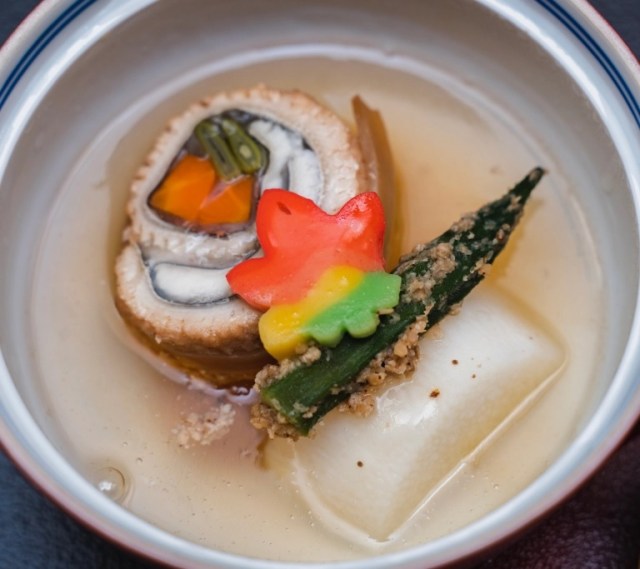
Beyond shirayakai, the largest, most pristine pieces of anago have the exalted fate of being used for ni-anago, parboiled eel.

So this got Tasuku wondering: How do you determine how high the quality of anago before actually taking a bite of it? Thankfully, Murata Gyoson was happy to provide some handy pointers that you can use the next time you’re picking out anago at the grocery store or fish market.

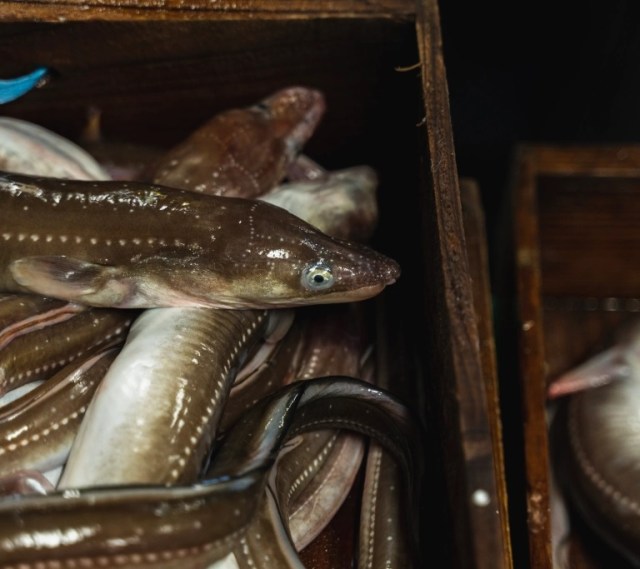
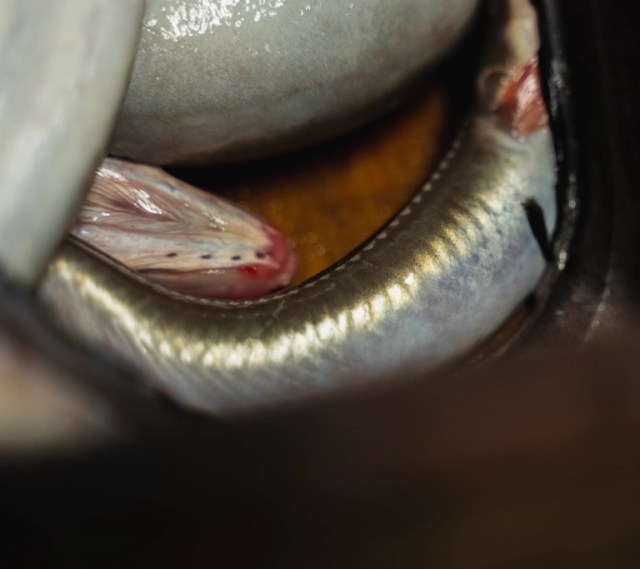
1. Check the eyes. This pretty much goes for all seafood, but the clearer and brighter the eyes are, the fresher the anago is.

▼ Having just been caught that morning, this anago’s eyes mark it as especially fresh.

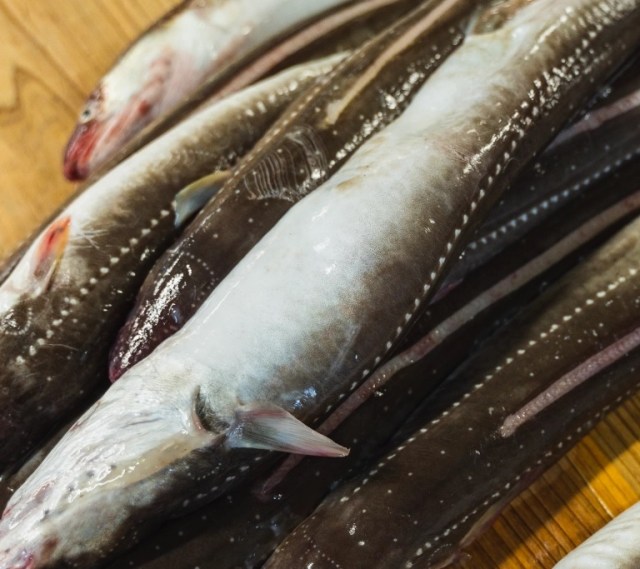
2. Go for the gold (skin color). At a glance, most people would say anago are silver, white, or gray. If you’re looking at a really fresh, high-quality example, though, the skin will have a golden shine to it, like in the photo here.

3. Compared to the first two visual checks, this one can be kind of hard to determine if you haven’t spent a lot of time looking at eels, but high-quality anago has a tight, firm stomach. The looser and flabbier the belly, the more likely it is that the anago has had some damage to its internal organs, which can make the flavor of its meat gamey. Softer-stomached anago are also more likely to have lived their lives in warmer waters, where the type of prey available for them to have fed on can also contribute to gaminess.

▼ Firm-stomached anago

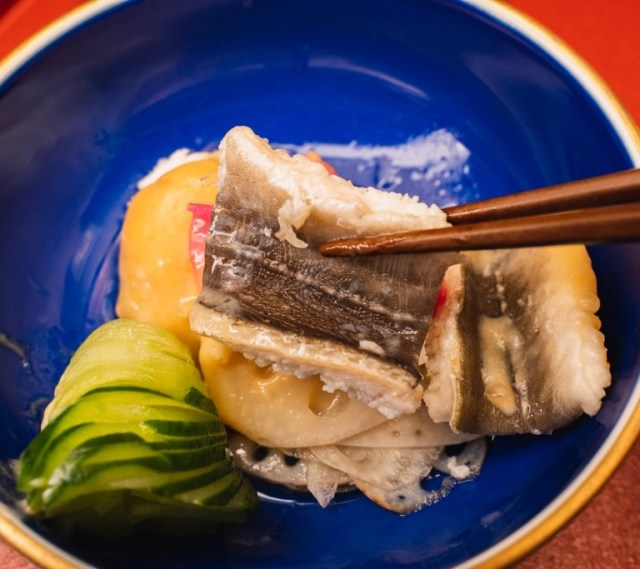
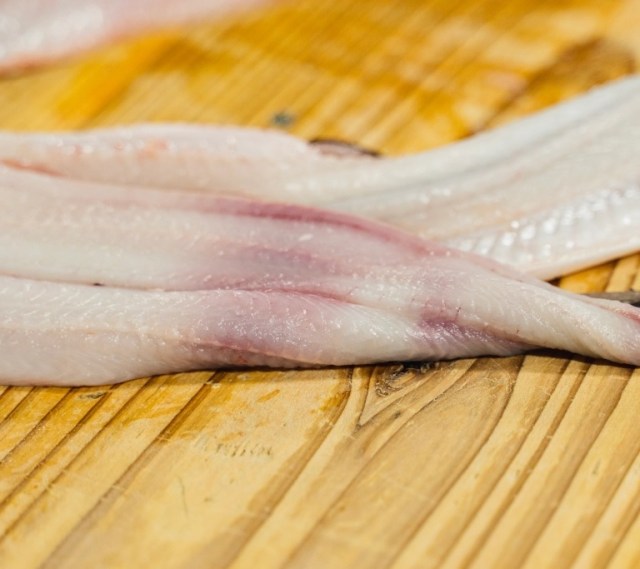
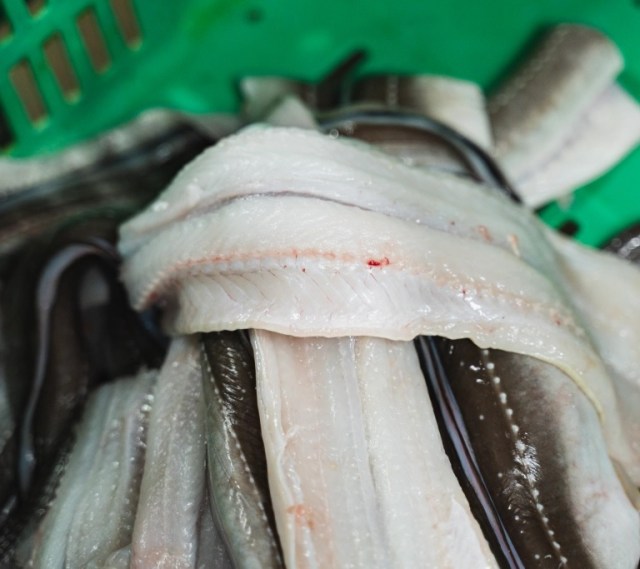
4. And last, once the anago is fileted, you can tell higher-quality meat by its color. Average-quality anago will have red or yellow hues to it…

…but top-notch anago will be white, like this.

Armed with this knowledge, Tasuku now feels more confident in being able to select the tastiest anago out of his options at the supermarket, and also in choosing how to cook it. Still, it’s going to be hard to beat professionally prepared caught-that-day anago, so he knows what he’ll be ordering when eating out on his next trip to Shimane.

Related: Murata Gyoson
Photos ©SoraNews24
● Want to hear about SoraNews24’s latest articles as soon as they’re published? Follow us on Facebook and Twitter!


Credit:
Studio Ghibli’s Howl’s Moving Castle x Loewe collection is as magical as the anime movie

You’ll need deep pockets to add this anime flair to your wardrobe, though.

Recently, Studio Ghibli has been teaming up with luxury Spanish brand Loewe for exclusive ranges dedicated to the anime studio’s films, with My Neighbour Totoro and Spirited Away collections respectively released in 2021 and 2022.

Now it’s time for a brand new collaboration to make its debut, and this time the star film at the centre of it all is Howl’s Moving Castle.

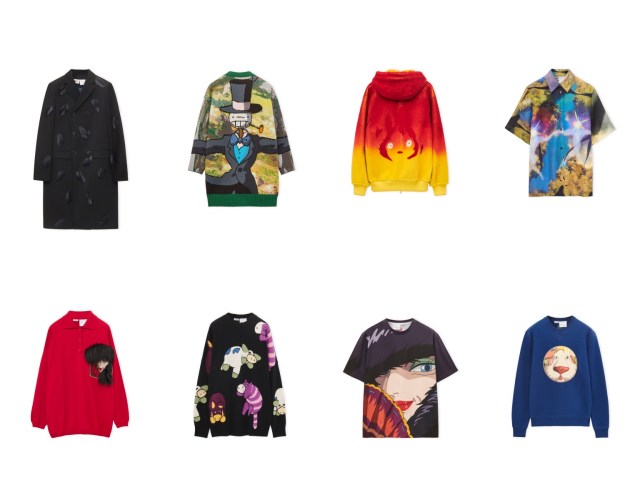
▼ Some of the characters from the film making their Loewe debut

The 2004 animated feature film tells the story of Sophie, a young milliner who turns into an elderly woman after being cursed by a witch, and Howl, a wizard who resists the king’s summons to fight in a war.

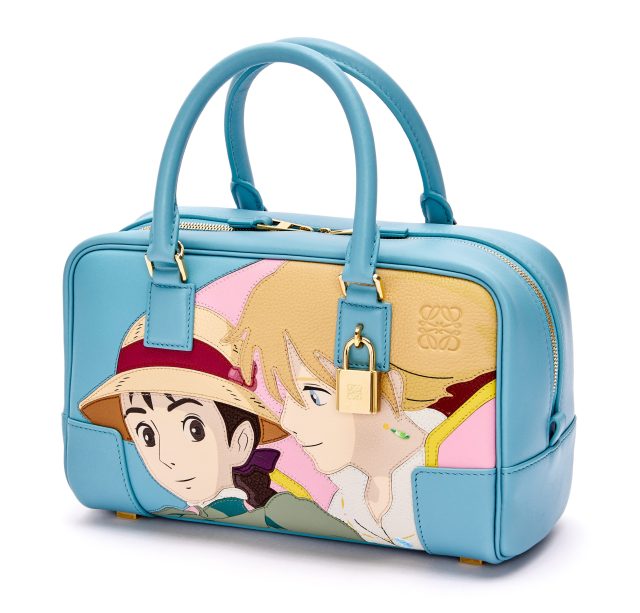
▼ Sophie and Howl feature on two bags for the collaboration, with one showing their natural appearance…

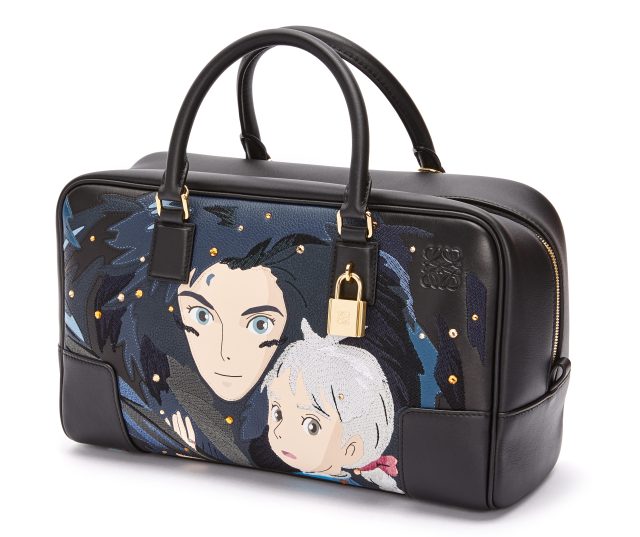
▼ …and the other showing them in their magical forms.

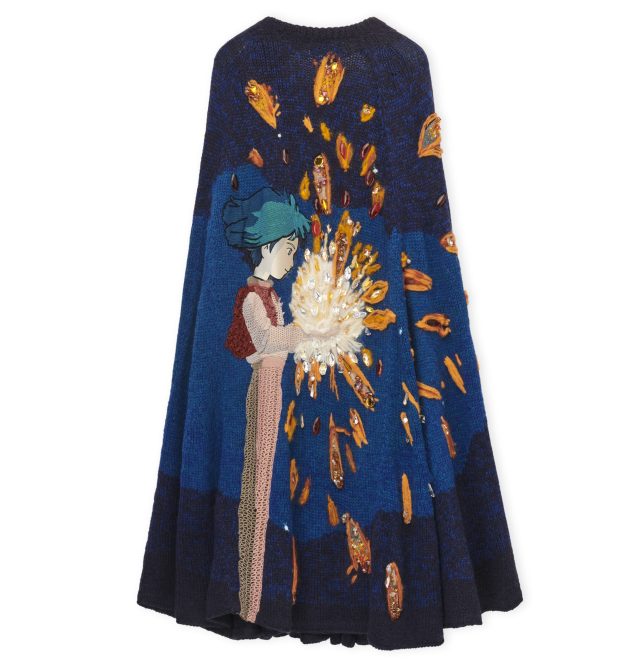
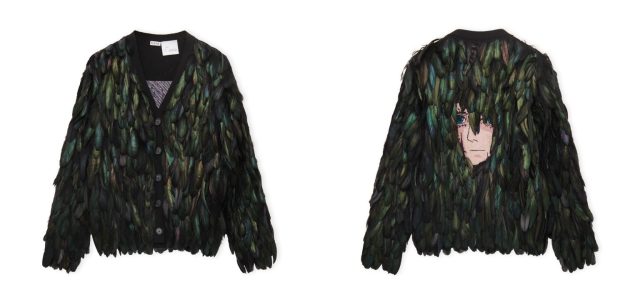
Loewe is a high-end brand, so none of the items in the range are cheap, but some of the prices are enough to make our eyes water. The two bags above, for example, are priced at 473,000 yen (US$3,641.68) each, but even they pale in comparison to the stunning knitted cape, which is priced at…

▼ …1,390,400 yen ($10,704.85)

The collection is a veritable treasure trove of goods, with dozens of items available.

With bags, wallets, jewellery and apparel included, you can mix and match your favourite goods for a head-turning look.

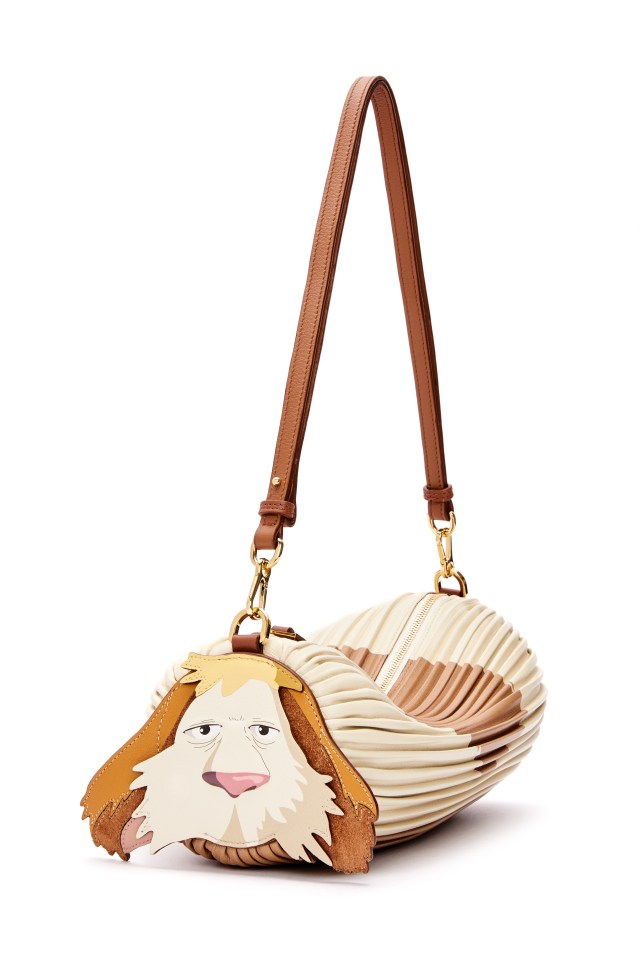
Some of the standouts from the collection are the Bracelet Pouch (228,800 yen), which is styled to look like the body of dog Hin…

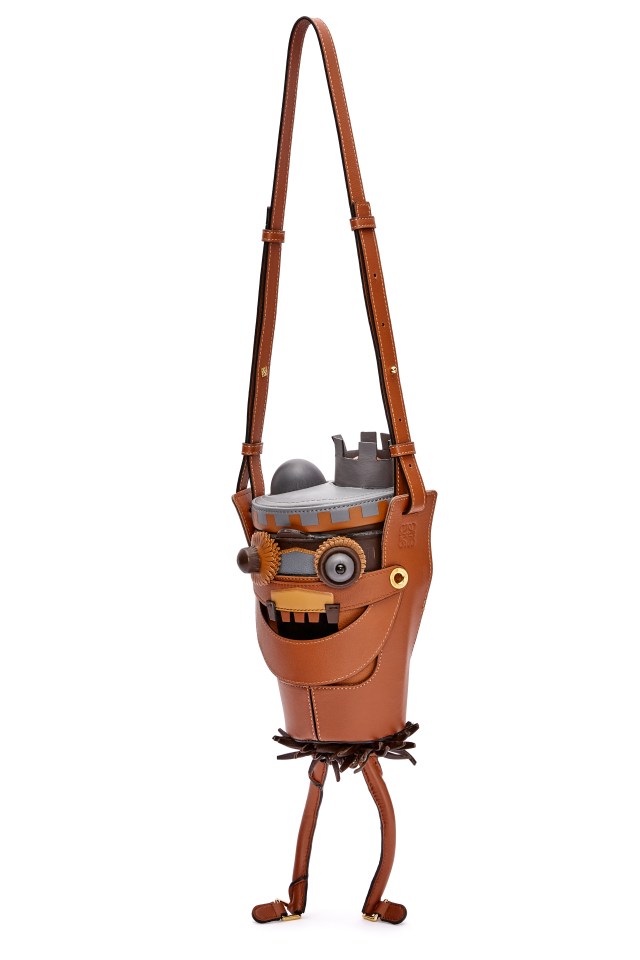
▼ …and the Moving Castle Pouch (425,700 yen).

According to Loewe, this is the third and final collaboration with Studio Ghibli, so they’re going all out with the products, creating some truly beautiful designs that anime fans are sure to fall in love with.

The collection will be released at Loewe stores from 2 February, with registrations for the 1 February online pre-sale currently being taken on messaging app Line. There’ll also be a special pop-up event at Loewe’s Omotesando and Hankyu Umeda Main Store branches from 2-8 February, where a moving castle replica will be installed out front, and background paintings and a photo spot set up to look like Calcifer’s fireplace will be waiting to greet customers in store.

Last year’s Spirited Away pop-up event at Loewe was a place of ethereal beauty so the Howl’s Moving Castle celebrations look set to be just as spectacular!

Source, images: Press release

● Want to hear about SoraNews24’s latest articles as soon as they’re published? Follow us on Facebook and Twitter!


Credit: