This ice cream cake has been sold in Japan for 40 years, but it’s almost unknown here

Our reporter didn’t know about it either!

Japan has a lot of delicious ice cream brands, but apparently there are even some our Japanese-language reporters have never heard of before. Take Viennetta, for example, which is a British multi-layered ice cream cake sold around the world. In Japan, it’s sold by popular sweets, dairy, and drink brand Morinaga Milk. Imagine our Japanese-language reporter Daiki Nishimoto’s surprise when he learned that, as of October this year, it’s been around for forty years, and this is the first time he’s ever heard of it!

As it turns out, he isn’t the only one. Earlier this year, Morinaga Milk did a survey of 10,000 people aged 15 to 69 across Japan and learned that only 12.7 percent of respondents had ever heard of the product. This was totally bizarre to Daiki. How does a major company like Morinaga Milk have a product that’s 40 years old that no one has ever heard about? And it’s a popular brand in many other countries. He decided he had to try it and see if there was a reason.

The first time he learned about Viennetta was actually from Morinaga Milk’s official Twitter account. Viennetta appeared to “borrow” the account from Morinaga Milk and posted a series of photos relaying facts from the survey like, “Only 4 percent of Generation Z know about Viennetta.”

“People think I’m a type of scrubbing sponge,” the photos lamented. “Don’t call me nostalgic anymore. I’m right here.” (“Here” is spelled with Viennetta boxes.)

When Daiki thought about it, even these photos didn’t kindle any memories of seeing Viennetta in person before. He didn’t even know where to get one. He ended up ordering it online, but that made it more expensive than usual.
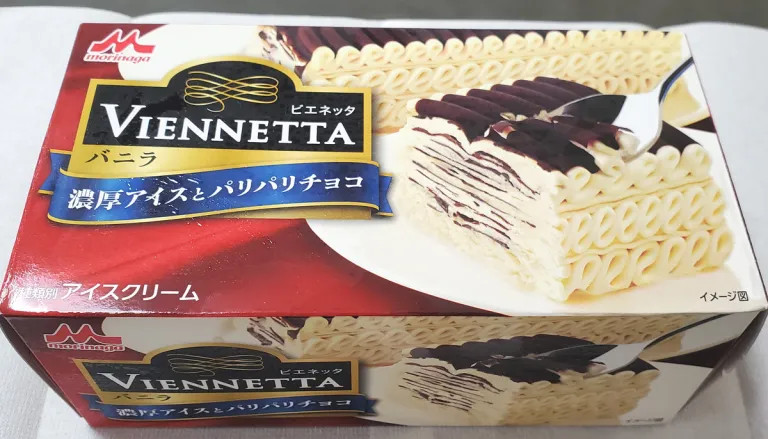
The suggested retail price is 630 yen (US$4.21), which means it’s originally a pretty pricey–and thereby luxury?–product. This might be a clue as to why it isn’t very well-known, since there are plenty of really tasty ice creams and sweets out there at much cheaper prices. Still, Daiki wanted to take a deep dive into the mystery, so he opened the package.
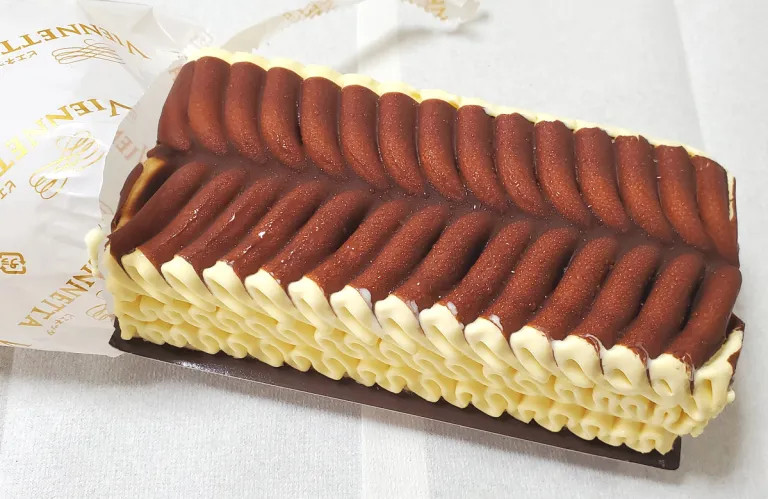
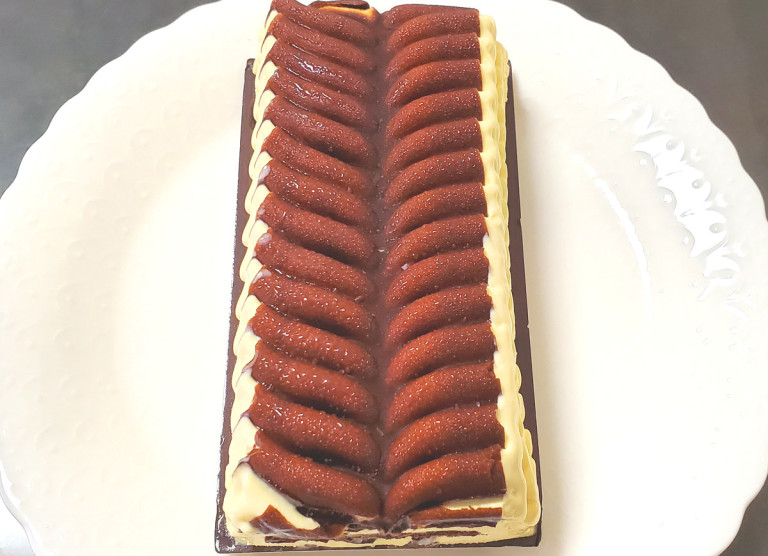
What waited inside was a fairly large ice cream cake. It was probably about 13.5 centimeters (5.3 inches) long, 7 centimeters (2.7 inches) wide, and maybe 5 or 6 centimeters (2 or 2.3 inches) tall. The ripple layout is probably what makes it look like a sponge. It was made up of three layers of piped ice cream covered in chocolate.
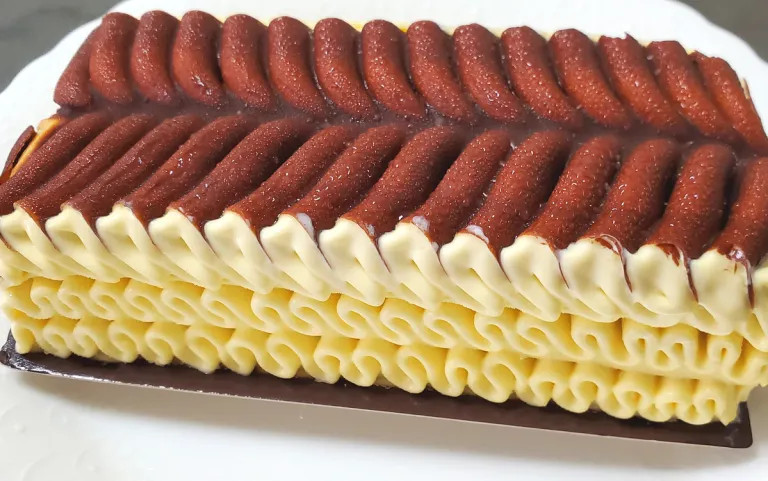
It was a resplendent, elegant ice cream cake, and calling it a “scrubbing sponge” doesn’t do it justice. The many rippling layers looked more like expensive velvet drapes. While words like “scrubbing sponge” and “drapes” probably aren’t the best ways to describe an ice cream cake, it does describe the unique impression it makes when you first look at it. Undoubtedly this is something you could never forget about once you’ve seen it.
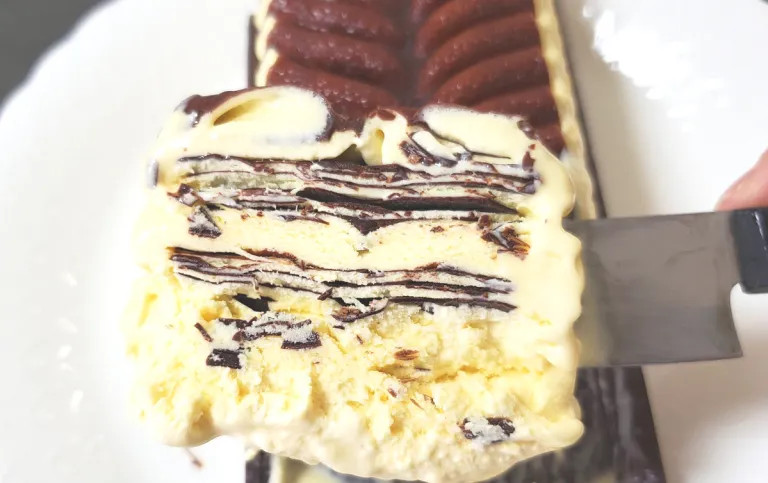
Its highly simple flavor was actually a contrast to its elegant appearance. Though it’s called a cake, there’s no actual cake sponge inside. Instead, it’s a rich, thick vanilla ice cream with chocolate layers periodically woven in. The sweetness of each continually fights for dominance.

It was really good! Daiki couldn’t get over the way the smooth creaminess and crispy texture of the chocolate resonated with each other. The fact that it was so simple and that it slowly oozed out of shape was irrelevant. The feeling of sheer joy he experienced was both straightforward and exciting, making his palate sing.
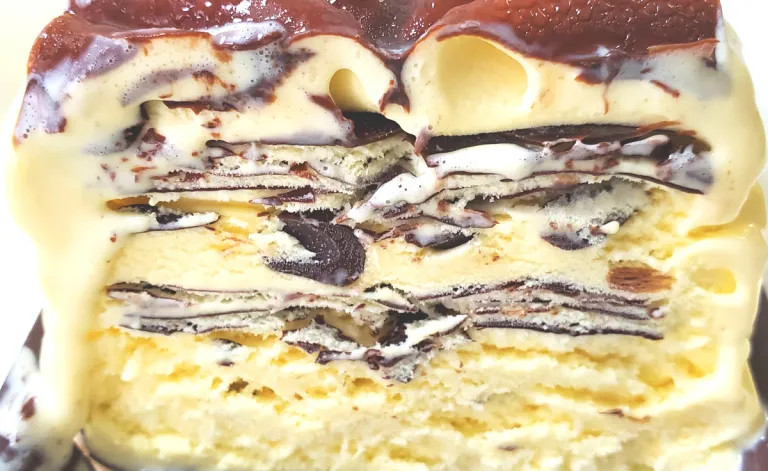
Though the price might put some people off, it isn’t actually so bad when you actually look at the product offered. Daiki would say you get more than enough for what you’re paying. And he didn’t get tired of eating it, so it’s not like it would go to waste. Considering how much food you get and how good it is, it’s well worth the price.

Honestly, it surpassed his expectations. He’d prepared for some kind of bomb to be hidden inside, but this was really delicious. A luxury product expected of Morinaga Milk.
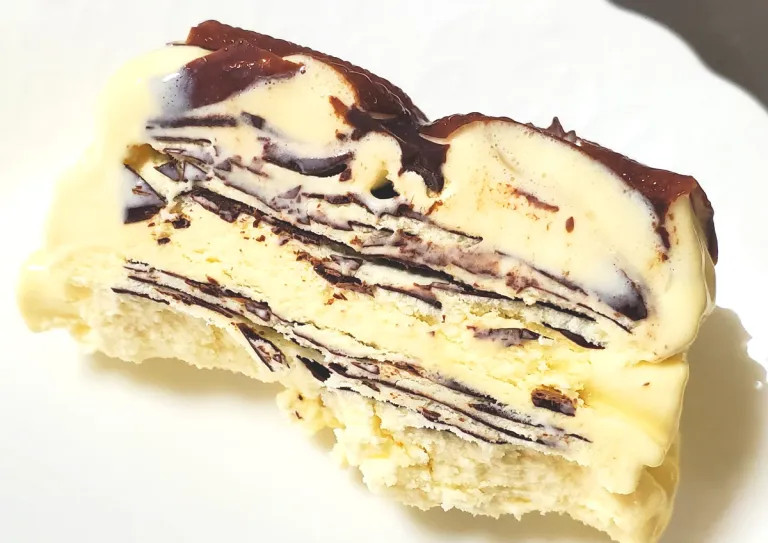
But if it’s this good, why does no one know about it? As Daiki was eating his, he came up with several reasons. The first is, admittedly, the price. While Viennetta has excellent cost performance, it is quite expensive compared to other ice cream products on the shelf.

And again, while the cost performance is excellent, you do get a lot of food. It’s not really the kind of ice cream dessert you can eat on your own. If he were to buy this again–especially with the price–it would only be if he had a strong craving for it, or if he was having a party or something.
The last issue he found is that it’s not the kind of sweet you can just eat on a whim. It requires care, since it’ll melt quickly, and if you’re serving it to others, you’ll need a lot of utensils. It isn’t the most convenient dessert out there.

Competition in the Japanese sweets industry is getting intense these days, with really high-quality ice creams, dessert drinks, and pastries available at highly accessible prices in convenient locations like convenience stores and supermarkets. With that in mind, it’s not really surprising that Viennetta, which has none of those qualities, gets buried by the competition.

Well, if Daiki had to sum up his feelings about Viennetta after trying it, he’d say, “I’m glad I found it.” He highly doubts that anyone could resist it after trying it even once, which is why he’d love to see it appreciated by more people.

Images © SoraNews24
● Want to hear about SoraNews24’s latest articles as soon as they’re published? Follow us on Facebook and Twitter!


Credit:
New Super Mario lifestyle line wants to help you save money with coin-sound Warp Pipe bank

Nintendo Ichibankuji brings a little randomized Super Mario adventure into our homes.

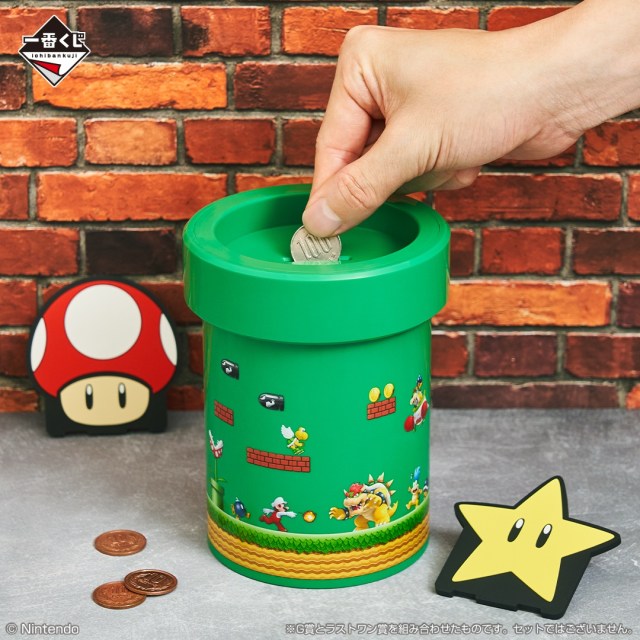
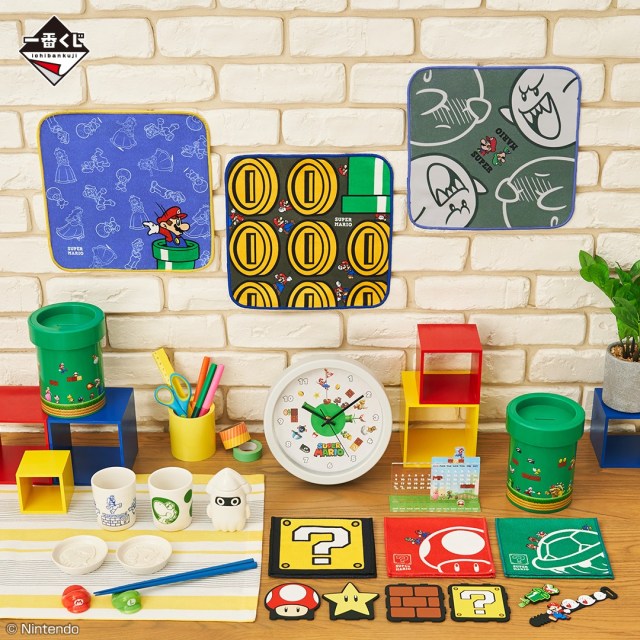
October sees the release of Super Mario Wonder, the first all-new side-scrolling Super Mario game in over a decade. That’s not the only thing for fans of Nintendo’s flagship franchise to get excited about, though, as October will also be bringing us the Super Mario Home Adventure Life lifestyle goods line.

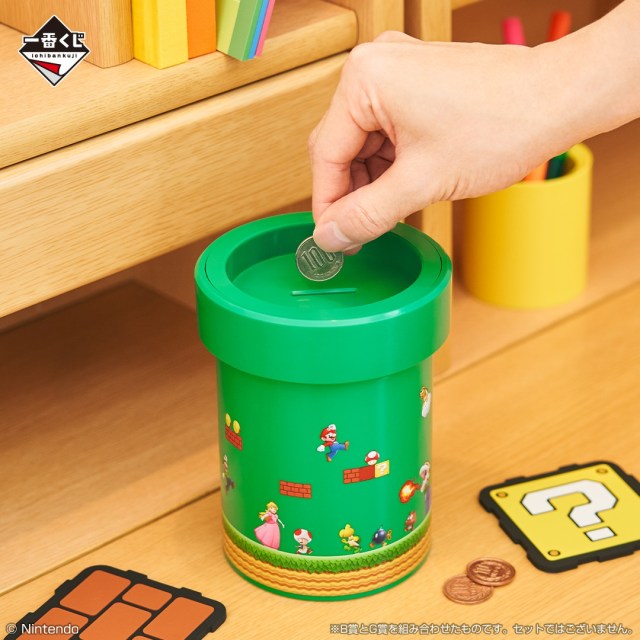
The collection applies Super Mario visual design to useful household items, with one of the coolest touches being a Warp Pipe coin bank. Every time you make a deposit, it plays either the Super Mario sound effect for picking up a coin or entering a pipe, either of which will instantly reward fans’ fiscal responsibility with a hit of audio-triggered dopamine.

Super Mario Home Adventure Life is the latest iteration of toymaker Bandai Spirits Ichibankuji randomized prize system. Think of it like a premium capsule toy kind of thing, but instead of putting your money in a machine and turning a crank, you pay a cashier and grab a piece of paper out of a box, with the prize you get written on the paper.

The Warp Pipe coin bank is Super Mario Home Adventure Life’s B-Rank, or second-rarest, prize per Ichibankuji location. Above it, in the A Rank, is a wall/desk clock that plays different Super Mario sounds on the hour.

▼ At 12 o’clock it plays the level clear sound, like it’s celebrating you finishing your morning work/study load and going on lunch break.

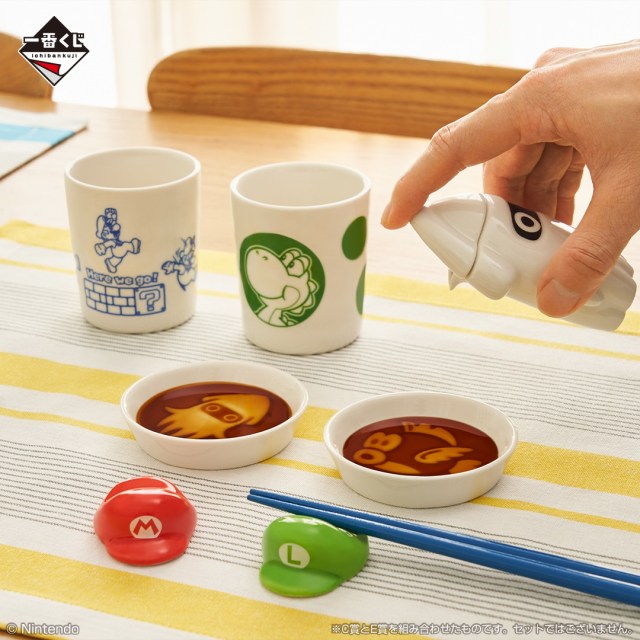
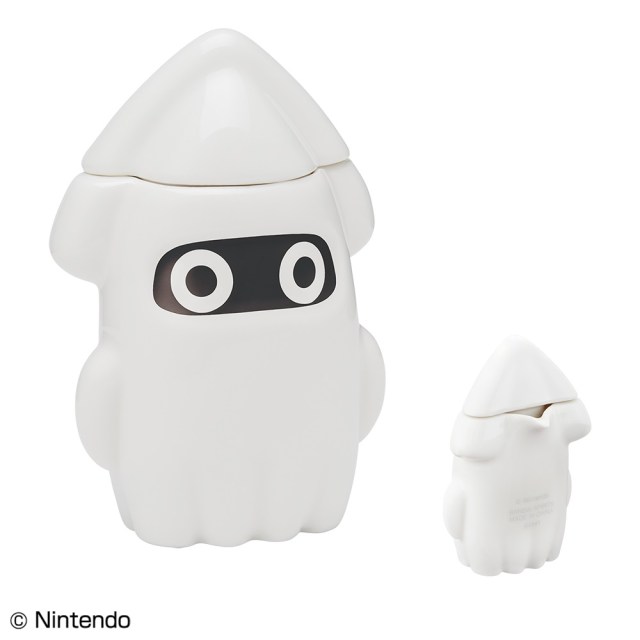
Heading the other way on the rarity list, the C prize is a ceramic Blooper

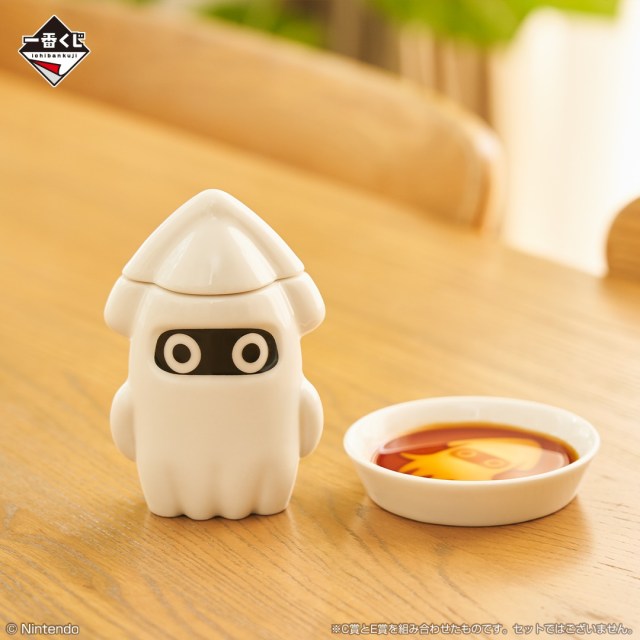
…with a little spout on its back, because it’s actually a soy sauce dispenser.

▼ Don’t worry about the Blooper dish – we’ll get to that in a minute.

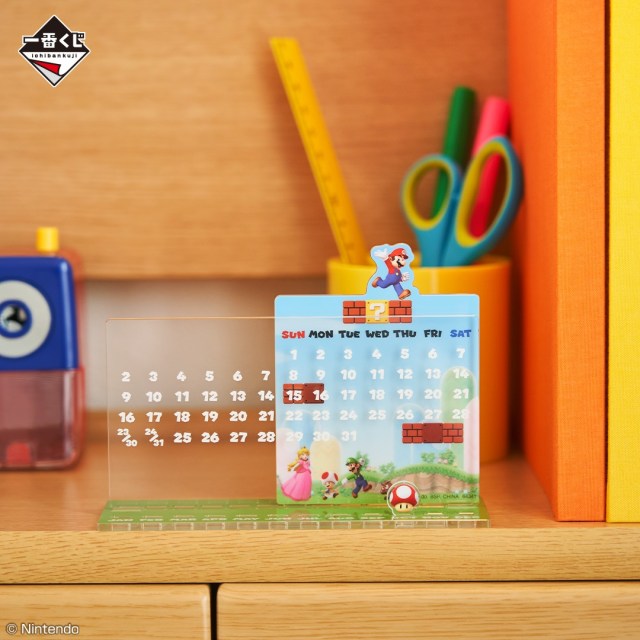
The D prize is an acrylic calendar with a double-width frame, so that you can slide the insert to whatever day/date combination matches the current month and keep using it regardless of the year.

While your prize rank is completely random, you do get some degree of choice with the following E, F, and G prizes. Each has a total of six items that you can choose from, provided the exact one you want is still in stock at that Ichibankuji location.

▼ E prize: Ceramic tea cups, soy sauce plates (most commonly used for dipping sashimi or sushi in, so the Blooper and Cheep Cheep motifs make sense), and plumber hat chopstick rests

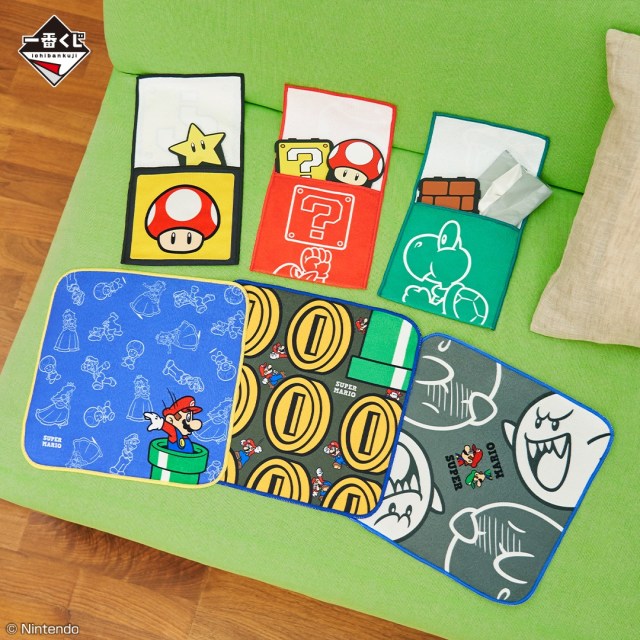
▼ F prize: Towel pouches and hand towels

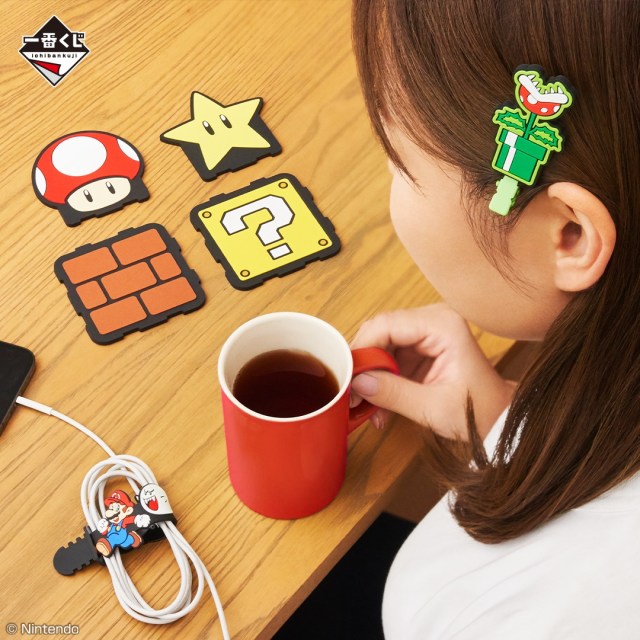
▼ G prize: Connectable power-up and block coasters, Piranha Plant hairclip, and Boo-chasing-Mario cable tie, all made of rubber

As mentioned above, different prize tiers in Ichibankuji have different rarities, with each shop that sells the tickets having its own stock. Because of that, there’s a chance that all the higher-ranking prizes might be gone by the time you’re drawing for yours. That’s why the system also has a “Last One” prize, awarded as an additional prize for whoever purchases the very last ticket in the box. For the Super Mario Home Adventure Life lineup, the Last One prize is a special Warp Pipe key bank with alternate artwork showing a powered-up Mario battling Bowser.

Ichibankuji tickets are sold at various toy and hobby shops, and Super Mario Home Adventure Life tickets will also be offered at the Nintendo Tokyo and Nintendo Osaka specialty stores, as well as branches of 7-Eleven, starting October 13. Pricing is 700 yen (US$4.70) per play, which is honestly about the lowest price you’d find video game merch along the lines of even the E, F, and G prizes for, so there’s really not a bad prize in the bunch, and the random aspect does seem kind of appropriate for a series filled with Question Mark blocks.

Source, images: @Press
● Want to hear about SoraNews24’s latest articles as soon as they’re published? Follow us on Facebook and Twitter!


Credit:
Edible culture shock: Our Japanese reporter tries American barbecue for first time【Taste test】

P.K. broadens his palate while filling his stomach.

“So, ‘American food’ is basically hamburgers and pizza, right?”

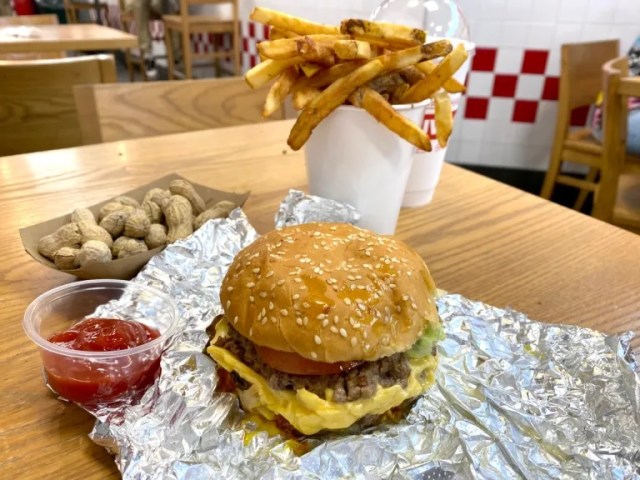
That’s the image our Japanese-language reporter P.K. Sanjun had of the United States’ culinary cultural contributions, with the “pizza” part presumably pointed at the topping-and-cheese-heavy versions popularized by American pizzerias. And to clarify, he’s not complaining. On his trips to the U.S., P.K. has been more than happy to eat a hamburger every single day for an entire week.

▼ A lot of P.K.’s vacation photos look like this

But last month, while visiting New York for the first time, P.K. wondered if there was a way to broaden his appreciation for American food, so he asked his friend who lives in the city for a recommendation. “What should I eat if I want something that screams ‘You’re in America!’?”, he asked, and his friend quickly replied “Barbeque.”

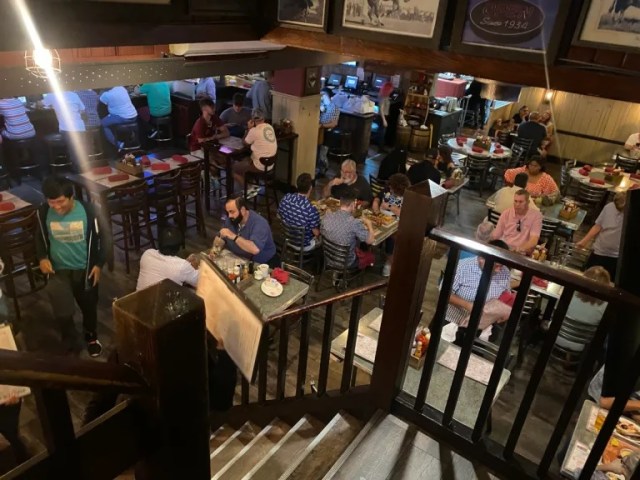
And with that, they were off to Virgil’s, a barbeque restaurant not far from Times Square. As they stepped into the place and down into the dining area, though, P.K. felt like he’d been transported from the Empire State to deep in the heart of Texas, or somewhere else in the American south, thanks to the woody interior and at-home atmosphere.

▼ Note: P.K. has never been to Texas or the South, but Virgil’s interior is what he imagines they’re like.

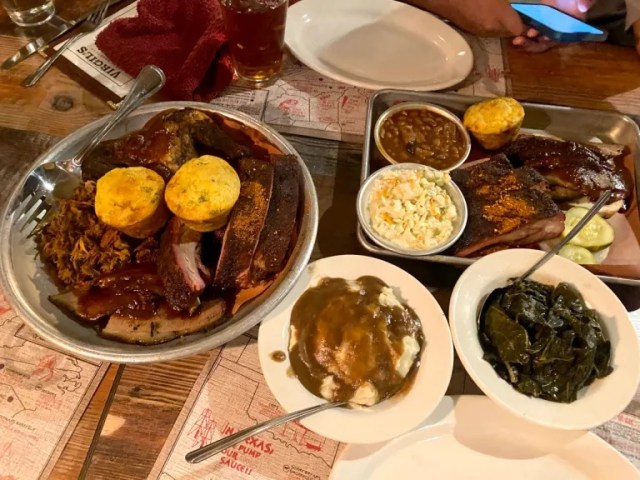
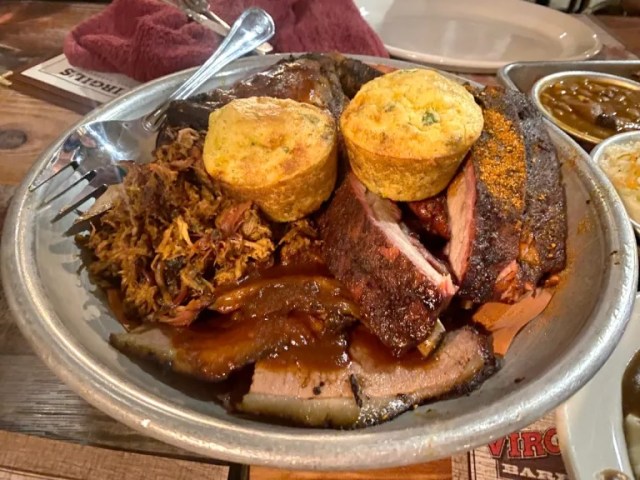
Since this was P.K.’s first experience with American barbeque, he left the ordering up to his friend. After about a 10-minute wait, the server brought his food, and P.K. was shocked, in the best way possible, by the massive platter of meat placed before him.

▼ All this, just for P.K.!

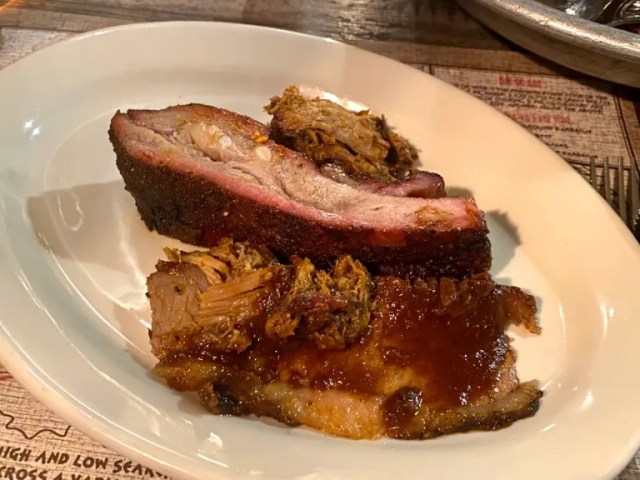
Pork spareribs, grilled beef, pulled pork…it was a feast for the eyes, and it was going to be a feast for his stomach too. This was also, by the way, P.K.’s first time to see cornbread muffins, but of course he started with the meat.

P.K. dug in, and his first impression was…

“This reminds me of the flavor of the barbeque sauce they give you with Chicken McNuggets.”

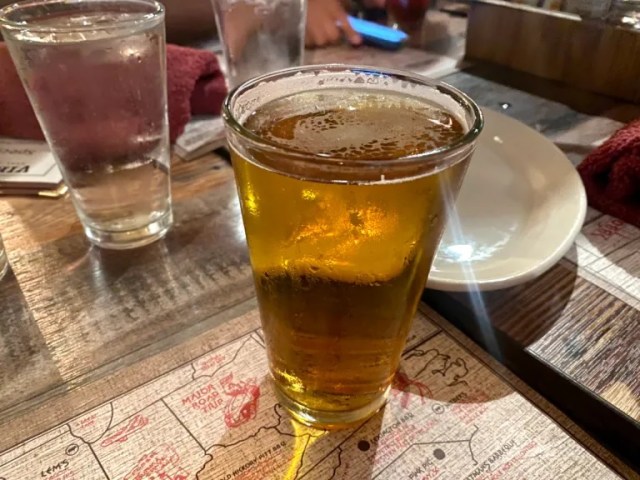
We should clarify that P.K. means this in the best possible way, and that he also quickly realized that the flavor and texture of the meat itself was clearly a cut above fast-food quality. In terms of the sauce’s flavor, though, the mix of sweet and smoky notes reminded him of McDonald’s McNugget sauce…and he loved it, especially chasing bites of saucy meat with sips of a nice cold beer.

Barbeque aficionados may scoff at the notion of likening a proper sauce to the stuff you’ll find in McDonald’s packets, but it’s worth noting that barbecue sauce itself isn’t very common in Japan. McDonald’s is one of the few places in Japan where you’ll consistently find barbeque sauce, and so it’s not surprising that P.K.’s first taste of American barbecue had him thinking of the Golden Arches, since that’s its closest relative in his personal taste-testing resume.

And again, P.K. was overwhelmed by how tasty it was. This hearty, heavily flavored meal was exactly the sort of “AMERICAN!” chow he’d been hoping for.

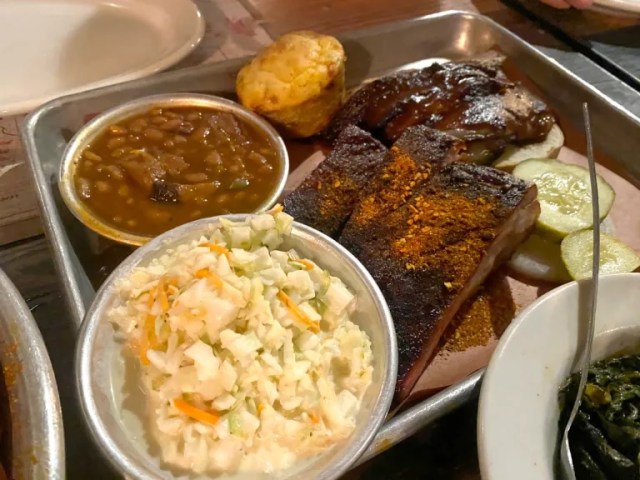
The sides all hit their marks too. Collard greens were another first for P.K., and with coleslaw, mashed potatoes, and baked beans too, P.K. was left very happy and very full.

At US$45, this wasn’t a cheap meal, but this was New York, where P.K. has heard you can spend 40 bucks even on a bowl of ramen if you load up the toppings, so he felt like it was a fair price. Compared to Japanese barbecue parties, where the main fare is thin strips of flat-grilled meat, this was a decadent, dynamic-looking dinner, and something that P.K. recommends every Japanese traveler try at least once if they get a chance in the U.S., as it’s a very enjoyable bit of culture shock.

Photos ©SoraNews24
● Want to hear about SoraNews24’s latest articles as soon as they’re published? Follow us on Facebook and Twitter!


Credit:

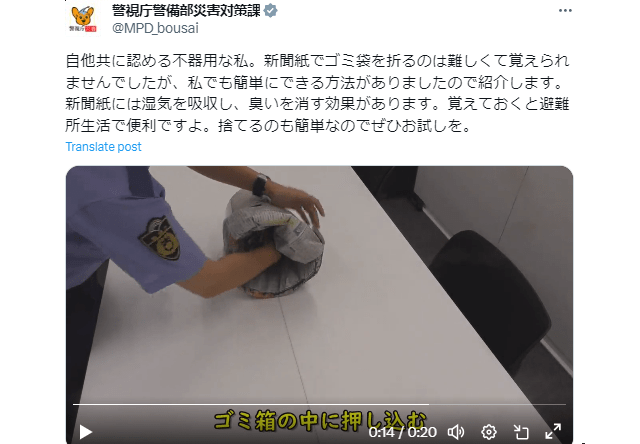
Tokyo Metropolitan Police shows us how to make garbage bags out of newspaper

To protect and lifehack.

I’m not really sure when this happened, but somewhere along the way, the Tokyo Metropolitan Police Department has become a leading source of lifehacks in Japan.

These interesting and handy tips have all been disseminated by the department’s Disaster Management Division as ways to make do with ordinary household items if trapped at home, but you’ll find a lot of them work perfectly well in daily life too. They’ve been regularly posted on the division’s official Twitter account (@MPD_bousai) for years and it seems there’s no end to their ingenuity.

Now, they’re bringing us a trick that went over quite well with social media users and it involves making a garbage bag out of newspaper. And this isn’t an origami garbage box like we showed you before, nor is it simply lining a garbage bin with newspaper. This is a super easy way to make a functional garbage bag from a square sheet of newspaper that can be explained in a 20-second video.

Not only is it a good backup for conventional garbage bags when in a pinch, but according to the above post, it also does a pretty good job of absorbing moisture and odors. I’m not sure where this falls on the environmentalism scale since you’re tossing the newspaper rather than recycling it, but in doing so you’re also reducing plastic, so at least it seems like a net good thing… Maybe if we had some hemp newspapers?

Either way, comments from those who watched the video and gave it upwards of 10,000 likes were very impressed.

“That’s really convenient! Looks good for everyday use too.”
“Even a lazy person like me can do it!”
“I’m pretty clumsy, but I think I can do that.”
“But I don’t have newspapers or round garbage cans.”
“My teacher in elementary school used to do this!”
“Now I don’t have to use shopping bags.”
“Ever since they started charging for plastic bags I’ve been doing this.”

As that last comment mentioned, since July 2020 supermarkets, convenience stores, and other businesses across Japan have been required by law to charge for plastic bags instead of giving them out for free with purchases. Since those bags were often reused as garbage bags, this change left a lot of people with nowhere to put their trash.

While this is a good alternative, other comments also pointed out that a newspaper subscription isn’t as common a thing as it used to be. Still, it couldn’t hurt to go out, pick up an issue, and be set with garbage bags for a while while also supporting local journalism if it still exists in your area.

Source: Twitter/@MPD_bousai via Netlab
Top image: Twitter/@MPD_bousai
● Want to hear about SoraNews24’s latest articles as soon as they’re published? Follow us on Facebook and Twitter!


Credit:
Can our foodie reporters tell the difference between two brands of tofu with a huge price gap?

These days even cheap tofu tastes high quality, so who among us can spot the luxury tofu?

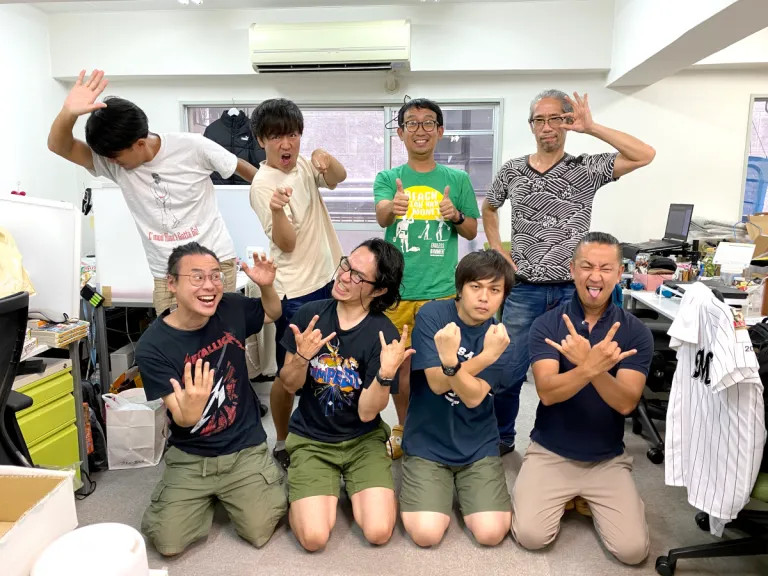
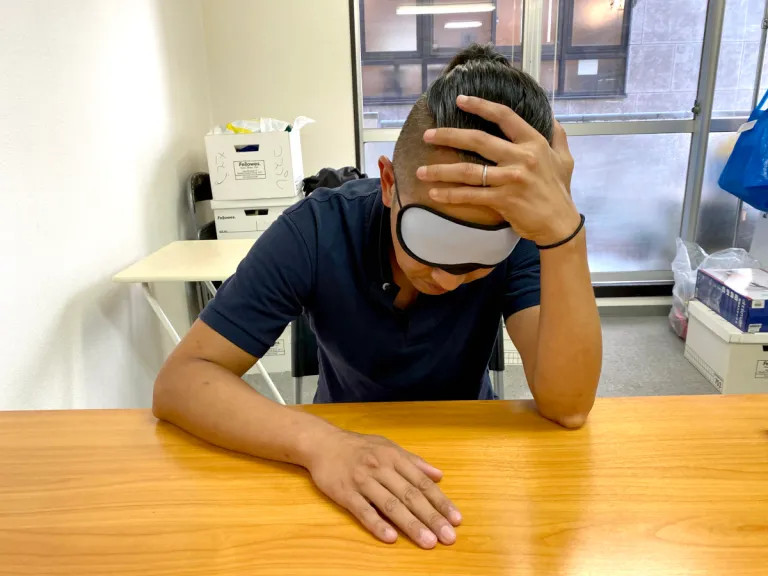
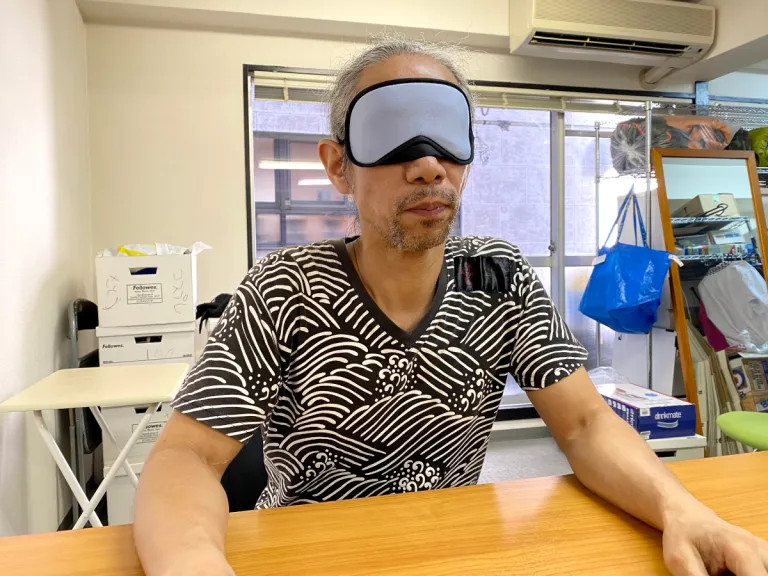
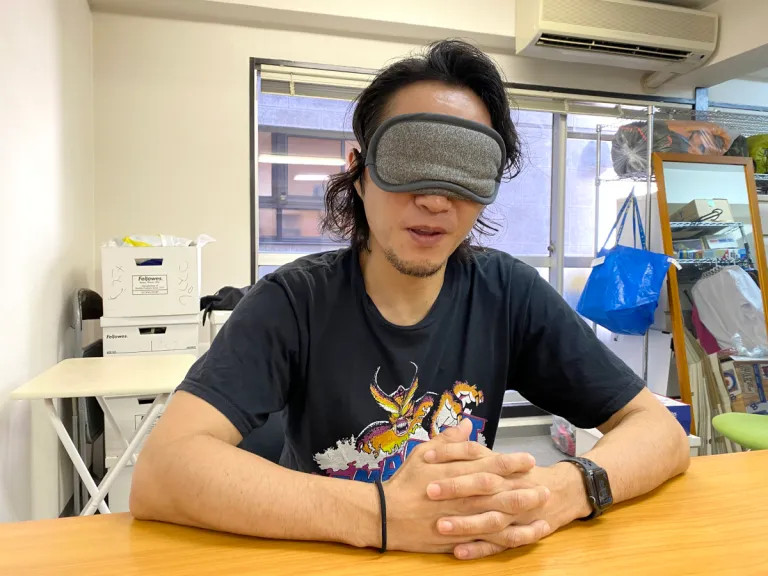
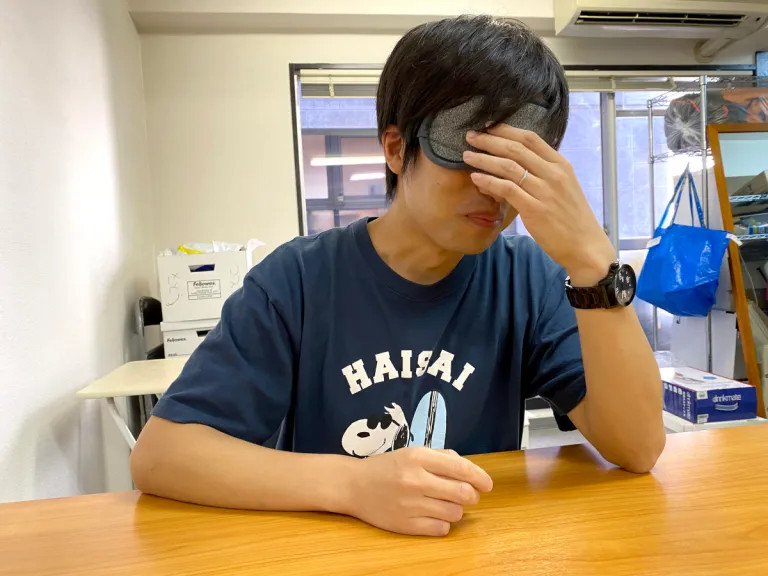
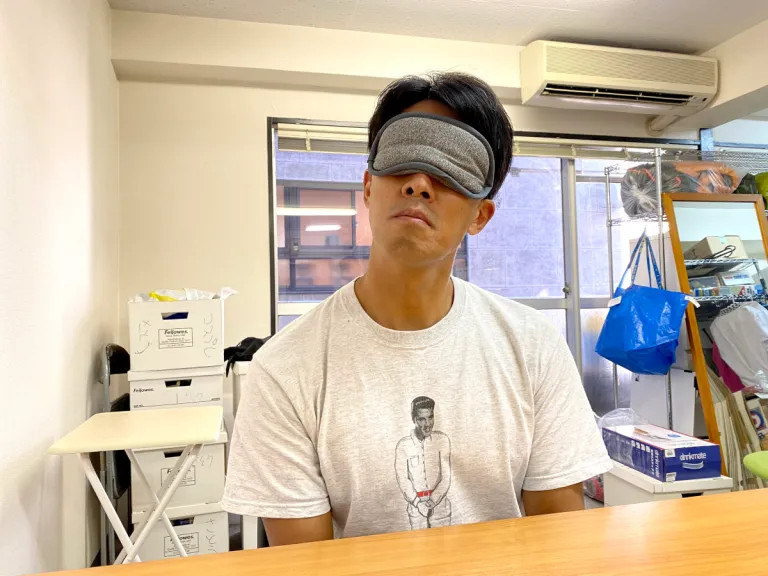
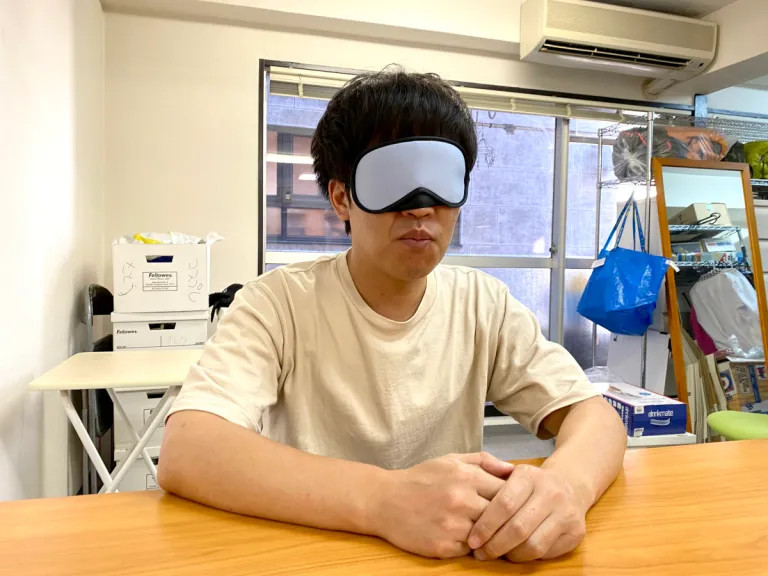
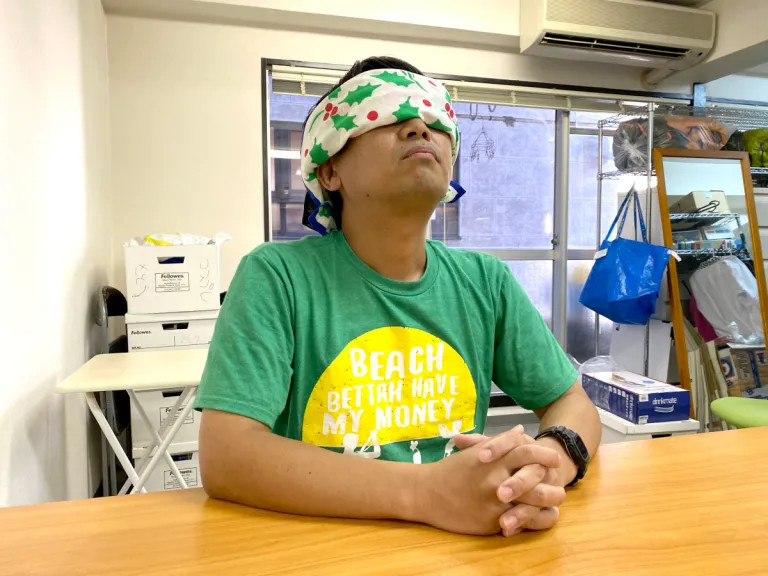
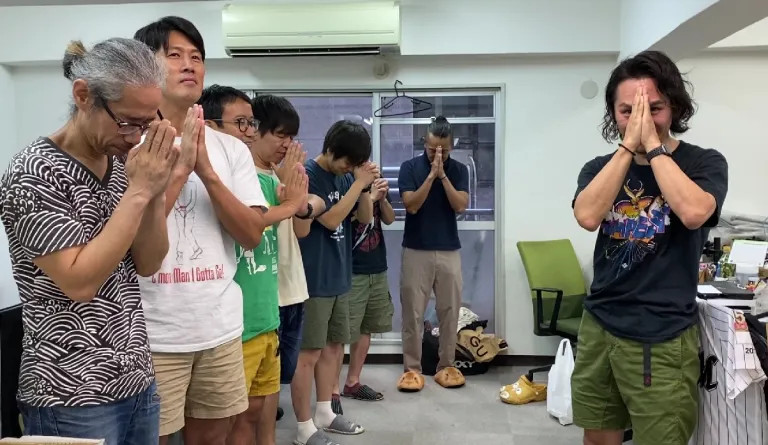
After years and years of eating and reviewing food, we’d like to think our reporters have expert palates that can tell the difference between expensive and cheap products, but in reality, blind taste testing is a lot harder than it looks. We’ve done loads of “Gourmet Writers’ Rating Checks”, in which our reporters taste samples of a certain food at two different price points to figure out which one is more expensive, and the results are often greatly divided!

In the latest trial, they opted to try two different brands of tofu. Though it had been a few months since the last blind taste test–since everyone was off traveling to San Diego, New York, Nikko, and Seoul during the summer–our reporters were ready to put their experienced palates to the test and see if they could pick out the more expensive brand of tofu. Will the long break prove a detriment? Or will their foodie talents carry them safely through? Let’s find out!

Before we begin, let’s review the rules of the Gourmet Writer’s Rating Check. Each participant must blindly eat a sample of both the “Super High Quality Product” and the “Ordinary Product” and decide which one is the more expensive brand. Whether they think it’s good or not, or whether they like it or not, does not matter, as long as they select the correct brand as the most expensive. Then, each reporter will be ranked based on their aggregate success rating.

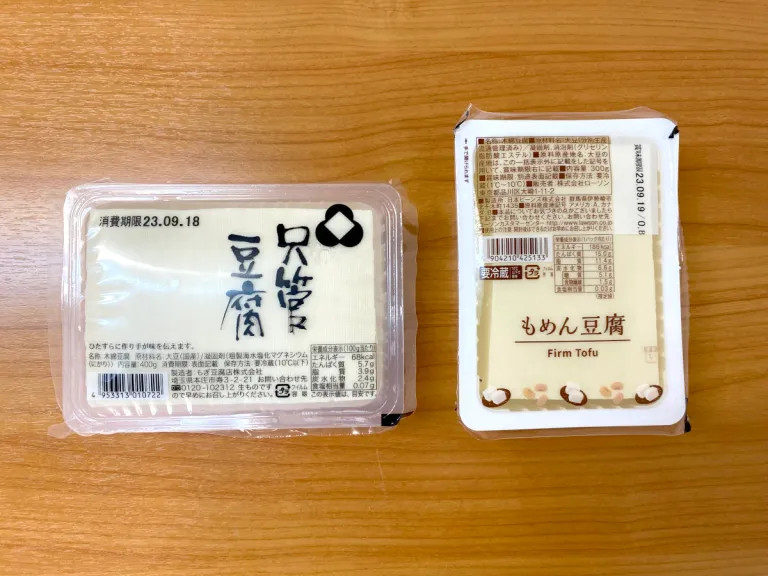
These days there are a lot of reasonable tofu brands that are really delicious out there, so our reporters fully expected this to be a challenge. For the ordinary tofu, we selected “Firm Tofu” from convenience store Lawson, which sells for the low, low price of just 98 yen (US$0.66). In the other corner was the luxury brand “Hitasura Tofu”, which is available at the upscale shopping center Isetan for 583 yen. That’s a whopping 5.5 times difference in price.

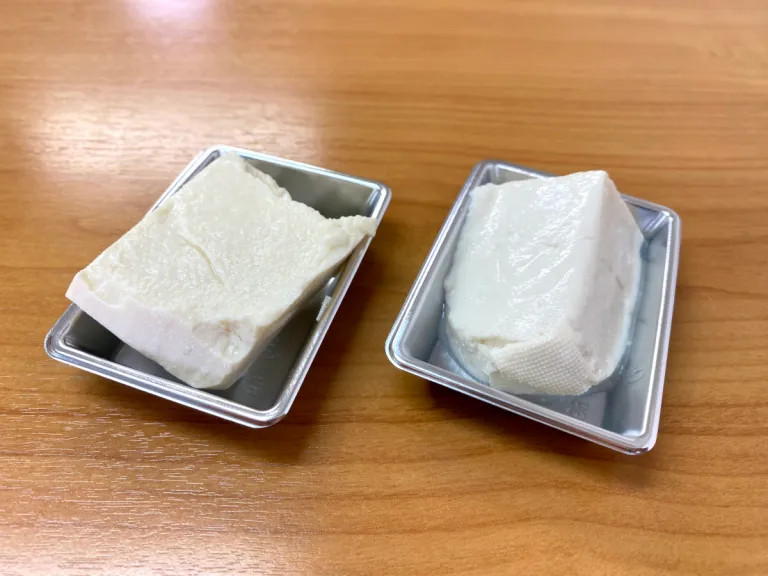
According to the product’s page, Hitasura Tofu is “Exceedingly good, produced with the finest soy beans using handmade techniques. It is a tofu with an elegant and refined flavor.” It is also a firm tofu, which we picked specifically to match the Lawson tofu as best as possible.

Though they knew which brands they were tasting, each participant was given just a single bite of each without seeing the samples or knowing which was which. Understandably, they spent a lot of time deciding which was the more expensive variety. Here’s what each person had to say about the tofu:

P.K. Sanjun (A): “At first, I totally thought it was A, based on the sweetness and the softness of the texture. To be honest, A is delicious. But lately I feel like a lot of the cheaper tofu has that sweetness to it. That’s what held me up. 

“B, on the other hand, doesn’t have that sweetness, and if you’d told me it was ordinary I’d think it was ordinary. If I think about it rationally, I’d say it’s A, but I think other tofus have a similar flavor. Ahhh…This is harder than I thought, but I’m not gonna overthink it. I pick A!”

Mr. Sato (A): “This one is definitely A. I knew as soon as I ate it. The soy flavor is really food, and, I don’t know…the bitterns? I don’t know what I’m saying, but I felt like I should say that. 

“A is the kind of tofu they’d serve at a ryokan for breakfast. It’s like five times better than B, which was slightly watery. I feel pretty confident about this. I’m like, 80 percent sure. Yeah.”

Go Hatori (B): “In A, you can taste the soybeans. Yeah…But, when I ate B…I couldn’t tell!! Honestly, I have no idea. The first difference between them is the texture. A is more syrupy. B is somewhat firmer, kind of like freeze-dried tofu?

“However, cheap tofu these days is a bit sweet, and the flavor of the beans is pretty strong. If I think of it that way, I’d say B is one I haven’t tasted before. B is a new experience.”

Ahiruneko (A): “I eat firm tofu, but I don’t really eat it plain like this. No…I can’t tell just from eating one. This is harder than I thought…

“There is definitely a clear difference between A and B. A is softer, and B is firmer. But I don’t really know which one is more expensive. I really tried to investigate B, but it didn’t have as much of an aura as I thought it would. I’m not super confident about this.”

Seiji Nakazawa (A): “I’m intense about firm tofu; I eat it almost every night. I think I know which one is the Lawson tofu. Ah, yes. I know this one. So the answer is A. I’m positive.

“Expensive firm tofu has a strong soy flavor, and A’s was really strong. Plus, the texture was like silk. B was firm and didn’t have a strong soy flavor. It felt like firm tofu from a convenience store.”

Masanuki Sunakoma (A): “Somehow my sense for food has come back, even after a two-month break. The answer is A. I really feel like the quality of the ingredients is directly tied to the price. I know because I like tofu. 

“I can tell that A is made with good soybeans. B just had a really weak flavor, and I felt like it was missing something. A is something you can eat as is, and it has a flavor that sticks with you.”

Takashi Harada (A): “I’m not going to lose this time. My family makes tofu at home. Hmm…I feel like A doesn’t have much flavor? Wait…neither does B? I do feel like A is a bit firmer.

“This is extremely difficult. I like the flavor of A better, but…No, I’m gonna go with A. B feels a bit watery. I think A is like something Isetan would sell. Well, they’re both definitely tofu.”

Yoshio (A): “I like tofu, but I mostly eat soft tofu. Is A even firm? There’s no doubt, the answer is A. As soon as I tried it, I couldn’t believe the silkiness. It’s ridiculous. 

“By that token, B is firmer and feels like its had the moisture pressed out of it. It’s definitely firm tofu. A has no odd taste and is the kind of tofu you can keep eating forever. I’m very sure about this. Honestly, A is delicious.”

Our reporters, who are generally not that good at this, actually felt pretty confident about this one. As you can see, almost everyone agreed that A was more the expensive tofu.  The room was split 7:1 for A and B, and Go was the only one who chose B…Would he earn a splendid victory that he could lord over his fellow reporters?

So which tofu was the more expensive Hitasura Tofu from Isetan?

………….

A! The answer was A!

A was far and away the sweeter tofu, and it really had a strong flavor of soybeans, but the contest was tricky because a lot of cheaper tofu is also sweet these days. Luckily, most of our reporters didn’t think too hard about it before they chose.

P.K.: 31 wins / 7 losses (81.5-percent correct rate): “I thought it could’ve been B too, but…the flavor was ordinary!”

Seiji: 24 wins / 7 losses (77.4-percent correct rate): “It really tasted like soy!”

Ahiru Neko: 22 wins / 11 losses (66.6-percent correct rate): “B had way less of an aura than I expected!”

Go: 22 wins / 12 losses (64.7-percent correct rate): “B was the one with a taste I’d never had before…”

Masanuki: 22 wins / 15 losses (59.4-percent correct rate): “The quality of the ingredients is directly tied to the price.”

Mr. Sato: 18 wins / 14 losses (56.2-percent correct rate): “Bitterns? Or is that not the word? I just felt like I should say that.”

Yoshio: 16 wins / 15 losses (51.6-percent correct rate): “A had a ridiculous silkiness. Ridiculous.”

Harada: 17 wins / 17 losses (50-percent correct rate): “B was kind of watery, I thought.”

And so our reporter ranking continues. Who in the end will come out on top with the most refined palate in all of the SoraNews24 office? Stay tuned to find out!

Images © SoraNews24
● Want to hear about SoraNews24’s latest articles as soon as they’re published? Follow us on Facebook and Twitter!


Credit:
Mister Donut, Japan’s favorite donut chain, is now making instant ramen too

Mister Instant Ramen?

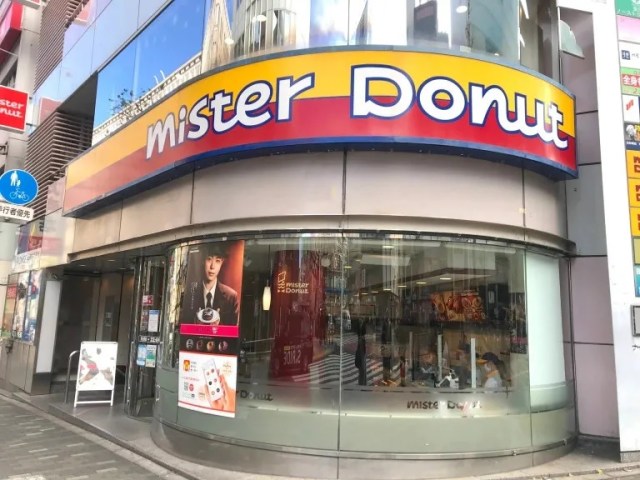
It’s largely a self-created problem, what with the chain’s name and all, but it can be easy to forget that Mister Donut doesn’t just sell donuts. Sure, Mister Donut is Japan’s most popular donut chain, but they also serve ramen.

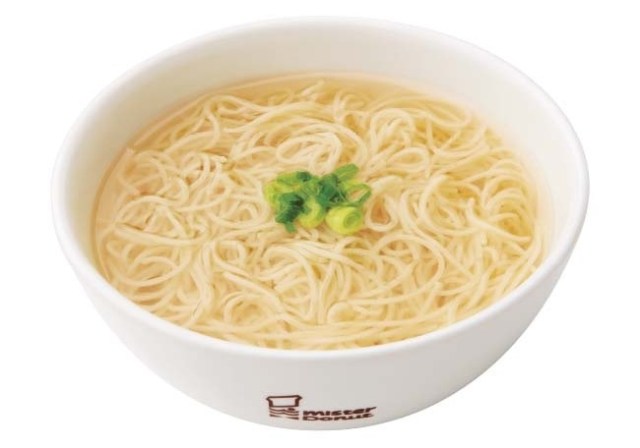
Mister Donut’s noodles are part of the yum cha/dim sum sub-set of the chain’s menu. Pictured above is Mister Donut’s Shiru Soba, a simple but satisfying bowl of thin ramen noodles in a flavorful chicken stock broth.

But while Mister Donut always does a brisk take-out business for its desserts, its ramen is only available as an eat-in item. Soon, though, there’ll be a way to enjoy Mister Donut ramen at home, as the chain is getting into the instant cup ramen game.

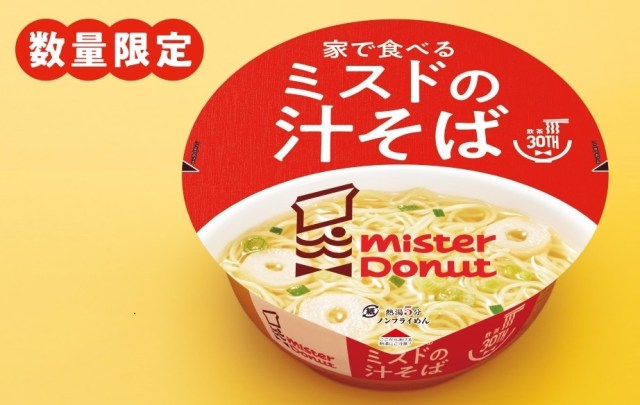
Going on sale next month is Misudo Shiro Soba That You Eat at Home (“Misudo” being Mister Donut’s nickname among fans). Many brands of instant ramen use noodles that are fried prior to packaging, but Mister Donut is using a non-fried variety that it says results in a better texture, with just the right amount of firm chewiness to replicate the feel of freshly made noodles. The cup noodle version is also slightly different than the in-restaurant Shiru Soba, as the instant variety includes a bit of wheat bran that the other does not.

The Mister Donut instant ramen is part of the 30-year-anniersary celebration for its yum cha menu, and so it’ll only be produced in limited quantities. It goes on sale at Mister Donut branches on October 11, priced at 270 yen (US$1.85), and true to its Misudo Shiru Soba That You Eat at Home name, is only available as a take-out item, and cannot be eaten in-store (conveniently, this gives you an excuse to buy a bunch of donuts to take home too). Oh, and if noodles aren’t your thing, don’t forget that Mister Donut also has really, really good hot dogs.

Source: Mister Donut via Otakomu

Top image ©SoraNews24
Insert images: Mister Donut (1, 2)
● Want to hear about SoraNews24’s latest articles as soon as they’re published? Follow us on Facebook and Twitter!


Credit: