Foreign English teacher in Japan calls student’s ability garbage, says it was an “American joke”

Teacher reprimanded for inappropriate remarks towards junior high school student.

In Japan, students start learning English as a mandatory subject from the third grade of elementary school. As part of their studies, pupils take part in English conversation classes where a foreign-born language instructor is present, with the instructor’s role being to facilitate activities that encourage students to speak English.

These lessons can be daunting for many children who might feel self-conscious about speaking a second language in front of their classmates, so teachers generally use praise and positive reinforcement while correcting students to create a safe and supportive learning environment.

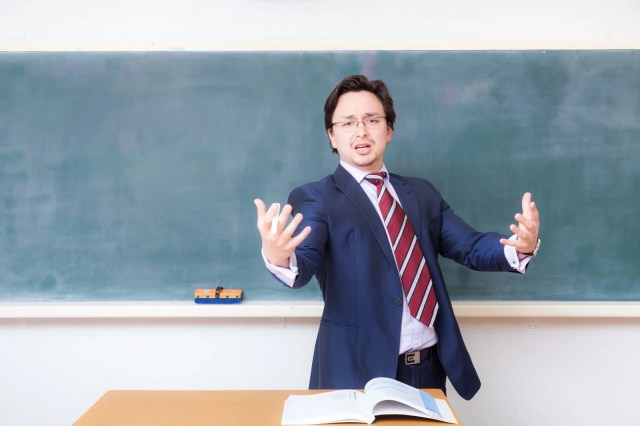
At one junior high school in Tokushima Prefecture, on the island of Shikoku, however, a foreign English-language teacher chose to criticise a student’s language abilities to such an extent that it made news headlines. According to reports, the male student had been trying his best to speak English during English conversation class, but the teacher said to him, “That’s not English. That’s garbage.

The teacher appeared to have other criticisms, reportedly telling the boy he spoke English like an elementary school student, and saying he didn’t sound like a boy, as his quiet voice sounded like a girl.

The student told reporters his interest in the language had recently increased as he’d finally begun to grasp it, but the teacher’s statements, which had been made in English, didn’t make him feel good.

The student’s father appeared to be equally disappointed, saying he was shocked by what had occurred, especially as his son had become interested in English and had just reached the point where he was able to use the language to communicate with someone from overseas.

▼ News report of the incident

The school acknowledged that the incident had occurred at the beginning of December, saying the teacher told them they didn’t intend to undermine the student’s character and explained it was an “American joke”.

In Japan, “American joke” is a term commonly used to describe a joke that Japanese people don’t get. However, a young student’s language proficiency isn’t something an adult should poke fun at, and the school has instructed the teacher to refrain from making any statements that could cause misunderstandings in the future.

Source: NTV via Livedoor via Jin
Top image: Pakutaso
● Want to hear about SoraNews24’s latest articles as soon as they’re published? Follow us on Facebook and Twitter!


Credit:

Why Sensoji temple in Asakusa is better at night

One of Tokyo’s most historic areas is even more spectacular without the crowds.

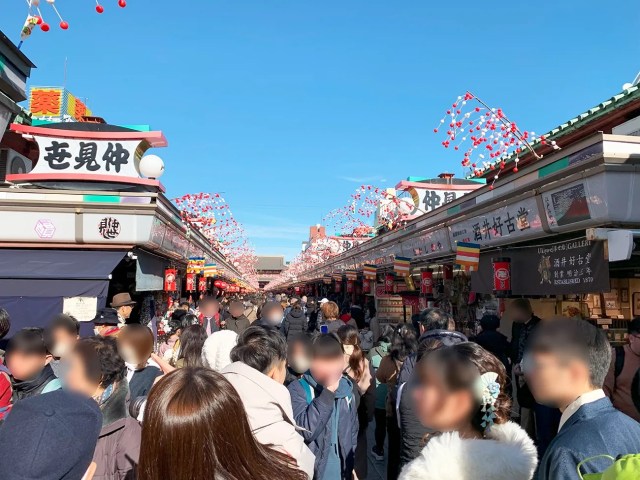
Asakusa is one of Tokyo’s most famous areas, attracting attention from tourists around the world who come to visit Sensoji, the oldest temple in the capital.

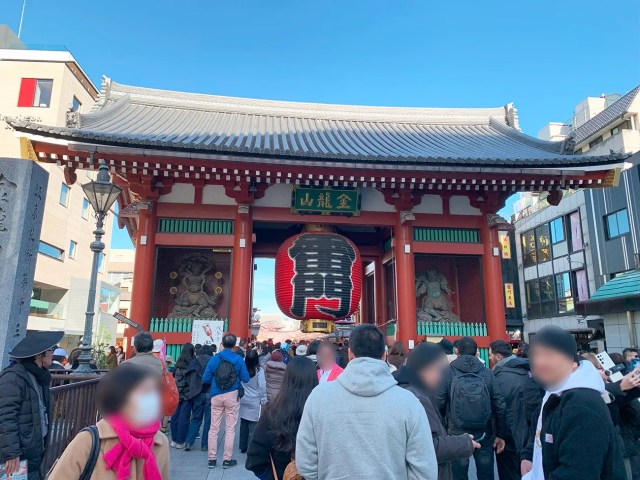
For our reporter Seiji Nakazawa, however, Asakusa is simply home. He lives within walking distance of the temple so to him Sensoji is simply a part of the landscape that he doesn’t even bat an eye at anymore. In fact, whenever he happens to pass beneath the massive lantern at the front gate and through the grounds of the temple, he finds himself simply feeling inconvenienced by the hordes of visitors rather than awed by the traditional architecture.

The other night, though, Seiji arrived back in the neighbourhood much later than usual, and that’s when the temple caught his eye.

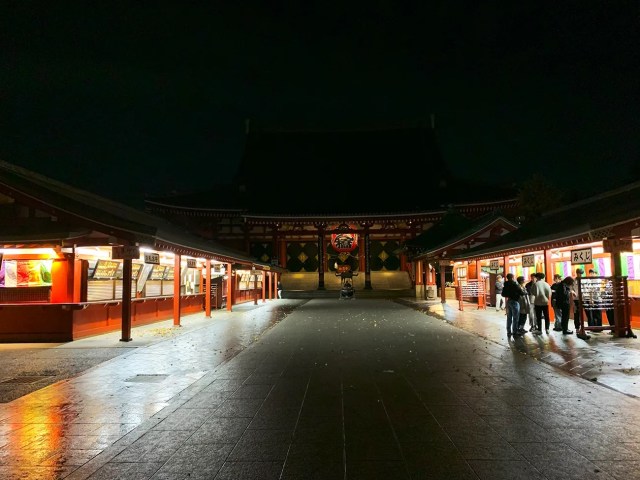
The area looked very different to how it usually appears, with the main gate devoid of visitors and darker than usual. The temple at the end of the Nakamise shopping street beyond the gate was vaguely visible beyond the pitch-black entrance, creating an eerie, mysterious scene.

▼ Standing here at midnight, Seiji felt as if he was standing at a gate to another world.

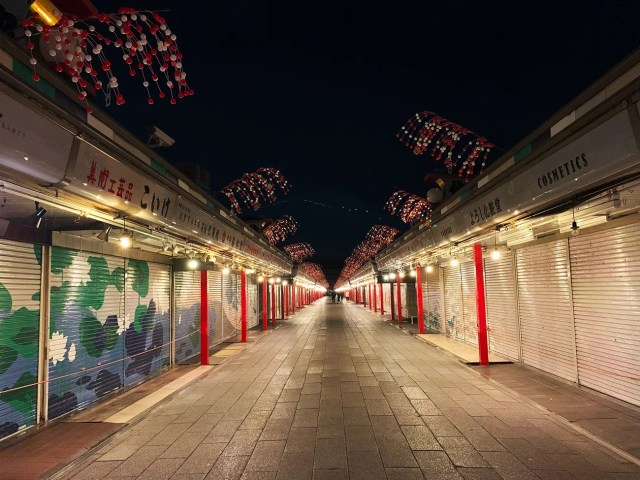
Drawn to the lights of the street, the area had a magnetic pull that Seiji was unable to resist. The shutters to the stores were now closed, giving the place a dystopian look that made him feel as if he was one of the last people on the planet.

With no tourists to slow his progress along the path, it now seemed to stretch on forever, much like the black sky above the dim electric lights.

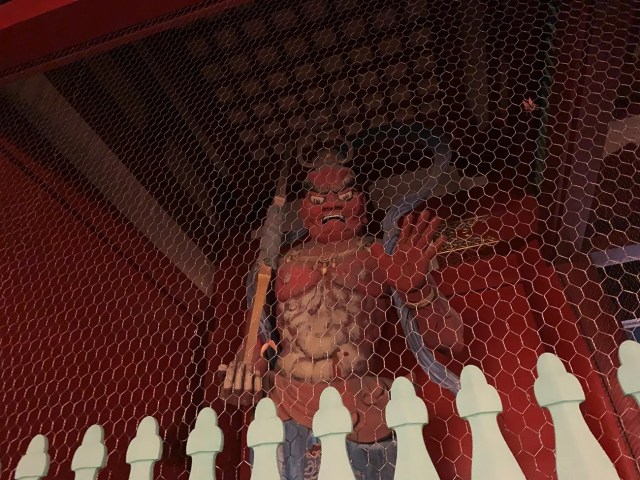
When he did finally reach the Hozomon gate at the end of the shopping street, it too had a completely different feel compared to what he’d seen during the day.

With the statues on either side of the gate standing in darkness, Seiji felt like he was about to embark on a mission from Gantz.

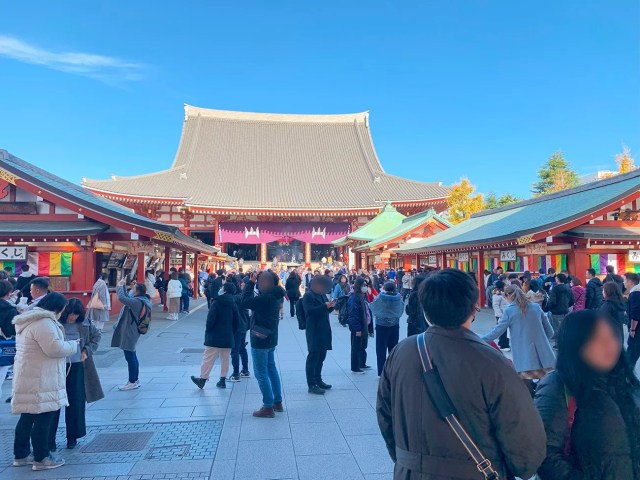
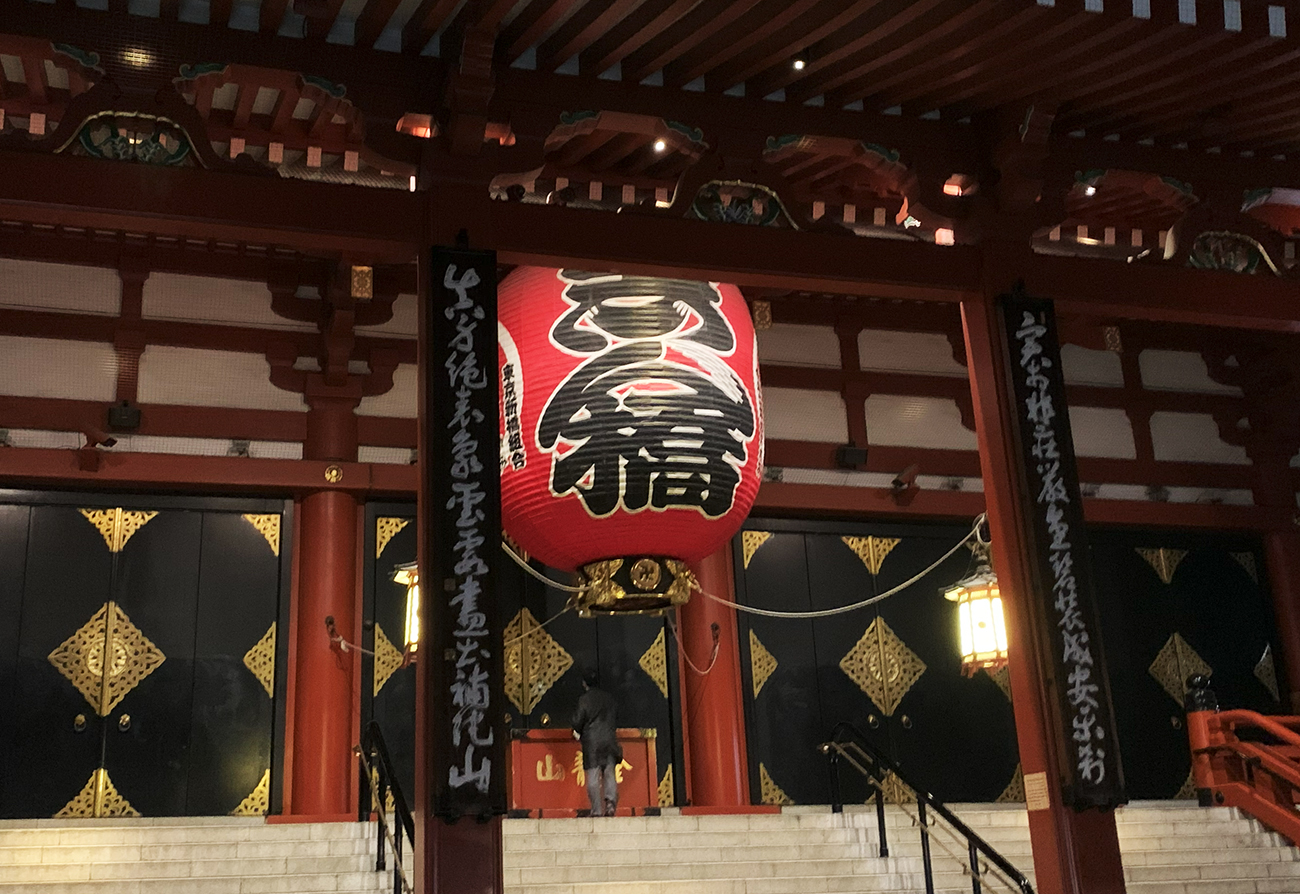
The main hall also had an awesome, parallel-world feel. The huge lantern had a stronger presence than usual, becoming the main focus of attention under the bright spotlight.

This was a side of Sensoji Seiji had never experienced before, and after pausing to immerse himself in the eerie, otherworldly feel of his surroundings, he began his slow walk back to the front gate, turning to glance over his shoulder along the way.

Temples and shrines are usually off-limits to visitors late at night, so this rare opportunity to step into a mystical world left a lasting impression on Seiji.

The main building is brightly illuminated until 11 p.m. every night, so if you’d like to see the famous structure in near-darkness like Seiji did, you’ll want to visit after that, which means a stay in one of the many hotels in the area may be in order.

So next time you’re planning to visit Sensoji, you might want to think about visiting it twice — once during the day, when the traditional stores and rickshaws are operating, and once at night, when the place takes on a mystical charm, especially when paper lanterns float down the nearby Sumida River during the annual Tourou Nagashi ceremony.

Photos ©SoraNews24
● Want to hear about SoraNews24’s latest articles as soon as they’re published? Follow us on Facebook and Twitter!


Credit:

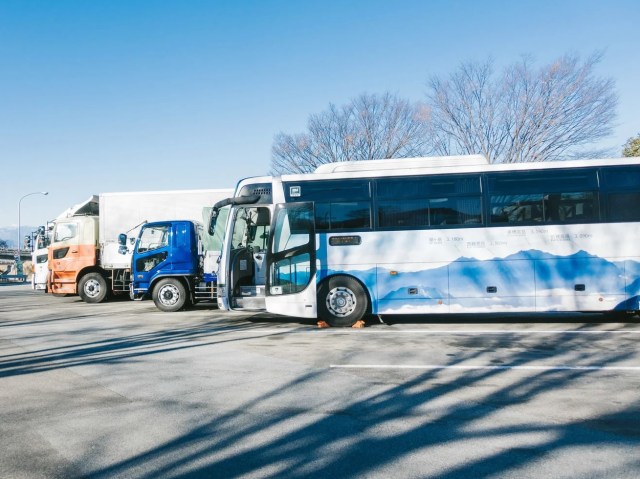
Japan travel warning: Buses can and will leave you behind at highway rests stops if you’re late

Japan’s long-haul buses can be a convenient, economical way to get around Japan, as long as you’re punctual.

New Year’s is the busiest time for domestic travel in Japan, as it’s tradition to head back home and spend time with your family during the season. And while the Shinkansen bullet trains are Japan’s fastest and most famous mode of domestic transportation, there are also a lot of people will be taking long-haul highway busses.

Not only are busses often cheaper than trains, they service many of the more rural parts of the country that lack high-speed rail stops. This being Japan, the busses are usually clean, too, and the drivers and passengers polite. You can make a reservation ahead of time and get an assigned seat, and oftentimes those seats recline and have footrests, making for a pretty comfy ride, and for long trips there’s usually a stop or two at Japan’s famed highway rest areas, where you can pick up locally made snacks and drinks and use the remarkably clean bathrooms.

However, there is one potential problem with taking long-haul buses, and its one that bus operator JR Bus Tohoku has posted a special reminder about on their website, which reads:

“To customers who will be using our buses during the New Year’s period,

Buses will depart at their scheduled departure times. If you are not on the bus when it is scheduled to depart, we will not attempt to contact you or wait for you.”

In other words, if you take a little too long browsing through the souvenir shops, stretching your legs, or doing anything else at the rest stop that prevents you from getting back on the bus at its scheduled departure time, the bus might just leave you behind, stranding you part-way to your destination.

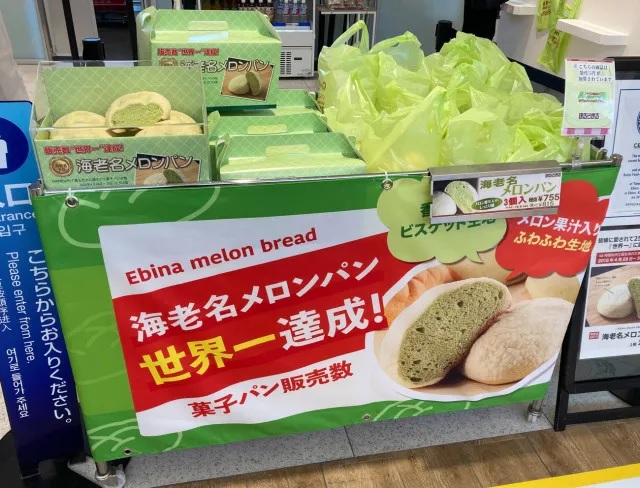
▼ So don’t take too long deciding how much of that delicious Ebina rest stop melon bread to buy.

“A large number of people use our buses during the New Year’s season,” JR Bus Tohoku explains. “If someone is late and disrupts the timetable, it will cause problems for the other passengers, so we have issued this cautionary statement.” The company added that it isn’t so strict as to speed off a single second after the scheduled departure time, but the important takeaway from the warning is that there’s no guaranteed grace period on being late getting back to the bus.

Thankfully, long-haul highway buses usually have a large clock at the front of the interior, and drivers verbally announce or put up a sign (sometimes both) saying when the bus will depart. That makes it easy to coordinate your watch/phone with the bus’ clock and know how long you have until you need to get back. That said, even if you’re leaving your jacket or some other belongings at your seat, any time you step off the bus at a rest stop, you should always bring your phone and wallet with you, just in case you get left behind and half to figure out and pay for a new ride.

Source: TV Asahi via Yahoo! Japan News via Jin
Top image: Pakutso
Insert image ©SoraNews24
● Want to hear about SoraNews24’s latest articles as soon as they’re published? Follow us on Facebook and Twitter!


Credit:

Does Starbucks Japan’s new rice cake Frappuccino live up to the hype?

The green mermaid wants us to relax with a cup of tea and a traditional sweet in every mouthful. 

Starbucks’ final limited-edition Frappuccino for 2023 is also its first for 2024, due to the fact that it’s on sale from 26 December to 16 January, and designed with New Year’s in mind.

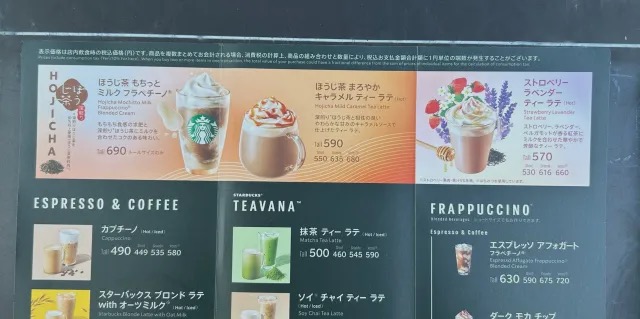
Called the Hojicha Mochitto Milk Frappuccino, the new beverage contains gyuhi, a soft type of mochi rice cake, to give it a texture and flavour similar to daifuku, a lucky sweet commonly eaten during New Year.

▼ The Frappuccino is sold in a Tall size, priced at 678 yen (US$4.73) for takeout or 690 yen for drink-in.

Daifuku are commonly enjoyed with a cup of green tea, so this new beverage combines gyuhi with a cream daifuku sauce and adds a good serving of hojicha (roasted green tea), to give you that same pairing in every sip.

Our resident Starbucks expert K. Masami was on hand to taste the new drink when it was released, and she says it definitely lives up to the hype, with the cream daifuku flavoured sauce sweetening the taste buds before being refreshed by the roasted green tea.

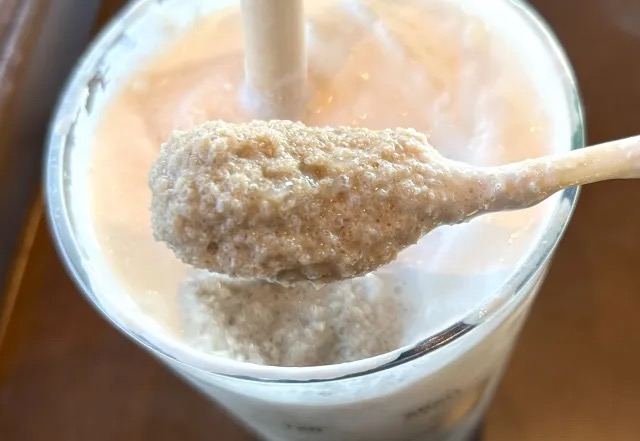
“Mochitto” refers to the “mochi mochi” or “springy” texture of the drink, and that mouthfeel was much more intense than Masami had expected, due to the finely chopped gyuhi pieces. There were so many bits throughout the drink that it really did feel like she was eating, or drinking, a daifuku with every sip.

▼ It was relaxing, refreshing and so easy to drink that she finished it in no time.

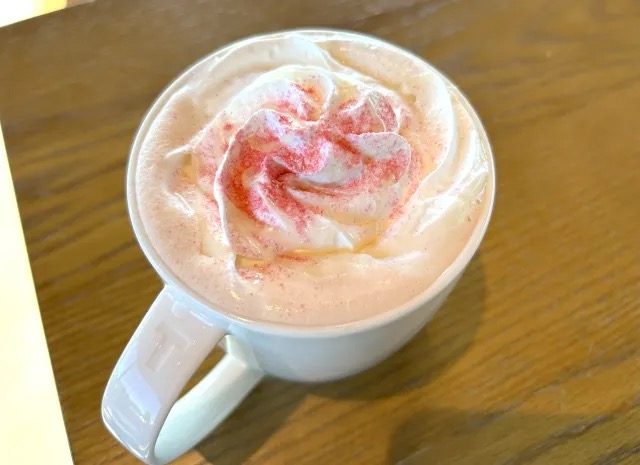
Once her glass was empty, Masami had just enough room to try one of the other new drinks on the menu — the Strawberry Lavender Tea Latte.

▼ The new latte is on the menu until 12 March, in Short through to Venti sizes, priced from 520-660 yen.

Staff recommended she try it with a Breve Milk customisation for an additional 55 yen. Breve milk is a steamed half-and-half — one half being milk and the other half being cream — and it added a wonderful richness to the latte, which contained a combination of black tea and milk scented with strawberry, lavender and bergamot.

The whipped cream, honey, and strawberry flavoured powder added beauty and fragrance to the latte, and its perfect balance between sweet and tart flavours made Masami fall deeper in love with it after every sip.

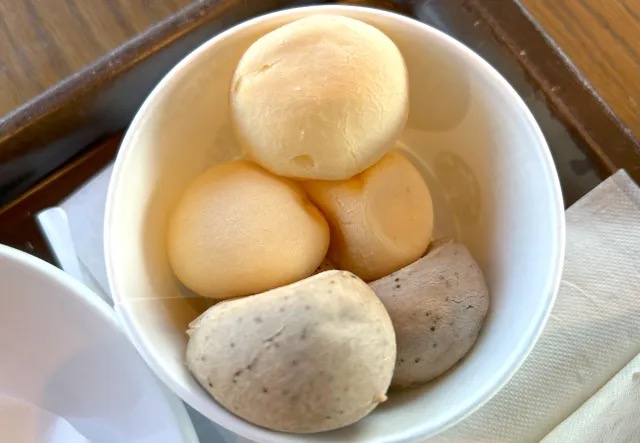
And because she’d been a very good girl this year, she rewarded herself with a tub of Earl Grey & Honey Milk Mocchiri Balls (370 yen for eat-in) to finish.

Masami was happy with everything she ordered, and highly recommends treating yourself to the new limited-time offerings while you can. And if you’re a fan of powdered green tea, you’ll definitely want to try the chain’s stunning matcha desserts for New Year!

Photos © SoraNews24
● Want to hear about SoraNews24’s latest articles as soon as they’re published? Follow us on Facebook and Twitter!


Credit:

Ultimate Japan Super Budget Dining! Our very best 1,000-yen chain restaurant meals this year

A look back on 10 great meals with low prices.

Japan is a paradise for foodies, and that’s not because of high-end fare like Kobe beef and documentary-class gourmet sushi. Thanks to a culture where food and restaurant workers across the industries put pride in their professions, you can go directly from hungry to happy and full in Japan without requiring “rich” as an intermediary status.

As proof, the SoraNews24 team regularly puts our heads and stomachs together for our Japan Super Budget Dining series, in which our reporters head to a chain restaurant or food shop and each of them puts together the best meal they can with a budget of 1,000 yen (US$6.90).

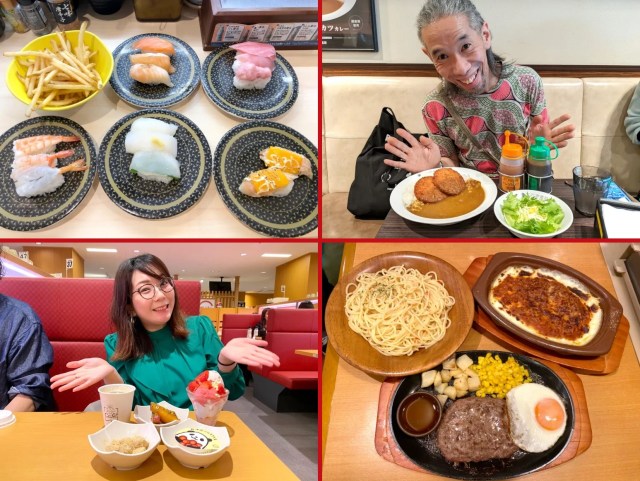
With the year winding down, we’re taking a look back on our year in affordable deliciousness, and asked the members of the Japan Super Budget Dining crew to each pick their absolute best meal from across the series in 2023. Here’s how they answered (as always, the grandiose “names” of the sets were chosen by our writers themselves, so you’ll need to order the items individually if you’re recreating the meals for yourself).

1. P.K. Sanjun’s Top 3 Delicious Hama Sushi Neta Set
Restaurant: Hama Sushi
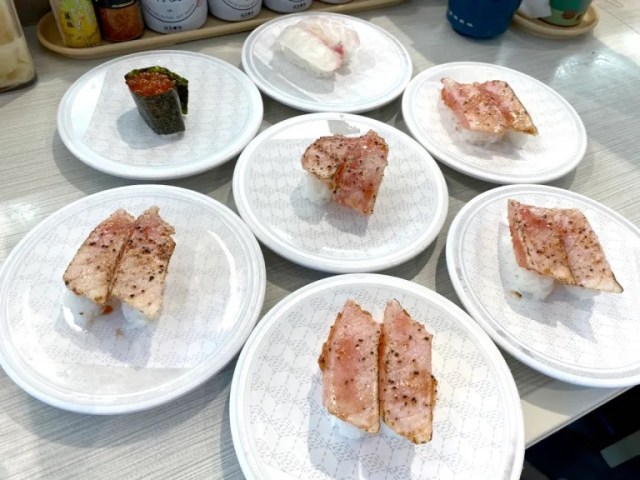
● 5 plates of seared rare ateak (605 yen)
● Red sea bream: 187 yen
● Salmon roe: 187 yen
Total: 979 yen
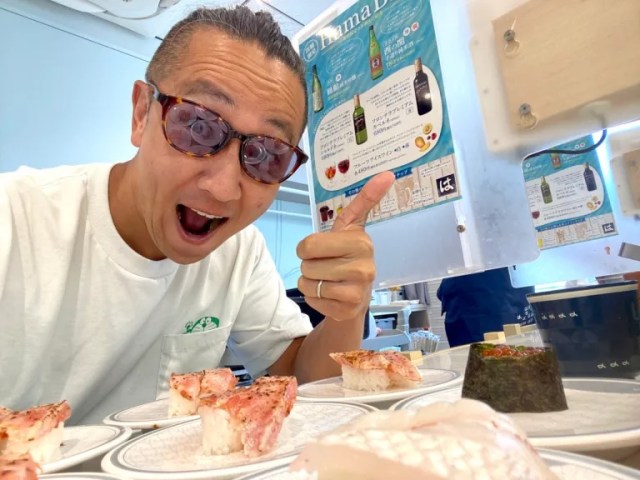
Our retrospective starts at Hama Sushi, one of Japan’s biggest revolving sushi chains. You know how some people say that variety is the spice of life? Well, apparently for P.K., seared steak sushi is the spice of life. He sees no need to mix things up when there’s something this delicious on the menu, and if you’ve never tried sushi with cooked beef, he recommends you rectify that as soon as possible.

2. Takashi Harada’s Cospa Three-piece Assortment & Hama Sushi Delicious Set
Restaurant: Hama Sushi
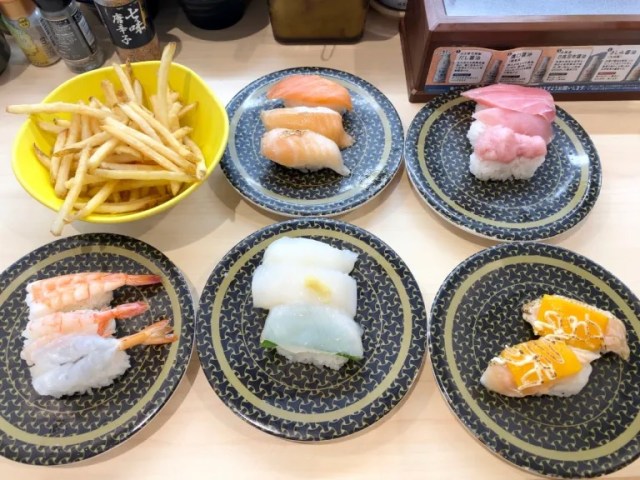
● Three types of tuna (165 yen)
● Three types of salmon (165 yen)
● Three types of squid (165 yen)
● Three types of shrimp (165 yen)
● Grilled salmon cheese (110 yen)
● Crispy fries (220 yen)
Total: 990 yen
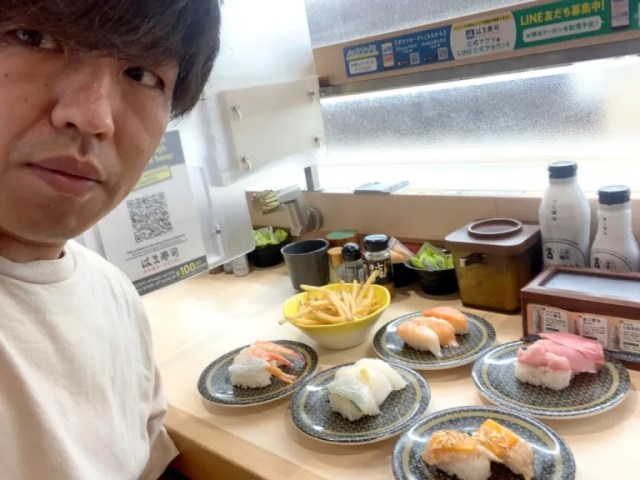
“Cospa” is a Japanese slang abbreviation of “cost performance” that’s used to describe something that offers good value for a reasonable price. It’s pretty much the driving philosophy behind the entire Japan Super Budget Dining project, and for Takashi that means picking out a bunch of Hama Sushi’s three-sushi-piece specials, which give you one more morsel than the standard two that come on most revolving sushi restaurants’ plates.

3. Seiji Nakazawa’s Manly Shakey’s Set
Restaurant: Saizeriya
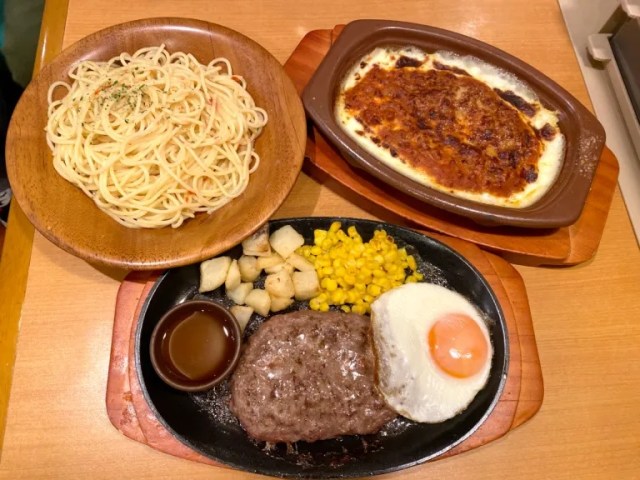
● Milano-style Doria (300 yen)
● Peperoncino Pasta (300 yen)
● Sausage Pizza (400 yen)
Total: 1,000 yen
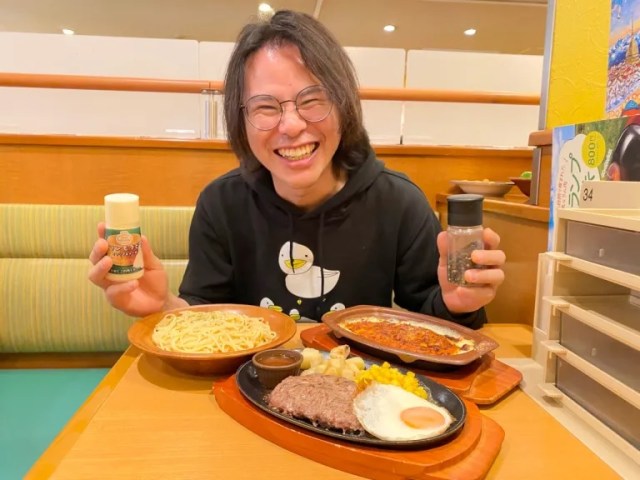
No, that’s not a typo. Seiji’s Super Budget Dining concept for Saizeriya, Japan’s most popular inexpensive Italian restaurant chain, is to try to recreate the experience of eating at a different chain, Shakey’s. To Seiji, that means getting a variety of hearty dishes, just like what he’d choose going through the Shakey’s buffet line, and while Saizeriya isn’t an all-you-can-eat restaurant, this set is still just about all that Seiji can eat in one sitting, while also using every last available yen in the budget.

4. Go Hatori’s “I Want It All Three-in-One Set Where You Can Enjoy the Top Two Seiro Styles at Once”
Restaurant: Fuji Soba
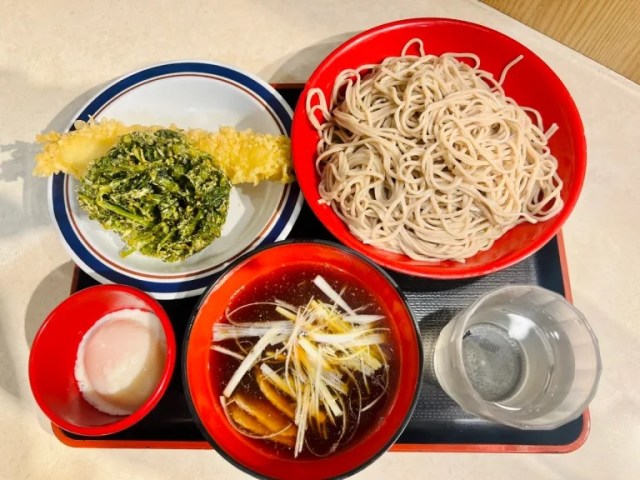
● Kamo seiro soba (580 yen)
● Shungiku tempura (170 yen)
● Squid tempura (160 yen)
● Soft-boiled egg (80 yen)
Total: 990 yen
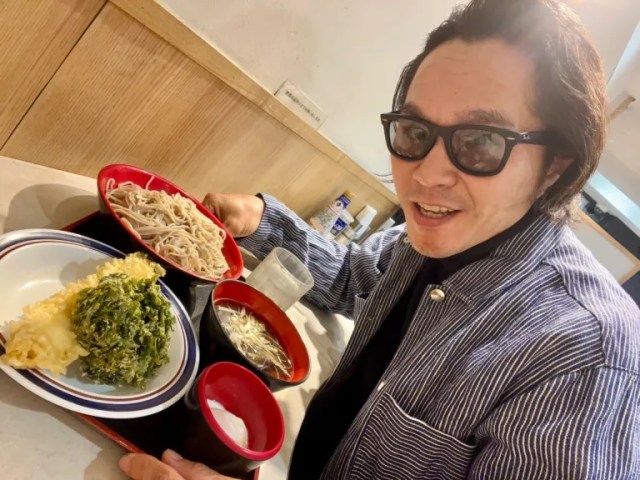
If you read his tips for how to prepare a beautiful-looking bowl of noodles, you know that Go knows a thing or two about soba, having worked in a restaurant that specializes in the buckwheat noodles in the days prior to the start of SoraNews24. That doesn’t mean he’s some kind of soba snob, though. Fuji Soba, a hugely popular inexpensive soba chain, does a great job with their seiro soba, where the noodles are served on their own plate and dunked into a browl of both before each bite. Go’s selection of ingredients lets you enjoy the flavor of duck (kamo in Japanese, shungiku (chrysanthemum greens), and, as a closer, the sort of broth used in tsukimi (“moon-viewing”) noodles if you crack the egg into the broth at the end.

5. Yuichiro Wasai’s “Start Off with a Cold One, then Use Whatever’s Left Over on Gyoza Set”
Restaurant: Osho
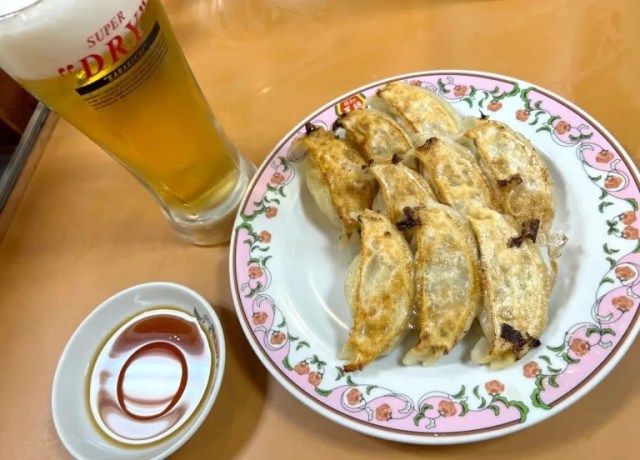
● Draft beer (495 yen)
● Extra-garlic gyoza (319 yen)
● “Just-size” extra-garlic gyoza (176 yen)
Total: 990 yen

If decisiveness is a virtue, what could be more virtuous than Yuichiro owning the fact that he wants a beer and ordering one right away? There’s no waffling or wavering in his food order either; just gyoza (pot stickers), gyoza, and more gyoza, the final batch coming in a smaller “just size” to squeeze in under the 1,000-yen cap. With Osho being deservedly famous nationwide for the garlicky goodness of its gyoza, even after eating two and a half plates of them Yuichiro doesn’t grow tired of their taste.

6. Yoshio’s Warship Formation Set
Restaurant: Hama Sushi
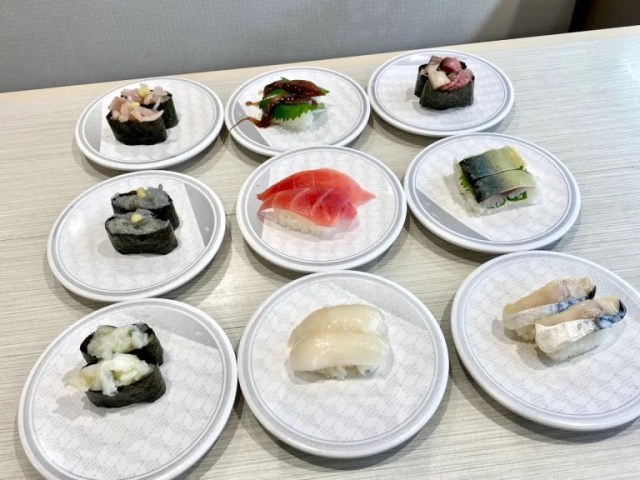
● Vinegared mackerel (110 yen)
● Fukui Prefecture-caught pickled firefly squid (110 yen)
● Pressed mackerel sushi (110 yen)
● Tuna (110 yen)
● Red squid (110 yen)
● Raw whitebait (from the waters near Japan) gunkan (110 yen)
● Domestic horse mackerel gunkan (110 yen)
● Wasabi Engawa gunkan (110 yen)
● Kuroge Wagyu gunkan (110 yen)
Total: 990 yen
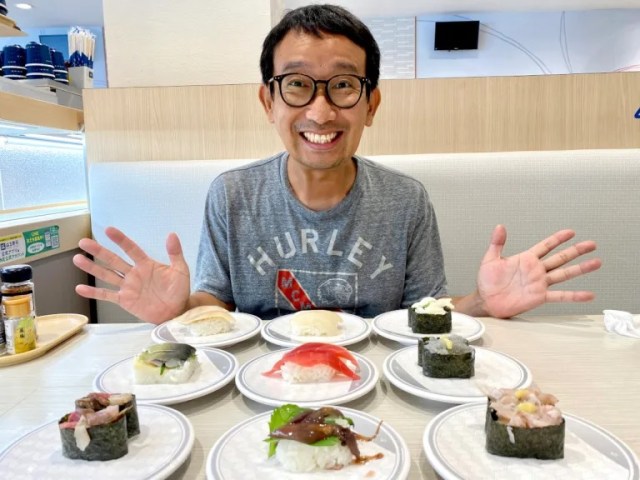
In sushi parlance, those stout pieces with the nori seaweed coiled around them are called gunkan, which translates as “warship” or “battleship,” due to their visual resemblance to sturdy naval vessels. Broad-minded strategist that he is, SoraNews24 founder and owner Yoshio wanted to deploy a variety of gunkan sushi, and since Hama Sushi doesn’t charge a premium for theirs, like some sushi restaurants do, he was able to put together a tasty yet frugal flotilla.

7. Mr. Sato’s Double Ham-katsu Curry Set
Restaurant: CoCo Ichibanya
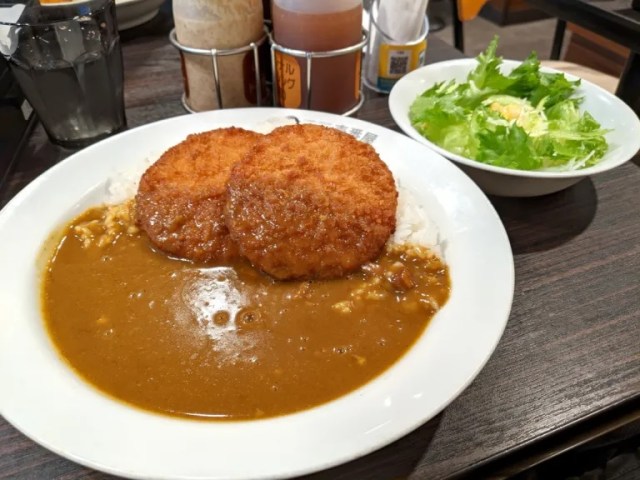
● Pork curry (591 yen)
● 2 ham-katsu (262 yen)
● Salad set/side salad (140 yen)
Total: 993 yen
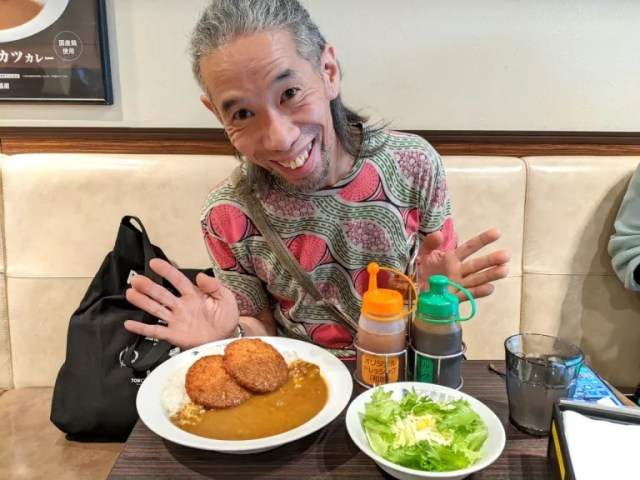
Customization is a big part of the appeal of curry rice chain CoCo Ichibanya, where you can choose from a variety of roux types, spiciness levels, and toppings. For Mr. Sato, nothing beats doubling up on ham-katsu or deep-fried ham cutlets, with a side salad tacked on to give the meal some vegetable content.

8. Masanuki Sunakoma’s “If You Think of Family Mart, You Think of WAO! — Eight Rice Balls Wow! Set”
Store: Family Mart
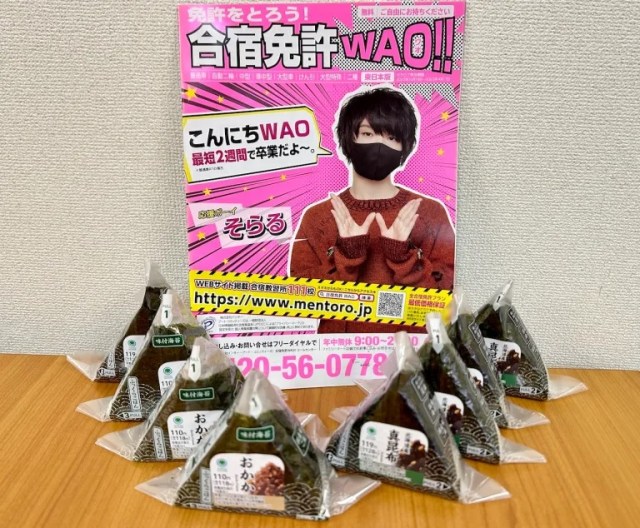
● 3 Bonito Flakes Rice Balls (354 yen)
● 5 Seaweed Rice Balls (640 yen)
● Plastic bag (3 yen)
● License Training Camp WAO!! pamphlet (0 yen)
Total: 997 yen

Coming to our first team member to pick a convenience store pick-up as their favorite Japan Super Budget Dining plan of the year, we have Masanuki’s, in which he got distracted by WAO!!, a free pamphlet available at Family Mart that introduces multi-day retreat-style driving schools, and grabbed eight rice balls to munch on as he read through the booklet. On a sad note, while Masanuki was thorough enough to include the charge for a plastic shopping bag in his ledger (since he wouldn’t be eating his food inside the convenience store), the ongoing price inflation spike in Japan has severely affected convenience store rice balls, and getting eight of them for 1,000 yen might no longer be something you’ll be able to do without some sort of sale going on.

9. Ahiruneko’s “Famichiki All Star Strongest Drinking Set”
Store: Family Mart
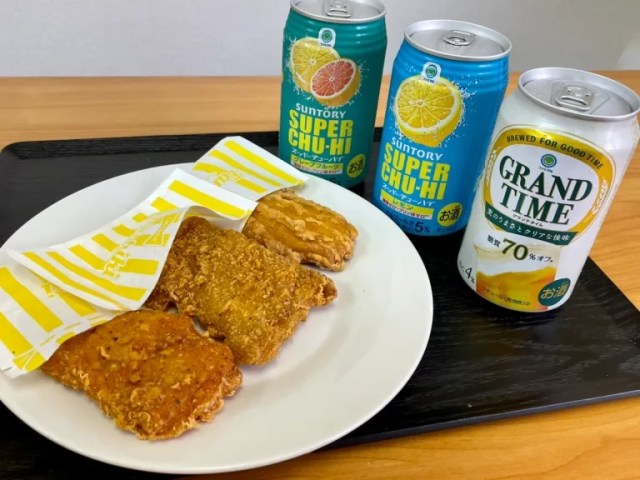
● Famichiki (220 yen)
● Spicy Chicken (185 yen)
● Crispy Chicken (Plain) (178 yen)
● Grand Time Sugar 70% Off (139 yen)
● Super Chu-Hi Lemon (118 yen)
● Super Chu-Hi Grapefruit (118 yen)
Total: 958 yen
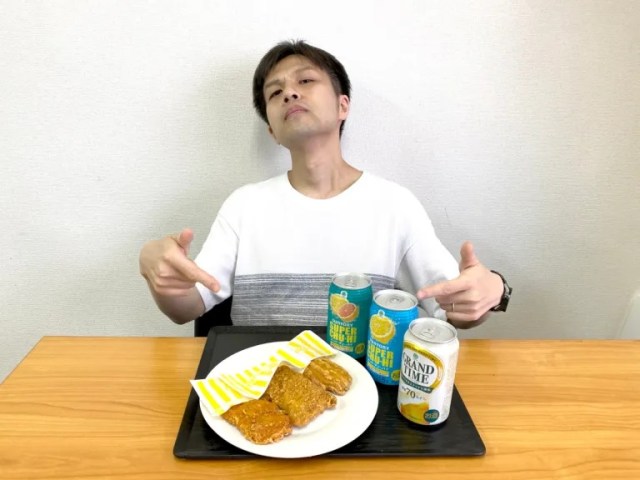
Ahiruneko always, always, makes sure to include some sort of alcoholic beverage(s) in his Japan Super Budget Dining sets. Thanks to the generously low prices of Family Mart’s store-brand Famichiki fried chicken, he’s able to enjoy two pieces of bird and still have room for no fewer than two canned chu-hi shochu cocktails and a can of low-carb low-malt beer.

10. Mariko Ohanabatake’s Mixed Japanese and Western Sweets Paradise of My Dreams Set
Restaurant; Sushiro
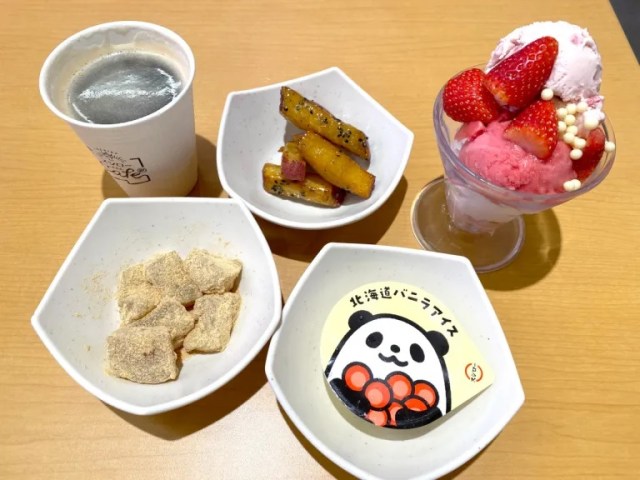
● Strawberry and Berry Spring Parfait (420 yen)
● Vanilla ice cream (130 yen)
● Warabi mochi (130 yen)
● Daigaku imo (130 yen)
● Hot coffee (170 yen)
Total: 980 yen

Just like Ahiruneko’s running theme is booze, Mariko’s is sweets. Since their menus aren’t as rigid as more traditional establishments, revolving sushi chains like Sushiro often have a pretty extensive dessert lineup. Mariko’s set actually gives her the materials to make a second parfait by combining the ice cream, wiggly warabi mochi, and glazed daigaku imo sweet potatoes, and even affords her a cup of coffee to sip.

As you can see, we had no trouble stuffing our bellies without emptying our wallets in 2023. Thanks for reading, and our hungry team will be back with more in 2024. In the meantime, if you’re looking for some great “cospa” hotels in Tokyo, we’ve got you covered right here.

Photos ©SoraNews24
● Want to hear about SoraNews24’s latest articles as soon as they’re published? Follow us on Facebook and Twitter!


Credit:

Hayao Miyazaki’s first solo-directed anime is being adapted to live-action as a stage play

Before there was Ghibli, there was Conan.

In recent years, we’ve seen a rapid rollout of live-action stage adaptations of the anime films of Studio Ghibli co-founder Hayao Miyazaki. Spirited Away, My Neighbor Totoro, and Nausicaa of the Valley of the Wind have all been adapted, with Nausicaa even becoming a kabuki play.

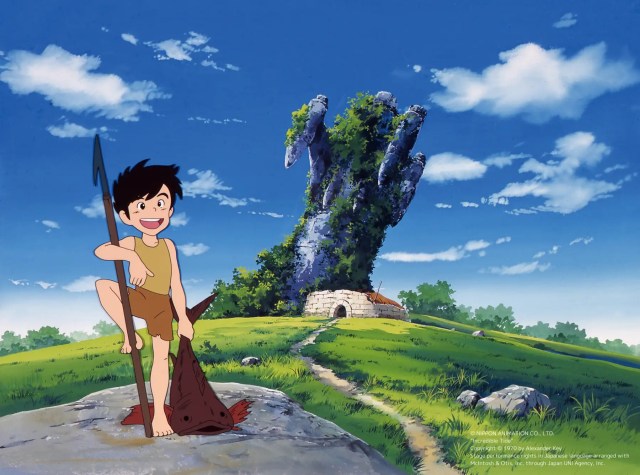
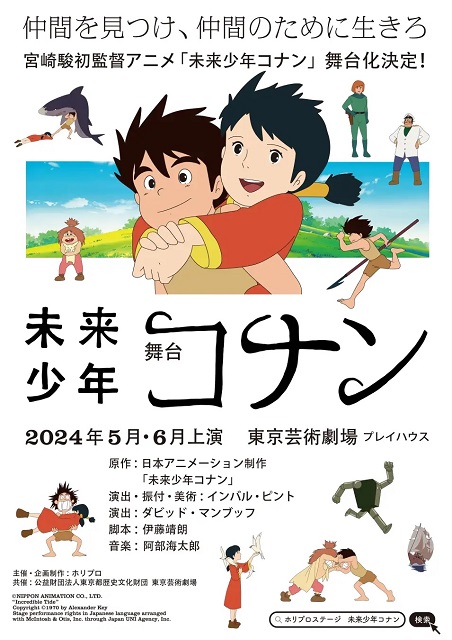
Yet another Miyazaki-to-stage-play project has now been announced. This time, though, it’s not a Studio Ghibli movie that’s the source material, but a work from farther back in Miyazaki’s past: Future Boy Conan.

Though he’s best known as a filmmaker, Miyazaki’s didn’t start out directing anime for the big screen. His very first solo-directing credit was Future Boy Conan, an anime TV series which began airing in Japan in the spring of 1978. The 26-episdoe Future Boy Conan, a loose adaptation of American novelist Alexander Key’s The Incredible Tide, is an adventure anime that takes place in a world where human society has largely collapsed after a devastating global war, and, as you’d expect from a Miyazaki anime, man’s shortsighted inhumanity to man, and nature, are recurring themes.

The Future Boy Conan stage play will be directed by Israeli playwright Inbal Pinto, who previously directed stage adaptations Haruki Murakami’s The Wind-Up Bird Chronicle and Yoko Sano’s The Cat That Lived a Million Lives. Pinto will also be handling the play’s choreography and art direction, with David Mambouch serving as co-director. The adapted script is being written by Yasuro Ito, and the composer for Future Boy Conan will be Umitaro Abe who also scored the Penguin Highway and Drifting Home anime movies.

The wait won’t be long for the Future Boy Conan play, as it’ll be opening at the Tokyo Metropolitan Theatre Playhouse (also known as Tokyo Geijutsu Gekijo) in Tokyo’s Ikebukuro district this coming May, with performances in June too at that location, followed by a national tour of yet-to-be-announced venues.

Related: Future Boy Conan stage play official website
Source, images: PR Times


Credit:

Four of the best Tokyo budget hotels we stayed in this year

Looking back on a year of cheap but great stays in Tokyo business and capsule hotels.

As he looks back on 2023, our Japanese-language reporter Masanuki Sunakoma realizes that he spent a lot of nights sleeping in a bed that wasn’t his. This isn’t because Masanuki is some kind of lothario or drifter, though, but because he’s our go-to team member for staying in and evaluating budget-friendly hotels in Tokyo.

Specifically, Masanuki focuses on business hotels (which are simple-amenity originally oriented towards business travelers) and capsule hotels (where instead of a room you get a sleeping compartment). Neither business nor capsule hotels are particularly fancy, but they’re low-priced and usually located in the city center or at least near a train/subway station that can get you downtown quickly. That makes them great options in a city like Tokyo where there’s so much to see and do that you might not be planning to spend much time in your hotel anyway, apart from what you need for sleeping and showering.

Over the course of the year, though, Masanuki found a few Tokyo budget hotels that stood out from the rest because of their surprising little luxuries and extra-high comfort and convenience levels, and today’s he’s prepared a list of, in no particular order, four of the best he stayed at in 2023.

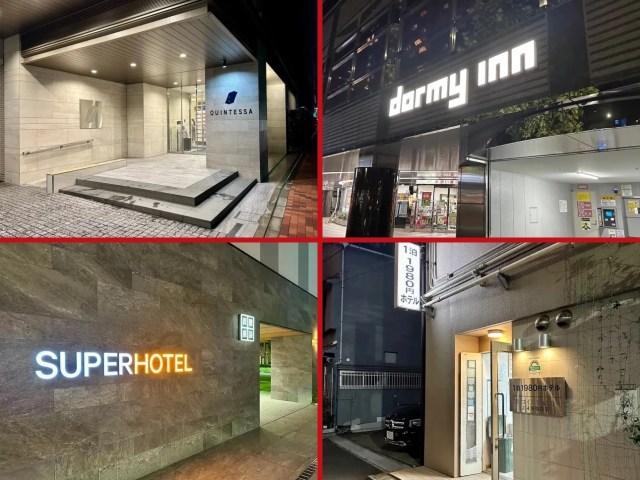
Dormy Inn Korakuen

This branch of the Dormy Inn chain is just a 10-minute walk from Tokyo Dome, as well as being located directly above downtown Tokyo’s Kasuga subway station and just a block away from Korakuen Station, where multiple subway lines can whisk you quickly to other parts of the city.. Masanuki stayed in one of their premium “global cabin” rooms, which provide you with a capsule hotel-style bunk but also a private space with a desk, chair, and place to hang your clothes.

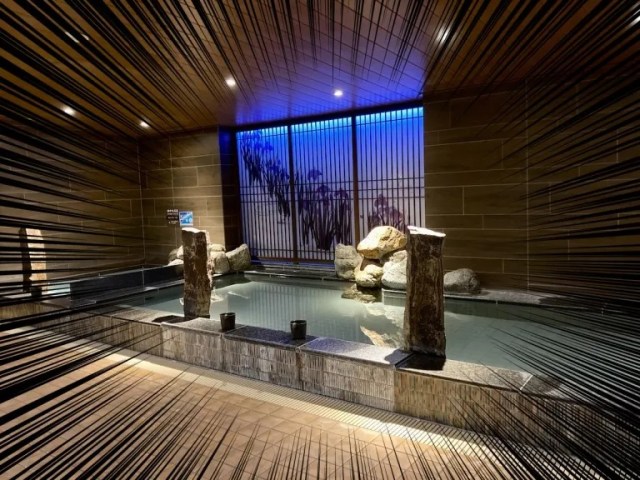
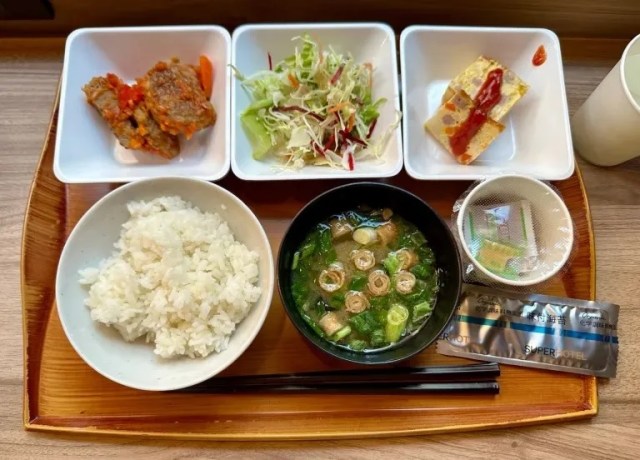
Like all Dormy Inns, their Korakuen hotel offers awesome amenities like free bowls of late-night soba noodles, a large Japanese-style bath, and complementary ice cream for after your soak. The Dormy Inn Korakuen really outdoes itself, though, by also offering one of the most satisfying breakfast buffets in the city.

Super Hotel Tokyo Akabane Minamiguchi

This business hotel is just a quick two-minute stroll from Akabane Station, and they guarantee you’ll get a good night’s sleep, or they’ll give you your money back. The bed was super comfy, especially after a nice long soak in the Japanese-style bath, but we can’t overlook another perk that ushered Masanuki off to sound slumber: this hotel offers all-you-can-drink shochu, wine, and umeshu (plum wine) every night from 6 to 9 p.m.

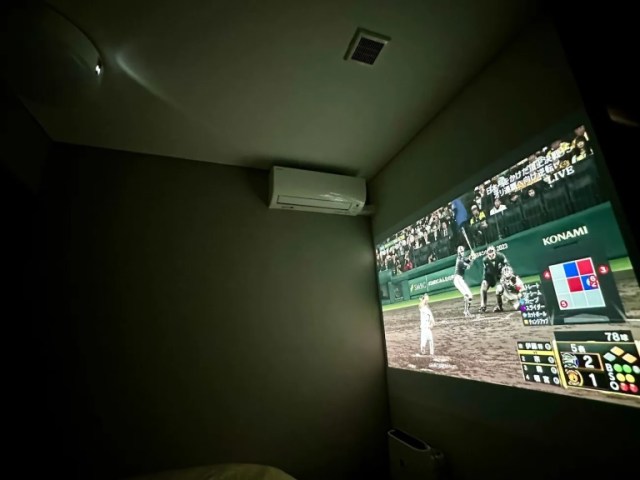
Grab yourself a cocktail or two, bring up something relaxing to watch on the wall projection video programming if you’re staying in one of the hotel’s Theater Rooms, and you’ll be happily snoozing in no time. Just don’t drink so much that you oversleep and miss the Super Hotel Tokyo Akabane Minamiguchi’s breakfast buffet, which is also excellent. It even features organic vegetables and natto, just the sort of healthy fare that starting your day with will allow to rationalize eating green tea sweets and extra-large bowls of chashu ramen later in the day.

1 Night 1980 Hostel Tokyo

The “1980” part of this capsule hostel’s name refers to the price: a mere 1,980 yen (US$13.70) a night! That’s less than even a lot of campgrounds charge you to sleep outdoors, and 1 Night 1980 Hostel Tokyo has a good location too, near Iriya Station on the Hibiya subway line, from where it’s only one stop to Ueno and three stops to Akihabara.

The sleeping bunks have a unique setup, stacked two high in floor-to-ceiling units with just one opening on each side, which gives you a little more privacy than in many other capsule hotels. We were also happy with the huge locker we got, which felt almost like a walk-in closet, which allowed us to keep our belongings safe and use all of our bunk space to stretch out and relax.

Quintessa Hotel Tokyo Haneda Comic & Books

This hotel is located near Kamata Station in the southeast part of Tokyo. From Kamata, you can take the train, without transferring, to either Haneda Airport or Shinagawa Station, the latter of which is one the Yamanote loop line the encircles downtown Tokyo and provides easy access to most of the city’s most popular attractions. Shingawa is also a Shinkansen station, from where you can hop on the bullet train and zoom off to far-flung parts of Japan.

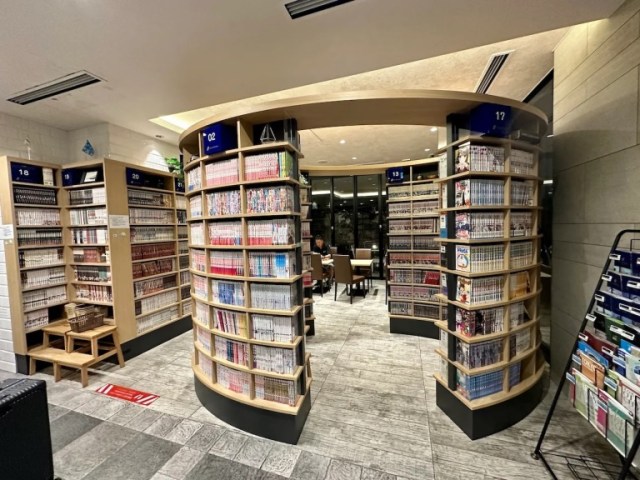
So yes, the Quintessa Hotel Tokyo Haneda Comic & Books is great for travelers, and it’s also great for manga lovers. There’s a gigantic free lobby library with some 8,000 collected volumes of Japan’s most popular comic series, and a 33-seat lounge to read them in, or, if you prefer, you can sign out books to take back to your room. Even if you can’t read Japanese, you’ve got access to thousands and thousand of books of illustrated art to pore over.

Again, there are a lot of things you won’t get at business and capsule hotel, and if you can’t travel without room service, a health club, and a concierge, you’ll be better served at more upscale establishments. For travelers with an independent spirit, though, who’d rather spend more of their Tokyo trip out in the city than sitting inside their room, business and capsule hotels are an effective way to maximize your sightseeing budget, maybe even saving you enough money that you can afford to spend a few extra days in Japan, and if that’s your plan, all four of the hotels here get Masanuki’s stamp of approval.

Related: Dormy Inn Korakuen, Super Hotel Tokyo Akabane Minamiguchi, 1 Night 1980 Hostel Tokyo, Quintessa Hotel Tokyo Haneda Comic & Books
Photos © SoraNews24
● Want to hear about SoraNews24’s latest articles as soon as they’re published? Follow us on Facebook and Twitter!


Credit: