Tourist ban now in effect in Kyoto’s Gion geisha district…but are visitors obeying the rules?
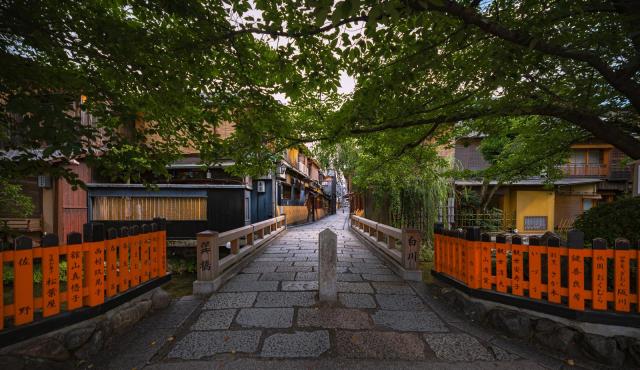
A recent video of a maiko being chased by a tourist in Gion proves why the ban is necessary.

Japan is being inundated with foreign tourists right now, receiving more international visitors than ever before in history. Surging numbers of inbound travellers means the country is being forced to readdress its overtourism problem that died down temporarily during the pandemic, and now that visitors have ratcheted up to never-before-seen levels, unprecedented measures are being taken.

One such area where new measures have been put in place is in Kyoto’s famous Gion district, where geisha and maiko (trainee geisha who are usually 16 to 17 years of age) live and work. The ornate costumes worn by these young women make them something of a tourist attraction for foreign tourists, who photograph them as they walk to work along the paved streets. Some tourists have been known to aggressively pursue these women in order to get a perfect photo, leading them to be known as “maiko paparazzi“, and geisha and maiko feel threatened by their incessant behaviour.

▼ After one geisha had part of her clothing torn and another had a cigarette butt inserted into her collar, a photography ban was introduced in October 2019.

Five years after the photography ban was introduced on “私道” (“shidou”), or “private roads” in the area, the local council announced it would be taking things even further by banning tourist access to some of these roads altogether. The decision wasn’t made lightly, as locals had chosen to kindly overlook the fact that visitors were essentially trespassing on private property for years, but with tourist numbers increasing, it has become harder for businesses, residents, and tourists to coexist harmoniously in such confined spaces, so action had to be taken.

In April, the local council announced it would start restricting access at one of the area’s most famous private roads, Kosode Koji, with the proposed no-entry sign seen at the cued-up point in this report below.

The message on the sign read, “This is a private road, so you are not allowed to drive through it. There will be a fine ¥10000” in English, although the Japanese translates as: “Private Road Beyond This Point. Passage Prohibited.”

However, on 29 May, the no-entry sign was installed at the entrances to Kosode Koji and it had a new design, written in English, Japanese and Chinese, with the English reading: “Private Road Do Not Enter Fine up to ¥10,000“. The message in Japanese is a lot more detailed, translating as: “Due to this being a private road, photography and entry by tourists and guided tours is prohibited.

▼ The new sign can be seen at the beginning of this report below.

Despite the different nuances, the message is clear — if you don’t live or work on the road, then do not enter. According to Gion Southside District Council Director Isoichi Ota, this is the first of a number of signs they plan to erect at private roads in the area, in order to help protect the lives of locals.

▼ Gion’s private roads are marked in red at this point in the video below.

Not long after the signs went up, Japanese media outlets were quick to scope out the scene, watching to see how tourists would react. Would they break the rules and enter? Or respect the sign and walk on by?

▼ The cued-up spot in the below report shows that tourists surprised the local media outlets by…obeying the rules.

According to the report, nobody was seen entering the road, and when they spoke to tourists, they were understanding of the issue.

▼ Tourists react to the new road restrictions.

It’s heartening to hear tourists respecting the locals’ wish for privacy, so the sign is already proving to be effective. The more locals see tourists being respectful of private roads, the more chance there is that the road restrictions won’t spread even further, making life in Gion better for everyone.

▼ So remember, don’t act like the tourist seen at the start of this video, who recently went viral for being a “maiko paparazzi”.

It’s easy to get caught up in the beauty of Japan, especially in a place with so much history like Gion, and though the locals are prepared to put up with a lot of interruption to their daily lives, sometimes it gets to a point where action has to be taken.

With the town of Fujikawaguchiko recently erecting a blackout screen to block a view of the so-called “Mt Fuji Lawson” that had become popular on social media, local governments are proving they aren’t afraid to put their foot down when it comes to overtourism. Here’s hoping more stringent measures don’t have to be put in place, especially at sites in Kyoto, because the city has a history of severing ties in dramatic fashion.

Sources: Asahi, FNN
Featured image: Pakutaso

● Want to hear about SoraNews24’s latest articles as soon as they’re published? Follow us on Facebook and Twitter!


Credit:

Fist of the North Star manga artist draws Mad Max’s Furiosa, presents artwork to George Miller

It’s a lovely day as two post-apocalyptic storytelling legends talk with each other for the first time.

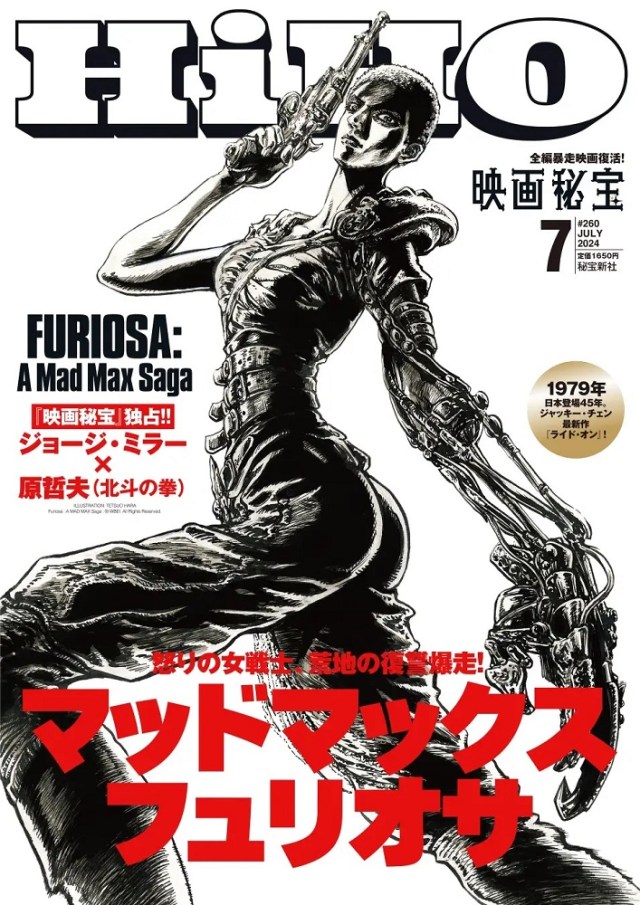
It’s often the case that Hollywood movies hit theaters in Japan only after their American, and that’s happening again with Furiosa: A Mad Max Saga, which opened in the U.S. last Friday. This time, though, Japan doesn’t have to wait too much longer, as the movie starts playing on Japanese theatres today, May 31, and to celebrate the occasion, Tetsuo Hara has created a jaw-dropping illustration of the titular protagonist.

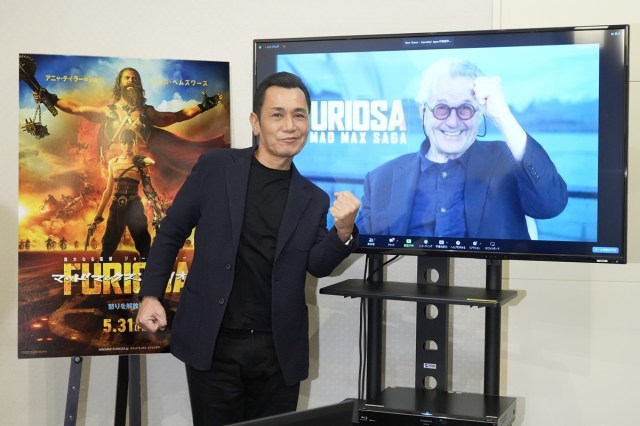
You could call it a fan art project, as Hara (pictured above) is unquestionably a fan of the Mad Max movie franchise. That doesn’t mean that he’s an amateur, though, as Hara himself is the artist of Japan’s most successful post-apocalyptic franchise, Fist of the North Star, and his illustration of Furiosa is packed with the gritty stylishness Hara packed into the seminal manga/anime series.

Hara’s Furiosa artwork was used for the cover of this month’s issue of Japanese cinema magazine Eiga Hiho (eiga being the Japanese word for “movie,” and hiho meaning “secret treasures”). But just before Furiosa’s Japanese premiere, Hara was able to speak with director and Mad Max franchise creator George Miller, who was presented with a signed copy of the illustration.

Though Hara and Miller have been working in their respective fields for over 40 years, this was the first time for the two to speak with each other directly. Hara was quick to acknowledge the connection between Mad Max’s visual design and the look of Fist of the North Star, telling Miller “The series I drew, Fist of the North Star, took inspirations from your film, Mad Max 2. I never imagined that, 40 years later, I’d be able to meet you, and I am truly grateful to you. It is an honor to be able to meet you.”

Hara had even more nice things to say about the director after their conversation wrapped up. “I’m so happy I was able to talk with Fank. He was so kind, and even knew about my work. I wish I could have asked him what his secret is for keeping so young!”

Now if we could just get Hara to draw a portrait of our Mad Max-cosplaying SoraNews24 reporter…

Source: Furiosa: A Mad Max Saga official Japanese website, PR Times
Top image: Furiosa: A Mad Max Saga official Japanese website
Insert images: PR Times, Furiosa: A Mad Max Saga official Japanese website
● Want to hear about SoraNews24’s latest articles as soon as they’re published? Follow us on Facebook and Twitter!


Credit:
East Japan Railways phasing out magnetic paper tickets, seven other rail operators will too

New ticket system looks to cut costs and boost environment friendliness.

East Japan Railway Company, the largest rail operator in the Tokyo area and east Japan, has announced that it will be phasing out its current form of physical paper tickets. The announcement was made on Wednesday, with seven other rail companies, Keisei, Keikyu, Shin Keisei, Seibu, Tobu, Tokyo Monorail, and Hokuso, stating that they will be doing the same.

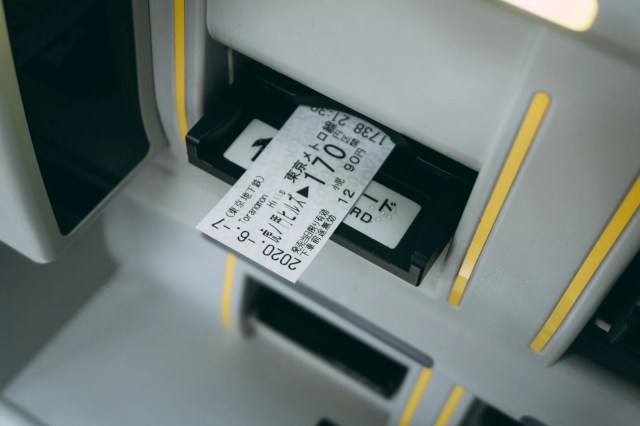
Currently, physical tickets used by JR East and the other operators are printed paper on one side, with a magnetic backing on the other. This magnetic strip contains the necessary information for the distance and date the ticket is valid for. When entering the station, you insert the ticket into the automated gate, which reads the strip and pops the ticket out for you to collect. Then, when you reach your destination, you put the ticket into the gate when you’re leaving for a final check, and if everything is OK, the machine keeps you ticket as you walk out.

▼ A reporter showing a typical magnetic train ticket

There are two problems with this system, though, from a rail operator’s standpoint. The first is that there are a lot of moving machinery parts involved in moving the ticket through the gate and scanning it, and that complexity leads to higher maintenance costs. Second, the ticket being made of two different materials, paper and a metallic magnetic strip, means that the components have to be separated before used tickets can be recycled, which once again is an additional cost.

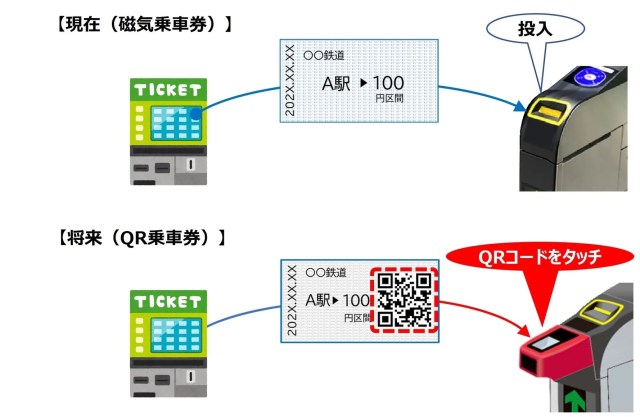
So JR East and the other rail operators have made the decision to get rid of magnetic-backed tickets, and replace them with QR code tickets. This will allow the tickets to be checked with just an optical scanner, eliminating the need for all the little motors inside current ticket gates, and their associated maintenance expenses. The QR code tickets will be entirely paper, with no metallic components, which will also make them more environmentally friendly through being easier to recycle.

▼ A diagram showing the current paper ticket system (top) and the upcoming QR code system (bottom)

The new system does raise the question of what you’re supposed to do when you exit your destination station. As mentioned above, with magnetic paper tickets, the gate simply keeps your ticket as you leave, but since the QR code is an optical scan, you’ll still have the ticket in your hand after you pass through the gate. Maybe rail operators will have recycling boxes outside the gates for passengers to toss their used tickets into, or maybe, Japan being a country where public trash receptacles aren’t particularly common, the expectation will be for passengers to take their used QR code tickets home and put them out with their home trash on their next local waste management service’s paper recyclables pickup day.

The changeover to QR code tickets is scheduled to be a sequential transition beginning in the spring of 2026.

Source: PR Times, Norimono News via Livedoor News via Jin
Top image: Pakutaso
Insert image: PR Times
● Want to hear about SoraNews24’s latest articles as soon as they’re published? Follow us on Facebook and Twitter!


Credit:

Free drinks, curry, fried rice, saunas, and more at Tokyo Shinbashi capsule hotel

How does Anshin Oyado’s Shinbashi location compare to the Shinjuku one?

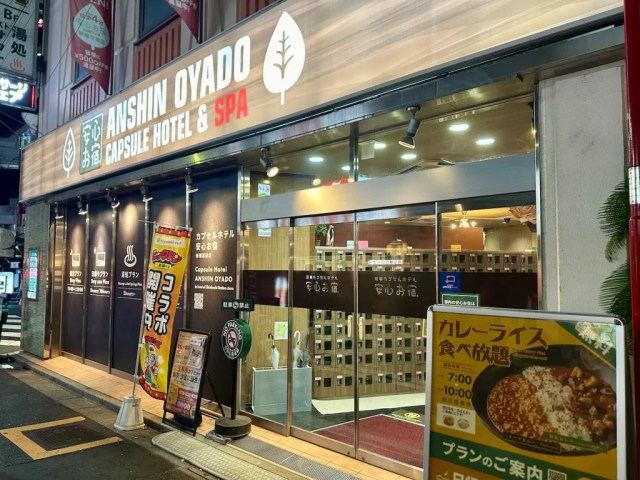
Our Japanese-language reporter Masanuki Sunakoma loves capsule hotels, and one in particular stood out to him last year: Anshin Oyado. His visit to the branch in Tokyo’s Shinjuku neighborhood cost him just under 5,000 yen (US$32), and with his stay he enjoyed a soak in a shared bath, free amenities, free drinks, free curry, and a cozy and air-conditioned capsule.

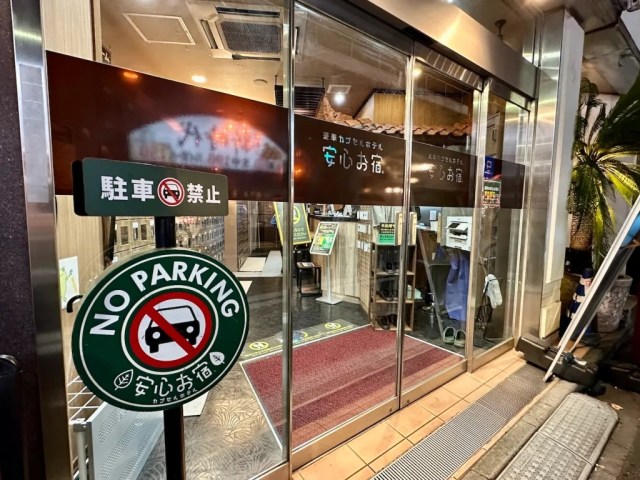
When he learned about Anshin Oyado’s Shinbashi location in Tokyo’s Minato Ward, he wanted to see if there were any differences between the two. So he booked a one-night stay, packed his overnight bag, and headed over.

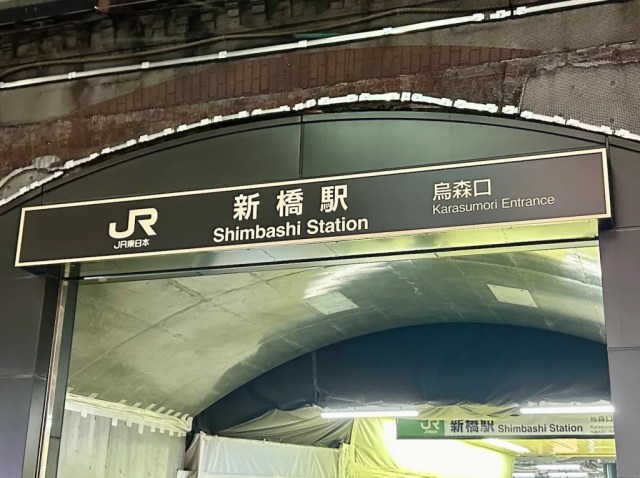
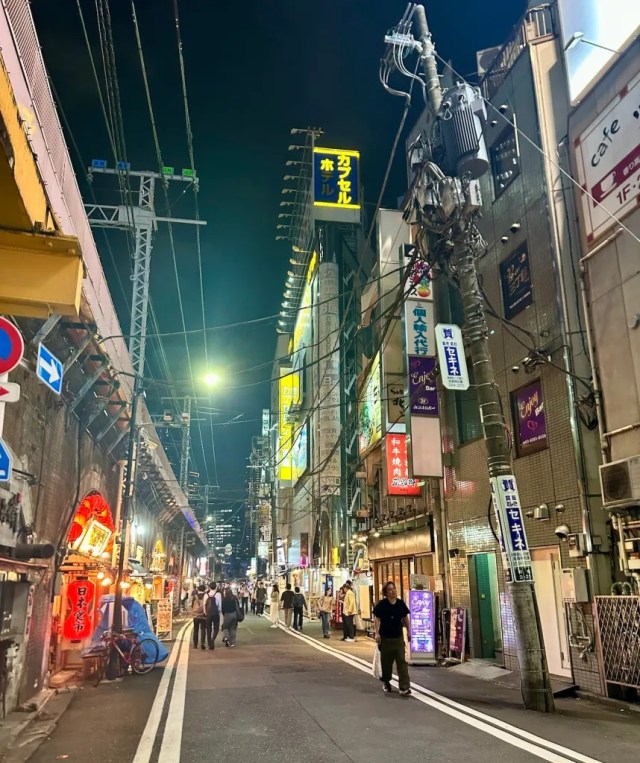
The Shinbashi-ekimae branch was a very short walk from JR Shimbashi Station’s Karasumori Entrance. It only took Masanuki about two or three minutes, so even though it was lightly raining, he didn’t feel the need to pull out an umbrella.

He was able to stay for 4,980 yen thanks to a discounted plan on Rakuten Travel. Like the Shinjuku branch, this Shinbashi branch is a men’s only facility.

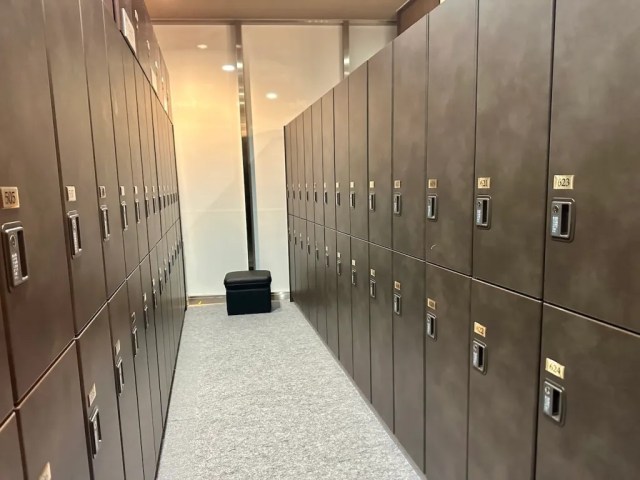
He checked in without a hitch, then headed to the lockers to store his stuff.

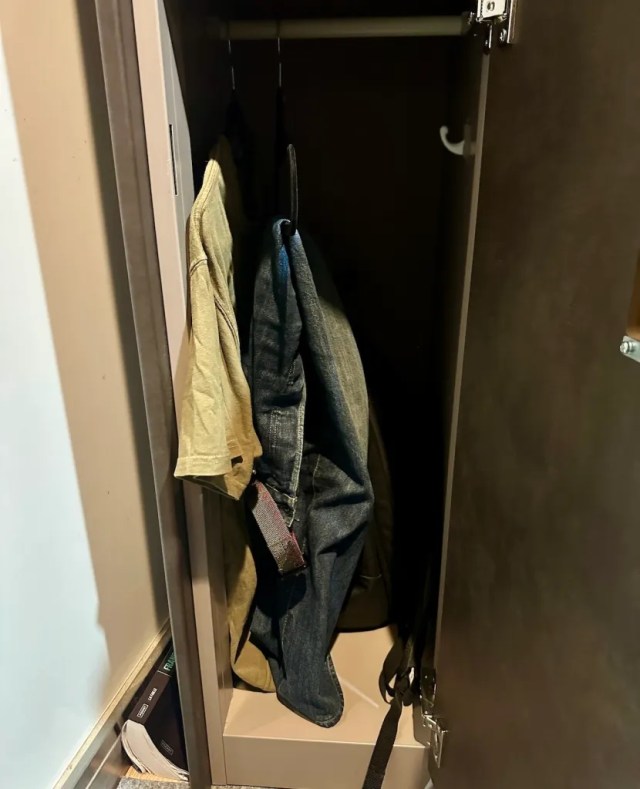
While not large, the lockers are arguably enough for an overnight stay’s worth of luggage.

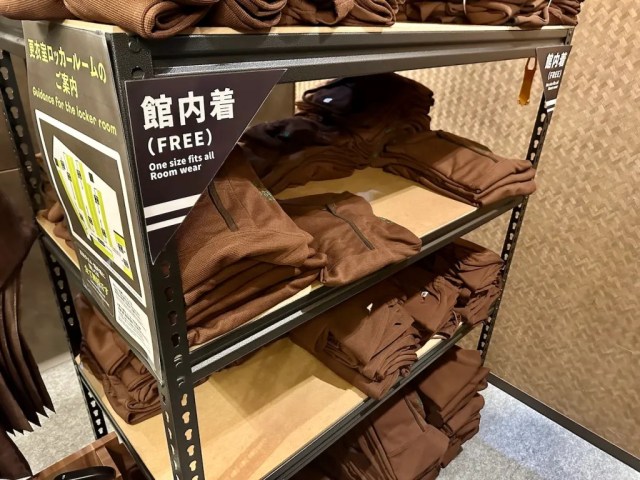
The hotel also rents out loungewear for free. Masanuki changed into the loose and comfy duds.

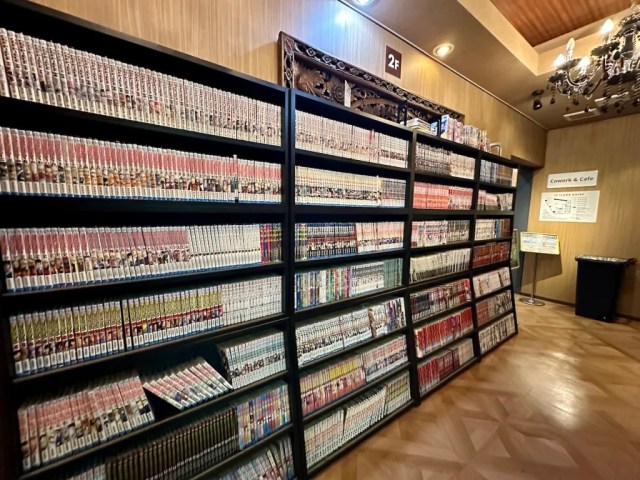
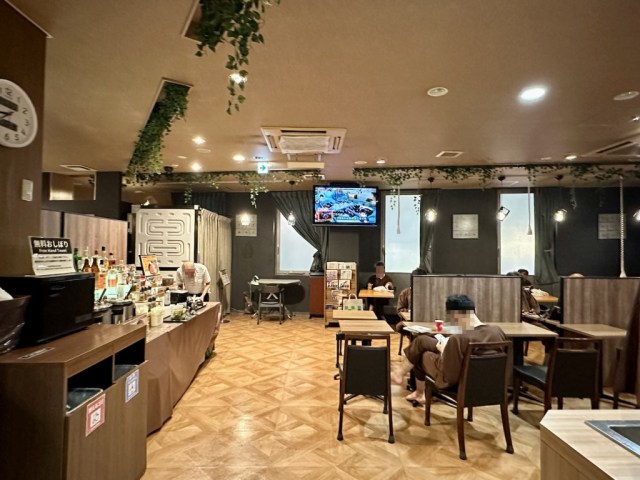
Next, he headed to the cafe and lounge area. It was smaller than the Shinjuku branch, but Masanuki thought it was more relaxed. Two massage chairs–at no extra fee, of course–completed the laid-back vibes.

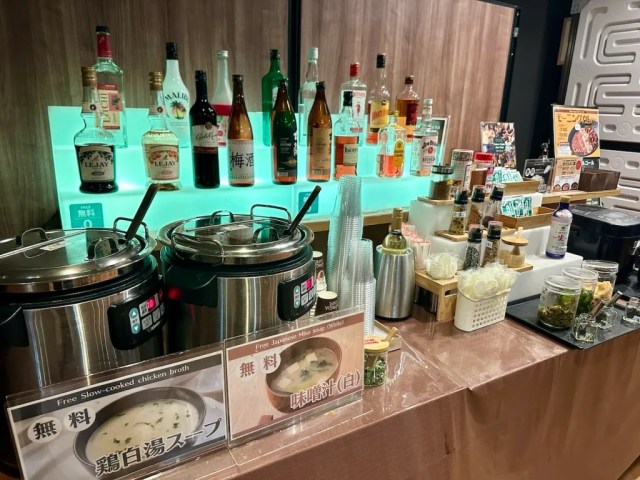
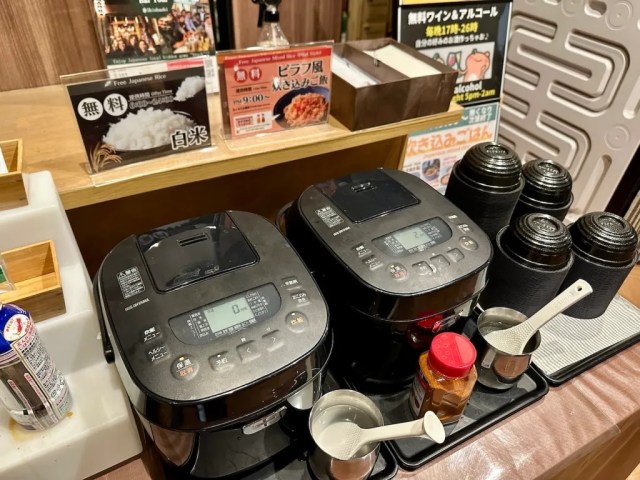
From 5 p.m. to midnight, all of the alcohol in the cafe is available for free. Soft drinks are also free at the drink bar. They even offered moist towelettes for free. How considerate!

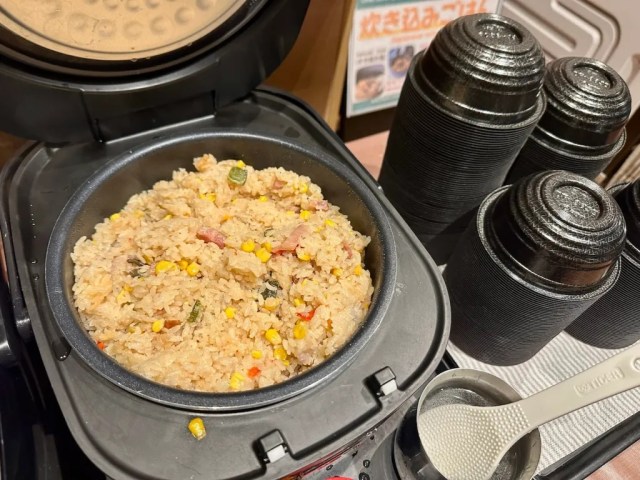
White rice is also free, as well as curry until 9 p.m. After that, they switch to takikomi gohan, similar to fried rice but made in a rice cooker.

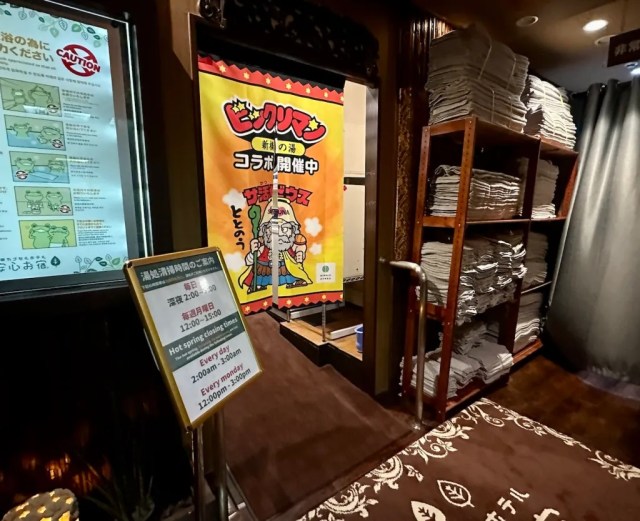
After checking out the lounge area, Masanuki descended to the basement floor to check out the shared bath and sauna. Pictures of the inside weren’t allowed, but Masanuki took plenty of notes. Here’s what the entrance looked like.

There weren’t many people when he went, so he enjoyed a soak full of peace and quiet. He hopped between the mist sauna and the “Shinbashi Waterfall”, which was just a waterfall-type shower. The mist sauna was especially misty, according to Masanuki.

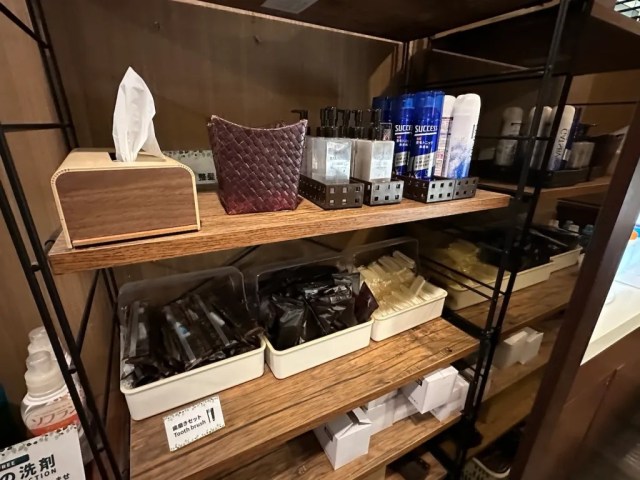
Shampoo, body wash, skincare, and even hair growth serum were available for free in the bath and changing areas. There were also plenty of supplies to groom facial hair.

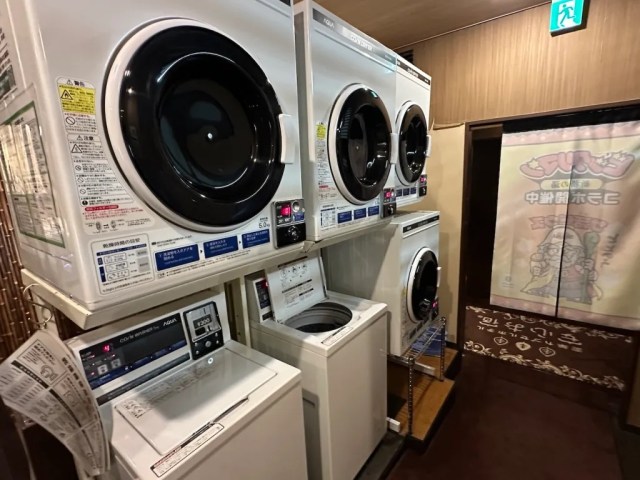
One of the only things not included in the plan is laundry, but it only costs a couple of hundred yen per load.

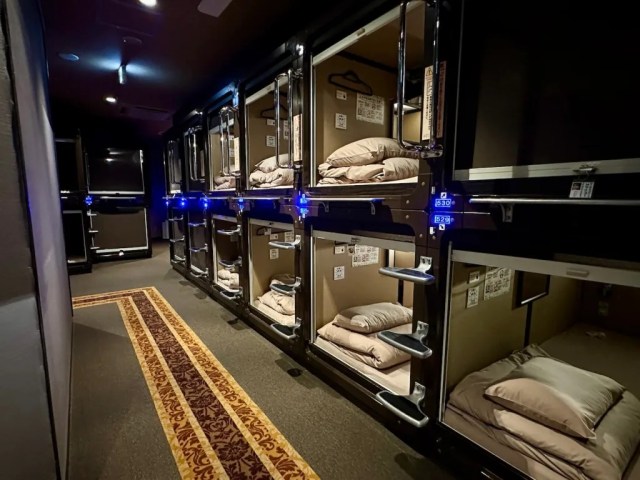
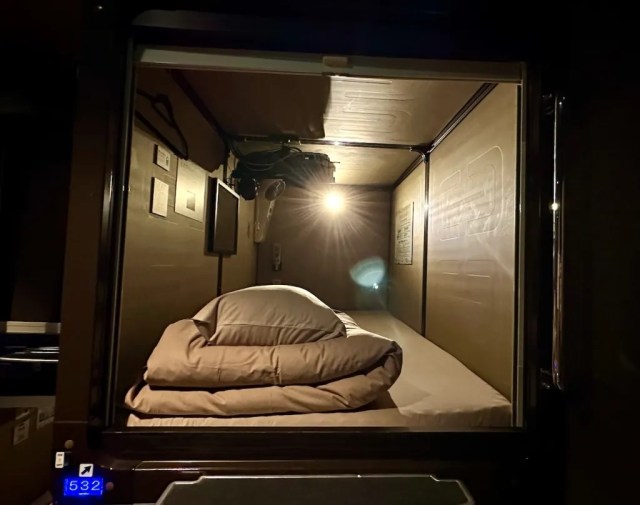
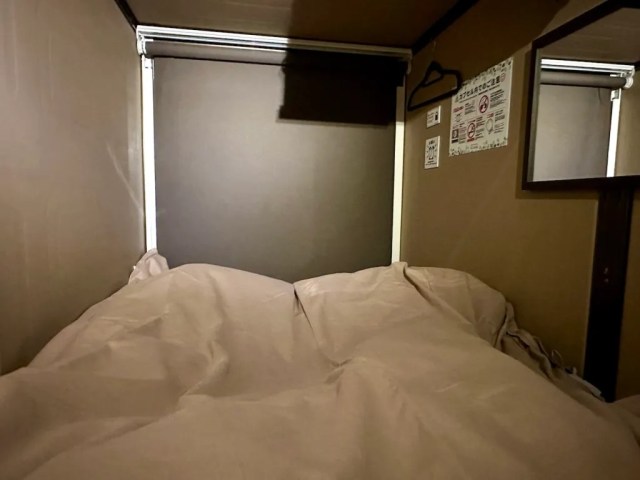
Ready to hit the hay, Masanuki ventured up to his capsule for the night.

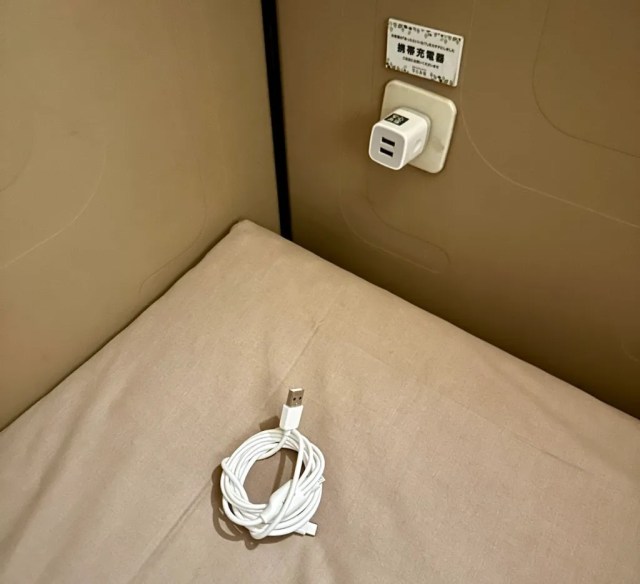
The roomy spaces had high-quality mattresses and bedding, along with amenities like earplugs, electronic chargers, coat hangers, and a small mirror.

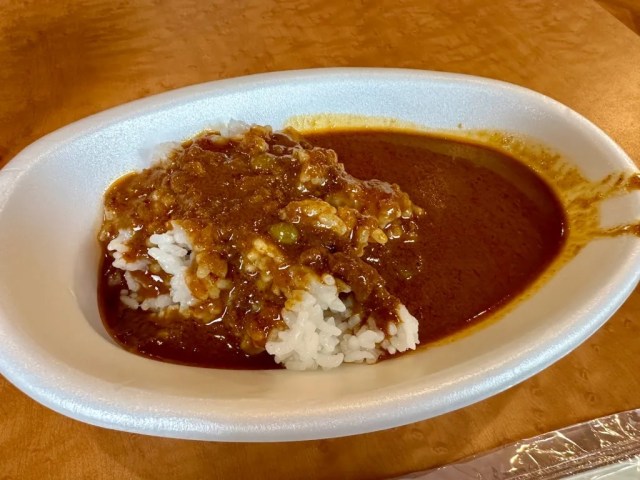
Masanuki slept well and woke up ready for his free curry breakfast. It was especially spicy and Masanuki found himself grabbing seconds. The free lassi also helped wash it down.

Check out wasn’t until noon, so he took his time heading out. Even if you check in during the late night hours, you should be able to get plenty of sleep. So next time you’re looking for cheap but high-quality accommodation in Tokyo, consider Anshin Oyado! Masanuki can now say with confidence that the Shinjuku branch isn’t the only top-notch one.

Hotel information
Anshin Oyado (Shinbashi-ekimae branch) / 安心お宿(新橋駅前店)
Address: Tokyo-to, Minato-ku, Shinbashi 3-21-6 Shinbashi Chuo Building II
東京都港区新橋3-21-6 新橋中央ビルⅡ
Website

Photos ©SoraNews24
● Want to hear about SoraNews24’s latest articles as soon as they’re published? Follow us on Facebook and Twitter!


Credit:
Tokyo ferry boat doesn’t tell you the island you’re going to until departure time, and it’s awesome

Who’s up for an island adventure that leaves from downtown Tokyo?

They say its not so much the destination as the journey that matters, and if you’re the sort of adventurous traveler who likes to incorporate that philosophy into your itinerary, Tokyo has just the boat trip for you. Offered by ferry operator Tokai Kisen, it’s called the Idaten Mystery Ticket.

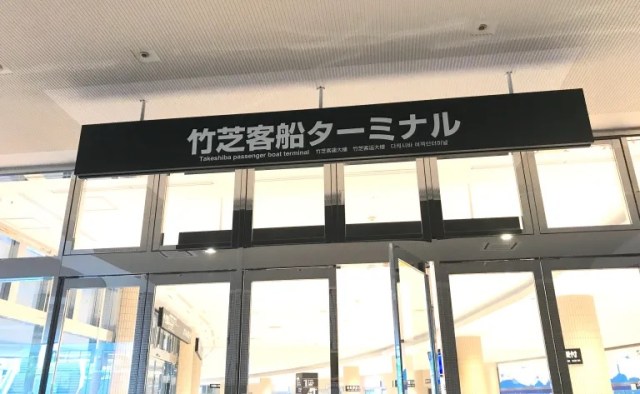
What’s the mystery? You won’t know where you’re going, or how long you’ll be there, until just before your ship leaves the Takeshiba Passenger Ship Terminal in downtown Tokyo.

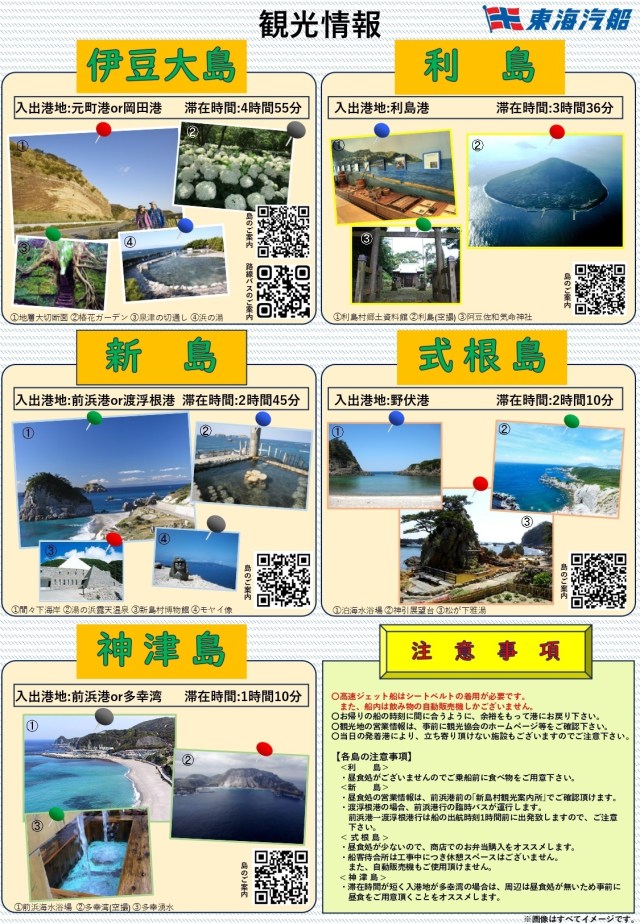
That’s not to say you’ll be totally in the dark. There are five possible destinations, all islands in the Izu Archipelago that lies to the southwest of Japan’s capital city. Depending on which you end up being taken to, the amount of time you’ll spend on the island varies.

● Izu Oshima (4-hour, 55-minute stay)
Toshima (3-hour, 36-minute stay)
Niijima (2-hour, 45-minute stay)
Shikinejima (2-hour, 10-minute stay)
Kozushima (1-hour, 10-minute stay)

▼ Tokai Kisen’s promotional photos for Izu Oshima (伊豆大島), Toshima (利島), Niijima (新島), Shikinejima (式根島), and Kozushima (神津島)

All Idaten Mystery Ticket boats leave Tokyo at 8:50 in the morning and return the same day at 5:15 p.m., and are priced at 12,000 yen (US$77) for adults and 6,000 yen for children. Reservations are required and must be made at least one day in advance, but, again, you won’t know where you’re headed until the day of your departure when you show up at Takeshiba Passenger Ship Terminal.

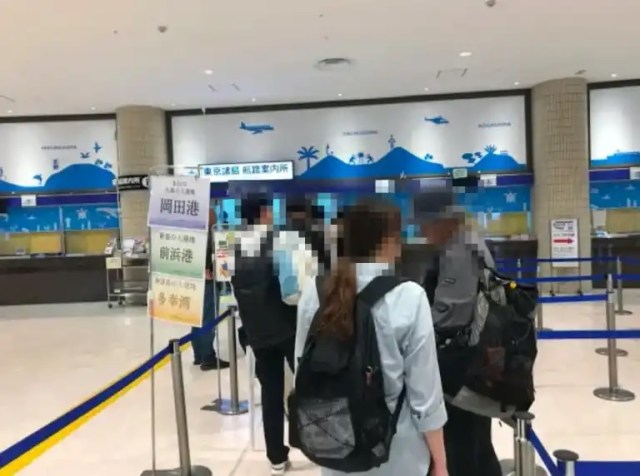
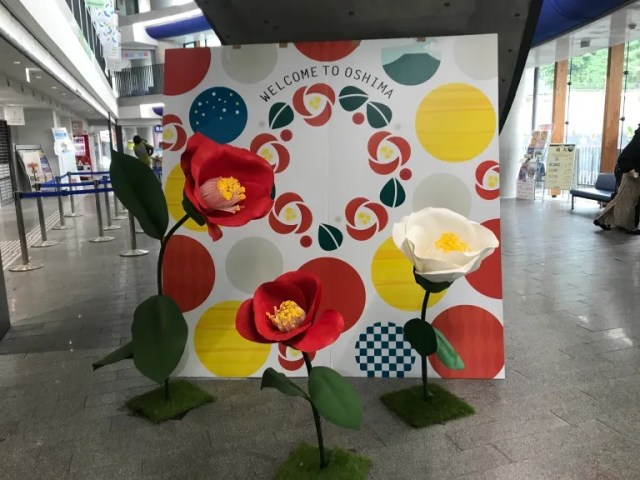
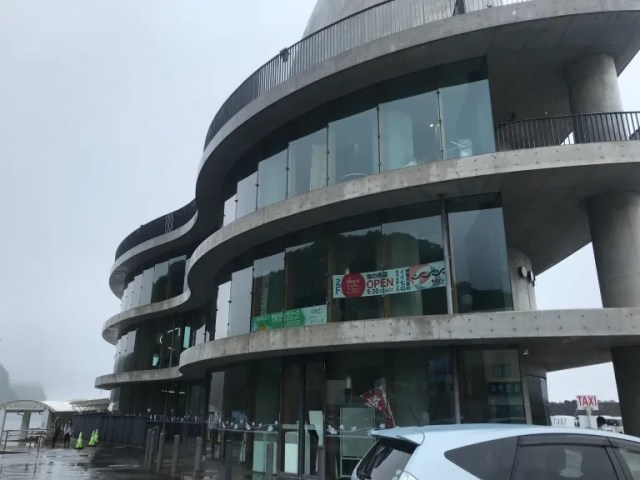
Tokai Kisen just started offering the Idaten Mystery Ticket on May 23, and our Japanese-language reporter Mariko Ohanabatake was excited to try it out. After arriving at Takshiba and claiming her ticket, she was informed that on that day the boat was setting sail for Izu Oshima.

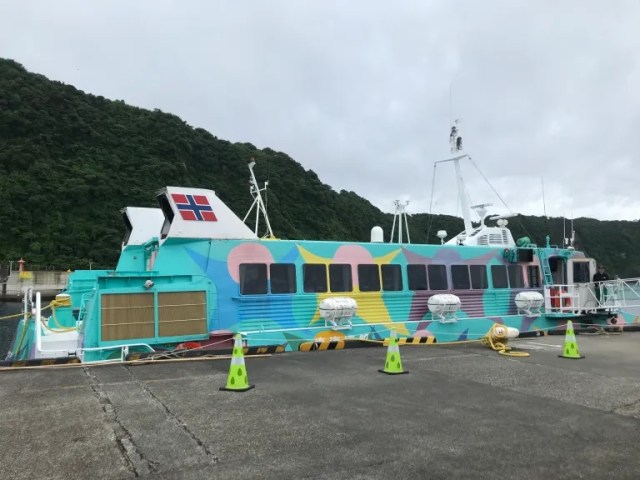
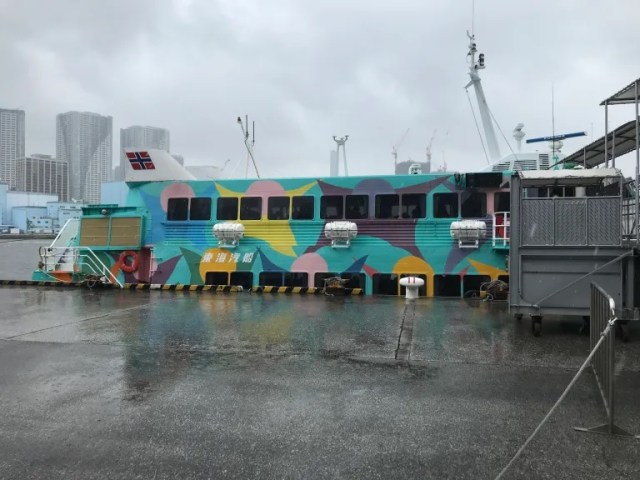
Unfortunately for Mariko, the weather was wet and rainy, but she still had a spring in her step as she walked to the high-speed jet boat that would take her to the island in one hour and 45 minutes. She was a little worried that the windy conditions might make for a rough ride…

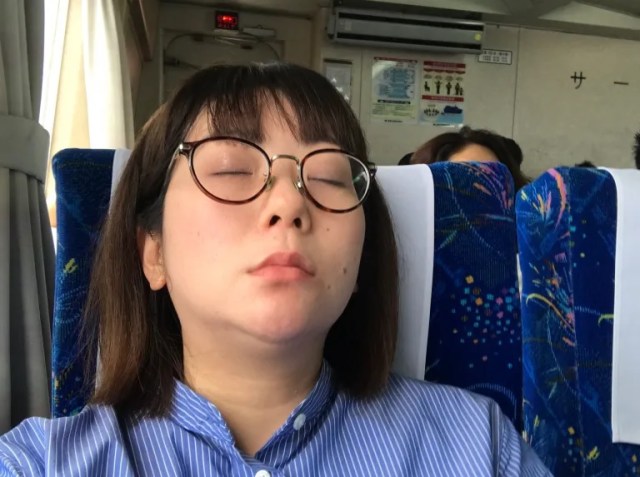
…but the ship sailed so smoothly that she slept soundly for pretty much the whole thing.

The ship docked at Okada Port, and once she stepped off Mariko had roughly five hours for sightseeing. Had the weather been better, she would have headed for a hike on Mt. Mihara, the volcanic rise that the island formed around, but with the shower and winds both staying strong, she decided against it.

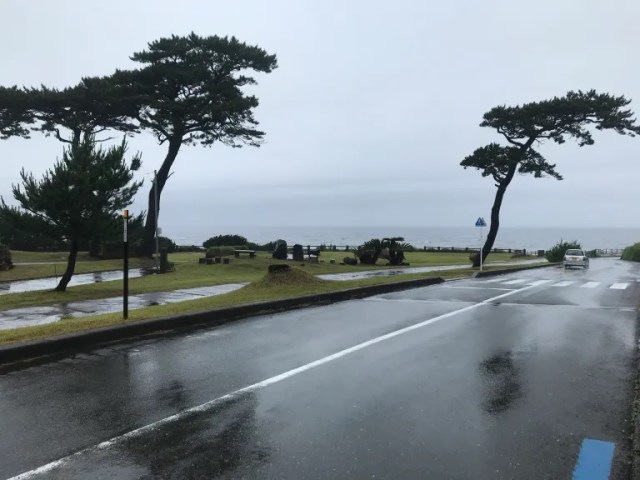
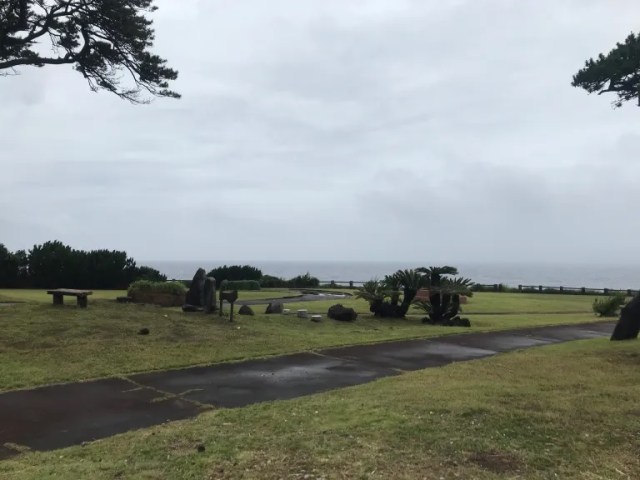
▼ Not that the island isn’t pretty in the rain too, though.

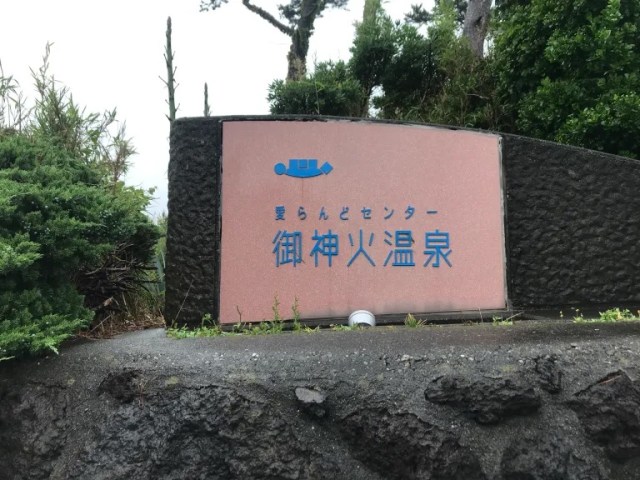
Mariko needed to find an indoor activity to enjoy, and she realized that since Izu Oshima is a volcanic island, it probably has onsen (hot springs) too! So she asked some locals, and sure enough, they clued her in to a place called Island Center Gojinka Onsen.

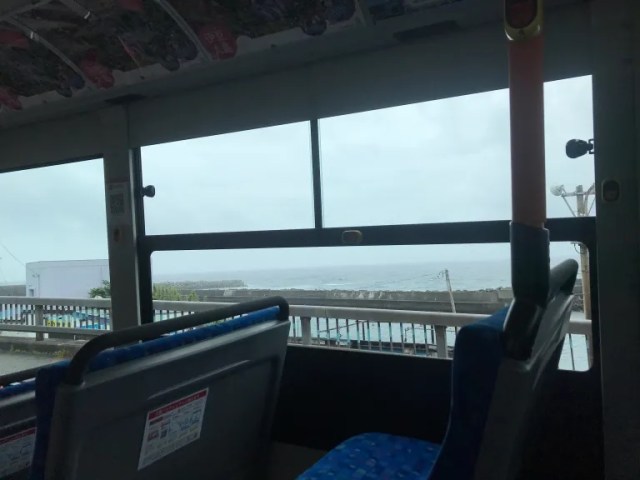
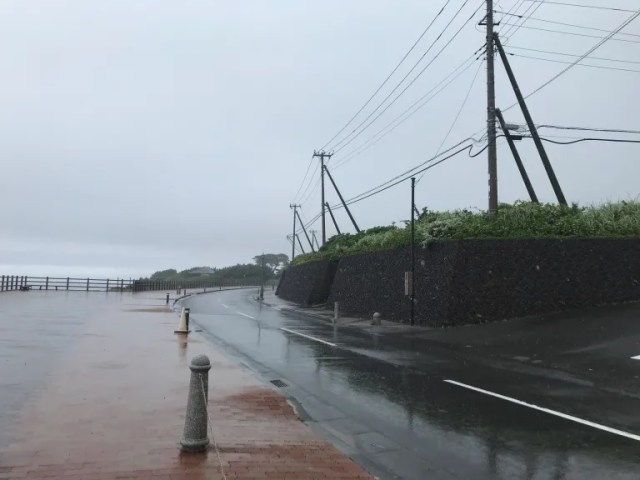
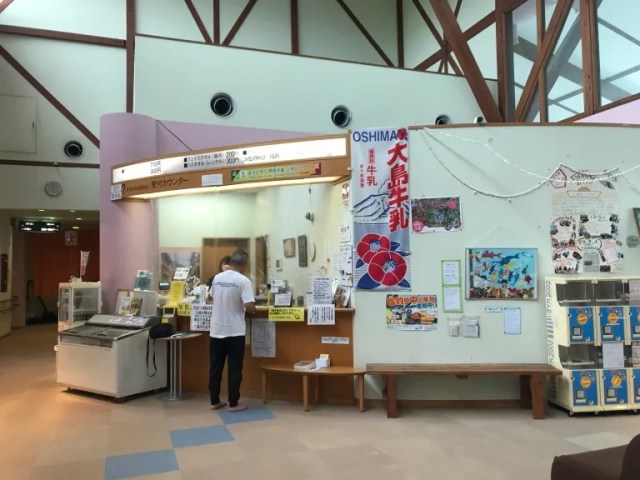
From the port, the easiest way to get to the hot spring is to take a bus to the Gojinka Onsen bus stop, from where it’s a seven-minute walk along the seaside street to the complex’s entrance.

▼ Gojinka Onsen entrance

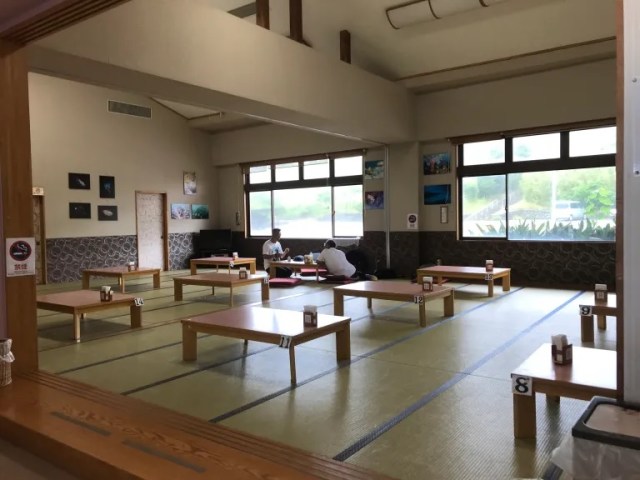
Gojinka Onsen is full of the nostalgic rustic charm of a regional “kenkou land” (“health land”), as Japan calls this sort of low-key hot spring day-trip destinations.

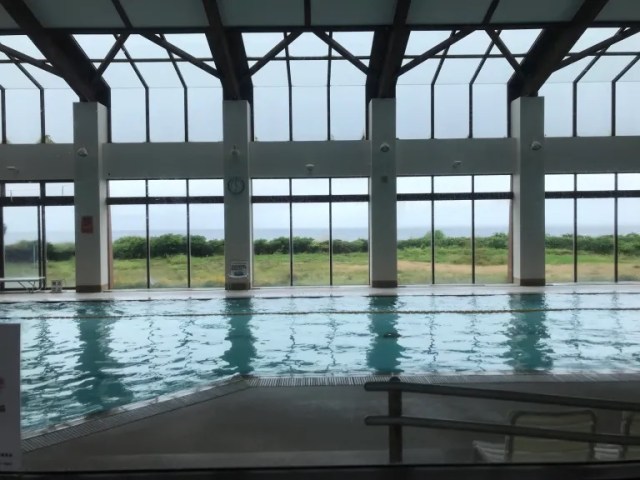
In additions to the baths, there are saunas, a pool, and eating/snacking areas. It’s not trying to be a fancy resort, but instead a place where anyone can come and warm themselves up in the hot spring, chill in the relaxation spaces, then repeat the process as many times as they want. It’s a great way to get a taste of the local slow-paced lifestyle, and Mariko could have easily spent her entire five hours on Izu Oshima here with no complaints.

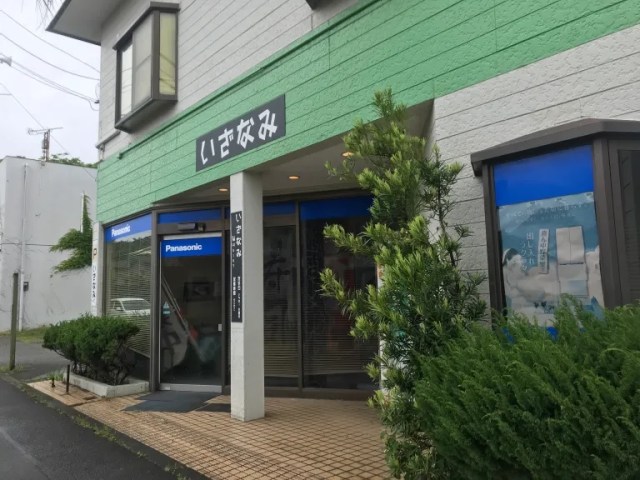
But Mariko knew she couldn’t get on the boat to go home without first trying the island’s special sushi, which is called bekko sushi, or, alternatively, shima sushi. So it was back on the bus for a ride to Chinooka bus stop, and from there a quick walk to Izanami, a small local sushi joint that Mariko had heard about.

▼ Izanami. It’s actually within walking distance (30 minutes) from Island Center Gojinka Onsen, but Mariko took the bus to stay out of the rain.

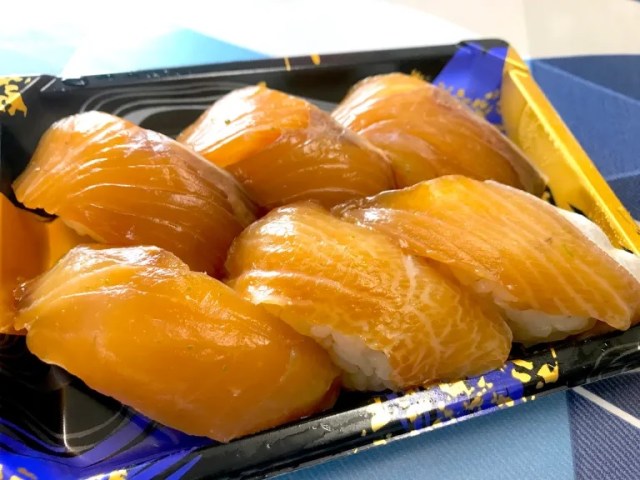
Bekko sushi is a type of nigiri sushi made with whitefish, so you might be surprised when you see it and it’s orange.

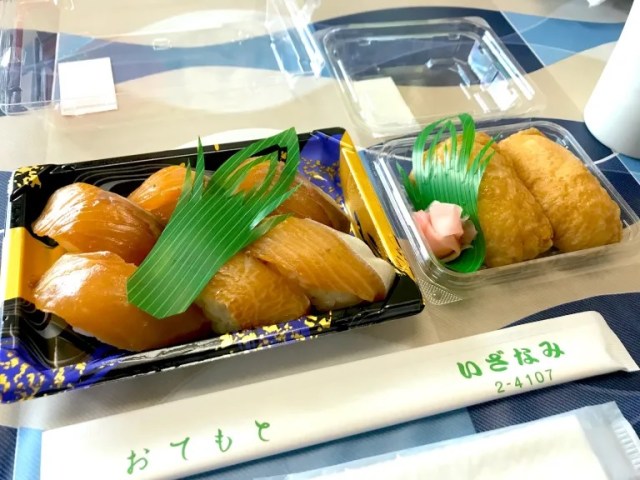
That’s because the fish is marinated with a soy sauce enhanced with shima togarashi, which is what the locals call Capsicum frutescens chili peppers. This gives bekko sushi a spicy kick that’s different from wasabi, and Mariko loved it! She paired her bekko sushi with an order of inarizushi (vinegared rice wrapped in fried tofu), and the contrast of spicy and sweet flavors between the two was just right, making Mariko very glad she’d stopped in here for lunch.

▼ Izanami is primarily a takeout place, but they do have an eat-in space as well, and they even gave Mariko a cup of green tea for free.

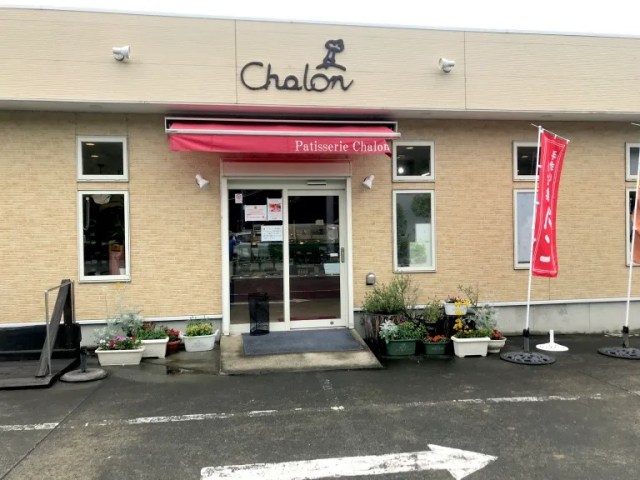
After finishing lunch, dessert was naturally the next thing on Mariko’s mind. Fortunately, right next door to Izanami is Chalon, Izu Oshima’s one and only cake cafe.

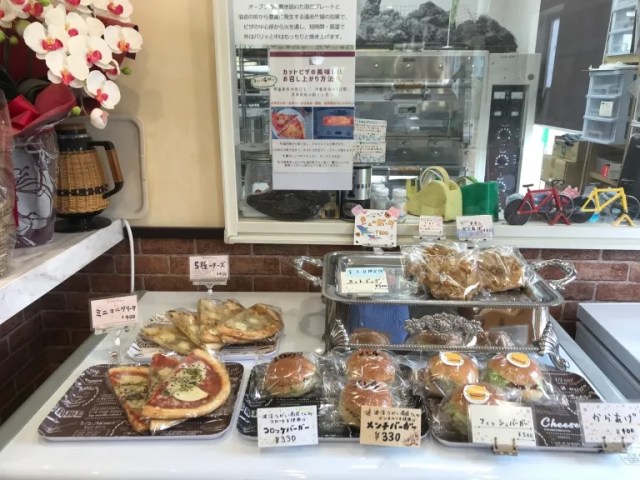
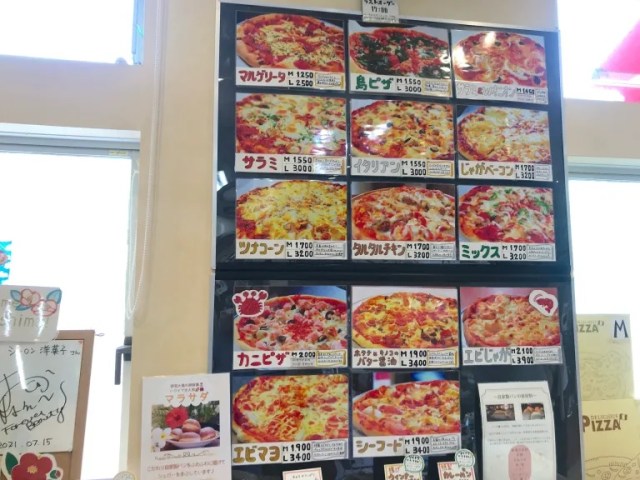
Chalon is also a bakery and pizzeria too, and those items did look great.

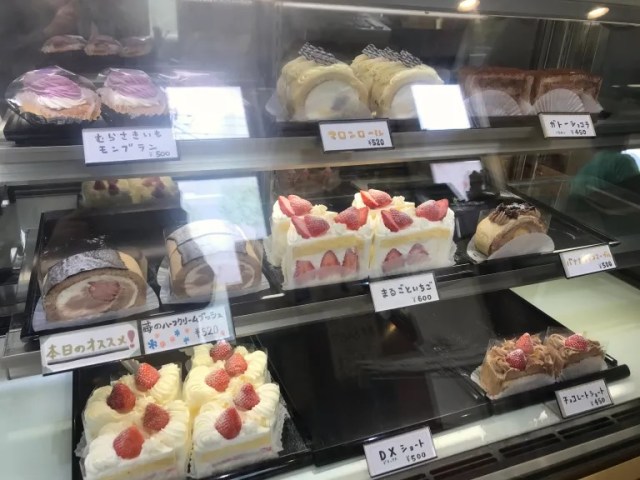
But Mariko was here for sweets, and the lineup of mouthwatering treats wasn’t making it easy for her to pick just one.

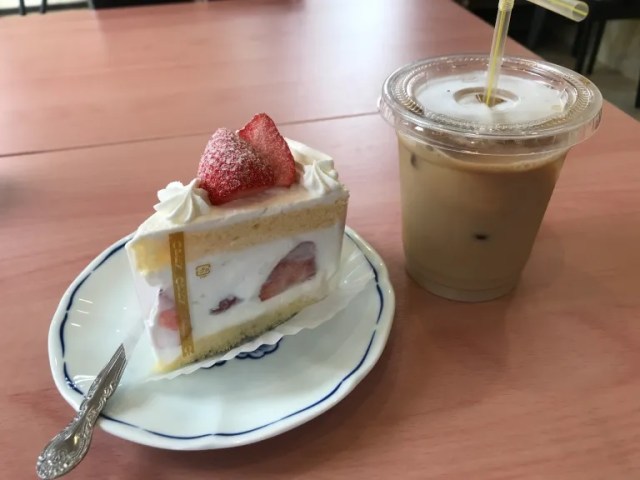
With much effort, though, she pared her options down and decided on the strawberry shortcake, which was so delicious she honestly felt a little moved eating it. She also treated herself to a cafe au lait made with milk from a local Izu Oshima dairy.

Before Mariko knew it, it was time to star heading back to the port to catch the ship home.

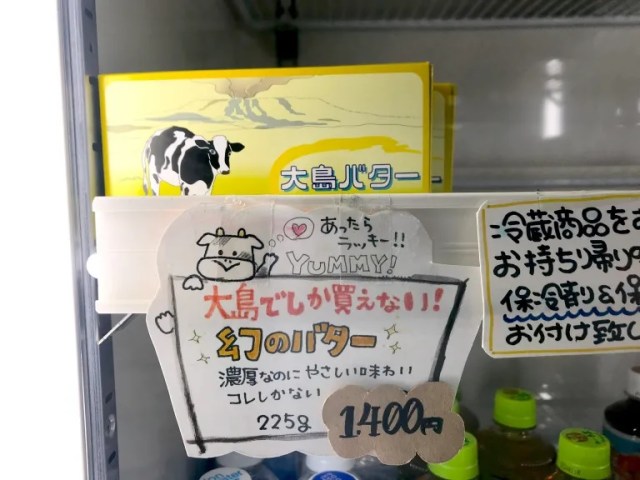
After one last bus ride, she was at the port early enough to do some souvenir shopping, picking up a pack of Oshima Butter…

…and then it was time to board.

Full, satisfied, and relaxed, Mariko slept the whole way back to Tokyo, arriving right on time at 5:15 p.m. at Takeshiba, from where it’s just a quick walk to the nearby stations to hop on a train or subway home.

The Idaten Mystery Ticket is available on Tuesdays, Wednesdays, and Thursdays until June 27, and Mariko highly recommends taking Tokai Kisen up on this unique offer. She does have two pieces of advice, though. One is that once you arrive at your island, make sure to check the bus schedules. With most of the Izu Archipelago towns being small, rural communities, bus service is much less frequent than in the big city, and online navigation apps, such as Google Maps, aren’t always accurate as to the actual schedules.

Second, make sure you check the weather forecast for the day of your departure, and try to have both some outdoor and indoor activity ideas in case you run into rain, like Mariko did. Basically, the more flexible your attitude, the more enjoyment you’ll get out of the Idaten Mystery Ticket, but then again that probably goes without saying when you’re buying a ticket for the destination of “somewhere.”

Related: Idaten Mystery Ticket official website, Tokai Kisen official website
Tokai Kisen five islands promotional image: Tokai Kisen
All other photos ©SoraNews24
● Want to hear about SoraNews24’s latest articles as soon as they’re published? Follow us on Facebook and Twitter!


Credit: