Japanese government doggie bag initiative asking restaurant to let customers take leftovers home
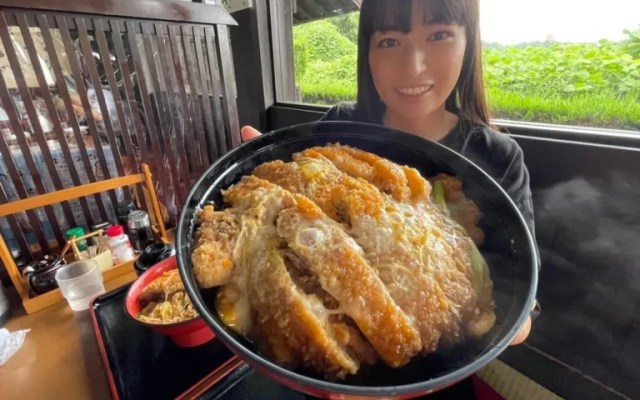
Ministry wants food in stomachs, not in the trash.

I once was eating lunch in a small cafe in Tokyo with a friend from overseas, who was full but had about half of the portion of roast pork he’d been served left over. When he asked the staff for a doggie bag to take the leftovers home in, he was informed that the restaurant couldn’t accommodate him, out of concern over the food potentially spoiling on his way home and causing him to get food poisoning if he then ate it. This isn’t an unusual stance for restaurants in Japan to take, either. Though the country has a rich dining culture, characterized by attention to thoughtful hospitality, restaurants in Japan generally don’t provide doggie bags.

In the end, my friend surreptitiously slipped his leftover hunk of meat into a plastic bag he happened to have on him, which he then stuffed inside of his shoulder bag and smuggled out of the restaurant. Such duplicity might soon become unnecessary, though, thanks to a new initiative from Japan’s Ministry of Health, Labor and Welfare.

A recently concluded study found that in 2022, Japan had roughly 4,720,000 metric tons of food waste, roughly half of which came from restaurants and food shops. In order to reduce those numbers, the government is looking to promote the use of doggie bags, so that instead of going into the trash, diners’ food that they don’t finish at the restaurant will go into their refrigerators, and later their stomachs.
Last week, the Ministry of Health, Labor and Welfare held its first meeting of a newly formed investigative committee on the subject, with members of the ministry convening with university researchers and consumer advocacy groups. Their goal is to put together a set of guidelines which can then be presented to restaurants, izakaya (Japanese-style pubs), hotels, and other dining establishments covering topics about which foods are and aren’t safe to allow customers to take home leftovers of, who should package the leftovers and in what ways, and a notification framework in the event of someone contracting food poisoning after consuming the contents of a doggie bag. Another key point of the discussions so far is communicating that even for foods that are doggie bag-permissible under the eventual guidelines, the final responsibility for determining whether the leftovers are safe to eat or not lies with the customer, not the restaurant.

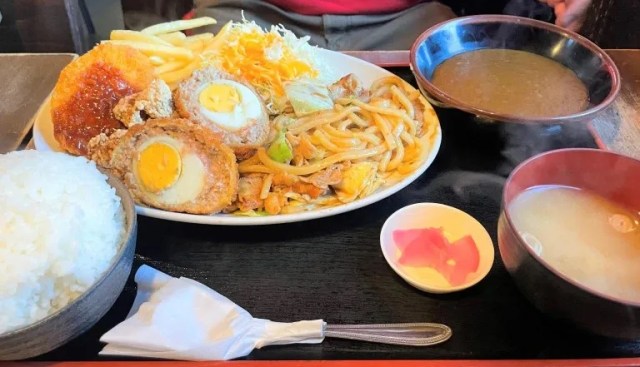
In theory, establishing safety guidelines doesn’t seem like it should be terribly difficult. It’s not like food poisoning is rampant in countries where taking home restaurant leftovers is common. Even within Japan, there are plenty of restaurants that offer to-go orders, not to mention tons of bakeries, bento shops, and food stands selling everything from grilled chicken to roasted sweet potatoes on a to-go-only basis. It’s hard to believe that the 30 minutes or so that restaurant leftovers might have been on a customer’s plate mean that the food has crossed a threshold beyond which it’ll be unfit for human consumption by the time it gets home. And if the customer doesn’t go straight home? That’s the same risk as with any other buy-it-here, eat-it-somewhere-else scenarios, and it’s not like there’s an epidemic of people in Japan collapsing at home after eating fried chicken they picked up at the convenience store.

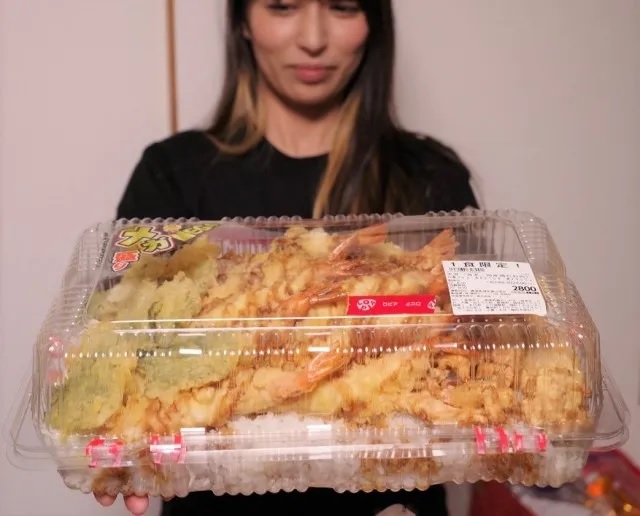
▼ If Japanese supermarkets can let us take home prepared food like this, restaurant doggie bags aren’t an impossibility.
It’s possible that the bigger challenge to getting restaurants in Japan to proactively provide doggie bags won’t be health/hygiene-based, but instead one of image and operations management. It seems pretty clear that if they’d wanted to, restaurants in Japan could have started providing doggie bags long ago, seeing as how takeout and grab-and-go restaurants have flourished in Japan. So it’s at least a little likely that “We can’t provide doggie bags for health reasons” actually has more to do with not wanting to make a sit-down restaurant look like a cheap takeout joint, or not wanting to pull workers off of preparing and serving new orders to have them package up something that’s no longer bringing in any additional revenue for the restaurant.

The Ministry of Health, Labor and Welfare hopes to have its doggie bag guidelines finalized and available to restaurants sometime this year.

Source: NHK News Web
Photos ©SoraNews24
● Want to hear about SoraNews24’s latest articles as soon as they’re published? Follow us on Facebook and Twitter!


Credit:
Summer nights at this amazing Tokyo open-air museum are like stepping back in time

Downtown Summer Evening returns to Edo-Tokyo Open Air Architectural Museum.

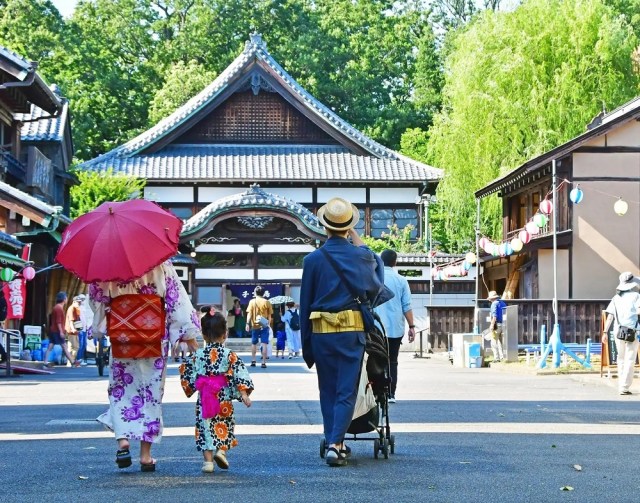
When people think of museums in Tokyo, the Tokyo National Museum in Ueno and the Edo-Tokyo in Ryogoku are often the first two that come to mind. But for those willing to venture farther out from the city center, the Edo-Tokyo Open Air Architectural Museum, located inside Koganei Park in west Tokyo, is an awesome place to check out.

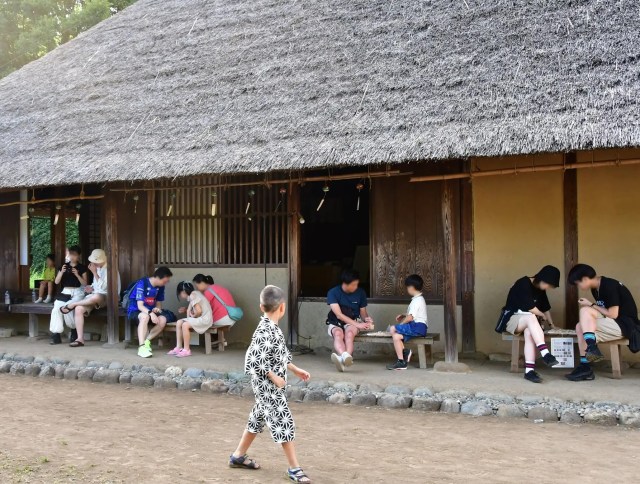
The “museum” is actually a collection of some 30 historical buildings, originally constructed between the Edo era (1603-1868) and Showa period (which began in 1926) in various locations in Japan. Rather than leave them to fall into disrepair or, worse, be demolished, the structures were disassembled, shipped to the museum, and reassembled so that they can be preserved as physical snapshots of their historical points in the timeline of Japanese history, and several of them are open for visitors to walk through.

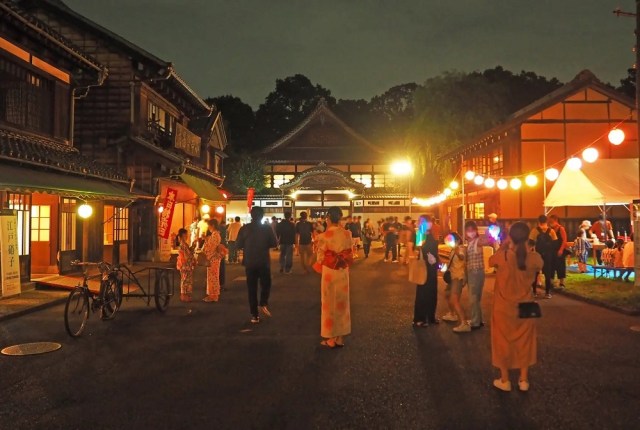
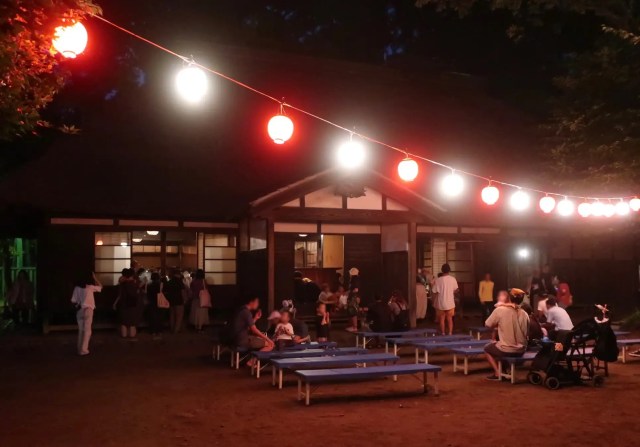
The Edo-Tokyo Open Air Architectural Museum is worth a visit on any day, but it’s especially worth one at night, when the nearby sights of more modern Japan get covered up by shadows and it feels like you’ve traveled back in time. The museum is only open after sundown on special occasions, and thankfully one of those is coming up soon with the annual Downtown Summer Evening event.

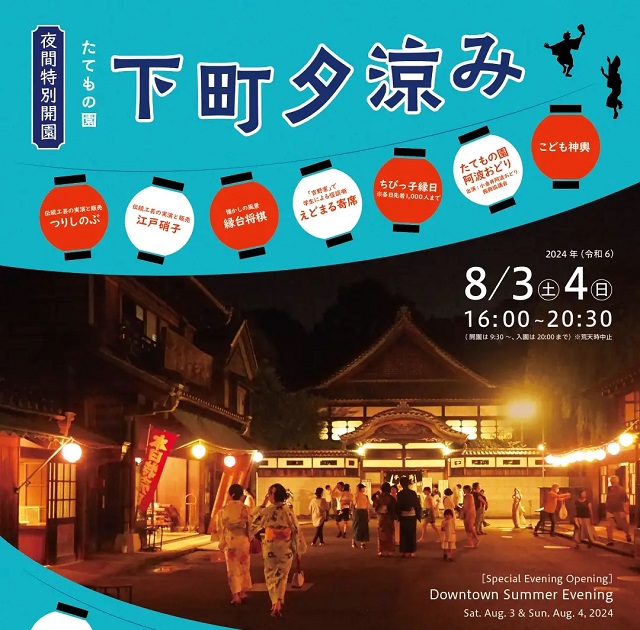
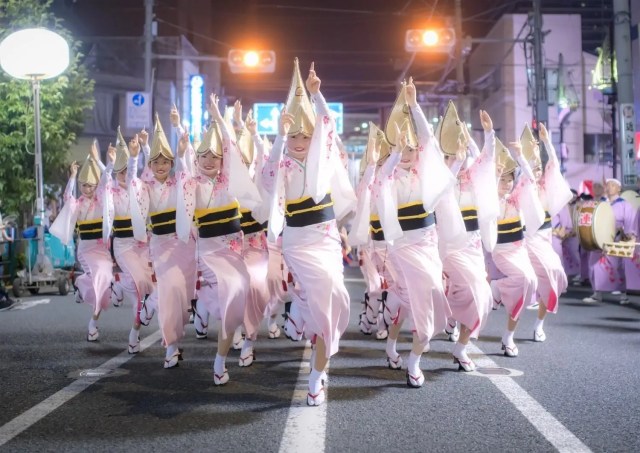
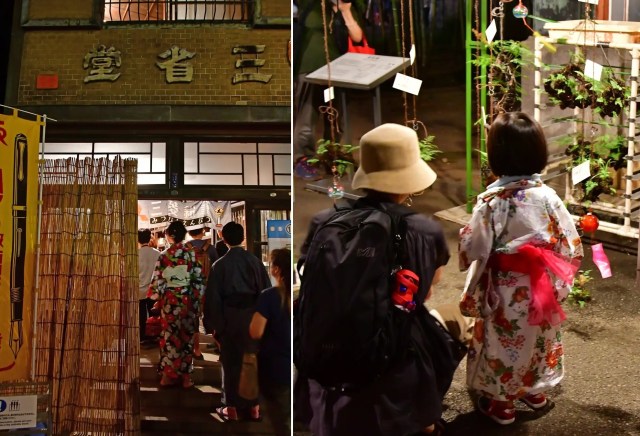
This year’s Downtown Summer Evening takes place on August 3 and 4, when the museum’s regular opening hours of 9:30 a.m. to 5:30 p.m. get extended all the way to 8:30 p.m. Activities include an Awa-odori dance, preserved shopfronts once again open for business selling drinks and stationery, ghost stories told in a classical thatched-roof house, carnival games, and shogi (Japanese chess) sets to play with under the soothing sounds of windchimes, one of Japan’s favorite traditional ways to try to stay mentally cool in the summer. The museum also makes for an excellent photo backdrop, especially if you’re dressed up in a yukata (summer kimono) during your visit.

In addition to being one of Tokyo’s coolest museums, the Edo-Tokyo Open Air Architectural Museum is also one of its most affordable, with tickets priced at just 400 yen. There’s no extra charges for the Downtown Summer Evening event either, though the museum does recommend reserving tickets for those days online here, as they may sell out.

Location information
Edo-Tokyo Open Air Architectural Museum / 江戸東京たてもの園
Address: Tokyo-to, Koganei-shi, Sakura-cho 7-1 (inside Koganei Park)
東京都小金井市桜町3丁目7−1 内 都立小金井公園
Website

Source, images: PR Times
● Want to hear about SoraNews24’s latest articles as soon as they’re published? Follow us on Facebook and Twitter!


Credit:
Nara deer shikadamari phenomenon continues to baffle visitors at Nara park

A summertime mystery that even experts are unable to solve.

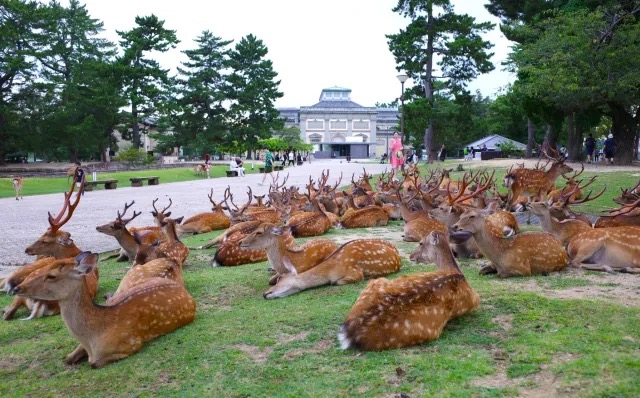
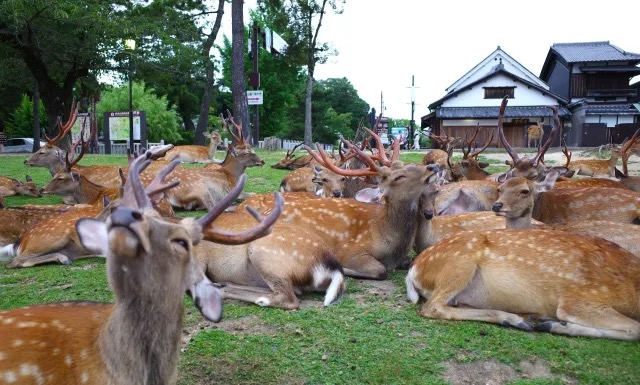
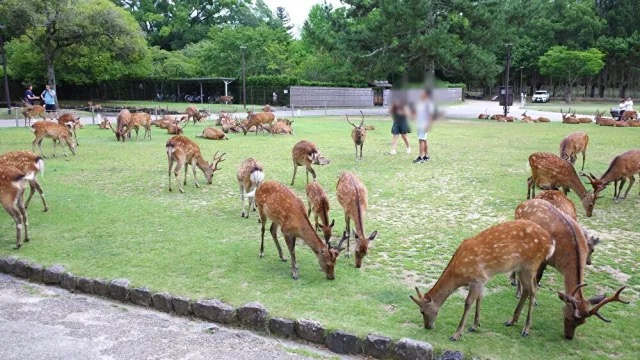
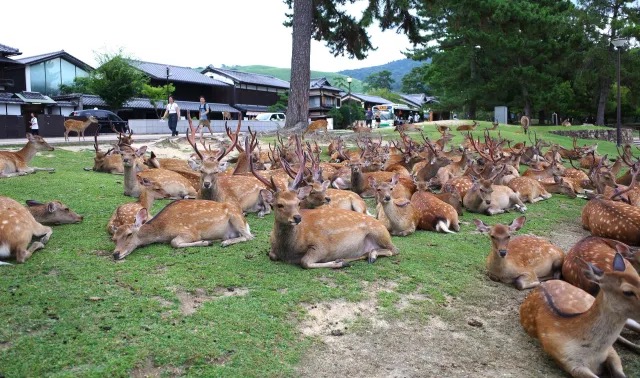
Ever since 2019, our Nara-based reporter K. Masami has been investigating a bizarre pattern of deer behaviour in Nara Park. Known as “shikadamari“, which literally translates to “deer pool“, this phenomenon occurs in summer, when the deer gather in large numbers to sit on the grass outside the Nara National Museum.

The gathering of animals occurs with such precise regularity, in terms of both the time of year and the time of day when it occurs, that logic says there has to be some sort of reason for it, yet even experts at the Nara Deer Preservation Foundation that looks after the animals can’t explain why it happens.

That hasn’t stopped Masami from doing her best to solve the mystery on her own, and as the deer numbers at the gathering spot tend to be largest from mid-July to early August, she headed down there on the weekend to assess the situation. The gatherings peak at around 6:30 p.m. and last until 7 p.m., and when she arrived just before 6 p.m., a number of deer had already assembled at the usual spot.

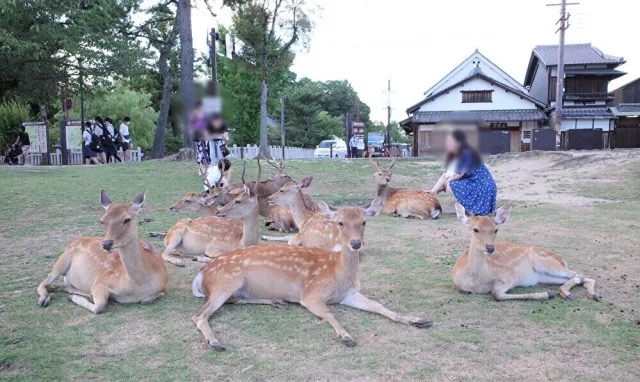
The number of deer wasn’t as large as what she’s seen in the past, but it was definitely more than 2023, when there were only around 20 deer.

Last year’s gathering was more like a picnic than a crowd.

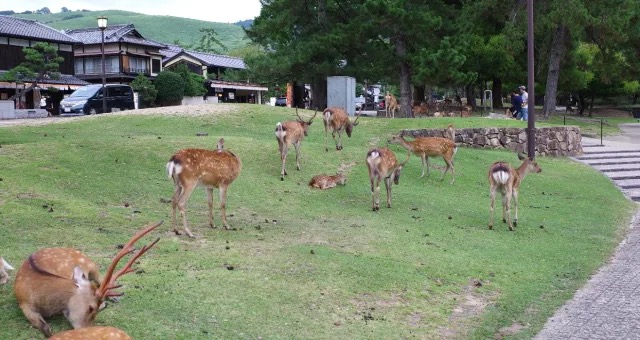
This year’s numbers weren’t anything like the mass gatherings that occurred before the pandemic, with around 600 deer at this spot back  in 2019, but it is in keeping with the general decline that’s been occurring since then. Still, Masami hoped more animals might arrive closer to 6:30 p.m., so she took a stroll over to the area behind the museum, near Kintetsu Nara Station, where she found another group of deer, seemingly split into three groups.

▼ Unlike the “deer pool”, though, where the animals all sit together, looking like a pool of deer, most were standing.

Returning to the front of the museum, she saw the numbers hadn’t increased at all — the same animals were there, looking relaxed and happy to be basking in the glow of the evening.

▼ Some were even lying with their heads on the grass.

As Masami mulled over the possible reasons for the relatively small summer gathering, the animals then surprised her by getting up and walking away, seemingly to meet up with another group, where they all walked off into the distance together.

What made this so strange was the fact that they did this much earlier than usual, with the numbers gradually disappearing from 6:30 p.m., so that by 7 p.m., this was all that was left of the gathering.

In previous years, Masami suspected there may have been some correlation between the deers’ behaviour and either weather patterns or visitor numbers, but with this being a relatively average year in terms of weather and visitors, she’s now even more baffled by what’s going on. She says it didn’t even seem like the deer were gathering this summer at all, because not only were they small in number, they were short on time too, simply dropping to their knees for what seemed like a few minutes, rather than their usual leisurely hour.

So yet again, as Masami left the park, there was only one thing she was certain of — this is a mystery that remains unsolved. Until she learns to communicate with the deer, she may never know what their motives are for meeting at this particular spot every summer. Could it be the view? The coolness of the grass here compared to other areas of the park? The sense of camaraderie after a hard day of hunting crackers?

Rather than feel confounded by the mystery of the shikadamari, these are questions Masami is keener than ever to answer, so rest assured, she’s still on the case — and hopefully next year, she’ll have some answers!

Photos © SoraNews24
● Want to hear about SoraNews24’s latest articles as soon as they’re published? Follow us on Facebook and Twitter!


Credit:
The top 5 ice creams you should try at Family Mart convenience stores in Japan this summer

Recommendations from staff reveal some unusual icy treats. 

There are a lot of things to love about Japanese convenience store chain Family Mart, or “Famima” as it’s commonly known, and one of those things is the sweet treats. While some of the offerings are year-round staples, others are limited-edition seasonal releases, so it’s always worth scouring the stores for new finds.

When it comes to the best discoveries, though, staff often have all the answers. So when 219 Family Mart employees were asked to reveal their personal favourites from the chain’s exclusive “Fami Maru” collection, convenience store fans everywhere took note. And when we found out these selections were for the chain’s “cold snacks“, we knew we had to share them, because, despite being known as the “Fami Maru Secret Ranking“, these finds are way too good to be kept a secret!

So let’s count down to the top treat, as recommended by Family Mart employees, who say these particular selections are so good they would eat them even if they weren’t working at the chain.

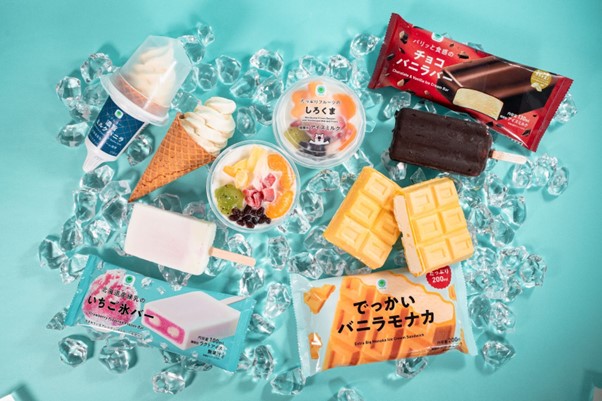
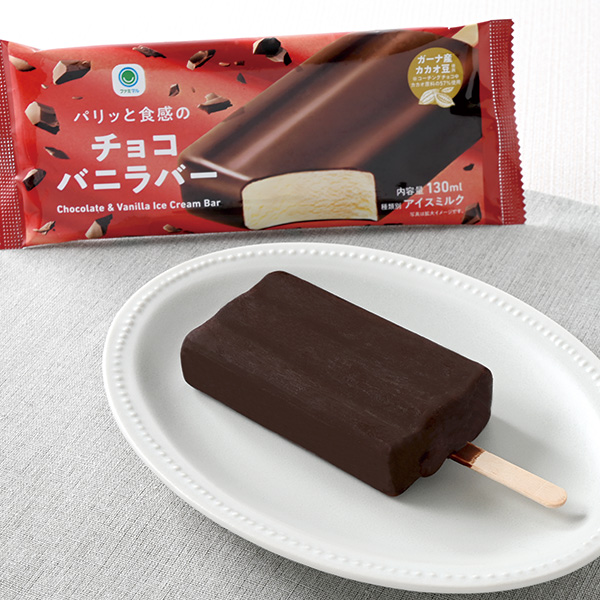
5. Chocolate & Vanilla Ice Cream Bar (138 yen [US$0.89])

All the items on this list are sold nationwide, except this one, which is sadly not available in Okinawa. Those who are lucky enough to try it will love the rich and delicious flavour, created with the use of fresh cream and milk sourced from Hokkaido. The crispy chocolate exterior is what really makes it a hit, though, with employees saying it adds just the right amount of crunch to the mix.

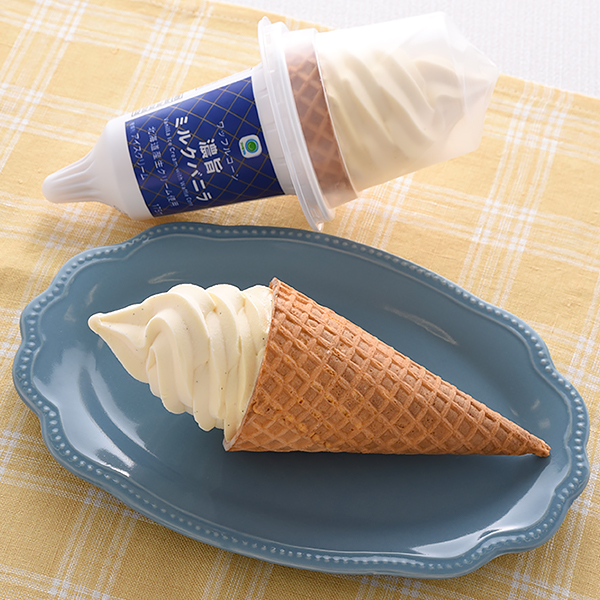
4. Vanilla Ice Cream withWaffle Cone (248 yen)

This frozen soft serve is made with fresh cream from Hokkaido and vanilla bean seeds from Madagascar, while the sugar cone contains whole wheat flour, giving it a pleasant aroma that pairs well with the rich and delicious ice cream. Staff praised the waffle cone in particular, which is said to be so sweet and crunchy even those who don’t usually like cones will like it. The only downside to this dessert is it’s so good it’ll be gone in no time.

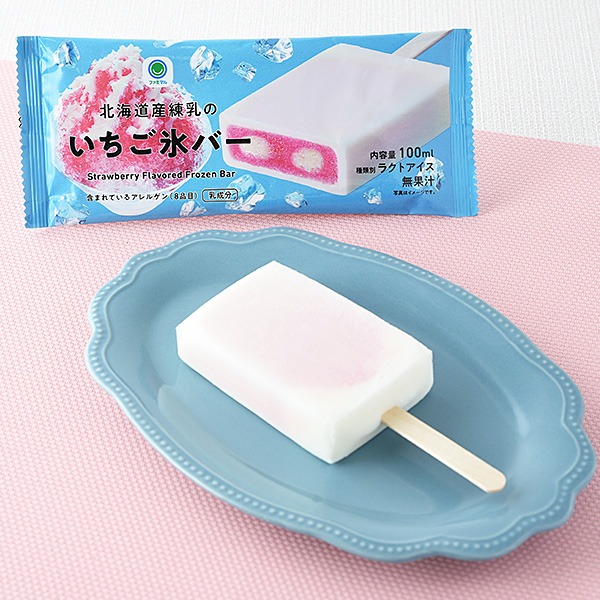
3. Strawberry Flavoured Frozen Bar (120 yen)

Strawberry shaved ice is paired with condensed milk from Hokkaido in this frozen confection, which keeps things simple with a familiar, “traditional” type of flavour that will appeal to people of all ages. Staff recommend this frozen bar for times when you want a refreshing treat that’ll cool you down instantly in summer.

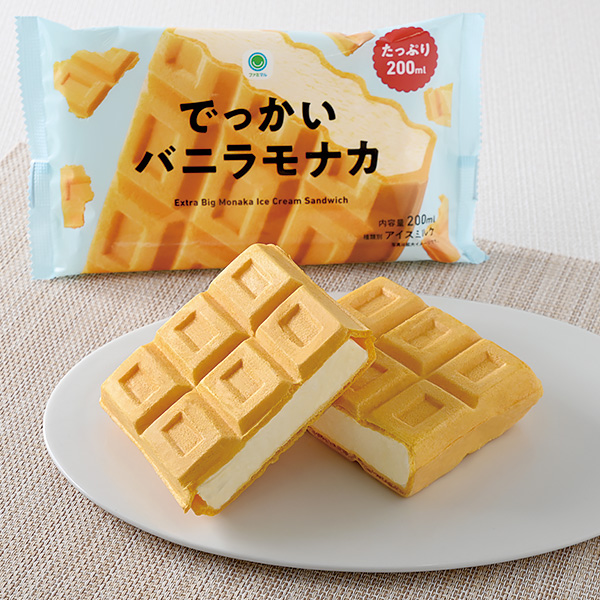
2. Extra Big Monaka Ice Cream Sandwich (160 yen)

Ice cream sandwiches encased in a monaka wafer are a hit wherever they’re sold in Japan, but what makes this one special is the volume, with employees rating it for its satisfying taste and great value.

Finally, the winning treat of the summer at Family Mart is the…

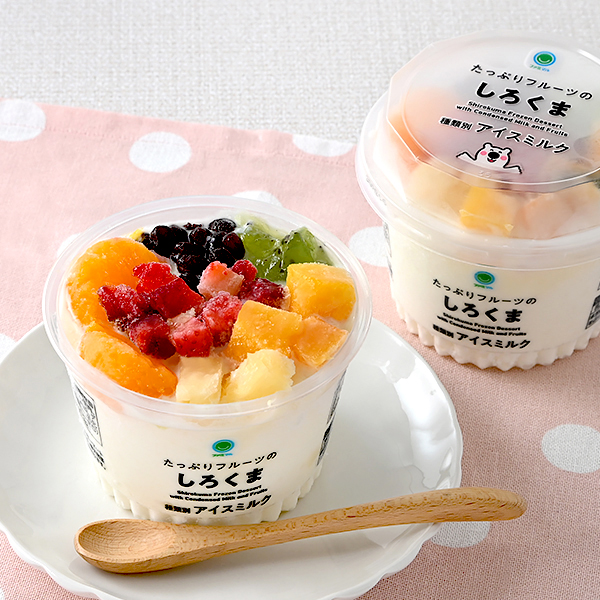
1. Shirokuma Frozen Dessert with Condensed Milk and Fruits (338 yen)

“Shirokuma” means “polar bear”, and in Japanese, this treat goes by the name “Tappuri Fruits no Shirokuma” (“Fruit-filled Polar Bear”), which makes it sound utterly adorable. The fact that it contains a variety of healthy ingredients, like mandarin, pineapple, yellow peach, strawberry, kiwi fruit, and red beans, makes it a somewhat healthier option than other treats in the freezer section, and staff recommend letting it melt a little before eating it, so you can truly enjoy the sweetness of the condensed milk and the sourness of the fruit as they blend together for a truly divine combination.

So there you have it — the top five ice-cold Fami Maru treats, as recommended by Family Mart employees this summer. Which one caught your eye? Let us know in the comments section below, and if you’re looking for a cool meal to go with your desserts, the chain’s cold ramen is also attracting attention.

Reference: Fami Maru Secret Ranking
Source, images: Press release
● Want to hear about SoraNews24’s latest articles as soon as they’re published? Follow us on Facebook and Twitter!


Credit:
Japan’s quail egg industry takes a severe blow after a sharp decline in use in school lunches

After a tragic choking accident, Japan’s quail farmers are facing unprecedented trouble as inventory of unsold boiled quail eggs continues to rise.

Quail eggs, known as uzura-tamago in Japanese, are highly nutritious and only one-fourth the size of a chicken egg. They’re a common addition to many Japanese dishes, including rice bowls, skewers, bento, and warm stews such as oden in the colder months, and can be easily purchased at standard supermarkets.

They were also a common fixture in Japanese school lunches (called kyushoku) up until this past February, when an elementary school student in Fukuoka Prefecture died after choking on a boiled quail egg. Since then, numerous school districts across the country have discontinued use of the eggs in school lunches out of fear of a similar accident happening.

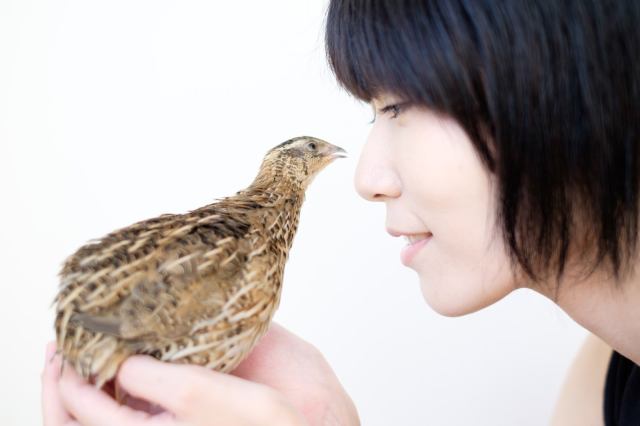
▼ A Japanese quail

Nowhere is the discontinuation of quail eggs in school lunches being felt harder than in Aichi Prefecture, where 23 farms produce over 60 percent of the eggs nationwide. The Toyohashi Quail Farming Cooperative based in Toyohashi, Aichi, which is the country’s only agricultural cooperative specializing in quail eggs, has storage for approximately 3 million eggs and is completely full. “It was really tough when schools suddenly closed during the pandemic, but this time, there’s no end to the tunnel in sight,” a representative from the Nagoya-based major producer Tengu Canning also shared. The number of shipments of canned quail eggs has decreased drastically since February; in June, shipments were only equivalent to 60 percent of what they were last year and inventory in the warehouse is up 1.8 times compared to last year.

While the Toyohashi Quail Farming Cooperative has recently asked its members to take actions such as thinning out the parent birds and selling canned eggs with expiration dates in the near future at a 40-percent discount, even so, the stock remains too high. In an effort to support the local farmers, Toyohashi City council members and other volunteers have purchased 5,000 packs of boiled eggs, and the winner of the Nagoya Grand Sumo Tournament this month will also be presented with 10,000 eggs as a supplementary award.

Only time will tell if boiled quail eggs make their return to school lunches throughout Japan, but in the meantime, it appears that the farmers and other locals will continue supporting each other to ride out the storm.

Source: Livedoor News
Top image: Pakutaso
Insert image: Pakutaso
● Want to hear about SoraNews24’s latest articles as soon as they’re published? Follow us on Facebook and Twitter!


Credit:
Mr. Sato reminds us that when the going gets hot, the hot get straw hats

Normalize Raiden hats!

In hindsight, this spring in Japan was rather nice. It seemed a little longer than usual before giving way to the rainy season. However, summer has kicked in with a vengeance and relentlessly stifling heat. It’s times like this where we have to make sacrifices in order to cope and for Mr. Sato that sacrifice came in the name of fashion.

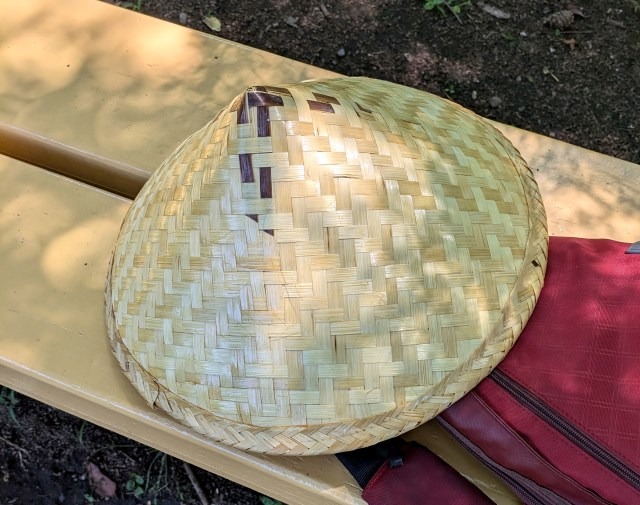
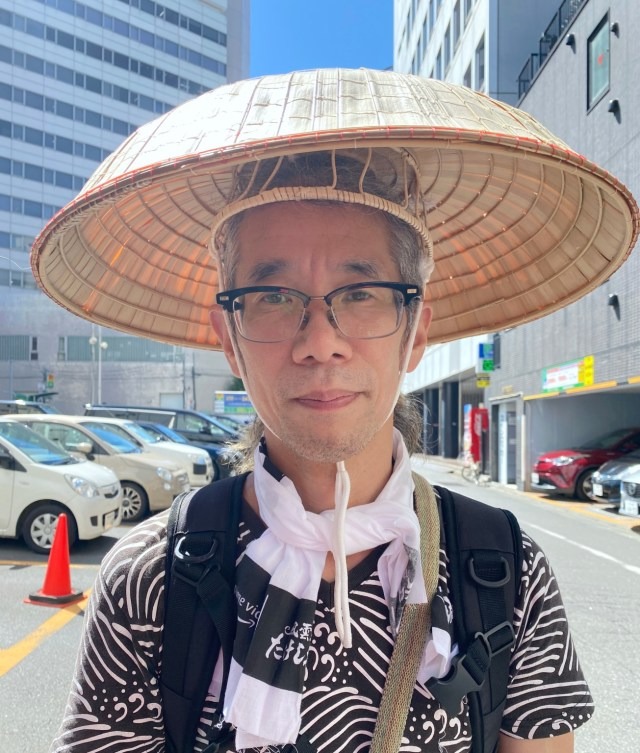
It was last year that he discovered the sandogasa, a Japanese take on those round straw hats used all over Asia, primarily by farmers and wandering travelers like pilgrims. Despite its almost blindingly antiquated look, these hats are a marvel of cranial cooling engineering which provides both shade and airflow where it counts.

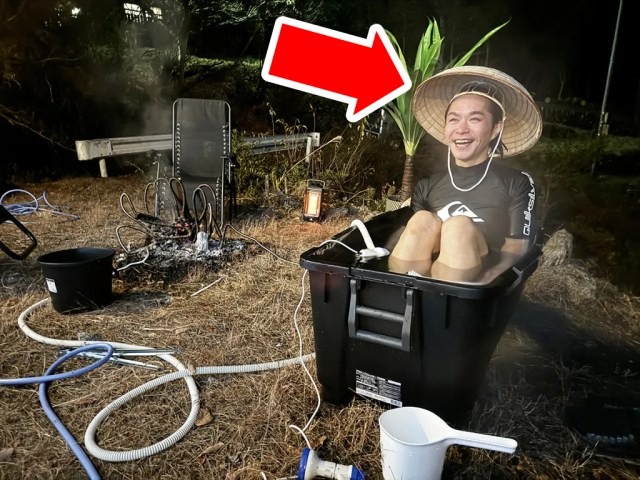
Mr. Sato didn’t end up going many places last year, so he decided to donate his sandogasa to the crew working on fixing up our super-cheap house in the countryside.

Now, with the heat back again, our reporter regretted his decision but he couldn’t ask for his original hat back. After all, a roaming samurai in his sandogasa would never renege on their gift.

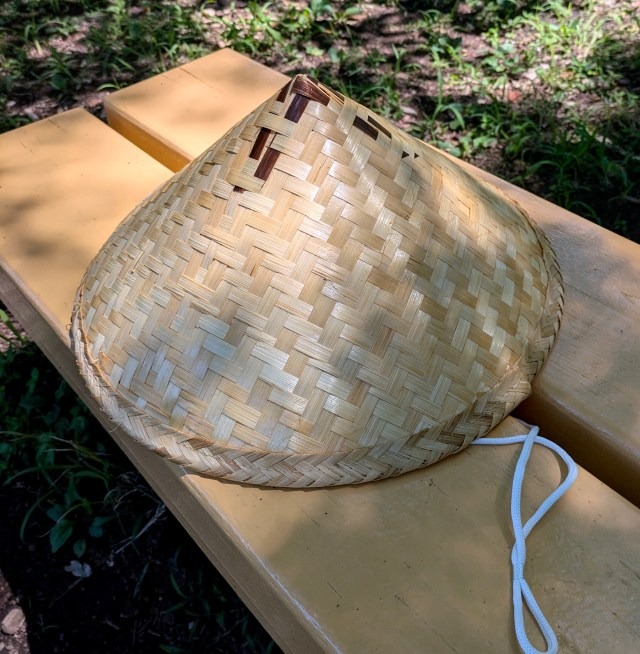
So, he hopped on Amazon and bought an ajirogasa for 1,770 yen (US$11.51). As you can probably see, the difference between this bamboo hat and his previous one lies largely in the shape.

Mr. Sato’s old sandogasa was 46 centimeters (18 inches) in diameter, making it very hard to carry and store. That’s why he made sure to get a slightly smaller hat, with this one measuring 39 centimeters (15 inches) wide and 18 centimeters (7 inches) tall.

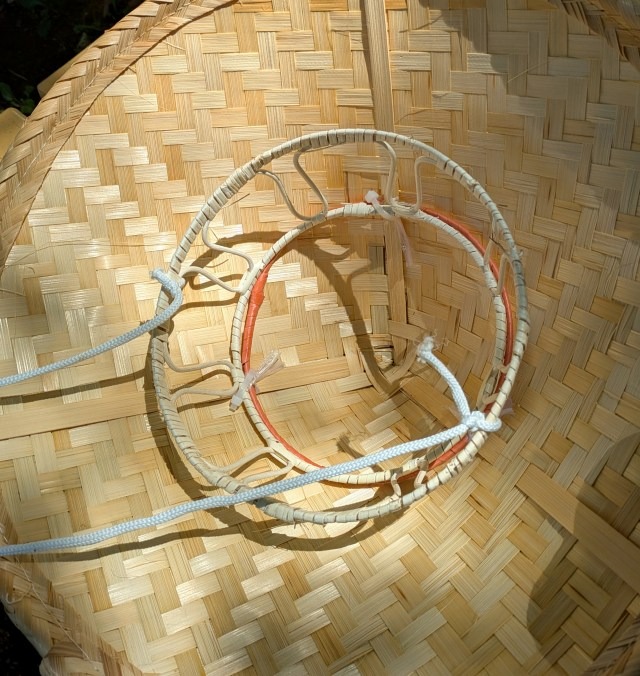
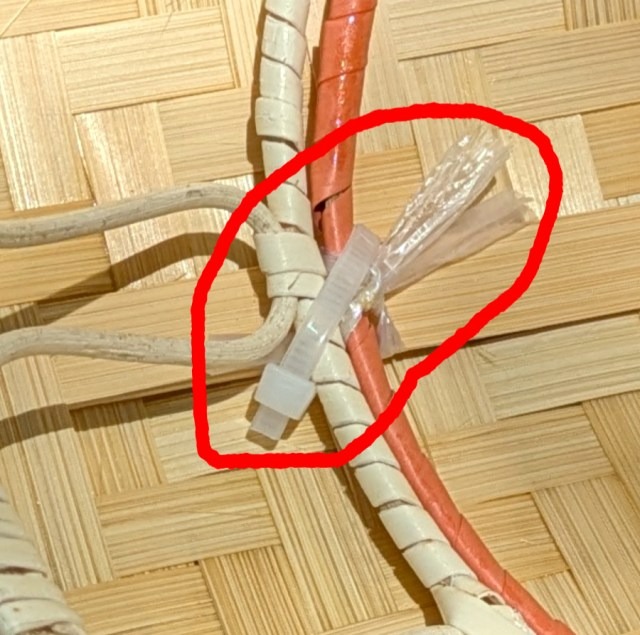
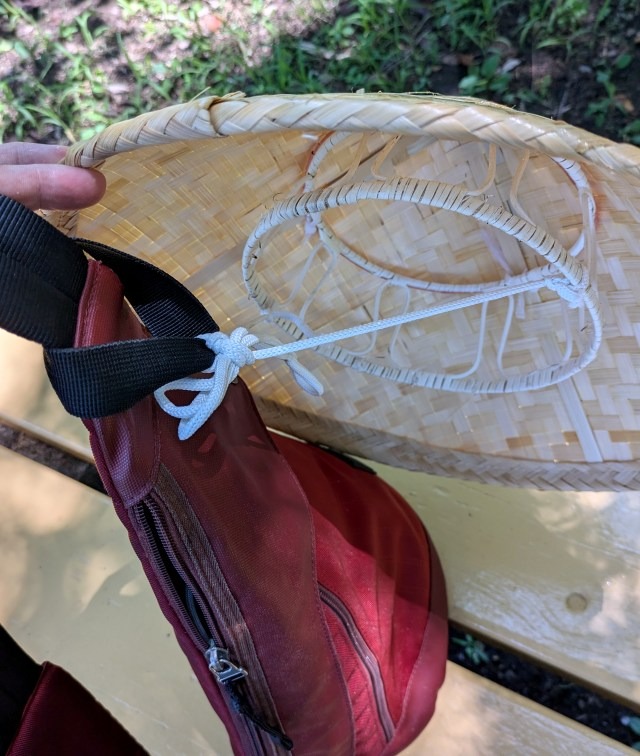
Also, our writer had to assemble his previous sandogasa himself, but his ajirogasa was already put together when it arrived.

They even used cable ties, just like ancient Shinto priests used to keep their HDMI cords tidy.

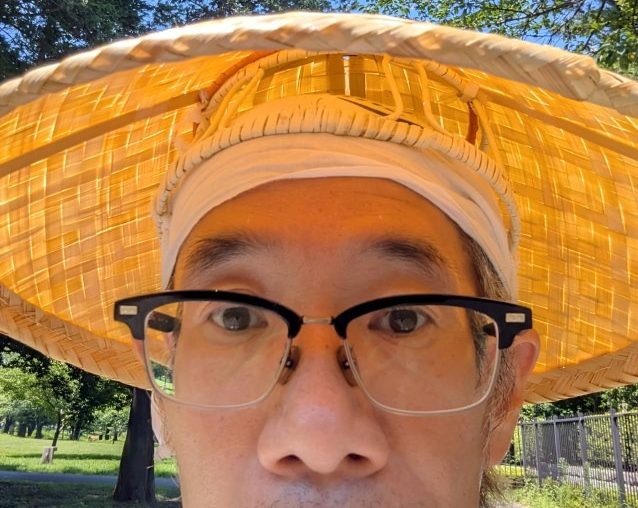
Mr. Sato also recommends wrapping a traditional Prime Video towel around your head to keep it from getting slippery with sweat. This will also stop the bamboo band from leaving an imprint on your forehead.

Although it might look a little cumbersome, these hats are incredibly light and Mr. Sato could barely even notice it.

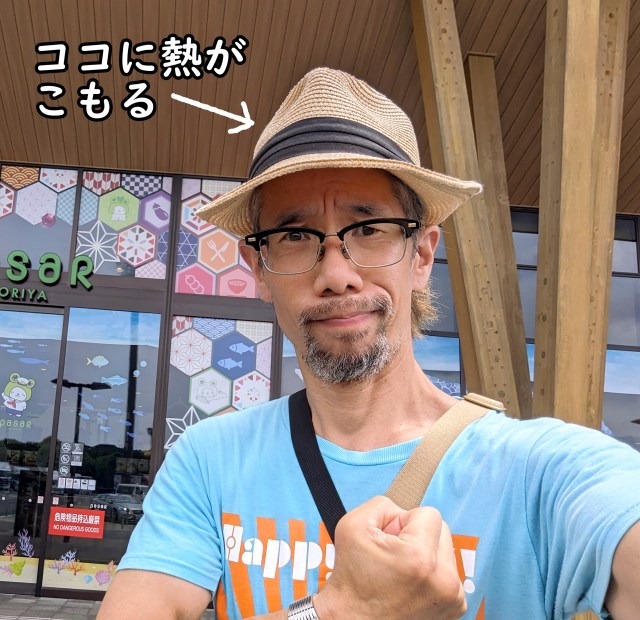
While his more conventional summer hat was also light, the polyester dome caused the heat from his overactive brain to accumulate.

But this problem was completely eliminated with his ajirogasa, which allows a steady flow of air to keep things at a reasonable temperature.

“I can do math again!”

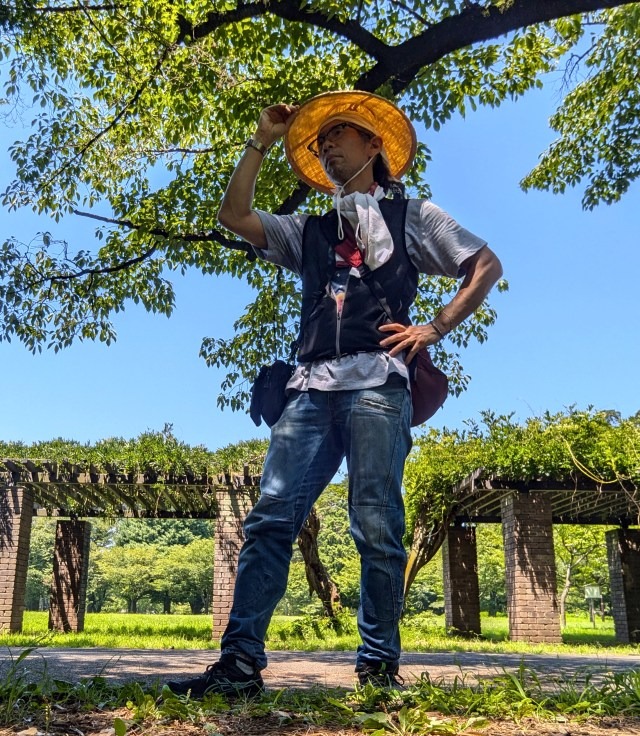
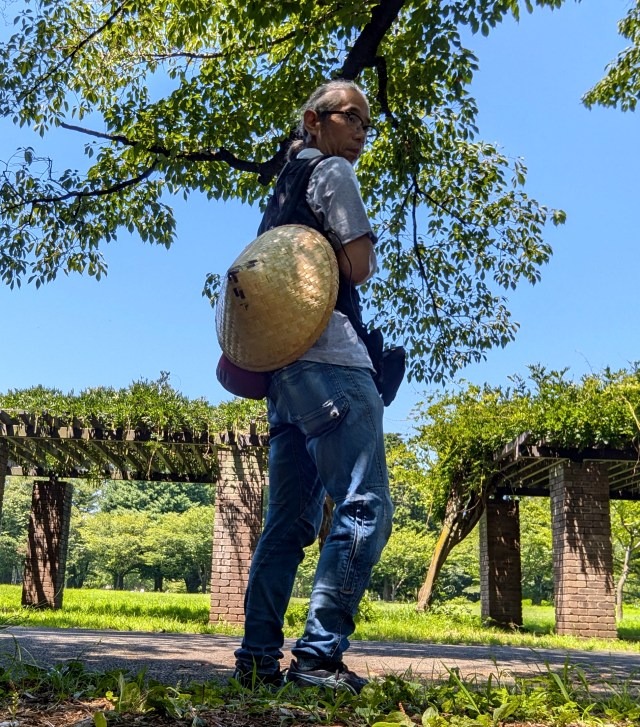
Although it tends to look out of place in modern urban Japan, the ajirogasa matches with a casual outfit of jeans and a T-shirt surprisingly well.

It also filled him with the sense of romance that comes with a long journey to new lands.

And when it’s not needed, the string lets you sling it to your backpack or belt loop for easy carrying.

Mr. Sato could even tie it to his fanny pack without a problem. The only thing you should worry about is bumping into other people in crowded places.

That’s really its only weakness though. Otherwise, it’s a superb accessory for combatting the unpleasant and dangerous heat of a Japanese summer. So, let’s all tip our sugegasa to Mr. Sato for trailblazing this ultra-retro fashion so that we might all be able to stay cool without others giggling behind our backs.

Related: Amazon Japan
Photos ©SoraNews24
● Want to hear about SoraNews24’s latest articles as soon as they’re published? Follow us on Facebook and Twitter!


Credit:
Pizza Hut x Tamagotchi collaboration features first-ever pink-dough pizza

Magic awaits in this new collection. 

It’s been 20 years since Bandai introduced the world to Tamagotchi Connection, a revolutionary new handheld virtual pet with a built-in infrared communication feature, and to celebrate this milestone anniversary, the model is being re-released for a new generation to fall in love with.

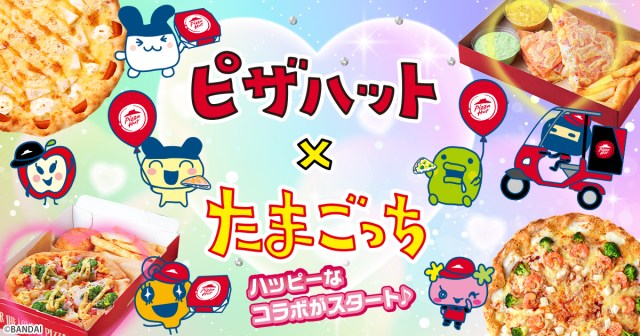
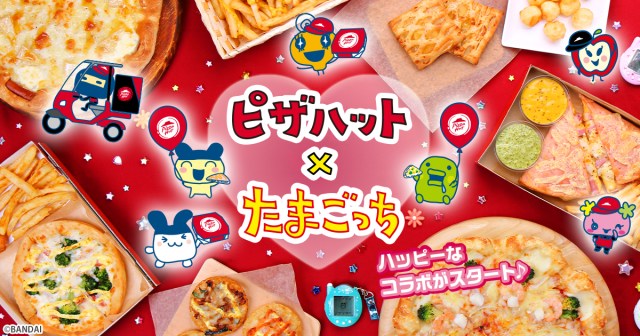
That’s not the only exciting news for Tamagotchi fans, because Pizza Hut Japan is joining the fun with a brand new collaborative lineup consisting of eight special menu items, as well as stickers and prizes for customers.

There’s a lot to get through in this Pizza Hut x Tamagotchi collection, so let’s press start on the proceedings with the main star of the show…

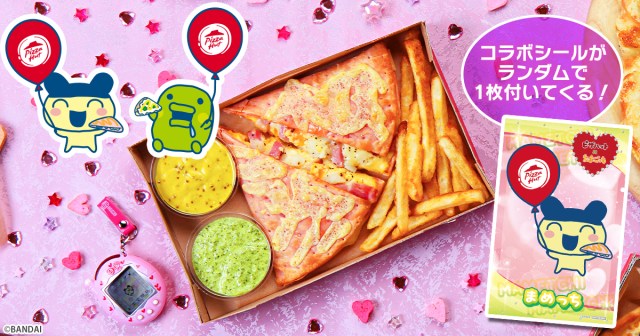
▼ …The Hut Melts Pink Plus Fluffy Bacon (1,000 yen [US$6.50] for takeout; 1,300 yen for delivery)

Featuring the Hut Melts, a new handheld style of pizza, this meal includes a serving of fries and two types of dipping sauces  — honey mustard, which has a yellow colour reminiscent of Mametchi, and basil mayo, which has a green hue that resembles Kuchipatchi. The pizza itself has been carefully designed to exude a pink colour that matches the hue of the new Tamagotchi 20th anniversary model, with Pizza Hut saying this is the first time they’ve ever created a pink dough for a pizza.

The toppings are also special, with the chain developing an egg salad featuring a soft-boiled yolk that varies in gooeyness depending on the degree of heating, alongside a smooth egg white and a tasty mayo sauce. This combination, which is said to be similar to a Japanese-style egg sandwich, pairs well with the other toppings — juicy bacon, potato salad with mayonnaise, and rich Gouda cheese. Pizza Hut is so confident in its pink pizza it describes it as “a masterpiece”.

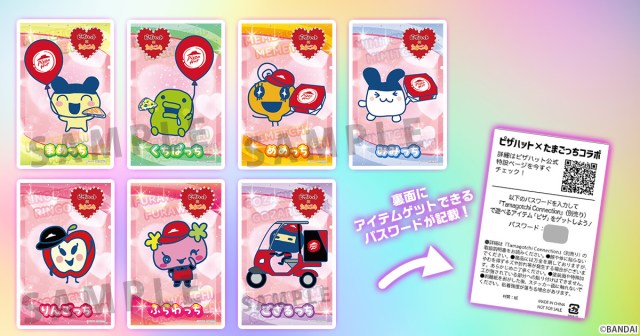
In case you need any more incentive to try the exclusive Hut Melts, Pizza Hut is giving away a free original sticker featuring a random Tamagotchi character transformed into a Pizza Hut employee to all customers who purchase it. And, if you enter the password on the back of the sticker while using your Tamagotchi Connection, you’ll also get a “pizza” item that can be used in the virtual world.

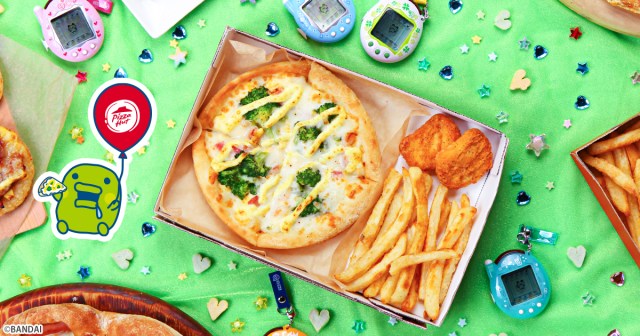
▼ Next up, we have Kuchipatchi’s Fluffy Egg Forest My Box (870 yen for takeout; 1,180 yen for delivery)

The “My Box” series is a popular one-person set meal that was recently introduced in Japan, and this one adds an unusual combination of fluffy eggs and broccoli to the pizza, in honour of Kuchipatchi’s forest home.

While the meal sets are the main attractions, four items on the side menu are also getting a Tamagotchi makeover for a limited time.

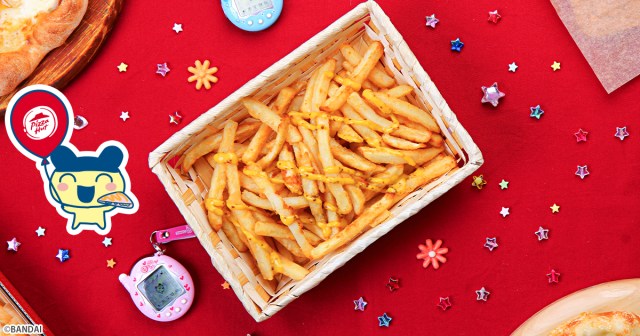
Mametchi’s Happy Honey Fries (560 yen for takeout or delivery)

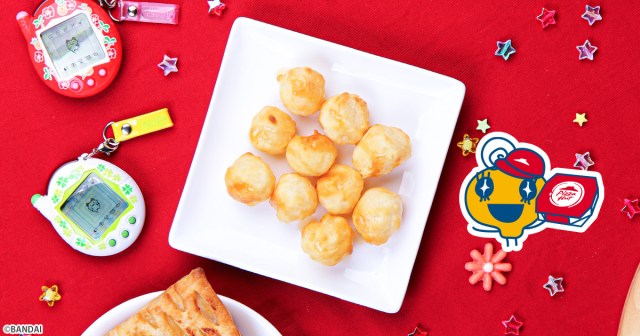
Memetchi’s Swirling Honey Cheese Balls with Honey Maple Syrup (460 yen for takeout or delivery)

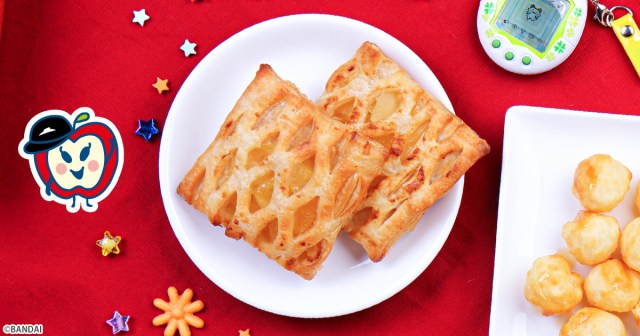
Ringotchi’s Reward Freshly Baked Apple Pie (500 yen for a set of two for takeout or delivery)

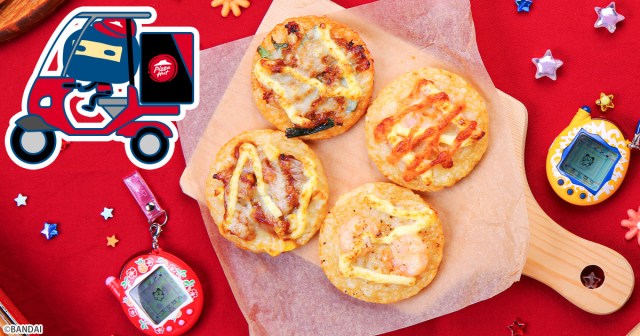
Gozarutchi’s Ninja Training Rice Pizzas (950 yen for takeout or delivery)

The cute ninja pizzas measure approximately 7.5 centimetres (2.9 inches) in diameter and include four flavours: Garlic Shrimp, Beef Ribs, Mentaiko (Spicy Pollock Roe) Mayo Soy Sauce, and Teriyaki Chicken.
Those with larger appetites can indulge in two special full-size pizzas.

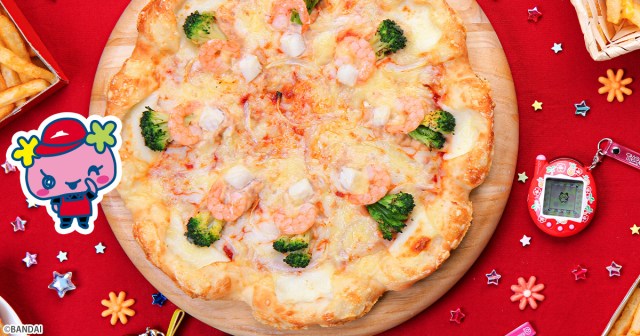
Furawatchi’s Seafood Mix (available in medium and large sizes, priced from 2,320 yen and 3,330 yen respectively)

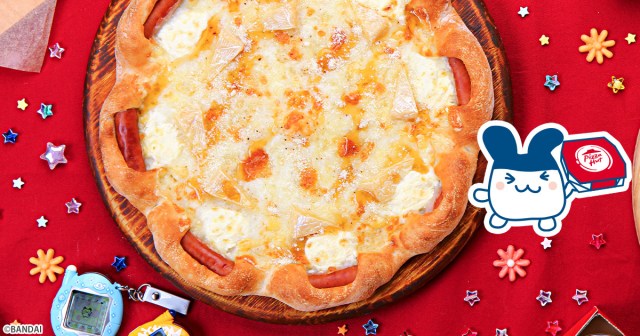
Mimitchi’s Melting 4 Kinds of Cheese (available in medium and large sizes, priced from 2,320 yen and 3,330 yen respectively)

This pizza features a sausage crust and comes with a small pack of honey maple syrup for added sweetness.

Now that we’re done with the edible delights, it’s time to move on to the prizes, starting with the giveaway campaign where 100 customers who purchase at least one of the collaborative menu items will be randomly selected to win prizes.

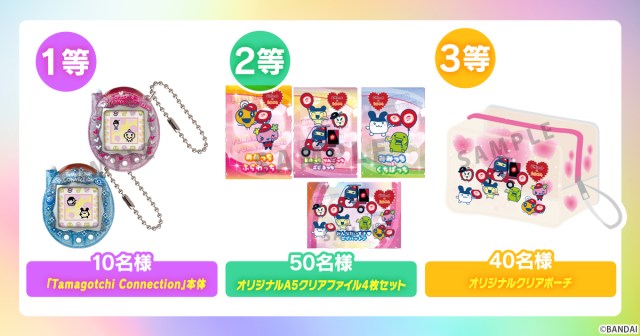
▼ 10 lucky winners will receive a Tamagotchi Connection, while 50 will pick up a set of four A5 original files and 40 will receive an original clear pouch.

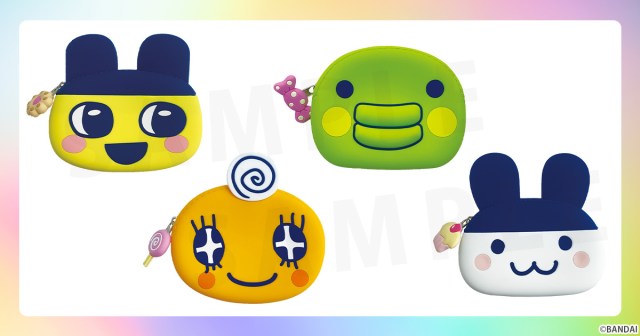
There’s also a special campaign for residents of Japan, where 20 people who follow and like the official campaign post on Instagram, or follow and repost the campaign post on Twitter, will be chosen to receive a silicone Tamagotchi pouch.

That’s a whole lot of fun for Tamagotchi fans, but as always, the celebrations won’t last forever, with the campaigns and the special menu items only available from 29 July to 1 September.

Related: Pizza Hut Japan
Source, images: Press release

● Want to hear about SoraNews24’s latest articles as soon as they’re published? Follow us on Facebook and Twitter!


Credit: