Cho-Kabuki announces new version of Hanakurabe Zenbonzakura.
As the world’s first, and most famous, virtual idol, there’s a futuristic, high-tech aspect to a lot of Hatsune Miku’s endeavors. The Vocaloid has shown she’s adept at collaborating with creators of traditional art forms too, however, as we’ve seen in her hina ningyo doll and ukiyo-e woodblock prints.
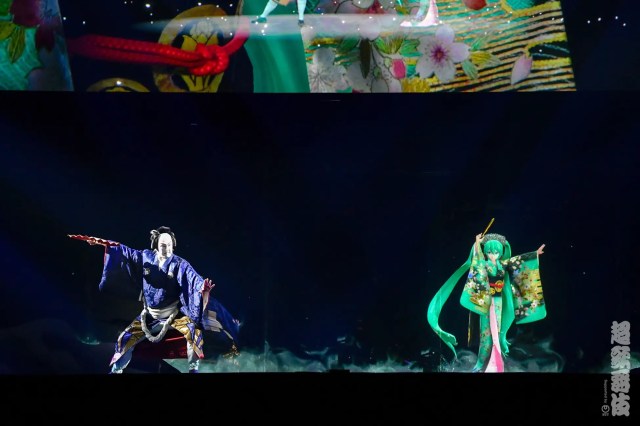
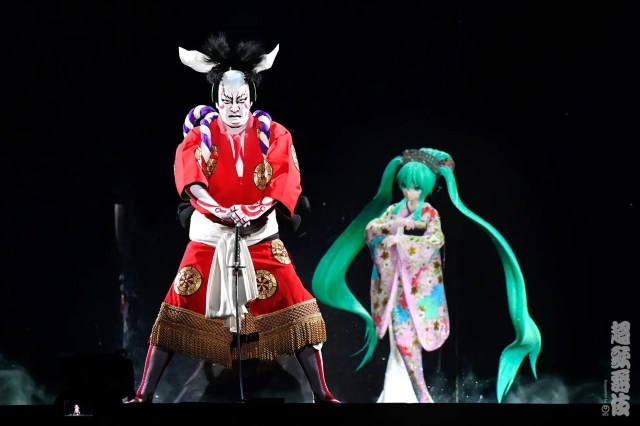
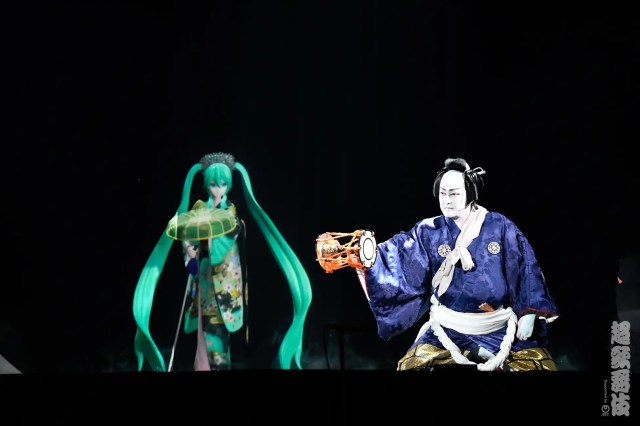
So for her next project, Miku is taking to the stage not for an idol dance routine, but to perform a kabuki play.
Hanakurabe Zenbonzakura is a kabuki performance inspired by both the classic kabuki tale Yoshitsune Senbon Zakura and Hatsune Miku’s iconic song “Senbonzakura” (senbonzakura meaning “1,000 cherry blossom trees”). While kabuki performances are often single-star productions, for Hanakurabe Zenbonzakura Miku will share the stage with accomplished kabuki actor Shido Nakamura.
Miku and Nakamura have been periodically teaming up for limited-time Cho-Kabuki (as their collaborations are called) productions since 2016, most recently in Tokyo in 2023 and Kyoto in 2019. They’ve announced that they’ll be reuniting at the upcoming Expo 2025 world’s fair in Osaka for an updated version of the play, to be titled Hanakurabe Zenbonzakura Expo 2025 Version.
▼ Rather than being completely pre-programmed, the technology involved allows for real-time reactions from Miku to her co-stars ad-libbing, according to this report on last year’s Tokyo performance.
Hanakurabe Zenbonzakura Expo 2025 Version is scheduled to be performed on May 24 and 25, with details on ticket/seat reservations yet to be announced.
Relocation marriage grant going through “reevaluation.”
A few days ago, it came to light that the Japanese government was planning to put in place an initiative that would pay women living or working in Tokyo a large sum of money on the condition that they moved away from the capital to get married. Specifically, women living or working in the 23 wards of Tokyo, which make up the most centrally located and densely populated parts of the city, would be given 600,000 yen (approximately US$4,000) if they relocated to a less populous part of Japan as part of their newlywed life.
The initiative was the latest in a string of financial incentives offered by the national and local governments in Japan aimed at revitalizing regions that are grappling with the effects of long-continuing population shrinkage as the birthrate drops and what young people there are increasingly relocate to big cities for school and work. The politicians spearheading the “relocation marriage grant,” as it became known, had put in a request for the necessary government funding to be included in the budget for the upcoming 2025 fiscal year, which starts in the spring.
However, that budget request has now been withdrawn and the initiative indefinitely suspended. As news of the scheme was met with a less-than-enthusiastic response from the public, Minister of State for Regional Revitalization Hanako Jimi called for a “reevaluation” of the plan, and spoke about the situation in a press conference held on August 30, saying that, after listening to reactions from politicians from various parties and the public, the relocation marriage grant is being reconsidered with extra attention to issues such as gender biases including pay gaps.
Looking at the initiative with a critical eye, one could claim that it’s unfair to offer the grant only to women. With the Japanese legal system not allowing same-sex marriage, every marriage in Japan needs a guy too, so men too would be contributing to the initiative’s goal of redistributing population away from Tokyo and to other parts of the country by moving to get married. Alternatively, one could also say that the grant would, in the long-term, be economically disadvantageous for women. Unlike many other regional revitalization plans that provide grants for moving to the countryside, the relocation marriage grant had no stipulation that the person (in this case woman) relocating need to have a job lined up in her new hometown in order to receive the money. 600,000 yen is a nice little nest egg, but it won’t last forever, and encouraging women to move first, then roll the dice in on finding work in a much smaller job market than Tokyo’s could be something that requires some extra thought, especially in communities where many jobs are in male-dominated fields such as agriculture, fishing, manufacturing, etc.
Whether the relocation marriage grant is an idea that’s gone for good or going to come back after some retooling remains to be seen, but for now it’s at least not going to be happening in 2025.
Enjoy the taste of autumn in Japan with three limited-edition drinks you won’t find anywhere else.
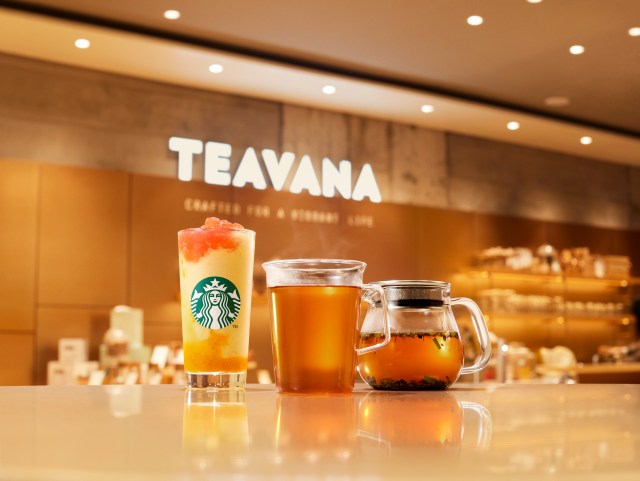
In Japan, Starbucks is much more than a coffeehouse chain, with 15 “Starbucks Tea & Cafe” stores in select locations around the country. These standalone branches focus on the chain’s range of teas, with exclusive menu items you won’t find anywhere else, such as Tea Lattes and Tea Frappuccinos.
▼ The stores have a different feel too, with peachy biege hues that resemble the mud walls of a traditional chashitsu (tea room).
With Starbucks unveiling its new autumn Frappuccino yesterday, which will be available at the chain’s regular branches from 4 September, it’s time for the Starbucks Tea & Cafe branches to unveil their exclusive new seasonal offerings, and this time there’ll be two very Japanese beverages on the menu.
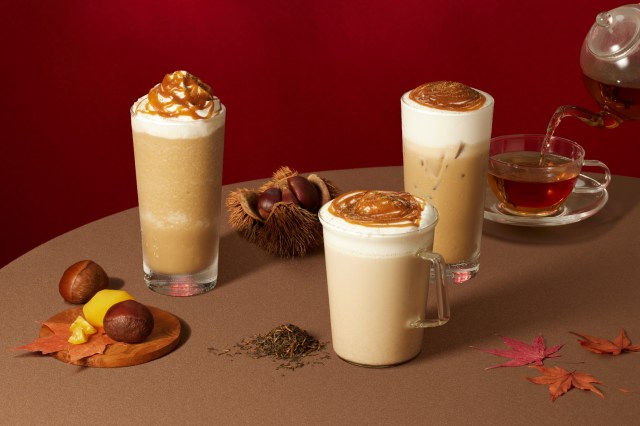
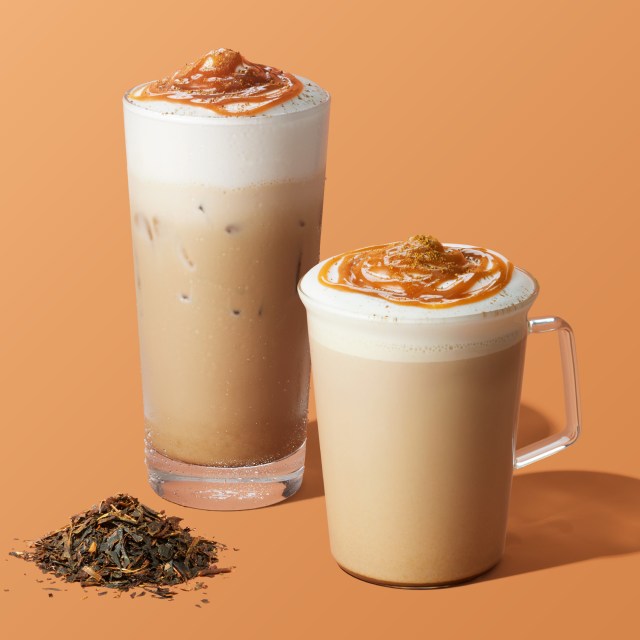
▼ First up, we have the Japanese Chestnut and Japanese Black Tea Mousse Tea Latte (678 yen [US$4.68] for takeout, 690 yen for dine-in).
Available iced or hot (pictured left and right respectively in the above photo), the star ingredient in this Tea Latte is “waguri” or Japanesechestnut, which has a sweeter and nuttier flavour than its overseas counterparts. With chestnuts being the main ingredient in Mont Blanc, an incredibly popular autumn dessert in Japan that consists of a sponge cake topped with piped swirls of chestnut cream, these new drinks are said to taste just like the dessert, with a soft chestnut-flavoured mousse and swirls of chestnut-flavoured paste on top.
The body of the drink contains Japanese black teasourced from Kagoshima Prefecture, which is said to display a “gentle aroma and delicate taste” due to the unique local climate. Specially roasted to maximise flavour, this tea is said to pair incredibly well with milk and Japanese chestnuts, creating a sublime taste that will make you feel as if you’re enjoying aMont Blanc with a side of milk tea.
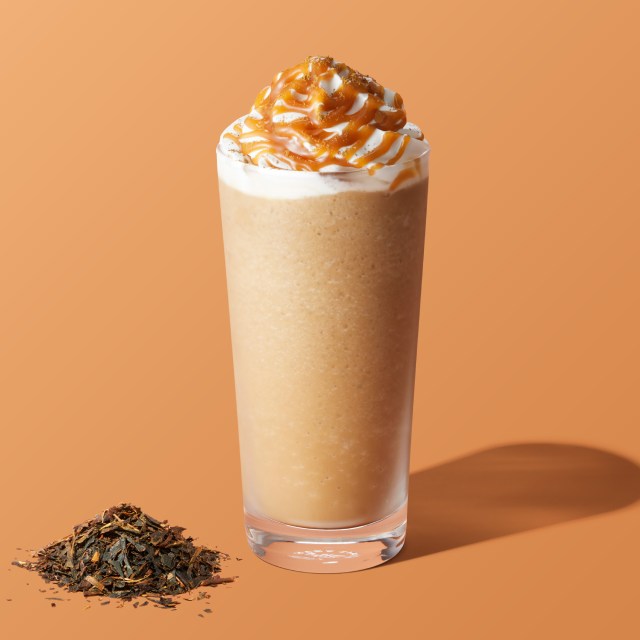
▼ The Mont Blanc inspiration is also present in the Japanese Chestnuts and Japanese Black Tea Frappuccino (776 yen for takeout, 790 yen for dine-in).
The Frappuccino contains the same main ingredients as the latte, but with more ice in the blend for extra refreshment and whipped cream up top in place of the chestnut mousse. Like the latte, it too contains a sprinkling of Japanese black tea powder on top for added aroma and flavour, giving you the freedom to enjoy it full-strength or diluted as you mix it into the drink.
▼ Starbucks says the new drinks are a great way to “enjoy the charm of autumn in Japan”.
Like all good things, these new beverages will only be available for a limited time, gracing the menu at Starbucks Tea & Cafe branches in Japan from 4 September to 31 October. It’s a tasty incentive to seek out one of these special branches, which are just as rare as the drinks you’ll find in them.
For many fans, the appeal of blind-buy gacha toys is a paradox. On one hand the random nature adds a bit of excitement, as you won’t know what you’ll get until you open up the capsule or box, so too few possible outcomes spoils some of the fun. On the other hand, though, the more possible prizes there are, the lower your chances of getting one you really, really want, right?
But every now and again a gacha toy series comes along that elegantly solves this problem by giving us a nice variety of prizes, and also making them all things we’d be very happy with, and that’s what’s going on with these My Neighbor Totoro figures.
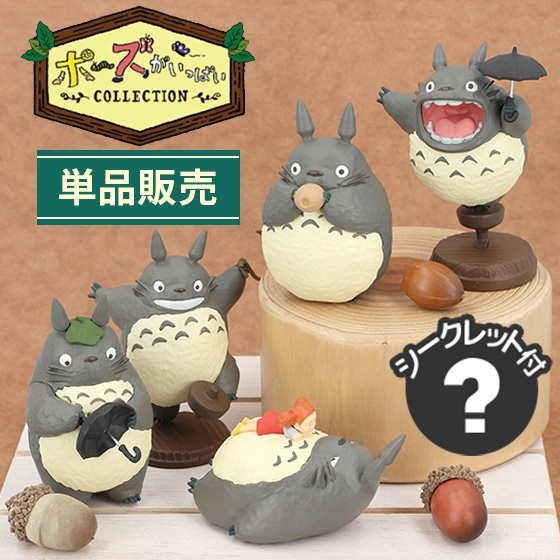
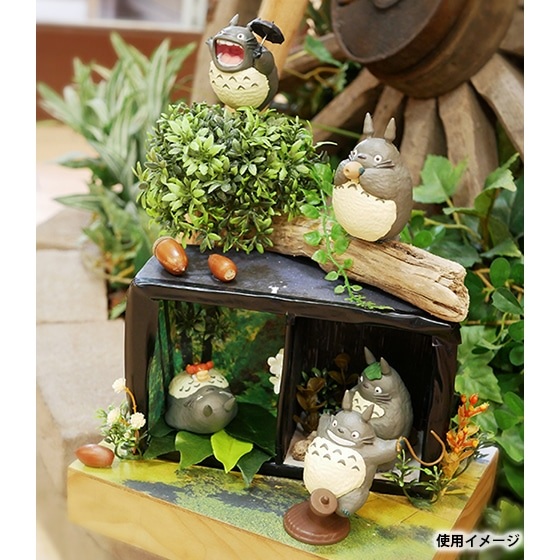
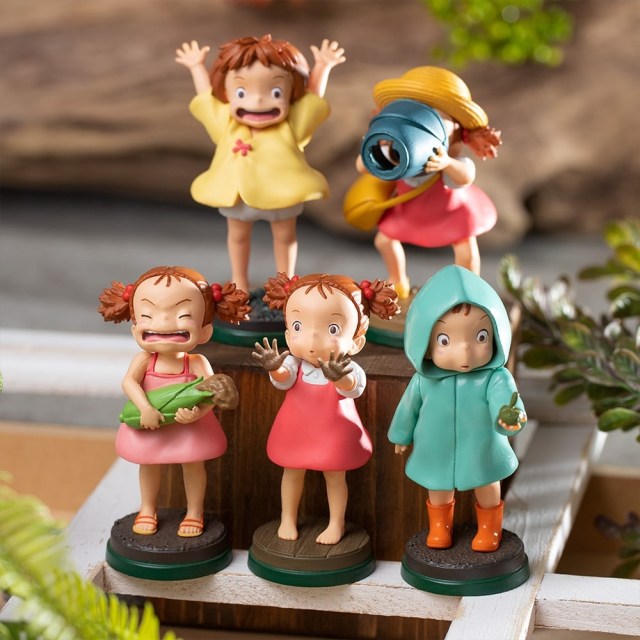
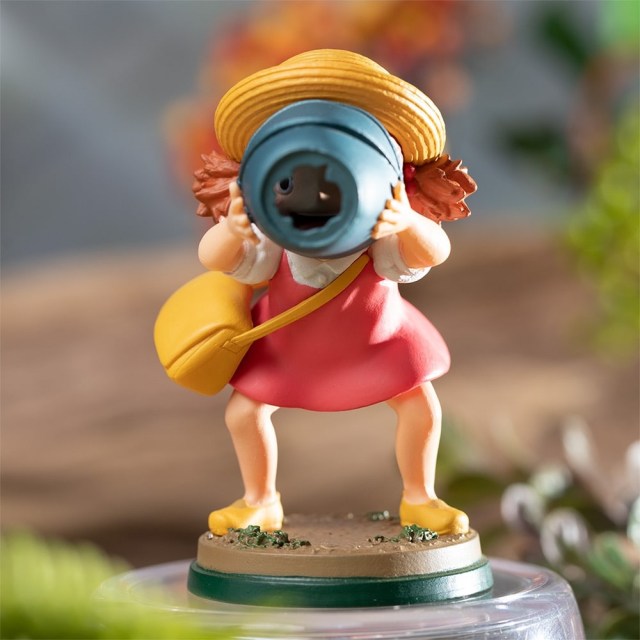
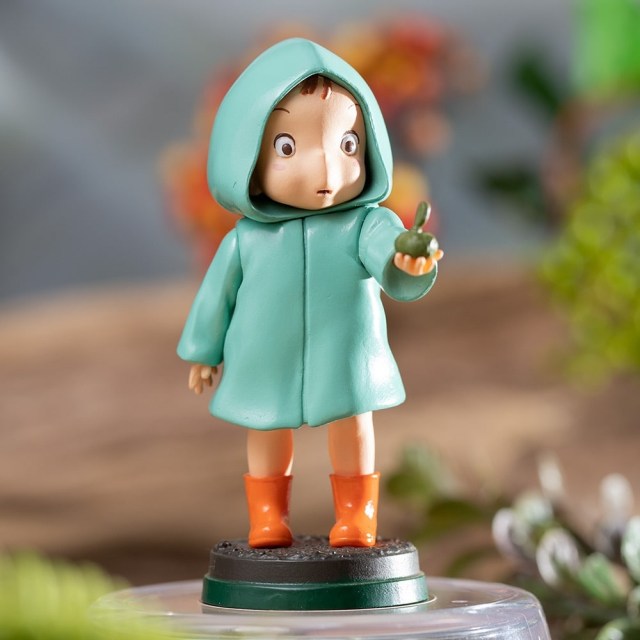
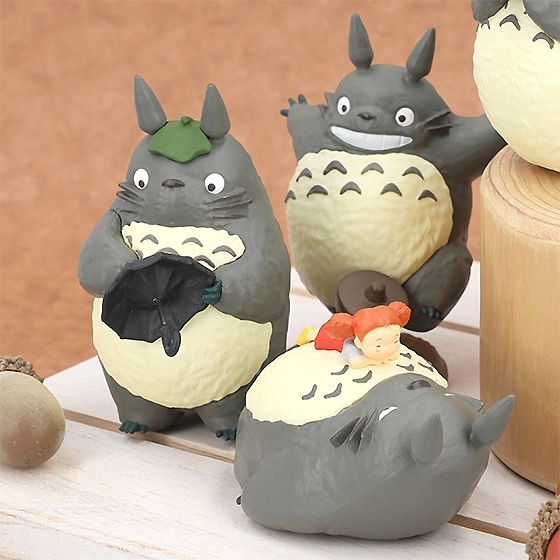
Studio Ghibli specialty shop Donguri Kyowakoku has just issued a rerelease of their “Full of Poses” figure lines of cuddly forest spirit Totoro and his adventurous pal Mei. Of the five designs shown for each of them, there’s not a bad one in the bunch, so the surprise isn’t if you’ll be happy with the results of your blind-buy, just how.
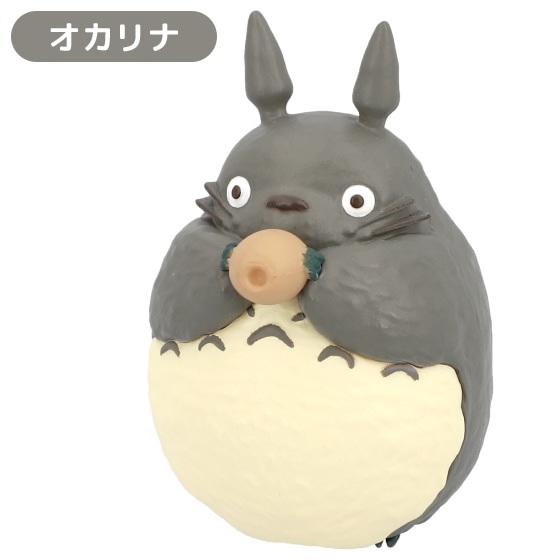
For the Totoro lineup, you might end up with Totoro playing his ocarina…
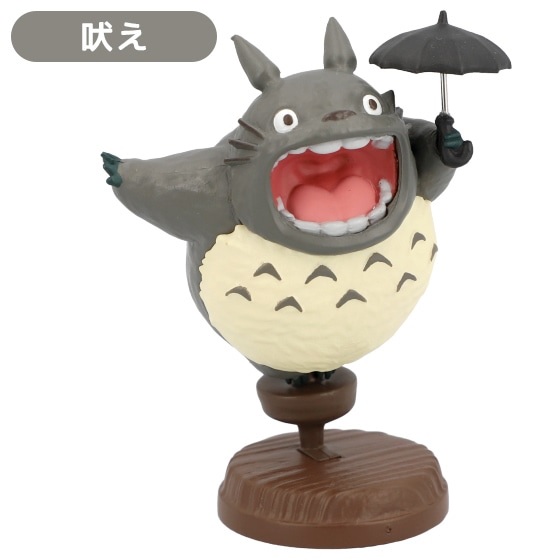
…roaring as he flies though the sky…
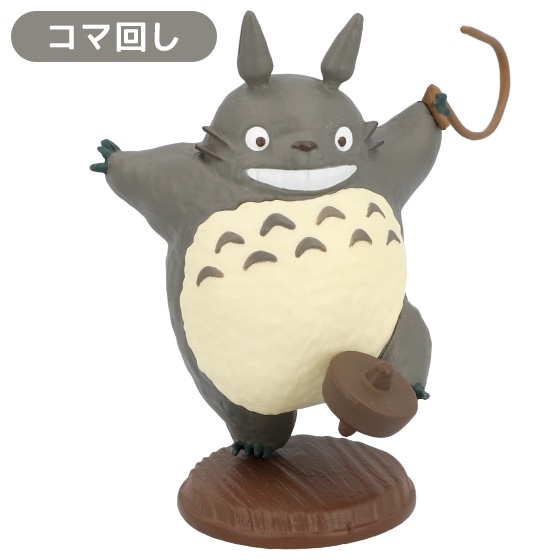
…spinning his top pre-flight…
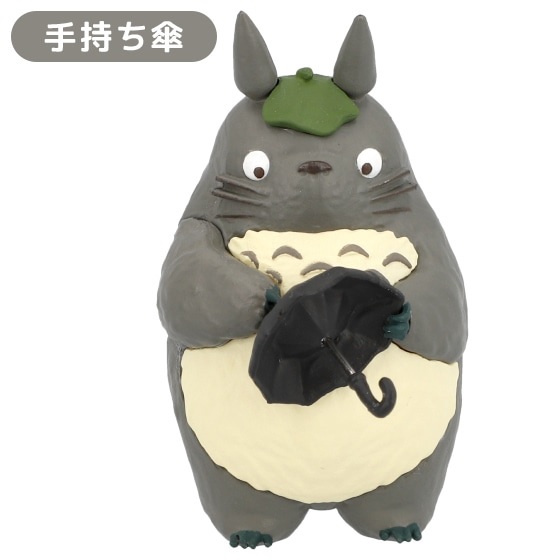
…fiddling with his umbrella…
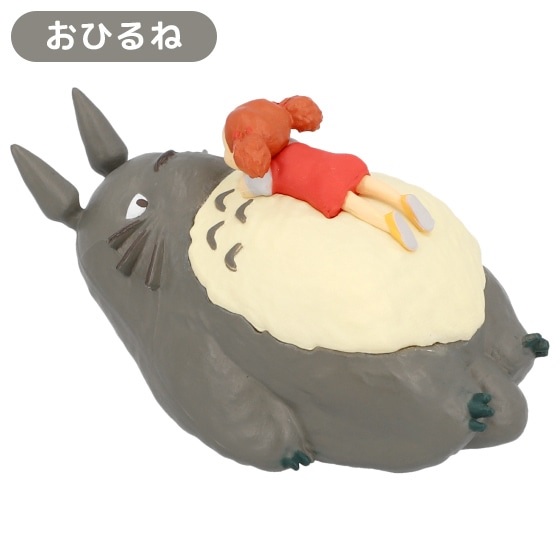
…or taking (or at least trying to take) a nap as he meets Mei for the first time.
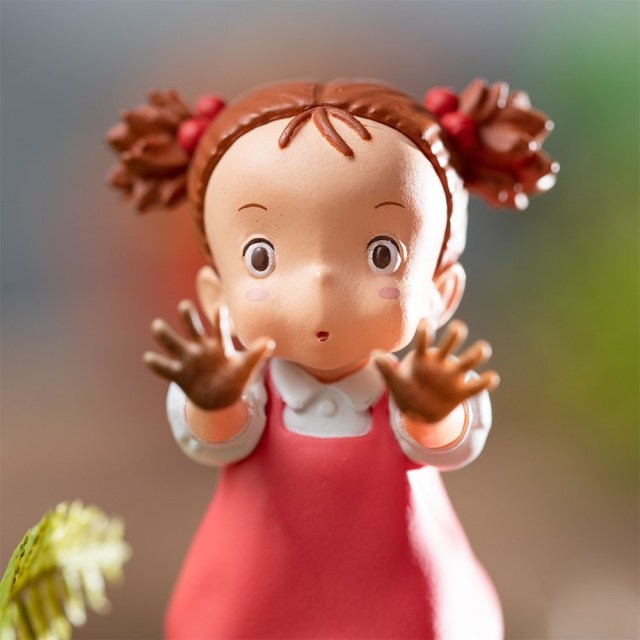
Moving over to Mei’s set, each figure is a callback to a memorable moment from the Hayao Miyazaki-directed anime classic, such as Mei’s bewilderment at the soot sprite she thought she’d caught between her clasped hands having magically disappeared.
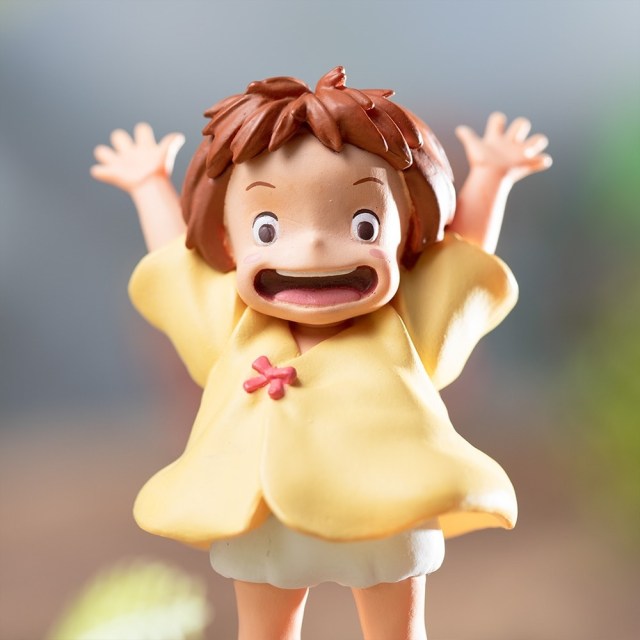
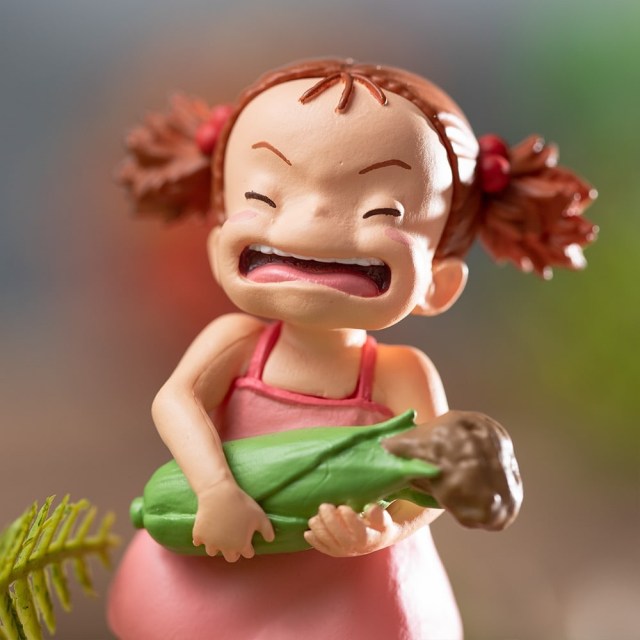
▼ Excitable kid that she is, when Mei feels something, she feels it strongly.
In addition to the figures seen in the photos, there’s also a sixth, “secret” figure for both Totoro and Mei.
The figures are available through the Donguri Kyowakoku online store (Totoro here, Mei here) and are priced at 1,320 yen (US$8.90), which is decidedly on the higher end for blind-buy figures. They appear, though, to be of really nice quality, and at approximately 7 to 8 centimeters (2.8 to 3.1 inches) in height, they’re a little bigger than the typical capsule toy too.
Oh, and getting back to that comment at the start of this article about how “many” fans appreciate the random excitement of gacha goods, yes, we realize that to some people that’s actually a negative aspect, especially if you’re looking to put together a complete set and don’t want to waste money on duplicates. For you, Donguri Kyowakoku is also offering these figures as complete box purchases (Totoro here, Mei here), with all six designs, including the secret one, for 7,920 yen.
This table defies a lot of things, but gravity isn’t one of them.
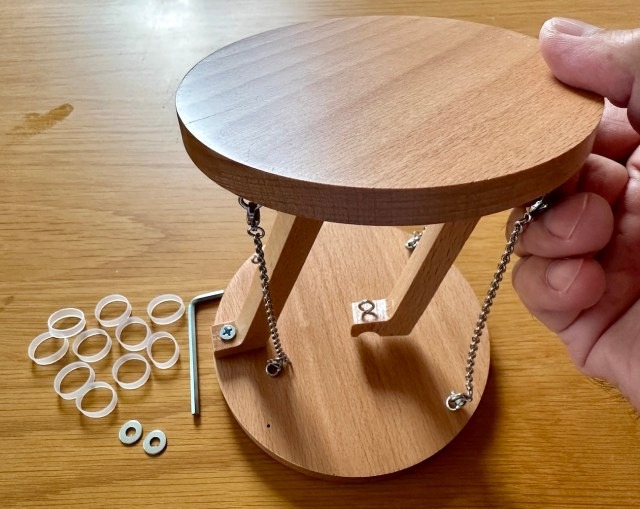
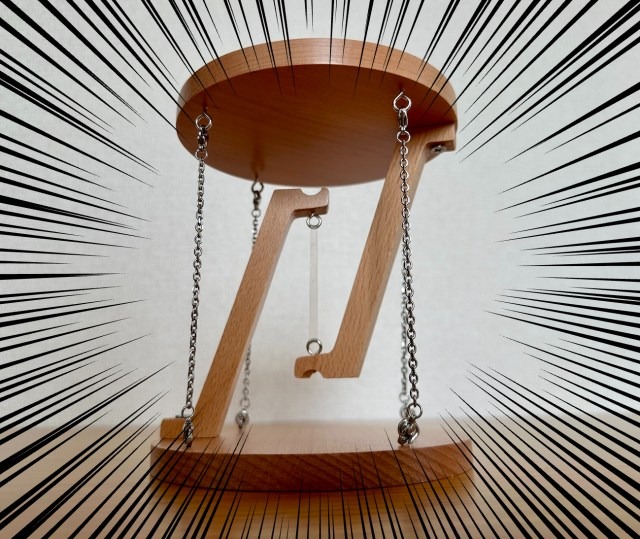
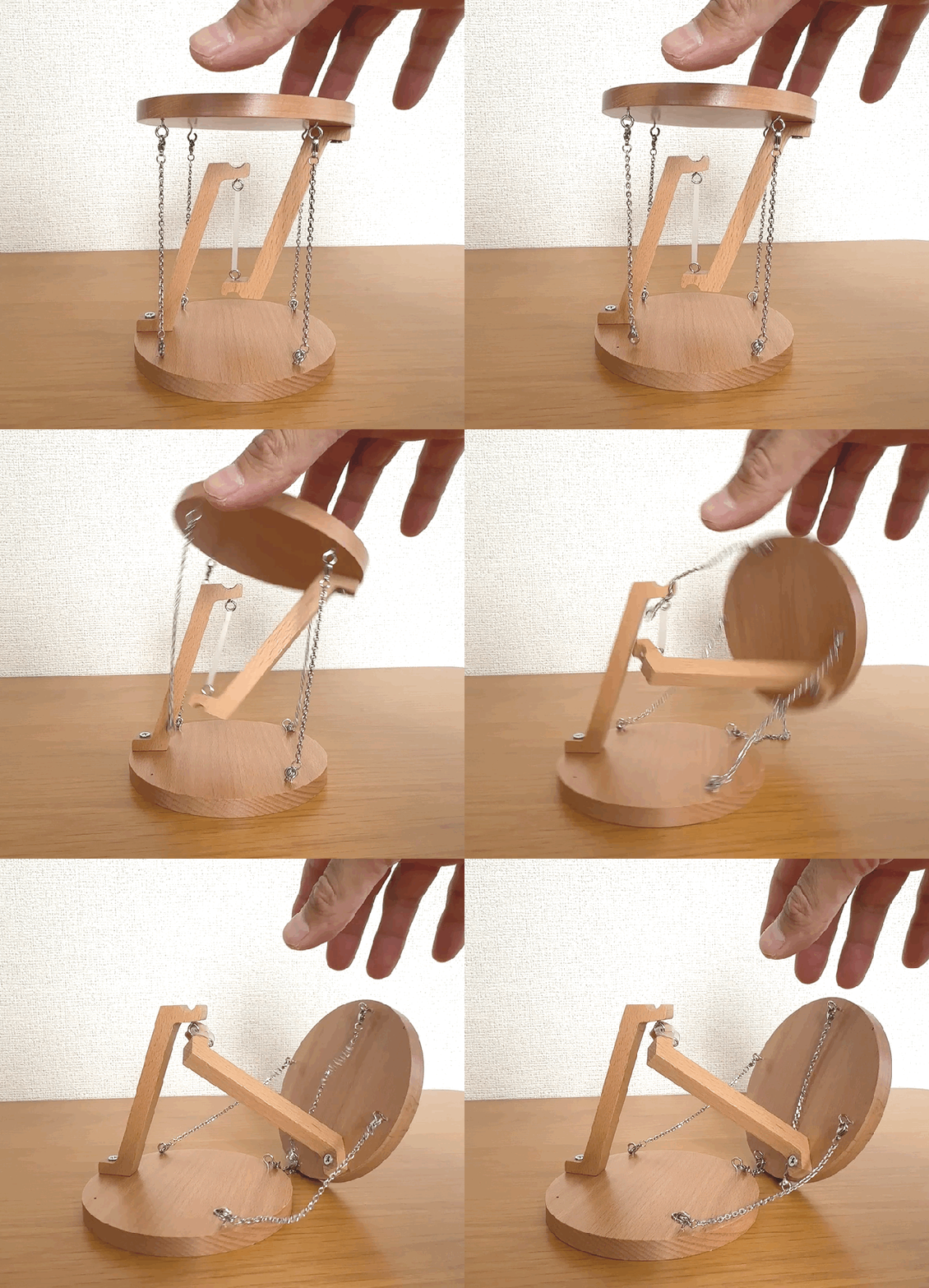
If you’ve been scrolling through social media in the past several months, you probably would have come across a picture of a tensegrity table. These are the types of tables whose weight pulls down on a central chain while simultaneously pulling upward on the chains on the edges. The two forces balance each other out but since the chains are all oriented in the same direction, it gives the illusion that the table is floating.
If you haven’t seen one of these things we’ll give you a look shortly… we hope. The fact is, we entrusted this job to Masanuki Sunakoma and as he always does, he decided to purchase the tensegrity table with the lowest rating on Amazon Japan, so the chances of it working properly are not good.
This product is called the Tensegrity Anti-Gravity Device Balance Physics Toy Ornament. Only some of these words accurately describe what it is, but we can’t blame them for putting a little razzle-dazzle to back up the 2,980 yen (US$20) price tag. However, it has received an average rating of only 1.3 stars with comments such as “defective,” “faulty,” and “the worst product ever.”
That seems a little harsh for what’s ostensibly just a table with a rather gimmicky support system. Could they really have screwed something so simple up that bad?
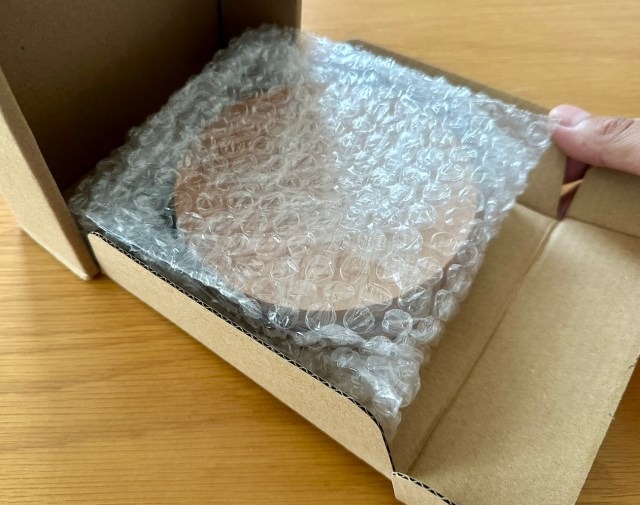
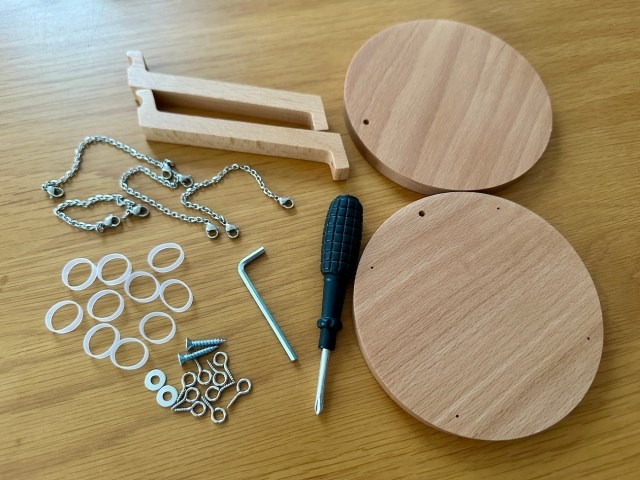
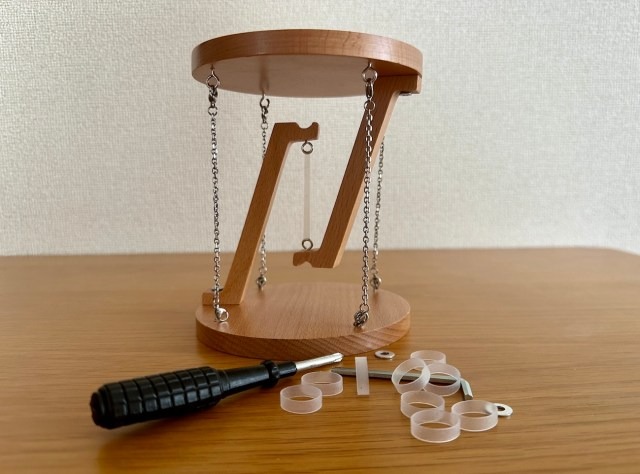
Well, for starters, what you see above is everything that was included in Masanuki’s delivery. Notice that there are no instructions which means he would have to refer to the picture on the Amazon page to put it together.
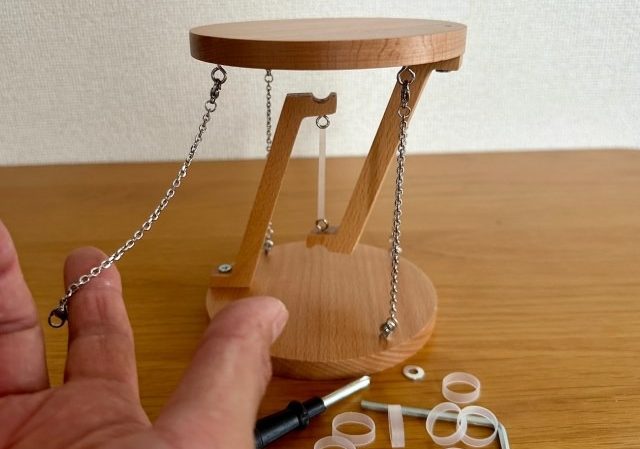
Among the parts, a mini screwdriver and Allen key were included. The screwdriver was handy and the Allen key was certainly thoughtful since it wasn’t compatible with any of the table’s parts. It seems that it was just a freebie.
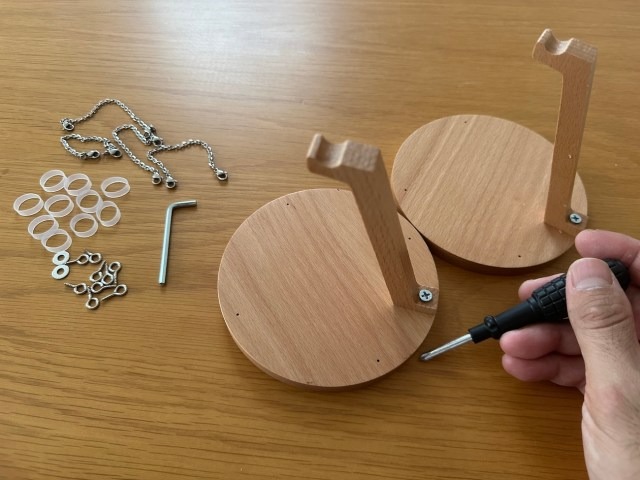
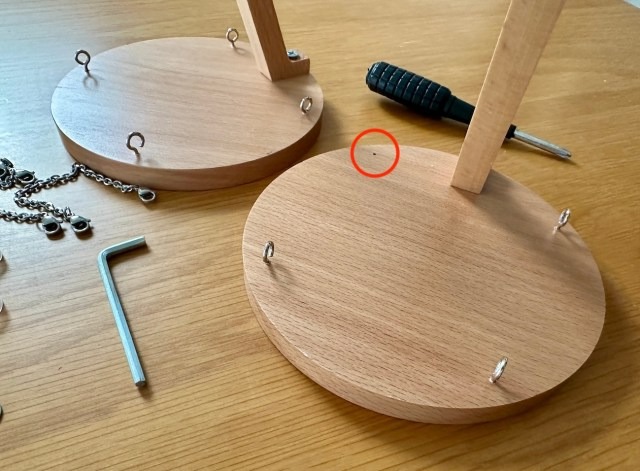
As he started attaching the parts to each plate, he noticed that there was some more randomness to what was included. He was short one eye bolt.
And it seems that to make up for the missing eye bolt, he was given nine extra rubber bands for the central support. Extras are nice, but nine was kind of overkill. If only there were instructions to explain what was going on.
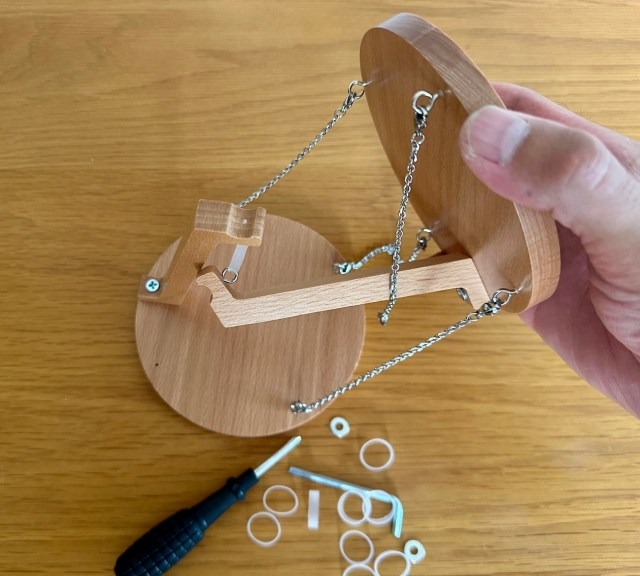
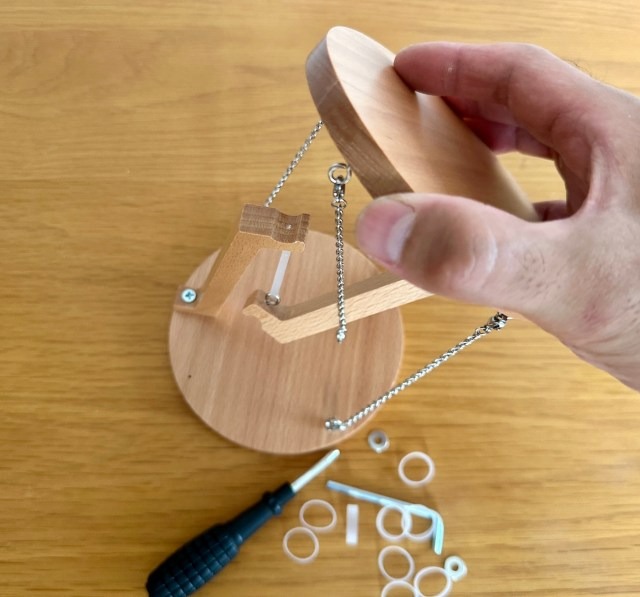
Because of the missing eye bolt, Masanuki could only attach three of the four outer chain supports. It seemed like this would throw off the balance but he had no choice.
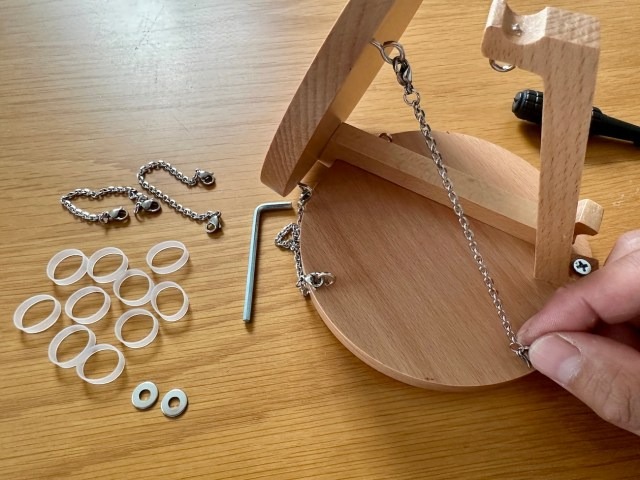
He attached the rubber band to the central support…
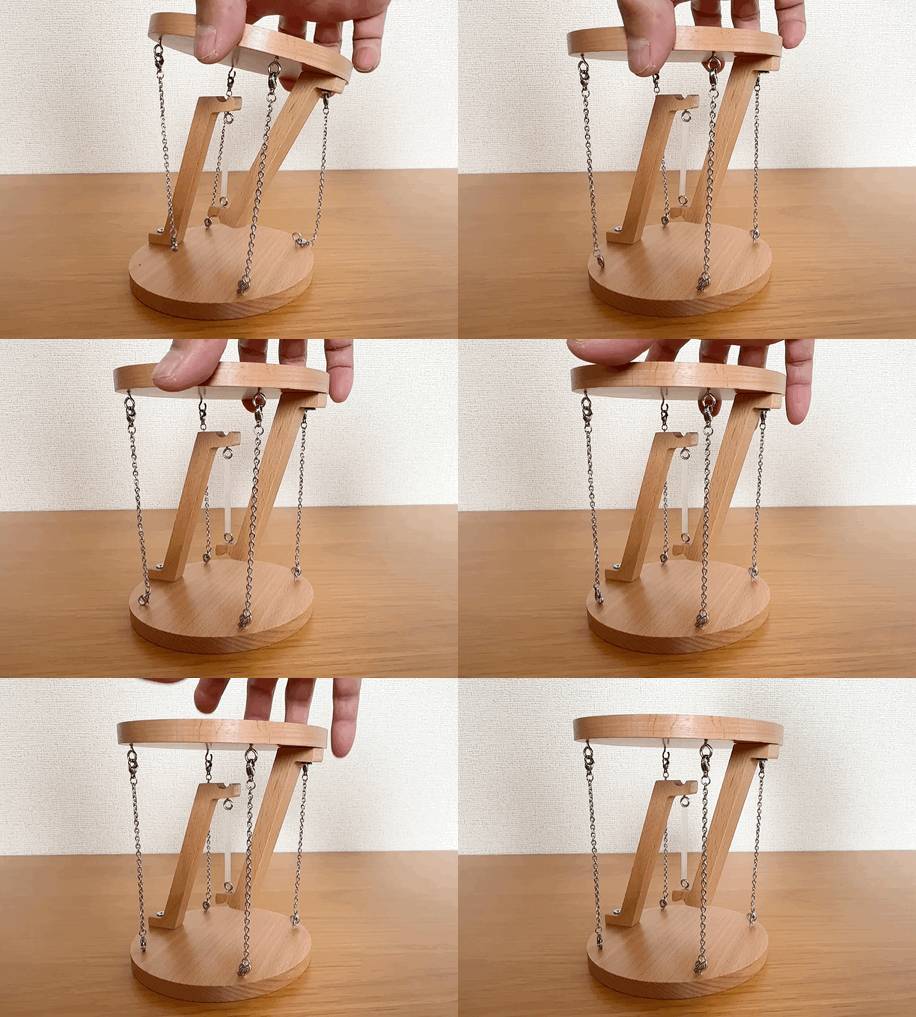
Then lifted the top plate directly above the bottom…
▼ Masanuki:“Ooooh…”
It was a success! Despite the missing part, our writer’s tensegrity table stood upright and appeared to magically float in the air.
You could even say the one loose chain only added to the illusion.
Masanuki began to wonder if the lack of instructions and seemingly random assortment of parts and tools was all by design. Because of it he couldn’t help but feel an extra sense of pride in what he built and marveled at how it appeared to defy the odds in more ways than one.
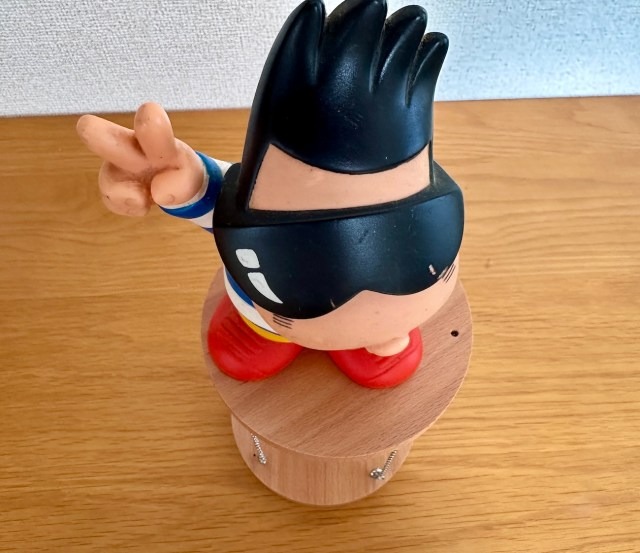
Of course, a tensegrity table isn’t a table if you can’t put stuff on it. Luckily, this was indeed capable of holding small items.
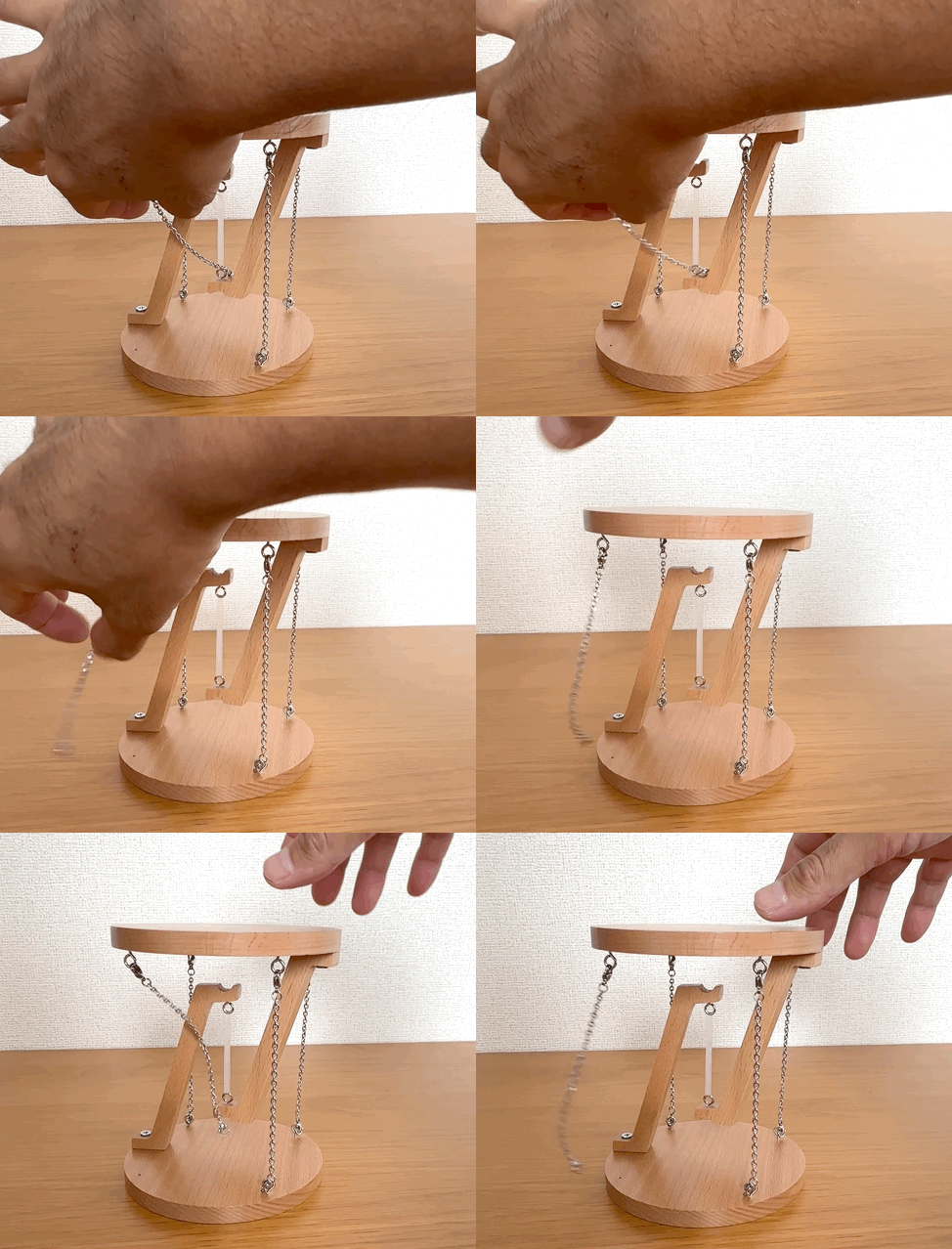
The one small catch is that they have to be very carefully placed to one side or the whole thing will violently collapse into itself.
Despite the fun and satisfaction Masanuki got out of this product, he can’t recommend it in good conscience. People tend to want reliability in their tables and the lack of structural integrity in this one merely makes it tense.
Because even traditional Japanese folktale characters crave fast food by the light of the moon.
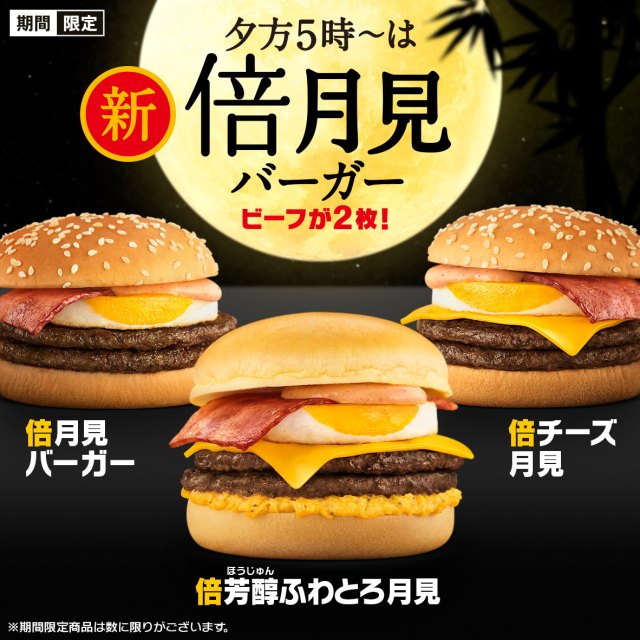
When tsukimi moon-viewing season arrives in September, fast food chains around Japan take the opportunity to celebrate with special limited-edition menu items that honour the moon. Nobody does it quite like McDonald’s though, with the chain consistently giving us a full range of treats and a commercial that tugs at the heartstrings, and that’s what they’re serving up this year too.
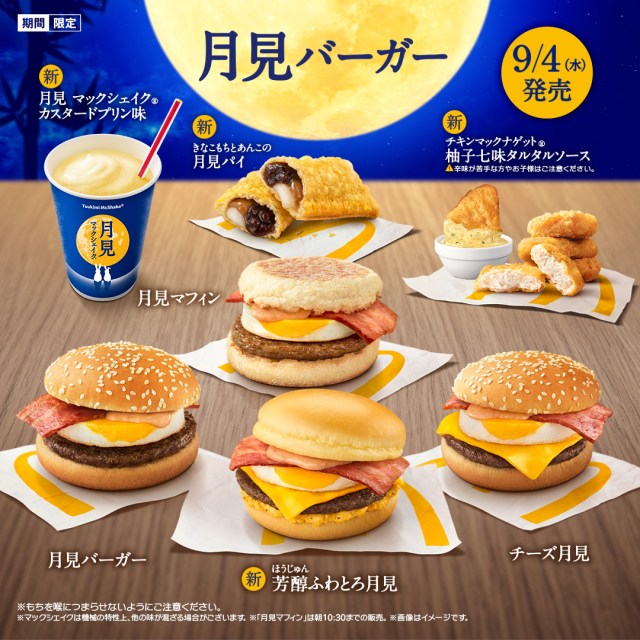
▼ There are seven items in this year’s collection.
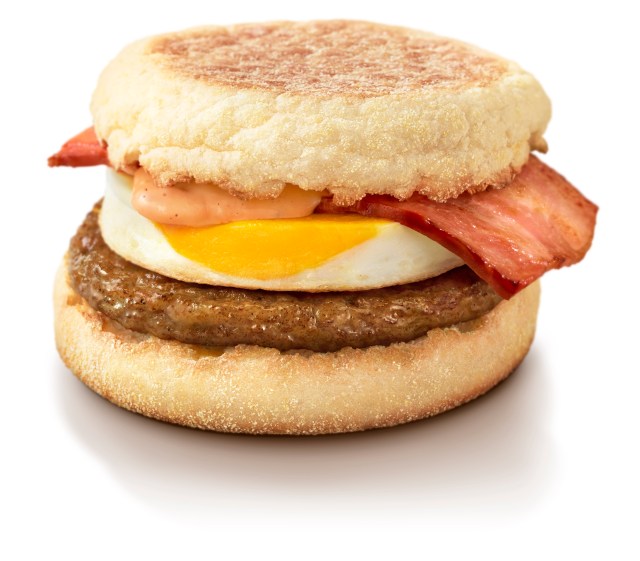
First up, there’s the Tsukimi Muffin (400 yen [US$2.76]), which sandwiches the moon –“tsukimi” is commonly referred to dishes containing egg as the round yolk resembles the moon — inside an English muffin and pairs it with a sausage patty, smoked bacon, and a rich, creamy tomato sauce.
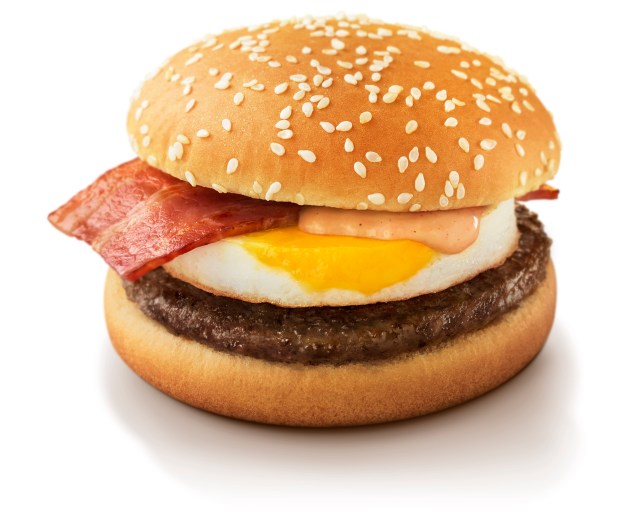
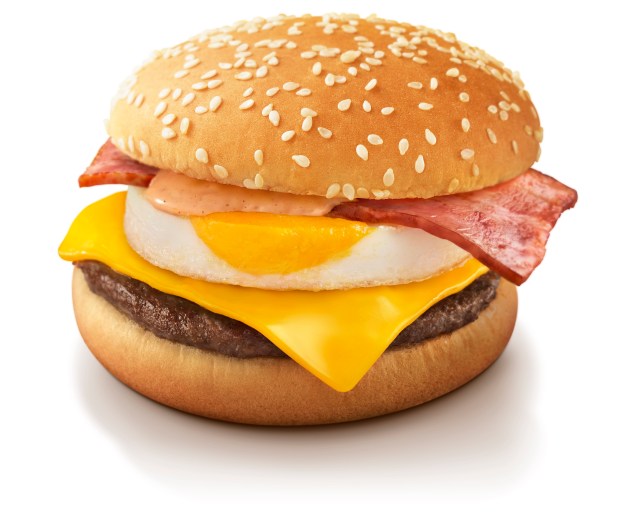
Then we have the TsukimiBurger (440 yen) and the Cheese Tsukimi Burger (470 yen), which contain the same base ingredients as the muffin, only with a sesame seed-topped bun and a beef patty instead.
While the three eggy items above have become regulars on the tsukimi menu every year, the remaining four items are brand new for this year.
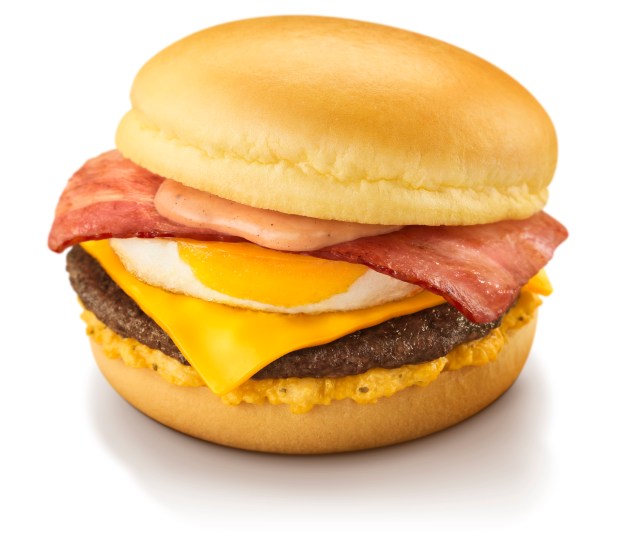
▼ Houjun Fuwatoru Tsukimi Burger (520 yen)
This poetic-sounding burger exudes an air of esteem with its name, which translates as “Mellow Fluffy Moon-Viewing Burger“. The component that elevates this burger and makes it stand out from the rest is the buttery, fluffy scrambled eggs beneath the beef patty, which are made with a generous amount of butter and well seasoned with pepper and garlic for extra flavour.
▼ If you’re hungry for meat, you can pay 100 yen more for an extra patty on any of the burgers after 5 p.m.
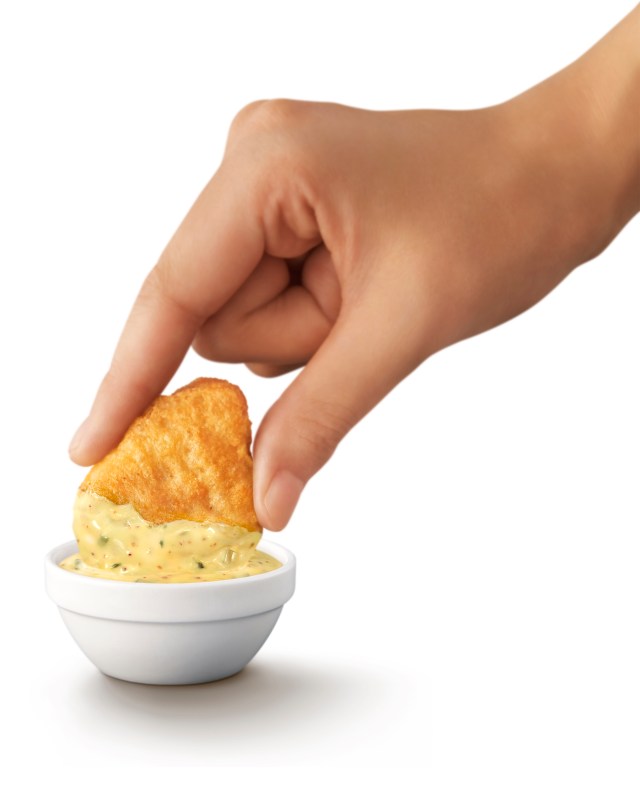
On the side menu, we have a new Yuzu Shichimi Tartar dipping sauce (40 yen) for the McNuggets, with the Japanese citrus fruit and seven-spice seasoning delivering a good dose of heat.
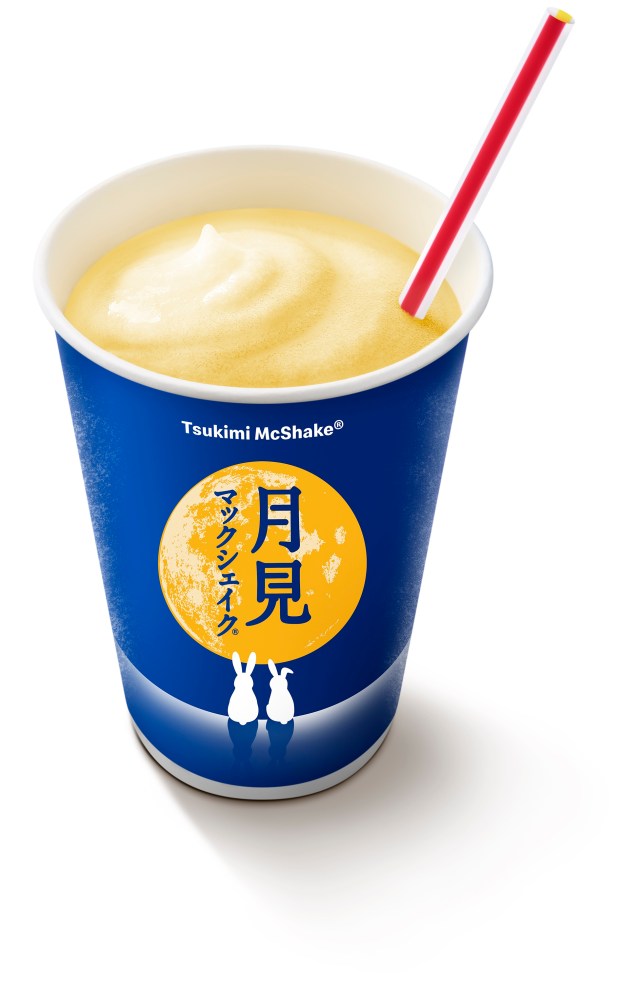
The Custard Pudding Flavour Tsukimi McShake (190 yen for a small) also incorporates golden hues to represent the moon, with custard and caramel adding sweetness to the mix.
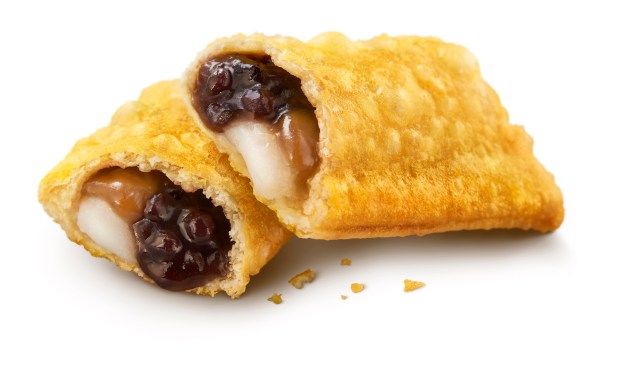
And finally, we have the Kinako Mochi and Anko Tsukimi Pie (190 yen), which contains a tasty trifecta of roasted soybean powder, sticky rice cake, and red bean paste. In Japan, the markings on the moon are said to look like a rabbit pounding mochi, and McDonald’s says this pie will have you thinking about that rabbit on the moon.
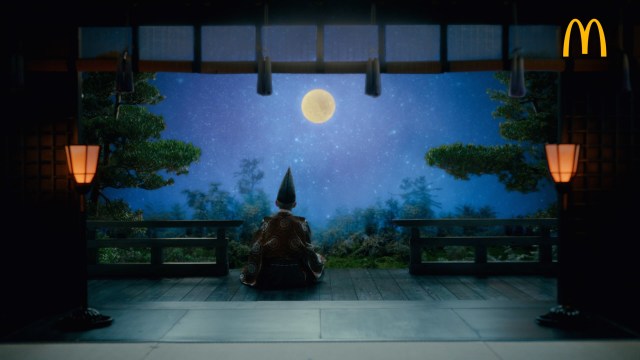
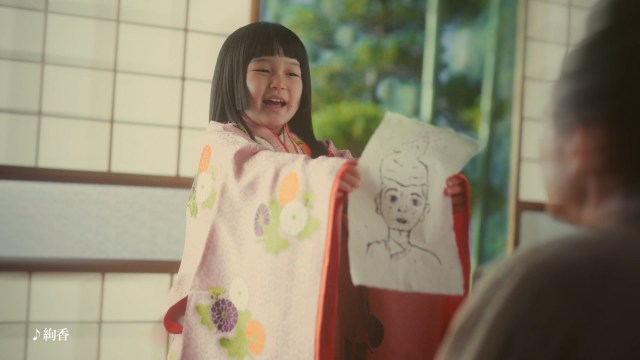
Now that we’ve run through the moon-viewing menu, it’s time to take a look at the new commercial that accompanies it. As in previous years, the ad zooms in on the father-daughter relationship, which is timely as many young people will have just visited their parents during the August obon holiday period. A lot of those children will now have returned to the big city, where they work and live away from their family, so this is an ad that will tug hard at the heartstrings.
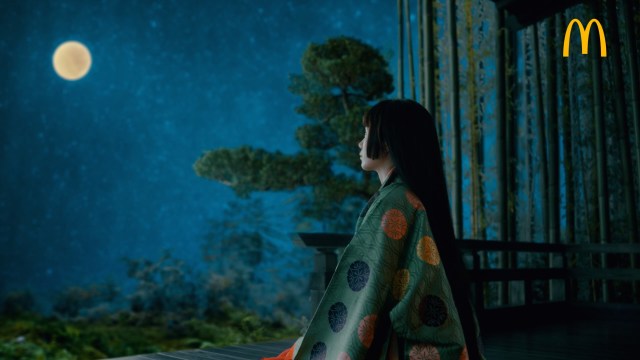
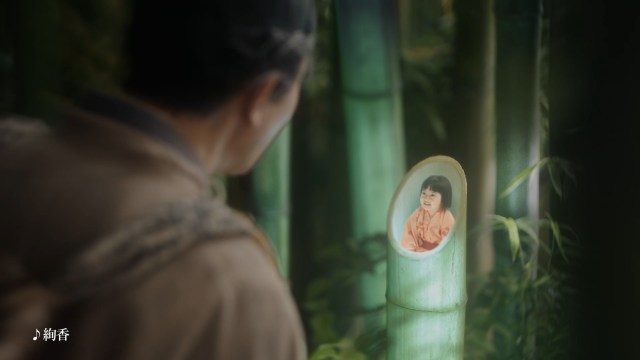
This time, the father-daughter relationship is portrayed with the help of Kaguya-hime (literally “Princess Kaguya“), a traditional Japanese folk tale. According to this tale, a man who worked as a bamboo cutter found a baby girl inside a shining bamboo stalk, and he took her home to his wife, where they raised the child together.
She grew up to become a beautiful young lady with many suitors, one of whom was the emperor. However, she refused them all because she harboured a secret, which she eventually revealed to her father — she came from the moon and would be taken back there by messengers on the night of the next full moon.
▼ Now that you know the background story, let’s take a look at the commercial, which is titled “The Return of Kaguya-hime“.
It’s a beautiful re-interpretation of the story, with Kaguya-hime returning from the moon to eat tsukimi burgers with her family. And that’s not all, because there are two shorter ads as well, with one showing them enjoying the pie…
…and the other promoting McDonald’s delivery, with the messengers from the moon acting as impromptu guests, catered for with a McDonald’s delivery.
The ad above closes with Kaguya-hime saying, “When we return to the moon, we won’t be able to do moon-viewing”, to which the messengers agree. It’s a great reminder for us to stop and admire the beauty around us…and eat all the tsukimi items while they’re on the menu, from 4 September to mid-October.
Source, images: Press release ● Want to hear about SoraNews24’s latest articles as soon as they’re published? Follow us on Facebook and Twitter!