Nintendo launches new Nintendo Music service with decades’ worth of iconic game tunes【Video】
And it’s available right now.

Nintendo may be the world’s most famous video game publisher, but it also boasts a massive list of audio achievements. So with decades of unforgettable pieces of music that played as fans spent hours diving into genre-defining classics across multiple hardware generations, Nintendo has decided to launch its own music service.
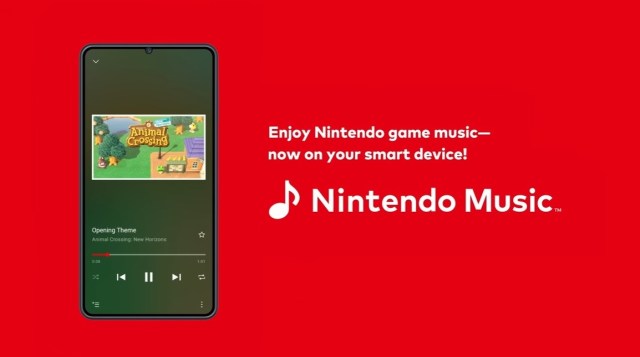
It’s called Nintendo Music, because when you’ve created something with such obvious and instant appeal, you’re not going to beat around the bush by being coy with its name. The app lets you stream Nintendo game music or download it to your device to listen to offline, featuring pieces from such beloved franchises as Super Mario, The Legend of Zelda, Donkey Kong Country, Animal Crossing, Metroid, Fire Emblem, and many more, stretching from the 8-bit days of the NES/Famicom all the way up to the current Switch era.

▼ And yes, there’s Pokémon music too, even though Nintendo isn’t the series’ developer.
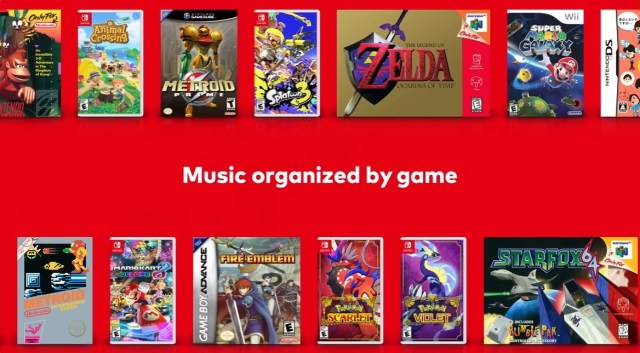
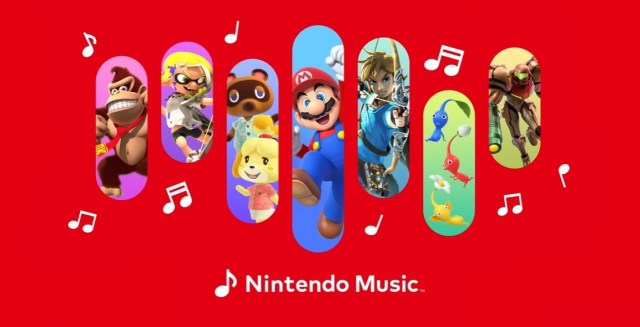
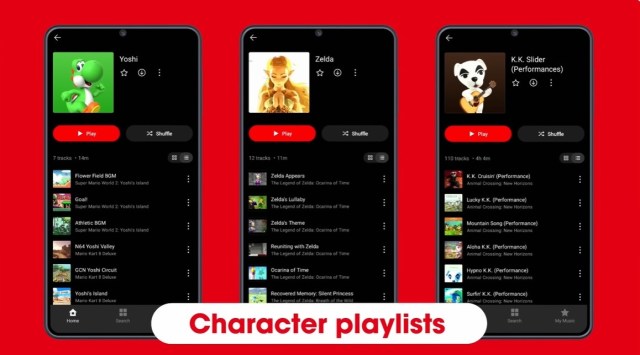
In addition to letting you search for music by game, Nintendo Music has some other interesting groupings to choose from, including character-based playlists…
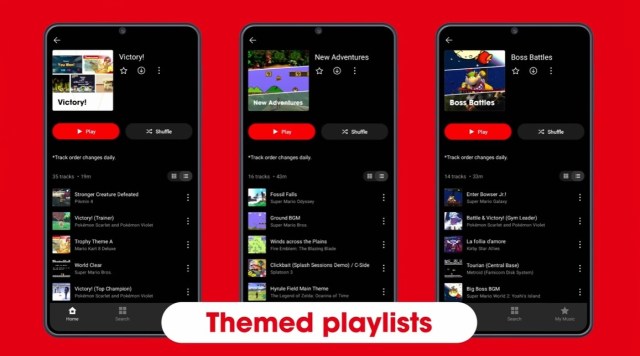
…and by gameplay-related themes, such as boss battle BGM, victory-triggered flourishes, and “New Adventures,” which looks to be a collection of music that plays in opening stages or when you first reach the world map in RPGs.
As another just-for-gamers touch, Nintendo Music also allows you to remove music from specific games from the pre-made playlists, with a feature it calls “spoiler prevention,” in case you haven’t played the game yet and don’t want track titles or audio clues to give away developments you’d prefer to experience as a player first.

Nintendo Music requires a paid subscription to Nintendo Switch Online, Nintendo’s online gaming service. There’s no additional fee over the base Nintendo Switch Online fee, however, and you actually don’t need a Switch itself to sign up for the service, and Nintendo Music itself runs through your smartphone via an Android or iOS app.

With Nintendo having recently unveiled its Alarmo alarm clock, which also makes use of music from the company’s games, the decision to expand those audio foundations into a full-fledged music service isn’t a shock, but what is a very pleasant surprise is that Nintendo Music is already up and running, right now.

Source: Nintendo
Images: YouTube/Nintendo of America
● Want to hear about SoraNews24’s latest articles as soon as they’re published? Follow us on Facebook and Twitter!


Credit:

Starbucks Japan unveils new Holiday goods for 2024

Huge collection gives us a lot of ways to raise a glass to the holiday season. 

Halloween is barely here but at Starbucks they’re already looking ahead to the holidays, with the grand reveal of the chain’s new holiday goods collection.

The range covers everything from cups to tumblers, with some cute Bearista items in the mix, so let’s take a look at all the items below, starting with the “rhythmical patterns” goods.

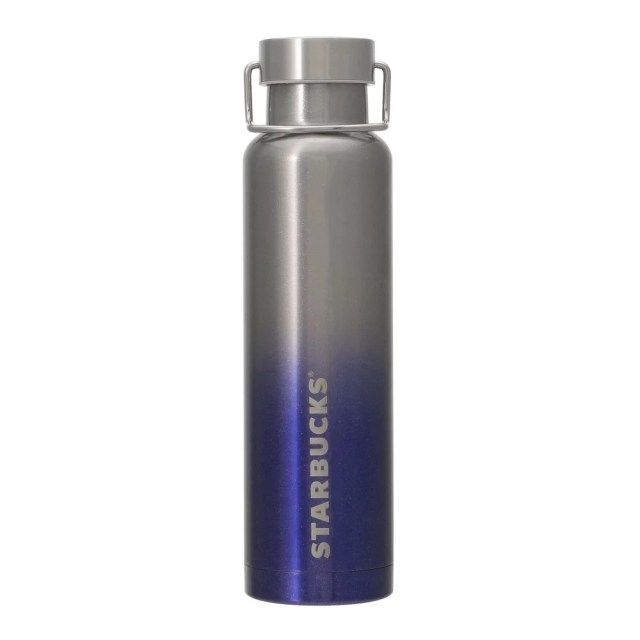
Handle Lid Stainless Steel Bottle Gradient — 680 millilitres (5,800 yen)

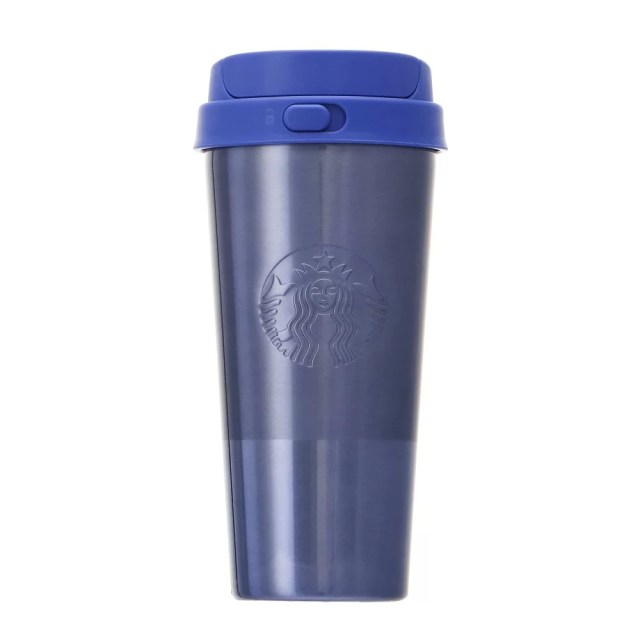
Stainless To Go Bottle Blue — 473 millilitres (4,900 yen)

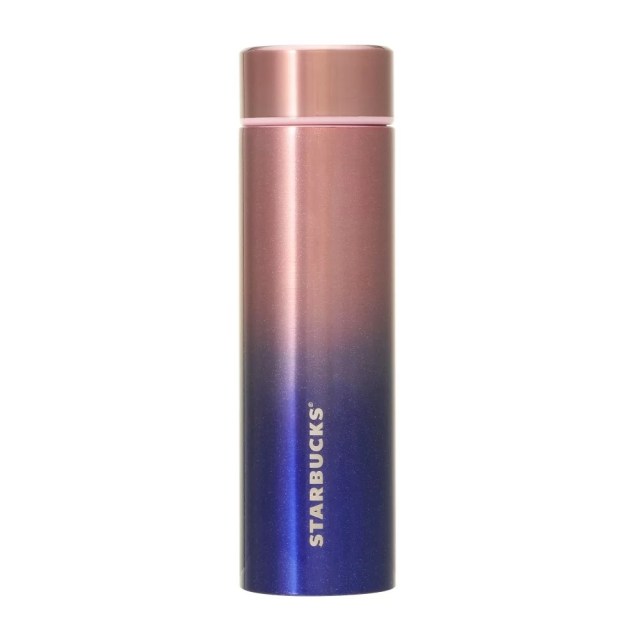
Stainless Steel Bottle Gradation — 444 millilitres (4,600 yen)

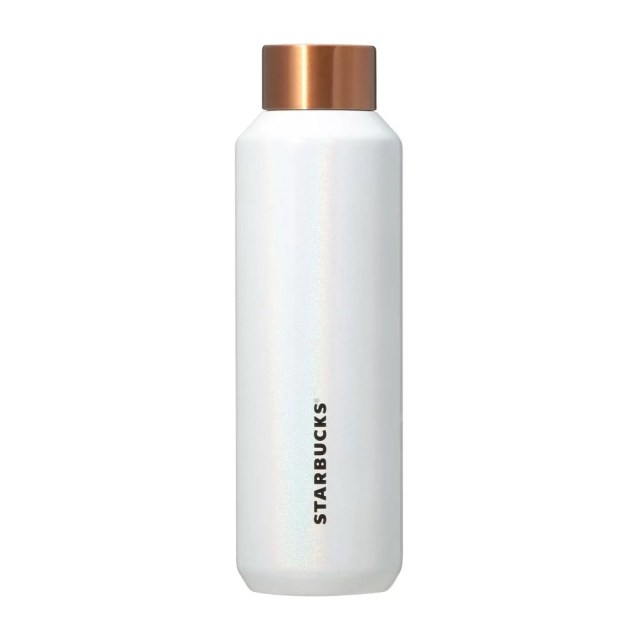
Stainless Steel Bottle Pearl White — 591 millilitres (5,350 yen)

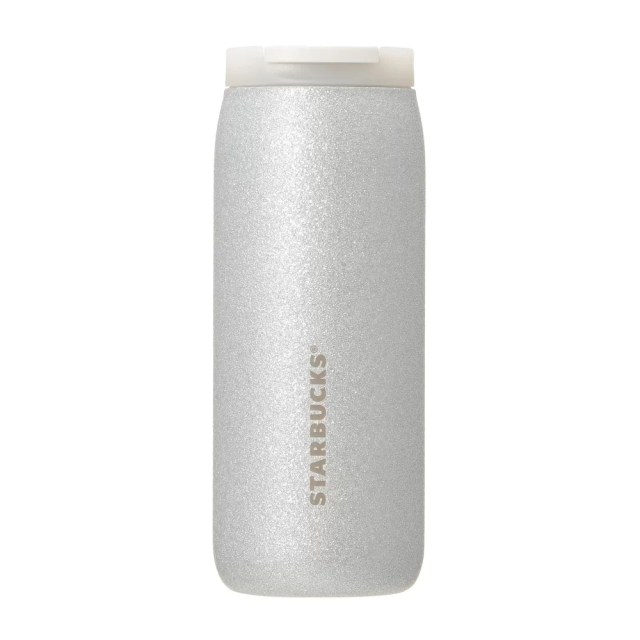
Can Shape Stainless Steel Bottle Silver Glitter — 355 millilitres (4,400 yen)

Logo Cold Cup Tumbler Gradation — 710 millilitres (3,150 yen)

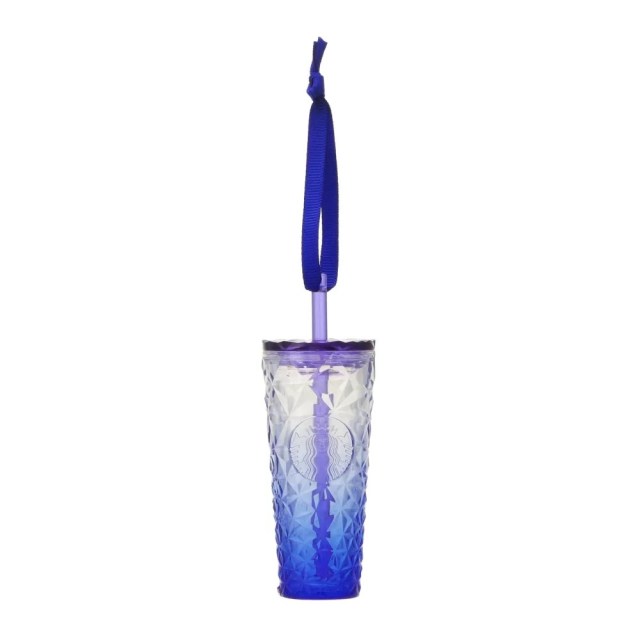
Ornament Tumbler Gradient (1,500 yen)

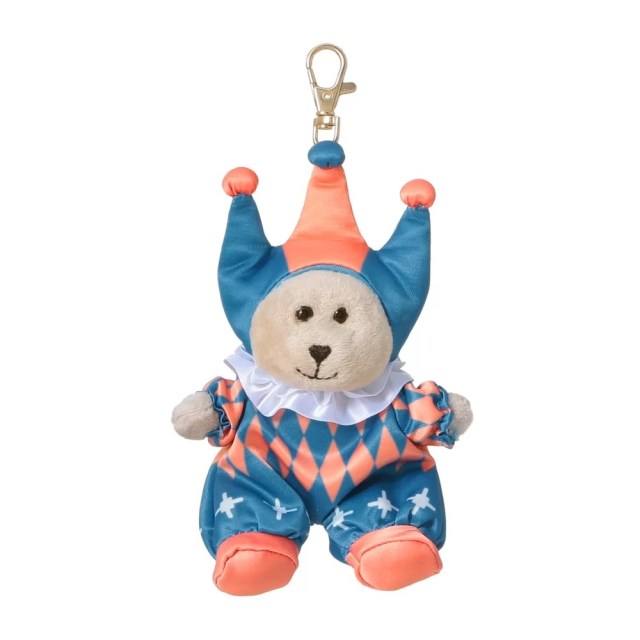
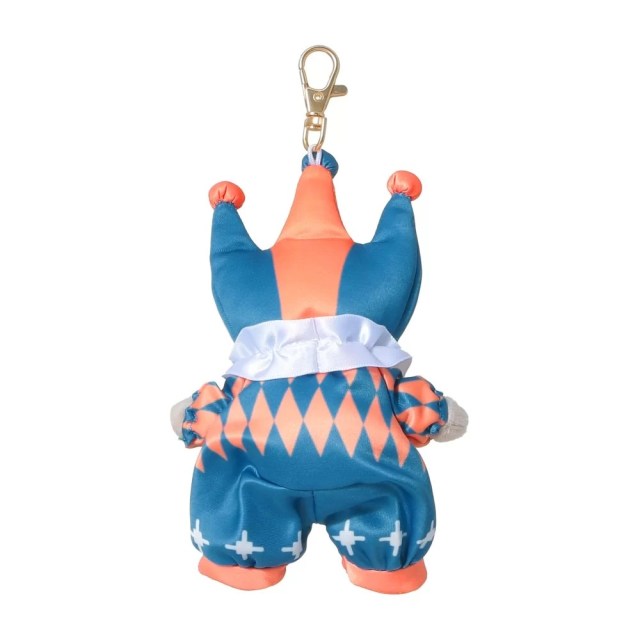
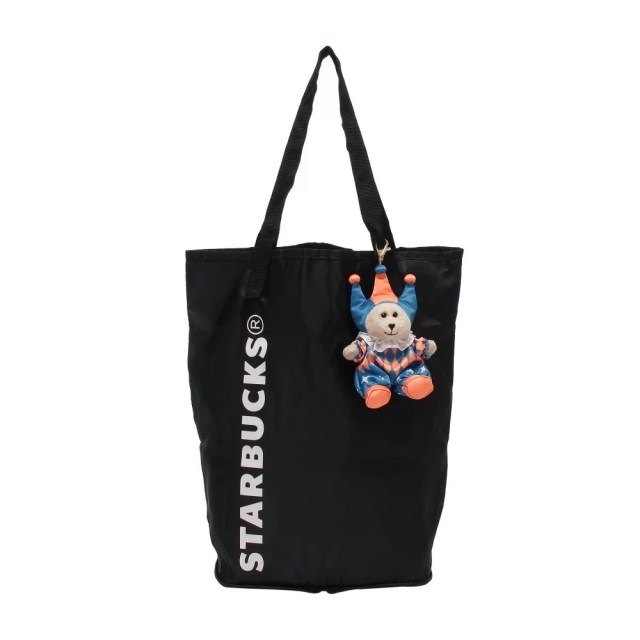
Bearista Carnival Mini (2,750 yen)

The remaining items all feature candy cane patterns to get us in the holiday mood.

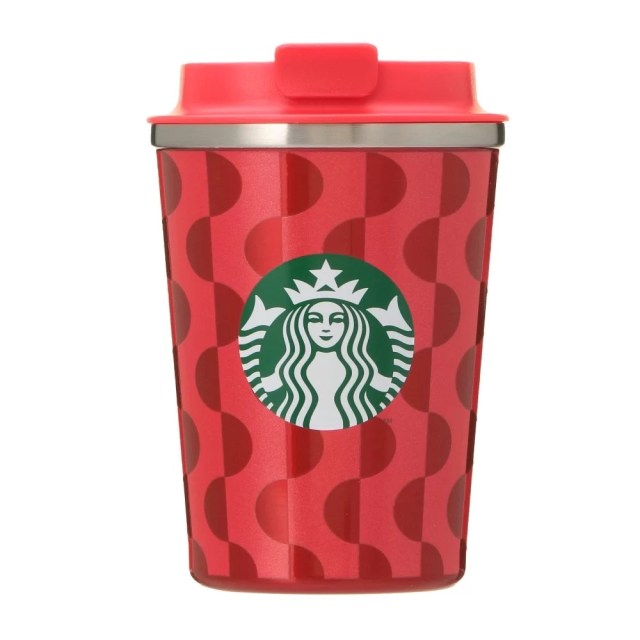
Stainless Steel Tumbler Red — 355 millilitres (4,150 yen)

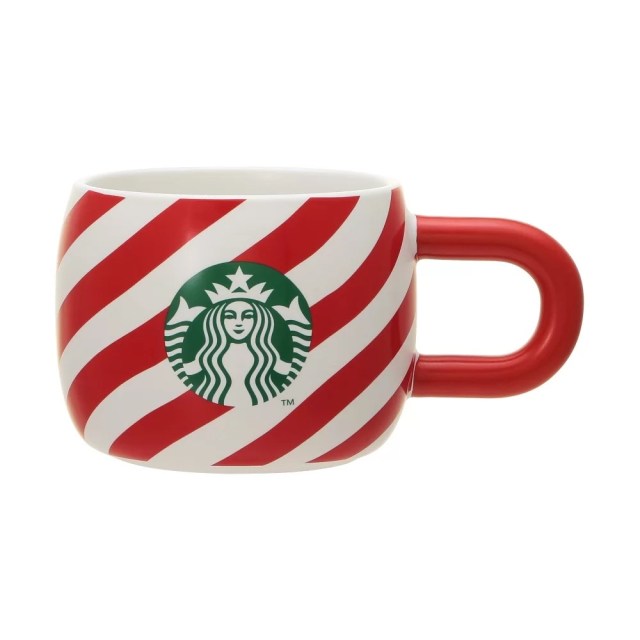
Mug Red Cup — 355 millilitres (2,400 yen)

Mug Candy Cane — 355 millilitres (2,150 yen)

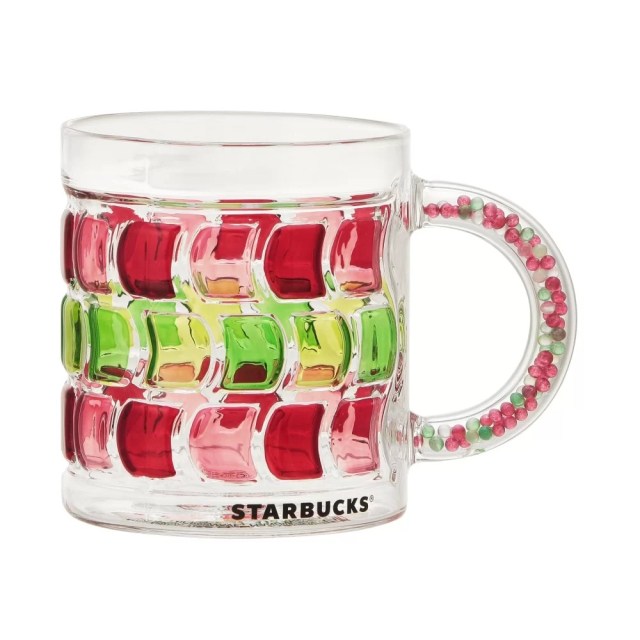
Bead Handle Heat Resistant Glass Mug — 370 millilitres (3,600 yen)

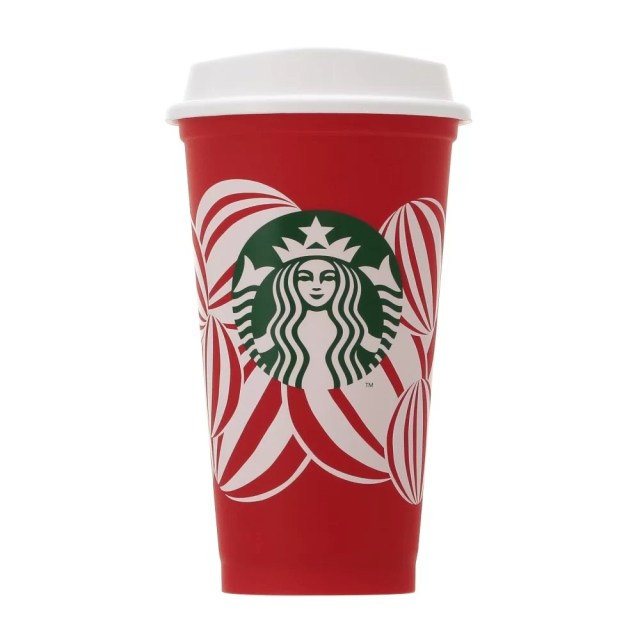
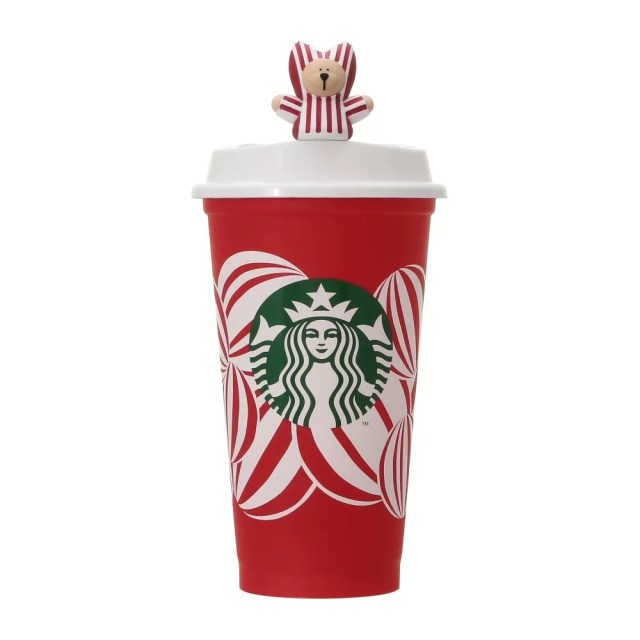
Reusable Cup — 473 millilitres (500 yen)

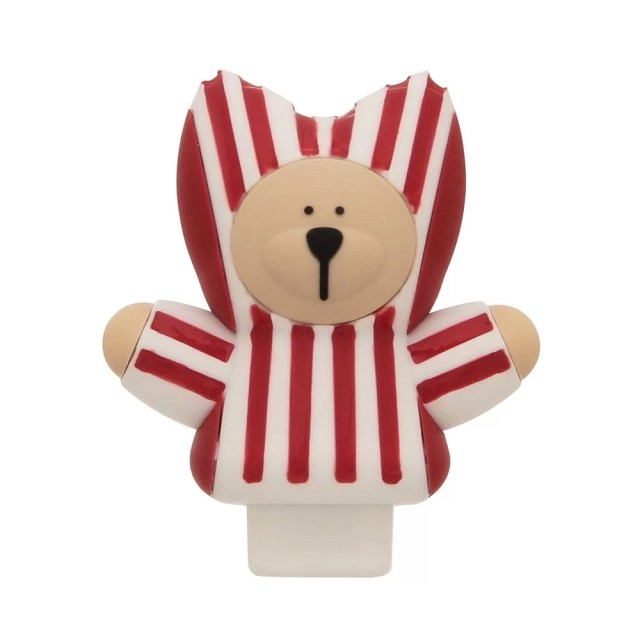
Reusable Cup Exclusive Drink Hole Cap Bearista Red (1,150 yen, sold as a set with the reusable cup)

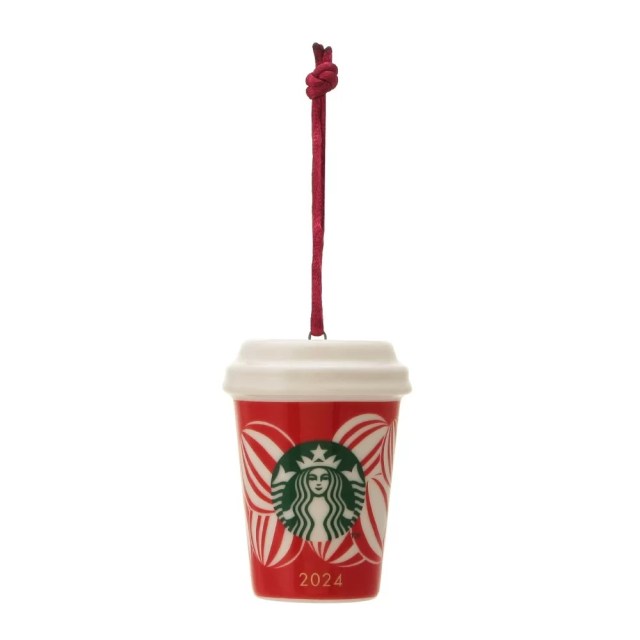
Ornament Red Cup (1,350 yen)

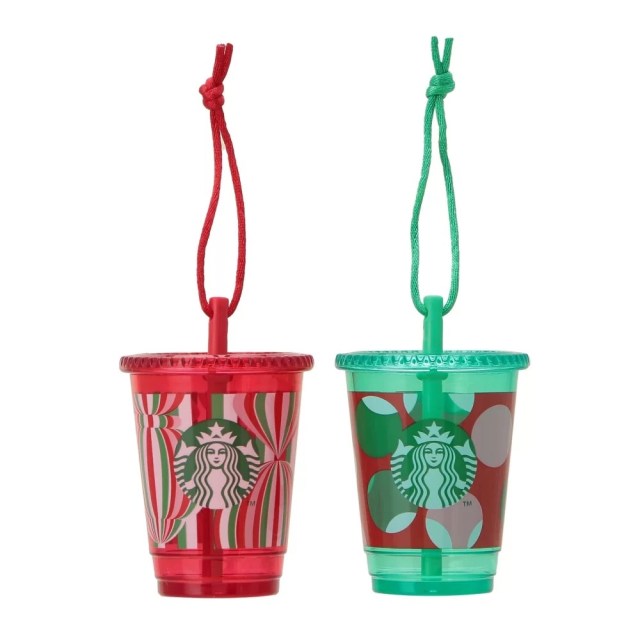
Ornament Cold Cup Set (1,700 yen)

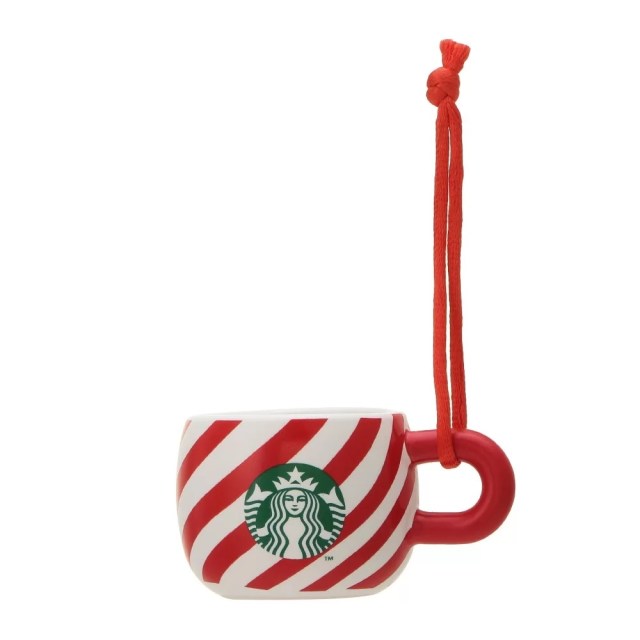
Ornament Mug Candy Cane (1,200 yen)

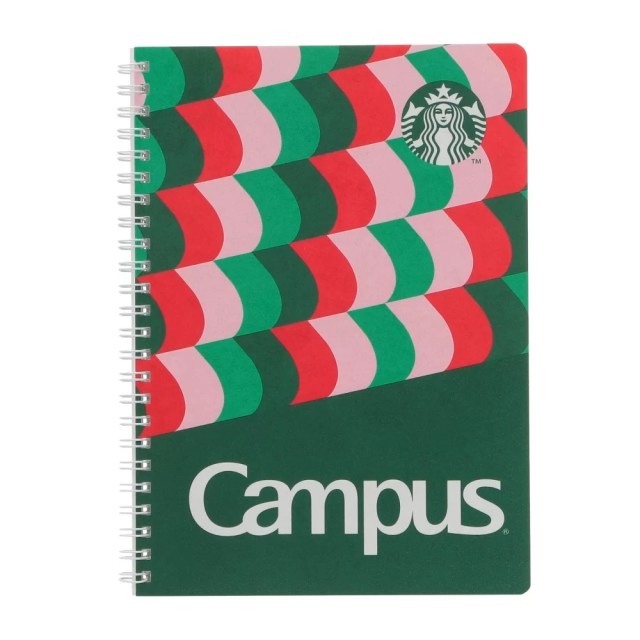
Starbucks Campus Ring Note Green (650 yen)

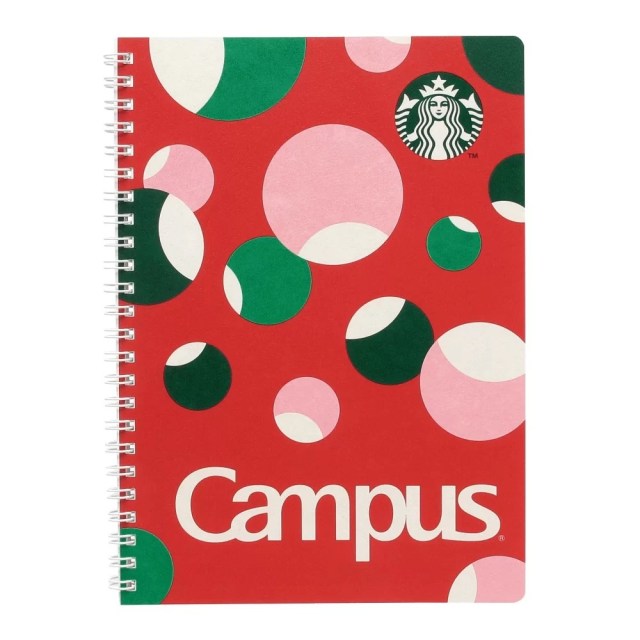
Starbucks Campus Ring Note Red (650 yen)

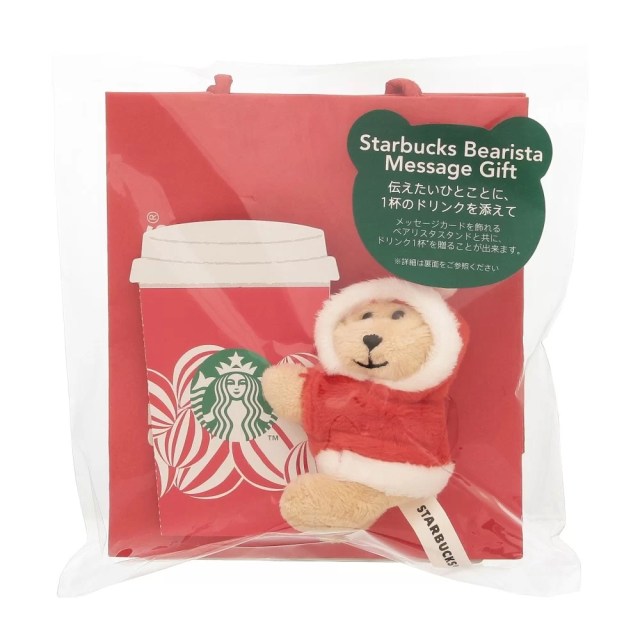
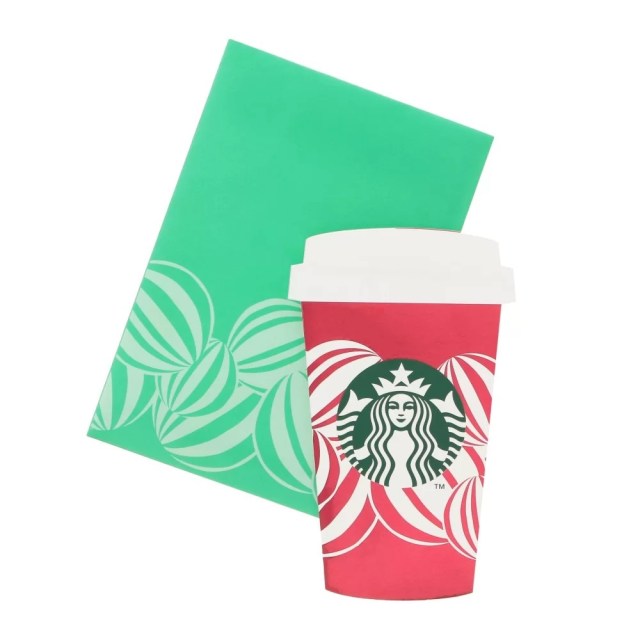
Bearista Message Gift (1,650 yen)

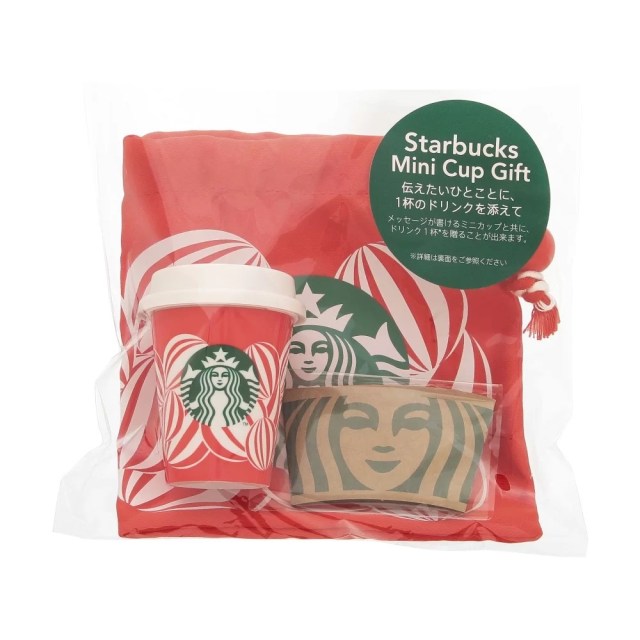
Mini Cup Gift Red Cup (1,150 yen)

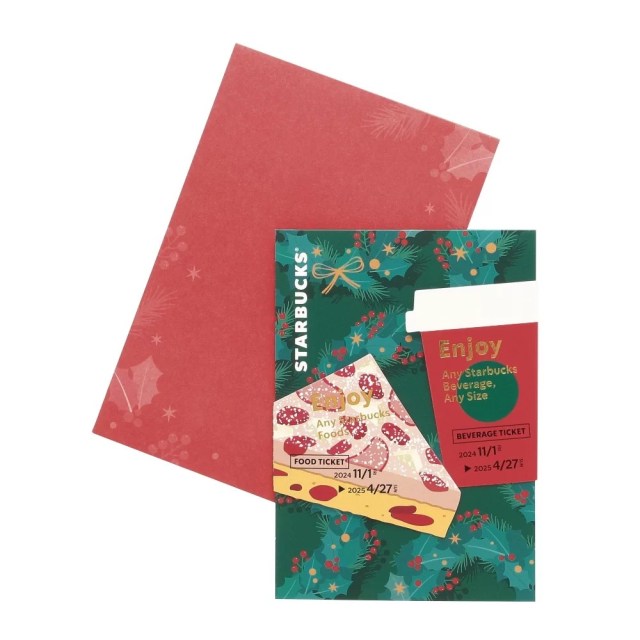
Beverage Card Red Cup (750 yen)

Food & Beverage Card (1,100 yen)

That’s a whole lot goods to add to our holiday wishlist, but we’ll have to act quick to get our hands on them, as they’re only available in Starbucks stores and online from 1 November, while stocks last.

Source: Starbucks Japan
Featured image: Starbucks Japan
Insert images: Starbucks Japan (1, 2, 3, 4, 5, 6, 7, 8, 9, 10, 11, 12, 13, 14, 15, 16, 17, 18, 19, 20, 21, 22, 23)

● Want to hear about SoraNews24’s latest articles as soon as they’re published? Follow us on Facebook and Twitter


Credit:

Burger King Japan creates Kyoto Whopper, its most Japanese burger ever, with Kyoto rice merchant

237-year-old Kyoto rice merchant helps make a new kind of rice burger.

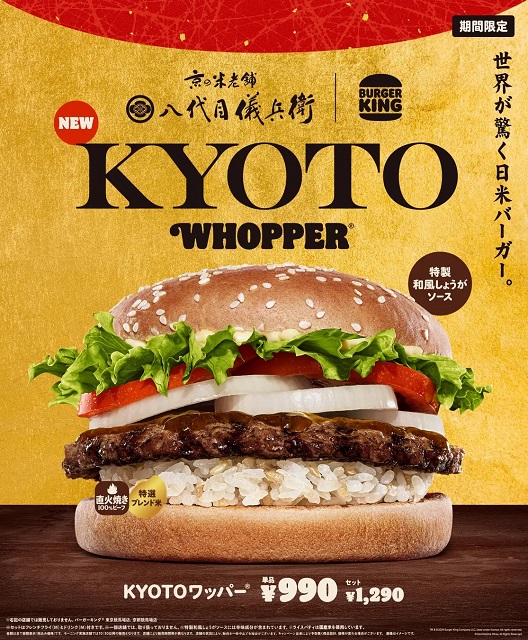
Burger King, as the chain makes clear right from the start, is all about hamburgers, the most American of sandwiches. Meanwhile, Kyoto is the most quintessentially traditional Japanese city. In a case of opposites attracting, though, Burger King Japan is rolling out a brand-new Kyoto Whopper, mixing elements of American and Japanese cuisine.

The Kyoto Whopper uses Japanese-grown rice, but not in the way that we’re used to seeing. Whereas typical “rice burgers” use rice as substitutes for the bun, the Kyoto Whopper has a rice patty in addition to an all-beef one, sandwiched inside a sliced bread bun along with lettuce, tomato, and onion.

The rice patty is a blend of white rice from this year’s 2024 autumn harvest and genmai (unpolished brown rice). Since Burger King doesn’t have monarchy-level status in the world of rice, the grains are selected by Hachidaime Gihey, a Kyoto rice merchant company that’s been in business since 1787.

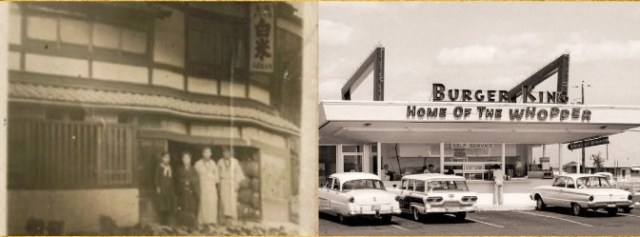
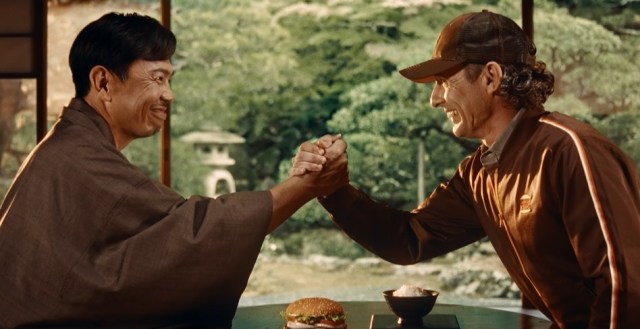
▼ Hachidaime Gihey and Burger King (founded in 1954) share a glance at their roots.

The Kyoto Whopper also makes use of an extensive mix of Japanese seasonings, utilizing four different kinds of dashi, the stock ordinarily used for Japanese soups. Bonito, shiitake mushroom, mackerel, and kombu (kelp) dashi all go into the Kyoto Whopper’s soy glaze, as do a quartet of traditional Japanese spices: benison togarashi chili pepper, ginger, sanho (a pepper-like spice with herbal and bitter notes), and chimpi (dried mandarin orange peel).

▼ A visual representation of the spirit of the Burger King/Hachidaime Gihey partnership

The Kyoto Whopper goes on sale November 1, priced at 990 yen (US$6.60), and though it’ll only be available for a limited time, it’s not limited to Burger King branches in Kyoto, but instead can be purchased nationwide. And if you’ve got a craving for more Hachidaime Gihey-produced fare, the rice merchant is also part of the awesome after-dark art exhibit going on at Kyoto’s Nijo Castle.

Source: PR Times, Burger King Japan
Top image: PR Times
Insert images: PR Times, Burger King Japan
● Want to hear about SoraNews24’s latest articles as soon as they’re published? Follow us on Facebook and Twitter!


Credit:
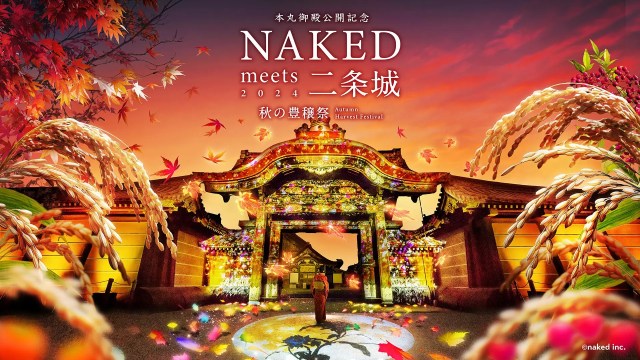
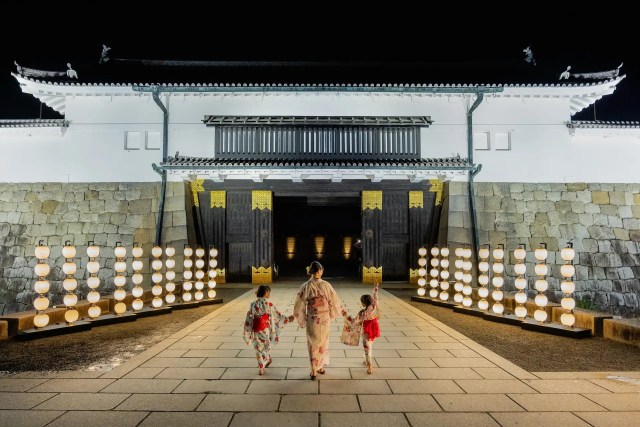
Beautiful Naked digital art event comes to Kyoto’s Nijo Castle after dark (contains no nudity)【Pics】

As the sun goes down, the lights go on for an amazing illumination of Kyoto’s 345-year-old castle and its fall-color gardens.

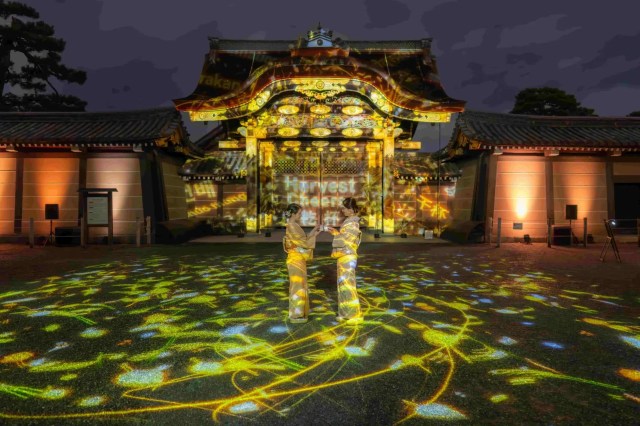
Given its historical significance and location in the eminently classy town of Kyoto, it might be a little startling to hear that there’s a Naked event going on at Nijo Castle. However, that’s Naked with a capital N, referring not to nudity but to Naked, Inc., one of Japan’s leading digital art studios.

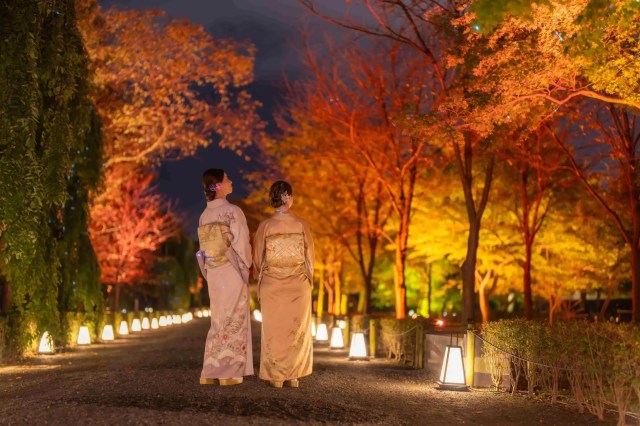
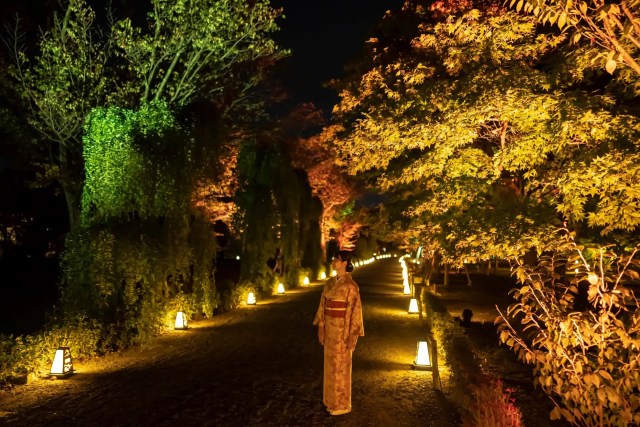
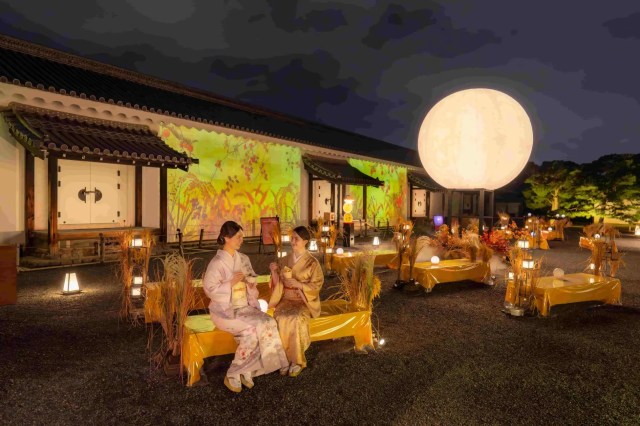
Following their event hosted at Tokyo’s Shinjuku Gyoen park last year, Naked is once again putting on a beautiful after-dark installation as the autumn leaves begin to show their colors. So while admission to Nijo Castle, conveniently located near the Kyoto city center, usually ends at dusk, from now until December 8 the Naked Meets Nijojo Autumn Harvest Festival program will take place nightly between 6 and 10 p.m.

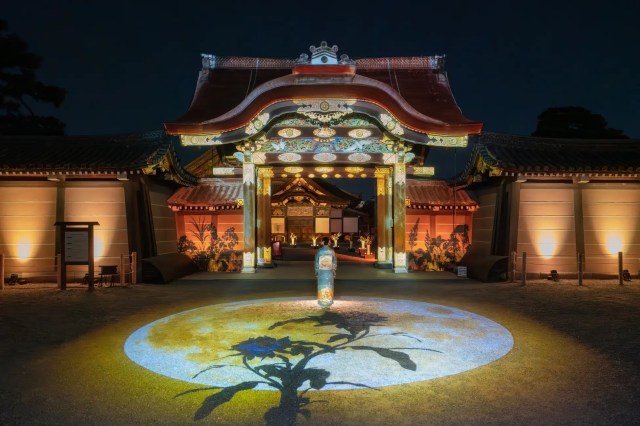
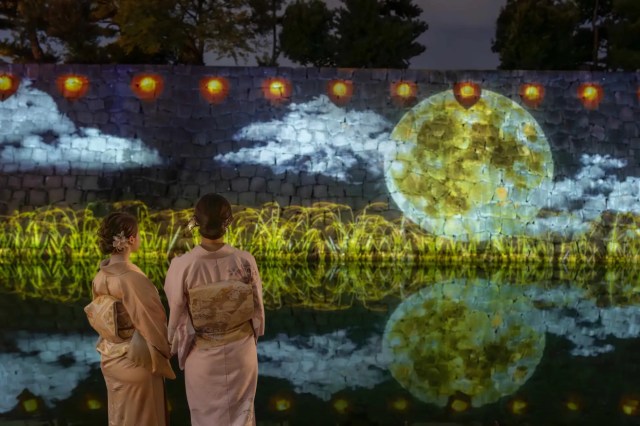
A number of locations around the castle grounds, such as the Higashi Otemon Gate and the walls of the inner moat, will serve as backdrops for dazzling projection mapping displays.

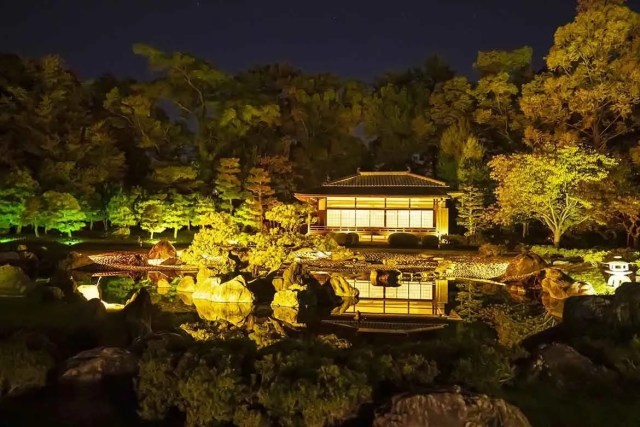
Nijo Castle is unique in that it was built largely after the end of Japan’s lengthy Sengoku period civil war, and so the focus was more on stately luxury than siege resistance. In keeping with those pleasurable underpinnings, sections of the gardens will be illuminated for strolling and admiring the maples and other fall colors.

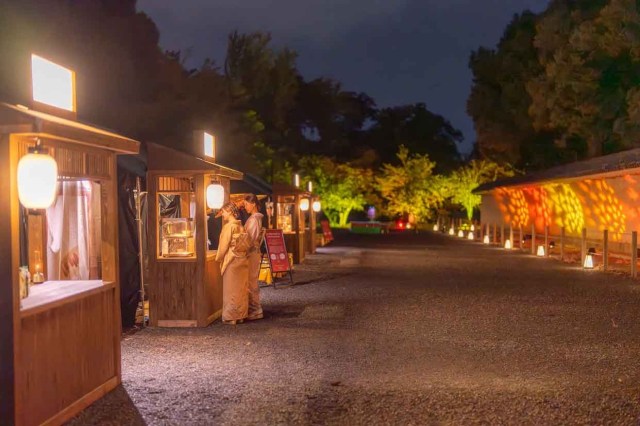
Food and drink will also be on offer, with visitors asked to join in for a celebratory toast at the Karamon Gate and food stalls serving food and beverages, including sake, made with local ingredients and Kyoto flair.

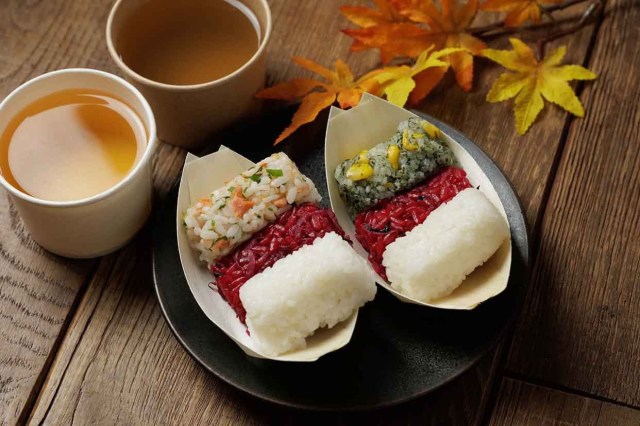
▼ Onigiri rice ball set with rice selected by Kyoto rice merchant company Hachidaime Gihey

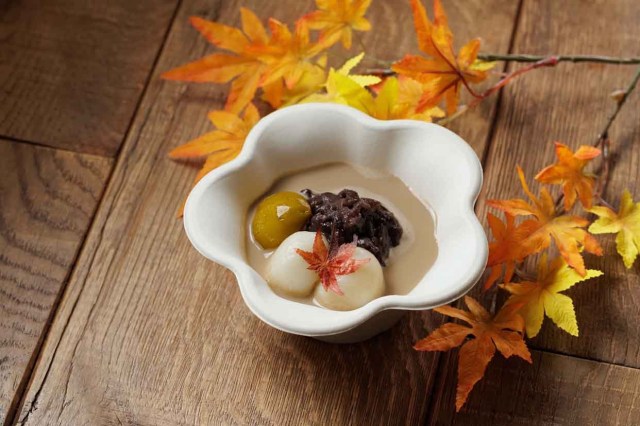
▼ Hojicha zenzai dessert made with Kyoto roasted green tea, mochi dumplings, and an edible maple leaf

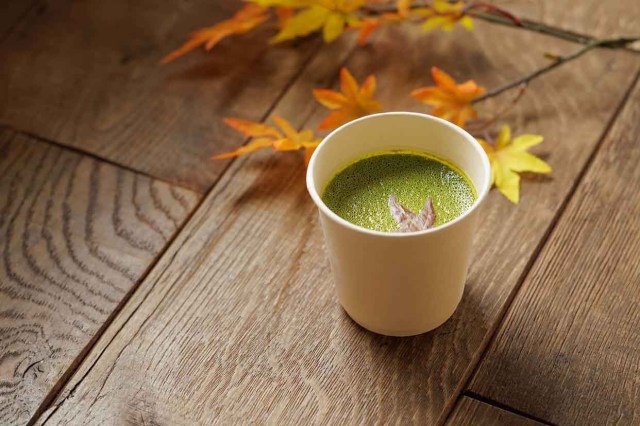
▼ Matcha latte with maple leaf

With many of Kyoto’s major sightseeing attractions being temples and shrines that close down at night, it can be hard to fit everything you want to see into an itinerary that has to wrap up at sundown. So not only does the Naked Meets Nijojo Autumn Harvest Festival event give you a chance to see Nijo Castle in a way that most people never have the opportunity to, it can also help you see more of Kyoto’s other daytime-only sights.

Adult admission is priced at 2,000 yen (US$13.35) for Monday-Thursday visits, and 2,400 yen for Fridays, weekends, and holidays. Tickets can be purchased via the event’s official website here.

Source: PR Times, Naked Meets Nijojo Autumn Harvest Festival
Top image: PR Times
Insert images: PR Times, Naked Meets Nijojo Autumn Harvest Festival
● Want to hear about SoraNews24’s latest articles as soon as they’re published? Follow us on Facebook and Twitter!


Credit:
American gun owner opens our eyes to a different way of life in Tokyo

“Bad guys have guns, so good girls have to have guns too.”

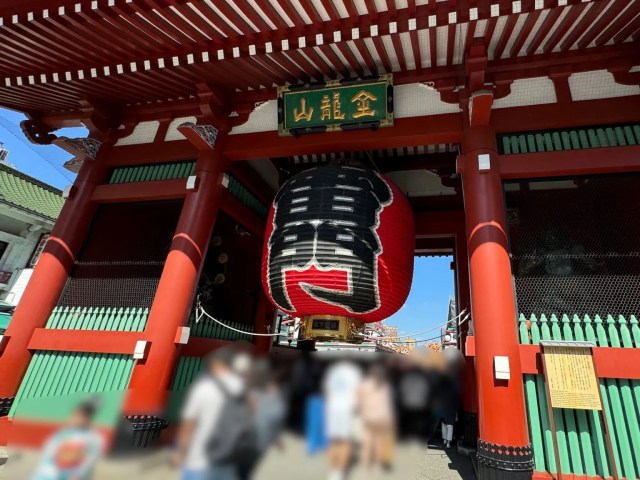
Our reporter Ikuna Kamezawa has travelled to many countries around the globe and made many new friends along the way. One such friend is a kind-hearted American girl who let Ikuna stay at her home in the U.S. about 20 years ago, and when she recently made the trip to visit Ikuna in Tokyo, they met up in Asakusa for a spot of sightseeing and a night of drinking.

As the night wore on, and after they’d downed a few drinks, the conversation became loose and Ikuna found herself asking her friend: “Hey, do you own a gun?
“Yes, I own six guns!” was the reply, and it took Ikuna totally by surprise. Even when she plays Resident Evil, she’s never carried six guns, so with her curiosity piqued, she gently pressed her friend on the point, and although it’s a sensitive topic that commonly spurs debate around the world, she thought to share what she learned on that night in a frank, non-biased way.

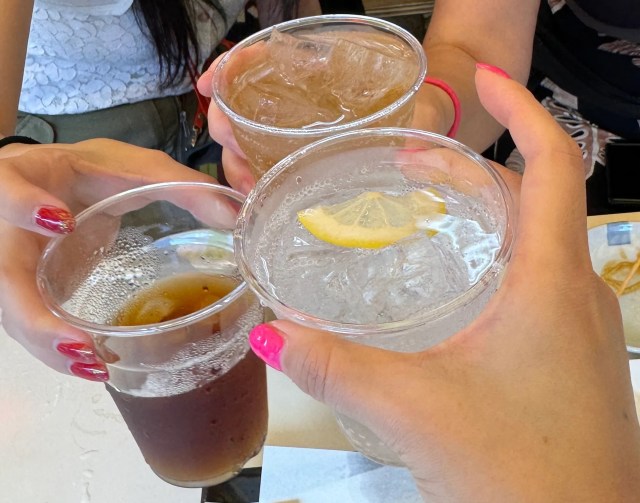
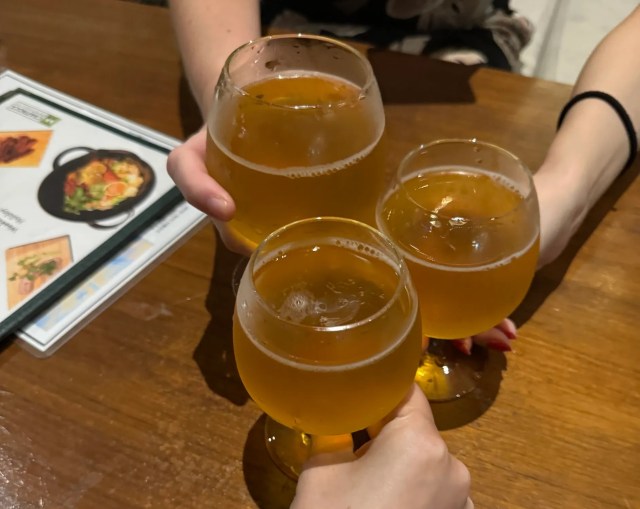
▼ Cheers to learning about different ways of living around the world.

Ikuna’s friend lives in one of the most rural areas of America, where they can’t survive without a car and they get all the supplies they need from the only Walmart in town. Her friend is single and lives alone, and one of the six guns she owns is a shotgun.

Friend: “Anyone can buy a pocket-sized gun in the state where I live, as long as you meet the age restrictions. However, you need a permit to buy a shotgun. You also need to take a simple course.”

Ikuna: “Why a shotgun?”

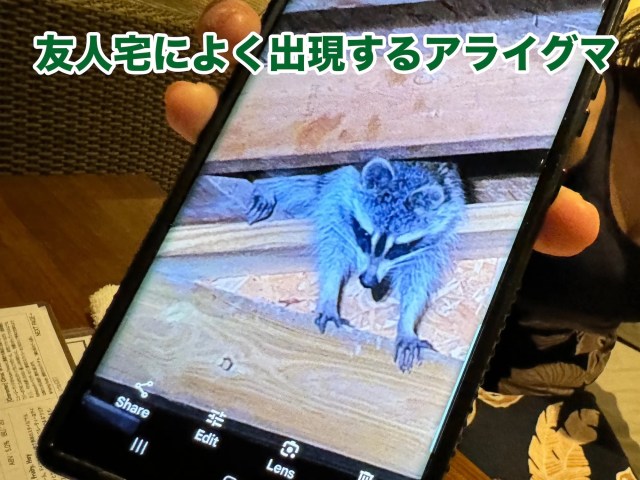
Friend: “Bears and deer roam around my house, and raccoons often come in — they’re ferocious and have sharp claws. If you’re in a situation where an animal is going to attack you, it’s best to have a shotgun.”

▼ Unwanted visitors at the house include racoons like this, and wild bears that have been known to approach the front door.

Friend: “I’ve named my shotgun. It’s called Olivia Benson.”

Ikuna: “How much was Olivia Benson?”

Friend: “I think it was US$300 (about 45,000 yen). I think you can buy a regular gun for about $200 (about 30,000 yen).”

Ikuna: “Why do you need to have six guns?”

Friend: “I have one in my car, living room, office, and two in my bedroom…I feel like I have one in each room.”

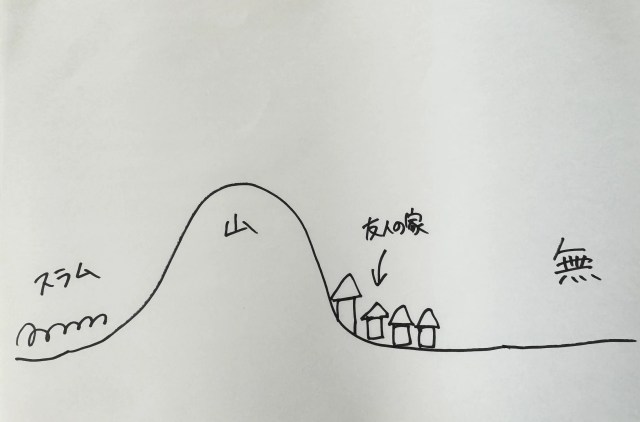
Ikuna’s friend went on to describe the area where she lives, which Ikuna drew out for us below. Her friend lives in a house at the foot of a mountain (where the arrow points to below). There are three private homes within walking distance, and on the right there’s a vast expanse of nothing while on the left, on the other side of the mountain, is an unsafe neighbourhood, where an unidentified corpse was found a few years ago.

Given these circumstances, it seems that it wouldn’t be considered unusual for a single woman living in this area to own six guns. What’s more, she seems to be worried about the possibility of stalkers.

Friend: “I don’t know what it’s like in Japan, but the American police don’t act unless an incident occurs. So, you have to protect yourself just in case.”

To be clear, Ikuna’s friend isn’t a gun fanatic, and she thinks that people would be better off in a society without guns. She also understands that foreigners can be afraid of guns, so she left her guns with her father when Ikuna visited, which Ikuna really appreciated.

▼Another round of drinks, another revelation.

Ikuna’s friend ended the conversation by saying:

Bad guys in America always have guns. That’s why good girls have to have guns too. It might be hard for Japanese people to understand, but…you shouldn’t think America is a scary country.

When she heard the sentence, “Bad guys have guns, so good girls have to have guns too”, Ikuna felt slightly less fearful of the U.S., and although her friend owns six guns, it seems she’s never actually fired any of them. If you think about it, all Japanese people have kitchen knives, and though they could use them to kill or injure people, very few people do.

Her friend also mentioned an aspect of gun ownership that had never occurred to Ikuna, when she said: “Once you buy one gun, your senses become numb to it, so you tend to buy more than one.” That was a feeling Ikuna never wanted to experience.

Of course, it would be naive to think that gun ownership is a clear-cut issue, but after that night in Asakusa, Ikuna felt like she understood that just because a person owns a gun, it doesn’t mean they’re going to use it. It goes to show that when you speak to people in person, rather than simply following media reports and the status quo, your eyes really can be opened to a whole new way of living, and even if it doesn’t vibe with your way of thinking, it doesn’t mean you can’t be friends.

Photos©SoraNews24
● Want to hear about SoraNews24’s latest articles as soon as they’re published? Follow us on Facebook and Twitter!


Credit: