We buy a sushi-restaurant-themed bath bomb that threatens to smell like the ocean
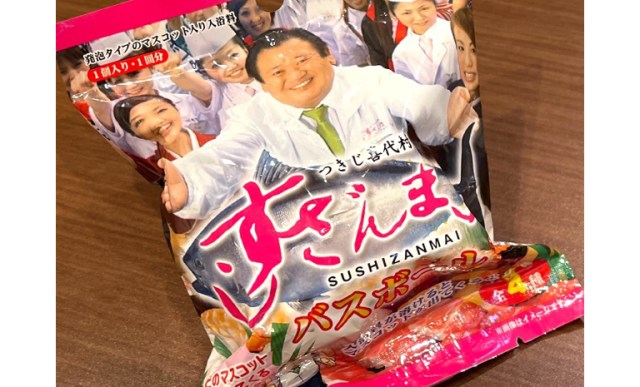
The bath bomb contains one of four fabulous Sushi Zanmai prizes.

There are some products in Japan that we doubt would find a place on the market research board, let alone on supermarket shelves, in any other country. Fluffy aerosol soy sauce, for example, or realistic plastic model recreations of tuna fishing boats. So while we were surprised to find an officially licensed Sushi Zanmai bath bomb on the shelves at a supermarket, we weren’t that surprised.

Sushi Zanmai is a sushi restaurant, as you may have guessed—though they aren’t just any old sushi restaurant. A popular chain throughout Japan, they’re most notable for the auction antics of president Kiyoshi Kimura. Mr. Kimura has a tendency to show up at the fish market auctions with record-breaking stacks of cash to splurge in order to secure the biggest and best batches of tuna for his restaurants. This has understandably earned him the moniker of “Tuna King” in Japan.

▼ He also cameos in the Yakuza series, which sounds on-brand for those games.

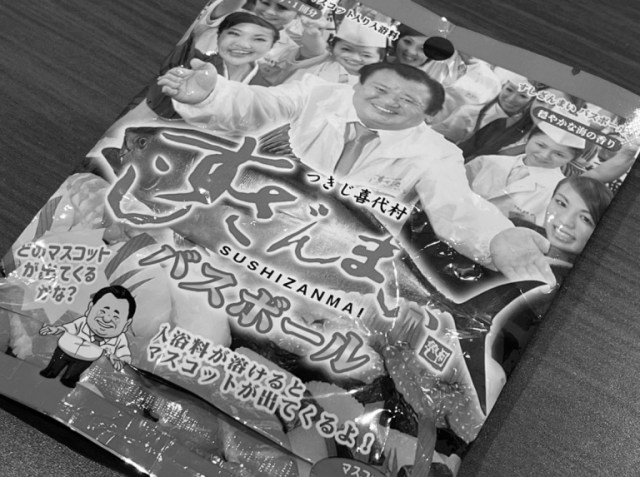
It seems as good a reason as any to produce a bath bomb (or technically “bath ball”) in his honor. We admired the packaging, which is emblazoned with a smiling image of Mr. Kimura surrounded by many beautiful female Sushi Zanmai employees.
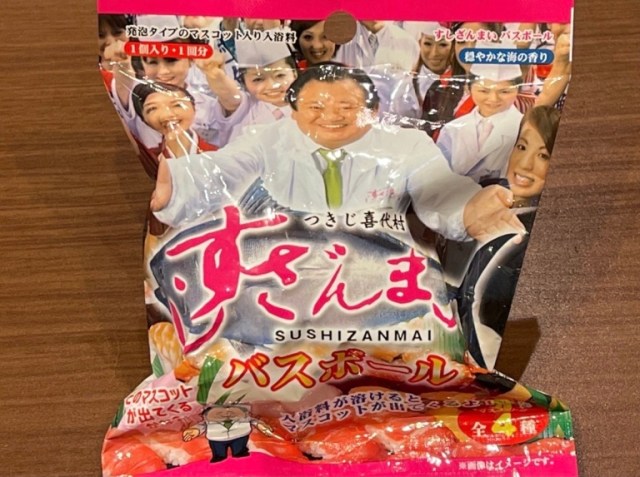
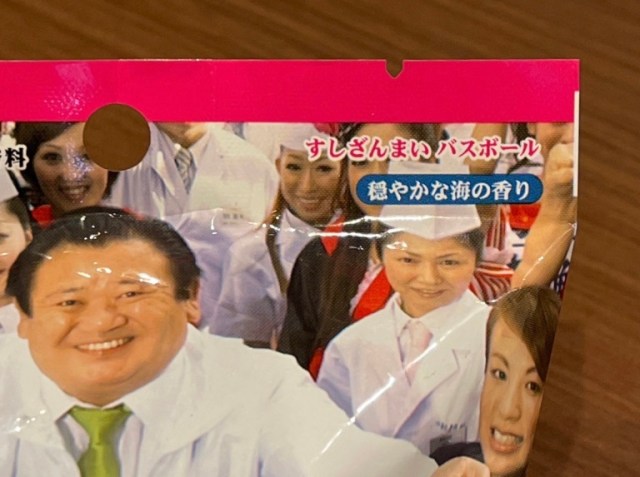
Then we spied the top right corner of the bag, where it purported to provide a “soothing ocean scent.” So like…saltwater? Seaweed? Surely it wouldn’t smell like fish, right? Even though it’s a sushi restaurant-themed bath bomb? It means a vague salty ocean smell. Surely. Definitely.

▼ What does a mild ocean scent smell like? Answer me, Mr. Kimura!
It’s pretty common nowadays for bath bombs (or balls) to reveal a random trinket or toy inside once they melt into the bathwater, and the Sushi Zanmai edition is no different. Of course, because this is a Sushi Zanmai bath bomb, all the potential prizes are related to Mr. Kimura and his dominion over all things tuna.

▼ Four potential prizes, with the least rare at the top and the rarest at the bottom.
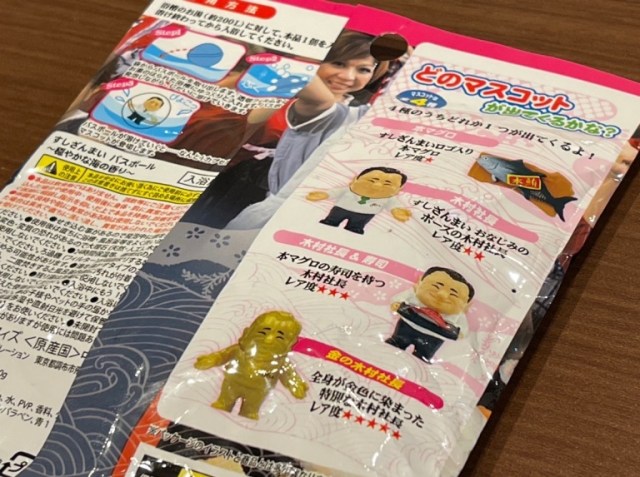
So let’s see. Your most likely prize is the one at the top, a Pacific Bluefin Tuna labeled with Sushi Zanmai’s logo. There’s gotta be a tuna in here, right? They’re practically synonymous with Sushi Zanmai at this point.

The rest are small statuettes of Mr. Kimura, much like the ones found outside his restaurants. First up and least rare is President Kimura, sporting his typical ingratiating pose with his arms out.

▼ This one most resembles the restaurant statues.

Rarer than that is President Kimura and Tuna, where he is holding a large platter of tuna. Lastly, the rarest prize is the Golden President Kimura, whose body is completely dyed in gold. We were struck by this incredibly opulent version of the CEO. Did Mr. Kimura get deified at some point, and we just missed the memo?

Anyway, time to take our Sushi Zanmai bath.

▼ The ball is labeled “Inedible”. Thanks!

We peeled off the film and dropped it into the hot water. With a hearty sizzle, it began to melt into foam. The color from the bath salts spiraled down into the water and dyed it a tantalizing, tropical blue. It felt like Mr. Kimura himself had guided us to a water park, rich with bluer-than-blue oceans.
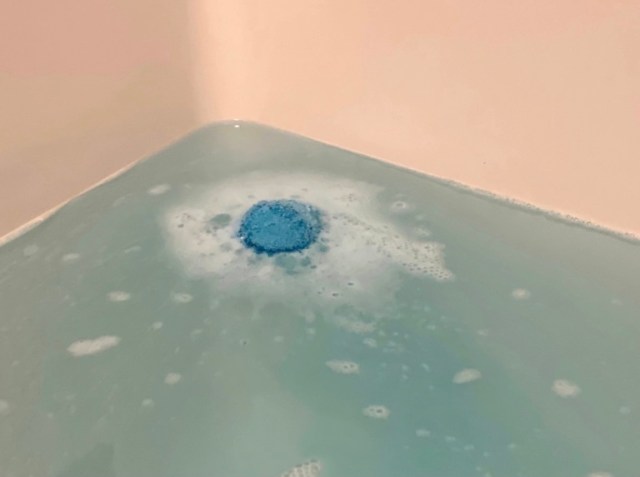
As for the smell, it came as a relief—rather than smelling like saltwater or fish, it had an enticingly semi-sweet aroma. It was much more akin to ramune soda than any kind of sea, mild or not. Phew!

Enough of the bath ball melted away that we could glimpse the plastic capsule within it.

▼ Can you tell what it is yet?
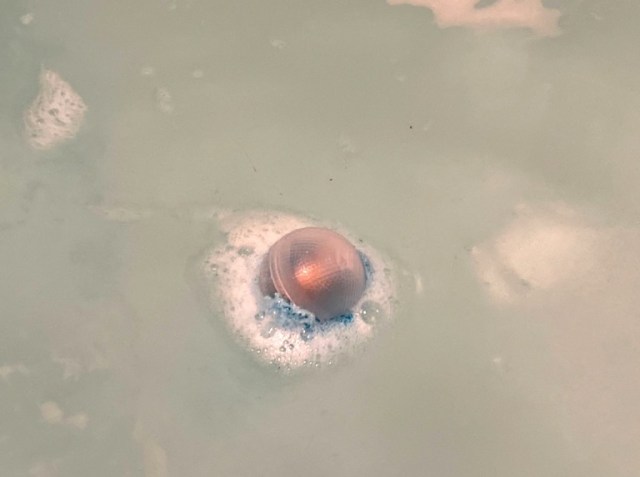
We don’t blame you if you aren’t gripped with suspense. Honestly, we weren’t especially excited either. What would we even do with a tiny plastic figurine of Mr. Kimura?
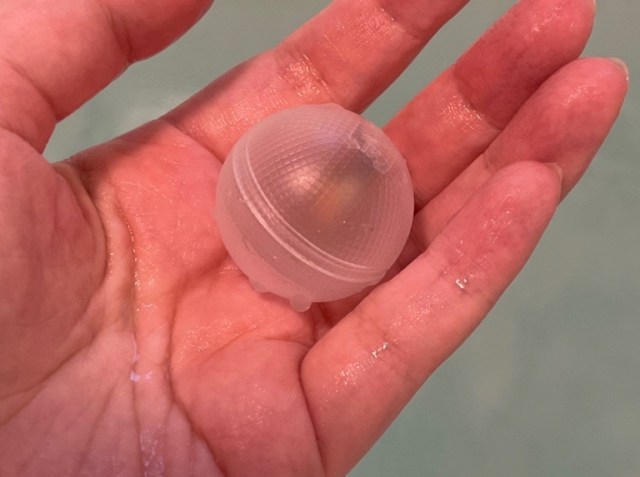
Here goes. What did we win?!

▼ Bluefin tuna, of course!
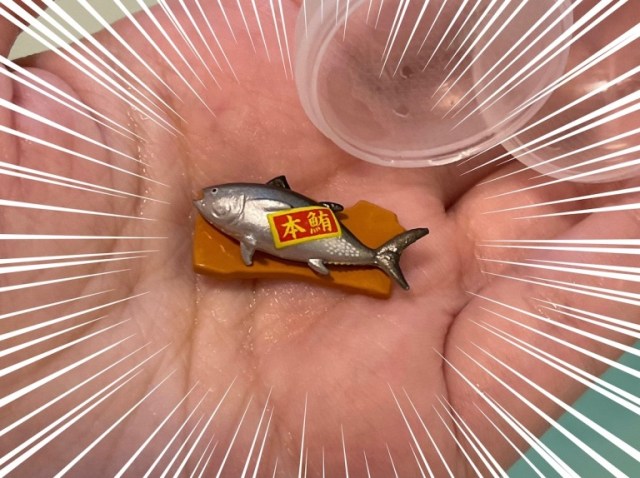
We looked at the tiny plastic fish and felt a flurry of emotions. Relief that we’d won a tiny plastic fish, which at least felt easier to appreciate than a tiny plastic restaurant owner. But also…disappointment? We’d been gearing ourselves up to laugh at the comically tiny rendition of Japan’s Tuna King, and now…we just had tuna.

▼ Just tuna.
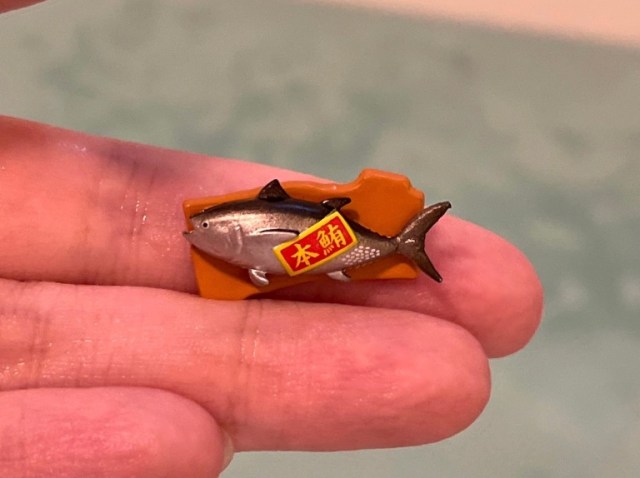
The bath bomb cost 495 yen (US$4.36), so it wasn’t exactly cheap. We hadn’t even considered buying multiples, which is usually a given with this kind of random-choice lottery prize. Clearly, we hadn’t been sufficiently dedicated to the cause of Mr. Kimura’s bath bombs, and now we were reaping the rewards. Or lack of rewards.

▼ We’re sorry, Mr. Kimura.
We vowed to visit a Sushi Zanmai restaurant at our earliest convenience and prove ourselves worthy of Mr. Kimura’s blessing in the future. Even though we hadn’t been lucky enough to run into Mr. Kimura in this bath bomb, we were still pretty pleased with our tuna figure. It’s very beautifully rendered and has the logo of the restaurant stamped on the back. If you’re a real fan of Mr. Kimura and his sushi chain, it’s a great purchase.
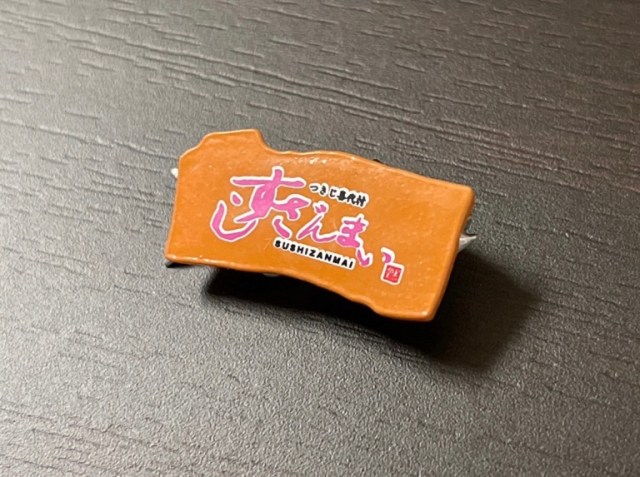
We never thought we’d see a restaurant give KFC Japan a run for their money with whacky tie-in promotional items…but to be fair, KFC did sell bath salts first. If you’d like to own your own plastic figure of Mr. Kimura or one of his beloved Pacific bluefin tunas, you can pick them up at the restaurant or at participating supermarkets while stocks last.

Related: Sushi Zanmai
Images © SoraNews24

● Want to hear about SoraNews24’s latest articles as soon as they’re published? Follow us on Facebook and Twitter!


Credit:
Otaku should get some exercise before the return of Comiket, organizers agree

Otaku event is returning as public health improves, but personal health is important too.

For 44 solid years, no matter what else was going on in the world, otaku could count on Comiket taking place. After starting in 1975, Japan’s largest gathering of self-published dojinshi manga creators grew exponentially in popularity, eventually evolving into its modern form of a three-day, twice-a-year event held in August and December.

The chain of otaku memories was broken, though, in 2020, with the coronavirus-caused cancellation of what would have been Comiket 98. Since then, Comiket’s next iteration has been repeatedly postponed, but in August the event’s organizers announced that Comiket 99 will take place on December 30 and 31, barring any worsening of public health conditions.

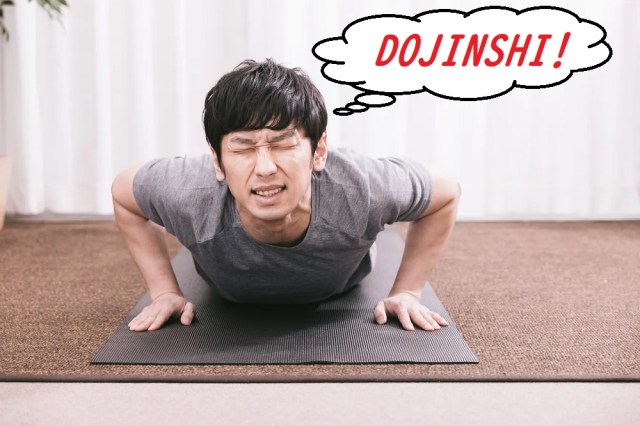
With infection numbers decreasing in Japan, it looks like Comiket really will return this winter, like a phoenix rising from the ashes. At the same time, the organizers have some advice for otaku: it’s time for them to rise from the couch and get some exercise.

Comiket takes up several halls at the sprawling Tokyo Big Sight convention center, and the focus on small independent creator circles selling wares in very limited quantities means fans have to cover a lot of ground very quickly to get the most out of their time at the convention. But with a two-year gap since the last Comiket, and dozens of smaller regional anime events also cancelled during the pandemic, plus the safety impetus of living a stay-home lifestyle during that time, a lot of otaku have been leading an especially sedentary existence since the winter 2019 Comiket. The announcement that Comiket is coming back this December led one hopeful participant on Japanese website Togetter to comment that participants and staff might want to start getting in some regular exercise, and the official Comiket Twitter account agrees, tweeting:

“’In the two years since the last Comiket, some of us have probably gotten really out of shape! For a lot of people, it might even be dangerous for them to participate in their current state, so let’s start getting some exercise!’

Some of us on the Comiket Preparatory Committee feel the same way, so we’ve started going for longer walks for exercise.”

Commenters could see the logic behind the advice, even though some of them didn’t necessarily need to be told.

“Yeah, I seriously need to build up my stamina.”
“It’s crazy how much walking you end up doing at Comiket.”
“Honestly, I don’t think I could make it through Day 1 right now.”
“No problems here. I’ve been getting tons of steps in playing Dragon Quest Walk.”
“I’m actually in better shape than I was before, thanks to Ring Fit Adventure.”

And for any otaku who needs some music for their workout playlist, this should be a good choice to start with.

Source: Twitter/@comiketofficial via Otakomu, Togetter
Top image: Pakutaso (edited by SoraNews24)
● Want to hear about SoraNews24’s latest articles as soon as they’re published? Follow us on Facebook and Twitter!


Credit:

Costumes from everyday life on parade once more in “Jimi Halloween 2021”

Come take walk on the plain side.

For many, Halloween is a time to let our imaginations run wild and become something paranormal for a change. But for a certain growing segment of Japan’s population, it has become a time to transform into the ultra-normal.

Now is the season of “Jimi Halloween,” which means “Plain Halloween” in English, and is observed by dressing up not as ghosts and goblins but as clerks and husbands who deal with all-to-familiar trials and tribulations associated with daily life. 

The event was created by the website Daily Portal Z and used to be an annual live event. However, with recent pandemic complications, Jimi-Halloween has expanded to the online realm as well.

Speaking of which, this year’s entries were largely dominated by relatable predicaments that have come with the new normal.

▼ “Person trying to remove their mask but pulling off their glasses too.”

Office worker who drank a coffee while forgetting they’re wearing a mask.”

Person who has no problem entering Hikarie [shopping center] because their temperature is normal.”

Staff of an izakaya that was prohibited from selling alcohol.”

Person who mistakenly wore the wrong shoes to work because they haven’t gone to the office in a long time.”

Luckily, technology has come to the aid of recent restrictions, but those too weren’t without their own foibles:

Person swallowed by their Zoom background.”

Person who had just switched to the self-facing camera.”

Person tagged in a photo.”

Person going into the shade so they can see their smart watch.”

On the other hand, there was no shortage of timeless everyday characters that ring just as true today as they did back then.

Veteran cosmetologist who sees off customers until they are completely out of eye-shot.”

Person mistaking a plastic bag on the street for a kitten.”

Someone taking out the garbage in winter.”

A person who probably has a tattoo.”

Person drafted by the Lotte Marines who really wanted to sign with the Yomiuri Giants.”

Person who failed when opening their egg carton.”

Person who encountered a cockroach while trying to sleep at night.”

Person whose friends all went to the bathroom when it was their turn at karaoke.”

Making a jimi-Halloween costumes may seem easy, but it’s very hard to strike that right balance of interesting and ordinary.

For example, this guy’s costume may seem ordinary and has an ordinary caption, but is actually a parody of the guy who found that giant python in Yokohama earlier this year. It’s a funny costume, but probably qualifies more as a regular topical Halloween costume.

Person who found something they were looking for.”

Given the online component of this year’s events, entries will probably continue to trickle in throughout the weekend, but going by the online buzz this entry has been an especially big hit.

Neighbor of a suspect in a suspense drama telling the police they haven’t seen the person in three days.”

There are plenty more creatively uncreative costumes to be seen on Daily Portal Z and Twitter via the hashtag #地味ハロウィン, and you can also check out entries from previous year’s events right here. Enjoy, and we hope you all have a truly average Halloween!

Source: Twitter/#地味ハロウィン, Daily Portal Z
Top image: Pakutaso
● Want to hear about SoraNews24’s latest articles as soon as they’re published? Follow us on Facebook and Twitter!


Credit:

We tried making natto the old-fashioned way, and the result was unexpected but delicious 【SoraKitchen】

Who knew that fermenting soybeans was such a delicate process?

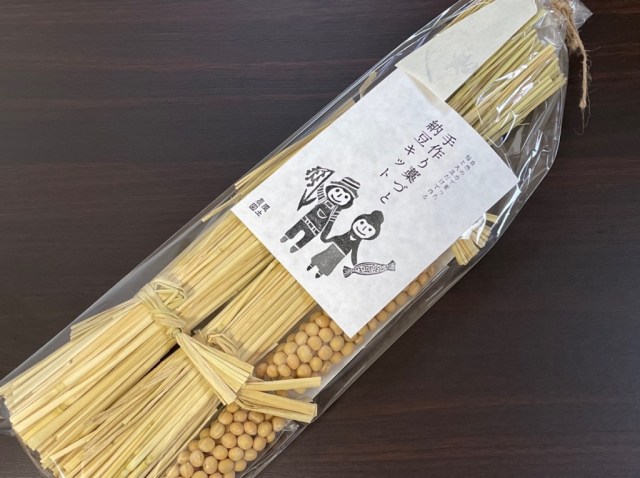
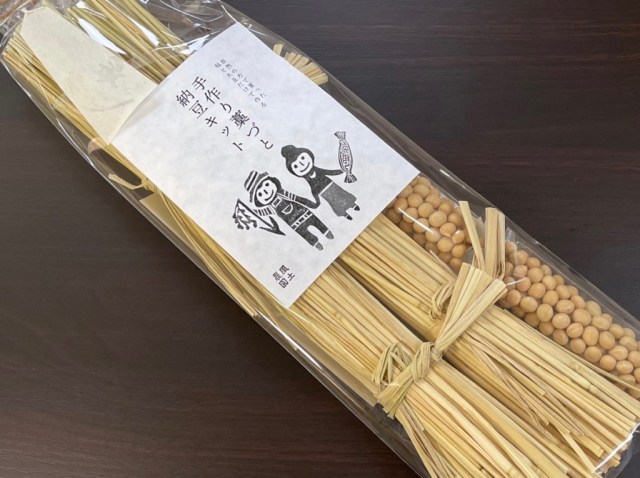
While most people see natto (fermented soybeans) in the form of small styrofoam packages – or even on ice cream, on rare occasions –  do you know how it’s actually made or have wanted to make it yourself? Our Japanese-language reporter Saya Togashi decided to give natto making a go by purchasing a natto-making kit by the natural Japanese farmers at Fuudo Farm.

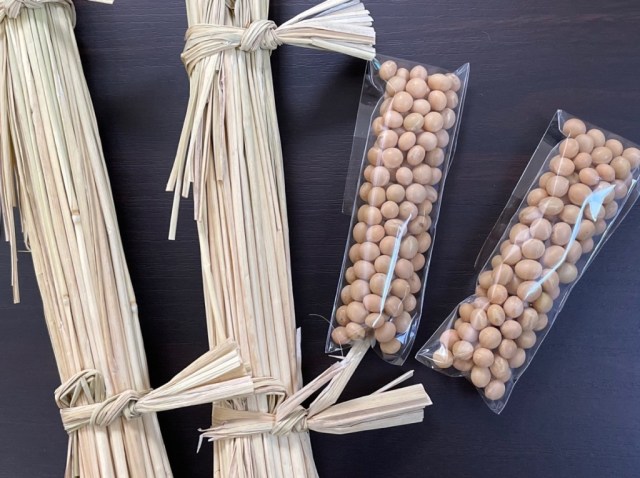
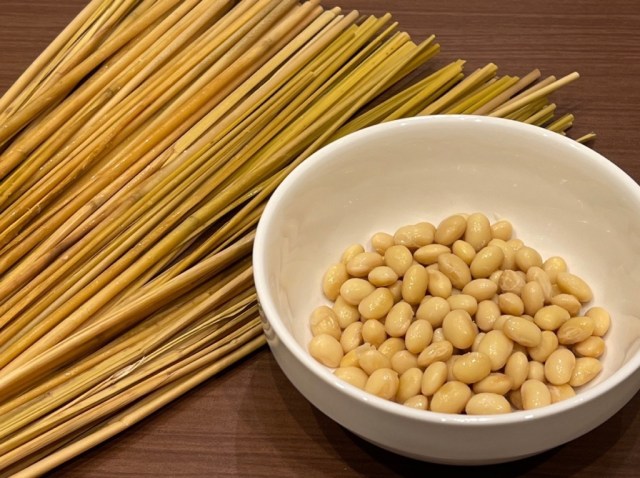
The kit, priced at 1,296 yen (US$11.41), contained two bags of dried soybeans and two packs of straw. And…that’s it!

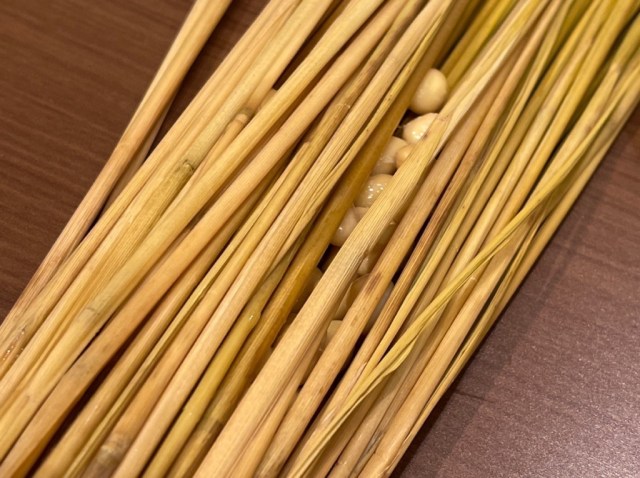
Natto is traditionally made by wrapping cooked soybeans in straw and maintaining enough heat for the natto bacteria to grow, thereby fermenting the soybeans and creating that ooey, gooey dish that has captured so many hearts.

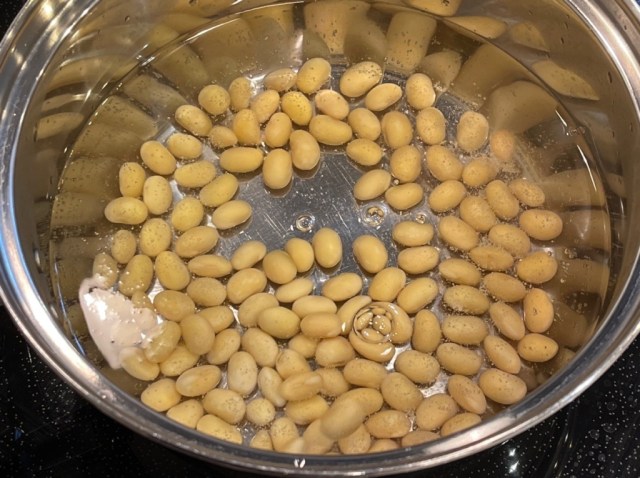
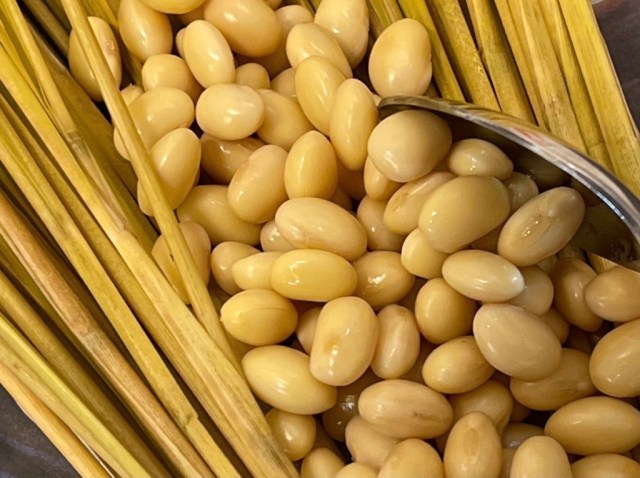
Saya started by soaking the beans overnight in water, then bringing them to a boil the next morning. The instructions said to boil the beans until they were soft enough to squish between your fingers, which meant a straight one to two hours of boiling. If you have a pressure cooker, though, you can reduce that time by a lot!

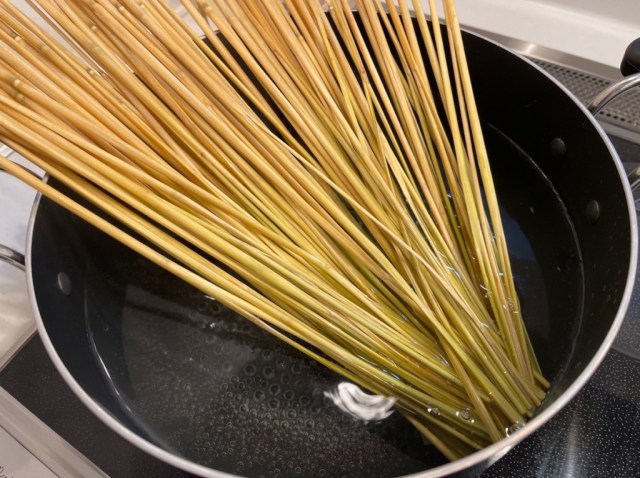
She also boiled the straw, but since it was so long, some of it stuck out of the pot and she had to gradually push it in there like spaghetti.

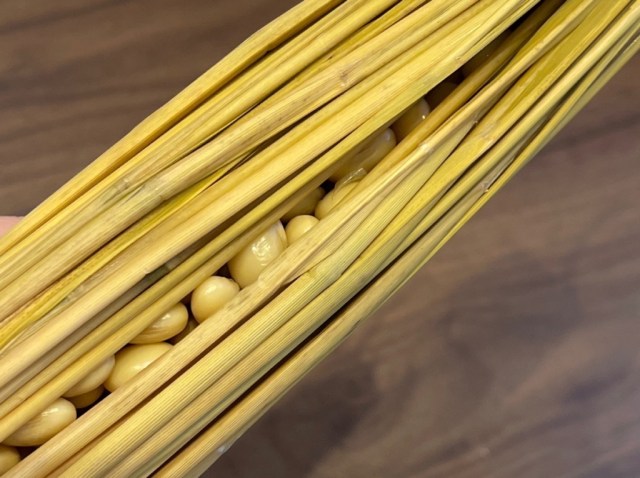
When all items were sufficiently boiled, Saya nestled the soybeans into the straw cocoon. She was worried that the beans were so hot that it would kill the natto bacteria, but this particular bacteria is pretty hardy and can survive up to 100 degrees Celsius (212 degrees Fahrenheit) of heat.

After the natto cocoon was complete, the actual prep was complete! Now came the task of keeping the beans warm for at least 24 hours. Yep, a full 24 hours. Otherwise, the beans and straw would get too cold to encourage the fermentation process.

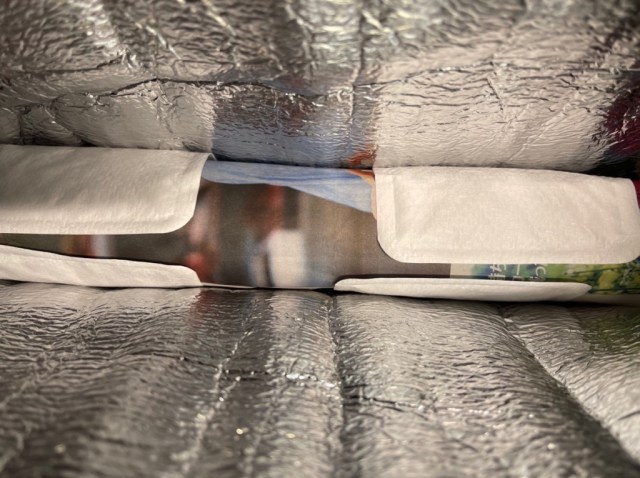
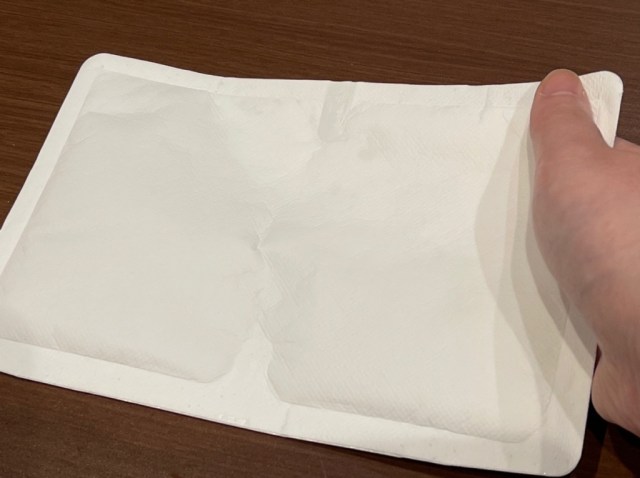
You can use a lot of methods to keep them warm, including the use of hot water bottles, a heater, hot kairo adhesive pads, and so on. Saya had a heat-saving bag and some kairo on hand, so she tried that method.

Unfortunately, the beans got cold in the process. Maybe it was because they were old, but her kairo didn’t stay warm for more than a few hours. She tried to save the batch by adding heat as soon as she noticed, but it was already too late. She ultimately decided to let it sit another 12 hours, as per the kit instructions.

In the meantime, she started the second batch in the kit to see if it would go any better. She repeated the same process as the first batch, but this time, she used a huge, 24-hour kairo that was guaranteed to last long enough.

24 hours passed. She took a peek inside the cocoon to see how her beans were faring. It managed to stay warm for the full 24 hours, but she waited another 12 hours to make sure they had properly fermented.

Another peek. This time she could see a slimy texture on the beans, which was a good sign!

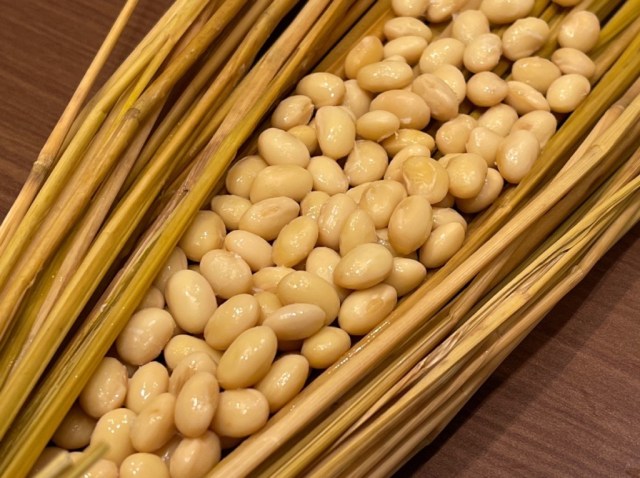
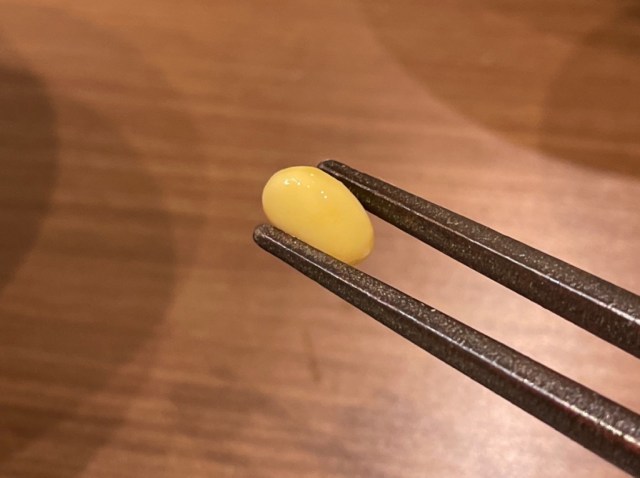
They looked beautiful! They weren’t as stringy and slimy looking as natto you can find at the supermarket, but there was definitely something going on.

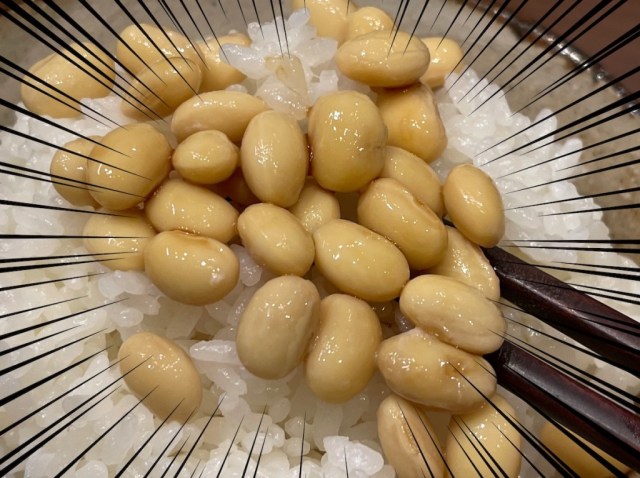
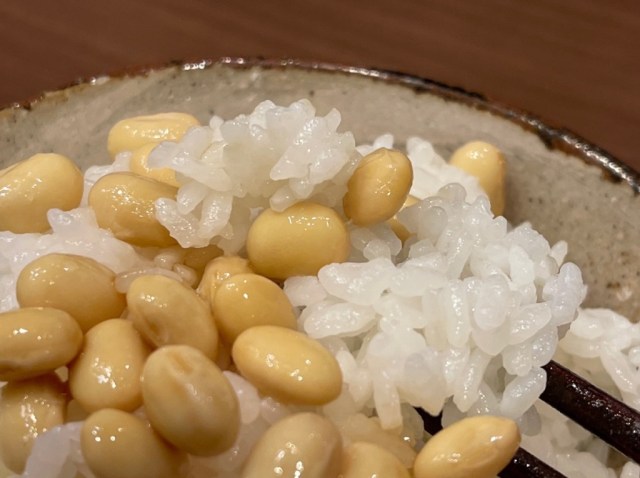
The next step was to let them refrigerate for two more days to reach natto perfection. And then came the long-awaited day to try her fermented creation. She cooked up some rice and topped it with her homemade natto.

And when she took a bite…

…they just tasted like soybeans.

There wasn’t enough bacteria growth to give it that slimy natto flavor she was hoping for. You can see the barest sheen of fermentation, but it’s not nearly enough. She didn’t feel too bad, though, since it was a fairly low-effort creation.

And honestly, it was a great bowl of soybean rice! She thought it paired perfectly with the dash of soy sauce she put on it. It was like a premium version of regular soybeans.

By the way, if you’re wondering what happened to the first batch, they started to grow black flecks after another 12 hours of fermenting. Saya decided that cocoon was better left unopened.

So even though Saya’s experiment to make homemade natto wasn’t exactly a success, she knows what to do for next time! Boil them almost until she thinks they’re overboiled, then keep that warmth packed in for the next 24 hours. If you want to give it a try and end up with the same results as Saya, you can still add natto flavor by, well, adding natto!

Photos ©SoraNews24
● Want to hear about SoraNews24’s latest articles as soon as they’re published? Follow us on Facebook and Twitter!


Credit:

This photo from Osaka makes it look like Japan has turned into The Last of Us


These lions don’t just look like the kings of the jungle, but the new rulers of Earth’s surface.

Some of the most compelling views in Japan are the ones that have you feel like you’re looking through a window into the past. When you’re walking around a modern city but find a shrine or temple that’s been there for hundreds of years, you can’t help but feel the immensity of all the things that have happened between then and now.

Recently, though, Japanese Twitter user @yukiokon stumbled across a place that feels like the opposite, snapping a photo that feels like it’s from so far in the future that life on Earth has changed into something completely different than what we know today.

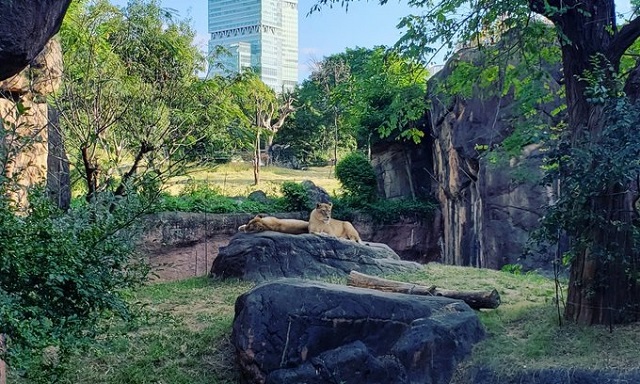
“Check out this picture I took” tweets @yukiokon. “It’s like after the fall of humanity, nature flourished, and a super-advanced society took the place of ours.” There’s definitely an uncanny contrast between the vast verdant foreground, with the pair of lions seemingly holding dominion over everything between where they’re lying and the base of the glittering skyscraper in the distance.

Don’t start hoarding supplies and otherwise prepping for the coming dystopia quite yet, though. You’ll be happy to hear that @yukiokon didn’t actually stumble on a portal to the future that revealed mankind’s eventual exodus into techno towers to preserve the lifestyles of the aristocracy. This is actually just the view from one specific point inside Tennoji Zoo in downtown Osaka, with the 300-meter (984-foot) Abeno Harukas, the tallest building in Japan, visible in the distance.

The zoo is located to the south of the most developed part of downtown, near the Shinsekai neighborhood. Because of that, at the point where @yukiokon took her photo the trees are tall enough to block out the rest of the skyline, leaving Abeno Harukas as the only visible man-made structure, creating the feeling that nature has reclaimed everything else.

▼ As these photos show, if you digitally remove Abeno Harukas it doesn’t look like you’re anywhere close to one of the largest cities in Japan (though the giraffes make it look even more like a scene from The Last of Us).

Admission to Tennoji Zoo is just 500 yen (US$4.40) and it’s located within easy walking distance of the Tennoji and Dobutsuen-mae train and subway stations, making the zoo not only an easy place to fit into your Osaka itinerary, but also to run back to the big city from if you want to make sure it’s still there.

Related: Tennoji Zoo
Source: Twitter/@yukiokon via IT Media

Images: Twitter/@yukiokon
● Want to hear about SoraNews24’s latest articles as soon as they’re published? Follow us on Facebook and Twitter!


Credit:

We try Komeda Coffee’s new meatless ham katsu burger, and never want real fried ham ever again

Who knew soy meat could be so good?!

These days it isn’t hard to find meatless food options in Tokyo, and, even better, you no longer have to settle for a subpar flavor experience. Soy meat is booming in Japan, and the options are surprisingly delicious!

We found one such delicious option at Komeda Coffee, which is consistently voted as the most satisfying coffee shop in Japan. Once you try their newest menu item, you’ll understand why. The “Soy Ham Katsu Burger” is so unbelievably good you won’t even notice it’s not meat!

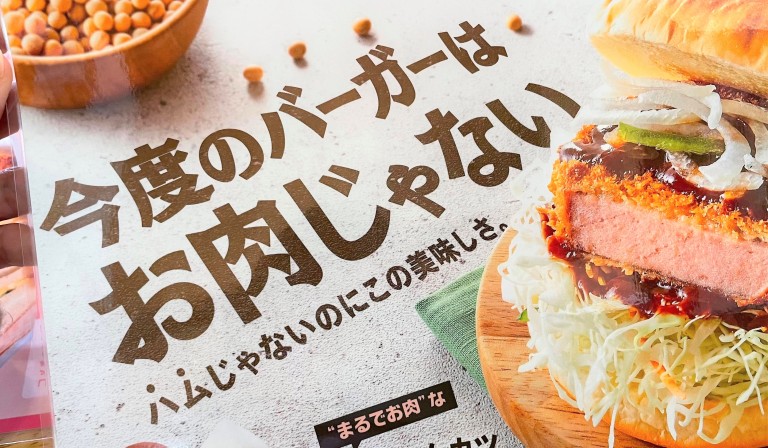
Our taste-tester for today was our Japanese-language reporter K. Masami. She was drawn by the advertising for the sandwich, which boasts that “this isn’t ham, but it’s equally delicious”. It’s made with soy meat sliced thick and deep-fried like a ham katsu, or a deep-fried ham cutlet.

To be honest, Masami didn’t expect it to truly blow her away, having never been truly surprised by soy products. Though plant-based meat has gotten surprisingly more meat-like in recent years, making soy taste like ham sounded like a tall ask. Without even talking about the texture, how can you replicate the unique flavor of ham?

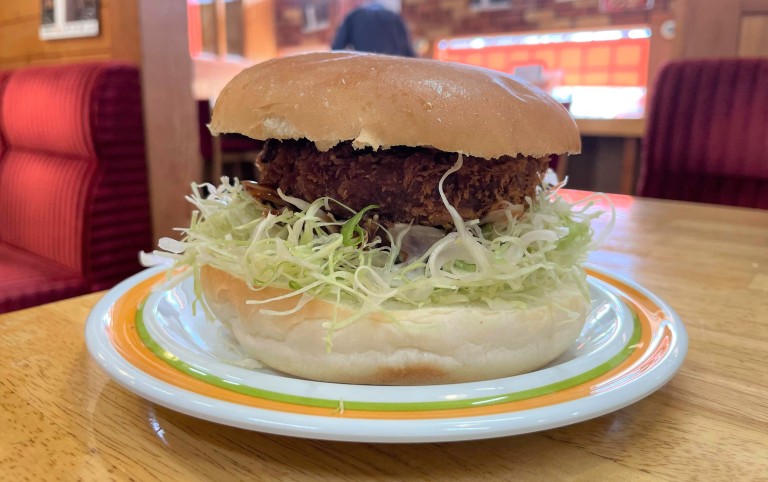
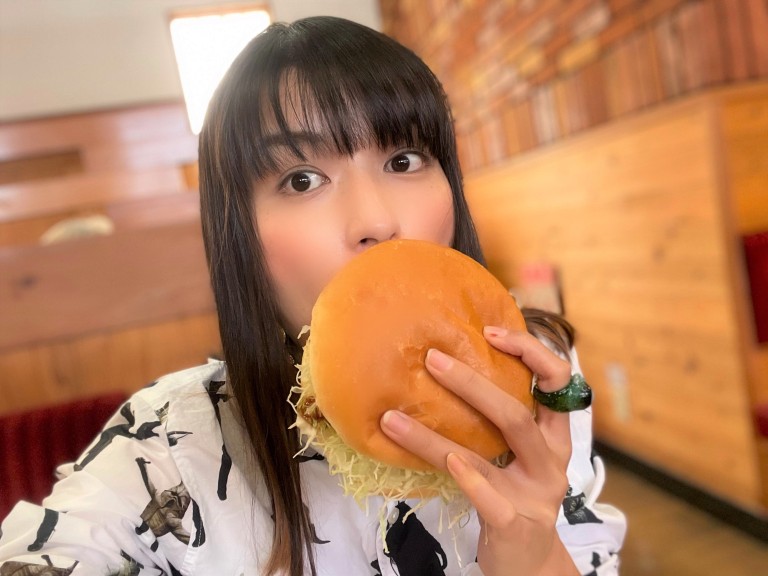
So she went to Komeda Coffee vastly underestimating this meatless sandwich. But from the very moment it arrived at her table, she began to realize what a mistake she’d made. Just look at the size of the sandwich, for starters.

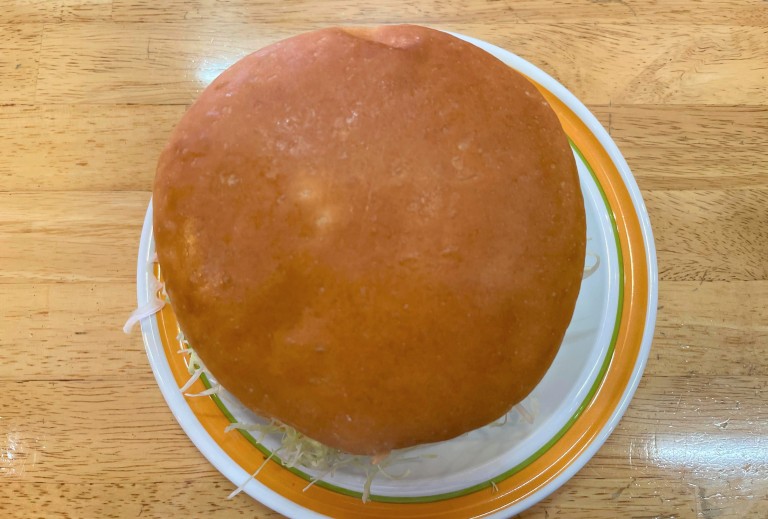
Komeda Coffee is infamous for making the food in their ads have deceptively big portions, but there was no false advertising when it came to this sandwich. It was almost as big as the 16-centimeter (6.3-inch) plate! After Masami saw it, she understood why the waitstaff asked if she wanted them to cut it into pieces for her when she ordered it.

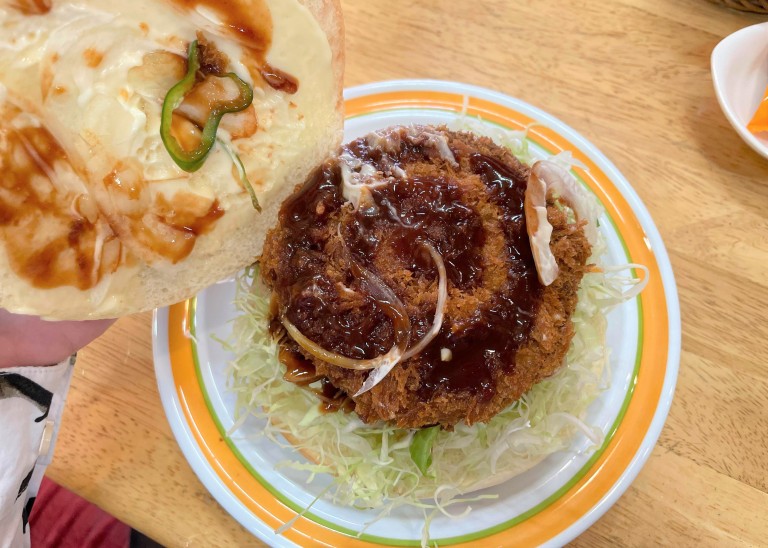
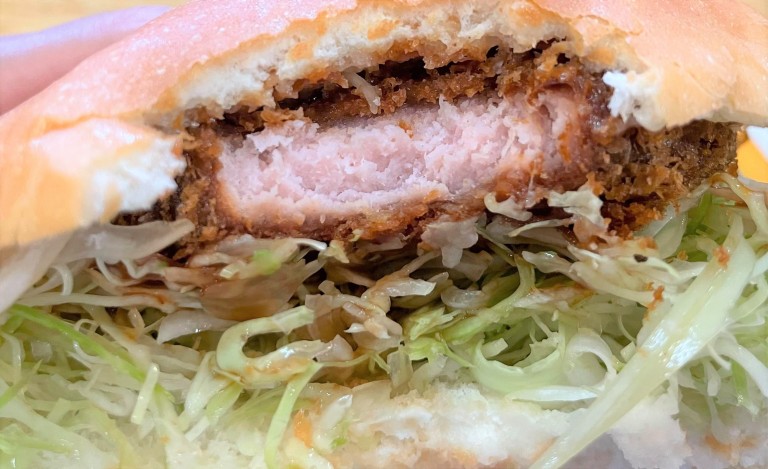
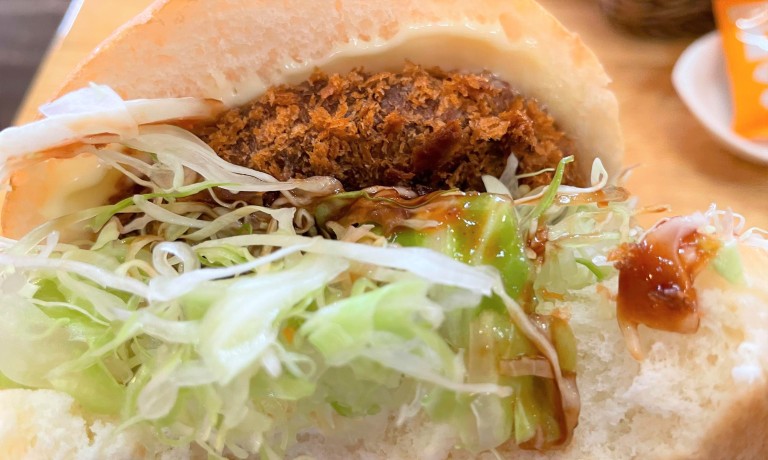
It was also pretty heavy, and if she didn’t hold it carefully, all of the toppings looked like they would fall out. When Masami peeked under the top bun, she found tons of cabbage and a few green peppers inside, as well as a beautifully crisp-looking, thick, soy ham cutlet.

Worried about cracking her jaw, she took a bite, but she couldn’t even get a taste of the soy ham katsu, so monstrous was this sandwich. All she got was vegetables!

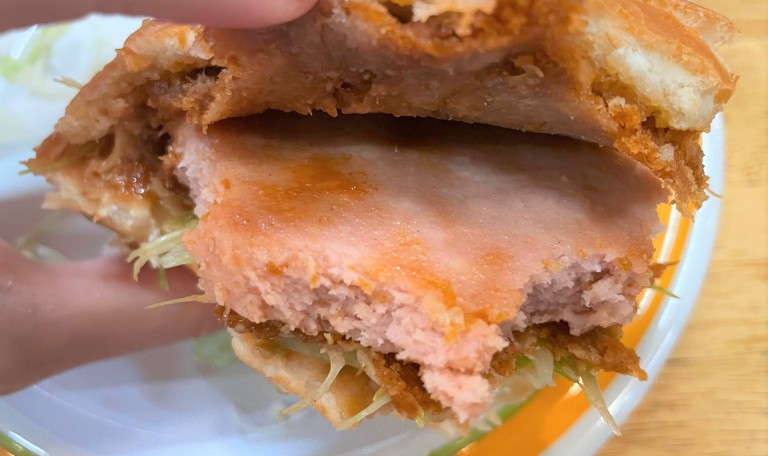
After tidying up the wayward strands of cabbage, she finally managed to get a bite of the ham katsu. The soy meat was a nice pink color, similar to the color of ham, if a little lighter. And the flavor was…

Shockingly ham-like! She honestly could not believe it was soy. It had just the right amount of saltiness and had somehow had a similar flavor to ham.

It did lack a little bit of the juiciness you might find in real meat, but it was still really difficult to believe it wasn’t real ham. Perhaps the fact that it was deep-fried and dressed with a special mustard-flavored burger sauce helped up the ham-like flavor of it. Either way, Masami was a fan.

They likely tried all kinds of things to come up with this recipe, but it still had no right to be that good. With a soy-meat patty as ham-like as this one, Masami would be happy never eating real ham again.

She was completely and utterly surprised. Truly, this is not an exaggeration. She’d underestimated this meatless ham katsu, and after eating it she wanted to kick herself. She felt like she had to apologize to the makers of this delicious concoction.

By the way, Masami got this huge soy ham cutlet sandwich for just 580 yen (US$5.12). With such a huge portion, she thought that was a pretty good deal! Sadly, it’s only available for a limited time at Komeda Coffee, so if you want to try it, make sure you go before the end of November. And if you miss it, don’t worry. Komeda Coffee also operates a completely plant-based restaurant called Komeda Is, which offers delicious vegan and vegetarian fare year-round.

Photos © SoraNews24
● Want to hear about SoraNews24’s latest articles as soon as they’re published? Follow us on Facebook and Twitter!


Credit: