7-Eleven Japan’s new acai smoothie becomes a hit with customers

Run, don’t walk, to try this special limited-edition drink.

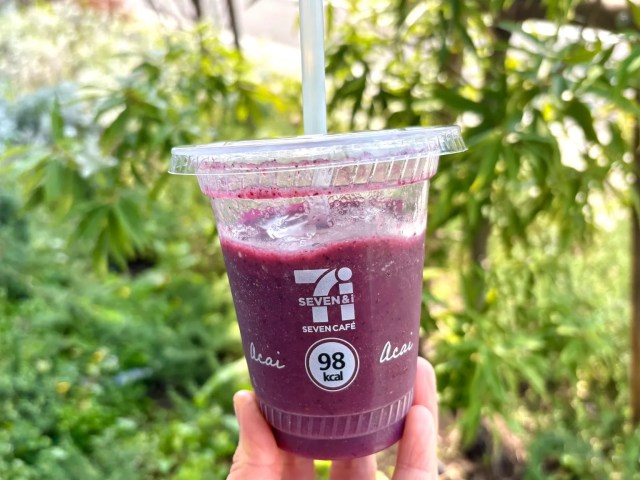
7-Eleven surprised everyone recently by becoming the go-to spot for smoothies, which are sold in the freezer section and whipped up fresh by customers at the machine on the counter. The drinks have become so popular that the chain is really leaning into them, consistently bringing out new flavours that delight the masses, and its latest release is no different, with the Acai Banana Smoothie becoming a hit with customers.

After receiving positive feedback from test sales in 2021, the Acai Banana Smoothie is now being rolled out at 7-Elevens around the country, with extra nutritional benefits that give you half a day’s worth of recommended iron and a third of your daily fruit requirements in every cup.

▼ Delicious and nutritious.

With only 98 kilocalories in every serving, there’s a lot to love about this smoothie, but the main highlight is the taste. When you purchase it, the plastic cup contains ice cubes, with acai puree, yoghurt, bananas, blueberries and strawberries, so you can see exactly what goes into your smoothie before you blend it up.

Once blended, the freshness of the fruit sparkles on the palate, helped along with the milky tartness of the yoghurt, which provides a silky smooth mouthfeel. It’s rich yet refreshing, and a great way to quench your thirst while looking after your nutritional needs.

This is only a limited-time flavour, though, so if you’d like to get a taste of it, you’ll want to get in quick before it sells out. The Acai Banana Smoothie retails for 380 yen (US$2.53), and will be rolled out at stores with smoothie machines in Tokyo from 18 March, Kanagawa, Chiba, and Saitama prefectures from 25 March, Kinki, Chugoku, Shikoku, Kyushu, and Okinawa from 1 April, and Hokkaido, Tohoku, Tochigi, Ibaraki, Gunma, Hokuriku, Koshinetsu and Tokai from 8 April.

If you try the Acai flavour and develop a love for 7-Eleven’s freshly made smoothies, you might want to try the chain’s Cafe Latte and Sweet Potato flavours, which are just as popular!

Photos ©SoraNews24
● Want to hear about SoraNews24’s latest articles as soon as they’re published? Follow us on Facebook and Twitter!


Credit:

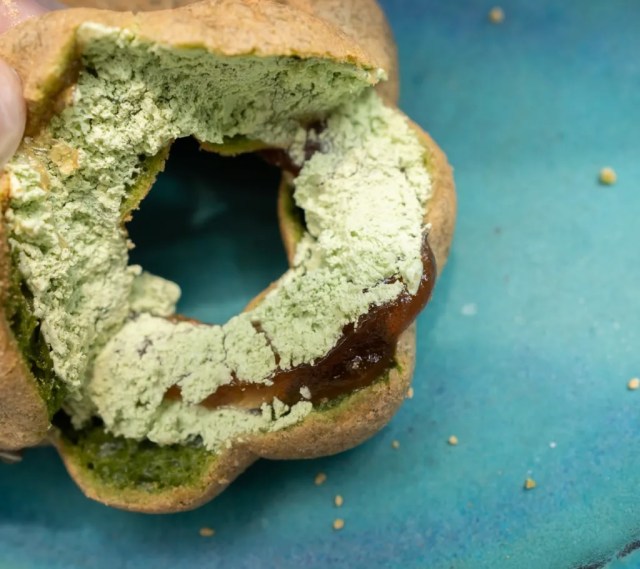
Japan’s new Mister Donut matcha donuts have so much green tea flavor one has to use the hole

Misdo Meets Gion Tsujiri for five new matcha donuts created in conjunction with Kyoto tea company that’s been in business for over 150 years.

Walk into most dessert cafes or convenience store sweets sections in Japan at this time of year, and you’ll be greeted by an array of treats styled and flavored to align with the cherry blossoms coming into bloom. So some might say the timing is a little unusual for Mister Donut to be launching an extensive new line of green tea donuts just as the rest of the country’s confectioners are going pink.

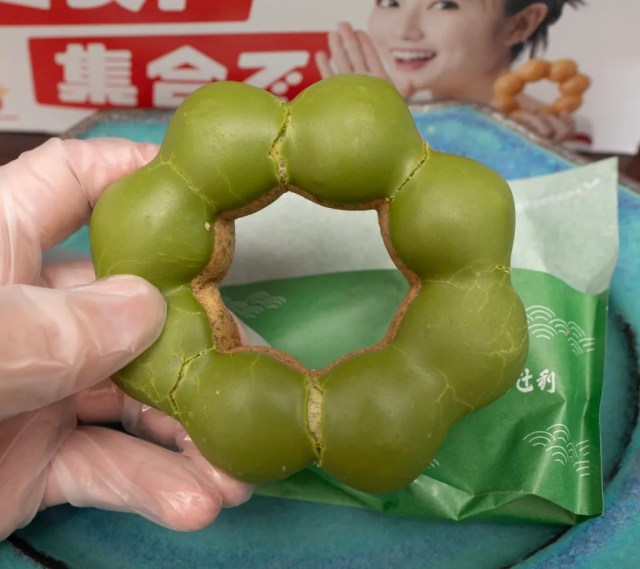
But on the other hand, any time is a great time for a collaboration with Gion Tsujiri, one of Japan’s most prestigious tea merchants who’ve been in the matcha business for more than a century and a half. The latest batch of Misdo Meets Gion Tsujiri donuts just went on sale this week, so we rushed out to perform our solemn duty of eating all five of the new sweets, starting with the Pon de Double Uji Matcha.

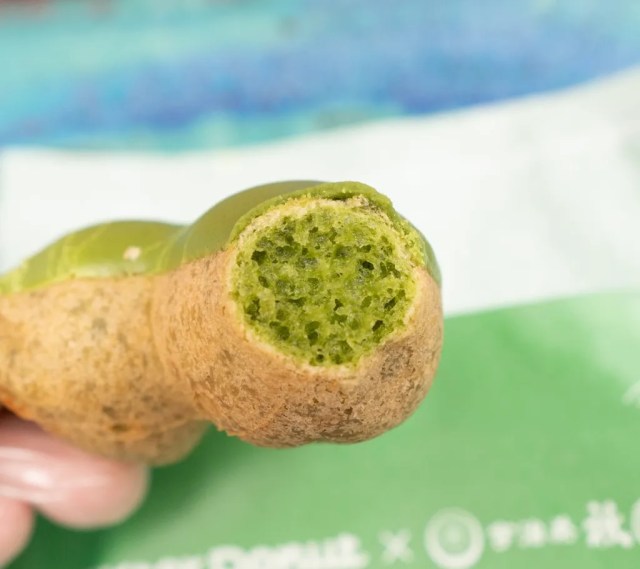
This is an evolved version of Mister Donut’s Pon de Ring donuts. Not only do you get a matcha chocolate glaze, green tea is also kneaded into the dough too, using ichiban tsumami (first-picking) matcha for an extra luxurious taste.

If you want to get even fancier, there’s also the Pon de Zaku Matcha Kinako (242 yen).

Zaku is the Japanese onomatopoeia for crunchiness, and that comes in the form of a crunchy coating of kinako (roasted soybean powder). Coupled with the moist softness of the donut itself, it makes for a compellingly contrasting consistency.

Also doubling up on the Japanese ingredients is the Pon de Uji Matcha Kokuto Warabimochi (242 yen).

Kokuto is what Japan calls brown sugar, and while that marque ingredient might not be immediately apparent from the outside, which is dusted in non-crunchy kinako…

on the inside of this sandwich-style donut you’ll discover rings of matcha whipped cream and jiggly brown sugar warabimochi. So instead of the crunch giving way to softness that we experienced with the Pon de Zaku Matcha Kinako, here we have softness with a chewy center, an equally attractive transition.

Moving up to the premium members of the lineup, we come to the Uji Matcha Chestnut Azuki (275 yen).

This one ticks several boxes on the donut recipe option list, with a matcha chocolate glaze, sandwich-style construction, and a filling of azuki (sweet red bean paste) and candied chestnut paste.

The flavors are delicious, but what really floored us was the texture, which somehow has the enticing crumbliness of an old-fashioned donut mixed with the airiness of a French cruller. We’re not sure how Mister Donut achieved this, but the result feels extra classy.

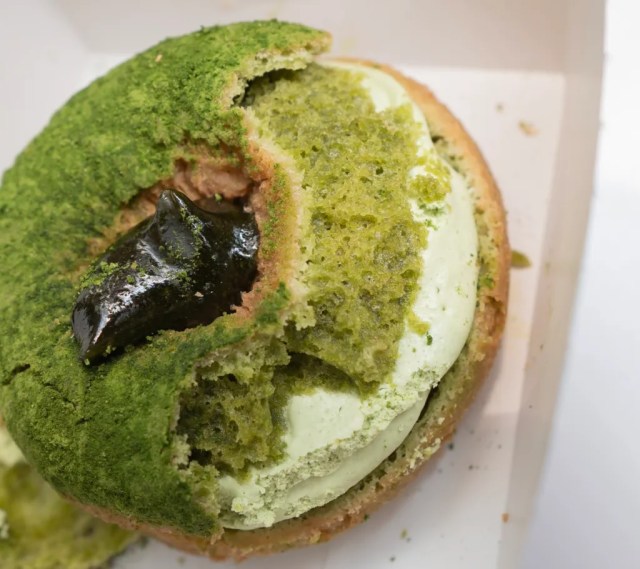
Finally, we come to the Uji Matcha-zukushi (275 yen), which translates loosely to “All the Uji Matcha.”

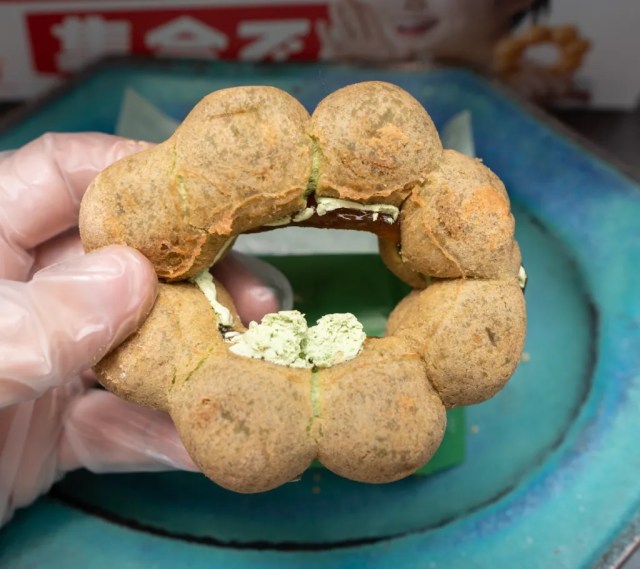
Covered in powdered matcha, this is a donut that immediately makes a visual promise about how it’s going to taste, and then delivers on it 100 percent. The amount of matcha gives it an unabashed bitterness in its flavor profile, but the sweetness of the thick layer of matcha whipped cream and center filling of matcha warabimochi provide plenty of sweetness to play with your taste buds too.

▼ Yes, there’s so much matcha involved that they had to use the donut’s hole to fit it all in.

So that’s Mister Donut going five for five with Misdo Meets Gion Tsujiri lineup, so you’ll want to start planning how to fit them all into your snacking schedule during their stay on the menu, which will be lasting until late May.

Photos © SoraNews24
● Want to hear about SoraNews24’s latest articles as soon as they’re published? Follow us on Facebook and Twitter!


Credit:

We try the new Family Mart Uji matcha sweets before they go on sale in Japan

Find out which of these green tea treats is worth the calories.

On 27 March, Family Mart announced it would be holding its annual “Matcha Fair” for the fifth year running, and this time it would be a celebration of matcha and strawberries, with a total of seven new items in the collection.

With one treat going on sale from 28 March and the rest available from 1 April, we were lucky enough to taste six out of the seven items in the range ahead of the official release, so join us as we take you through them, so you can decide which ones are worth the money…and the calories.

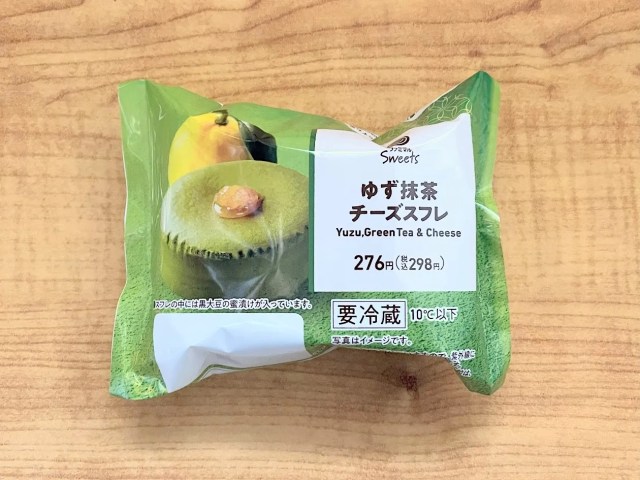
▼ First up, we have the Yuzu Matcha Cheese Soufflé (298 yen [US$1.98])

This luxurious cheese soufflé cake is infused with the delicious flavours of matcha and black beans, giving it bagfuls of Japanese flavour. The yuzu jam on top provides a hit of citrus refreshment to cut through the richness, creating a deliciously decadent yet well-rounded sweet.

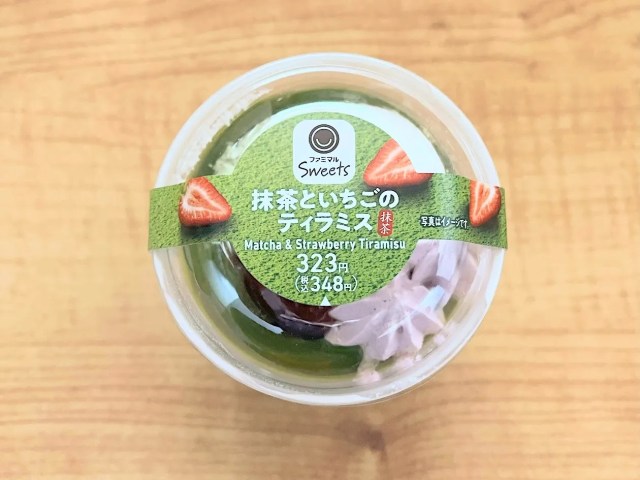
Matcha and Strawberry Tiramisu (348 yen)

This multi-layered dessert contains matcha tiramisu mousse, a matcha sponge, matcha chocolate sauce, strawberry sauce, and strawberry-flavoured whipped cream. Despite all the green tea elements, the strawberry takes over here, hitting the taste buds with fruity sweetness before rounding out with matcha lingering in the aftertaste.

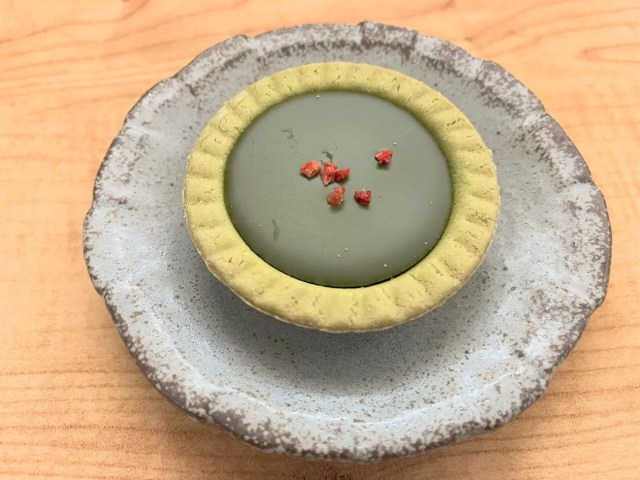
Matcha and Strawberry Tart (258 yen)

This treat is significantly lighter on the fruit components, with freeze-dried strawberry pieces on top and a thin layer of strawberry Gateau chocolate in the base. This allows the matcha to shine through on the palate, delivering earthy notes of green tea in the smooth chocolate filling and the crispy pastry casing.

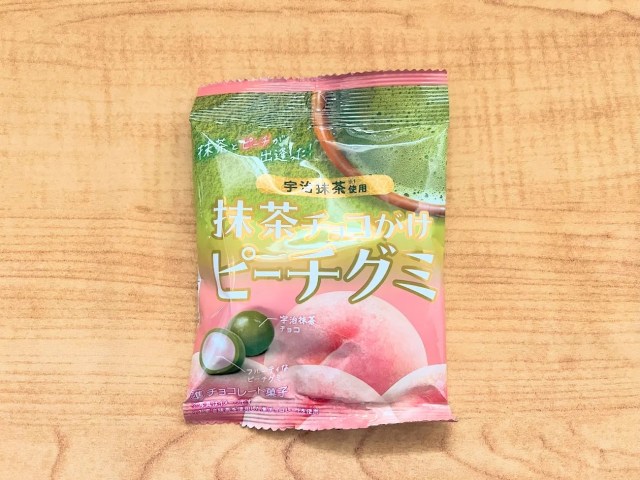
Matcha Chocolate Covered Peach Gummy (213 yen)

Those wanting to explore a different matcha-and-fruit pairing will enjoy this pack of heaven, with soft, gummy peach centres coated in layers of crispy matcha chocolate. The two very different textures create an exciting mouthfeel, giving each component time to dance solo on your tongue, before melding together for a deliciously harmonious and addictive aftertaste.

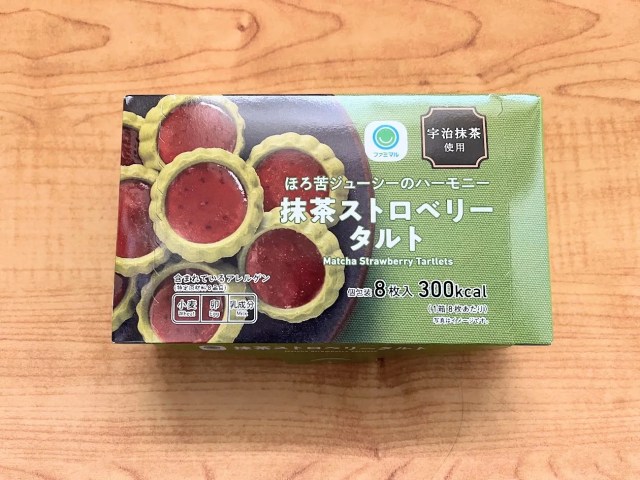
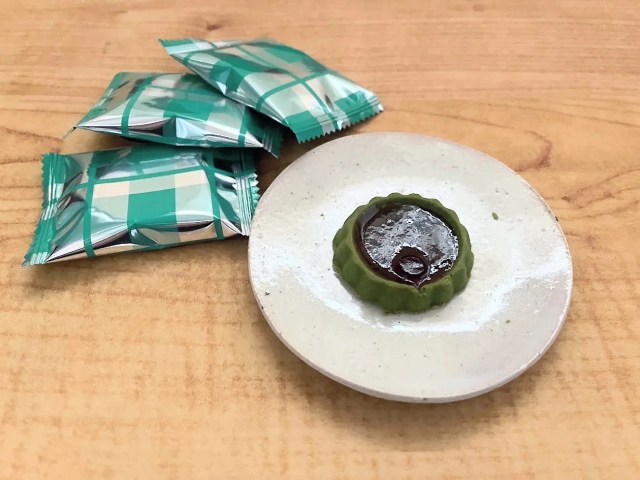
Matcha Strawberry Tart (258 yen)

Though the English name on these describes them as “tartlets”, they’re officially known as “tarts” in Japanese. Whatever you choose to call them, though, they’ll win you over, with the strawberry jam centres providing delicious sweetness to the matcha pastry, working together to provide a harmonious blend of fruit and green tea in equal measures.

Strawberry Chocolate Uji Matcha (348 yen)

If you love tart strawberries then you’ll love this treat, with the strong acidity of the freeze-dried fruit centre standing up well to the thick coating of matcha chocolate surrounding it. With its refreshing aftertaste, this is a sweet that’s perfect for cleansing the palate after meals.

The earthy green flavour of matcha is an excellent pairing for fruit, and every single item we tried was a perfect example of the delicious harmony that exists between them. Whether you prefer more fruit, more matcha, or an even dose of each in your sweets, there’s something to suit the palate of every matcha lover in this collection.

▼ Our pick of the bunch, however is the Yuzu Matcha Cheese Soufflé.

The compatibility between matcha, cheese and yuzu is truly outstanding, and the bittersweet tartness of the cheese is perfectly balanced, creating a sublime dessert that’s definitely worth the calories.

It was so good it made up for us missing out on the seventh item in the range, the Tsujiri Matcha Strawberry Sandwich (248 yen). Made in conjunction with esteemed matcha specialists Gion Tsujiri, the sandwich is one of the hardest items to get, so until we find it we’ll just have to console ourselves with the new Mister Donut x Gion Tsujiri matcha doughnut collection.

Photos©SoraNews24
● Want to hear about SoraNews24’s latest articles as soon as they’re published? Follow us on Facebook and Twitter!


Credit:

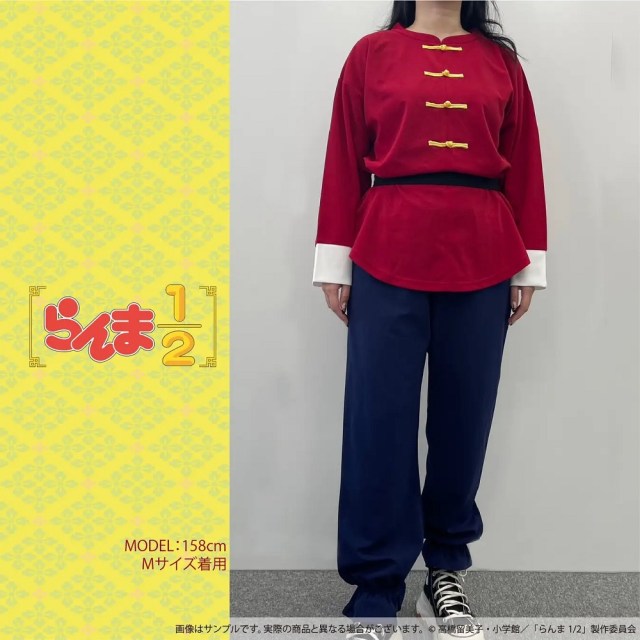
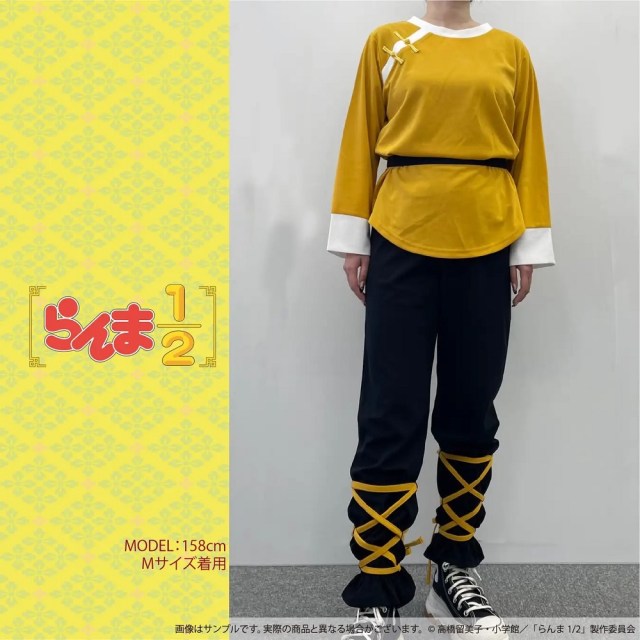
Instant cozy anime cosplay can be yours with new Ranma 1/2 roomwear sets【Photos】

Turns out Ranma and Ryoga’s martial arts outfits are also pretty comfy for lounging around the house.

Part of what makes cosplay a special-occasion sort of thing is that most anime character’s outfits fall into one of two categories. In one group are costumes that, while eye-catching and memorable while fighting monsters or piloting giant robots, are often too outlandish, uncomfortable, and/or revealing to wear while going about your real-world daily life. Take those options away, though, and you’re primarily left with outfits worn by anime characters whose stories take place in a more grounded, modern-day setting, which are just, well, ordinary clothes, so not exactly the sort of thing that’s particularly fun or interesting to emulate.

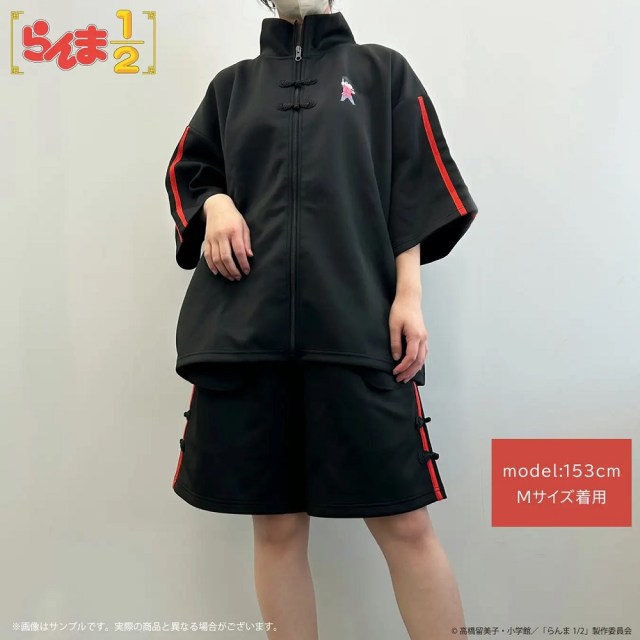
But every now and again there’s an outfit that threads the needle, with enough flair to put a smile on fans’ faces when they slip it on, but still comfortable and practical, and today’s example of that is this new line of Ranma 1/2 roomwear.

Courtesy of Japanese casual clothing chain Shimamura, the two roomwear sets come during the break between the first and second season of the ongoing TV anime remake of Ranma 1/2. While there are some aesthetic differences between the new anime and the 1989 original, protagonist Ranma’s Chinese martial arts-casual fashion sense remains a constant, and his most iconic outfit, with red and black pants, is the basis for one of the roomwear sets.

Inspiring the other ensemble is the outfit worn by the most persistent of Ranma’s many rivals, Ryoga, which even replicates the crisscrossing cords of the perpetually lost wanderer. The sashes of both sets are actually functional too, not just sewn on, and can be removed or tied to whatever degree of snugness or looseness you desire.

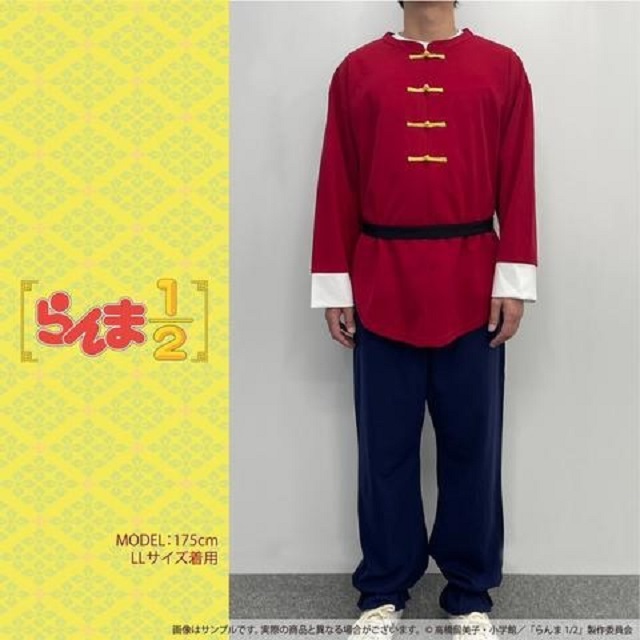
Shimamura officially designated both designs as “ladies’ roomwear,” However, they’re offered in sizes from small to extra-large, and the store’s official promotional photos include shots of men wearing both the Ranma and Ryoga outfits in extra-large sizes, implying that they could also be considered unisex garments (though note that the extra-large pants have a waist size of 74 centimeters [29.1 inches], so they can only accommodate relatively svelte gentlemen).

▼ Male models in the extra-large size roomwear sets

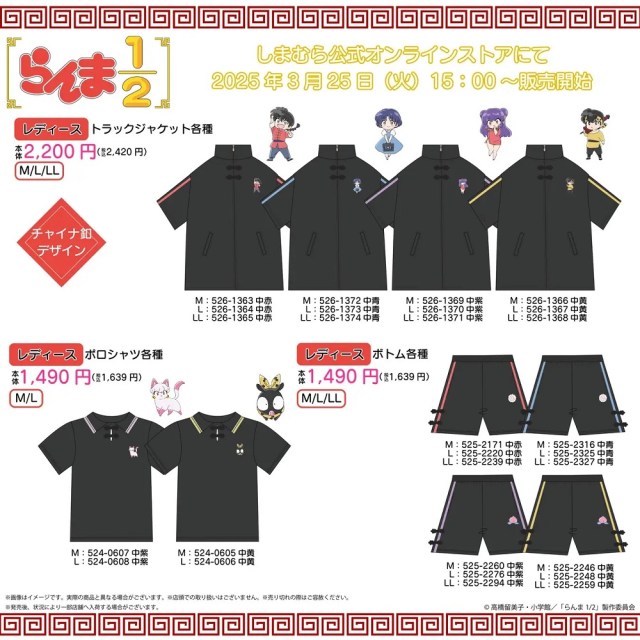
Shimamura is also offering Ranma-themed athletic apparel, featuring super-deformed versions of Ranma, Akane, Shampoo, and Ryoga on high-collared track jackets, Shampoo and Ryoga in their transformed cat/pig forms on polo shirts, and shorts with the naruto fish cakes and peaches that often show up as artistic motifs in Ranma 1/2 key art.

Character merchandise often comes with a pricing premium, but with Shimamura being a budget-oriented retailer, none of these items will leave your wallet crying. The 3,200-yen (US$21.80) roomwear sets are as expensive as anything gets, with the track jackets coming in at 2,420 yen and the polo shirts and shorts 1,639 yen.

The whole lineup is being offered exclusively by prior reservation through Shimamura’s online shop here, with preorders open now and shipping slated for mid-June.

Source: PR Times via Nijimen
Top image: PR Times
Insert images: PR Times, Shimamura (1, 2)
● Want to hear about SoraNews24’s latest articles as soon as they’re published? Follow us on Facebook and Twitter!


Credit:

New Monster Hunter plushies let you be a Monster Hugger instead【Photos】

Monster Hunter Wilds newcomers and freaky faces from the past all part of new video game plushie lineup from Capcom.

It’s been said that familiarity breeds contempt, but sometimes you get the opposite result. Take, for example, the case of Monster Hunter Wilds, the smash-hit latest installment in video game developer Capcom’s Monster Hunter series. In the month since the game’s launch, fans around the globe have gotten very familiar with Wilds’ cast of giant creatures as they track them, fight them, and harvest their body parts for crafting into more powerful gear. But similarly to how Dragon Quest’s Slime has become both foe and franchise mascot, it’s not uncommon for Monster Hunter players to develop a feeling of attachment and affection towards the monsters they hunt, and in response there’s a new batch of Monster Hunter plushies on the way.

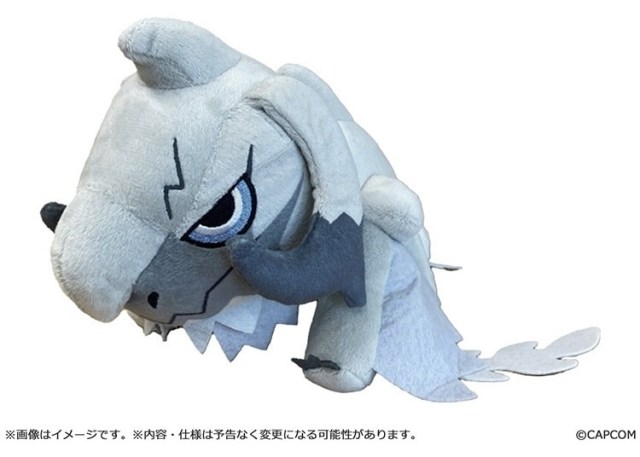
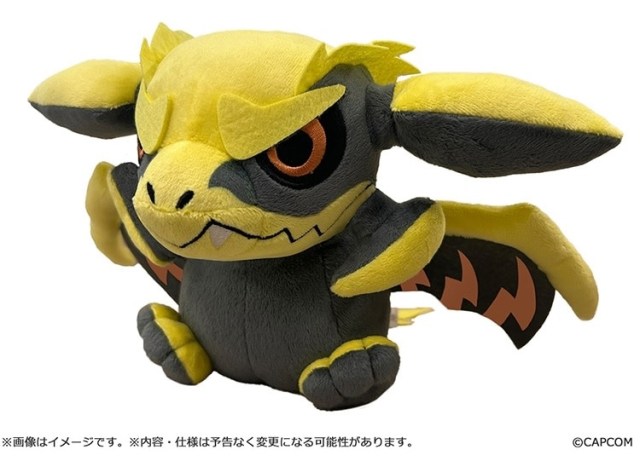
A trio of monsters who made their series debut in Wilds is getting the Monster Hunter Chibi Style (or Mondefo [“Deformed Monster”], as the line is called in Japanese) treatment, becoming chubbier and cuter in their transition from in-game graphics to stuffed animals. In addition to Arkveld (pictured above) there’s also a Chibi Style Doshaguma and Re Dau.

Ranging from 22 to 28 centimeters (8.7 to 11 inches) in length/wingspan, these cuddly creatures are bigger than what might spring to mind when you hear the word chibi (which means “tiny”). However, compared to their in-game versions that tower over human adventurers, they are rather compact, so much so that you can fit one in the palm of your hand.

▼ In addition to being cute, the Re Dau plushie is also surprisingly majestic.

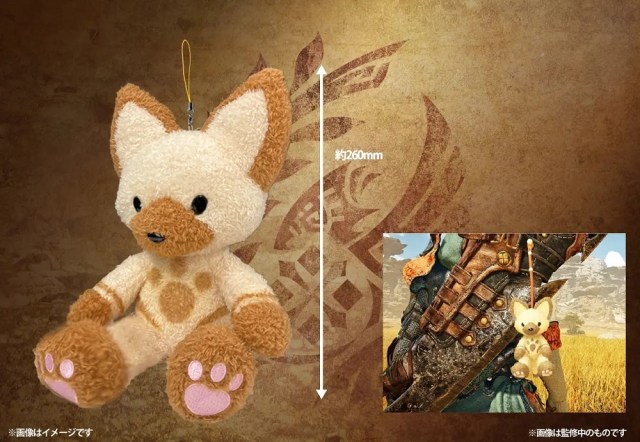
Also making the leap from Wilds to the real world is the Felyne Teddy, a cosmetic charm strap that you can attach to your hunter’s gear and now your actual bag or keychain too.

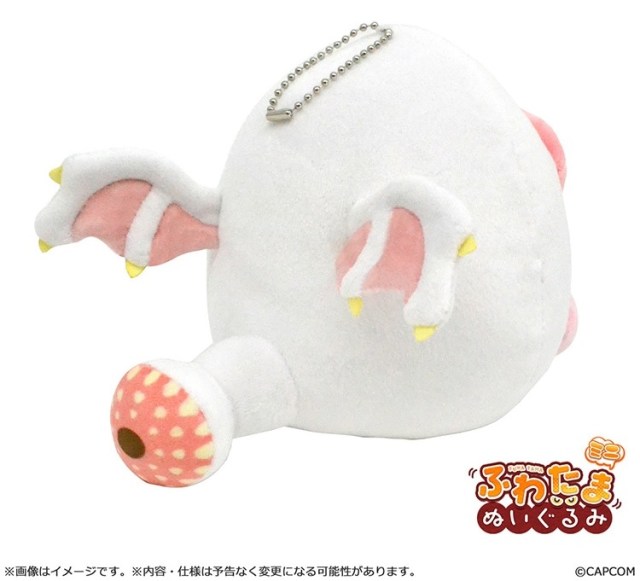
With the Monster Hunter franchise now being more than 20 years old, Capcom isn’t able to feature every monster in its ever-growing bestiary in each and every game. However, they are throwing long-time fans of Tigrex and Khezu a bone/plushie, as those two species, plus the cat companion Felyne, are getting new Fuwatama (“Fluffy Egg”) Mini versions.

12 centimeters in height, these are actually straps, with a chain attached in a way that lets it be tucked aesthetically out of sight if you’re sitting them on a desk or shelf.

▼ You really have to hand it to the designers for managing to make Khezu, Monster Hunter’s most terrifyingly freaky creature, look like something you’d want to hug.

The Monster Hunter Chibi Style plushies are priced at 3,850 yen (US$26), the Felyne Teddy 4,400 yen, and the Fuwatama Minis at 1,485 yen. Though they won’t be shipping until mid-October, Capcom has already opened preorders for them, and they can all be ordered through the e-Capcom online store (Arkveld here, Doshaguma here, Re Dau here, Felyne Teddy here, Tigrex here, Khezu here, and Felyne here).

Source: PR Times
Featured image: PR Times
Top image: e-Capcom

Insert images: e-Capcom (1, 2, 3), PR Times, e-Capcom (4)
● Want to hear about SoraNews24’s latest articles as soon as they’re published? Follow us on Facebook and Twitter!


Credit:

Smash Bros. creator learns he can’t tweet carelessly, fans learn they can’t trust AI translations

Masahiro Sakurai’s quick comment turns into a hurdle for automated translation tools.

Though he’s never been a direct employee of the company, the vast majority of the games directed by Masahiro Sakurai have been published by Nintendo. So with the Kyoto-based publisher holding its latest Nintendo Direct online presentation on Thursday, and with the Switch 2 hardware launch somewhere on the indistinctly shimmering near-future horizon, many fans of Super Smash Bros. and Kirby, Sakurai’s two biggest hits, were no doubt hoping that we might be getting a glimpse at new titles in those series.

▼ Nintendo of Japan’s official Twitter announcement for Thursday’s Nintendo Direct

Of course, Nintendo itself tends to be pretty tight-lipped about exactly what it’s going to be showing in the Nintendo Direct presentations until the moment they begin on the company’s official YouTube channel. So those wanting advance info instead often go looking for clues in statements from individual creators and third-party publishers instead, and when Sakurai himself retweeted the Nintendo Direct announcement, fans around the world took notice, even those who can’t read Japanese.

Anxious to know what the Japanese text of Sakurai’s tweet, ほうほう, means, many took to using automatic online translation tools, which in many cases gave them a translation that raised as many questions as it answered when they spat back “method” as the translation.

Now instead of trying to figure out what ほうほう means, many were trying to figure out what “method” was supposed to mean.

Others, figuring that Sakurai couldn’t possibly have tweeted something so cryptically nonsensical as “method,” instead reacted by venting their frustrations at Twitter’s Grok AI for the quality of its translation attempt.

However, AI’s biggest stumbling block is that it has a hard time understanding context, and context, it just so happens, is a big part of communication in Japanese.

Getting back to the original Japanese text of Sakurai’s tweet, ほうほう is pronounced houhou, and yes, houhou is one of the ways to say “method” in Japanese. Written in kanji, the Japanese characters used to express vocabulary-based concepts, “method”/houhou would be written as 方法.

Sakurai didn’t write the kanji 方法, though, He wrote ほうほう, using the type of script called hiragana, which is used to write things phonetically. Technically, anything you can write in kanji you can also write in hiragana, and there are some Japanese words that actually have kanji but are much more commonly written in hiragana, such as arigatou/”thank you,” which you’ll much more often see rendered in hiragana as ありがとう than in its stuffy-feeling kanji form, 有難う.

However, for native Japanese speakers/writers, 方法 isn’t considered an officious-feeling or difficult-to-write pair of kanji, and so it would be very, very strange for an educated adult to write the “method” houhou as ほうほう. So what we’re really looking for here is a houhou that isn’t necessarily a vocabulary word (thus no kanji) and more of a general feeling, and what Sakurai was actually tweeting was just the sound of someone giving an amused and intrigued chuckle, since Japanese speakers will often verbally react with houhou in the same way that we might in English convery the idea of “Let’s see what we have here” by making a noise along the lines of “Ah ha,” or even “Ho ho!”

▼ ほうほう = Houhou = Ho ho. Yes, sometimes translation can be easy (for human beings who can understand context anyway).

So ultimately, all Sakurai was doing was reacting to the Nintendo Direct announcement in the same, outsider-looking-in way that ordinary fans were, a happy little sentiment of oh wow, I wonder what sort of cool stuff we’re going to see. The last thing he’d expected was for his casual off-the-cuff comment to attract international scrutiny, and in this characteristic good-natured way, he later sent out a follow-up.

▼ “Guess I can’t tweet so carelessly…”

So in the end, Sakurai learned a little about just how seriously the international game fan community takes his statements, and hopefully the international game fan community learned a little about how spotty AI is at translating. And if you’d like a more in-depth explanation, from a human, as to why the Japanese language needs both kanji and hiragana (as well as a third set of characters), we’ve got one for you right here.

Source: Twitter/@Sora_Sakurai via Hachima Kiko
Top image: Pakutaso (edited by SoraNews24)
Insert image: Pakutaso
● Want to hear about SoraNews24’s latest articles as soon as they’re published? Follow us on Facebook and Twitter!


Credit: