
Japan approves foreign resident visa renewal fee increases of up to 967 percent, starts soon
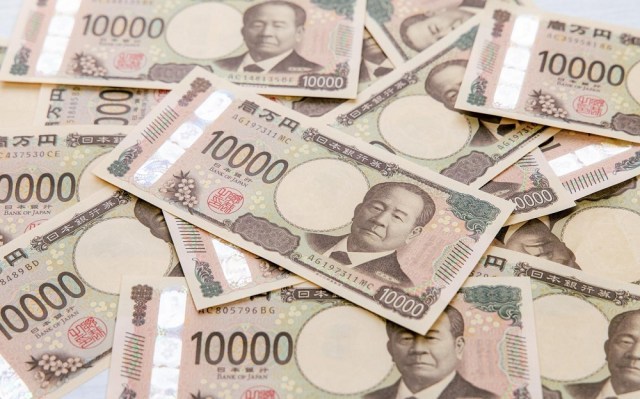
Fee for permanent residency jumps 1,900 percent.
At a cabinet meeting held on the morning of August 25, the Japanese government approved a measure significantly raising the mandatory fees foreign nationals must pay when renewing or extending their Japanese residency visas, including those seeking permanent residency in the country.
Under the current pricing structure, foreign residents of Japan pay a fee of 6,000 yen (US$38) when renewing their residency permit or changing its status, such as transitioning from a student visa to a working visa, or from a working visa to a spousal visa following marriage to a Japanese citizen. That flat rate will be ending, and in its place will be a series of much higher, swiftly increasing prices depending on the length of visa being applied for.
● 3 months or less: 10,000 yen (67 percent increase over current price)
● 3-6 months: 18,000 yen (200 percent increase)
● 6 months-1 year: 25,000 yen (317 percent increase)
● 1 year exactly: 33,000 yen (450 percent increase)
● 1-3 years: 48,000 yen (700 percent increase)
● 3-5 years: 64,000 yen (967 percent increase)
● More than 5 years: 75,000 yen (1,150 percent increase)
The increase is even larger for those applying for permanent residency in Japan, for which the fee will jump from its current 10,000 yen to 200,000 yen, a 1,900 percent increase.
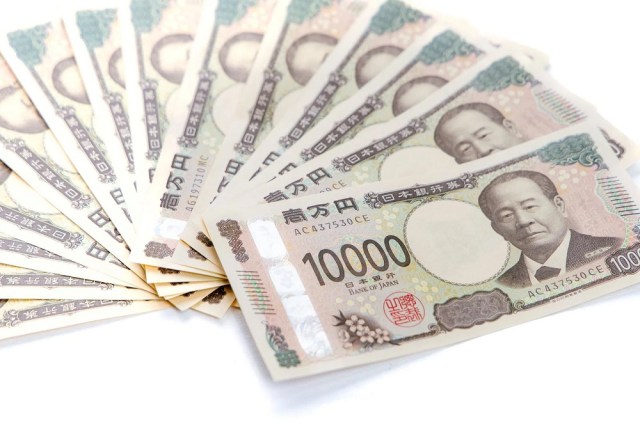
▼ This fan formed by 10,000-yen bills still isn’t enough to pay the new permanent residency fee.
The higher fees are part of a continuing trend for the Japanese government. This past June, the decision was made to increase visa fees for travelers from countries requiring one to enter Japan by 400 percent, which was followed up by the July announcement that the departure tax travelers must pay when flying out of Japan will triple.
The increase in residency visa fees comes at a time of complex, arguably distorted perceptions by many Japanese people regarding the financial status of foreigners in Japan. The weak yen has resulted in a surge of foreign tourists visiting the country, many of whom are enthusiastically enjoying sightseeing, restaurant dining, and other luxuries that are becoming increasingly out of reach for Japan’s middle and lower-earning households as inflation surges and wages for many remain stagnant. The exchange rate is also making it easier than ever before for foreign nationals to leverage their home country savings into purchasing homes and real estate in Japan, either for personal use or to convert to Airbnb-style vacation rental properties, fueling anxieties that yen-wealthy foreigners will drive up prices for housing. Combined, these factors make it easy to perceive, or paint, foreigners as uniformly financially well-off and benefitting from being on the opposite side of the coin from Japanese locals in the current economic climate.
What often gets overlooked, or is conveniently ignored by politicians looking to curry favor with their voting (i.e. Japanese citizen) constituents, is that the economic conditions that are adversely affecting the average Japanese citizen are having the same effects on the vast majority of Japan’s preexisting foreign resident population. The foreign convenience store clerk, English teacher at a Japanese high school, or study abroad program participant who found an office job with a Japanese company and stayed in the country are all getting paid in yen, so they’re not at all living high on the hog these days. It’s hard to say whether executing such massive increases in residency visa fees at a time when so many are already dealing with tighter finances would be better described as ignorant or insensitive, but it’s definitely somewhere on that spectrum.
It’s not like the Japanese government is giving foreign residents much time to sort out how they’re going to manage these higher fees, either. Again, the new pricing structure was announced on August 25, and it will go into effect for renewal and permanent residency applications starting October 1.
At the August 25 meeting, the cabinet also said that measures will be taken to allow for reductions to the new fees for foreign residents judged to be facing financial hardships. They don’t appear to have gotten around to figuring out what the qualifying factors will be, how reductions can be requested, or how much the fees will be reduced, but surely those are top priorities for them…right?
Source: Nitele News
Top image: Pakutaso
Insert image: Pakutaso
● Want to hear about SoraNews24’s latest articles as soon as they’re published? Follow us on Facebook and Twitter!
Credit:

0 comments: