
Tokyo no-map-app walk! Getting lost with Mr. Sato on the way to Kishimojin
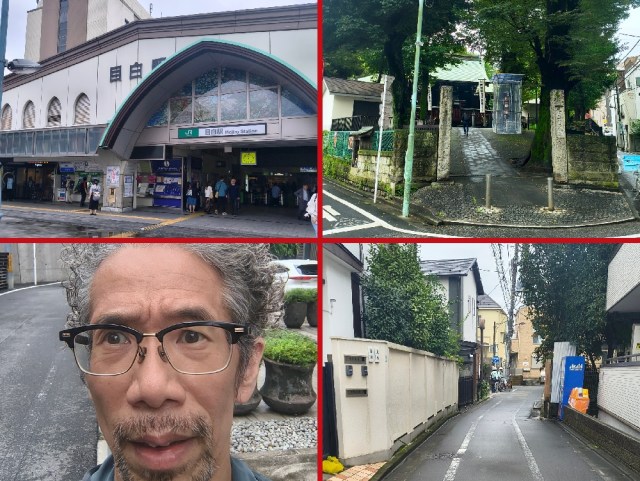
Mr. Sato wanted to get lost in order to rediscover the joy of urban exploring.
With the wonders of modern technology, there’s hardly any fear of getting lost when you’re out and about. Unfortunately, that also means there’s hardly any hope of getting lost either.
This is the dilemma that our ace reporter Mr. Sato has been faced with recently. Plugging your destination into the smartphone map app of your choice will pretty much guarantee you can get to where you want to go without any problems. You’ll probably also get there without any discoveries or sense of adventure, and you also might not develop much of a sense of the actual geography when you’re relying on your screen rather than your sense of spatial awareness and observation of your physical surroundings to figure out which way you need to go.
All of this recently has Mr. Sato thinking:
“I want to get lost.”
Of course, it would be irresponsible for us to blindfold Mr. Sato, drive him up into the mountains, drop him off on a random forest road, and say “Have fun finding your way home!” Entertaining…but still irresponsible. So instead, Mr. Sato decided to see if he could find his way to Kishimojn, a temple in Tokyo’s Zoshigaya neighborhood, without using any online maps or navigation apps.
The only bit of online preplanning Mr. Sato allowed himself was to check the closest train station to the temple, which turned out to be Mejiro Station on the Yamanote Line. With that confirmed, he set his phone to focus mode to disable maps, and headed out of his apartment.
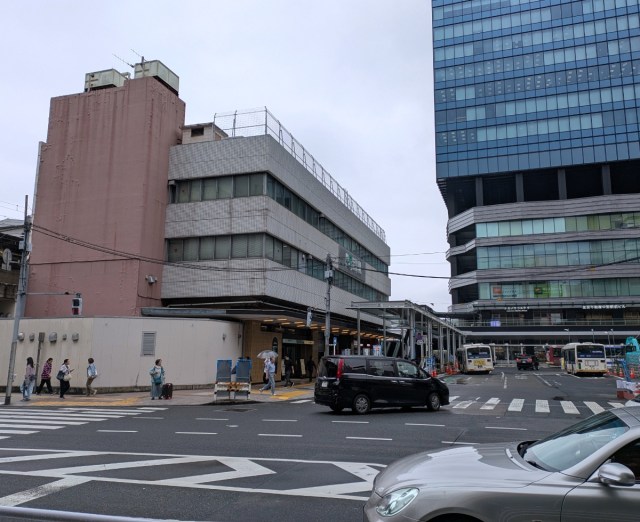
His first stop was Nakano Station, the closest rail stop to his home. Since Mr. Sato had never been to the part of Tokyo he was headed to, he wasn’t sure exactly how to get to Mejiro Station. Since this was to be a no-smartphone run, he had to check the board posted above Nakano Station’s ticket machines, something he hasn’t done in ages.
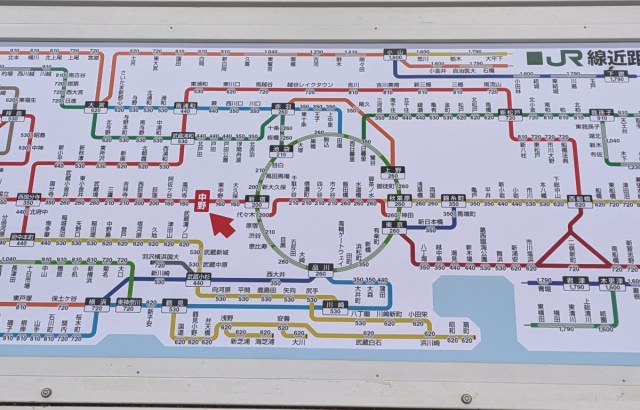
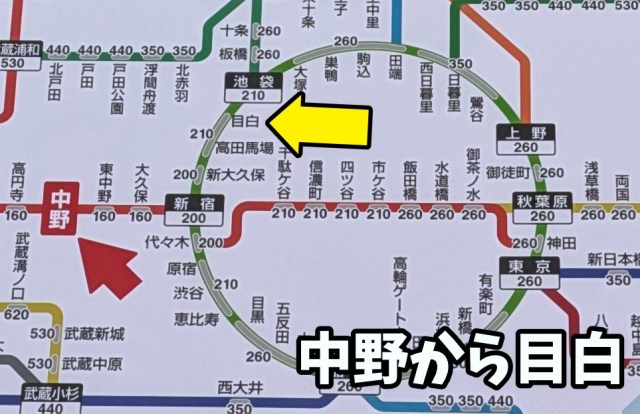
Searching through the web of crisscrossing lines, he was happy to find that it’s a pretty simple route from Nakano (中野) to Mejiro (目白), with just a single transfer at Shinjuku (新宿).
After about 20 minutes on the train, Mr. Sato arrived at Mejiro Station.
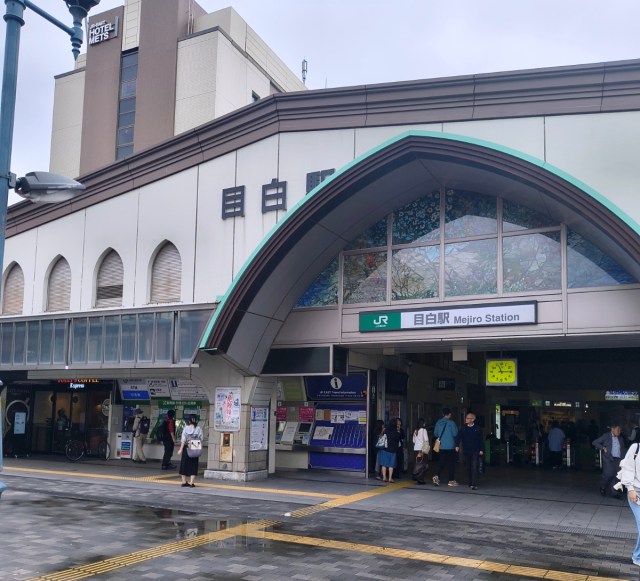
Like most stations in downtown Tokyo, Mejiro Station has a map near the ticket gates with local points of interested marked on it. Kishimojn isn’t super famous, but the temple is still a local landmark, so Mr. Sato figured it’d be easy to spot…
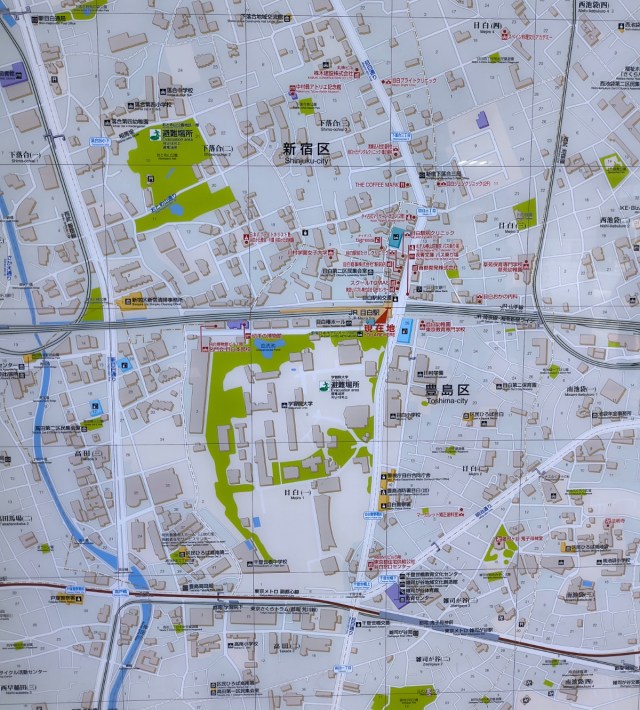
…but after sweeping his eyes over the map several times, he still didn’t see it.
Luckily, there was another place he could turn to for help: the koban, or police box, right next to the station.
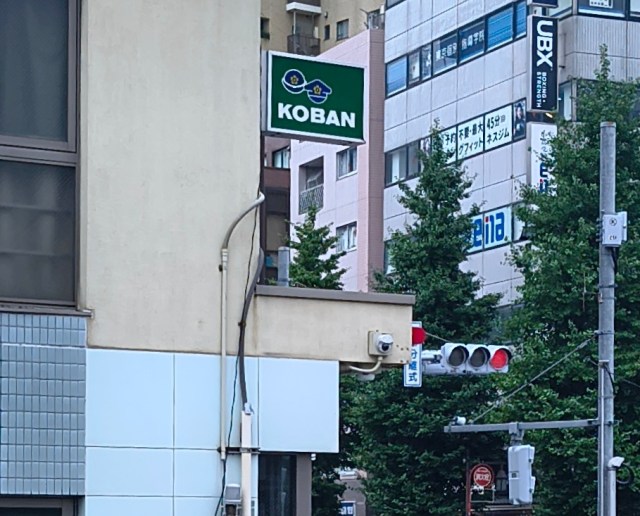
Koban are like little satellite police stations, but with Japan’s low crime rate, there’s usually quite a bit of downtime for the officers on duty, and they’re generally happy to help with directions. Mr. Sato asked if they could tell him how to get to Kishimojin, and a friendly, courteous officer told him to turn to his right when he exited the koban, follow Mejiro-dori (the street that runs in front of the station) until he crossed a bridge and got to a police station on the far side, and then ask again there.
Mr. Sato said thank you to the officers, and then he was on his way! Heading east on Mejiro-dori, in just a few minutes his steps carried him past the gate of Gakushuin, one of Japan’s most prestigious private universities.
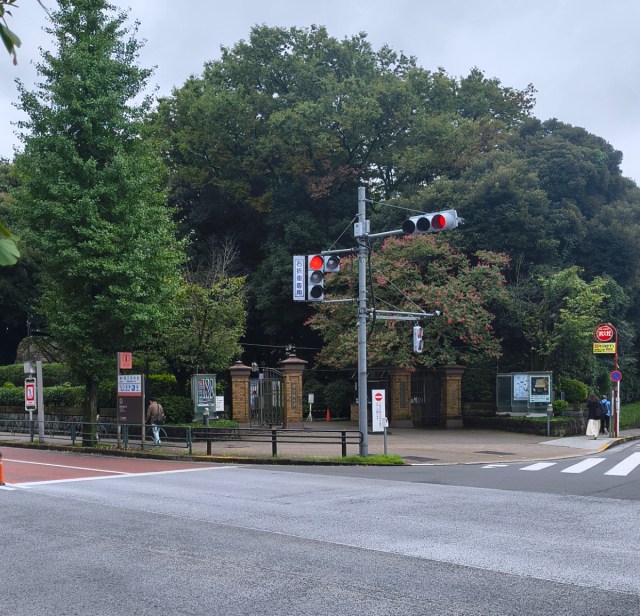
After walking for a few more minutes, he spotted a tall building in the distance that looked like a police station to him. In order to take a more direct path to it, he veered off of Mejiro-dori, figuring that since the police officer had told him to get the final directions to the temple there, he’d probably only have to make one more turn to get to Kishimojin.
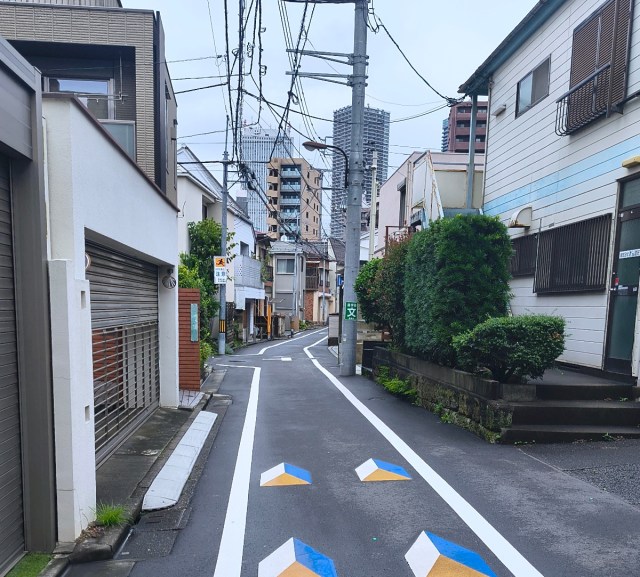
Heck, maybe he wouldn’t even have to ask for directions again. By this point, he was probably close enough that he’d start seeing signs on the street pointing the way to the temple, right?
…right…?
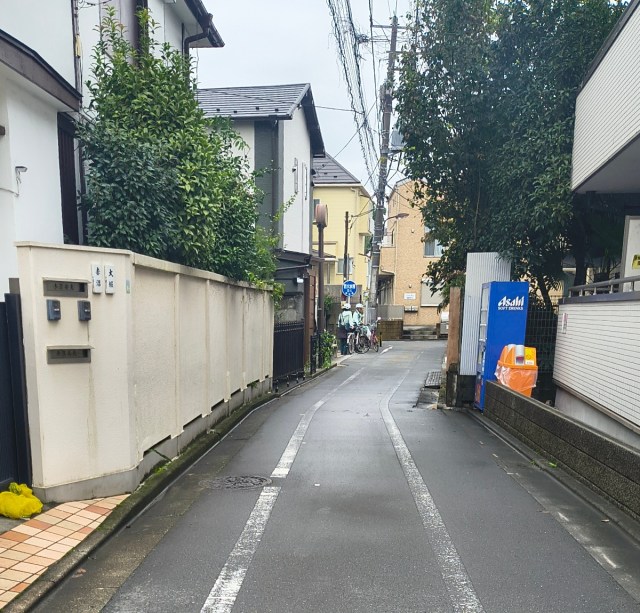
Not only did Mr. Sato not see any signs for the temple, he could no longer see the building he’d thought was the police station, a building that, it should be emphasized, he did not know for sure actually was the police station.
In other words…
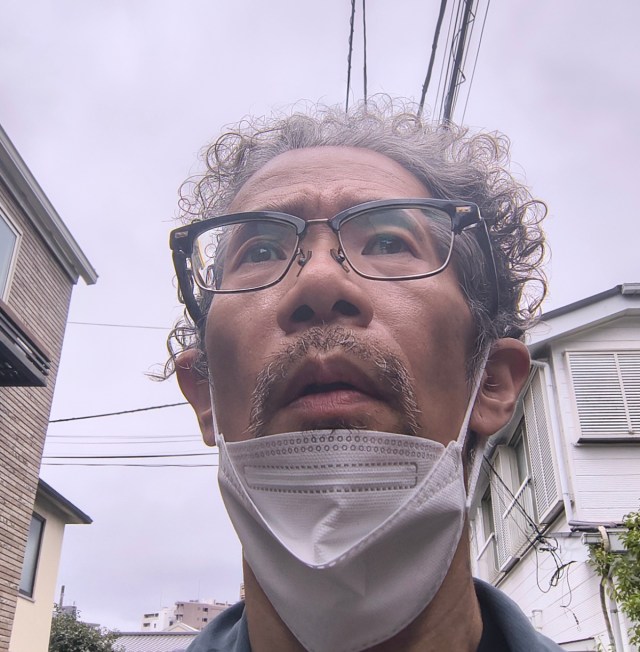
…Mr. Sato was lost!
So, hey, mission accomplished, right? Well, only half-accomplished so far, because Mr. Sato’s objective was to get lost and make his way to Kishimojin, so now he needed to get his bearings and figure out how to correct his course.
Thankfully, Mr. Sato did at least have a sense that the temple is located near the tracks of the Arakawa Line, and he could see a rail overpass up ahead of him.
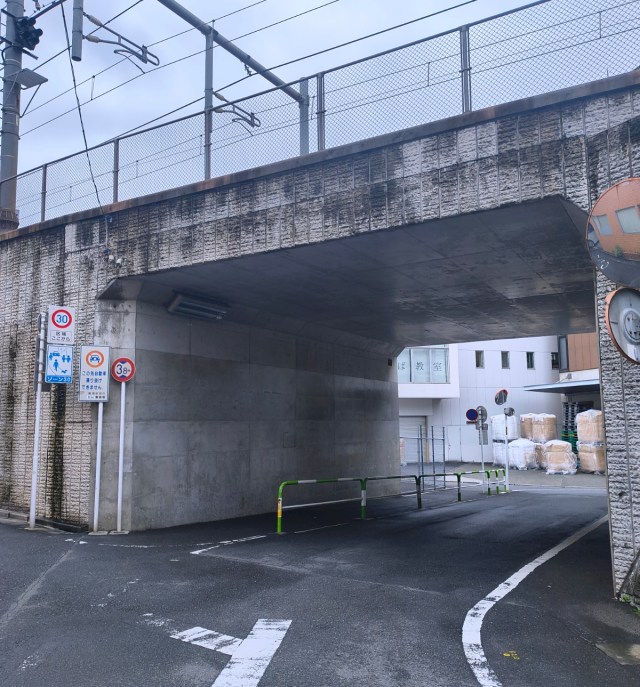
So if he more or less followed the tracks, he should eventually make it to Kishimojin, right?
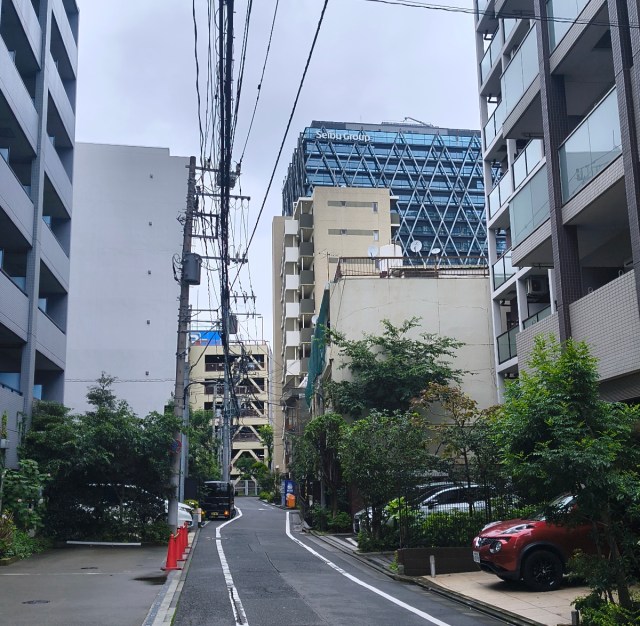
There was, however, a critical flaw in this plan. See, the Arakawa Line is a quaint streetcar line, but what came zooming by on the tracks Mr. Sato was following was a regular, full-size commuter train.
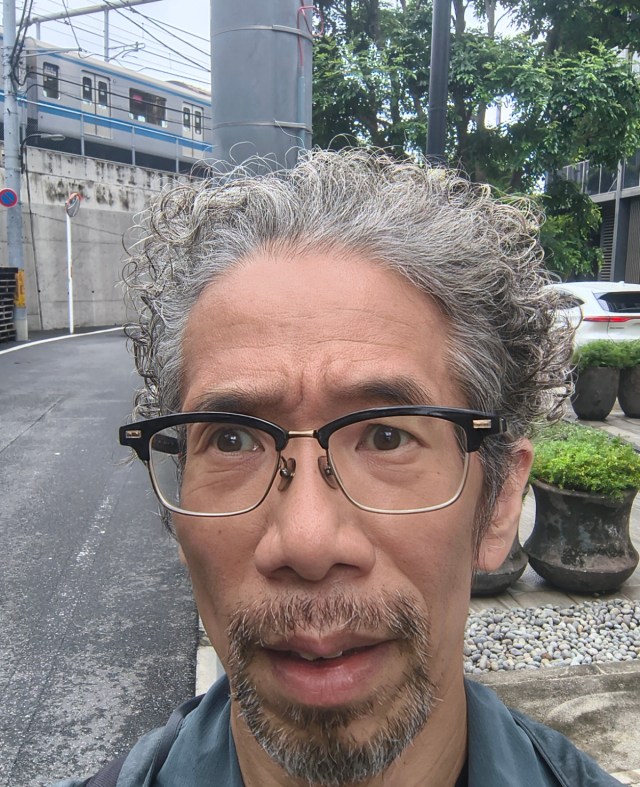
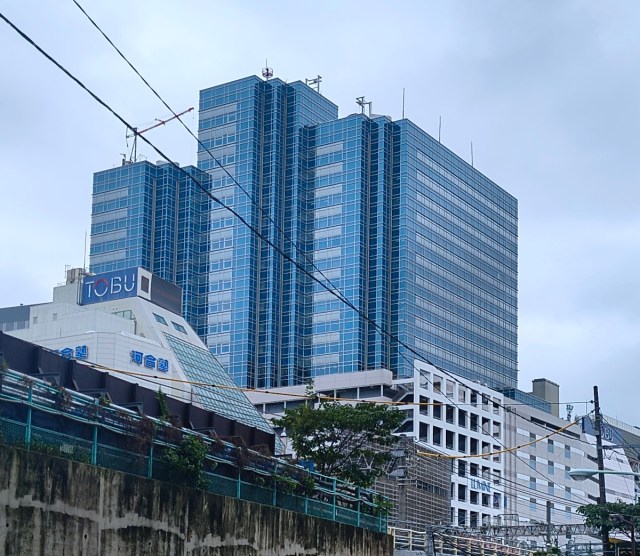
As a matter of fact, this was a Tobu Railway carriage, meaning that this line was actually headed to Ikebukuro Station, and that Mr. Sato had somehow wound up pretty far to the north of Mejiro Station since he started walking, rather than making his way east towards Kishimojin.
▼ The start of the Ikebukuro department store/shopping district
So Mr. Sato turned around and started heading back towards the way he came, trying to find some sign of the Zoshigaya neighborhood that temple is located in. He felt a sense of relief when he spotted a walkway with Zoshigaya Pedestrian Overpass (雑司ヶ谷歩道橋) written on it, and got even more excited when he looked beyond it and saw a sidestreet with an archway with the characters for sando (参道), meaning the approach to a temple or shrine!
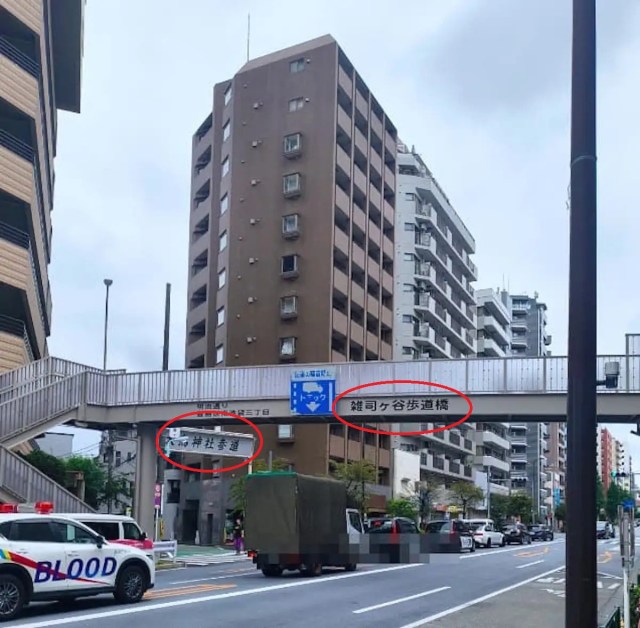
This turned out to be the approach to Otori Shrine (大鳥神社), though, not Kishimojin
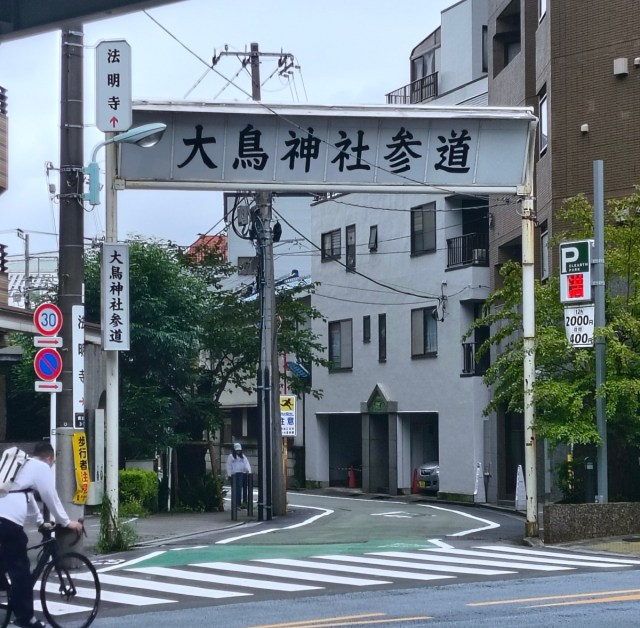
However, passing underneath the bridge and continuing one block further down the road brought Mr. Sato to the Kishimojin Nishi Sando (鬼子母神西参道), or west-side approach to Kishimojin!
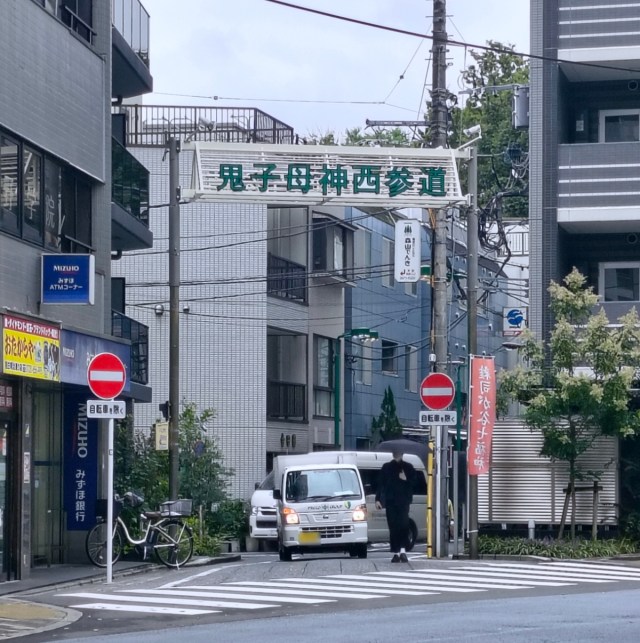
Mr. Sato had been expecting to reach the temple by its east-side approach, since that path runs closer to Mejiro-dori. Because he’d gotten turned around and wandered so much farther north than he’d planned on, and since the Nishi Sando runs to the northwest from Kishimojin, that’s the road by which he ended up finally getting to his destination.
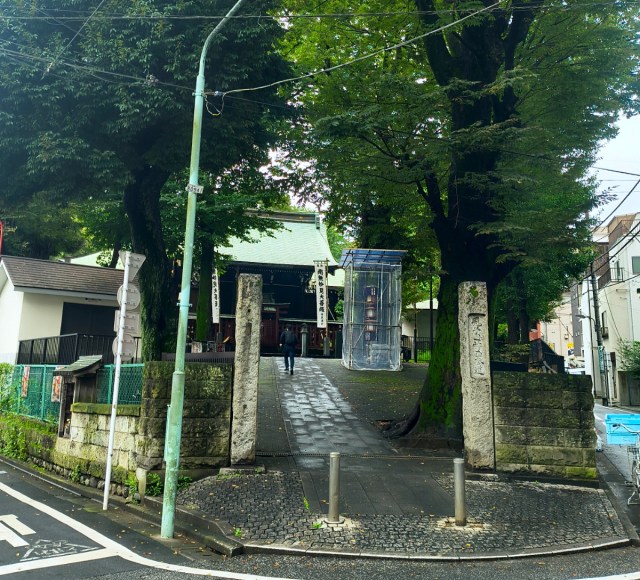
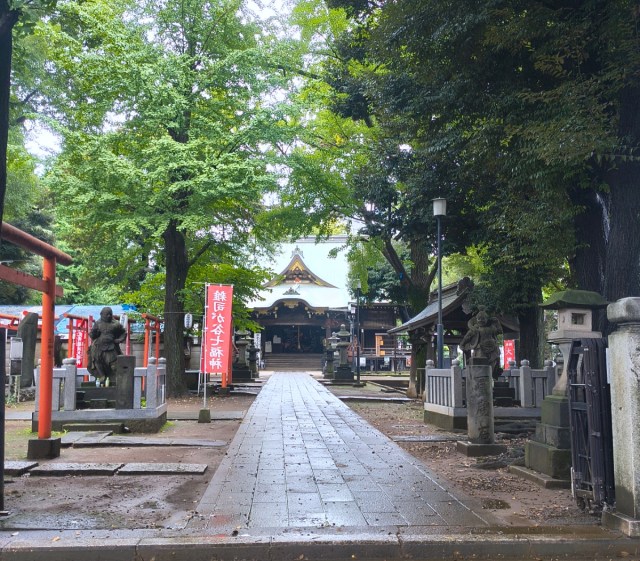
As noted above, Kishimojin is written in Japanese as 鬼子母神, and those characters translate to “demon,” “child,” “mother,” and “god.” According to Buddhist lore, Kishimojin was a demon who would abduct innocent children to feed to her own offspring. Eventually shown the error of her ways, Kishimojin repented and reformed, becoming a deity of protection for children and expectant mothers, and it remains a popular place for pregnant women and their well-wishing friends and family members to visit.
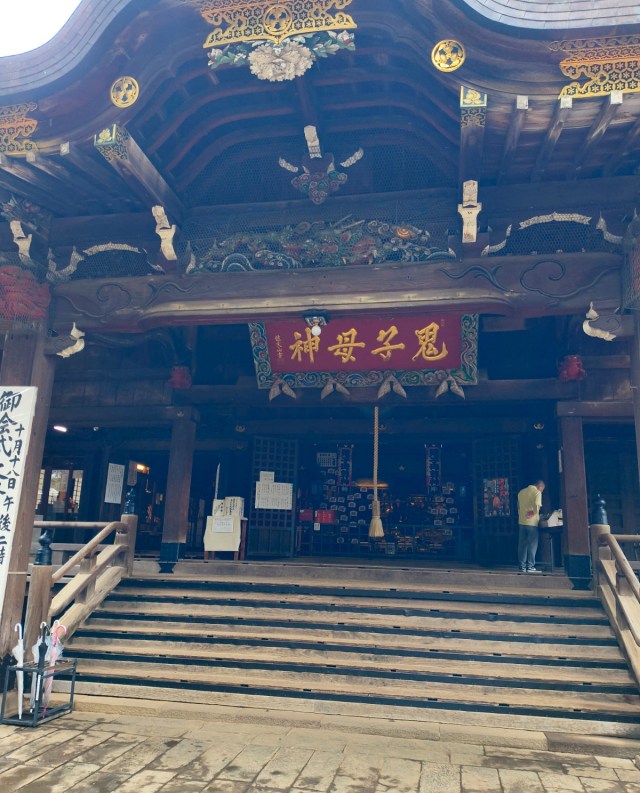
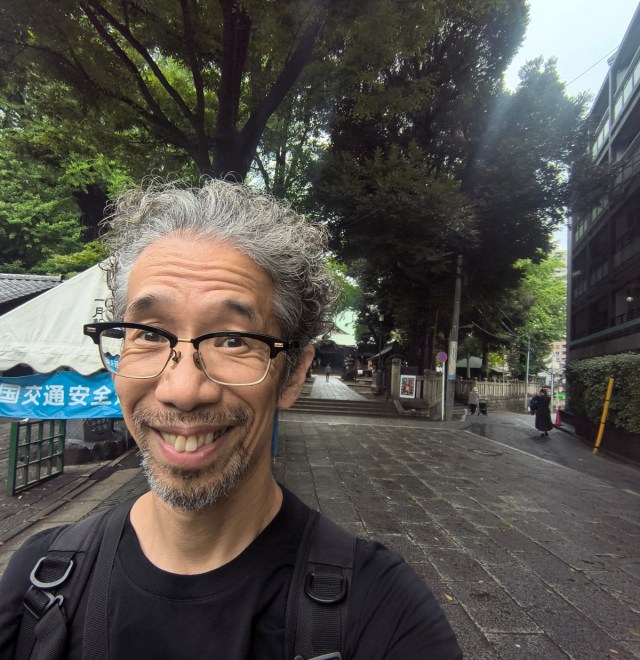
If you take the direct route from Mejiro Station to Kishimojin, it’s about a 12-minute walk. Mr. Sato’s ambling course, on the other hand, took about an hour to complete. He had no complaints, though, since that sense of exploration and mental mapping had been exactly the sort of stimulation he’d been craving. With his quest completed, he felt the sort of satisfaction that comes from completing a fun but challenging puzzle or video game.
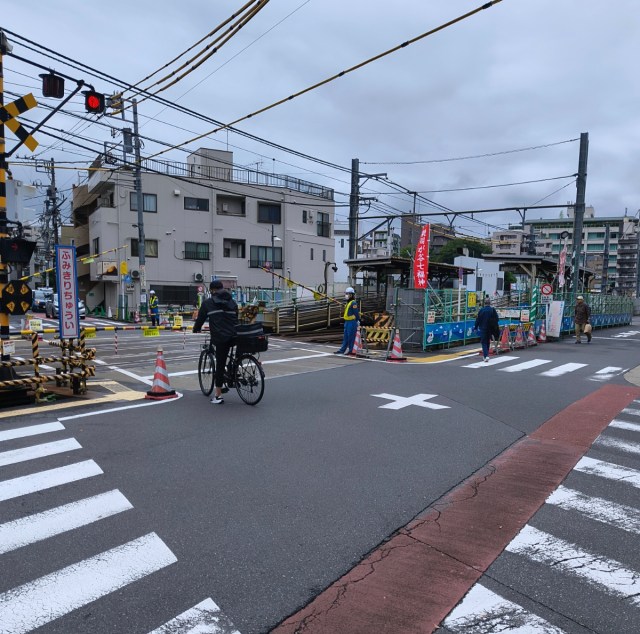
Speaking of mental mapping, after leaving the temple Mr. Sato strolled east for a bit, and that’s where he finally reached the tracks of the Arakawa Line, and also the Zoshigaya subway station (which doesn’t have any lines that he could take home to Nakano).
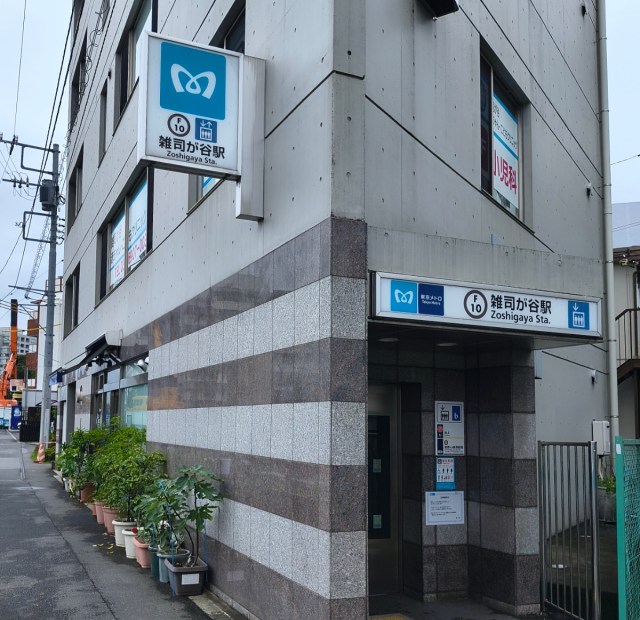
So how did Mr. Sato end up getting lost in the first place? You might have already put the pieces together, but let’s go back and review the directions Mr. Sato got at the police box.
Mr. Sato asked if they could tell him how to get to Kishimojin, and a friendly, courteous officer told him to turn to his right when he exited the koban, follow Mejiro-dori (the street that runs in front of the station) until he crossed a bridge and got to a police station on the far side, and then ask again there.
But wait, we never mentioned Mr. Sato crossing over a bridge, did we? Nope…because he never did. He turned off of Mejiro-dori much earlier than he was supposed to, which is why he ended up making it all the way to the edge of Ikebukuro without realizing how off course he was.
Now armed with the clearer sense of geography that came from having relied on his brain, not an app, to navigate, Mr. Sato was able to find his way back to Mejiro Station with no problems at all.
▼ He even got to cross over the bridge he was supposed to.
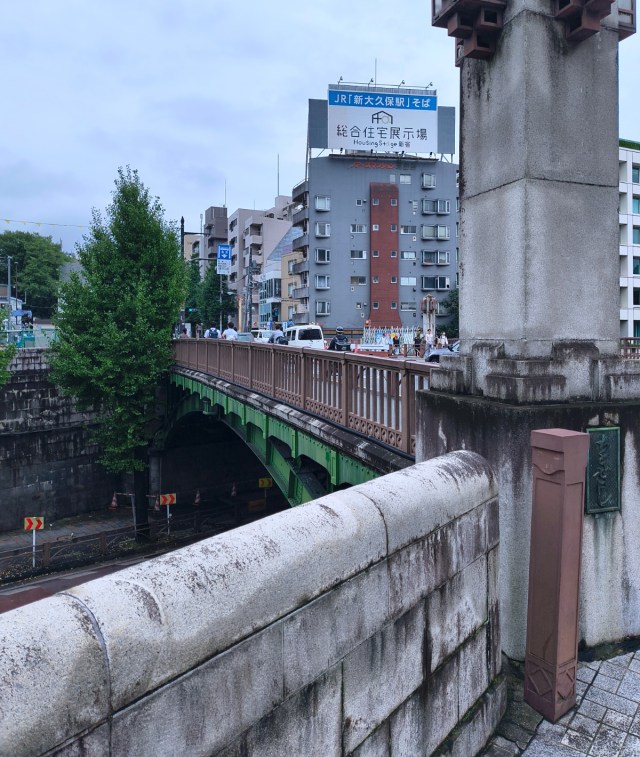
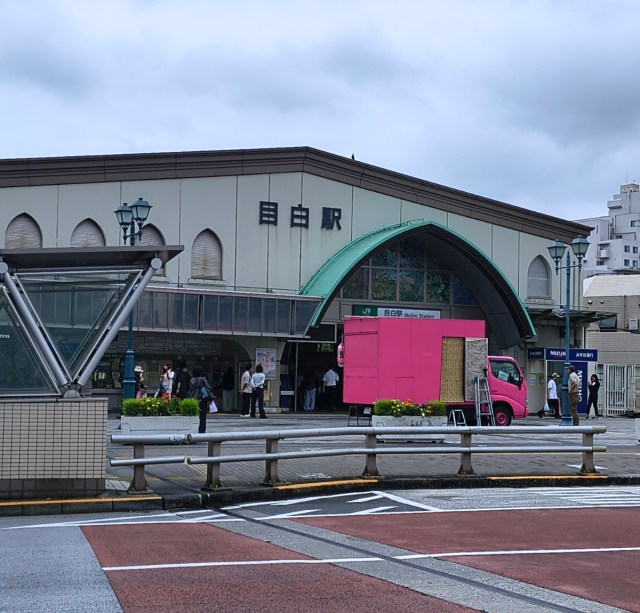
Oh, and the part earlier about Mr. Sato not seeing Kishimojin on the map at Mejiro Station?
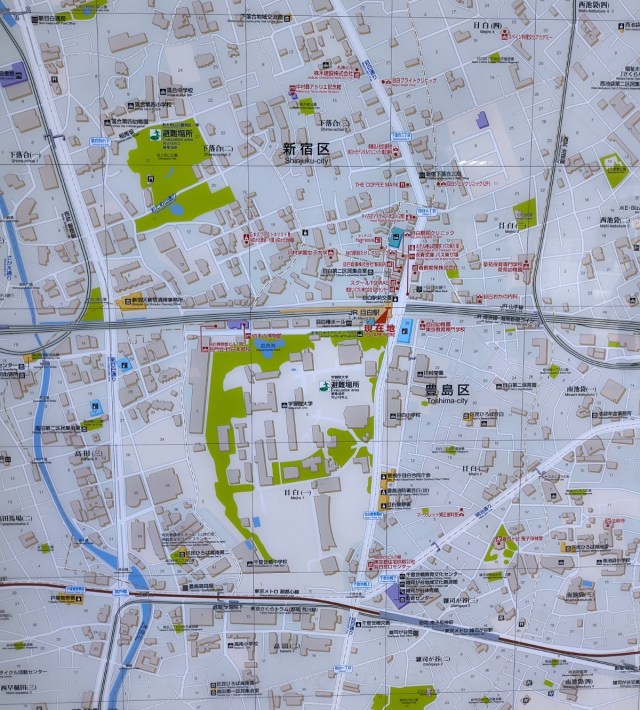
Yeah…
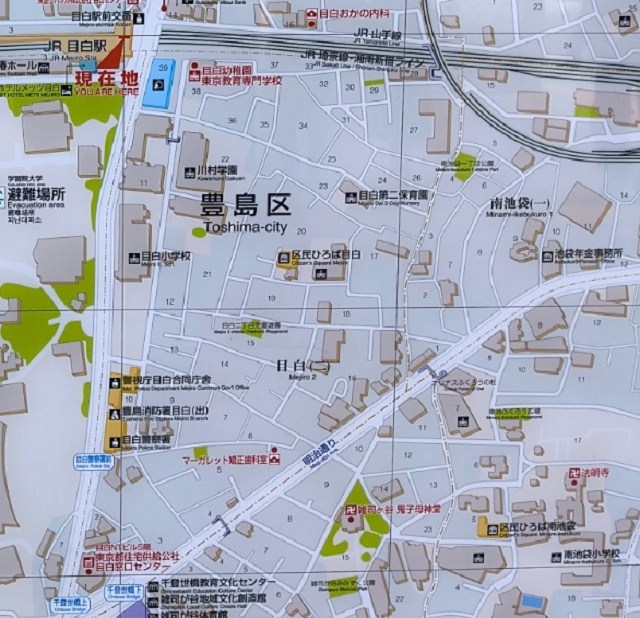
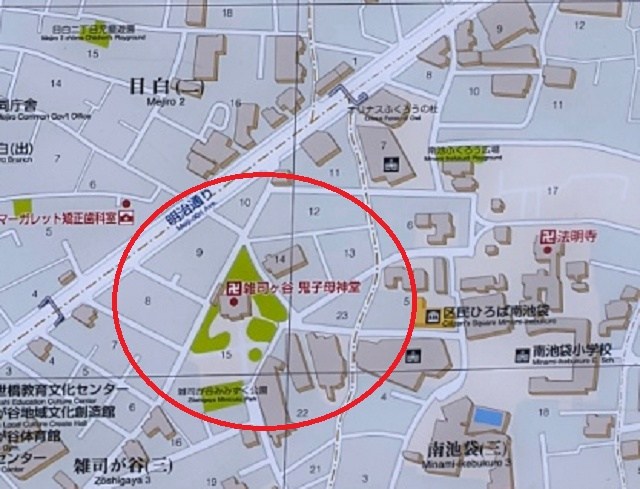
…it turns out Kishimojin (鬼子母神) actually is marked on the map. Mr. Sato just didn’t notice it.
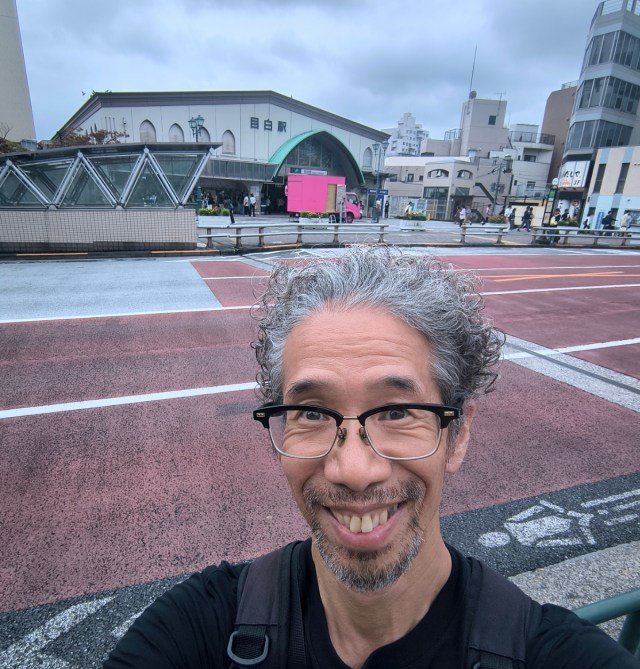
But again, getting lost was part of what Mr. Sato was hoping for, and he had such a good time that he’s hoping to get lost again soon. So say hi if you happen to run into him on the street in Tokyo, and maybe point him in the direction of home if he needs help.
Photos ©SoraNews24
● Want to hear about SoraNews24’s latest articles as soon as they’re published? Follow us on Facebook and Twitter!
Credit:

0 comments: