Daiso has giant new branch in middle of Tokyo’s Shinjuku neighborhood (and another beneath it)
Includes new shops for Daiso’s sister brands too.

If you were to sum up downtown Tokyo’s Shinjuku neighborhood in a single word, “variety” would be the one to do it with. Skyscraper department stores with brand-name fashions, gigantic electronics retailers with all sorts of gadgets, fancy restaurants, dive bars, video game arcades, movie theaters, stage venues, pachinko parlors, a beautiful garden, a picturesque shrine, Godzilla’s head, the SoraNews24 head office…Shinjuku has it all!

Except, to our sadness, a suitably sized Daiso. For the past several years, if you were in Shinjuku and looking for something from Japan’s most popular 100 yen shop, you were going to have to make the rounds of a separate handful of undersized branches, putting in a lot of legwork for a very small chance of actually finding what you were looking for.

So we were very happy to spot this on one of our recent Shinjuku walks.
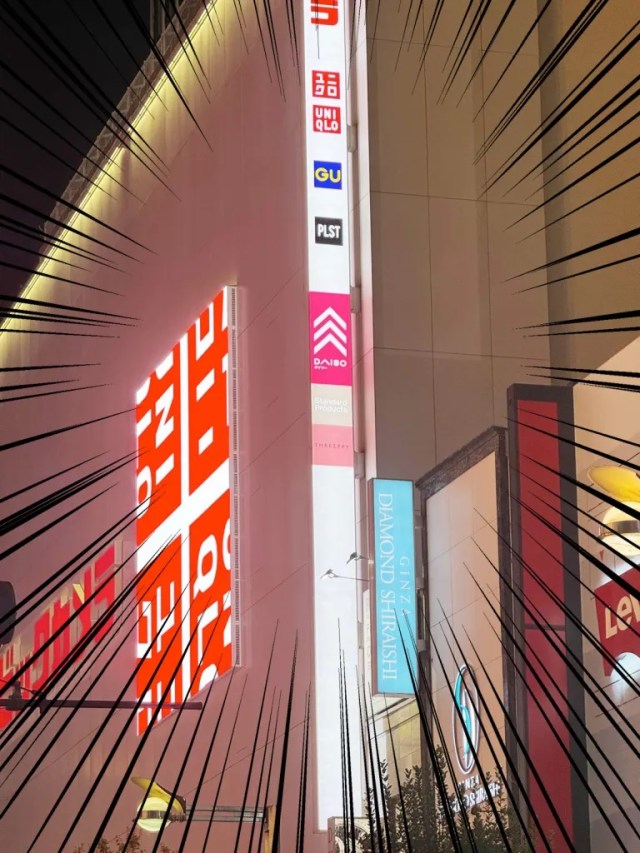
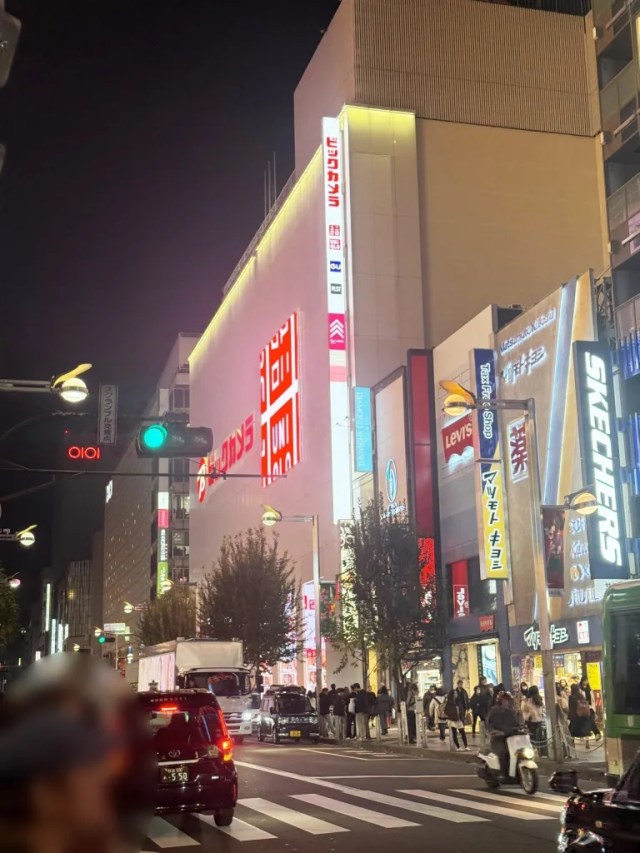
Now listed on the side of the same building that contains the area’s flagship Uniqlo and Bic Camera branches, just a few minutes’ walk from Shinjuku Station, is Daiso!

Seeing the sign, we were drawn into the building as if it had a gravitational pull. This new Daiso is on the eighth floor, and during the elevator ride up we kept our fingers crossed that it would be bigger than the tiny ones Shinjuku had been stuck with until now.
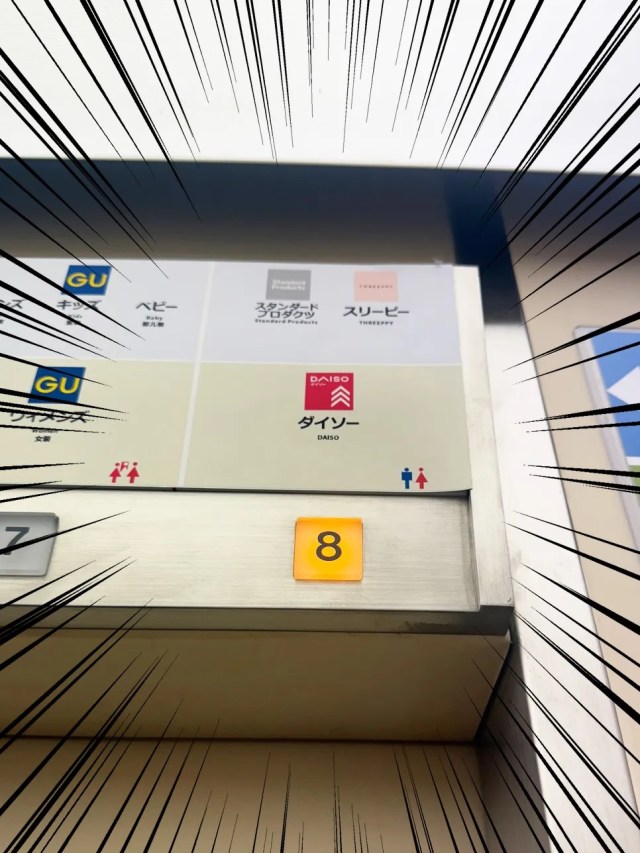
Then the elevator doors opened…and our prayers were answered!

▼ “Wow! Awesome!”
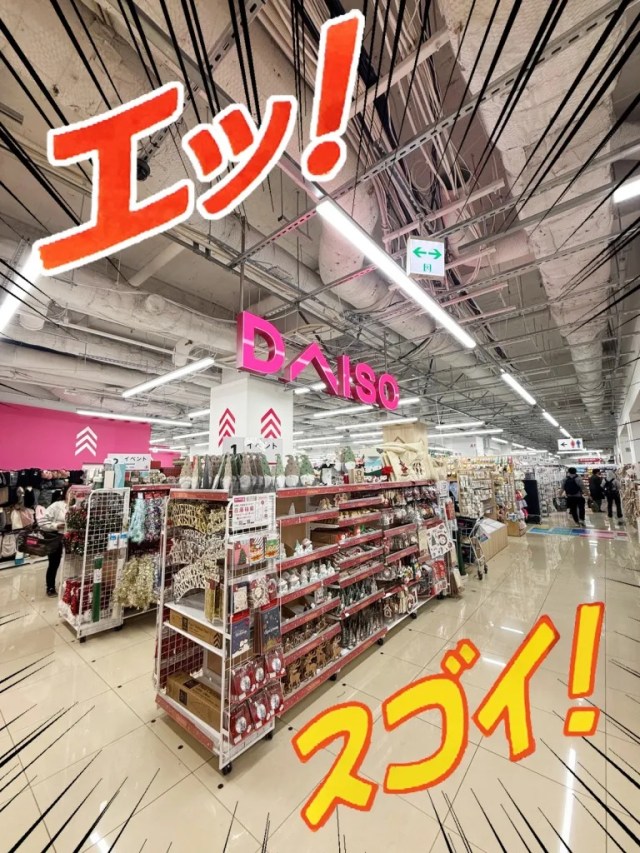
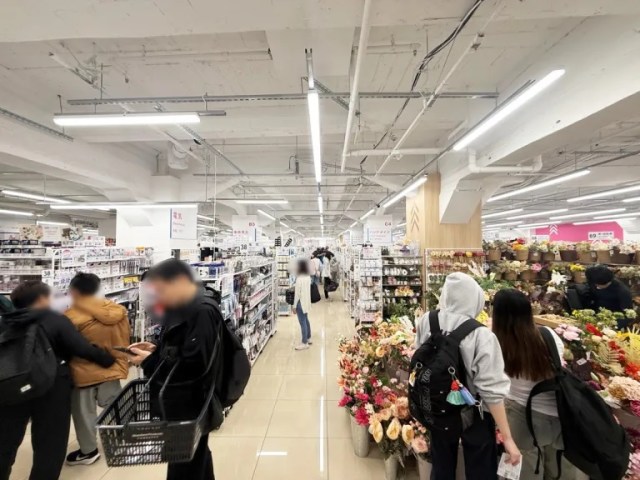
The entire eighth floor of the building is now occupied by Daiso and its sister stores Standard Products and Threeppy. While Standard Products and Threeppy are a teeny bit more expensive than Daiso, even the Daiso area alone is big enough that the 100-yen bargains stretch as far as the eye can see.
It turns out this isn’t the only Daiso development Shinjuku has recently had either. After leaving the Daiso Bic Camera Shinjuku Higashiguchi Branch (as the eighth-floor giant is called), we strolled over to Daiso’s Shinjuku Subnade Branch, just a few blocks away inside the Subnade subterranean shopping center…
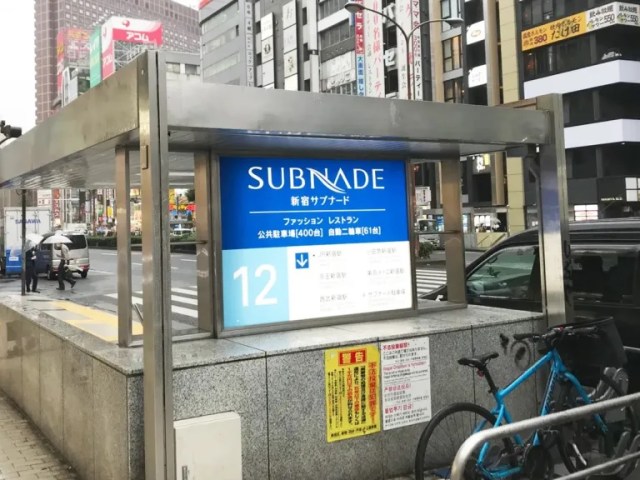
…where we found that the previously mini-sized shop…
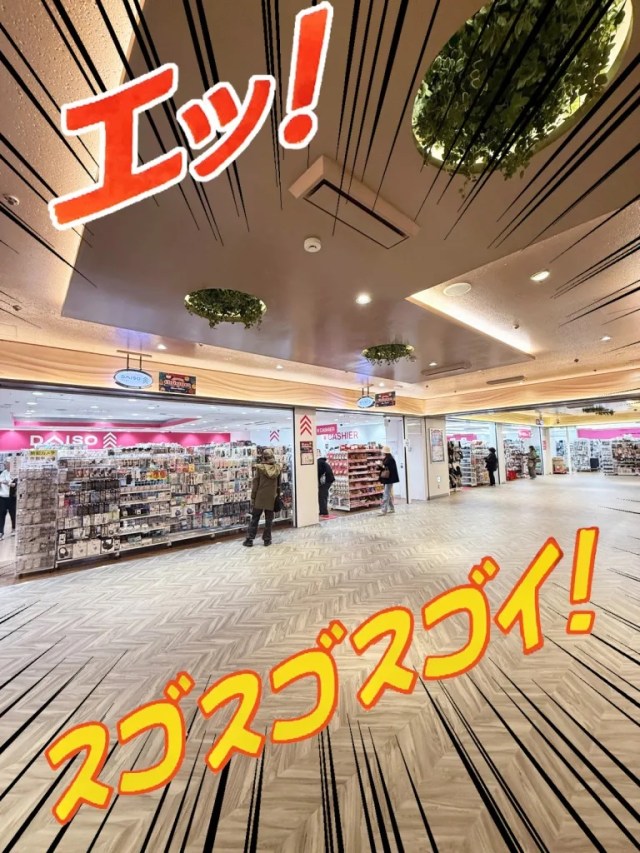
…has expanded since the last time we were there! While it’s not as massive as the Bic Camera Shinjuku Higashiguchi Branch, it’s finally got enough floor space and selection to be a viable place to do some pretty intense 100 yen shopping, such as getting supplies for cool DIY anime art projects or making your own mochi sweets.

Shop information
Daiso (Bic Camera Shinjuku Higashiguchi Branch) / ダイソー(ビックカメラ新宿東口店)
Address: Tokyo-to, Shinjuku-ku, Shinjuku 3-29-1, Bic Camera Shinjuku Higashiguchi 8th floor
東京都新宿区新宿3-29-1 ビックカメラ新宿東口店8階
Open 10 a.m.-10 p.m.
Website

Daiso (Shinjuku Subnade branch) / ダイソー(新宿サブナード店)
Address: Tokyo-to, Shinjuku-ku, Kabukicho Icchome Yasukunidori-shita, Shinjuku Subnade interior
東京都新宿区歌舞伎町1丁目靖国通り下 新宿サブナード地下街内
Open 10 a.m.-9 p.m.
Website

Photos © SoraNews24
● Want to hear about SoraNews24’s latest articles as soon as they’re published? Follow us on Facebook and Twitter!


Credit:
J-pop mega star Ado reveals she’s been living in the U.S., may not understand language acquisition

“Usseewa” singer and One Piece voice actress seems unclear on how long it takes to learn a foreign language.

With Japanese pop culture becoming increasingly popular around the world, it’s getting more common for members of the Japanese entertainment industry to spend extended periods of time overseas, either to study the local language, forge relationships with international distributors, or just to get a new perspective that helps them connect with fans in other countries. Still, it came as a surprise to many that one of Japan’s biggest recording stars has been living in the U.S. since November.

Of course, it was a little easier for this celebrity’s overseas lifestyle to stay under the radar, since the singer in question is Ado, who burst onto the J-pop scene with her smash-hit debut “Usseewa” in 2020, but who has never publicly revealed her face, even when doing meet-and-greet handshake events.

Two years ago Ado and Southern California-based Geffen Records, part of Universal Music Group, announced that they were entering into a partnership to expand her musical reach to a global scale. However, no announcement had been made that Ado was in the U.S. until the singer herself mentioned it in a post on her official Twitter account, which also revealed that not everything has been smooth sailing during her time in the States.

“Totally late to be mentioning this, but I’ve been living in America since November,” begins Ado’s tweet in Japanese, before switching to English to add “I have been in the US since November, after all this time. But I still can’t speak. What on earth am I doing here?”

The 21-year-old Ado provided more information on her language-barrier struggles in a follow-up tweet, saying “But my listening is better than before and I can shop alone. Maybe.”

The response from English-typing fans was swift and sympathetic, praising Ado for the progress she’s made so far and encouraging her to not give up, with many offering up their own stories of struggles trying to learn foreign languages, including those who’re learning English as a second language themselves.

Those are all excellent, kindhearted sentiments. However, speaking as someone who also at the age of 21 said “You know what? I’m gonna move to another country on the other side of the Pacific, and I want to be able to speak the local language while I’m there!” I can’t help feeling that there are a few other things to keep in mind, and the first one is this: Learning a foreign language takes a long time.

It takes an especially long time if your goal is to actually use a foreign language in open-ended, outside-the-classroom conversations with native speakers, where the topics of conversation aren’t bound by a curated set of vocabulary words and grammar patterns being focused on to interconnect with specific teaching points. Just how long it takes to get to that level of proficiency varies from person to person, and while living in-country while trying to acquire those language skills generally speeds up the process, it’s generally not something that’s going to happen in a month unless your conversation partners are making some significant concessions to your skill level such as speaking much more slowly and using far simpler vocabulary than natives usually do.

So honestly, being able to go shopping on your own after just one month (or even just thinking you can maybe handle that challenge) is pretty impressive. It’s definitely not a sign that you don’t have a knack for languages, or proof that your progress is slower or more painful than other language students’, especially when you take into account another follow-up tweet from Ado, from which it seems like she might not actually be actively taking English classes while living in the U.S.

▼ “Sorry, but I totally used machine translation for this. I’m just staying here [in America] and will be returning to Japan (What did I come here for?)”

My earlier comment about “Learning a foreign language takes a long time?” That’s really only half the equation. The other necessary input is a lot of effort.

That’s not to say no one picks up any communication skills naturally just by being exposed to a to-them foreign language in their daily life, or that becoming conversant requires years of grinding and wringing out every last drop of energy from your brain and soul. It is to say, though, that if after a month of hanging out in a foreign country your level of language proficiency is still at “I can usually go shopping without any major problems,” that’s not cause for concern, or even surprise. Not satisfied with that, and want to be able to do more with the language? Totally understandable, but until you’ve put in some more time and effort, it’s probably too soon to get discouraged, and keeping your expectations realistic will also let you keep your energy in reserve for improving your language skills.

Source: Twitter/@ado1024imokenp (1, 2, 3) via Otakomu
Top image: Pakutaso
Insert image: Pakutaso
● Want to hear about SoraNews24’s latest articles as soon as they’re published? Follow us on Facebook and Twitter!


Credit:

Japanese elementary school installs standing sleeping pod for students to nap in【Video】

Getting enough sleep is important for good health, but commenters aren’t sure this is the best way to do it.

When you think about it, it’s kind of strange how nap time is common at preschools, but then immediately disappears from kids’ curriculums once they reach elementary school. So when you hear that an elementary school in Japan has set up a space for kids to catch some Zs in, it might sound like an encouraging sign that the administrators are showing proper concern for their pupils’ well-being.

However, this might not seem like such a great idea when you see where the kids are supposed to sleep.

As shown in the video, the school (whose name has not been publicly announced) has installed what the report calls a tachine, or “stand and sleep,” box. That’s an accurate description, as the phone booth-sized compartment is just big enough for a single occupant to brace themselves against the pads for their head, hindquarters, and shins, an array that’s meant to keep you upright even after you drift off into sleep and aren’t consciously standing anymore.

If the setup looks familiar, you might be recalling the previous times we looked at the design. Created by Hokkaido Prefecture-based Koyoju Plywood Corporation, which originally called them “nap boxes,” they were initially introduced as office equipment for workers who wanted a place to nap. Koyoju later established the Giraffenap brand for their invention, referencing how giraffes sleep standing up in short bursts, and even partnered with Nescafe for a limited-time nap pod cafe in downtown Tokyo.

The elementary school installed its standing nap pod on Tuesday as part of its health curriculum, which since last year has included a special focus on the importance of getting sufficient amounts of sleep. Yoshito Nohara, Koyoju’s managing director, described the benefits of the pod’s design with “Data has been collected that shows it is difficult to achieve deep sleep while sleeping perpendicular to the pull of gravity,” and also cited the quickness with which one can return to work or study with an in-office/in-school sleeping booth. “We hope that when these children become adults they’ll create a society in which taking naps is something people do as a matter of course.”

However, judging from online reactions to the video, a lot of people aren’t convinced that stand-and-sleep pods are such a great idea, especially for kids.

“We live in a terrible timeline.”
“You started with ‘Sleep is important,’ and THIS is the conclusion you came to? I think you got some things backwards.”
“I think spending too much time in one of those things would curve your spine.”
“I want to lie down when I sleep.”
“The human body isn’t designed to sleep standing up.”
“I’d be too freaked out about possibly getting trapped inside to get any rest.”
“Instead of making a society where taking naps is normal, you should be making a society where people aren’t so tired that they need to take naps.”
“You can just sleep at your desk in school. I slept all the time in the school library too.”

The last two commenters make especially good points. As evidenced by students sneaking naps in class by putting their heads down on their desk behind a book and out of the teacher’s line of sight, kids are already aware that sleep is good for the body, or at least that sleeping feels better than staying awake when they’re tired. More so than trying to re-instill the pretty obvious concept that sleep is good, the important thing would seem to be either creating time during the school day for kids to take regular naps, or to find a proper study/homework load and teach time management skills so that kids aren’t shaving down their sleep hours by staying up late studying, or trying to have just a little enjoyable personal time after finally finishing their overly heavy school responsibilities for the day.

Still, all else equal, having a school nap booth at least makes it easier to get some extra sleep than not having a school nap booth, though it’s unclear if kids can make regular use of it, or if it’s only available on special occasions as part of that day’s health lesson. The school’s booth will be in place until February, after which the kids will apparently need to find some other place for supplemental slumber.

Source: Tele Asa News, YouTube/ANNnewsCH via Jin
Images: PR Times
● Want to hear about SoraNews24’s latest articles as soon as they’re published? Follow us on Facebook and Twitter!


Credit:

Travel to a Japanese convenience store at an active volcano

It’s a Lawson, but not as we know it…

If you’re looking to visit a unique convenience store in Japan, you might want to head down to Kagoshima and over to Sakurajima, which literally translates as “Sakura Island“. Despite the name, this patch of earth isn’t as famous for sakura as it is for something else, because it’s actually an active volcano.

▼ Sakurajima, seen from Kagoshima Port.

Now joined to the mainland after a major eruption around a century ago, Sakurajima sends out small eruptions on a daily basis, showering the area with ash and small stones. The black volcanic soil on the island is easily visible as you travel around its roughly 50-metre (164-foot) circumference, giving the place an earthy yet otherworldly vibe that’ll make you feel like you’ve travelled back to the age of the dinosaurs.

▼ The “Portrait of a Scream” monument commemorating Tsuyoshi Nagabuchi’s 2004 Sakurajima All-night Concert adds a little something to the post-apocalyptic atmosphere.

With grey-brown hues making up a lot of the scenery, local businesses on the volcanic island do their best to blend in, giving a unique look to some familiar names.

▼ The Sakurajima Michi no Eki (Roadside Station) has a distinctive signboard that almost mirrors the volcano beside it.

Other businesses that blend into the landscape are the convenience stores, which swap out their usual bright signage for more subdued versions.

There are no regular blue-and-white Lawson signs here — instead, the chain adopts brown-and-white signage, which gives it a whole different look and feel.

While the subdued signage is something you’ll see at a number of tourist sites, where stores blend in with traditional streetscapes and wooden buildings, the brown colours here act as a reminder of the volcanic activity bubbling away in the vicinity, and the ash that commonly falls in the area.

Lawson isn’t the only convenience store on the island — just a stone’s throw away, across the intersection, you’ll find a Family Mart with similar brown hues and an even smaller sign above the entrance.

Interestingly, the sign out front by the roadside displays different shades of blue, white and green that are far more muted compared to the chain’s usual bright brand colours.

▼ These are a better fit for the volcanic hues in the landscape.

▼ Sakurajima is clearly visible from the Family Mart parking lot.

While the convenience stores look very different to the usual ones you’re likely to come across, the products inside are pretty much the same as what you’d find at regular branches, with only a few local items and regional exclusives.

They’re certainly amongst the most unique convenience stores you’ll find in Japan, though, so be sure to check them out next time you’re in the area. With lucky accommodation plans and secret hot springs in the region, Kagoshima really is a great place to stay.

Photos © SoraNews24 
● Want to hear about SoraNews24’s latest articles as soon as they’re published? Follow us on Facebook and Twitter!


Credit:

Staying one step ahead of the tourist crowds with a visit to Japan’s main Mt. Fuji shrine【Photos】

Quiet culture and beauty are waiting at Fujisan Hongu Sengen Taisha.

In recent years, Japan’s most prominent temples and shrines have become increasingly crowded, particularly as surging inbound international tourist numbers create a constant stream of travelers looking for intrinsically Japanese sights to see. We could spend several days debating the pros and cons of this, weighing the loss of solemn quietude against the revitalization of the surrounding communities, and even taking into consideration the secular, sightseeing-like appeals of shrine/temple travel that Japanese domestic travelers have enjoyed for generations.

Still, there’s no denying that the most major shrines and temples of Tokyo, Nara, and Kyoto in particular have gotten at least a little too crowded for some people’s tastes these days. With the Japan travel boom not showing signs of slowing down anytime soon, it might be time to start exploring places a little farther off the thoroughly beaten tourist path, and that recently took us to Fujisan Hongu Sengen Taisha in the town of Fujinomiya, Shizuoka Prefecture.

If those mentions of “Fuji” have you thinking of Mt. Fuji, you’re spot-on. Fujisan Hongu Sengen Taisha is the head shrine of the many Sengan shrines (also sometimes called Asama shrines) that can be found across Japan, and their primary object of worship is Mt. Fuji.

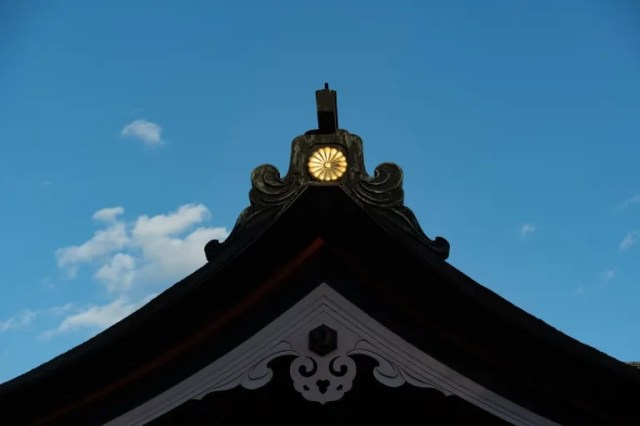
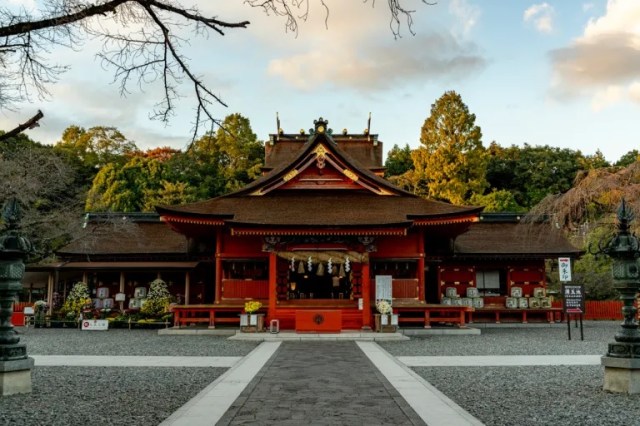
Fujisan Hongu Sengen Taisha may not be as opulent or as suited for implementation as social media like-bait as Japan’s more famous shrines, but it has a quiet beauty of its own, and also plenty of cultural significance. The current main building was constructed in 1604 with shogun Tokugawa Ieyasu as its sponsor, but the shrine itself is said to have been founded roughly 2,000 years ago. Sitting to the southwest of Mt. Fuji, Fujisan Hongu Sengen Taisha is along the route pilgrims to the mountain would take on their way from Kyoto, earning it a reputation as the traditional “entrance” to Japan’s tallest mountain before the capital was moved to Kyoto and travel patterns shifted so that more visitors now approach Mt. Fuji from the north and east.

Fujisan Hongu Sengen Taisha is also associated with Konohanasakuya-hime. Konohanasakuya-hime, also known as Sakuya-hime for short, is a goddess who appears in Japanese folklore, where she’s often referred to as one of the most beautiful of all divine beings. When Sakuya-hime became pregnant shortly after her marriage to the god Ninigi-no-Mikoto, in order to prove that the children she was bearing were indeed her husband’s, Sakuya-hime sealed herself in a hut and set it ablaze, asserting that the flames would not harm Ninigi-no-Mikoto’s children, and the subsequent safe birth of three healthy boys led to Konohanasakuya-hime being seen as a source of divine protection against fires and provider of safe births.

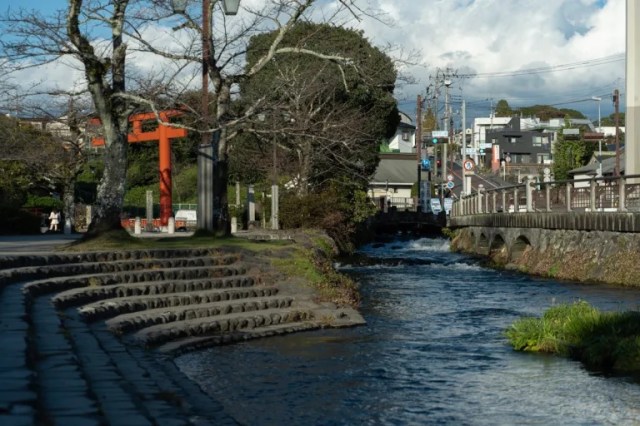
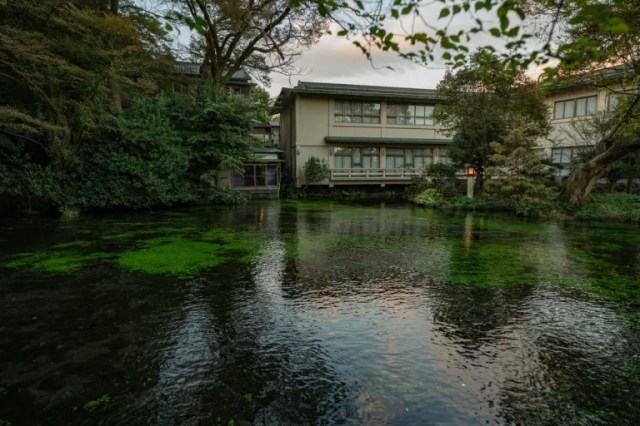
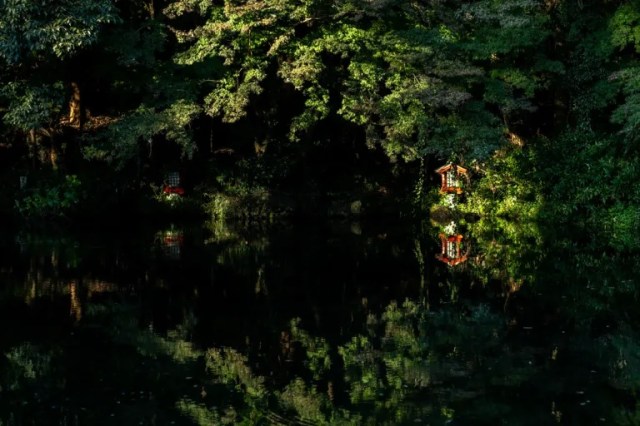
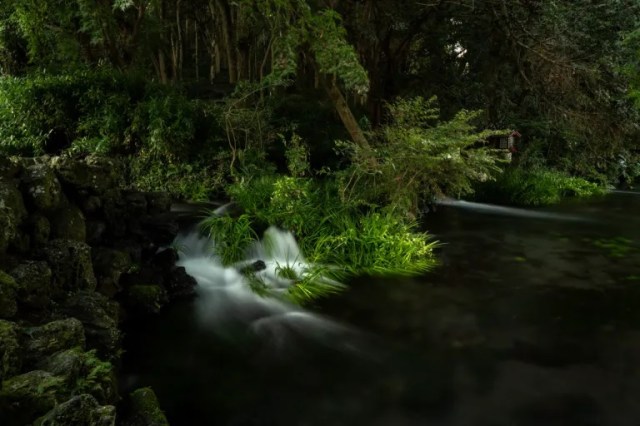
Near the entrance to the shrine is a stream, and following it just a short ways upriver brings you to Wakutama Pond and its pristinely clear water.

The pond formed some 10,000 years ago, carved into the earth by lava flowing from Mt. Fuji. Once the basin cooled and hardened, it filled with rain and winter snow melting from the mountain, and pilgrims on their way to summit Fuji would first purify their bodies by bathing in the pond.

Fujisan Hongu Sengen Taisha is especially lovely in the spring, when the hundreds of cherry blossom trees on its grounds flower, and the shrine also holds demonstrations of yabusame (horseback archery) each May. Making an off-season visit, though, allowed us to take in the sights without fighting crowds, something that’s becoming harder to do at many other shrines these days.

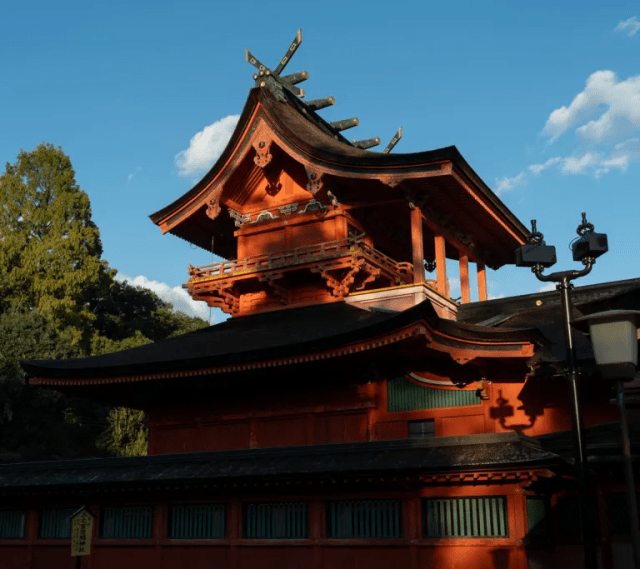
▼ This sort of two-story construction is a unique architectural trait of Sengen/Asama shrines.

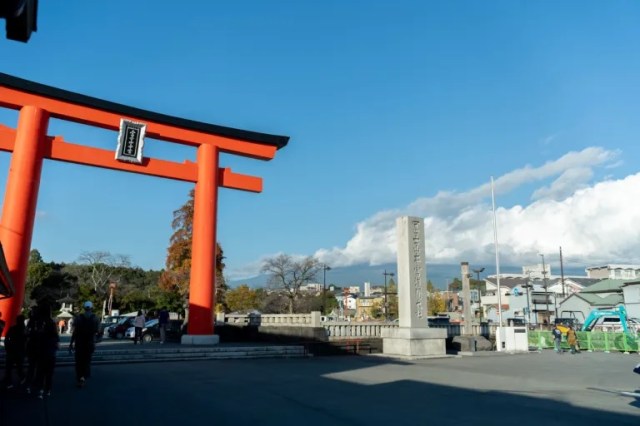
At the same time, Fujisan Hongu Sengen Taisha is a relatively easily accessible place to visit. It’s just a 15-minute walk from Fujinomiya Station on the Minobu Line (which connects the Mt. Fuji area with Kofu, Yamanashi’s prefectural capital city), and about 30 minutes by taxi/bus from Shin Fuji Station on the Tokaido Shinkansen.

▼ The walk from Fujinomiya Station to Fujisan Hongu Sengen Taisha

▼ The town of Fujinomiya itself also offers adequate travel amenities, like this cafe we found on the approach to the shrine grounds.

So should you ever catch yourself sighing, grinding your teeth, or otherwise upset about how crowded some of Japan’s shrines and temples are getting, just remember that there are more to discover with a little extra searching.

Related: Fujisan Hongu Sengen Taisha
Photos ©SoraNews24
● Want to hear about SoraNews24’s latest articles as soon as they’re published? Follow us on Facebook and Twitter!


Credit:

Red Bull releases Japan-exclusive energy drink flavor for the winter

Fans of the popular energy drink who also appreciate a classic Japanese wintertime flavor will want to get their hands on this new offering.

For many Japanese families, the thought of winter conjures up images of sitting at the kotatsu heated table while watching TV and peeling a mikan, also known as a satsuma mandarin, for a burst of citrus flavor. As anyone knows who’s ever sat at a kotatsu in the middle of winter can attest, once you sit down, it’s really, really hard to get back up.

When the kotatsu has thrown your productivity right out the door, perhaps an energy drink would be a welcome way to get back into the swing of things. First introduced to Japan in 2005, Austrian energy drink Red Bull has luckily paid homage to the simple Japanese wintertime pleasure of eating mikan at the kotatsu by releasing a Japan-exclusive winter edition flavor called kankitsu mikan (柑橘みかん).

▼ 2024 Red Bull Winter Edition: Kankitsu Mikan

Released on November 26, the drink comes in 250-milliliter (8.5-ounce) cans for a suggested retail price of 198 yen (US$1.33). It can be purchased at various convenience stores, supermarkets, drug stores, and other shops throughout Japan, but as quantities are limited, we recommend seeking it out sooner rather than later if you want to try it for yourself. Having some on hand for your next kotatsu gaming night sounds like the perfect plan, too!

Source: Red Bull Japan via My Game News Flash
Top image © SoraNews24
● Want to hear about SoraNews24’s latest articles as soon as they’re published? Follow us on Facebook and Twitter!


Credit:

Looking for a Japanese convenience store souvenir? Seicomart has a legendary hit product for fans


Wear your love for this famous chain loud and proud.

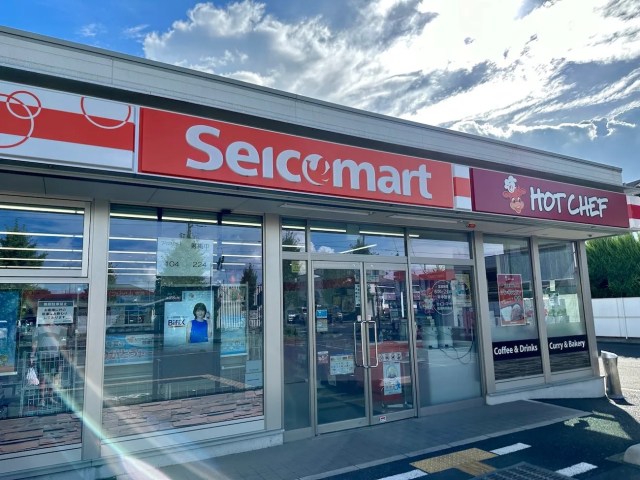
Japanese convenience stores are a dime a dozen in Japan, unless you’re talking about Hokkaido-based chain Seicomart, which only has a few locations on the mainland, limited to Ibaraki and Saitama prefectures.

Founded in Hokkaido’s capital city of Sapporo in 1971, Seicomart is known for selling products that fly the flag for the prefecture. Recently, though, our reporter Masanuki Sunakoma had heard whispers about a so-called “legendary product” available exclusively at the chain, so he made the trek to Ibaraki to see if he could get his hands on the elusive item.

The product was released in limited quantities in July and sold out in an instant so he didn’t like his chances of finding it, but to his surprise, the store he visited actually had some in stock, so he immediately purchased one and snapped a photo outside the store in triumph.

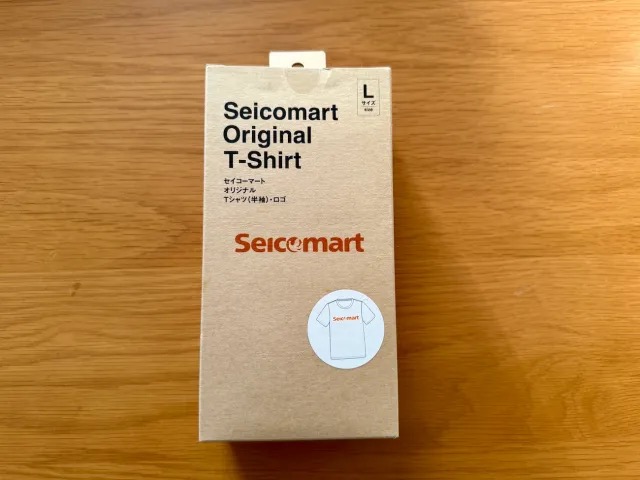
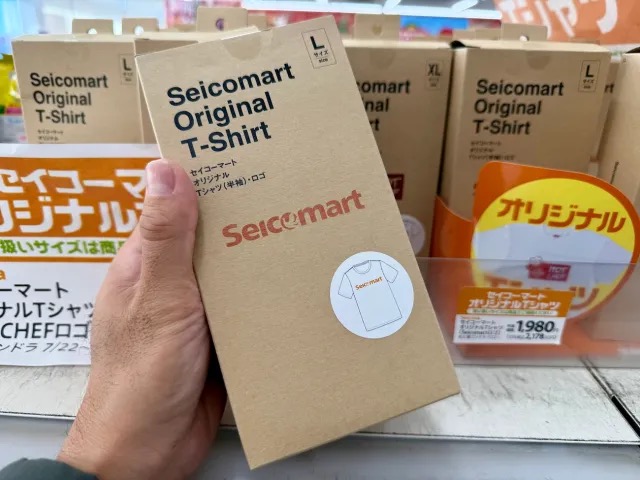
That’s right — the item fans have been going crazy for is an original T-shirt, priced at 2,178 yen (US$14.53).

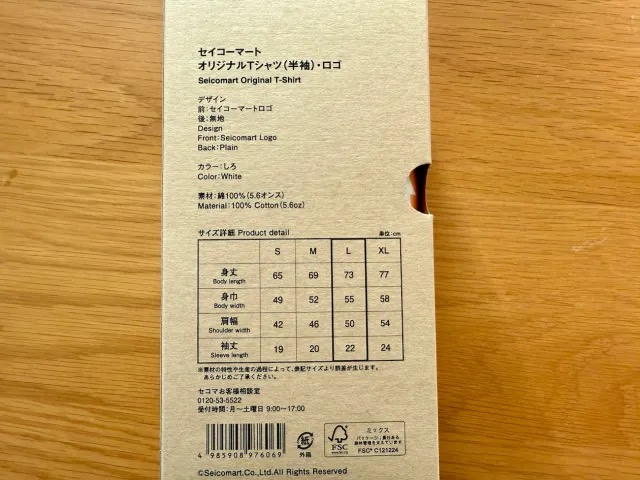
According to the chain, there are two designs available, one with a Seicomart logo and another bearing the words “Hot Chef”, which is the name of their hot food range. The shirt comes in four sizes — small, medium, large and extra large — and Masanuki picked up a large as the store he visited only had the two largest sizes in stock.

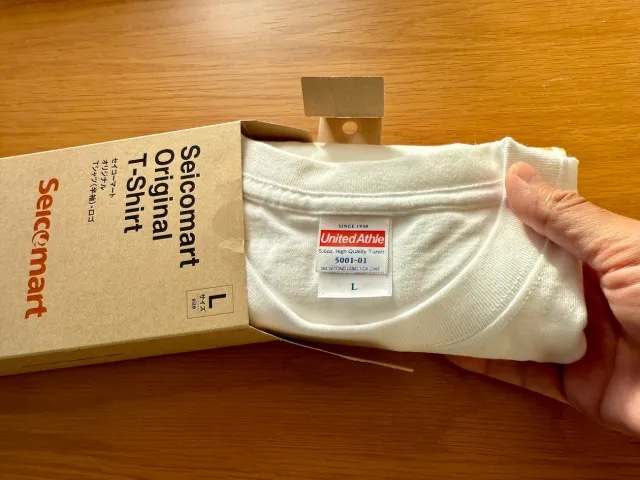
▼ Time for the grand reveal…

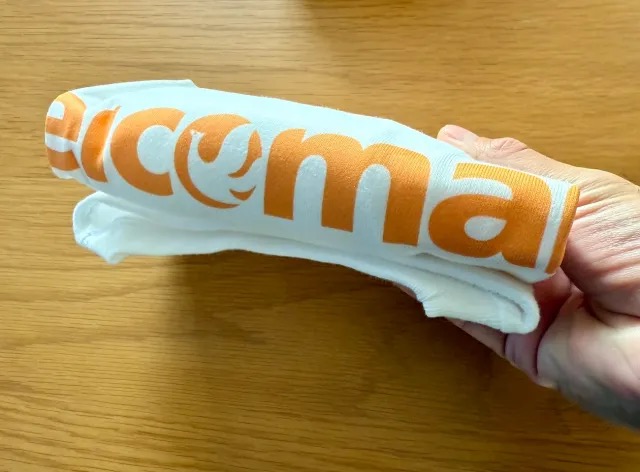
▼ Seicomart!

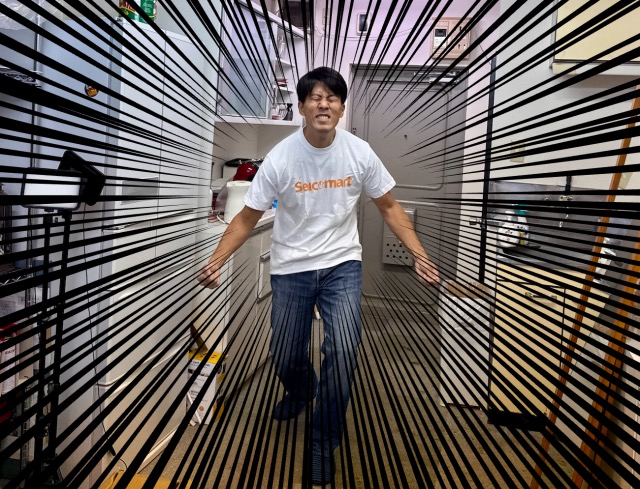
The shirt is made from a high-quality material and it looked much better than he’d imagined. Even staff at the store don’t have uniforms that glorify the chain as much as this T-shirt, and when Masanuki tried it on, he felt as if he was up in the snowy climes of Hokkaido, not just because of the Seicomart logo, but because his bare arms in the winter chill were freezing.

With the cold chill of Hokkaido pumping through his veins, Masanuki felt invincible, and his only regret was that he didn’t buy more of the shirts while he was up in Ibaraki.

So if you happen to be in Hokkaido, Saitama or Ibaraki, keep an eye out for the shirts at Seicomart. It’s a great way to show your love for the chain, and they make an excellent souvenir for fans of the convenience store.

Related: Seicomart original T-shirt stores
Photos © SoraNews24 
● Want to hear about SoraNews24’s latest articles as soon as they’re published? Follow us on Facebook and Twitter!


Credit: