Watching Studio Ghibli’s first-ever all-CG anime was weird in weird ways【SoraReview】
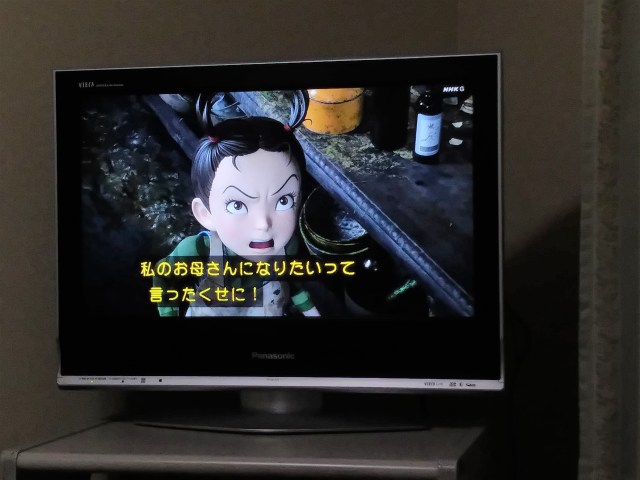
These weren’t the bumps in the road I was expecting for Earwig and the  Witch.

Earwig and the Witch starts off with a bold visual. We see a woman astride a motorcycle, her thick, curly red hair blowing in the wind as she moves down the highway. But what makes the scene especially striking for long-time anime fans isn’t the bike or its rider, but the car chasing them: a Citroën 2CV, which just so happens to be Studio Ghibli co-founder Hayao Miyazaki’s car in real life.

It’s not the exact same model year as Miyazaki’s Citroën (the grille is slightly different), but the metaphor seems clear. The woman twists her wrist, opens up the throttle, and the bike surges ahead, leaving the Citroën (whose license plate starts with “MYZ”) behind as it sets its own course, just like Earwig’s embrace of CG animation is a departure from Ghibli’s traditional commitment to hand-drawn methods.

▼ Trailer for Earwig and the Witch’s upcoming English-dubbed version

Interest is sky-high whenever Ghibli announces a new project, but audience expectations for Earwig hadn’t reached quite the same altitude. For starters, Ghibli earned many fans’ love by, in effect, taking an anti-CG stance even as CG become the default format for animated feature films in the rest of the world. Japanese all-CG productions often don’t look particularly impressive either, and Earwig is directed by Goro Miyazaki, whose Tales from Earthsea is almost universally regarded as the weakest Ghibli film. Add in that Earwig is a made-for-TV anime movie (airing in a single uninterpreted block on Japanese public broadcaster NHK) instead of a mid-summer theatrical release, and a lot of people were keeping their expectations for Earwig in check…and now that it’s aired, it turns out that’s probably a good thing.

Let’s start with the visuals, which are actually one of Earwig’s strongest elements. Japanese all-CG productions don’t have the best reputation, often due to attempts to force-fit pseudo-hand-drawn elements into the characters’ movement. That’s not really an issue here, though. Earwig (renamed Aya for the Japanese-language version of the anime) moves smoothly and expressively, and her face displays a vast variety of different emotions with aplomb. The other characters are also capable physical actors, whether it’s potion-mixing witch Bella Yagga’s haughty heavyset struting, mysterious, possibly demonic Mandrake’s shoulders bunching up as he struggles to keep his ire in check, or the rest of the supporting cast emoting in their own ways. “Special effects,” so to speak, such as crackles of magical energy or a wriggling mass of earthworms, also move in a way evocative of Ghibli’s attention to dreamlike detail.

Earwig’s art team also proves to be impressively adept at rendering lush greenery, as the grassy grounds of Earwig’s orphanage and the jungle-like vegetation of Bella Yagga’s backyard both bring to mind prior Ghibli films in their abundance of color and care. Some interior environments lack the lived-in clutter and grit of their hand-drawn cousins (Bella Yagga’s kitchen, for example, doesn’t look as true-to-life as Whsper of the Heart’s Shizuku’s, for example), but it’s possible this isn’t because the CG team didn’t want to model knickknacks, and more to set up an extremely effective contrast for the first time Earwig sets foot in Bella Yagga’s potion workshop, which is covered in grime and overflowing with all sorts of cauldrons, alchemic flasks, and containers of magical ingredients, instilling the mixture of curiosity and trepidation that Ghibli heroines often find themselves feeling.
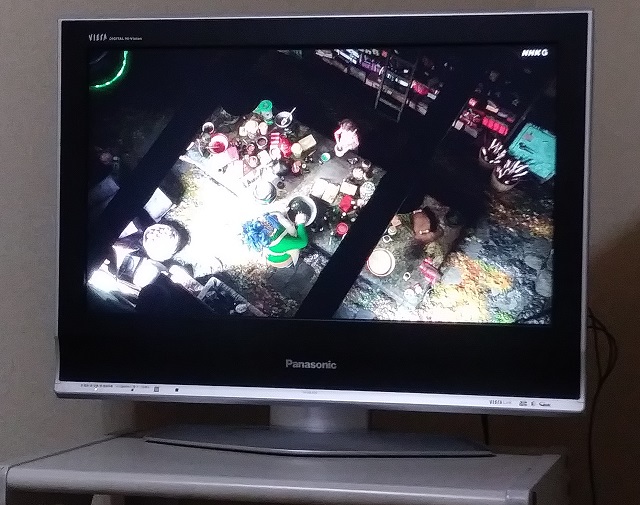
The production values are never as lavish as a CG theatrical release from Pixar or Disney, but pretty much from start to finish, Earwig looks good, with no distorted models or janky movement (though, sadly, the depictions of food are just OK, and not at the mouth-watering level fans have come to expect from Ghibli anime). The story, on the other hand, is where things get weird.

When we meet Earwig, she’s been left on the footstep of an orphanage as a baby, with only a cassette tape and a note from her mother, saying she’s on the run from “the 12 Witches” and that one day, perhaps years in the future, she’ll come back for her daughter. We then jump ahead 10 years to see Earwig as a happy free spirit who suddenly gets adopted by Bella Yagga. No sooner does Earwig set foot in her new home than Bella Yagga reveals that she’s a witch who only adopted Aya because she wanted an assistant, not a daughter.

From there, things settle into a pattern. Every day, Bella Yaga forces Earwig to work as her assistant, skinning snakes, harvesting herbs, and doing various other gross or menial tasks. Earwig starts each day with a plucky attitude, working hard in hopes that Bella Yaga will teach her to be a witch too, only for Bella Yaga to complain about how she’s not working fast enough, with Mandrake occasionally popping up to do something mysterious.

To Earwig’s credit, the dynamic is, at first anyway, interesting and enjoyable. Earwig neither crumbles under the burdens being placed upon her nor sacrifices her own well-being to try to please the obviously unpleasable Bella Yaga, and it’s refreshing how the story never treats her as helpless victim or selfless martyr. Both Mandrake and Bella Yaga are also eventually revealed to be more complex characters than they at first seem to be.

But while Earwig is taking its time setting up these relationships, the clock is ticking. At one hour and 22 minutes long, there’s really not much time to dawdle, but dawdle it does. We get a vague, half-explanation for the cassette tape that was left with Earwig as a baby, with the person giving the explanation explicitly saying they’re not going to explain anymore before shuffling Earwig out of the room. Earwig and Bella Yaga experience exactly one significant change to their relationship, and at the exact moment it seems like Earwig is ready to get to the meat of its story, the credits roll.
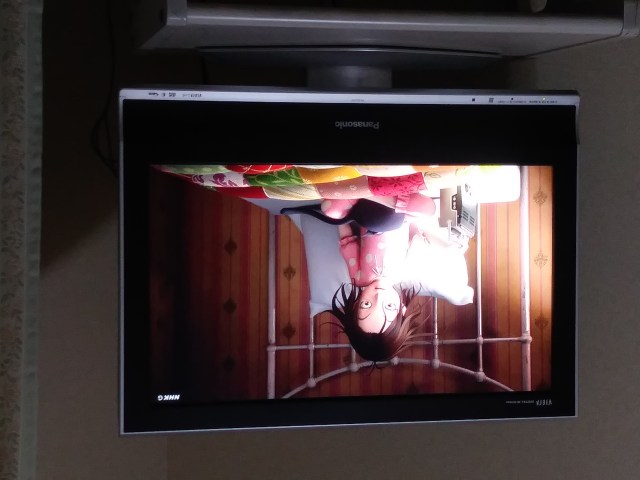
I’m not exaggerating with “exact” either. I watched Earwig as it aired with my wife, and when the credits started, she turned to me and said “I’m looking forward to finding out more in next week’s episode.” She literally thought this was an extended pilot for a TV series, and that’s honestly what it feels like, not in terms of visual quality, but in story and characters. There’re hardly any major plot developments to speak of. Did you want to know more about the 12 Witches? Looks like you’ll have to read the book, because the anime doesn’t tell you anything other than that they exist. And sure, Earwig is likable and the rest of the cast entertaining too, but the characters are static for almost the whole thing, with a just quick, confusing peek at who some of them used to be and a tiny hint at who they might become before we say goodbye to them forever.

Ghibli fans who came away disappointed with Tales from Earthsea and From Up on Poppy Hill might be quick to lay the blame entirely at Goro Miyazaki’s feet, but Hayao Miyazaki and fellow Ghibli co-founder Toshio Suzuki both served as producers on Earwig.

In the end, for as divisive as the decision to go all CG for Earwig was, the visuals really are the smoothest part of the ride (and the catchy soundtrack isn’t half-bad either). If nothing else, Earwig shows that, if it wants to, Ghibli can make a CG anime that looks good and still looks like Ghibli. Going back to the opening scene, Ghibli can, if it wants to, pull away from its past.
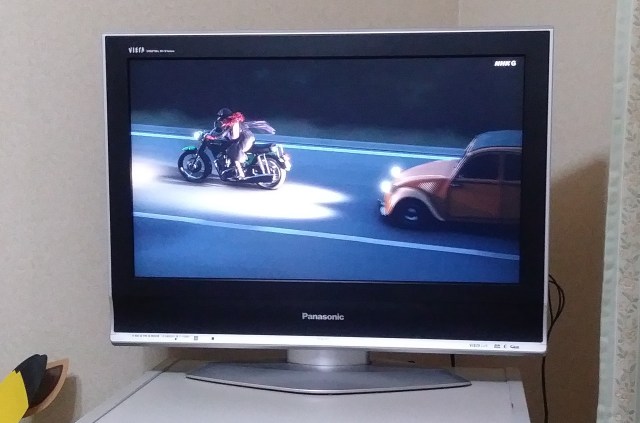
It just would have been nicer if Earwig had a more compelling place it was headed when it left the metaphorical Citroën behind.

Photos: SoraNews24
● Want to hear about SoraNews24’s latest articles as soon as they’re published? Follow us on Facebook and Twitter!


Credit:
Creator of Japan’s first pole dancing manga talks with our pole-dancing reporter【Interview】

After Harukana Receive, manga artist Nyoijizai’s next series is all about the allure of the silver pole.

Part of what makes the Japanese comics industry so special is the immense variety of genres. Sure, at any given moment there’ll be several science fiction or fantasy series on the best-sellers list, but there’s also room for romance, slice-of-life, and sports manga too.

Sports manga aren’t limited to just major mainstream athletics like baseball and soccer either. For example, manga artist and writer Nyoijizai is the creator of Harukana Receive, a manga centered not just on volleyball, but on beach volleyball. Nyojizai’s currently serialized manga, though, is about an even more niche sport: pole dancing.

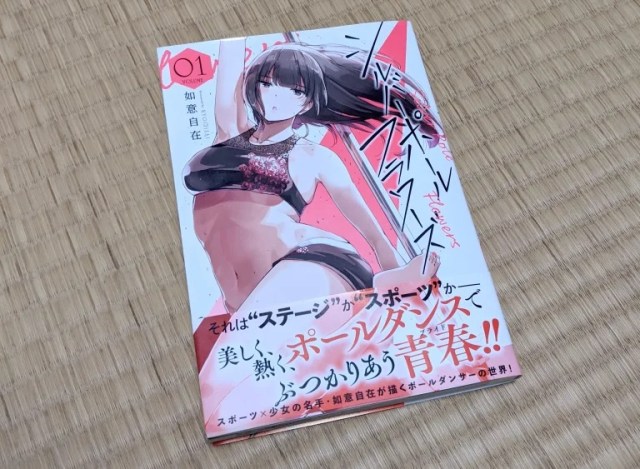
Silver Pole Flowers follows two college students, Hana Uesaki and Karin Takamine (whose given names both include kanji characters for “flower”), as they enter the world of pole dancing. Hana takes the artistic path of traditional pole dancing, while Karin follows the emerging discipline of pole sports, with a stricter focus on athletic prowess.

▼ Video preview for the Silver Pole Flowers manga

Our ace reporter Mr. Sato knows a thing or two about pole dancing himself, so he sat down with Nyoijizai to talk about his latest work

Mr. Sato: I know you must be busy at the end of the year, so thank you for taking the time to meet with me. As soon as I found out about Silver Pole Flowers, I knew I wanted to talk with you.

Nyoijizai: I’d been wanting to meet you too, Mr. Sato.

Mr. Sato: Wait, what?

Nyoijizai: When I first started researching pole sports, I read several of your articles on pole dancing, and they were very informative. ‘I could really learn a lot from this person’ I thought.”

Mr. Sato: Wow…I’m honored to have been of help. So how did you decide to make a manga about pole dancing/pole sports?

Nyoijizai: I’d been interested in the topic for some time. It’s fascinating how it’s one sport, but with two distinct fields. In order to learn more, I actually started taking pole dance lessons at the start of the year, but the class was suspended when the coronavirus pandemic first hit, and then I got busy with work and haven’t been able to go.

Mr. Sato: Has drawing pole dancing scenes presented any special challenges for you?

Nyoijizai: The tricky part, definitely, is that there’s just not that much reference material available. There’s a lot of stuff about it that’s hard to research, and that’s the biggest challenge.

▼ Nyoijizai’s custom illustration of Hana for Mr. Sato

Mr. Sato: Yeah, it’s still a minor sport, so you can’t just turn on the TV, flip through a sports magazine, or go to a general sports website and find out what you want to know.

Nyoijizai: And then there’re the poses. Some pole dance techniques involve such complex posture and grips, and it’s a challenge to draw them.

Mr. Sato: I totally understand! Sometimes I’ll look at videos of other pole dancers, and when I try to do the same moves, I end up thinking “Wait, what did they do with their right hand for this part?” or things like that. Sometimes their techniques seem superhuman.

Nyoijizai: Pole dancing really is a difficult sport to convey in illustrated form.

Mr. Sato: Reading Silver Pole Flowers [which has 18 chapters so far], I feel like both of the lead characters are really compelling. Their dialogue seems so meaningful, and realistic too. Is there anything in particular you keep in mind while writing their parts?

▼ Hana (left) and Karin (right)

Nyoijizai: When writing characters, I make sure to remember that their actions should reflect their life experiences up to that point. So for this series, for example, I need to form a solid image of Hana and Karin’s lives, and filter their choice of words through that image when they’re speaking.

Mr. Sato: So it’s like the way they live their lives influences how their conversations unfold?

Nyoijizai: Exactly.

Mr. Sato: Silver Pole Flowers started serialization on August 1, and the first collected volume just came out this month, but what are your hopes for the series going forward?

Nyoijizai: Well, this is my first time to do a weekly series, so for now, I’m just focusing on making each chapter as good as it can be.

While Nyoijizai is keeping his eyes on the week-to-week narrative, Mr. Sato can’t help but keep his fingers crossed for an eventual anime adaptation. Partly because he’d like to see wider recognition of the artistic and athletic merits of pole dancing (he still often has to explain to people that no, the pole dancing he does isn’t a sexual thing), but also because Silver Pole Flowers is simply an enjoyable story.

Silver Pole Flowers is available on the Comic Days, Magapoke, and Sports Bull apps/websites (with free previews of the first chapter), and its first collected volume is available in both paper and Kindle formats through Amazon Japan here.

Top image ©SoraNews24
● Want to hear about SoraNews24’s latest articles as soon as they’re published? Follow us on Facebook and Twitter!


Credit:

Kyoto’s Kinkakuji Golden Pavilion finishes restoration, looks more beautiful than ever【Photos】

It’s not just gold that’s shining right now at one of Japan’s most beautiful historical sites.

As the historical and cultural capital of Japan, Kyoto boasts more sightseeing attractions than arguably anywhere else in the country. It’s got so many, in fact, that a visit to the city often involves having to cut a must-see-level destination from your itinerary, simply because there’s not enough time to fit them all in.

But while this sometimes leads travelers to make the painful choice to skip such a wonder as Nijo Castle, Kiyomizu Temple, or the Heian Shrine, hardly anyone bumps Kinkakuji from their schedule, at least if it’s their first time in Kyoto. The Golden Pavilion truly is a one-of-a-kind architectural marvel, and right now it looks even more beautiful than at any time in roughly the past 20 years.

Kinkakuji is always a breathtaking sight, but it’s looking especially dazzling these days thanks to a just-finished four-month restoration project. The main reason for the construction was replacing the roof surfacing, which required craftsman to install roughly 100,000 planks of Japanese Sawara cypress over an area of 320 square meters (3,444 square feet).

The last re-roofing took place in 2002, and the years of exposure to the elements had dulled the color of the shingles. The freshly installed wood has a bright, lustrous hue to it, shining almost as brilliantly as the building’s gold-covered walls when the sun hits.

Speaking of Kinkakuji’s precious-metal accents, while they had the scaffolding set up craftsmen also took the opportunity to resurface the phoenix sculpture perched atop the very tip of the gracefully curving roof. This part of the restoration project involved some 10,000 pieces of gold leaf.

The restoration project officially finished on Monday, and though Kinkakuji’s management did a commendable job creating photo opportunities for visitors even during the construction, it’s nice to see the building back on display, especially when it takes on a special beauty on winter days when it’s surrounded by snow.

Source: NHK News Web
Top image: Wikipedia/Jaycangel (edited by SoraNews24)
● Want to hear about SoraNews24’s latest articles as soon as they’re published? Follow us on Facebook and Twitter!


Credit:

Studio Ghibli retail chain brings out a mystery fukubukuro lucky bag for New Year

Filled with awesome Ghibli character goods, Donguri Kyowakoku has some of the best lucky bags in all of Japan.

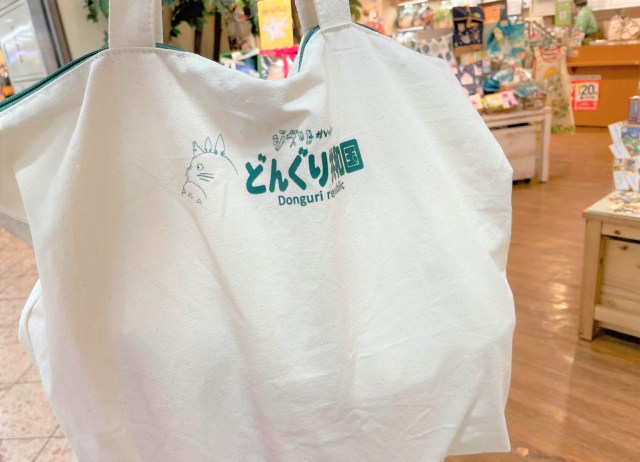
At the start of every year, Japanese retailers sell fukubukuro lucky bags filled with mystery items that usually add up to more than the price you pay for the bag. Sometimes these fukubukuro can be hit-and-miss, but one that never fails to disappoint is the lucky bag from Studio Ghibli merchandise retail chain, Donguri Kyowakoku.

In past years, these bags were sold on New Year’s Day on a first-come-first-served basis, creating queues out the front door of branches well before opening time. However, now that the government is asking people to avoid crowds during the pandemic, Donguri Kyowakoku sold their bags via an advance registration system this year, with customers picking up their bags from 28 December.

We got in quick with our reservation to avoid missing out on these sought-after lucky bags, which have been known to sell out within minutes. So it was a happy day yesterday when we got to pick our bag up from the store and take it home to discover what was inside.

▼ Check out the haul below, which cost just 4,000 yen (US$38.57)!

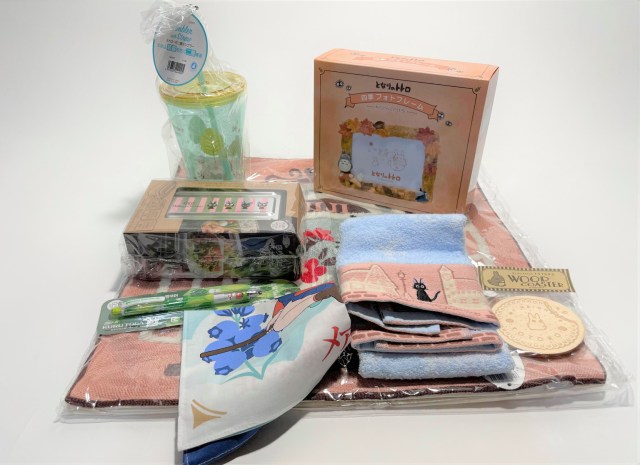
Once again, the Donguri Kyowakoku lucky bag didn’t disappoint, with eight items in total and appearances from some of our favourite characters from the studio’s most well-known films.

The bag contained the following items:

A Kiki’s Delivery Service Cushion Cover, featuring magical black cat Jiji sitting on a windowsill

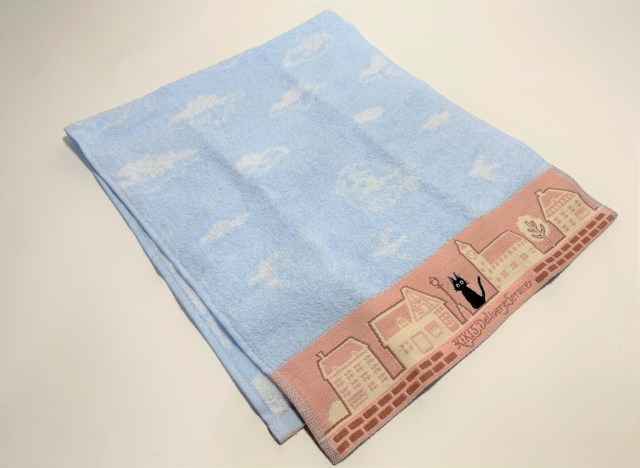
A Kiki’s Delivery Service Jiji Towel


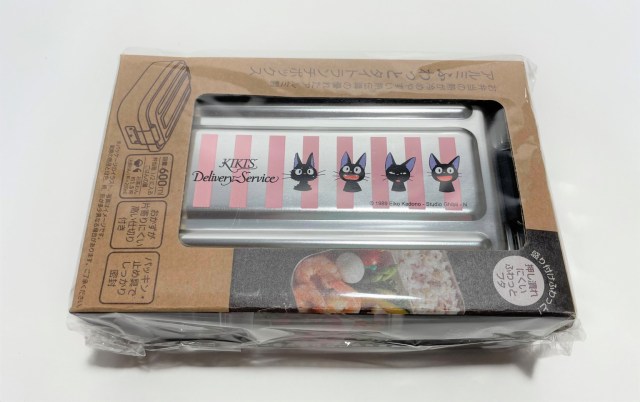
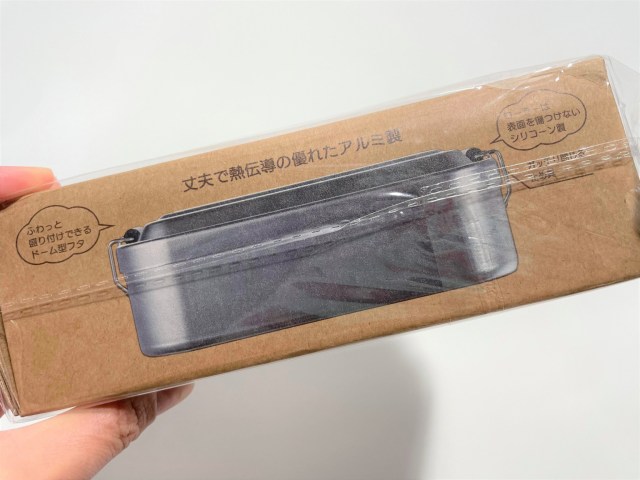
A Kiki’s Delivery Service Jiji Aluminium Lunch Box

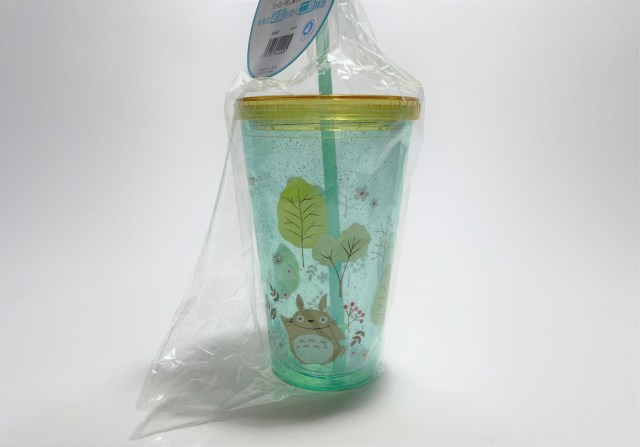
▼ A My Neighbour Totoro tumbler

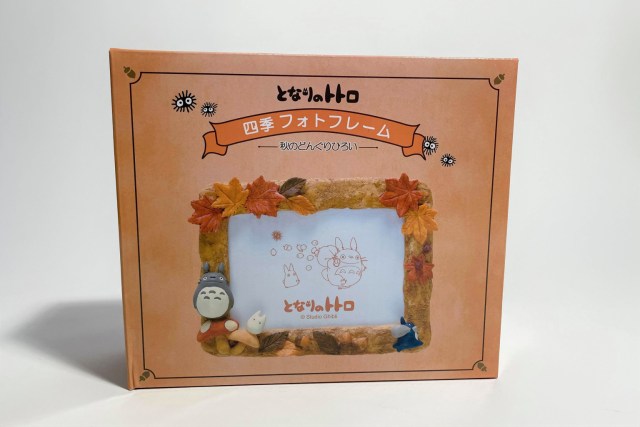
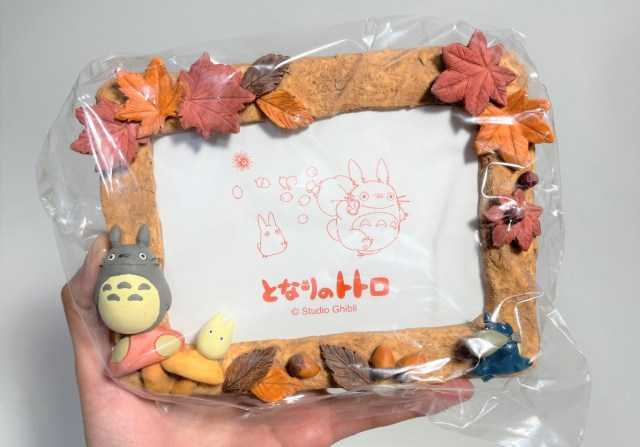
▼ A My Neighbour Totoro Four Seasons Photo Frame

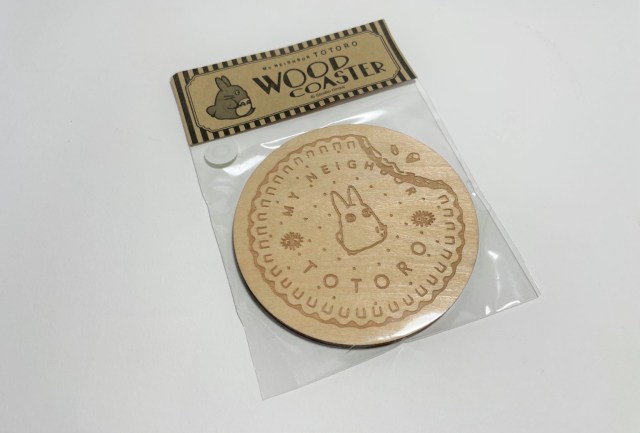
▼ A My Neighbour Totoro wooden coaster

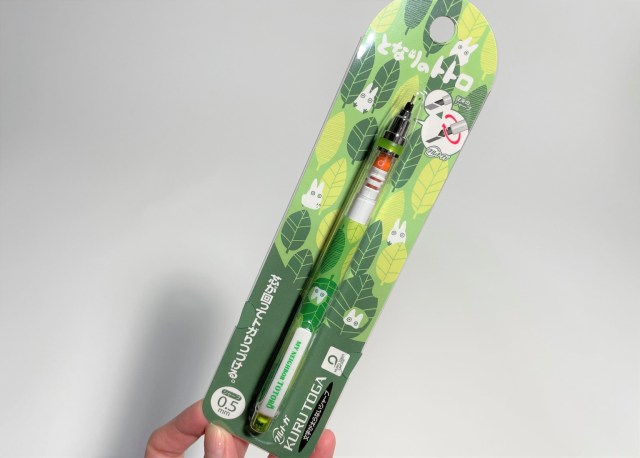
▼ A My Neighbour Totoro Kurutoga Mechanical Pencil

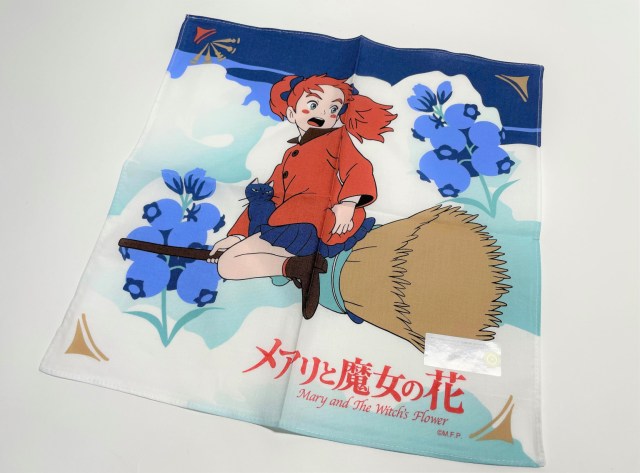
And a Mary and the Witch’s Flower Handkerchief, which was a nice surprise addition, given that the film comes from Studio Ponoc. The Ghibli connection is strong here, though, as Studio Ponoc was founded by Yoshiaki Nishimura, a former Ghibli employee and producer of Ghibli’s When Marnie Was There.

After going through our haul, we couldn’t believe we’d netted all this gorgeous anime merch for just 4,000 yen! In fact, the Jiji cushion cover was such good quality we reckon it made up the cost of the bag alone, and given that the store’s aluminium lunch boxes usually retail for 2,000 yen and the mechanical pencil costs 880 yen, everything in the bag was great value, and worth much more than the price we paid for it.

It’s a great way to cap off a great year of Ghibli releases from the popular retail chain, who brought us everything from Spirited Away’s mysterious bathhouse spirits to plushies that turn into eco-friendly shopping bags.

Now we can’t wait for another year of Ghibli releases on the horizon, which means we’d better start saving our yen with this coin-gobbling No Face from Spirited Away!

Photos © SoraNews24
● Want to hear about SoraNews24’s latest articles as soon as they’re published? Follow us on Facebook and Twitter!


Credit:

20-year fan artist retires from Rei art after studio’s “No Evangelion fan porn please” request

End of the line for Mogudan.

Anime production company Studio Khara is pretty busy these days, what with the long-awaited release of Evangelion: 3.0+1.0 Thrice Upon a Time just a few weeks away. But on Monday the company took a moment out from its packed schedule of last-minute promotions and Utada Hikaru-assisted trailer releases to post a set of guidelines for Evangelion fan artists on the official Khara website, and one stipulation in particular has been causing a stir.

Nestled in among requests that fan art not be commercially sold and that it be made while respecting the fan community, Khara also says “Please refrain from posting Evangelion fan works that are specifically for pornographic purposes.”

Of course, some would argue that asking fan artists to not make Eva porn is the quickest way to motivate them to flood the Internet with naked drawings of its central trio of Shinji, Asuka, and Rei. However, in the case of the last of those characters, there’ll be one less source of sexually charged artwork, as long-time fan artist Mogudan (@mogudan555 on Twitter) has suddenly and officially retired from drawing Rei fan art.

“I have become unable to continue drawing pictures of [Rei] Ayanami,” says Mogudan, speaking through an illustration of One Punch Man’s Tatsumaki. “Going forward, I will not be making any illustrations of her, even on fan sites. Thank you for all of your support over the years. In the future, I will be drawing art of other characters.”

The artist wasn’t new to the Eva fan art scene, either, with the announcement causing lamentations from Mogudan fans saddened by the end of a 20-year run of Rei art (with a new piece just posted on December 24), and online reactions have included:

“I’m so sad to hear this…I liked Mogudan’s version of Rei.”
“She was so sexy and cute.”
“I am truly indebted to you.”
“I even recommended your Rei art to my friends.”
“Your Tatsumaki looks cute, and I’ll still be following you!”

While Mogudan doesn’t specifically mention Khara’s guidelines, the decision to end two decades of fan art just one day after the studio’s announcement hardly seems like a coincidence.

▼ Trailer  for Evangelion: 3.0+1.0 Thrice Upon a Time

Mogudan’s Rei retirement has even promoted sad reactions and messages of thanks for the memories from English-speaking Twitter users, showing the artist had built up a worldwide fanbase, and it’s possible the potential for such a wide reach for adult fan art played a role in Khara’s decision to ask artists to keep it clean in regard to Eva. Evangelion is part of a small group of anime that’s earned respect and significance in mainstream media criticism, both in Japan and abroad, and perhaps its status as a prestige piece of the anime industry is making Khara more concerned about managing its image.

At the same time, long-time Eva and anime fan art observers probably can’t help but smile ruefully at the irony, what with the Evangelion TV show pushing the boundaries of content for broadcast television at the time of its airing, the overactive hormones of its adolescent core cast being a major theme throughout the franchise, and the Eva adult fan art sphere staying robust throughout the 10-year gap between The End of Evangelion and the Rebuild of Evangelion re-imagining. But just like the anime franchise is set to end for good with Thrice Upon a Time, Mogudan’s time with Eva is coming to an end too.

Source Twitter/@ mogudan555 via Otakomu, Jin
Top image: YouTube/株式会社カラー khara inc.official
● Want to hear about SoraNews24’s latest articles as soon as they’re published? Follow us on Facebook and Twitter!


Credit:

Japan’s new instant noodle Rubik’s Cube is fiendishly hard【Photos】

Solving this block of noodles is no piece of cake.

We’re fully aware that our staff isn’t exactly the most mature collection of individuals, but even we know we’re not supposed to play with our food. Not only is it bad manners, in the case of soba noodles fiddling around with the buckwheat pasta is likely to get you splashed with scalding hot broth.

Today, though, we’ve got an exception to the don’t-play-with-your-food rule.

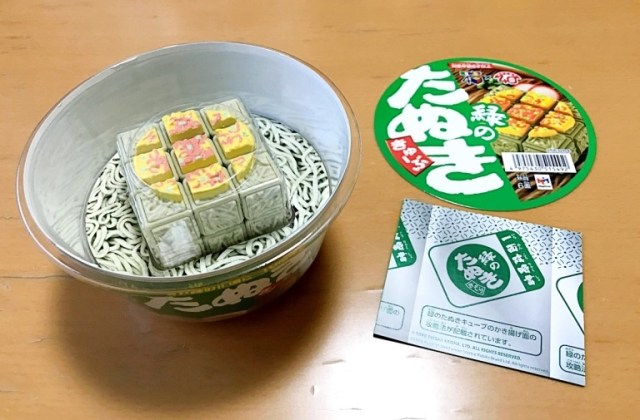
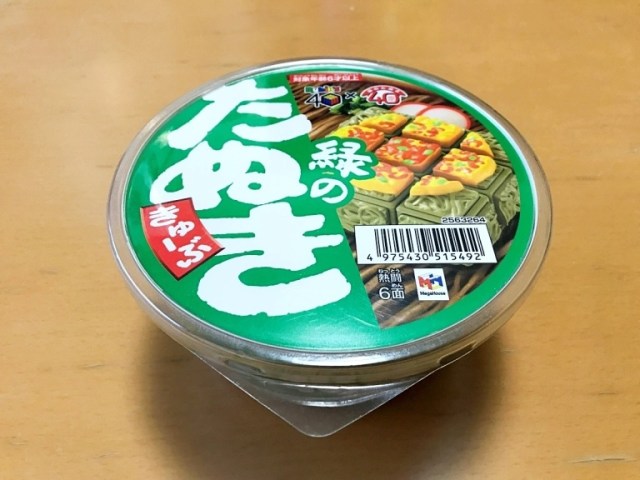
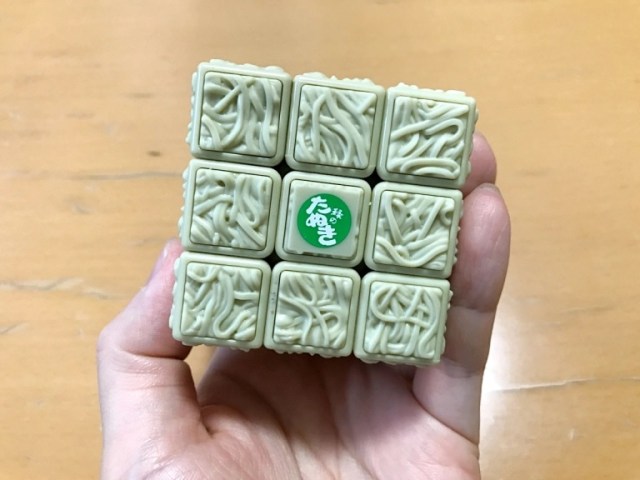
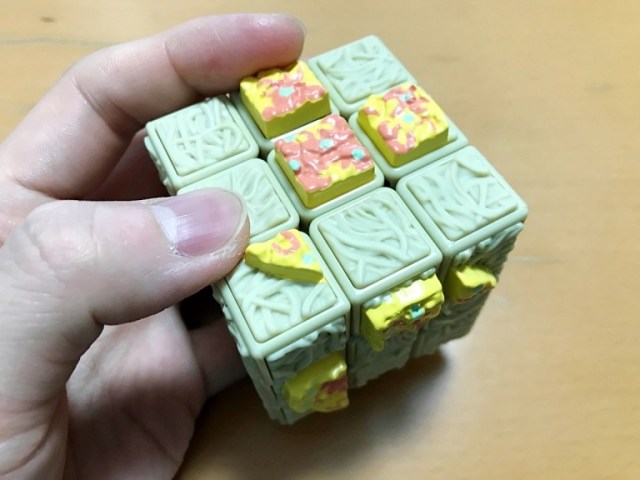
That may look like just another package of Midori no Tanuki, the perennially popular line of instant soba from noodle maker Maruchan. When you open the lid, though, you’ll find something much less familiar-looking.

That’s because these are no ordinary noodles, they’re the Midori no Tanuki Cube, a three-way team-up between Maruchan, Japanese toy company Mega House, and Rubik’s Cube.

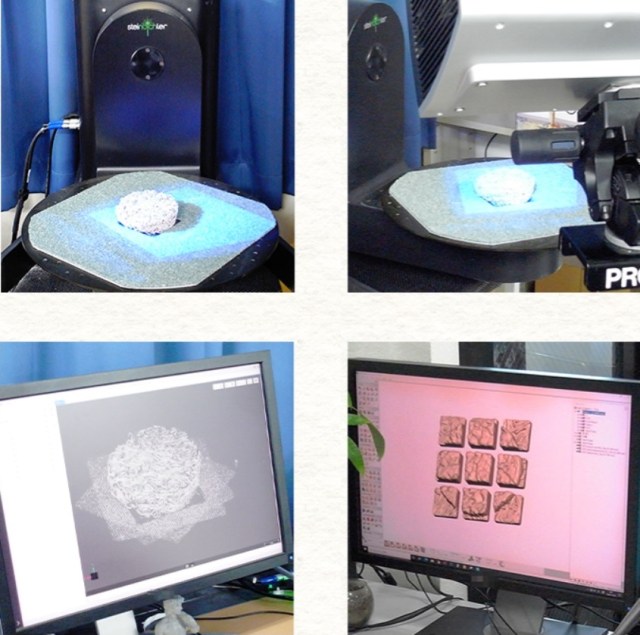
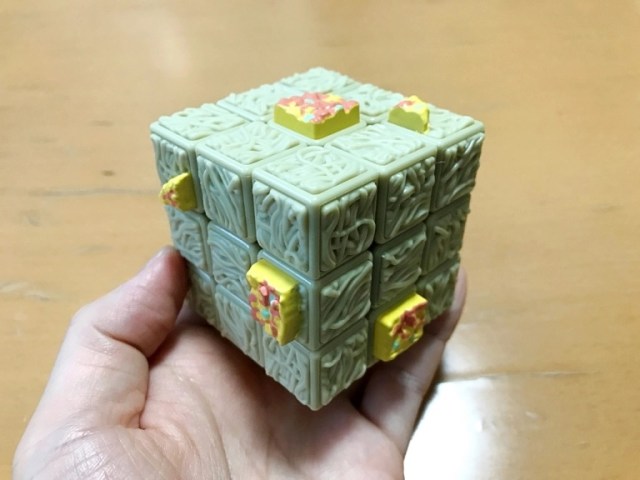
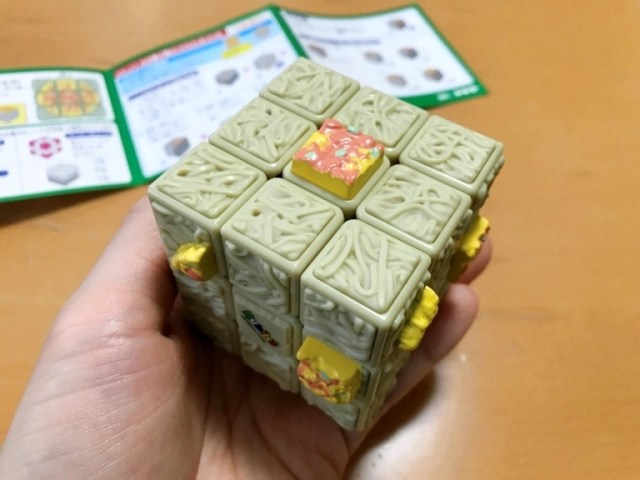
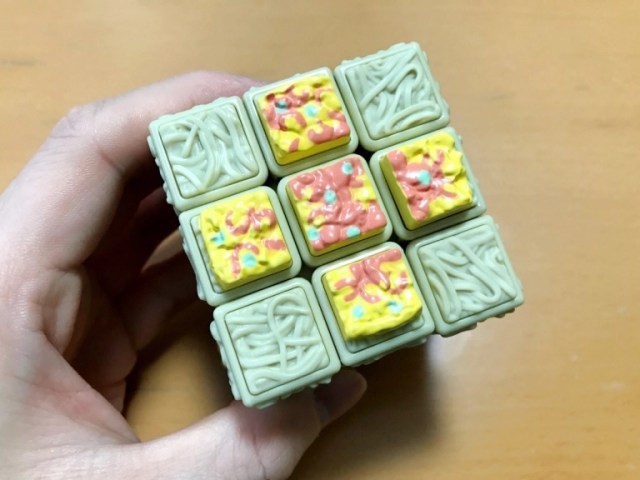
They’ve really gone all-out on the visuals, too. Not only does the explanation/hint pamphlet look like a packet of seasoning powder when it’s folded up, the plastic noodles themselves were created by 3-D scanning an actual serving of Midori no Tanuki soba.

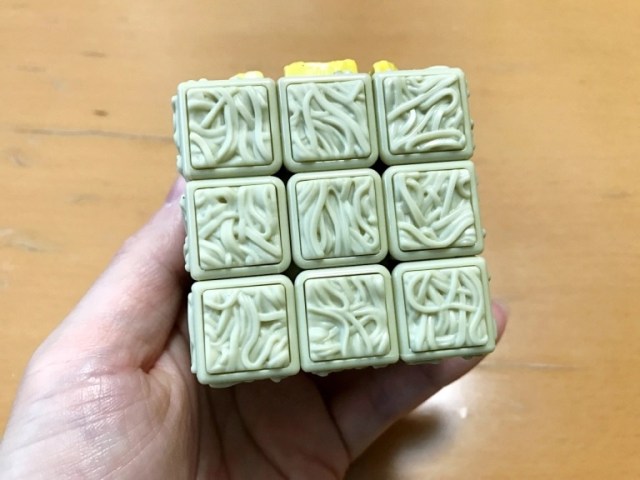
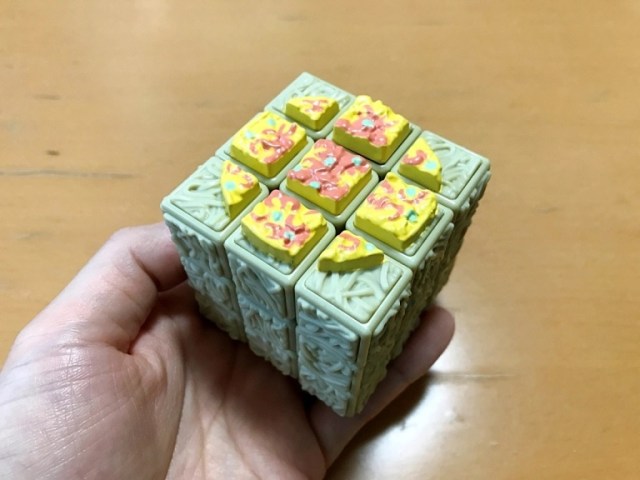
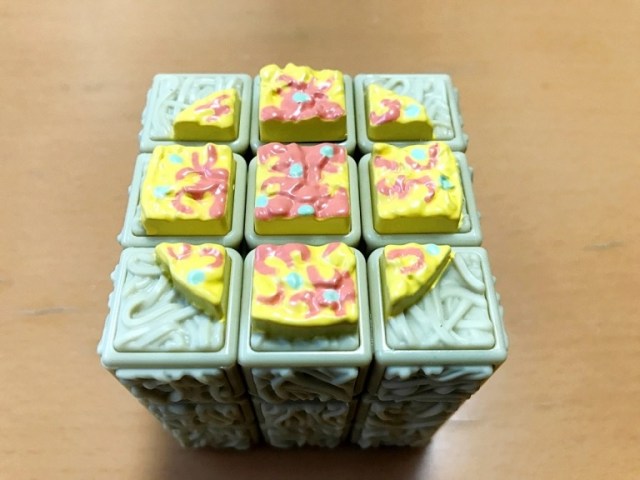
There’s also a recreated kakiage (mixed tempura disc) sitting atop the block when the cube is in its finished form, since that topping is what separates Midori no Tanuki from just plain old soba. On the other hand, the other sides are entirely noodles, save for a single Midori no Tanuki logo on the center square of the bottom-side face.

At first glance, this might make it seem like the Midori no Tanuki Cube will be incredibly easy to solve. After all, with a normal Rubik’s Cube, you’ve got six faces, all with their own colors that need to be matched up, but here it’s just the one tempura side that’s different, with five face of noodles,. It should be a snap, right?

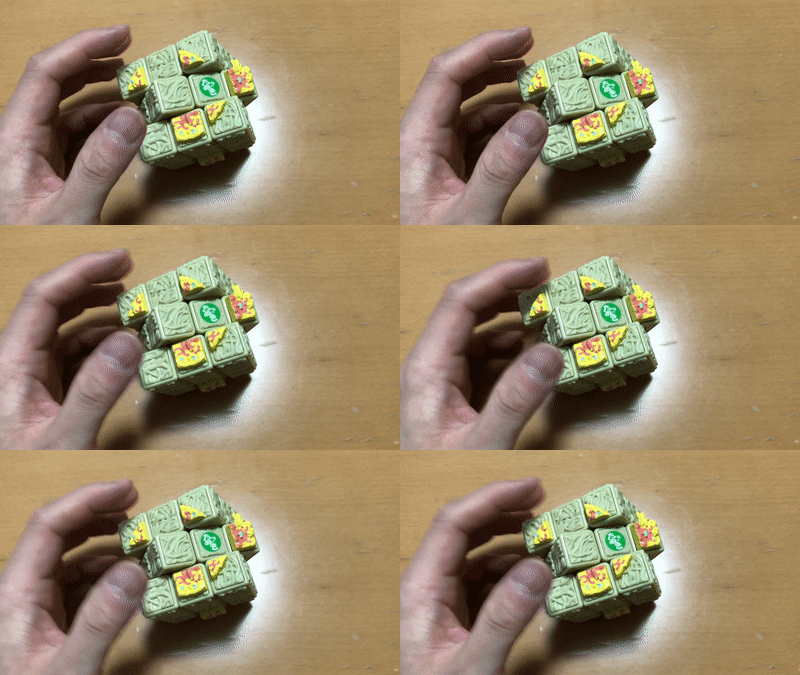
Nope. Even though there are five noodle faces, there’s only a single way for all of the blocks to be arranged so that the tempura disc forms at the top.

In other words, you’re still solving all six faces, but doing five of them essentially blind. Aside from the single logo mark, there’s no way to tell if you’re getting closer or farther away from completing a noodle side until you get a tempura piece locked into the perfect position on top.

So actually, the Midori no Tanuki Cube is a whole level of challenge above what a traditional Rubik’s Cube presents. This isn’t a bad thing, though.

See, in Japan it’s tradition to eat soba on New Year’s Eve, with the long noodles symbolizing long life, and thus health and happiness, in the year to come. It’s also customary to spend most of the New Year’s vacation period relaxing at home with family, and the Midori no Tanuki Cube makes for timely entertainment as you lounge around the living room, possibly with your legs tucked into a nice warm kotatstu or snug and cozy under a gaming blanket.

If this is the sort of quirky challenge you’d like to ring in the new year with, the Midori no Tanuki Cube is available through Amazon Japan here.

Top image: SoraNews24
Insert images: SoraNews24, Mega House
● Want to hear about SoraNews24’s latest articles as soon as they’re published? Follow us on Facebook and Twitter!


Credit:

Peer into Beard Papa’s lucky bag of cream

The Beard Papa tote bag is just the tip of this creamberg.

Beard Papa is a popular chain of cream puff vendors, often found in the food courts of shopping malls. Their sizable flaky pastries loaded with cream make for a delectable mid-mall treat.

And now, they’ve joined the ranks of other leading food purveyors in Japan and created a fukubukuro to help ring in the New Year. However, unlike those offered by McDonald’s or Starbucks that usually just contain gift certificates for food, the Beard Papa Lucky bag actually has some fresh cream puffs right inside!

Our writer Saya went to pick one up and take a look at all its creamy contents.

Beard Papa Lucky Bag 2021 – 2,500 yen (US$24)

  • Original tote bag
  • 2,500 yen in gift certificates (five 500-yen certificates)
  • Three Pie Cream Puffs (Custard Filling)
  • Three Flavor-of-the-Month Cream Puffs

Right off the bat, you can see the value of the bundle is equal to the amount of coupons you get back, so everything else included is just icing on the cake…or cream in the puff, if you will.

Moreover, there are actually two types of bags depending on which location you visit. Saya’s store had the 2,500-yen ones, but some offer 3,300-yen bags which contain seven 500-yen tickets. In those cases you can get even more than you paid for.

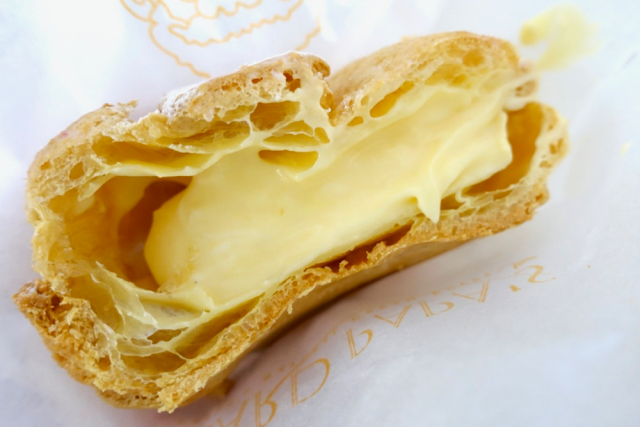
But why wait, when sitting in the bottom of the bag is a six pack of fresh cream puffs? Three of them are the standard custard-filled Pie Cream Puffs, and the other three are the monthly flavor. Since the bags are on sale from 26 December to 5 January, this means anyone who buys one in January will get Strawberry Puffs.

Saya, however, got hers in December which means she was treated with three Premium Richness Cream Puffs that are filled with high-quality Hokkaido-sourced cream.

Keeping in mind that she already made her money back with the coupons and got six free cream puffs, valued at 170 yen a piece, on top, she’s now ahead of game by roughly 1,000 yen ($10).

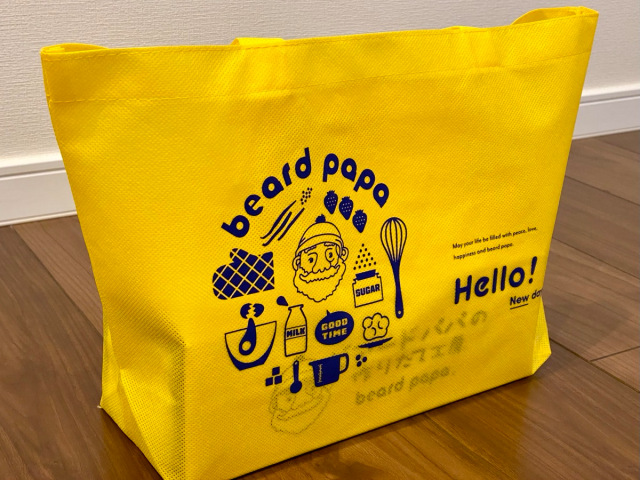
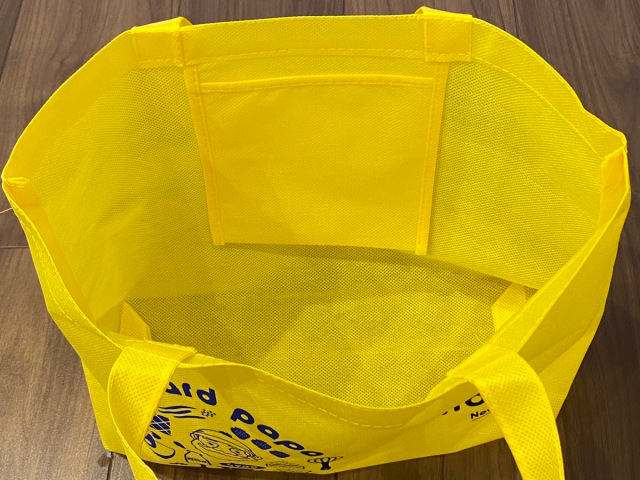
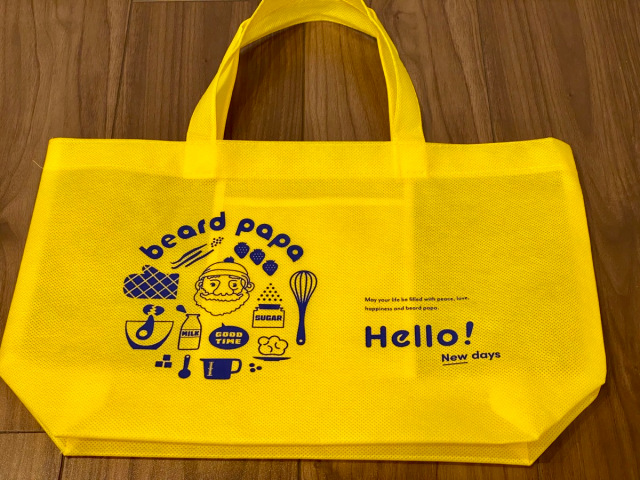
That’s even without including the snazzy tote bag it all came in. With its distinctive Beard Papa yellow coloring and imagery you can save money and the environment while telling the whole town that you’re a mean Beard Papa, Mama, or non-binary Beard Parent.

The bag also has, “May your life be filled with peace, love, happiness, and beard papa,” written on it, which I believe is a Bible quote.

The only downside is that six cream puffs are a little hard for one person to tackle by themself. They’re only good for about a day so either buy them early and pace yourself and make sure you have other people to assist in the devouring.

Also be careful that while these bags are scheduled to be sold until 5 January, supplies might go fast. Holding out for the strawberry ones is a risky play, and the last thing you want to do is enter the new year without a big bag of cream by your side.

Photos ©SoraNews24
● Want to hear about SoraNews24’s latest articles as soon as they’re published? Follow us on Facebook and Twitter!


Credit: