One Piece Shinkansen bullet trains set to speed to adventure in Japan

Three different One Piece bullet train designs will run on the Sanyo Shinkansen line.

Anime/manga franchise One Piece is a seafaring saga, following the exploits of protagonist Monkey D. Luffy and his pirate crew. Really, though, at its core One Piece is about the spirit of adventure and allure of making exciting discoveries in new places, regardless of the method of transportation you use to get there.

So with that in mind, the Straw Hat Pirates are dropping anchor and heading ashore for a trio of One Piece Shinkansen bullet trains!

The One Piece Shinkansen will be running on the Sanyo Shinkansen section of Japan’s high-speed rail network, connecting Shin Osaka station in Osaka City with Hakata Station in Fukuoka City with 17 stations in between, which means you can also take the One Piece Shinkansen to cities such as Kobe, Himeji, Hiroshima, and Iwakuni.

▼ “To the Grand Rail!” declares the One Piece Shinkansen map, echoing the series rallying cry of “To the Grand Line.”

In addition to character artwork adorning the exterior, the One Shinkansen will also have One Piece decorations inside the passenger cars, and Sanyo Shinkansen operator JR West says there will also be special merchandise and other theming at select stations once the pirate bullet trains are running.

JR West has released preview images of the exterior for the first One Piece Shinkansen, dubbed Setouchi Blue, in reference to the Setouchi region near the Seto Inland Sea off the southern coast of the western end of Japan’s main island of Honshu, which the Sanyo Shinkansen line services. Two more One Piece Shinkansen designs are in the works but have yet to be revealed, so it’s not clear whether the three different trains will run simultaneously or one after another, but we do know that the Setouchi Blue is schedule to start zipping around west Japan this coming spring.

Source: PR Times, JR West (1, 2)
Top image: PR Times
Insert images: JR West
● Want to hear about SoraNews24’s latest articles as soon as they’re published? Follow us on Facebook and Twitter!


Credit:

McDonald’s Japan’s Gurakoro burger faces a giant rival in Komeda’s Gurakuro

Gurakoro vs Gurakuro proves the McDonald’s registered trademark can only go so far.

Fast food wars aren’t new in Japan, as rival chains often go head-to-head serving up similar seasonal offerings for limited-time periods. However, at this time of year you’ll find a particularly unusual showdown taking place, between fast food giant McDonald’s Japan and the much smaller, Japanese coffeehouse chain Komeda.

The menu item at the centre of the storm is the Croquette Burger, with McDonald’s serving up the “Gurakoro” and Komeda selling the “Gurakuro“. Although both burgers are a portmanteau of “gratin” and “croquette“, the difference lies in the pronunciation, because although “コロッケ ” (“korokke”) and “クロケット” (“kuroketto”) are commonly referred to as “croquette”, they’re defined as two different things, with the former containing “mainly crushed potatoes formed into an oval shape, coated with breadcrumbs or other batter and deep fried”, while the latter doesn’t need to conform to any such conditions.

With McDonald’s having registered the trademark for “Gurakoro“, Komeda has used the “kuroketto” definition to its advantage, muscling in on the big chain with its Gurakuro. This year, both chains released their rival burgers on 27 November, perhaps at the chagrin of McDonald’s, but this was good news for burger lovers like us, who went out and purchased both burgers on release day.

Despite being similar, they’re entirely different in terms of looks and price, so we took them back to the office for a taste test, starting with the McDonald’s Rich Demi & Tartar Gurakoro, a new version of the annual Gurakoro for this year.
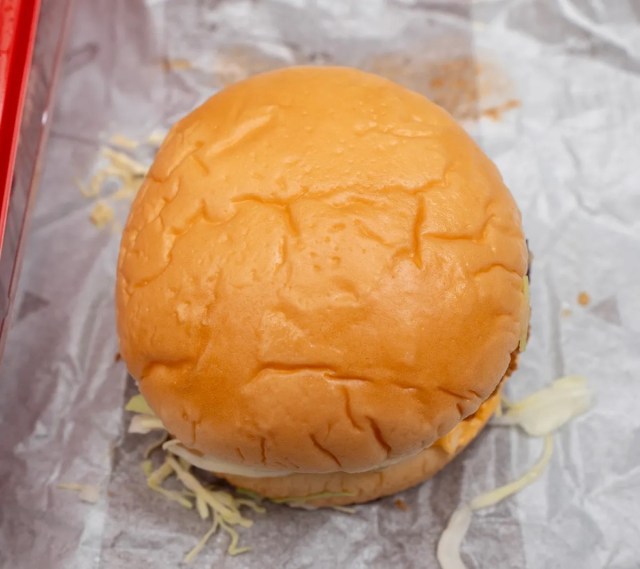
At 490 yen (US$3.23), this is a well-priced burger that contains two types of sauces — demi-glace and tartare. Lifting the top bun reveals the generous nature of these sauces, as they ooze their deliciousness into the croquette beneath.
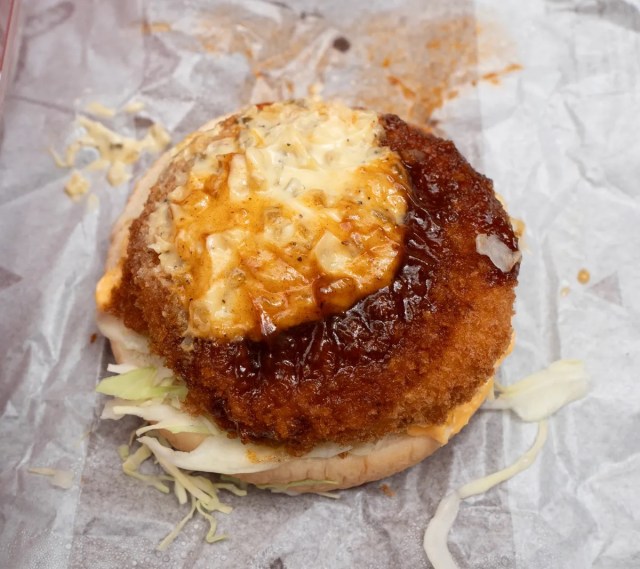
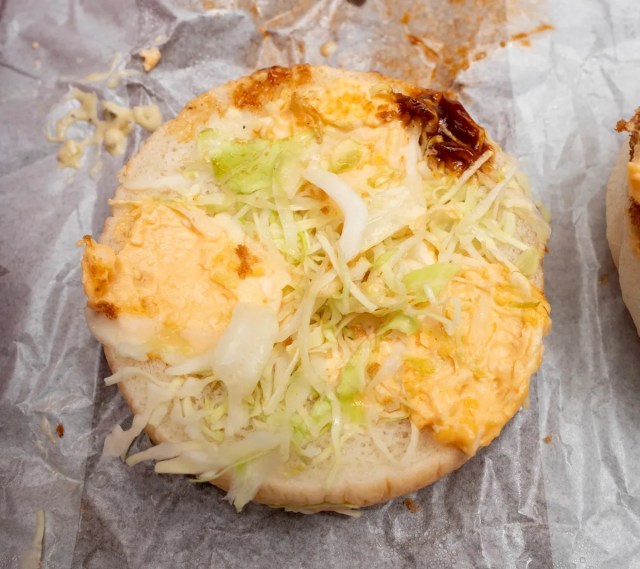
▼ Underneath the croquette is a bed of cabbage and egg sauce.
When we tried it, we noticed that the creaminess of the croquette was similar to last year’s, despite McDonald’s renewing the flavour for this year. However, the strength of the sauces was definitely pronounced, with a strong garlic flavour in the tartar and a sharp spiciness in the demi-glace that stimulated the taste buds and enhanced the mild taste of the croquette. It was an excellent burger that made us keen to find out how Komeda’s Gurakuro would stand up against it.

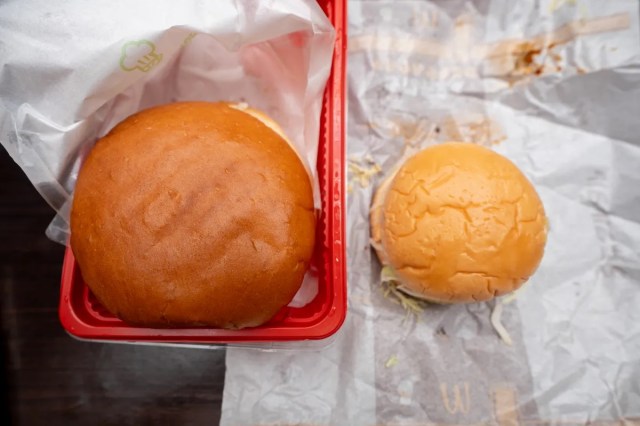
▼ Well, for starters, the Gurakuro (left) is massive by comparison.

The size is matched by the price, as Komeda’s is on the menu for 700-770 yen, depending on store location. Called the “Gurakuro Kaoru Porcini“, with “kaoru” meaning “fragrant”, this burger contains a sauce made with porcini mushrooms as its secret ingredient.

▼ The sauce is the first thing you see when you lift the top bun.
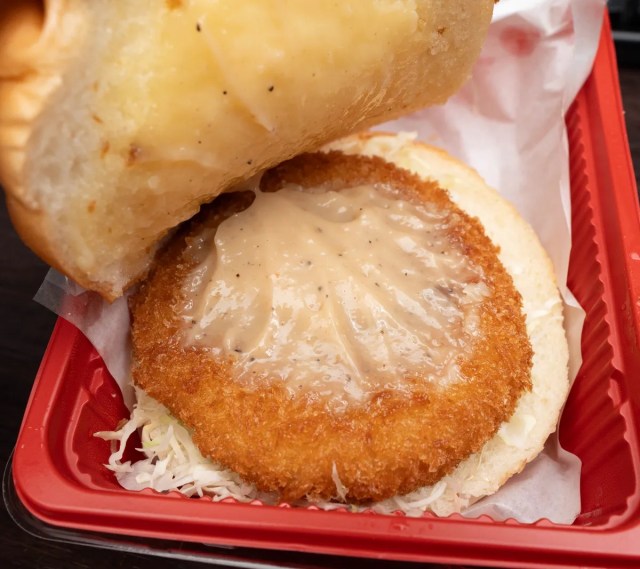
▼ Underneath the croquette is a bed of shredded carrot and cabbage.
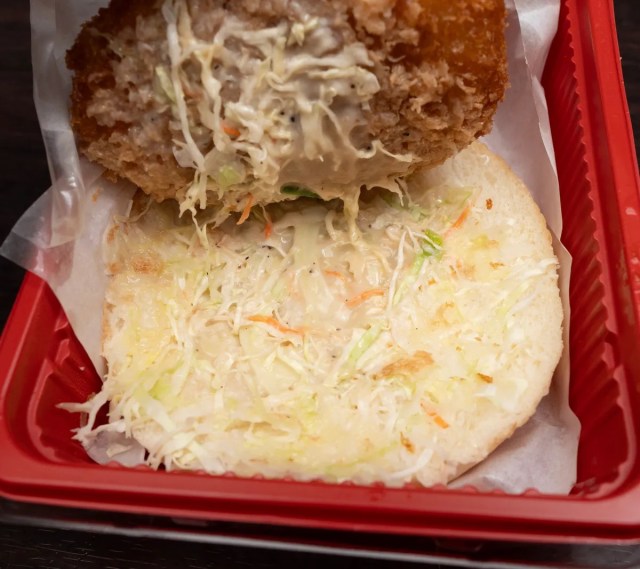
Our first reaction after trying this one was: “Wow!” The scent of porcini was way stronger than expected, living up to the “kaoru” in its name. The aroma and flavour was so strong that anyone with an aversion to mushrooms should steer well clear of it, as it’s packed full of porcini, in what might be a record concentration for the boletus world. The croquette is giant compared to McDonald’s, and though the texture is less melt-in-your-mouth, the crunchiness of the batter is fantastic, and with five types of cheese and cream inside, it has a smoothness and viscosity that contrasts beautifully with the crunch.

With both burgers being delicious, it’s hard to recommend just one as they’re each special in their own unique ways. If you prefer a gooey, melty croquette then McDonald’s is the one to go for, whereas those who like a good crunch to their batter will want to opt for the Komeda version.

If you’re against mushrooms, however, then the choice will be easy, but it should be noted that Komeda also offers a regular Gurakuro that’s mushroom-free, with a vegetable-and-potato croquette inside instead. And with McDonald’s also offering a regular Gurakoro, there are actually four gratin croquettes to tempt your palette this season, so you’ll be able to find a version that perfectly suits you.

Photos © SoraNews24
● Want to hear about SoraNews24’s latest articles as soon as they’re published? Follow us on Facebook and Twitter!


Credit:

Yakuza family speaks out against rise in organized crime

Not their kind of organized crime, the bad kind.

A big story going around mass media in Japan is the rise in yamibaito (literally “dark part-time jobs”). This is when an anonymous employer advertises on social media or elsewhere online, offering temptingly high pay for a one-time job. However, it isn’t until people respond that they learn the “job” involves committing robbery or fraud.

If they refuse they then face threats from the employers which sometimes pressures them into going through with the crime against their better judgment. It’s been appearing in news reports for a few years now, originally involving smash-and-grab style thefts or heists of Pokémon cards but more recently involving things such as violent home invasions.

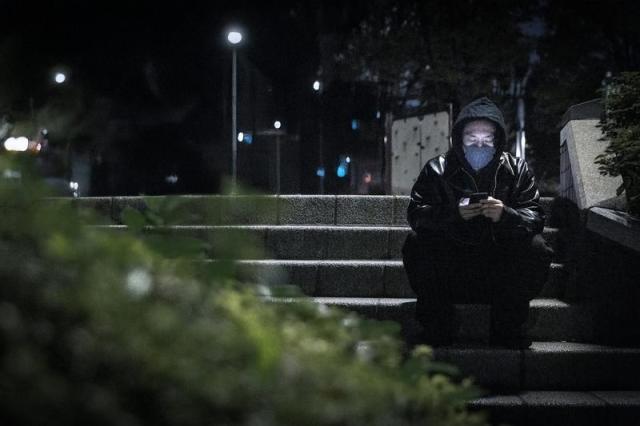
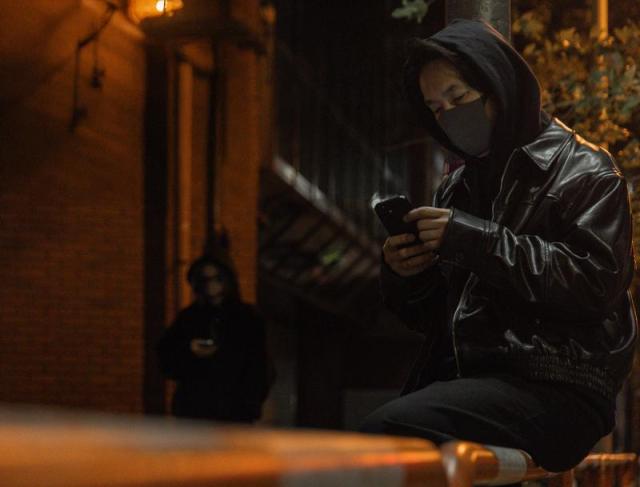
▼ You know it’s become a big problem when stock photos for it are readily available.

Police across the nation have been stepping up efforts to combat yamibaito and are putting out awareness-raising campaigns to teach people the signs that they might be getting roped into illegal activity before it’s too late.

These efforts also appear to have an unlikely ally in Japan’s vast organized crime network of the yakuza. Last month, the Eleventh Generation Himonya Family of the Inagawa-kai, posted the following announcement at the entrance to their headquarters:

“Announcement: There have recently been many instances of yamibaito, telephone fraud, and robberies, but the Himonya Family will take strict action against such people and groups operating in the Family’s territory (Shinagawa Ward, Ota Ward, parts of Setagaya Ward, parts of Meguro Ward). We are working to create a safe community.
Eleventh Generation Himonya Family”

In addition, the Sixth Generation Yamaguchi-gumi, the largest yakuza group in Japan, is said to have repeatedly issued orders prohibiting yakuza involvement in yamibaito.

However, some feel this is all just a PR move to distance the main groups from yamibaito activity. Naturally, when crime occurs in an organized fashion like this, all eyes turn to organized crime and Fukuoka Police even raided the Dojin-kai group on suspicion they were involved in yamibaito.

There are also so many off-shoots and sub-groups that could be involved without the higher-ups knowing either deliberately or indeliberately. Readers of the news are also divided on whether the yakuza are behind this particular brand of organized crime or not.

“Those guys are all too old to use the Internet.”
“Yakuza aren’t really known for robbing people indiscriminately like yamibaito does though.”
“This isn’t about honor or anything. The bosses are just ducking responsibility.”
“They also say they don’t sell drugs, but they just turn a blind eye when lower level groups do it.”
“I can see how the yakuza could be involved, but I don’t get why this is getting so big now.”
“The yakuza can just get some low-level group to do it and then disavow them if they get caught.”
“Yamibaito worsens public order and safety for minimal financial gain, which isn’t the yakuza’s style.”
“Let them fight.”
“Tell the yakuza to put their money where their mouth is and put an end to yamibaito.”

Actions certainly do speak louder than words, so until the yakuza personally busts up a yamibaito ring and exposes who’s behind it, we’ll have to hold back enthusiasm at them publicly denouncing it.

It would be cool if they did though, kind of like when G.I. Joe and Cobra teamed up to take on the villainous drug kingpin Headmaster after he turned Falcon into a junkie. However, life is seldom like G.I. Joe… Sigh.

Source: Daily Shincho, My Game News Flash
Featured image: Pakutaso
Insert image: Pakutaso
● Want to hear about SoraNews24’s latest articles as soon as they’re published? Follow us on Facebook and Twitter!


Credit:

Finally! Icees are coming to Japan!

Beloved American frozen dessert drink, progenitor to the Slurpee, comes to Japan, but leaves cherry flavor behind.

Japan has a pretty strong dessert drink game, what with all the matcha lattes, Japan-exclusive Frappuccinos, and what not. But we’re going to have to make room in our beverage calendar for a new arrival to Japan, as the country is finally going to be getting Icees!

Though Icees have been around since the 1960s in their land of origin, the U.S., they’ve remained unavailable in Japan. That’s all going to change next month, though, thanks to Tokyo-based restaurant and supermarket supplier Ozax, which will become Icee’s official Japanese distributor.

Icees are sometimes mistakenly thought to be an imitator of 7-Eleven’s Slurpees, as they’re both carbonated frozen beverages that come in a variety of sweet flavors. Actually, though, Icee is the original. In fact, 7-Eleven’s Slurpee brand was initially just renamed Icees, sold in the convenience stores under a licensing agreement with the Icee Company, which was founded in Southern California.

Luckily for Icee, 7-Eleven stores in Japan don’t regularly sell Slurpees, so there’s not much risk of the drink being seen as an imposter here. More important is providing flavors to suit the Japanese palate. The classic Icee flavors are cherry and blue raspberry, but while the latter will be part of the initial lineup in Japan, cherry will not, likely a result of Japan in general not being so into cherry-flavored desserts (sakura/cherry blossom is an entirely different taste). Instead, the bright red Icee being served in Japan will be strawberry, and rounding out the trio will be yellow peach.

▼ And a cute mascot character can’t hurt, this being Japan and all.

Icees have long been a staple of American movie theater snack bars, and they’ll make their Japan debut at Toho Cinemas, going on sale at the Hibiya, Ikebukuro, Shinjuku, Roppongi Hills, and Fuchu branches of the theater chain on December 6, with further expansion to come later, giving us a sweet alternative to Japan’s new Drinkable Mayo.

Source, images: PR Times
● Want to hear about SoraNews24’s latest articles as soon as they’re published? Follow us on Facebook and Twitter!


Credit:

Possessing Harry Potter’s Sword of Godric Gryffindor is now illegal in Japan

Warner Bros. Studio Tour Tokyo souvenir replica recalled after warning from muggle law enforcement.

Within the world of Harry Potter, Gryffindor is supposed to be the heroes. Sure, the Hufflepuff kids play nicely with others, but they aren’t known as a house of action. Ravenclaw is smart, but being clever doesn’t necessarily make you good. And Slytherin? Setting aside the question of what the expected benefits were for a school creating a permanent club for evil teenagers, they’re not known for their righteous valor.

So it regularly falls to Gryffindor to answer the call to become heroes…which makes it all the more ironic that, in Japan, possessing a symbol of loyalty the house may now make you a criminal.

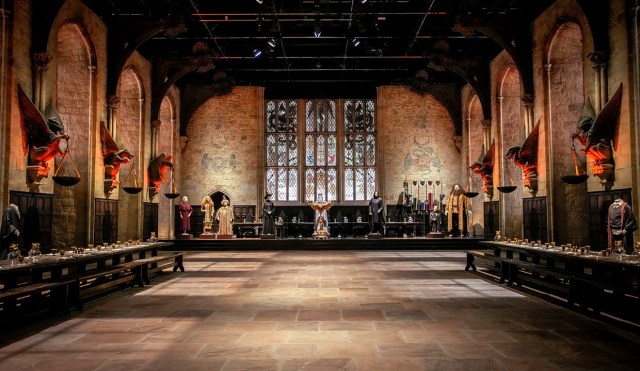
Warner Bros. Studio Tour Tokyo–The Making of Harry Potter opened in the summer of last year in Tokyo’s Nerima Ward. A sort of combination theme park/museum/photo spot, the facility features recreations of settings seen in the Harry Potter film series, along with displays of costumes and props used in the series. Naturally, there’s a gift shop too, and among the items it’s offered is a full-size Sword of Godric Gryffindor.

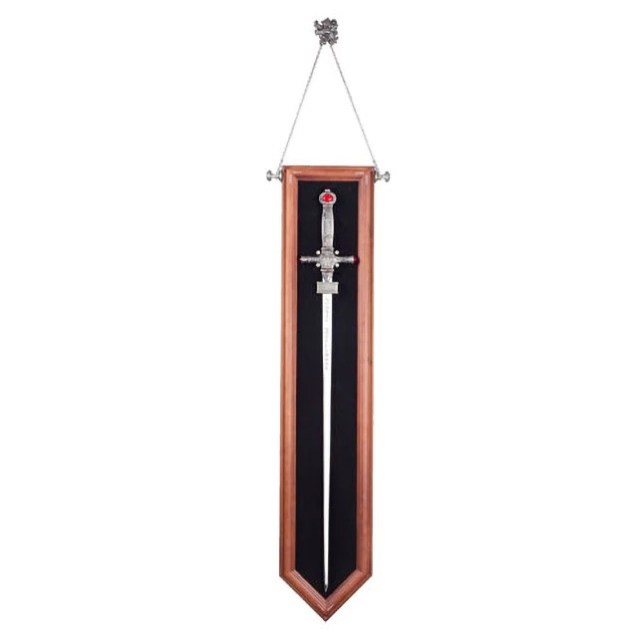
Priced at 30,000 yen (US$196), the stainless-steel replica of the sword wielded by Gryffindor’s founder is 86 centimeters (34 inches) in length. Unfortunately, the size and design of this very big sword for very big Harry Potter fans is causing it to be recalled. The Warner Bros. Studio Tour Tokyo management was recently contacted by the police, who informed them that the Sword of Godric Gryffindor is, in the eyes of the law, a “sword,” and so it’s illegal for civilians to possess.

Japan’s Firearm and Sword Possession Control Law (also sometimes called the Firearm and Sword Control Law), dictates various criteria as to what distinguishes a sword from practical-use bladed tools, such as cooking knives. Criteria such as length, material, and sharpness are taken into consideration, and while the Sword of Godric Gryffindor does not have sharpened edges, apparently the tip of the blade is sharp enough for it to be judged a sword by the police, and it thus would require a special permit to own.

It’s possible that Warner Bros. Studio Tour Tokyo didn’t bother to check the Sword of Godric Gryffindor against the Firearm and Sword Possession Control Law standards, figuring that because it’s sold attached to a wooden backing, it would be treated as a piece of hanging wall art.

The Sword of Godric Gryffindor was offered for sale between March of 2023 and April of 2024, during which 351 were purchased, and they’re now being recalled. The Warner Bros. Studio Tour Tokyo has added a page to its official website here with further information about how to turn in the sword and receive a refund. Visitors to Japan from overseas who’ve already taken their Sword of Godric Gryffindor back to their home country are presumably in the clear, but a number of the swords are currently available through second-hand sales sites in Japan, which domestic shoppers will likely want to avoid.

Source: Warner Bros. Studio Tour Tokyo, NHK via Otakomu
Top image: Warner Bros. Studio Tour Tokyo
Insert images: Warner Bros. Studio Tour Tokyo
● Want to hear about SoraNews24’s latest articles as soon as they’re published? Follow us on Facebook and Twitter!


Credit:

Savor the sass in Osaka’s new obachan-inspired buns

This playful souvenir is packed with personality.

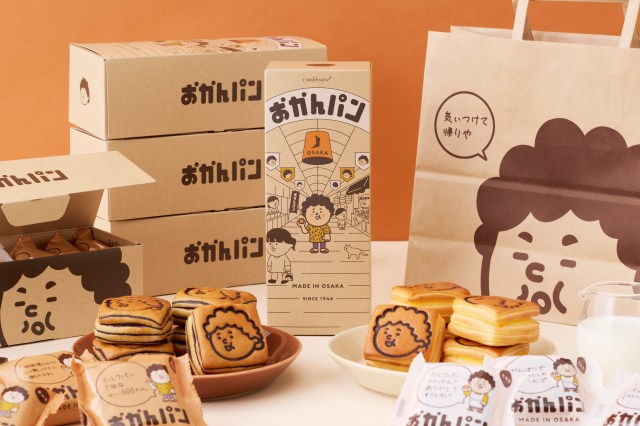
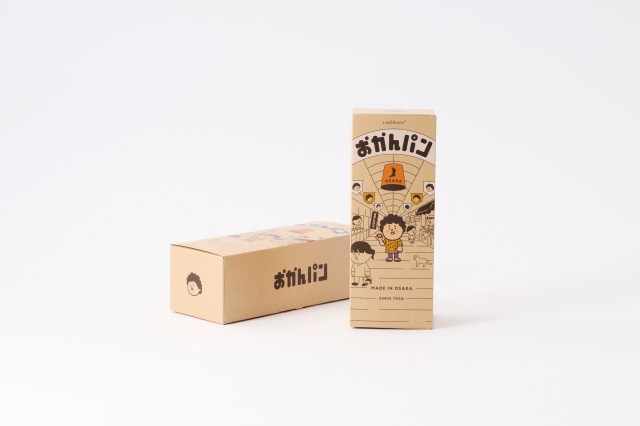
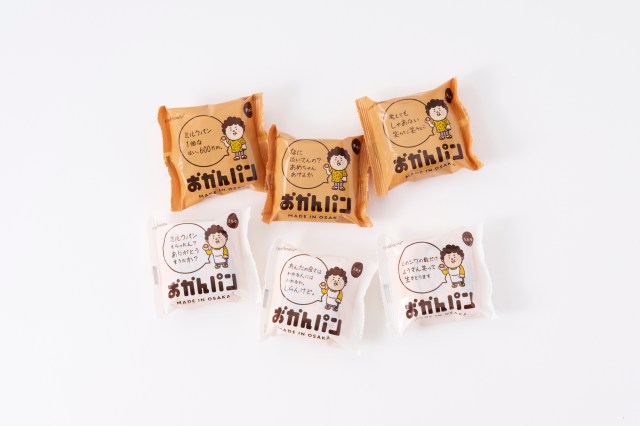
Osaka’s iconic obachan (middle-aged ladies) have long captivated us with their bold fashion and humorous music. Now, they’re leaving their mark on food with a treat that’s as warm and cheeky as they are. A creation by the city’s beloved bakery chain Cookhouse, also known for rolled-up sandwiches, Okan Pan brings together the three pillars of Osaka culture—amazing food, humor, and that unmistakable obachan charm—in one delicious package.

With “okan” being an affectionate local term for “mother” and “pan” meaning “bread”, this fast-selling souvenir lets everyone experience the charm of a true Osakan mom.

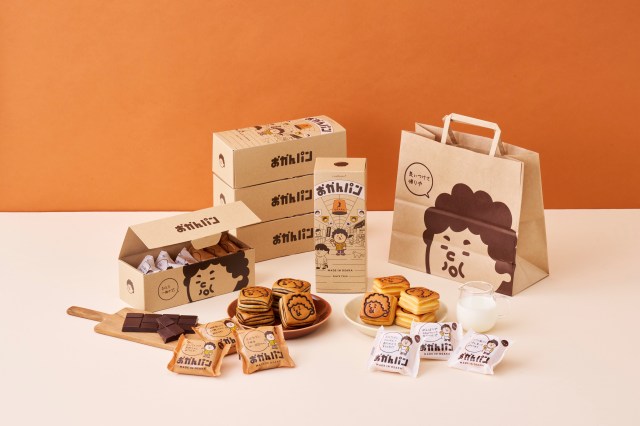
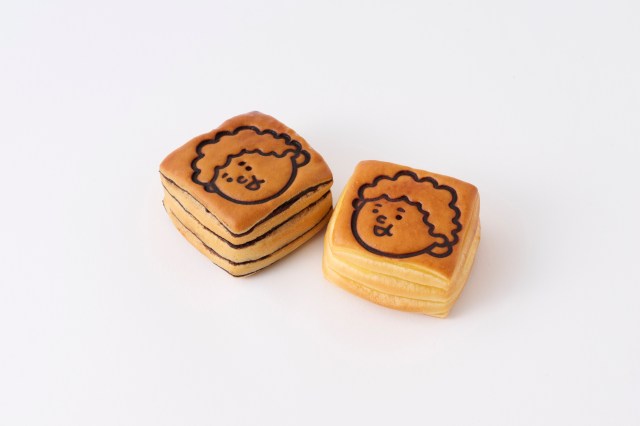
Using their best-selling milk bun as a base, Cookhouse has created two mouthwatering flavors, custard and chocolate, and stamped each with the face of their star mascot: Okan, a character whose style and personality embody the essence of an Osaka obachan.

Each package of Okan Pan also comes with a dose of classic obachan wit. Some of the humorous phrases include:

“Why are you crying? Want some candy?”
“Someone will see your good points. Probably.”
“Every wrinkle is proof of a life full of laughter.”
“Oh, stop flattering me! You’re not getting anything out of it, you know.”
“I could talk for five hours, but I’ll faint if I stay silent for even five minutes.”

Osaka obachan are the heart and soul of the city. Masters of machine-gun conversation, they never let you get a word in edgeways. They’re full of well-intentioned meddling and generous advice, and cheeky yet harmless comebacks. Okan Pan captures this spirit perfectly, injecting the full obachan energy into every bite.

Packaged in sets of six, with three custard and three chocolate buns, these souvenirs are priced at 972 yen (US$6.33) and can be found at all Cookhouse locations across Osaka, including Abeno Q’s Mall, Namba Walk, and the MUJI store at AEON Mall Sakai Kita-hanada.

Looking for a gift that screams “Only in Japan”? Forget the folding fans and chopsticks because this sassy little piece of Osaka is the perfect souvenir. But hurry, because they may sell out faster than you can say “discounted items and a group of obachan!”

Related: Cookhouse location list
Source, images PR Times

● Want to hear about SoraNews24’s latest articles as soon as they’re published? Follow us on Facebook and Twitter!


Credit:

Drinkable Mayo on sale at Japanese convenience stores for mayonnaise fanatics

Lawson makes a bold move in the always competitive combini drink scene.

Mayonnaise isn’t indigenous to the local cuisine, but the condiment has been embraced with open arms/mouths in Japan. In addition to being generously applied to western food such as sandwiches and pizzas in Japan, mayo can be found in certain types of sushi and onigiri (rice balls) as well. We’ve even seen companies in Japan offer sliced sheets of mayonnaise and mayonnaise ice cream.

And now here comes convenience store Lawson with a bold plan to push the mayo envelope even further with the creation of Nomu Mayo, or “Drinkable Mayonnaise.”

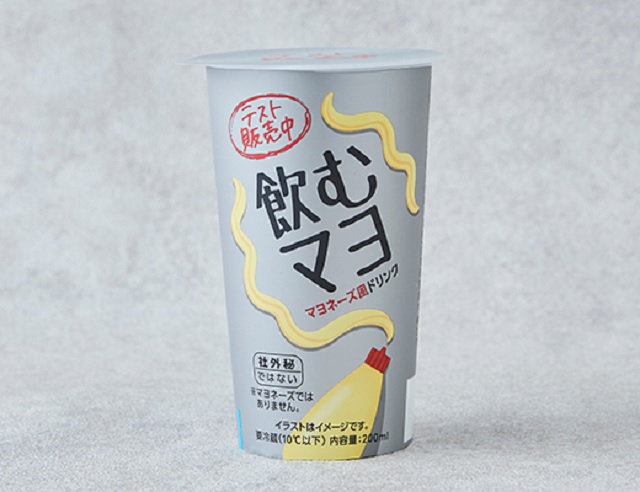
Nomu Mayo comes in one of those cups that get used for Japanese convenience store drinks that are just a touch upmarket, offering a little more luxury than their more basic brethren in cans or plastic bottles. Decorated with an illustration of the typical squeeze bottle that mayo comes in in Japan, plus two long squirts of the stuff, Lawson describes Nomu Mayo, which is priced at 198 yen (US$1.30) for a 200-mililiter (6.8-ounce) cup, as:

“The new item that mayo fanatics have long been waiting for! A chilled drink that recreates the rich and sour flavors of mayo.”

However, the packaging also states that this is a “mayonnaise-style drink” which is “not mayonnaise.” Early online chatter following Nomu Mayo’s launch on November 26, though, indicates that the flavor is pretty much an exact match for actual mayonnaise.

While mayo is a popular condiment in Japan, Lawson is taking a bit of a gamble in hoping that the flavor is equally appealing as a drink, where it’s not accompanied by the flavor of whatever food it would ordinarily be applied to. There’s also the question of whether fans of Japanese mayo, which is thicker and less watery than the western version, will be as enamored with the combination of that taste with a more liquid beverage consistency.

Perhaps that uncertainty is why Nomu Mayo’s packaging bears the designation “currently in test sale period,” so we’ll have to wait and see if it gets a passing grade.

Source: Lawson
Top image ©SoraNews24
Insert image: Lawson
● Want to hear about SoraNews24’s latest articles as soon as they’re published? Follow us on Facebook and Twitter!


Credit: